
The Costume Designers
Explore costume designers creating custom dresses, theme outfits, stage wear, and performance attire with expert styling for events and productions.
Explore Costume & Fashion Collections
Related Experiences

Explore by Occasion
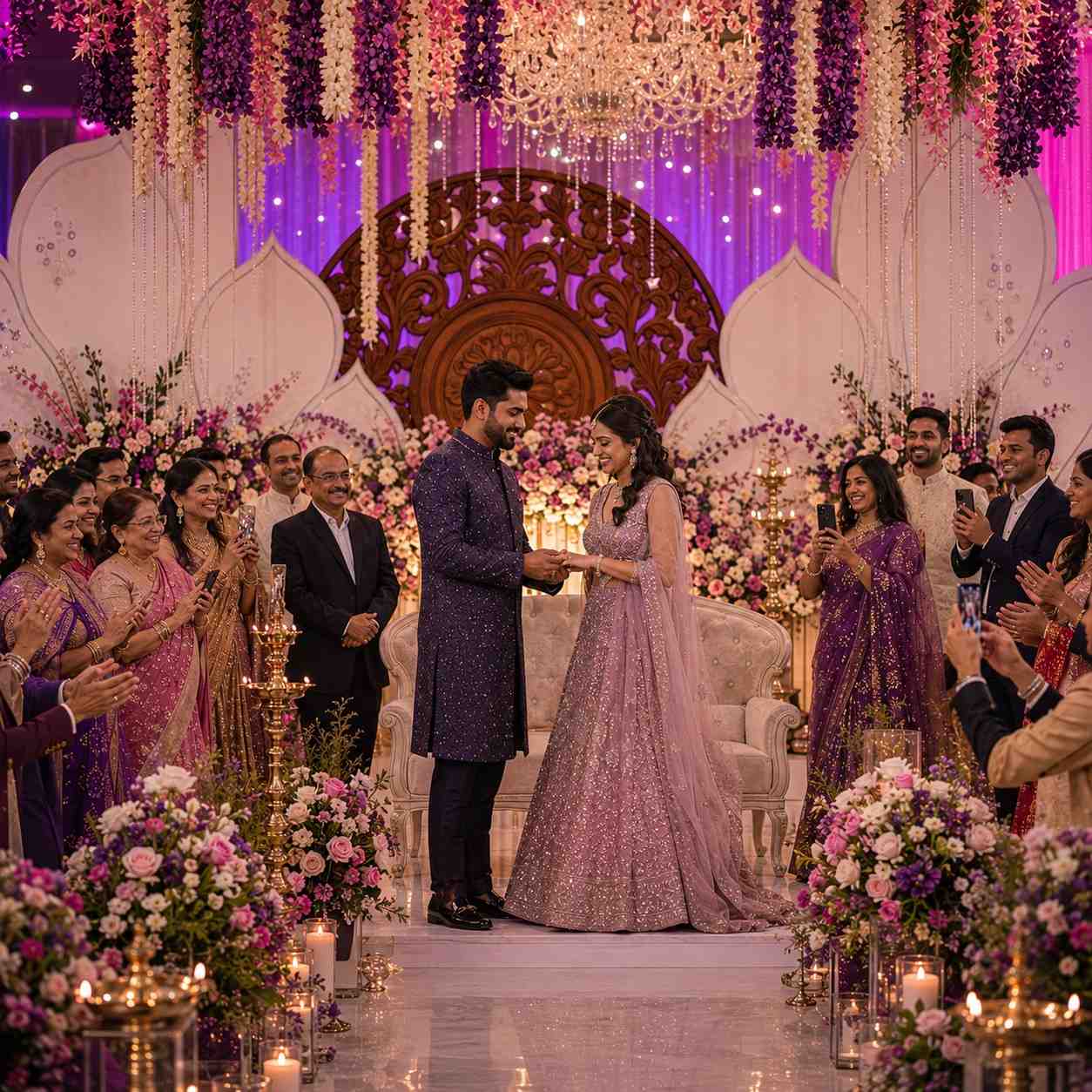
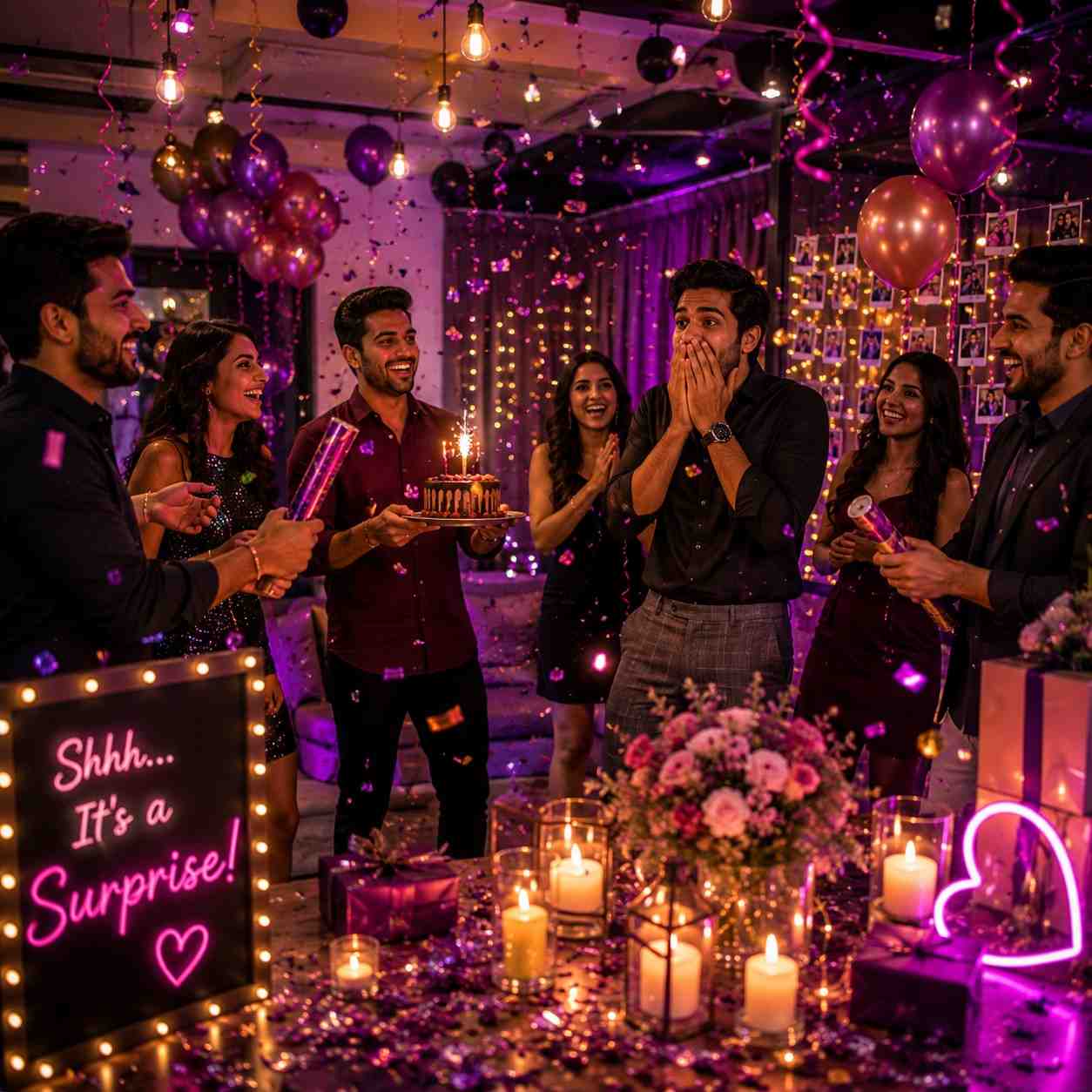
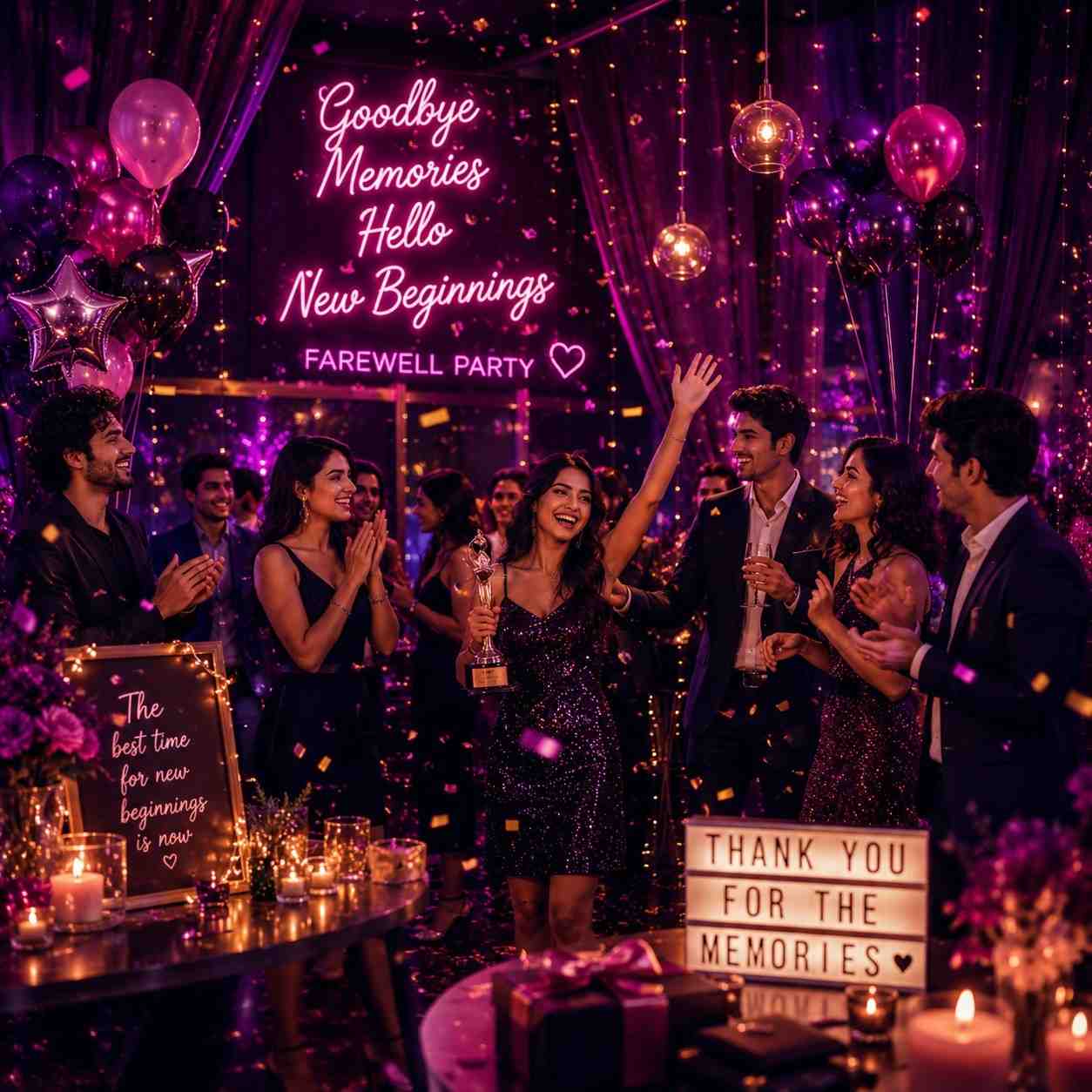
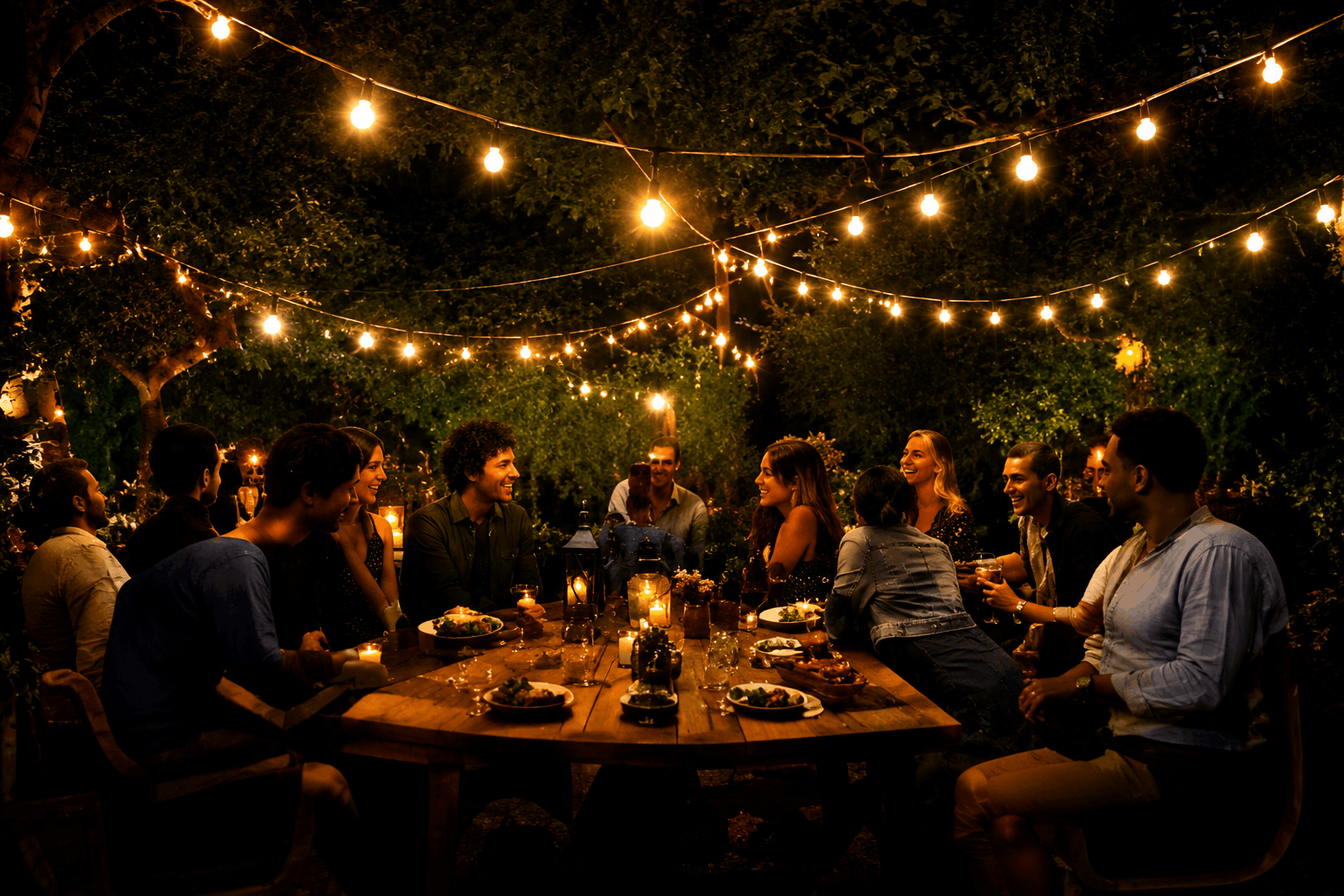
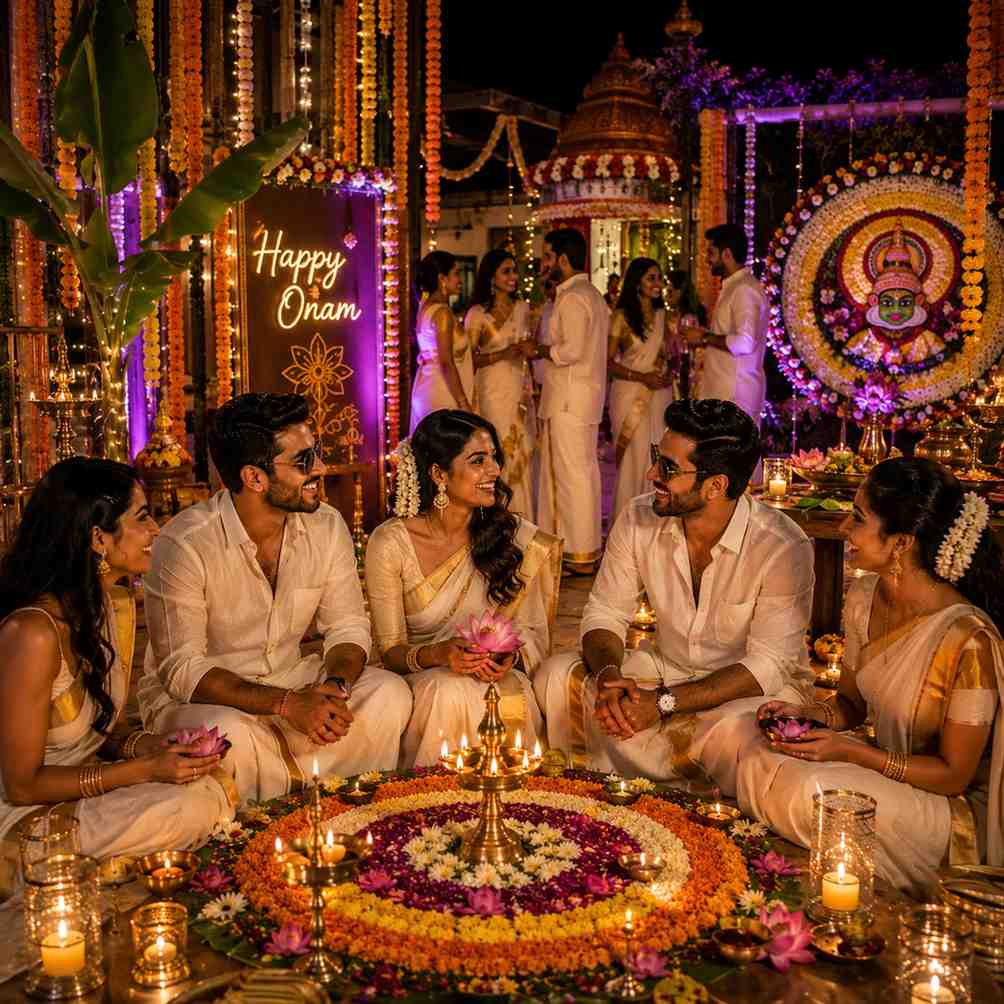
Costume Designers for Custom Dresses, Theme Outfits & Performance Attire
◆Costumes are more than just clothing—they are a powerful form of storytelling, expression, and identity. Whether it’s a grand wedding entrance, a themed celebration, or a stage performance, the right outfit can transform the entire experience. Professional Costume Designers play a vital role in bringing creative visions to life through custom dresses, styling, and performance attire tailored to specific themes and occasions.
From elaborate stage wear to playful fancy dress outfits, costume design blends creativity with functionality. Designers focus not only on aesthetics but also on comfort, movement, and the overall impact of the outfit.
The Role of Costume Designers in Events and Performances
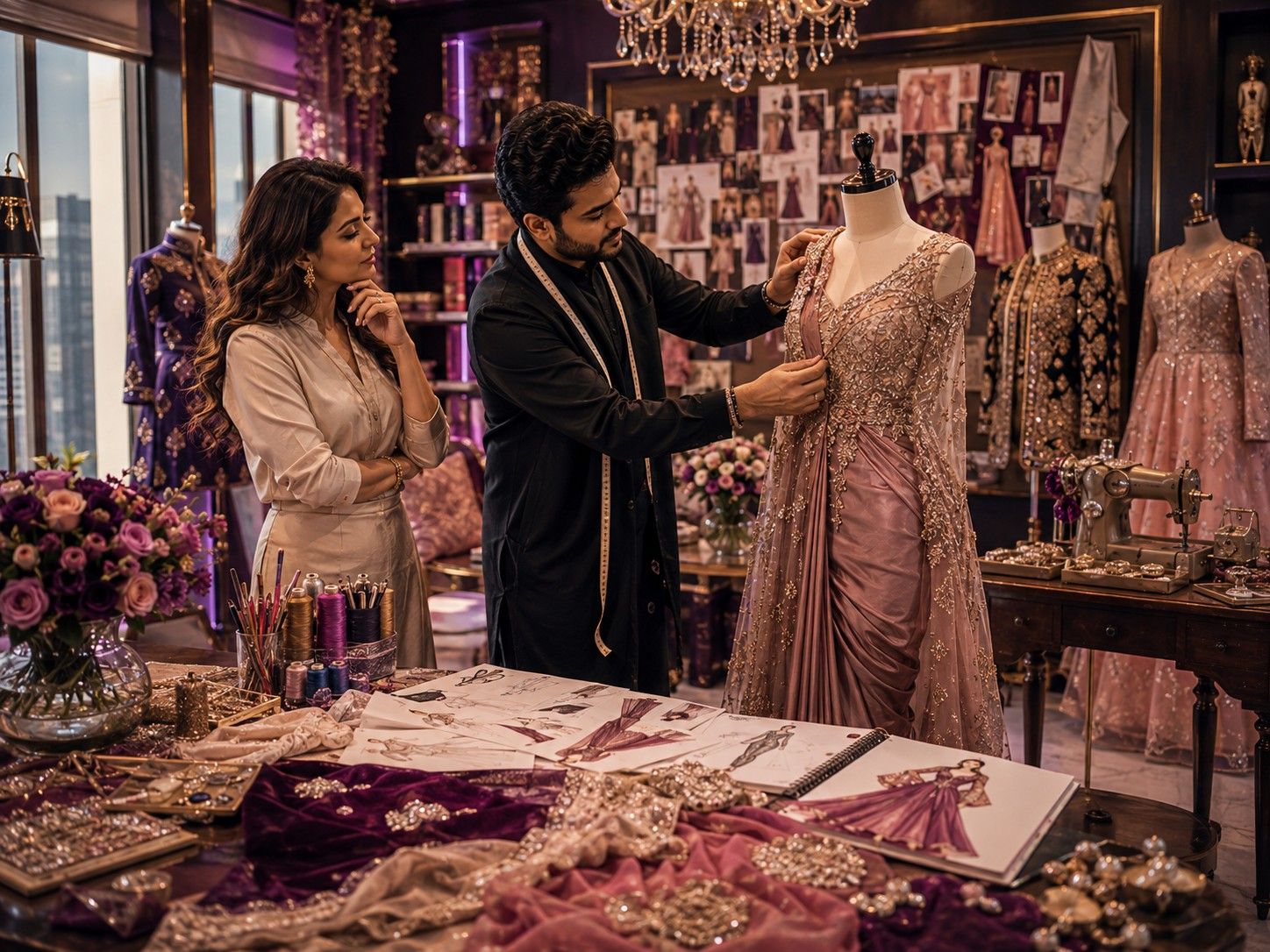
Costume designers are responsible for conceptualising and creating outfits that align with the theme, purpose, and mood of an event or performance. Their work involves understanding the client’s vision, selecting appropriate materials, and crafting designs that enhance the overall presentation.
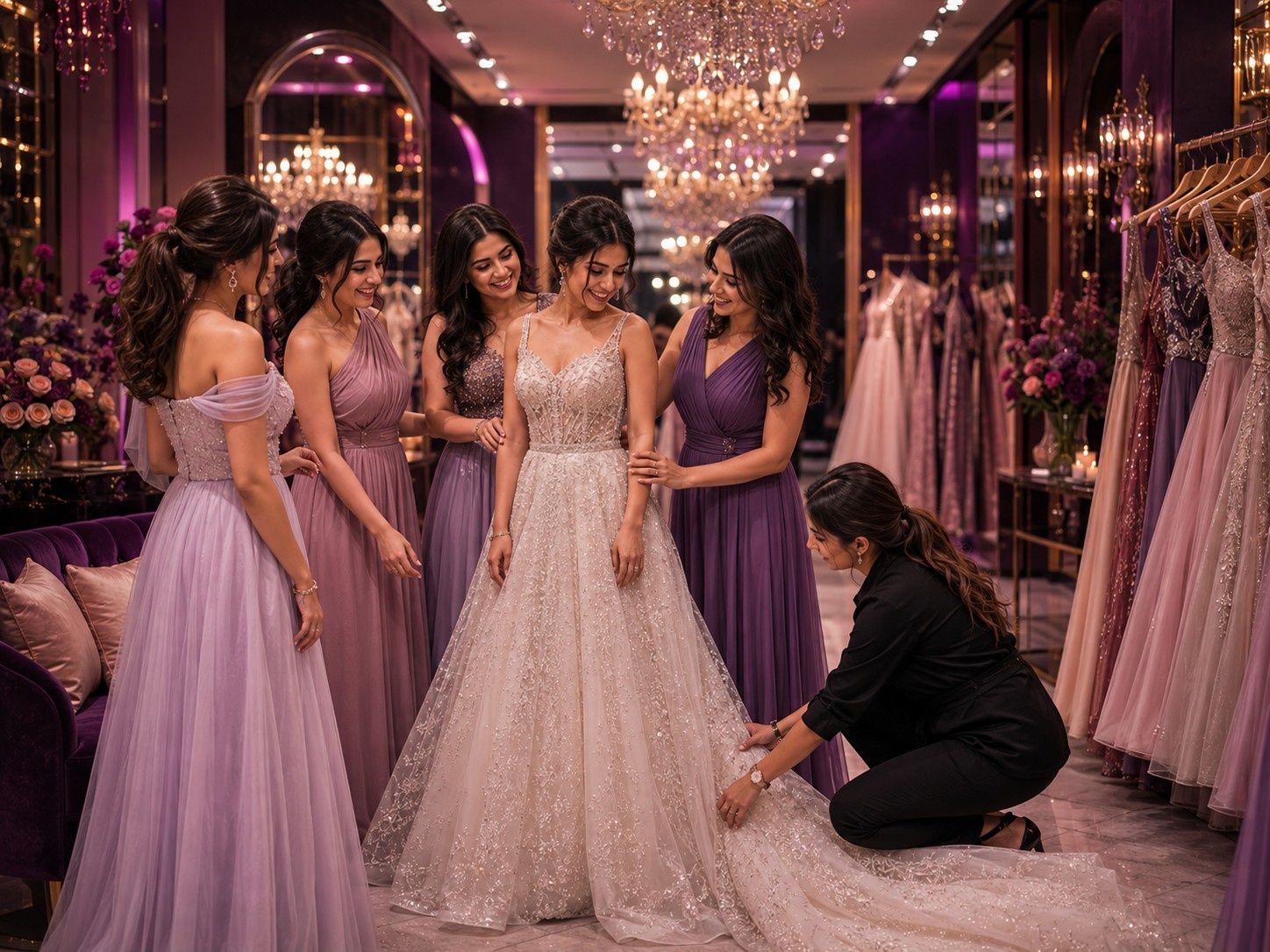
In events such as weddings, themed parties, and cultural celebrations, costume designers help create unique looks that stand out. In performances, they ensure that outfits support the narrative and allow performers to move freely.
Custom Dresses: Personalised and Unique
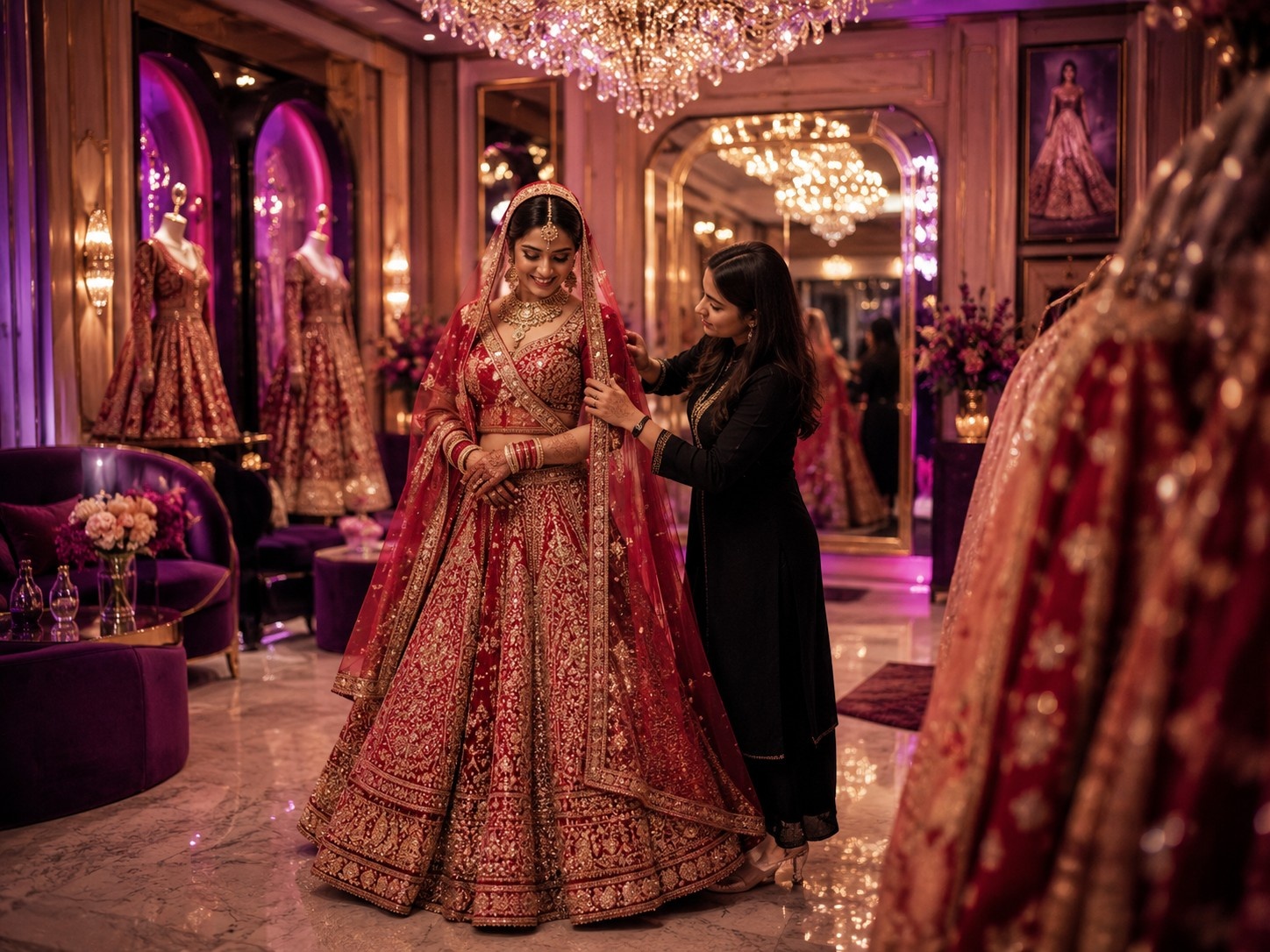
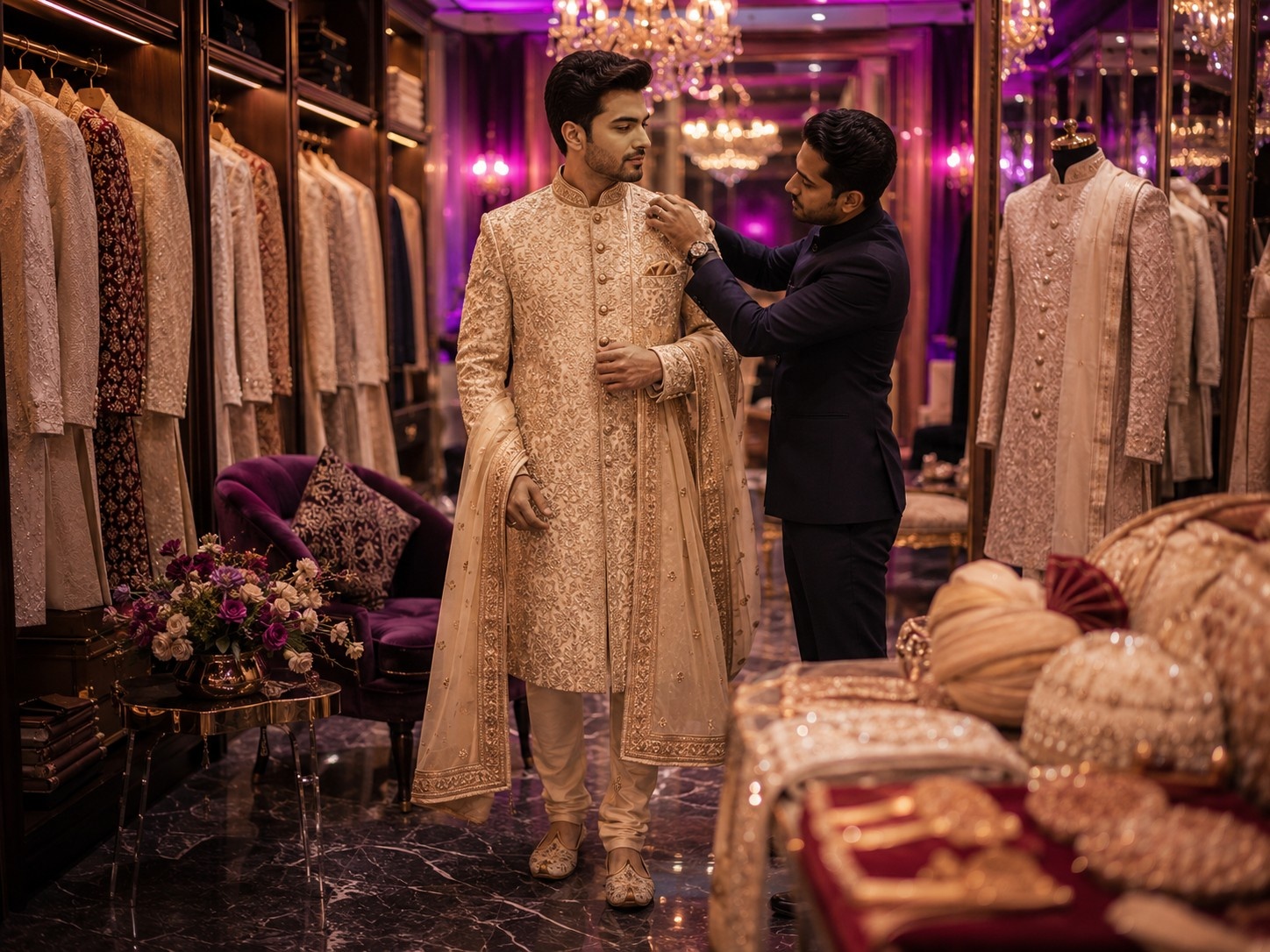
Custom dresses are at the heart of costume design. Unlike ready-made outfits, custom creations are tailored to fit individual preferences, body types, and themes.
Designers collaborate closely with clients to select fabrics, colours, and design elements. This personalised approach ensures that each outfit is unique and meaningful.
Custom dresses are particularly popular for special occasions where individuality and attention to detail are essential.
Theme Outfits: Bringing Concepts to Life
Theme outfits are designed to match a specific concept or idea, making them a key element in themed events and parties. Whether it’s a cultural theme, historical setting, or fantasy concept, costume designers bring creativity and imagination into every design.
These outfits often involve intricate detailing, bold colours, and unique accessories. The goal is to create a cohesive look that aligns with the event’s theme and enhances the overall experience.
Stage Wear: Designed for Performance
Stage wear is a specialised category of costume design that focuses on performance requirements. Outfits for stage performances must be visually striking while allowing ease of movement.
Designers consider factors such as lighting, distance from the audience, and the nature of the performance when creating stage wear. Fabrics and embellishments are chosen to ensure durability and comfort.
Stage wear is commonly used in theatre, dance, music performances, and live shows.
Fancy Dress: Fun and Creative
Fancy dress outfits are designed for entertainment and creativity. They are popular for events such as school functions, themed parties, and competitions.
Costume designers create imaginative designs that capture the essence of characters or themes. From simple costumes to elaborate creations, fancy dress outfits allow individuals to express themselves in a fun and engaging way.
Performance Attire: Function Meets Style
Performance attire includes costumes designed for activities such as dance, drama, and musical performances. These outfits must balance style with practicality, ensuring that performers can move comfortably.
Stretchable fabrics, secure fittings, and lightweight materials are commonly used in performance attire. Designers also focus on visual impact, ensuring that the outfits stand out on stage.
Fabric Selection and Material Choices
Choosing the right fabric is essential in costume design. Different types of outfits require different materials based on their purpose.
- Cotton and blends: Comfortable and breathable for casual wear
- Silk and satin: Elegant and suitable for formal costumes
- Lycra and spandex: Flexible for performance attire
- Velvet and brocade: Rich and ideal for dramatic stage wear
The choice of fabric affects both the appearance and functionality of the costume.
Colour and Design Elements
Colour plays a crucial role in costume design, influencing mood and visual impact. Bright and bold colours are often used for stage performances, while subtle tones are preferred for elegant events.
Design elements such as embroidery, sequins, and prints add depth and character to the outfit. Accessories and props further enhance the overall look.
Styling and Coordination
Styling is an integral part of costume design. It involves coordinating outfits with accessories, hairstyles, and makeup to create a complete look.
Costume designers often work with stylists and event planners to ensure that every element aligns with the theme and purpose of the event.
Comfort and Practicality in Costume Design
While aesthetics are important, comfort and practicality cannot be overlooked. Costumes should allow ease of movement and be suitable for the duration of the event or performance.
Designers ensure proper fitting, breathable fabrics, and secure construction to avoid discomfort or wardrobe issues.
Customisation and Collaboration
Collaboration between the designer and the client is key to achieving the desired result. Customisation allows for flexibility in design, ensuring that the final outfit meets expectations.
Designers often create sketches, prototypes, and fittings to refine the design. This process ensures that the costume is both functional and visually appealing.
Why Costume Designers Matter
The importance of Costume Designers lies in their ability to transform ideas into tangible creations. Their work enhances the visual appeal of events and performances, making them more engaging and memorable.
By combining creativity with technical expertise, costume designers contribute to the success of various occasions, from personal celebrations to professional productions.
Balancing Creativity and Functionality
Costume design requires a balance between creativity and practicality. While innovative designs are essential, they must also serve the intended purpose.
Designers strive to create outfits that are visually impressive while meeting the functional needs of the wearer.
Modern Trends in Costume Design
Costume design continues to evolve, with trends such as sustainable materials, digital design techniques, and fusion styles gaining popularity.
Designers are experimenting with new fabrics, technologies, and concepts to create unique and innovative costumes. Personalisation and customisation remain key trends in the industry.
Future of Costume Design
The future of costume design is shaped by creativity, technology, and sustainability. As events and performances become more elaborate, the demand for innovative costumes will continue to grow.
Advancements in materials and design tools will enable designers to create more efficient and visually stunning outfits.
The role of costume designers will remain essential in bringing stories, themes, and ideas to life through clothing.
FAQs
1. What do costume designers do?
They create and design outfits for events, performances, and themed occasions.
2. What are custom dresses?
Custom dresses are tailored outfits designed to meet specific preferences and requirements.
3. What are theme outfits?
They are costumes designed to match a particular concept or event theme.
4. What is stage wear?
Stage wear includes costumes designed specifically for performances and live shows.
5. What is fancy dress?
Fancy dress refers to creative and themed costumes worn for fun or entertainment.
6. What fabrics are used in costume design?
Common fabrics include cotton, silk, satin, velvet, and stretch materials.
7. Can costumes be customised?
Yes, costume designers offer customisation to suit individual needs.
8. Why is comfort important in costumes?
Comfort ensures ease of movement and a better overall experience.
9. What is performance attire?
It is clothing designed for activities such as dance, theatre, and music performances.
10. Why are costume designers important?
They enhance the visual appeal and storytelling of events and performances.