
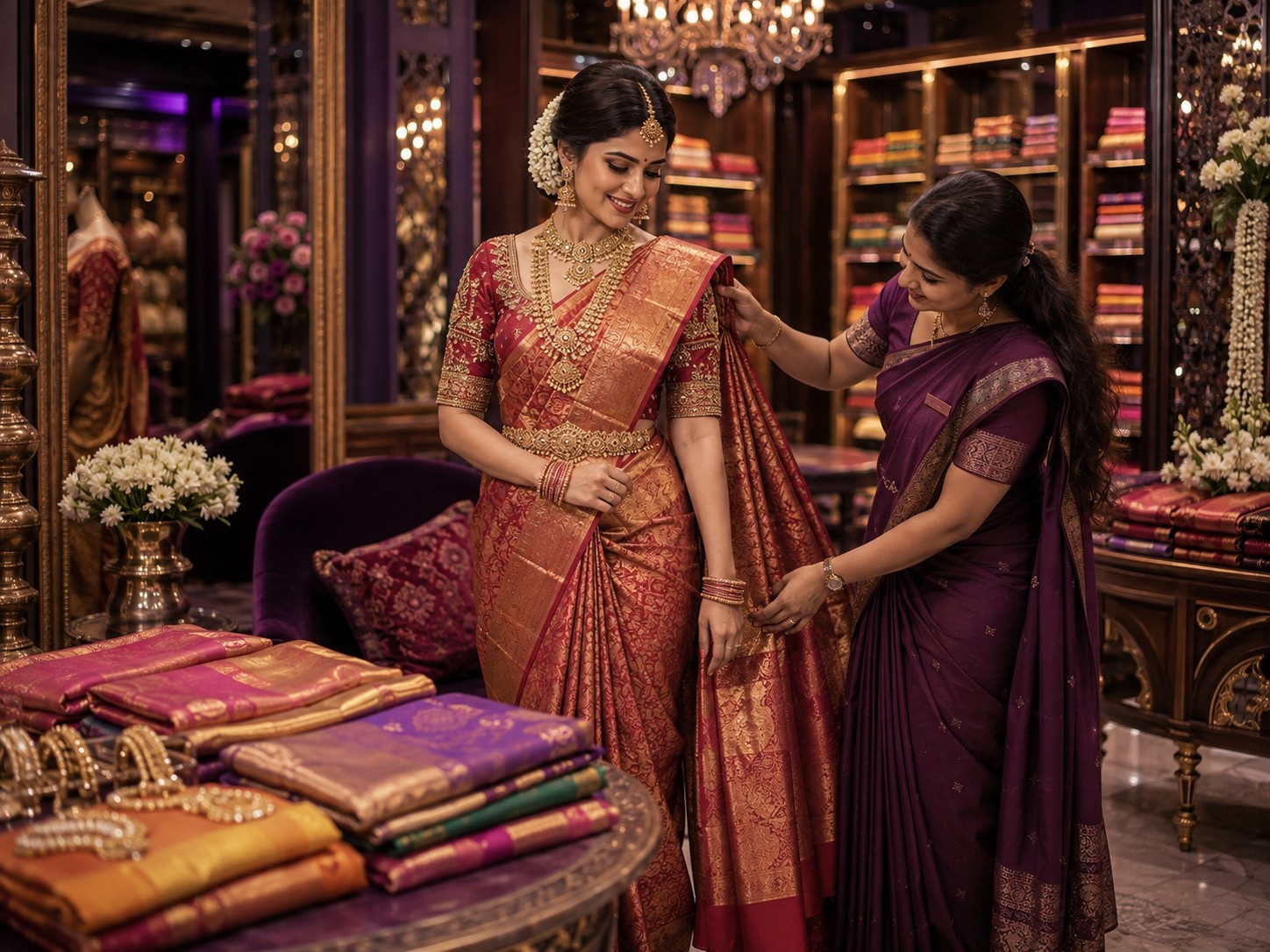
The Bridal Silk Sarees
Timeless Bridal Silk Sarees in Kanjivaram and Kanchipuram styles crafted for muhurtham, pattu and reception looks with rich tradition and elegance.
Explore Costume & Fashion Collections
Related Experiences


Explore by Occasion
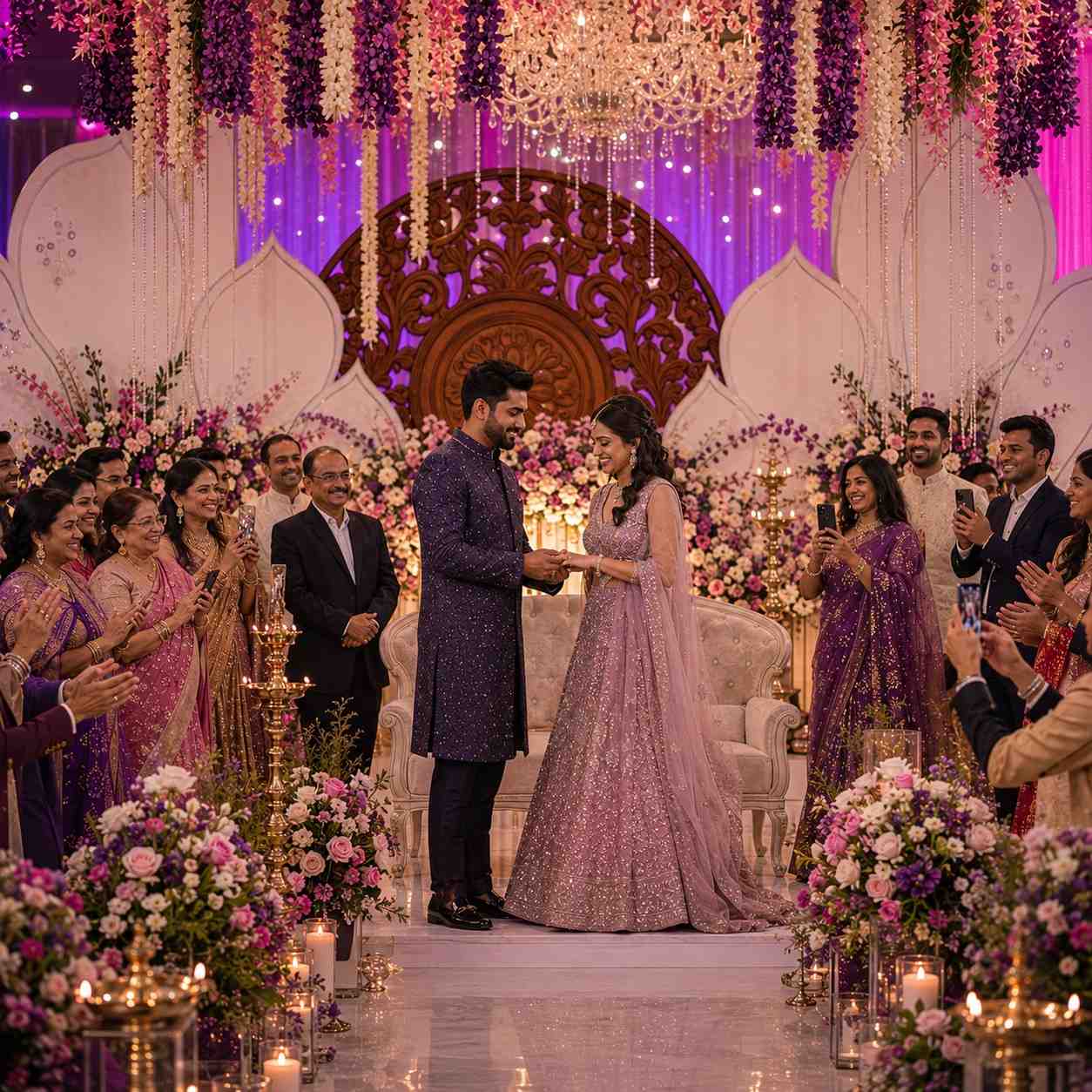

Elegant Bridal Silk Sarees for Traditional South Indian Wedding Ceremonies
◆Bridal Silk Sarees are more than just wedding attire—they are a symbol of tradition, grace, and timeless elegance deeply rooted in Indian culture. Especially in South Indian weddings, these sarees play a central role in defining the bride’s identity, reflecting heritage, craftsmanship, and family legacy. From the sacred Muhurtham ceremony to grand receptions, silk sarees remain the most cherished choice for brides who want to blend authenticity with luxury.
The beauty of Bridal Silk Sarees lies in their richness of fabric, intricate weaving techniques, and cultural significance. These sarees are not just garments but heirlooms passed down through generations, preserving memories and traditions. Whether it’s the shine of pure silk, the intricate zari work, or the vibrant color palettes, each saree tells a unique story of craftsmanship and elegance.
Significance in South Indian Weddings
In South India, silk sarees are an essential part of wedding rituals. Brides traditionally wear them during the Muhurtham—the most auspicious moment of the wedding ceremony. The saree chosen for this occasion is often a Kanjivaram or Kanchipuram silk saree, known for its durability, richness, and symbolic motifs.
The choice of silk reflects prosperity, purity, and cultural pride. Families often invest in high-quality silk sarees not only for the wedding day but also as a treasured keepsake. The colors—typically red, gold, green, or maroon—hold symbolic meanings associated with prosperity, fertility, and happiness.
Types of Bridal Silk Sarees
There are several varieties of silk sarees available for brides, each with its own distinct identity and weaving tradition. Among them, Kanjivaram and Kanchipuram sarees stand out as the most preferred options for South Indian brides.
Kanjivaram sarees are known for their bold colors, thick silk fabric, and heavy gold zari work. These sarees often feature traditional motifs such as temple borders, peacocks, and floral patterns. On the other hand, Kanchipuram sarees are celebrated for their fine weaving techniques and contrasting borders, offering a blend of elegance and grandeur.
Bridal Silk Sarees also come in lighter variations suitable for receptions or post-wedding events. These sarees maintain the elegance of silk while offering comfort and ease of movement, making them ideal for long celebrations.
Fabric and Craftsmanship
The uniqueness of Bridal Silk Sarees lies in the craftsmanship involved in their creation. These sarees are typically handwoven by skilled artisans who dedicate days or even weeks to complete a single piece. The use of pure mulberry silk and real zari (gold or silver thread) enhances both the beauty and value of the saree.
The weaving process involves intricate detailing, from designing patterns to interlacing threads with precision. This level of craftsmanship ensures that each saree is unique and of the highest quality. Brides often choose sarees that showcase traditional artistry, making their wedding attire truly special.
Choosing the Perfect Saree for Muhurtham
Selecting the right saree for the Muhurtham ceremony is a crucial decision for every bride. The saree should not only align with traditional values but also reflect the bride’s personal style. Rich colors like red, gold, and green are commonly chosen for their auspicious significance.
Bridal Silk Sarees designed for Muhurtham are usually heavier, with elaborate zari work and traditional motifs. The draping style also plays an important role, often complemented by traditional jewelry and accessories to complete the bridal look.
Comfort is equally important, as the ceremony can be lengthy. Brides should ensure that the saree is well-fitted and easy to carry, allowing them to move gracefully throughout the rituals.
Reception and Post-Wedding Styling
While the Muhurtham saree is deeply traditional, reception sarees allow for more experimentation in style and design. Brides often choose lighter silk sarees with contemporary patterns or subtle embellishments for evening events.
These sarees can be styled with modern blouses, unique draping styles, and statement jewelry to create a fusion look. Bridal Silk Sarees for receptions often feature pastel shades, dual tones, or minimal zari work, offering a sophisticated and elegant appearance.
Color Trends and Symbolism
Colors play a significant role in bridal attire. Traditional shades like red and gold symbolize prosperity and marital bliss, while green represents fertility and harmony. Over time, brides have started exploring new color palettes, including pastel tones, ivory, and even bold contrasts.
Despite evolving trends, the essence of Bridal Silk Sarees remains rooted in cultural symbolism. Brides often choose colors that resonate with their heritage while adding a personal touch to their overall look.
Styling and Accessories
The beauty of Bridal Silk Sarees is enhanced by the right combination of accessories. Traditional South Indian bridal jewelry, including temple jewelry, gold necklaces, bangles, and waist belts, complements the richness of silk sarees.
Hair styling also plays a vital role, with brides opting for traditional braids adorned with flowers or modern updos. Makeup is typically kept elegant and balanced, highlighting the natural beauty of the bride while complementing the saree’s color and design.
Blouse design is another key element in styling. From heavily embroidered blouses to minimalist designs, the blouse can transform the overall look of the saree. Brides today experiment with various necklines, sleeve styles, and embellishments to create a unique bridal appearance.
Maintenance and Preservation
Investing in Bridal Silk Sarees also means ensuring their proper care and preservation. These sarees require careful handling to maintain their texture, color, and sheen. Dry cleaning is recommended, and sarees should be stored in a cool, dry place, preferably wrapped in muslin cloth.
Avoiding direct exposure to sunlight and moisture helps in preserving the fabric. Proper storage ensures that the saree remains in pristine condition, allowing it to be reused or passed down as a family heirloom.
Modern Trends in Bridal Silk Sarees
While tradition remains at the core, modern influences have introduced new trends in bridal silk sarees. Designers are experimenting with innovative patterns, lightweight silk fabrics, and contemporary color combinations to cater to modern brides.
Customization has also become popular, with brides opting for personalized designs that reflect their story and preferences. Despite these changes, the essence of Bridal Silk Sarees continues to celebrate heritage and timeless elegance.
Why Brides Still Choose Silk Sarees
Even with the availability of various bridal outfits, silk sarees remain a top choice for many brides. Their versatility, cultural significance, and unmatched elegance make them irreplaceable.
Bridal Silk Sarees offer a perfect balance of tradition and sophistication, making them suitable for multiple wedding events. Their ability to adapt to changing trends while maintaining their classic appeal ensures their continued popularity among brides.
FAQ Section
1. What are Bridal Silk Sarees?
Bridal Silk Sarees are traditional wedding sarees made from pure silk, often worn by brides during ceremonies like Muhurtham and receptions.
2. Which silk saree is best for South Indian weddings?
Kanjivaram and Kanchipuram sarees are considered the best choices due to their rich fabric and traditional significance.
3. What colors are ideal for bridal silk sarees?
Traditional colors include red, gold, and green, though modern brides also choose pastels and unique shades.
4. Can silk sarees be worn for receptions?
Yes, lighter silk sarees with modern designs are perfect for receptions and post-wedding events.
5. How do I maintain a silk saree?
Store it in a muslin cloth, avoid moisture, and opt for dry cleaning to maintain its quality.
6. Are bridal silk sarees heavy?
Traditional ones can be heavy due to zari work, but lighter options are available for comfort.
7. What accessories go well with silk sarees?
Gold jewelry, temple jewelry, waist belts, and floral hair accessories complement silk sarees beautifully.
8. Can silk sarees be customized?
Yes, many designers offer customization in colors, patterns, and blouse designs.
9. What is the difference between Kanjivaram and Kanchipuram sarees?
Both originate from the same region, but Kanjivaram often refers to heavier, more traditional styles.
10. Are silk sarees suitable for all wedding functions?
Yes, they can be styled differently for Muhurtham, reception, and other ceremonies.