
The Wedding Caterers
From live counters to multi cuisine spreads, a well-planned wedding buffet keeps every guest fed, happy and mingling freely.
Explore Food & Beverage Experiences
Related Experiences
Explore by Occasion
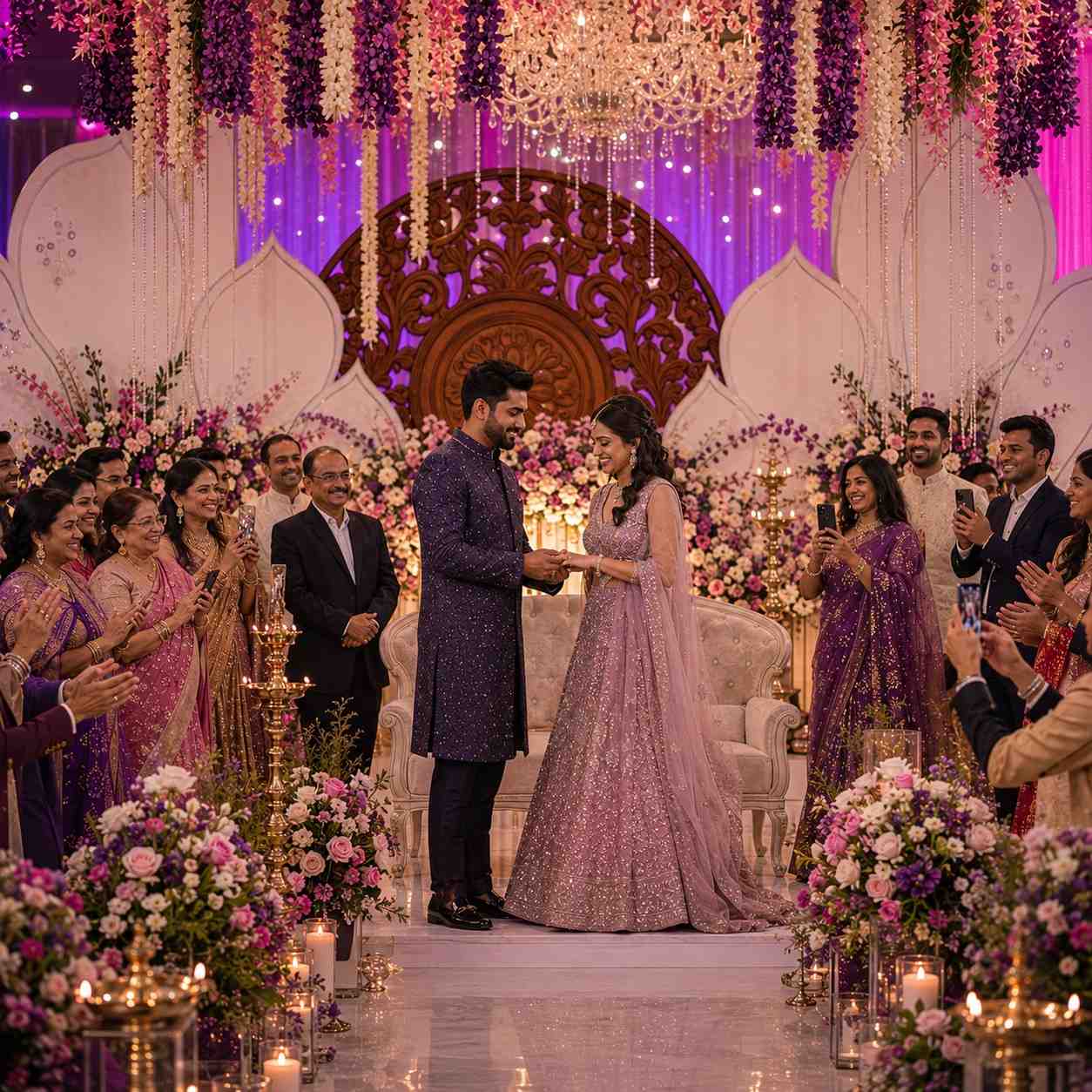
A Complete Guide to Planning the Perfect Wedding Buffet for Every Guest
◆Food is often the single most talked-about part of any Indian wedding, and the way it's served can shape the entire guest experience just as much as what's on the plate. A wedding buffet has become one of the most popular catering formats for couples who want variety, flexibility and a relaxed dining atmosphere without the rigidity of a formal seated meal. Unlike traditional leaf service or a structured sit down arrangement, a buffet lets guests choose exactly what they want, when they want it, making it a practical choice for large, diverse gatherings where preferences vary widely from table to table.
At Happiffie, we work with couples and families across India to design catering experiences that suit the scale, style and cultural expectations of their celebration. Whether you're planning an intimate reception or a grand multi-day wedding, understanding how a buffet compares to leaf service and family style dining will help you choose the right format for your big day. This guide covers everything from menu planning to service styles, so you can make an informed decision and create a memorable dining experience for your guests.
What Makes a Wedding Buffet Different from Other Service Styles
A wedding buffet is a self-service catering format where food is arranged across multiple stations or a long serving counter, allowing guests to walk up, select their dishes and portion sizes, and return for seconds as they please. This differs significantly from leaf service, a South Indian tradition where food is served directly onto banana leaves in a fixed sequence, or a sit down meal where courses are brought to seated guests by waitstaff.
The appeal of a wedding buffet lies in its flexibility. Guests with different dietary needs, spice tolerances or cuisine preferences can build a plate that suits them individually, rather than being served a predetermined combination. This is particularly useful at large weddings where the guest list spans multiple generations, regions and food habits. Elderly relatives, young children, vegetarians and guests who prefer lighter portions can all be accommodated without additional planning on the host's part.
Combining Buffet, Leaf and Sit Down Formats
Many couples today are moving away from choosing a single service style and instead blending elements to suit different parts of their celebration. It's common to see a traditional leaf service used for the main wedding lunch as a nod to cultural roots, while a wedding buffet is set up for the evening reception to give guests more freedom to mingle. Similarly, a sit down dinner might be reserved for a smaller, more intimate function such as an engagement or a close-family gathering, with the larger reception adopting a buffet format to manage volume efficiently.
Happiffie's catering experts often recommend this hybrid approach because it allows hosts to honour tradition while also accommodating the practical realities of feeding hundreds of guests across multiple events. A buffet-style setup, in particular, works exceptionally well for cocktail hours, sangeet nights and receptions where guests are moving between conversations and don't necessarily want to sit through a formal multi-course meal.
Designing a Multi Cuisine Menu That Works
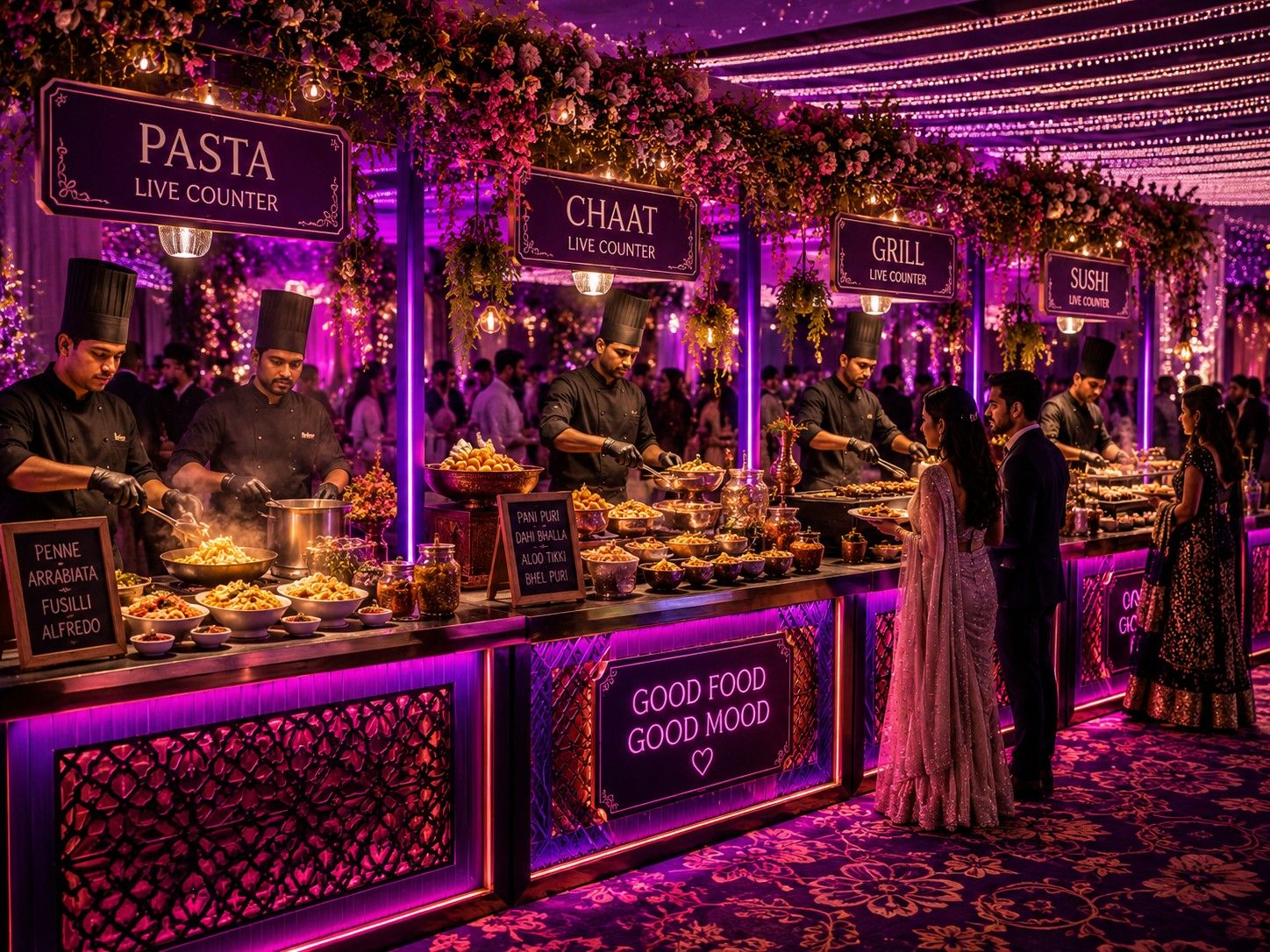
One of the biggest advantages of a wedding buffet is the ability to offer a genuinely diverse spread without overwhelming the kitchen logistics. A well-planned multi cuisine menu typically includes a mix of regional Indian dishes alongside continental, Chinese, Italian or Middle Eastern options, giving guests the chance to sample flavours they might not usually choose together at a single meal.
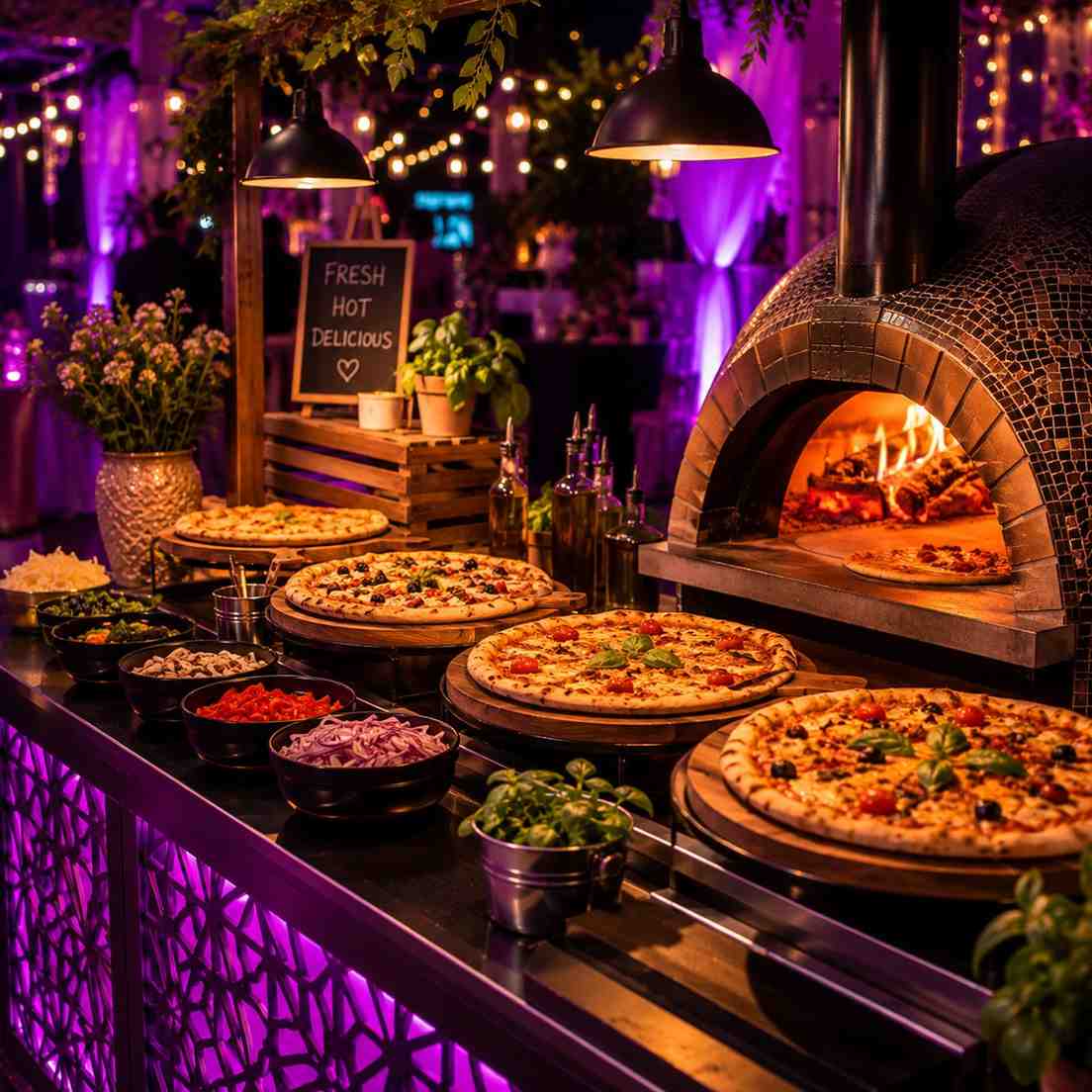
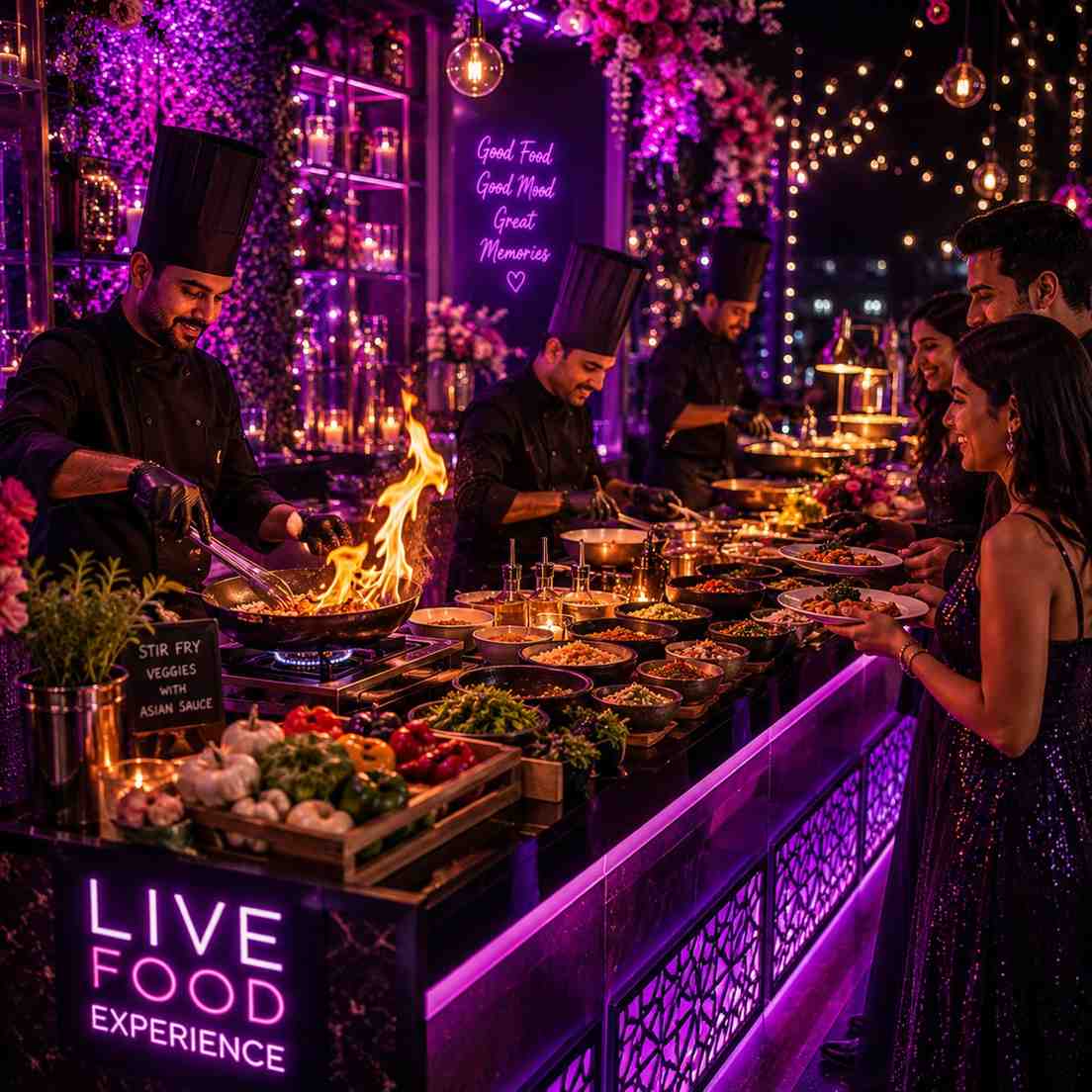
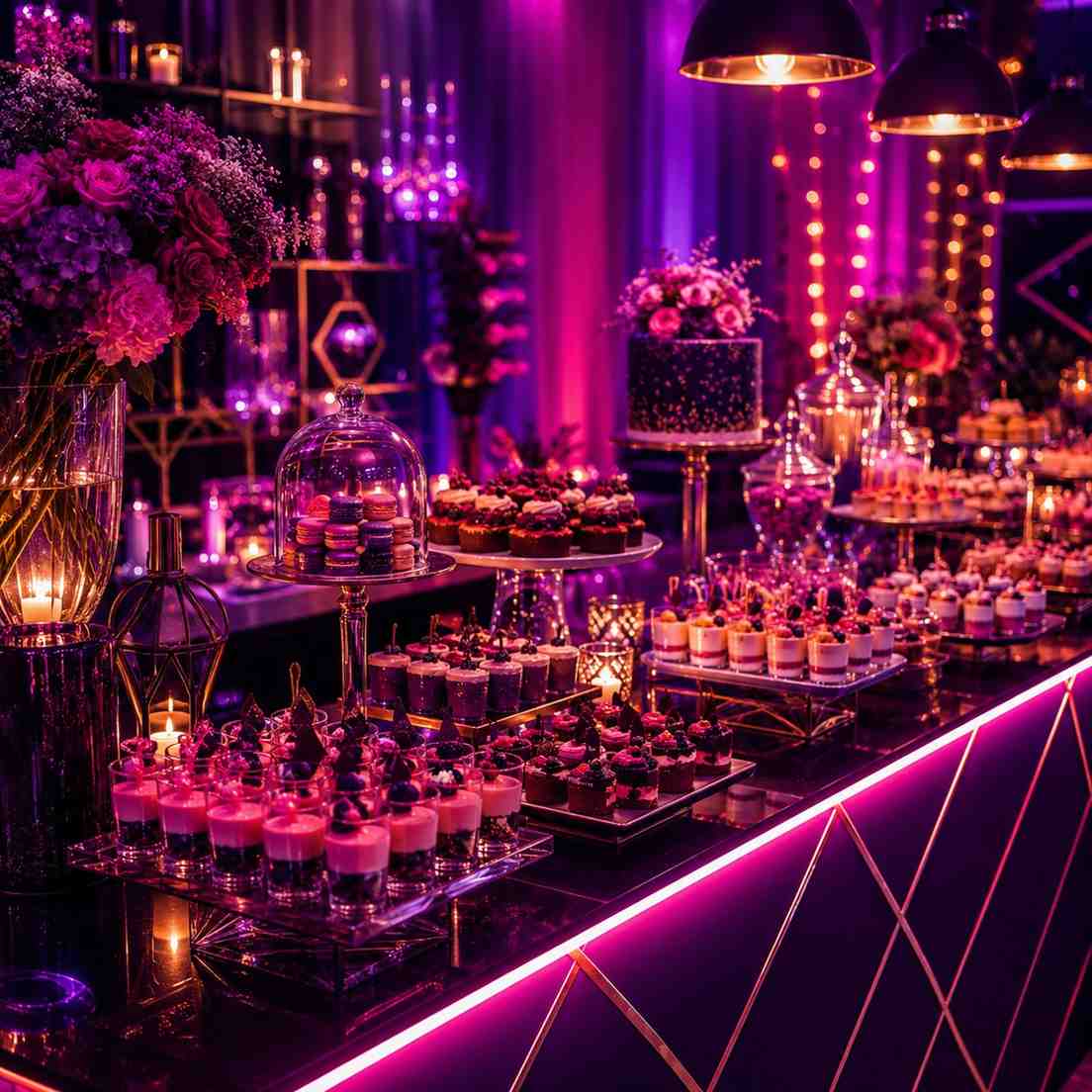
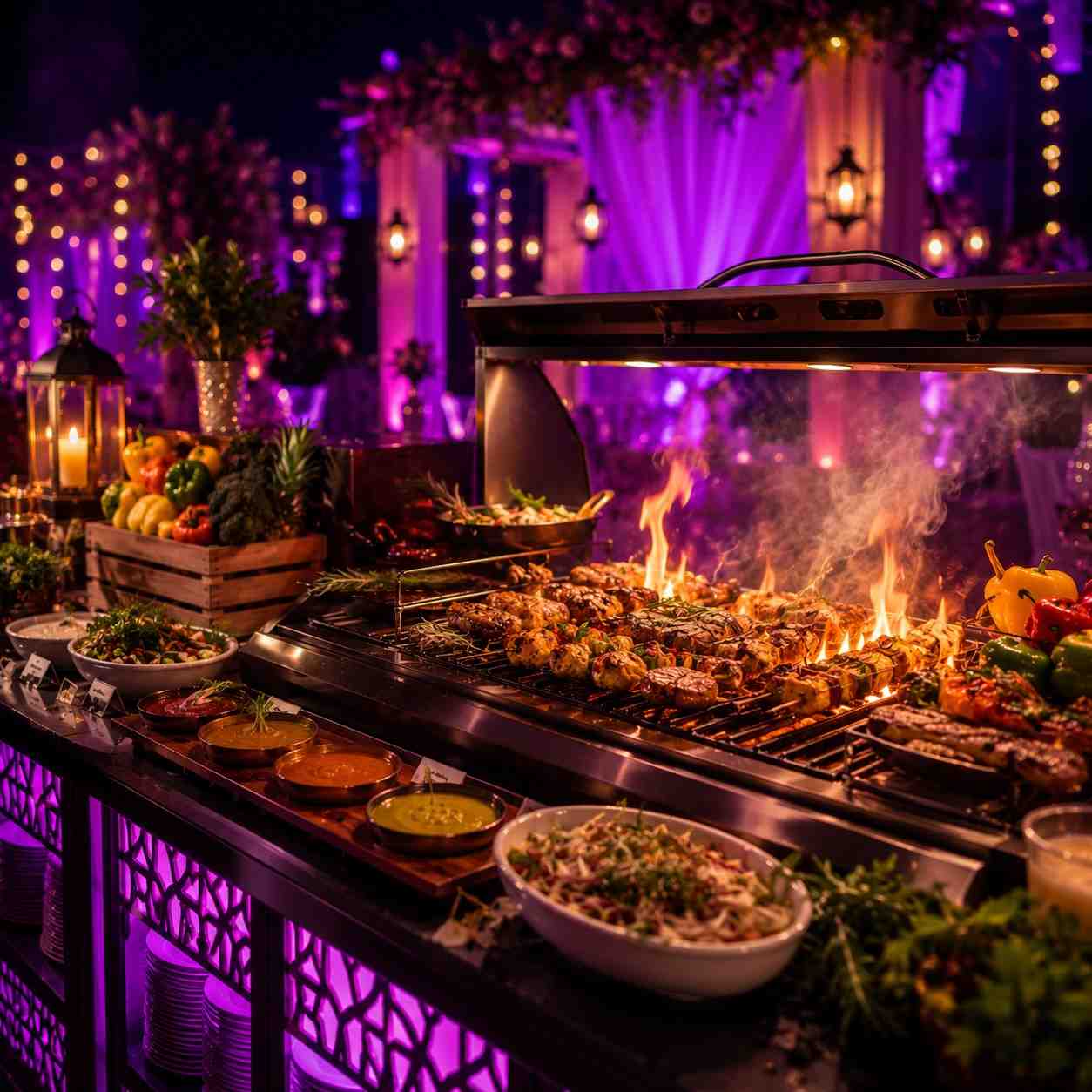
When planning your multi cuisine spread, it helps to think in terms of live counters, stationary counters and dessert stations rather than a flat list of dishes. Live counters, such as a chaat station, a pasta bar or a dosa corner, add an interactive element that guests genuinely enjoy, while stationary counters keep the main courses, breads and rice dishes flowing smoothly without long queues. Dessert and beverage stations are best placed slightly apart from the main buffet to reduce congestion during peak serving times.
Our catering team at Happiffie always recommends balancing familiar comfort food with a few standout or unusual dishes. Guests appreciate having reliable favourites available, but a thoughtfully chosen international dish or regional speciality often becomes the talking point of the evening.
Family Style Dining as a Middle Ground
For hosts who want more warmth and togetherness than a self-service buffet offers, but without the full formality of a sit down meal, family style dining is worth considering. In this format, large platters of food are placed at each table and guests serve themselves and each other, encouraging conversation and a shared dining experience. Family style works particularly well for smaller wedding functions, such as a mehendi lunch or a post-wedding brunch, where the guest count is manageable and a more personal touch is desired.
Some couples choose to combine family style starters with a wedding buffet for the main course, giving guests the best of both worlds: a communal, relaxed beginning to the meal followed by the variety and choice of a full buffet spread later in the evening.
Practical Planning Tips for Your Wedding Buffet
Getting a buffet setup right involves more than simply choosing dishes. Layout, flow and timing all play a significant role in how smoothly the meal service runs.
Plan for guest flow: Position buffet counters around the room rather than in a single long line to avoid bottlenecks. Multiple identical counters work well for weddings with 300 or more guests.
Balance variety with practicality: While a multi cuisine menu is appealing, too many options can lead to food wastage and longer queues. Around 15 to 20 dishes across starters, mains, breads, rice and desserts is usually sufficient for most weddings.
Account for dietary requirements: Clearly label vegetarian, non-vegetarian, vegan and Jain food options, and ensure separate serving spoons are used to avoid cross-contamination.
Time the service carefully: Coordinate with your caterer on when to open the buffet, particularly if there are performances, speeches or rituals happening simultaneously, so guests aren't queuing during key moments.
Consider seating alongside the buffet: Even with a self-service format, ensure there's ample seating nearby so guests can enjoy their food comfortably rather than standing throughout the meal.
Benefits of Choosing a Wedding Buffet for Your Celebration
A wedding buffet offers several practical advantages that make it a preferred choice for many Indian weddings. It accommodates large guest counts efficiently, reduces the need for extensive waitstaff compared to a sit down service, and gives guests control over portion sizes, which naturally reduces food wastage when managed well. It also suits the social nature of Indian weddings, where guests often move between groups, click photos and catch up with relatives, rather than remaining seated for an entire meal.
From a cost perspective, a buffet can also be more economical than a full sit down service, since it typically requires fewer serving staff and allows for more efficient food preparation in batches. This makes it an attractive option for couples working within a defined catering budget without compromising on variety or presentation.
Why Choose Happiffie for Your Wedding Catering
Happiffie brings extensive catering expertise to every wedding we work on, whether you're planning a traditional leaf service lunch, an elegant sit down dinner, or a expansive wedding buffet with live counters and a full multi cuisine spread. Our team handles menu planning, live station setup, staffing and on-the-day coordination, working closely with trusted vendors to ensure every dish is prepared and presented to the highest standard.
We understand that catering decisions are deeply personal and often tied to family tradition, regional preferences and practical considerations like guest count and venue layout. That's why we take the time to understand your specific requirements before recommending a service style, whether that's a full wedding buffet, a family style setup, or a thoughtful combination of formats across your wedding events. Get in touch with our team today to start planning a catering experience your guests will remember long after the celebrations end.
Frequently Asked Questions
1. What is the difference between a wedding buffet and leaf service?
A wedding buffet is a self-service format where guests select dishes from multiple counters, while leaf service is a traditional South Indian style where food is served directly onto banana leaves in a set sequence by serving staff.
2. How many dishes should be included in a wedding buffet menu?
Most weddings work well with 15 to 20 dishes spread across starters, mains, breads, rice and desserts, ensuring enough variety without overwhelming guests or increasing wastage.
3. Is a wedding buffet more cost-effective than a sit down meal?
Generally yes, as a buffet requires fewer serving staff and allows for more efficient food preparation, though final costs depend on menu complexity, live counters and guest numbers.
4. Can a multi cuisine menu be included in a wedding buffet?
Absolutely, a multi cuisine menu is one of the biggest advantages of buffet-style catering, allowing you to offer regional Indian dishes alongside continental, Chinese or Italian options at the same event.
5. What is family style dining and how does it differ from a buffet?
Family style dining involves large platters placed at each table for guests to share, creating a communal dining experience, whereas a buffet requires guests to walk up to serving stations themselves.
6. How many guests can a wedding buffet comfortably serve?
With proper planning and multiple serving counters, a wedding buffet can efficiently serve anywhere from 100 to over 1,000 guests, making it ideal for large-scale Indian weddings.
7. Can I combine leaf service and a buffet at the same wedding?
Yes, many couples use leaf service for a traditional lunch and switch to a buffet or family style setup for the evening reception, blending cultural tradition with practical convenience.
8. How far in advance should I finalise my wedding buffet menu?
It's best to finalise your menu at least 4 to 6 weeks before the wedding, allowing time for tastings, adjustments and coordination with live counter vendors.
9. Does Happiffie manage live counters as part of the buffet service?
Yes, Happiffie coordinates live counters such as chaat stations, pasta bars and dessert corners as part of a complete wedding buffet package, tailored to your chosen theme and menu.
10. How do I book Happiffie for my wedding catering?
You can reach out through the Happiffie website or contact our events team directly to discuss your guest count, menu preferences and service style, and we'll propose a customised catering plan.