
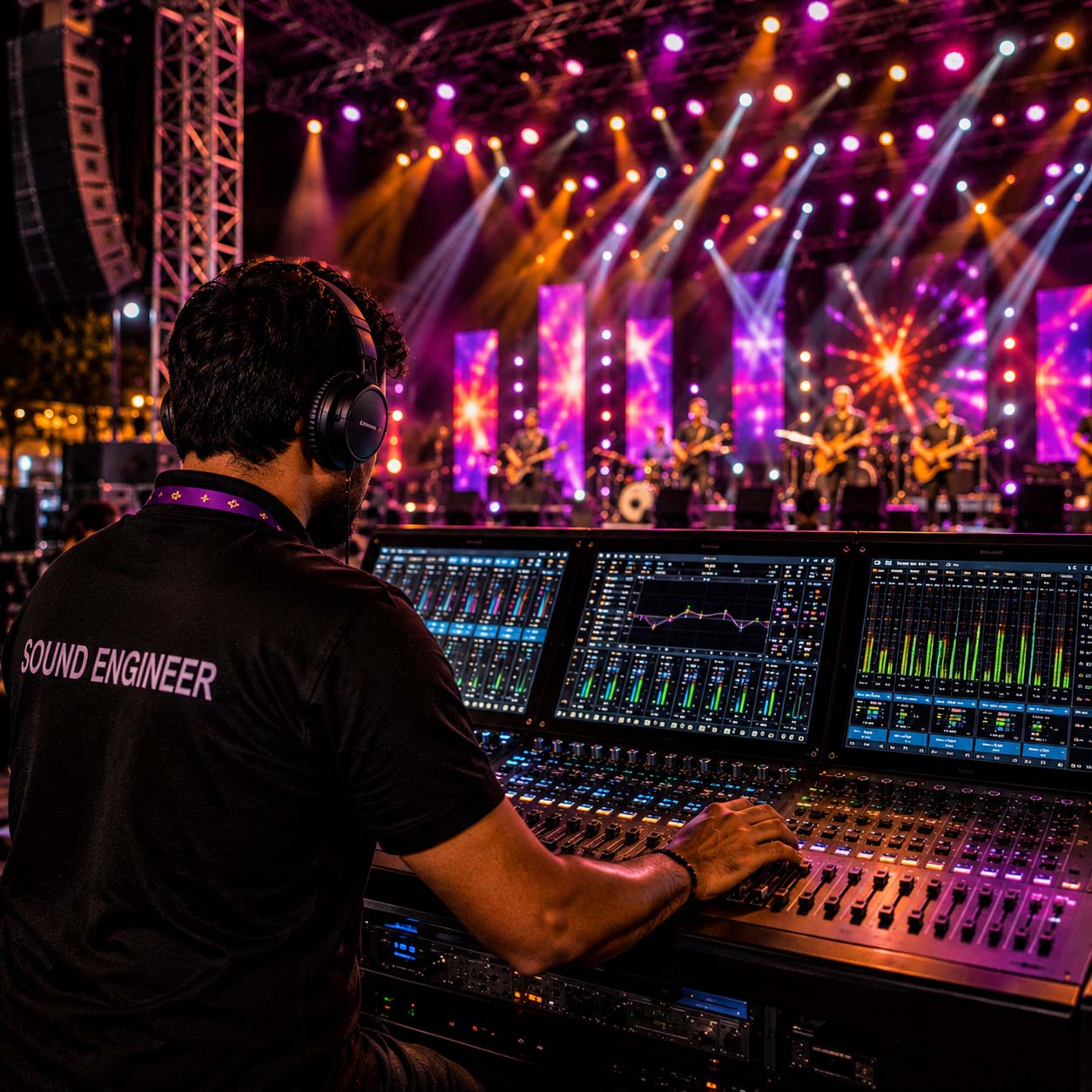
Sound Mixing Engineering Specialists
Deliver clear and balanced live audio with sound mixing engineering specialists providing FOH mixing, monitor audio management, and professional console setup for concerts, bands, stage performances, and live shows.
Explore Related Audio & Lighting Experiences
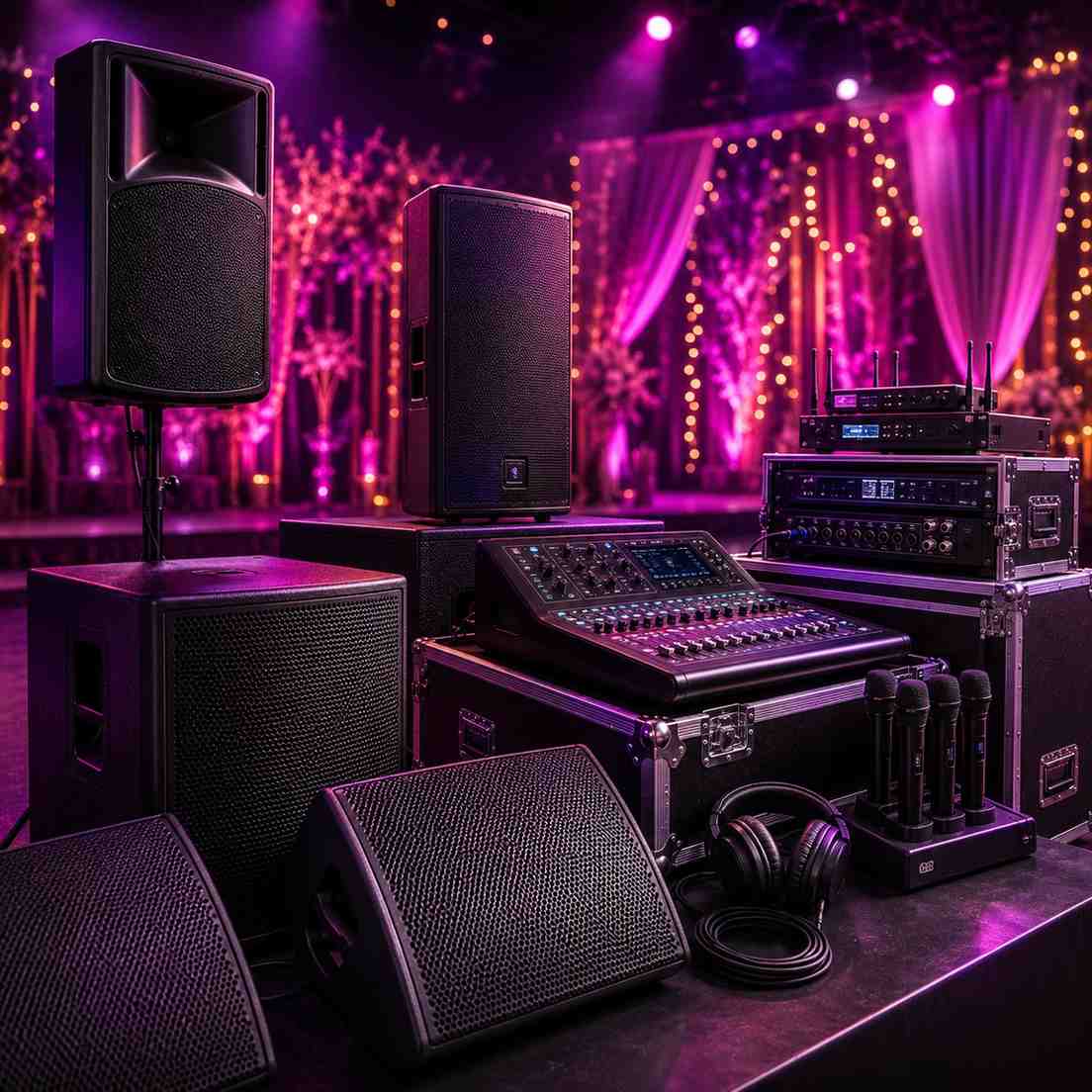
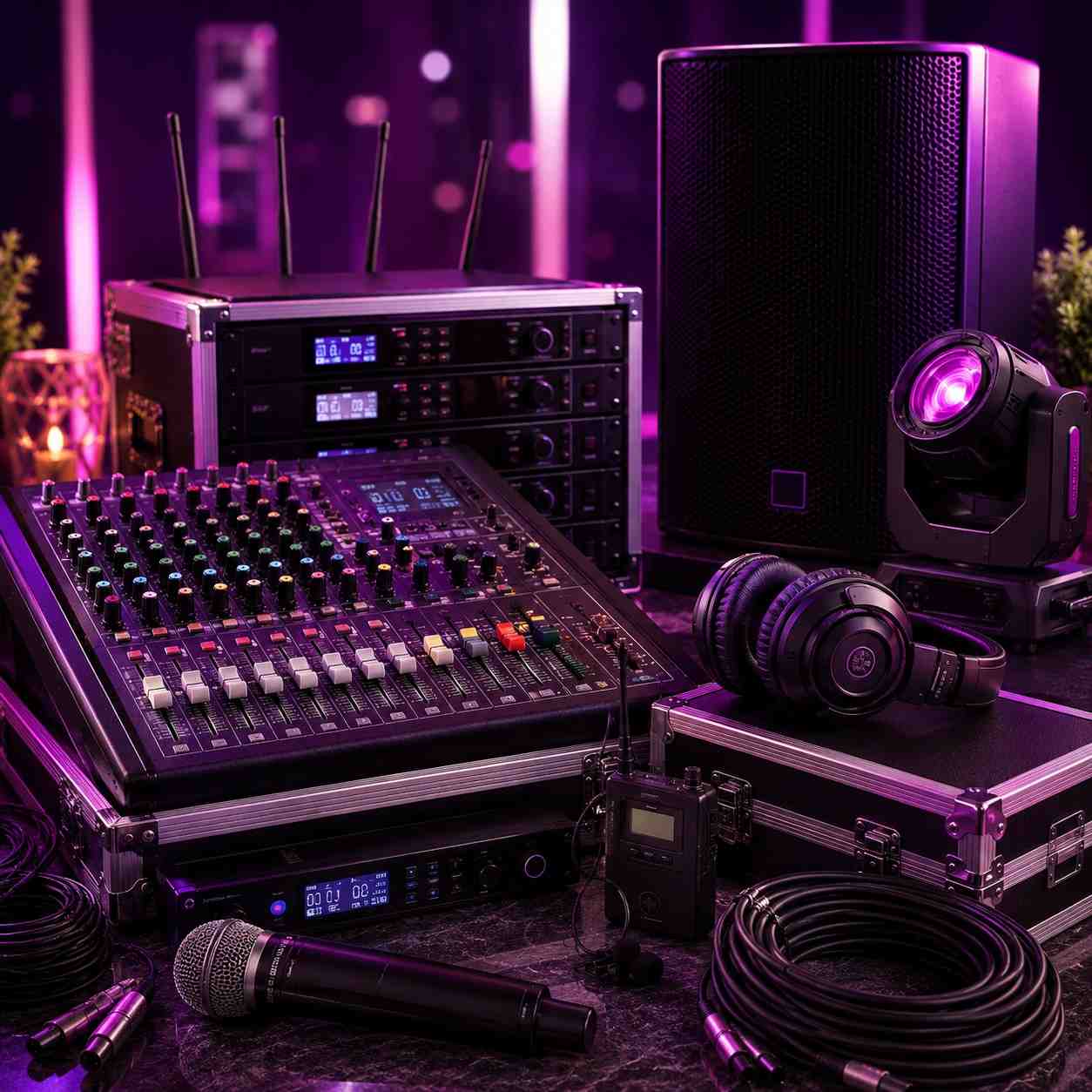

Explore Other Experiences







Explore by Occasion





Sound Mixing Engineering Specialists for Live Shows
◆Professional sound plays a central role in the success of concerts, live bands, stage performances, and entertainment productions. Clear vocals, balanced instruments, controlled monitor levels, and consistent audio coverage help performers deliver their best while giving audiences an engaging listening experience.
Sound Mixing Engineering Specialists provide technical expertise for FOH mixing, monitor audio, console setup, sound engineering, live sound mixing, concert sound, and stage audio management. Their work can cover preparation before an event, soundcheck, live operation, monitoring, and technical adjustments throughout a performance.
Happiffie helps customers discover providers offering professional sound engineering, live event audio, monitor mixing, audio console setup, band sound engineering, and stage sound services.
FOH Mixing
Front of House, commonly known as FOH, refers to the primary sound mix heard by the audience.
FOH mixing involves balancing vocals, instruments, playback tracks, effects, and other audio sources to create a cohesive sound experience across the venue.
The engineer monitors the overall mix and makes adjustments throughout the performance according to the stage and audience environment.
Monitor Audio
Monitor audio allows performers to hear the sounds they need while performing on stage.
Different musicians may require different combinations of vocals, instruments, click tracks, or other audio sources.
A monitor engineer can manage these mixes independently so that performers receive suitable monitoring without unnecessarily affecting the audience mix.
Console Setup
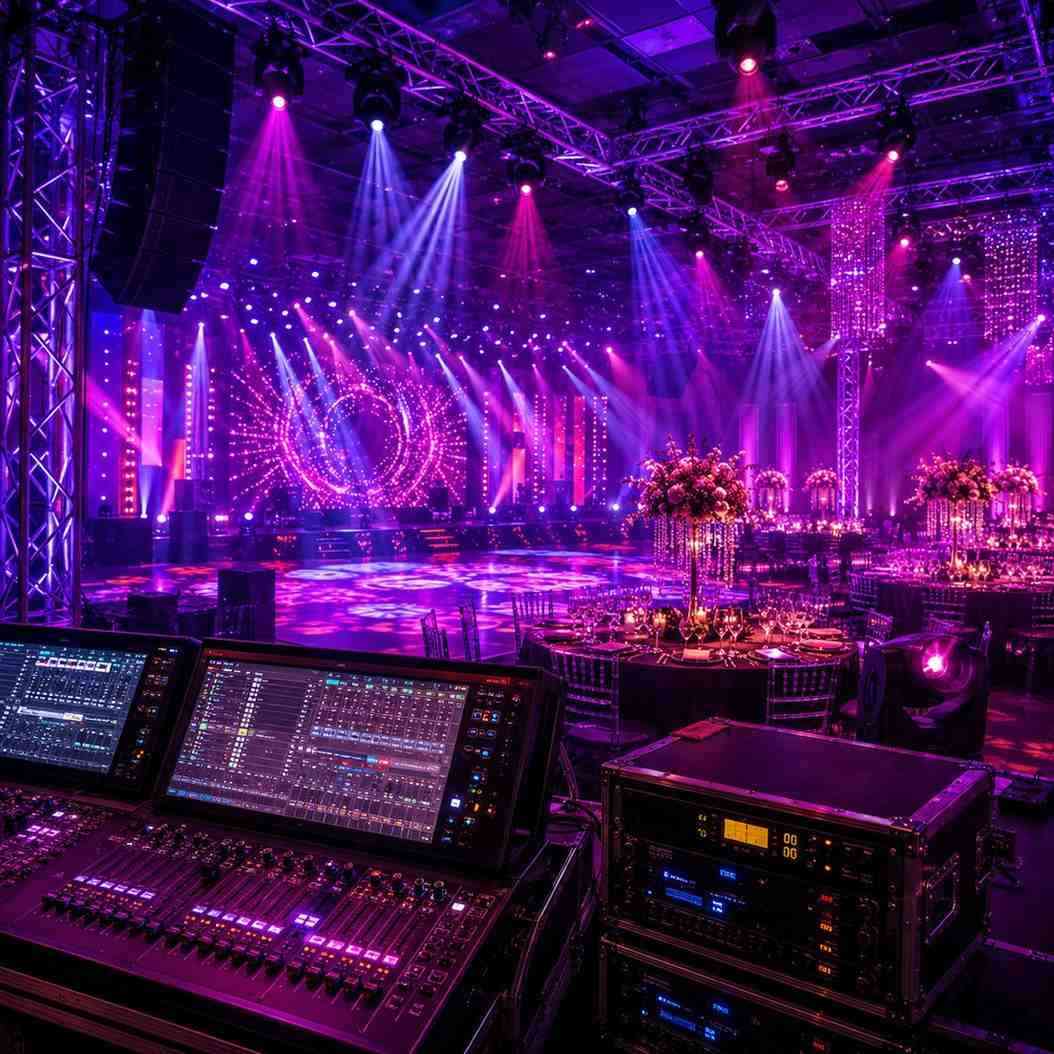
An audio console is the central control point for many live sound systems.
Console setup can involve connecting input sources, assigning channels, configuring signal routing, setting gain structure, and preparing processing and monitoring requirements.
The setup should be completed and tested before the performance begins.
Sound Engineering
Sound engineering combines technical knowledge with practical live-event experience.
Engineers work with microphones, instruments, speakers, amplifiers, consoles, signal processors, wireless systems, and other audio equipment.
Their objective is to maintain clear, balanced, and reliable sound throughout the event.
Live Sound Mixing
Live sound mixing requires continuous attention because the acoustic environment and performance can change during a show.
The engineer may adjust channel levels, equalisation, dynamics, effects, and other parameters as required.
These adjustments help maintain consistency throughout different songs, performers, and sections of the program.
Concert Sound
Concerts often involve multiple performers, instruments, microphones, playback systems, and monitoring requirements.
Concert sound services can be planned around the size of the venue, stage arrangement, artist requirements, audience capacity, and production schedule.
A suitable audio setup helps ensure that both performers and audiences receive an appropriate sound experience.
Band Sound Engineering
Live bands can require complex audio setups involving vocals, guitars, keyboards, drums, bass, percussion, and other instruments.
Each source needs to be captured, routed, balanced, and monitored appropriately.
Band sound engineering can therefore involve detailed preparation before the performance as well as active mixing during the show.
Monitor Mixing
Monitor mixing focuses specifically on the sound required by performers.
Different members of a band or performance group may need different monitor mixes depending on their position and role.
The monitor engineer can adjust these mixes to support communication, timing, pitch, and performance confidence on stage.
Audio Console Setup
Professional audio console setup begins with understanding the event's input requirements.
The engineer may prepare channel assignments, signal routing, microphone inputs, instrument connections, monitor sends, effects, and other console functions.
Digital consoles can also allow scenes and settings to be prepared in advance for different portions of a show.
Live Event Audio
Live event audio can support concerts, corporate-style gatherings, cultural programs, award functions, stage performances, festivals, and entertainment shows.
The required equipment and technical approach depend on the event format, venue size, audience capacity, performers, and production requirements.
Stage Sound Services
Stage sound services can include microphones, monitors, audio consoles, signal distribution, speaker systems, and technical operation.
The service can be planned around the stage layout and the needs of performers and production teams.
Proper coordination between stage sound and FOH operations can help maintain consistent audio throughout the event.
Soundcheck
Soundcheck is an important part of live audio preparation.
During soundcheck, engineers can test microphones, instruments, monitor mixes, signal levels, speaker coverage, and console settings.
Performers can also confirm that they can hear the required sources through their monitoring systems.
Microphone Setup
Microphone selection and placement can significantly influence the quality of a live sound system.
Different instruments and vocal styles may require different microphone types and positioning.
The engineer can assess the stage setup and select suitable equipment based on the performance requirements.
Audio Signal Routing
Signal routing determines how audio moves between input sources, consoles, processors, monitors, amplifiers, and speakers.
A well-planned routing structure can make the system easier to operate and troubleshoot.
It also allows the engineer to maintain control over individual audio sources and monitor mixes.
Gain Structure
Gain structure is an important technical consideration in live sound.
Appropriate input levels help maintain usable signal quality while reducing the risk of unwanted noise or distortion.
Engineers can establish suitable levels during setup and soundcheck before the performance begins.
Equalisation and Audio Processing
Equalisation can be used to shape the tonal characteristics of different audio sources.
Engineers may also use compression, gating, effects, and other processing tools where appropriate.
These techniques can help create a controlled and balanced mix while supporting the natural characteristics of the performers and instruments.
Sound for Large Venues
Large venues can present challenges related to audience size, room acoustics, speaker placement, and sound coverage.
The audio system may require carefully planned speaker positioning and signal distribution to provide consistent coverage.
The sound engineer works alongside the production team to ensure that the system is configured according to the venue.
Sound for Small Venues
Small venues have different acoustic and technical requirements.
Excessive volume, microphone feedback, reflections, and limited stage space can affect the listening experience.
An experienced engineer can adjust the system to suit the available space and performance requirements.
Sound for Outdoor Shows
Outdoor events require consideration of open-air acoustics, speaker placement, weather conditions, power distribution, stage layout, and audience positioning.
The audio system should be designed according to the specific environment.
Technical planning before installation can help identify suitable equipment and placement.
Sound for Theatre and Stage Performances
Theatre productions may require clear dialogue, music, effects, playback, and carefully timed audio cues.
Engineers can coordinate microphones and playback systems with the stage production.
Audio levels can also be adjusted according to scene changes and performer requirements.
Audio Support for Live Shows
Live shows can combine music, speaking, dance, visual production, and other entertainment formats.
Sound mixing specialists can coordinate the audio system around these different elements.
The technical setup can be adapted according to the show's running order and production requirements.
Technical Coordination
Professional audio often requires coordination with lighting, video, stage management, artists, and other production teams.
Advance communication helps establish equipment requirements, input lists, stage plots, cue sequences, and technical responsibilities.
This can reduce confusion during setup and help the production run smoothly.
Troubleshooting and Live Support
Audio systems can encounter technical problems involving cables, microphones, wireless equipment, signal routing, console settings, or monitor systems.
Experienced sound engineers can identify and address issues during setup, rehearsal, and live operation.
Having technical support available can help minimise interruptions during the performance.
Choosing the Right Sound Mixing Specialist
When selecting a sound mixing provider, consider experience with the type of event, venue size, number of performers, audio equipment, console system, monitoring requirements, and production schedule.
It is useful to share the stage plot, input list, performer requirements, venue details, and expected audience capacity before confirming the technical setup.
Why Choose Happiffie?
Happiffie helps customers discover providers offering Sound Mixing Engineering Specialists, FOH mixing, monitor audio, console setup, sound engineering, concert sound, band sound engineering, monitor mixing, and live event audio services.
Whether you are organising a concert, live band performance, theatre production, stage show, cultural event, or professional entertainment program, Happiffie helps you explore audio specialists suited to different production requirements.
Providers may offer sound system setup, audio console operation, FOH mixing, monitor mixing, soundcheck support, technical troubleshooting, and live show operation.
Conclusion
Professional sound mixing brings together equipment, technical preparation, monitoring, and live operation to create a balanced audio experience for performers and audiences. From FOH mixing and monitor audio to console setup and soundcheck, every stage of the process contributes to reliable live sound.
Sound Mixing Engineering Specialists can support concerts, bands, theatre productions, stage performances, and professional shows requiring experienced audio management.
With Happiffie, customers can discover providers offering FOH mixing, monitor mixing, sound engineering, audio console setup, concert sound, band sound engineering, and live event audio services.
Frequently Asked Questions
1. What do Sound Mixing Engineering Specialists do?
They manage professional audio systems, including FOH mixing, monitor mixing, console operation, soundcheck, signal routing, and live sound adjustments.
2. What is FOH mixing?
FOH mixing is the process of controlling the main audio mix that is delivered to the audience during a live performance.
3. What is monitor audio?
Monitor audio provides performers with the sounds they need to hear while performing on stage.
4. Why is soundcheck important?
Soundcheck allows the technical team to test microphones, instruments, monitors, signal levels, and console settings before the live performance.
5. Can sound engineers support live bands?
Yes. Band sound engineering can cover vocals, instruments, monitoring, console operation, and live mixing for different types of musical performances.
6. What does an audio console control?
An audio console can control and route multiple audio inputs, levels, monitoring sends, effects, and other signal-processing functions.
7. Can one engineer handle FOH and monitors?
Depending on the size and complexity of the production, one engineer may handle multiple responsibilities, while larger shows may use separate FOH and monitor engineers.
8. Is professional audio support suitable for theatre?
Yes. Theatre productions can benefit from sound engineering for dialogue, microphones, music, playback, effects, and timed audio cues.
9. Can sound mixing be provided for outdoor events?
Yes. Outdoor sound systems can be planned according to the venue, stage arrangement, audience size, environmental conditions, and coverage requirements.
10. What information should I provide when hiring a sound engineer?
Provide details about the venue, event type, performers, instruments, microphones, stage layout, audience capacity, console requirements, monitor needs, and event schedule.
11. Can sound engineers troubleshoot live audio problems?
Depending on their service scope, technical specialists can troubleshoot issues involving microphones, signal routing, wireless equipment, console settings, monitors, and other audio components.
12. Why choose Happiffie for live sound services?
Happiffie helps customers discover providers offering FOH mixing, monitor mixing, sound engineering, console setup, concert sound, band sound engineering, and live event audio services for professional productions.