
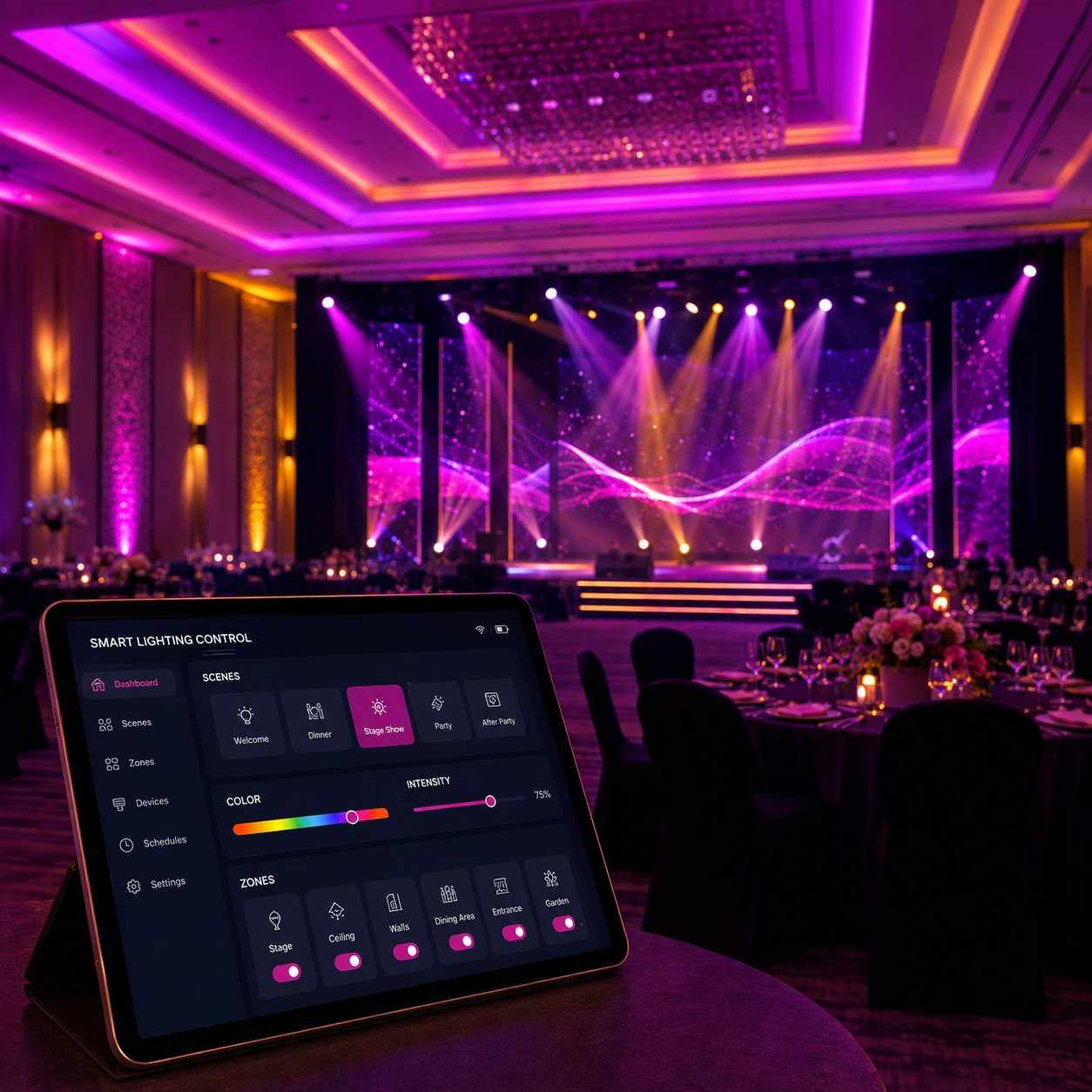
Smart Lighting Control
Create dynamic lighting experiences with Smart Illumination Control Systems featuring automated lighting control, programmable scenes, synchronized effects, dimming, color management, and intelligent scheduling for weddings, concerts, exhibitions, corporate events, and large-scale celebrations.
Explore Related Audio & Lighting Experiences
Explore Other Experiences

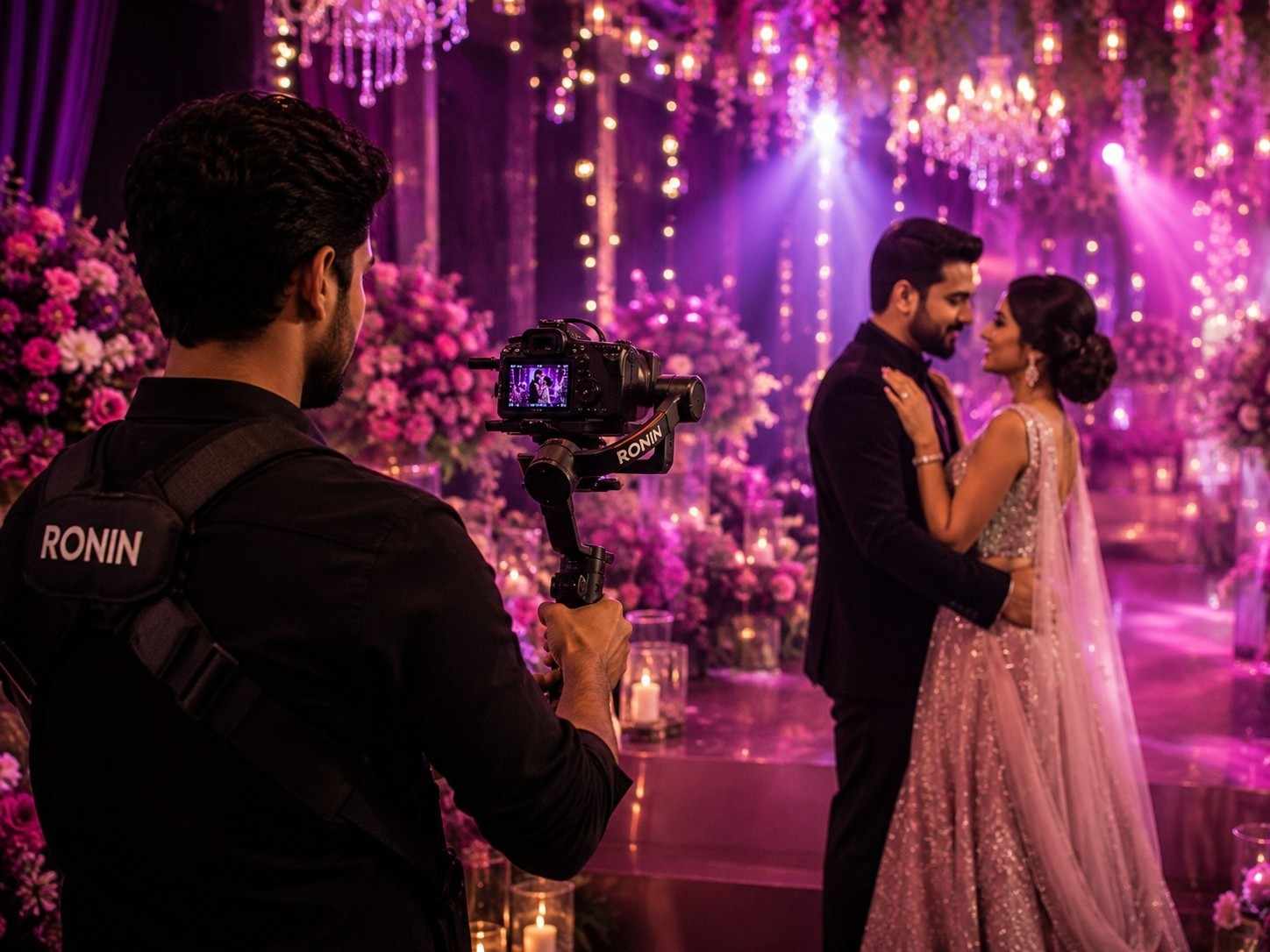
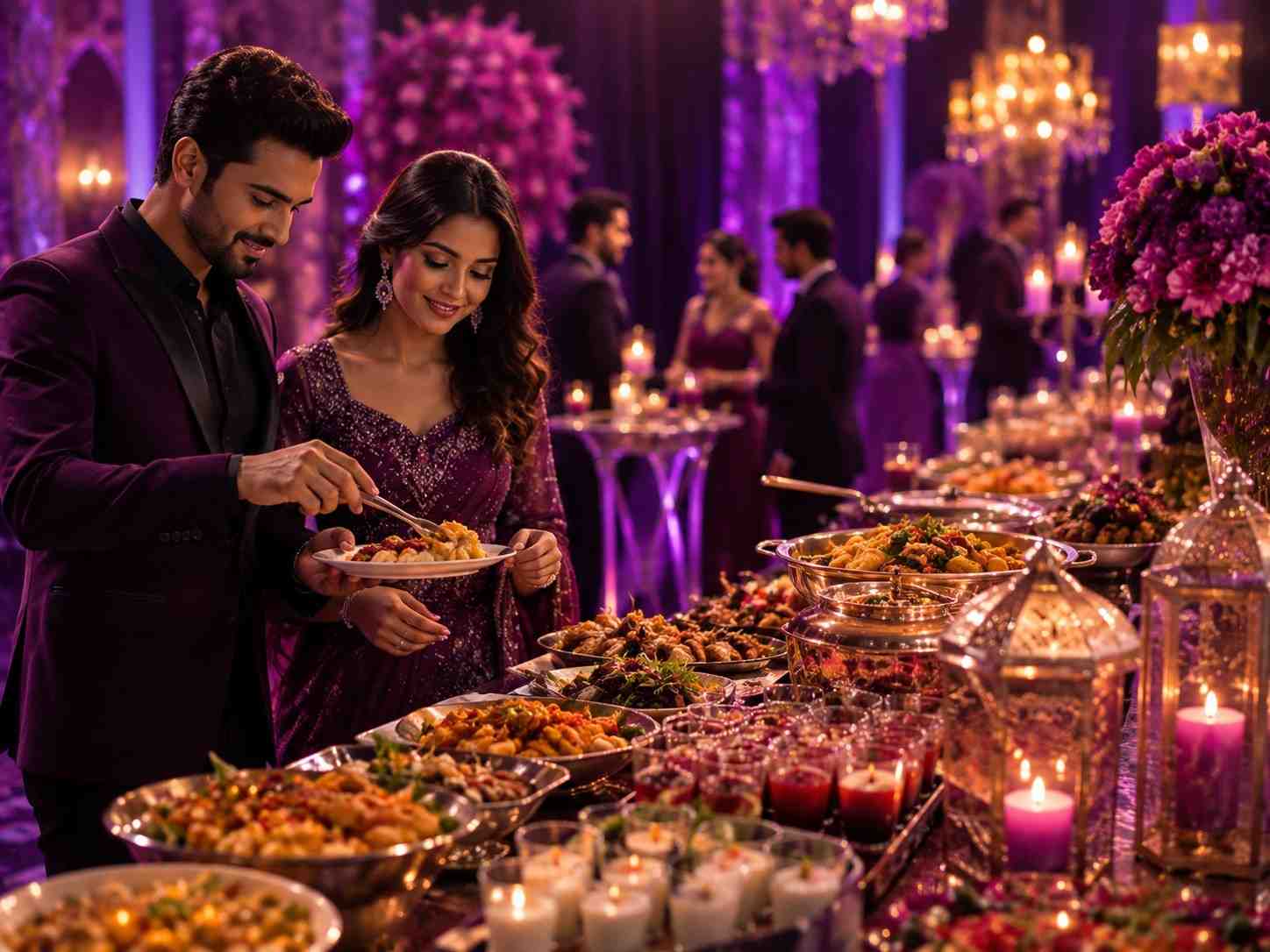
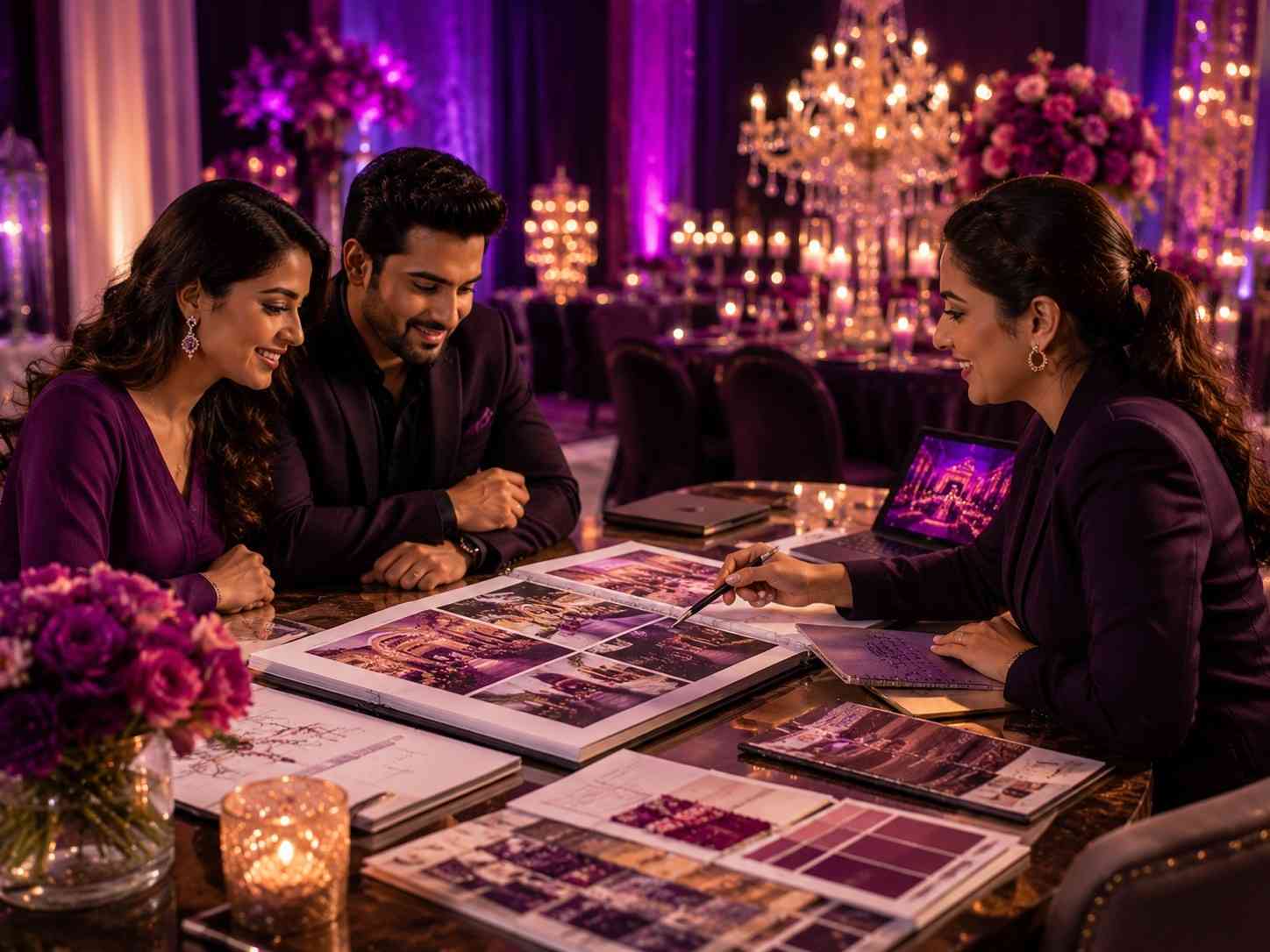
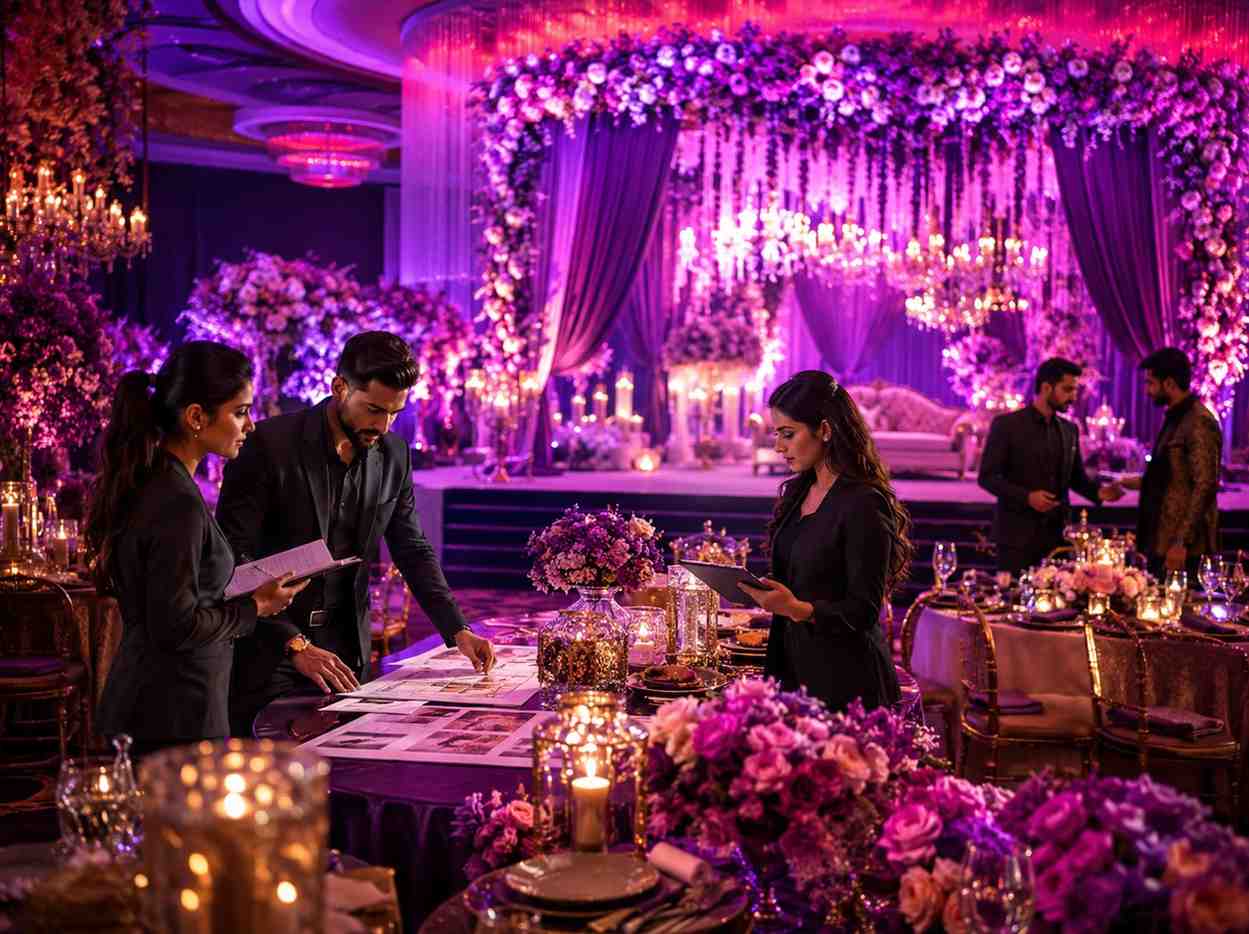
Explore by Occasion
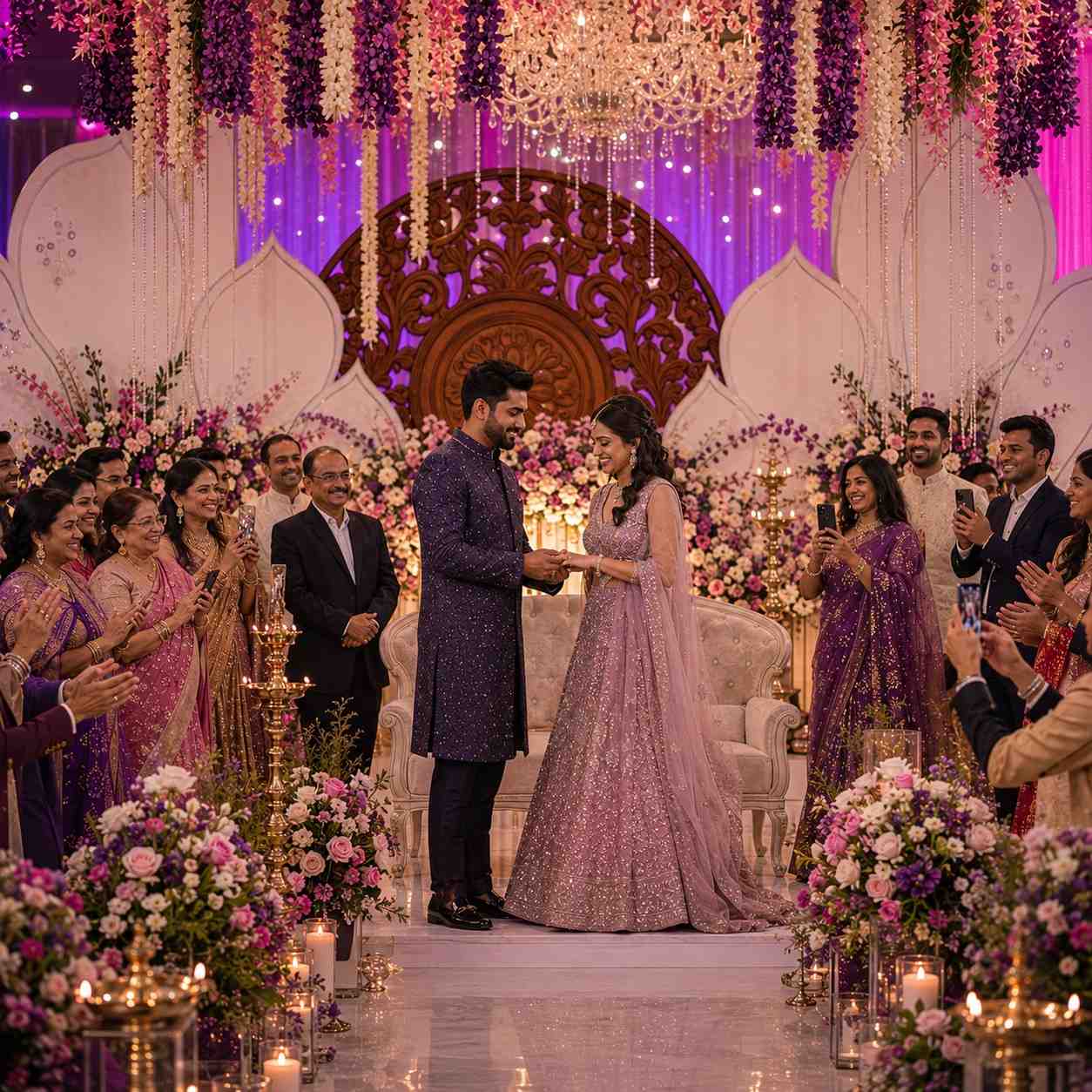
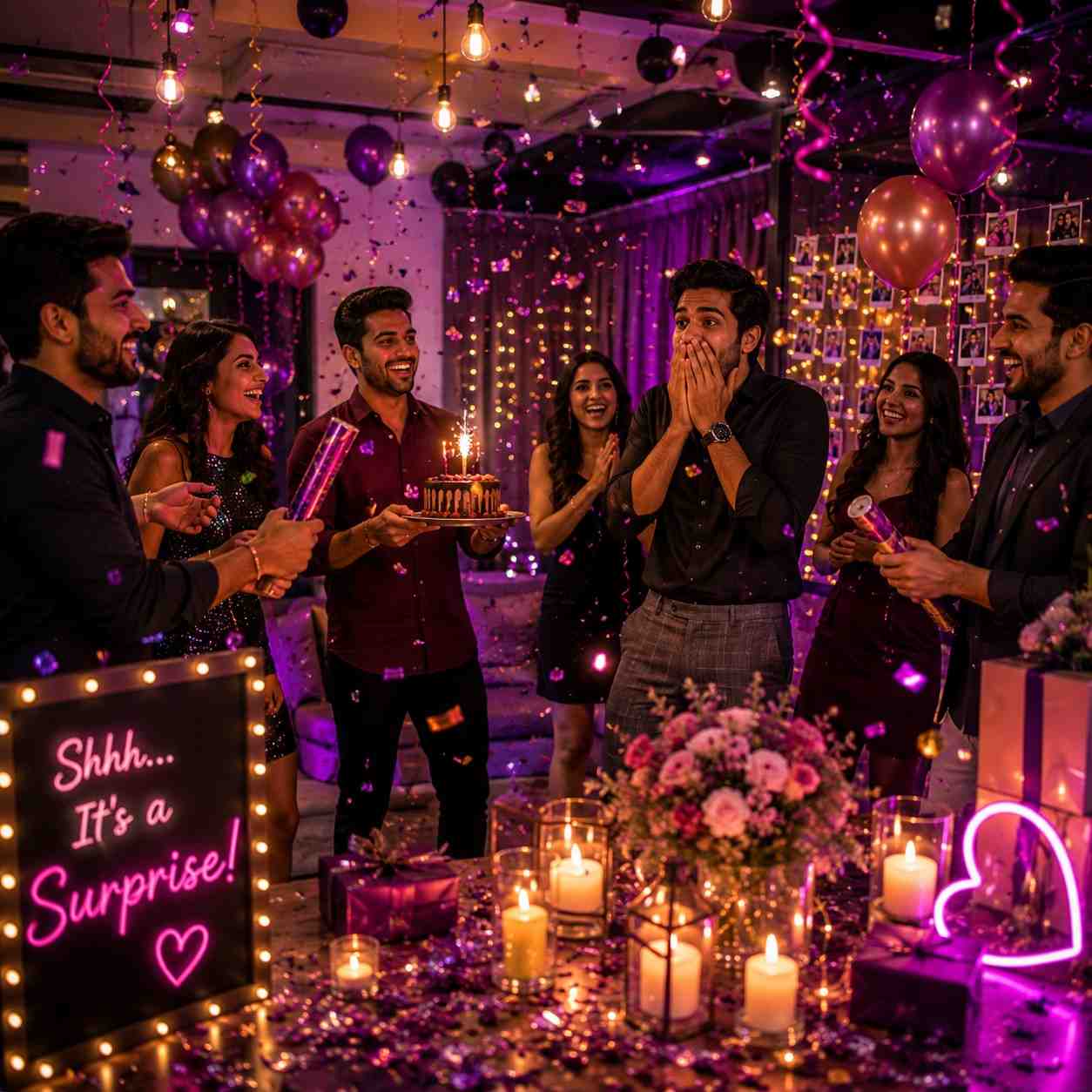
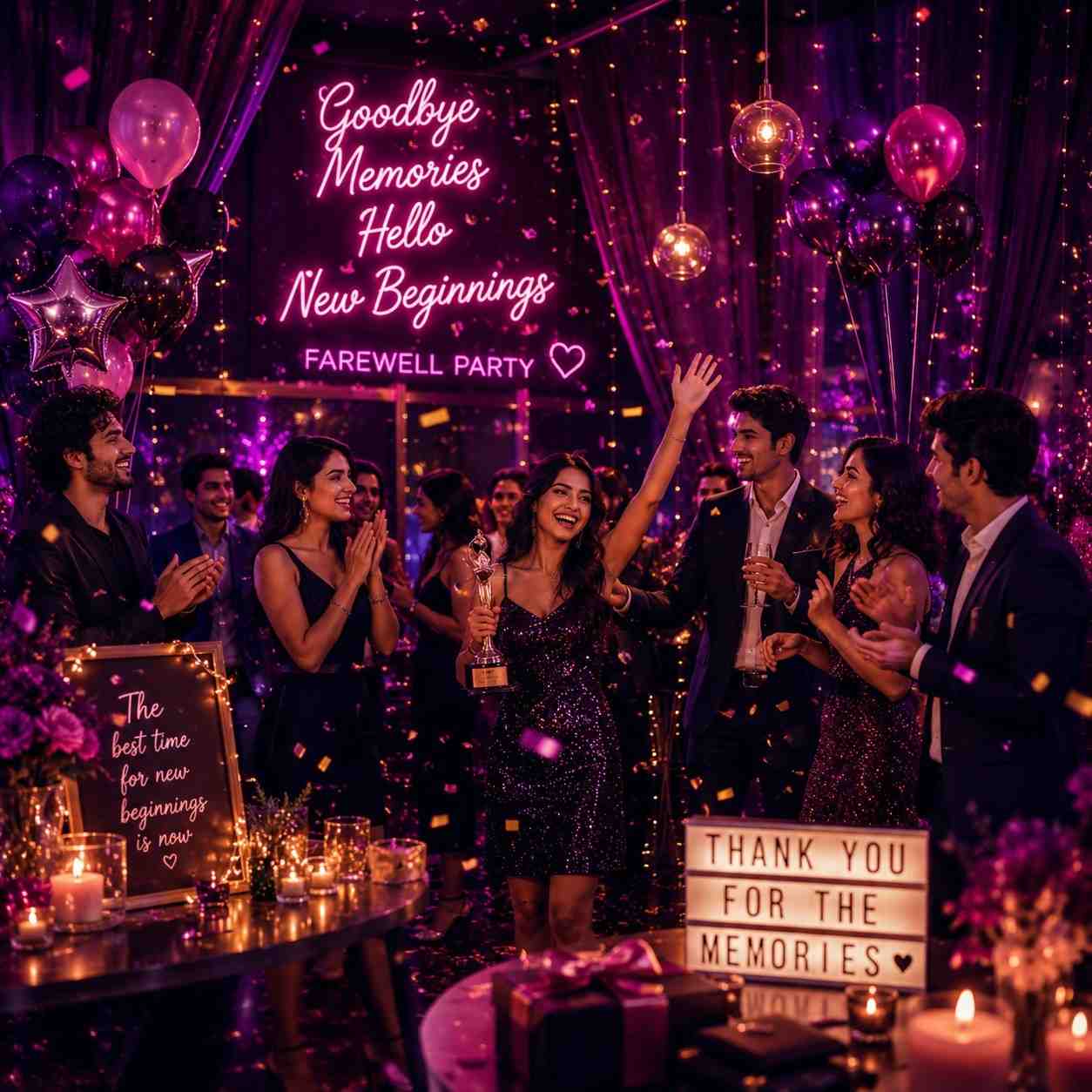
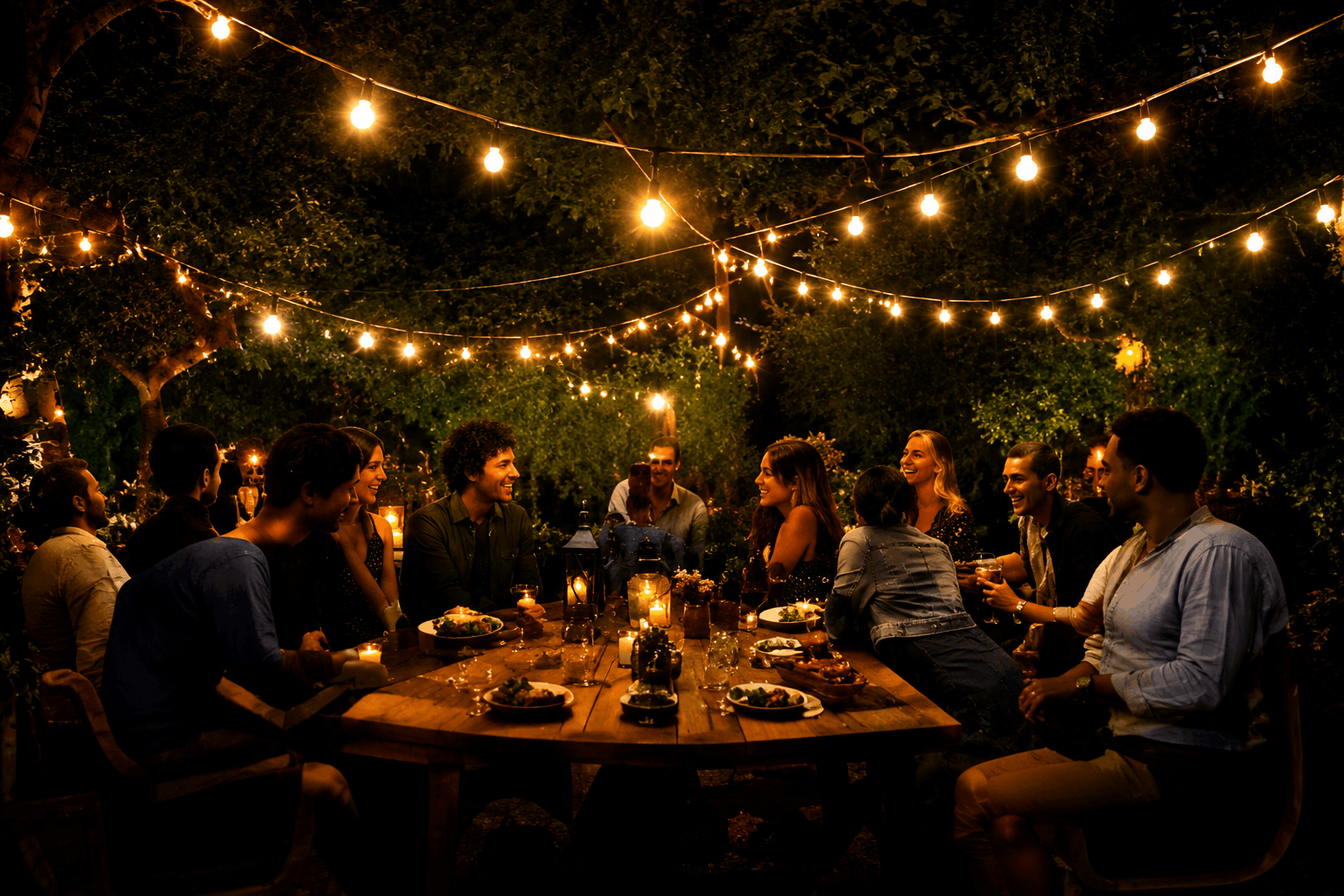
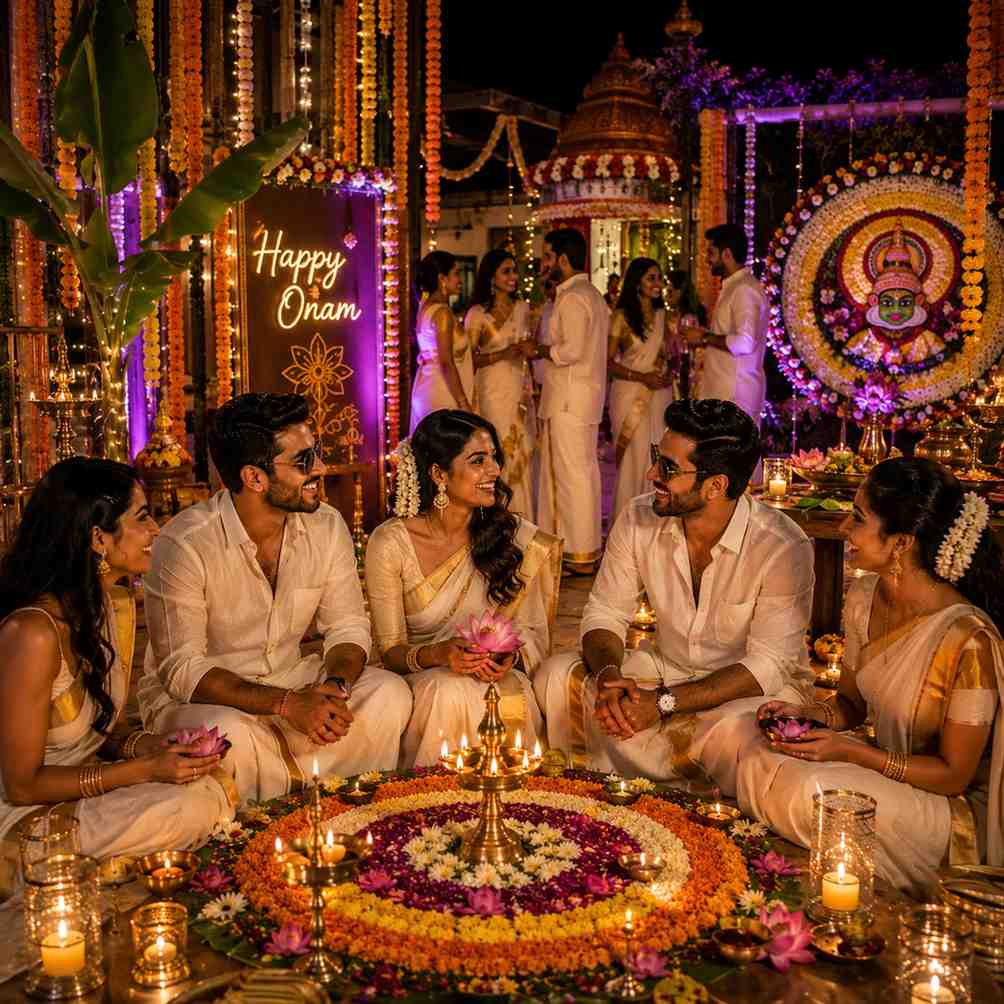
Smart Illumination Control Systems - DMX Controllers, Automated Fixtures - Venues, Concerts, Stage Productions
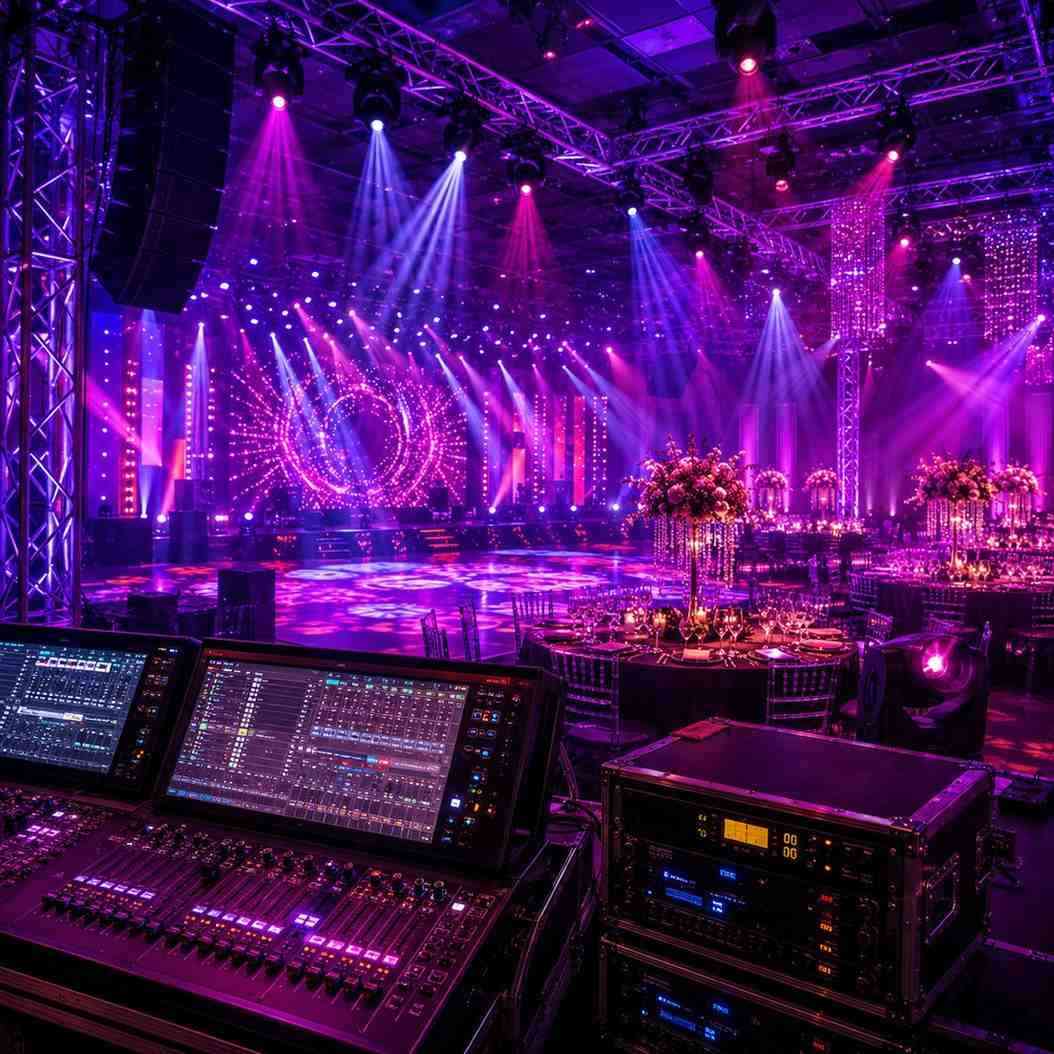
◆Smart Illumination Control Systems provide advanced lighting control solutions for venues, concerts, stage productions, weddings, corporate events, festivals, exhibitions, and entertainment experiences. By combining DMX Controllers, automated fixtures, intelligent lighting software, and programmable control systems, professional lighting teams can create coordinated visual environments that change dynamically throughout an event.
Smart Lighting Control allows multiple lighting fixtures to be managed from a central console or control platform. Operators can adjust brightness, colour, movement, effects, timing, and lighting sequences according to the event program.
DMX Controllers are widely used in professional event lighting to communicate with compatible fixtures. They allow lighting technicians to create and manage programmed scenes, cues, colour changes, movements, effects, and transitions.
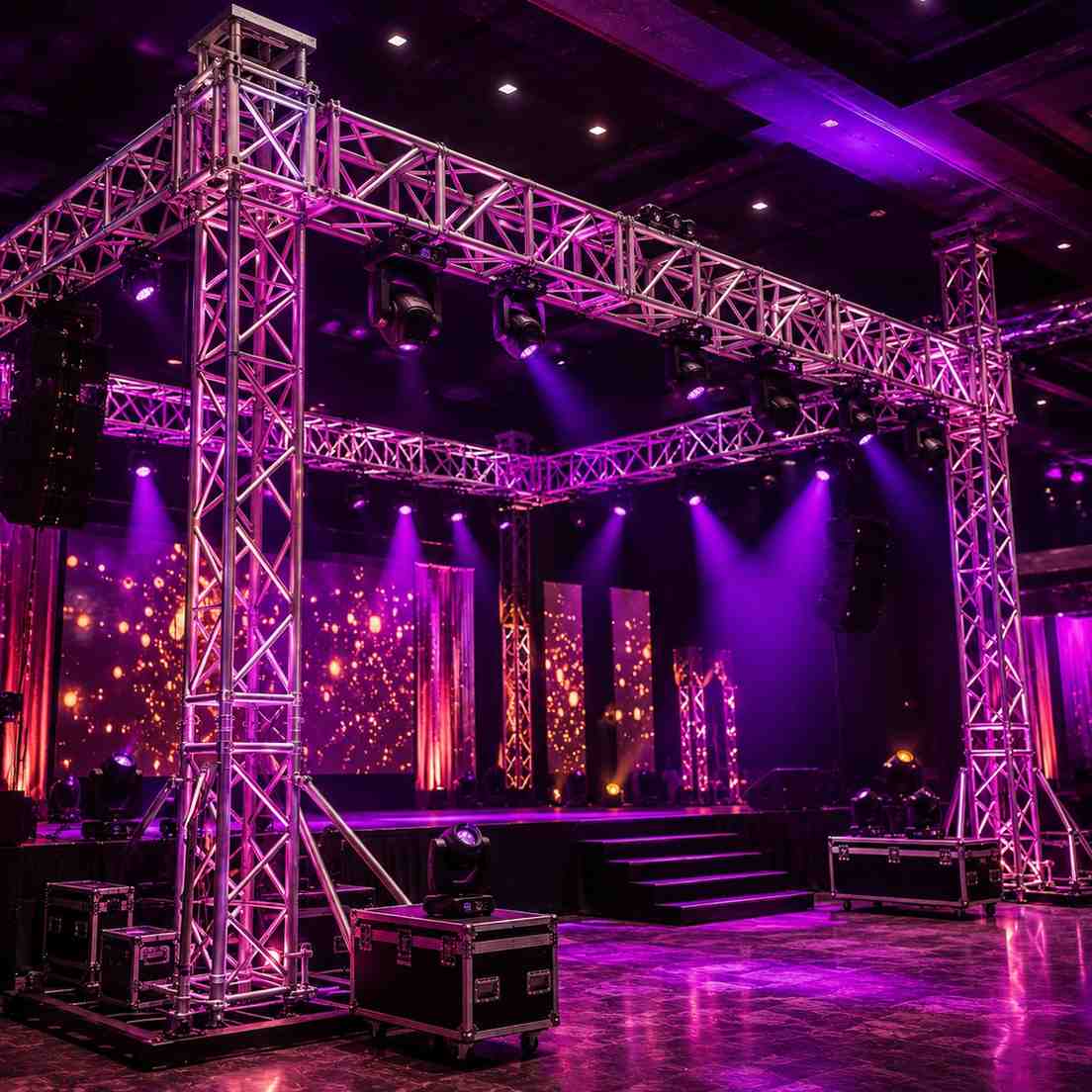
Automated Fixtures, also known as intelligent lighting fixtures, can perform programmed movements and effects. Moving heads, automated spotlights, beam fixtures, wash lights, and hybrid fixtures can be controlled to create dynamic stage environments.
Stage Productions benefit from programmable lighting because different scenes can be created for performances, speeches, entrances, transitions, and finale moments. Lighting cues can be triggered according to the show schedule.
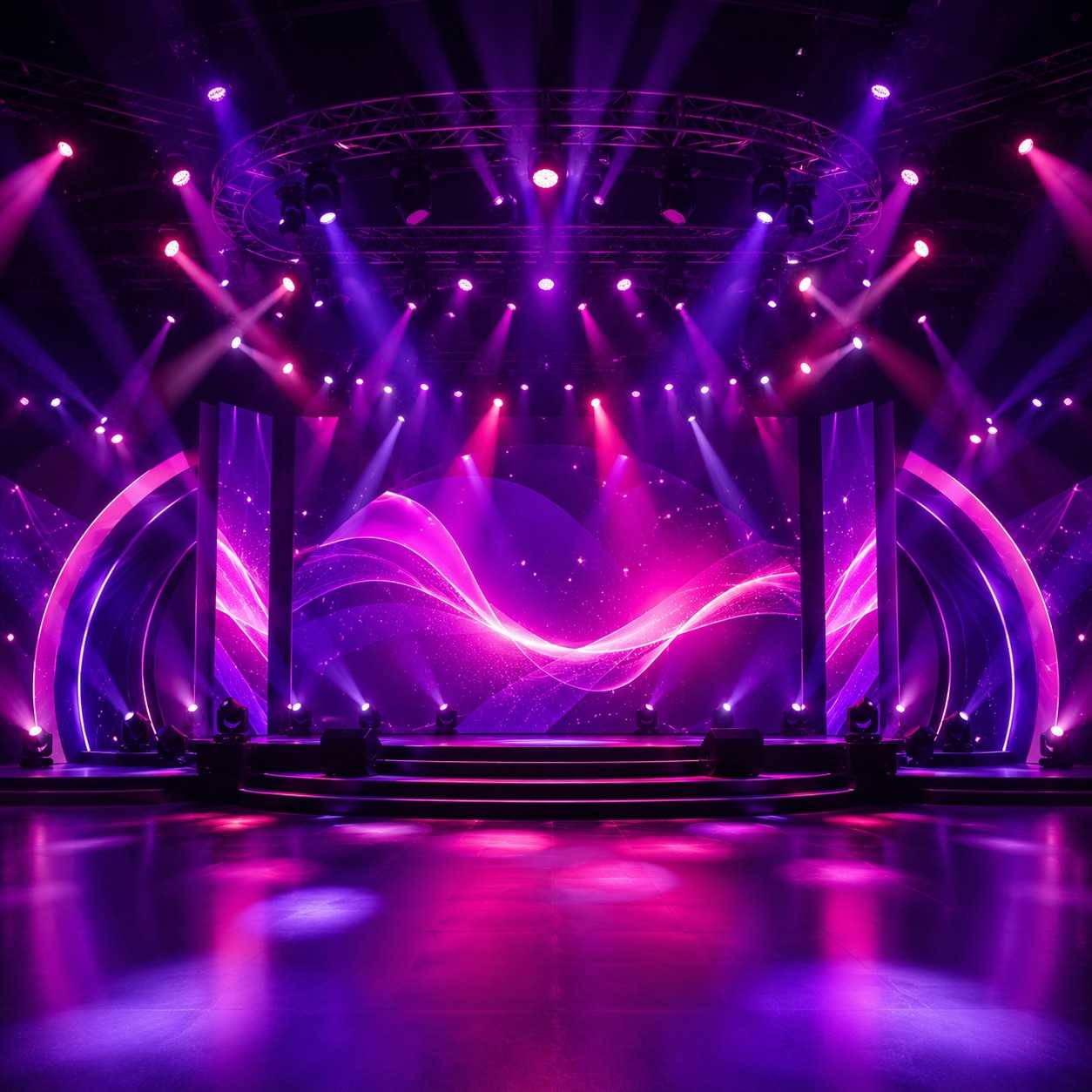
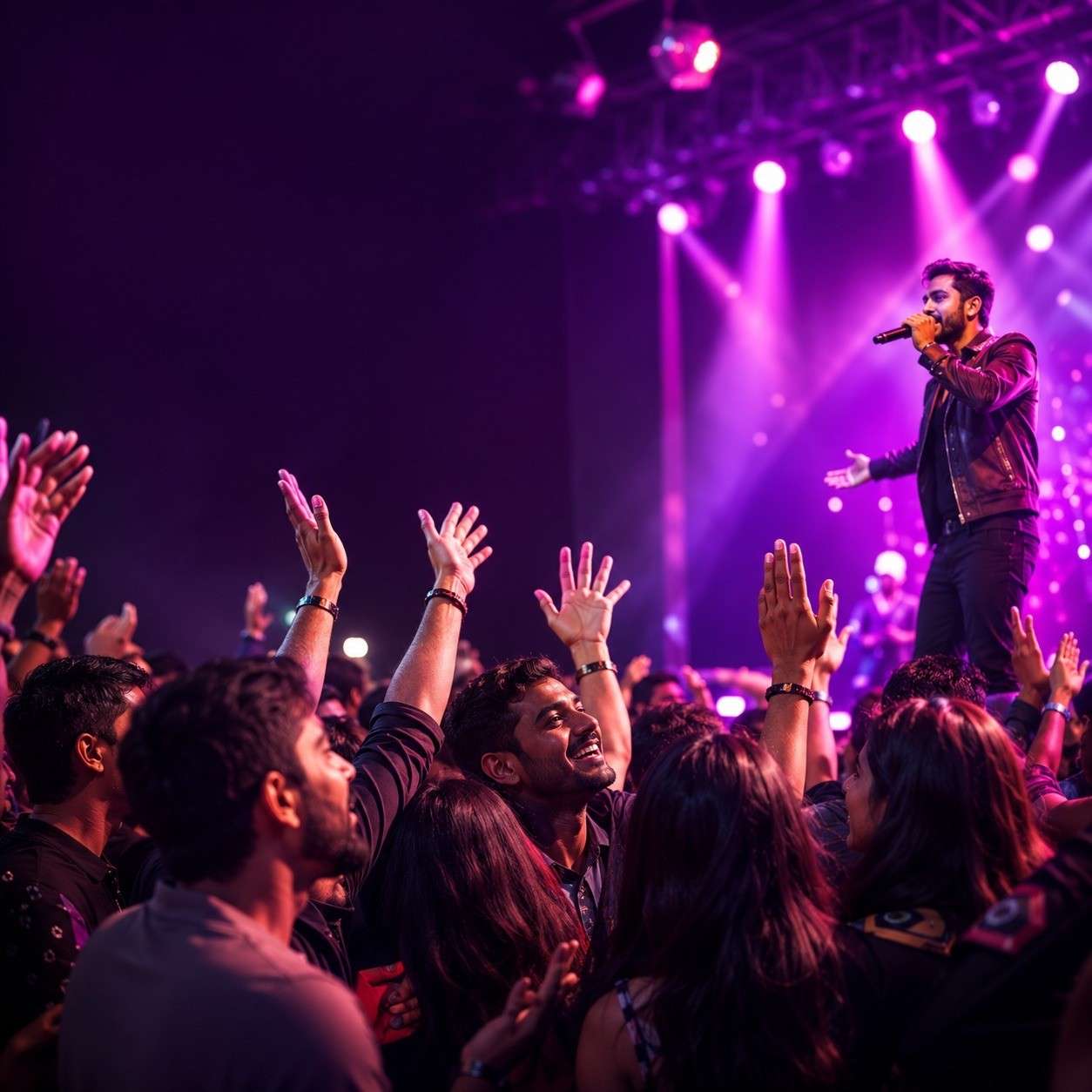
Concert Lighting can combine moving lights, colour-changing fixtures, strobes, beams, washes, lasers, and other compatible equipment to create music-synchronised visual experiences.
Venue Lighting Control systems can manage permanent or temporary lighting installations across banquet halls, auditoriums, theatres, convention centres, clubs, hotels, resorts, and event spaces.
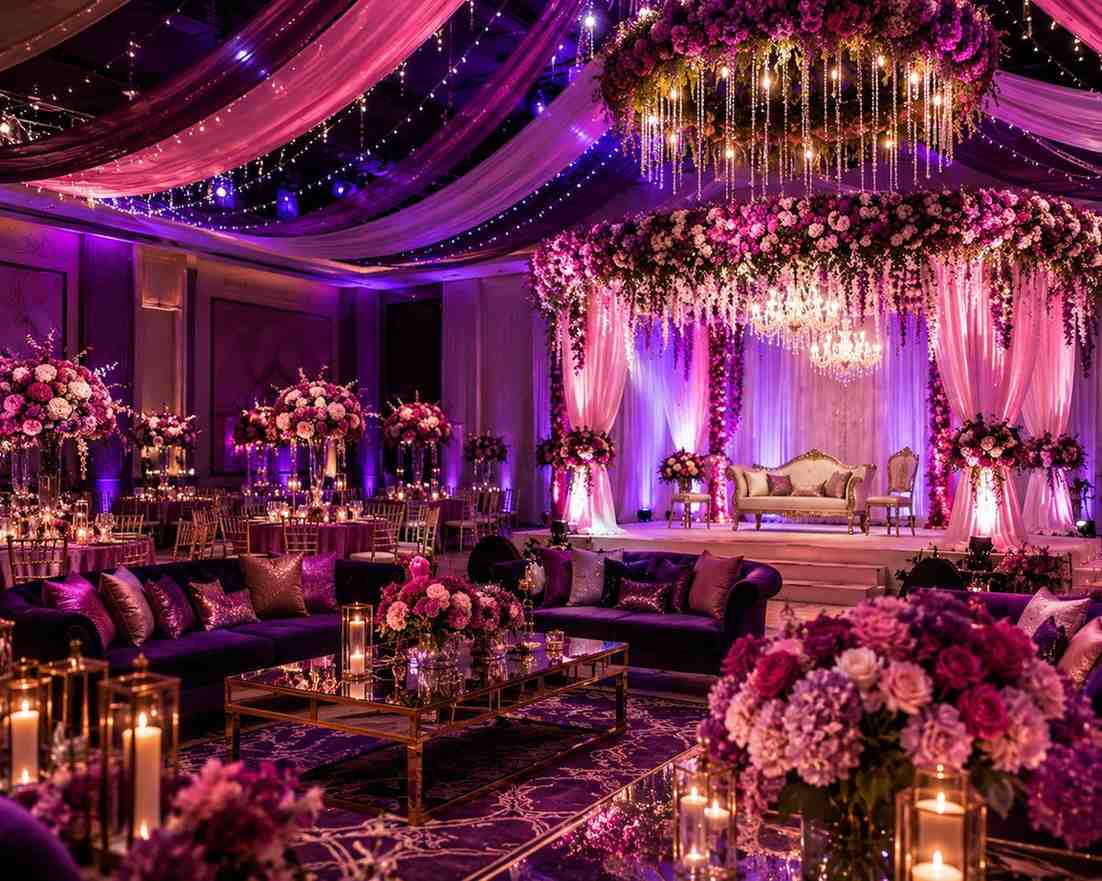
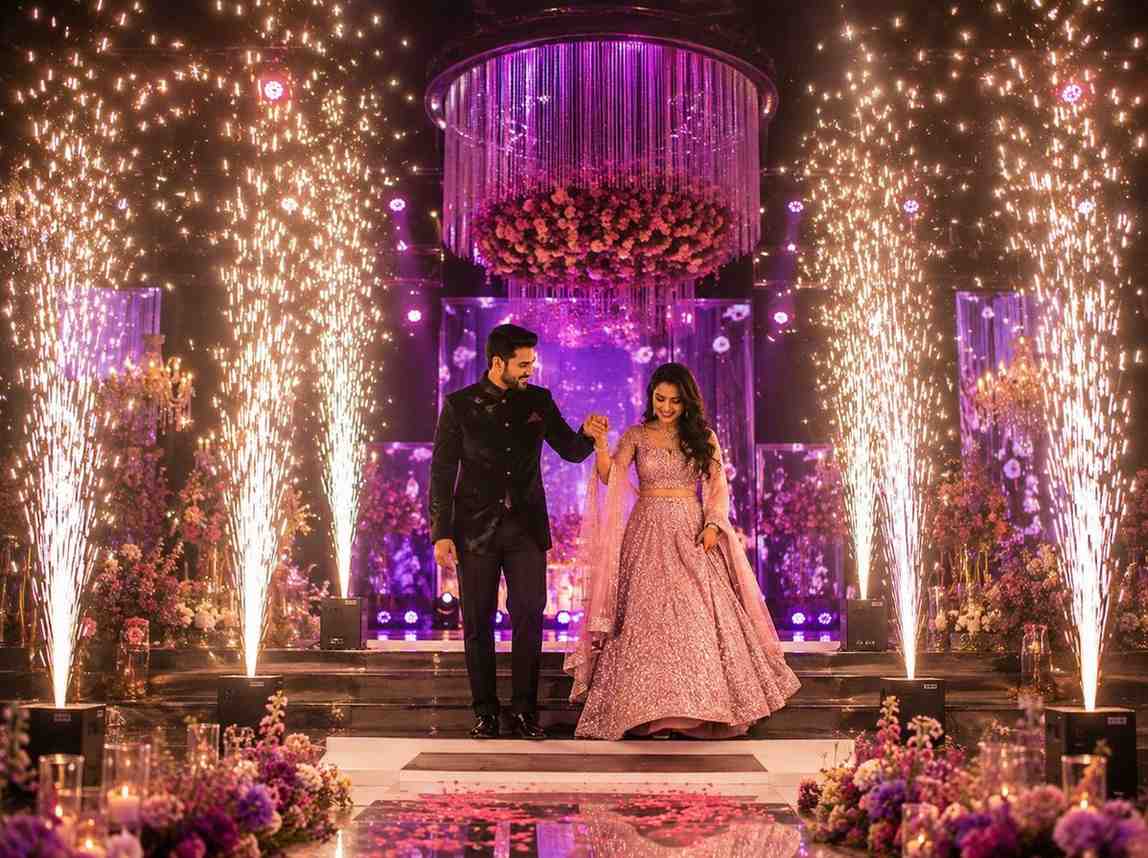
Wedding Lighting can use smart illumination systems for ceremonies, sangeet performances, receptions, cocktail parties, entrances, dance floors, and stage presentations. Lighting scenes can be customised to match different functions.
Corporate Events can use programmable lighting for conferences, product launches, award ceremonies, annual celebrations, leadership events, and brand activations. Corporate colours and visual identities can be incorporated into lighting scenes.
Festival Lighting can create large-scale visual environments using coordinated lighting fixtures, programmed effects, architectural illumination, and music-synchronised sequences.
Exhibition and trade show lighting can highlight booths, products, displays, stages, walkways, and branded installations. Automated fixtures can be repositioned or reprogrammed for different event segments.
Architectural Lighting Control can highlight buildings, façades, columns, entrances, stages, and decorative structures. Colour and intensity can be changed according to the event theme or schedule.
Intelligent Moving Head Fixtures provide automated pan and tilt movement, colour selection, beam shaping, gobo effects, and other programmable functions depending on the fixture model.
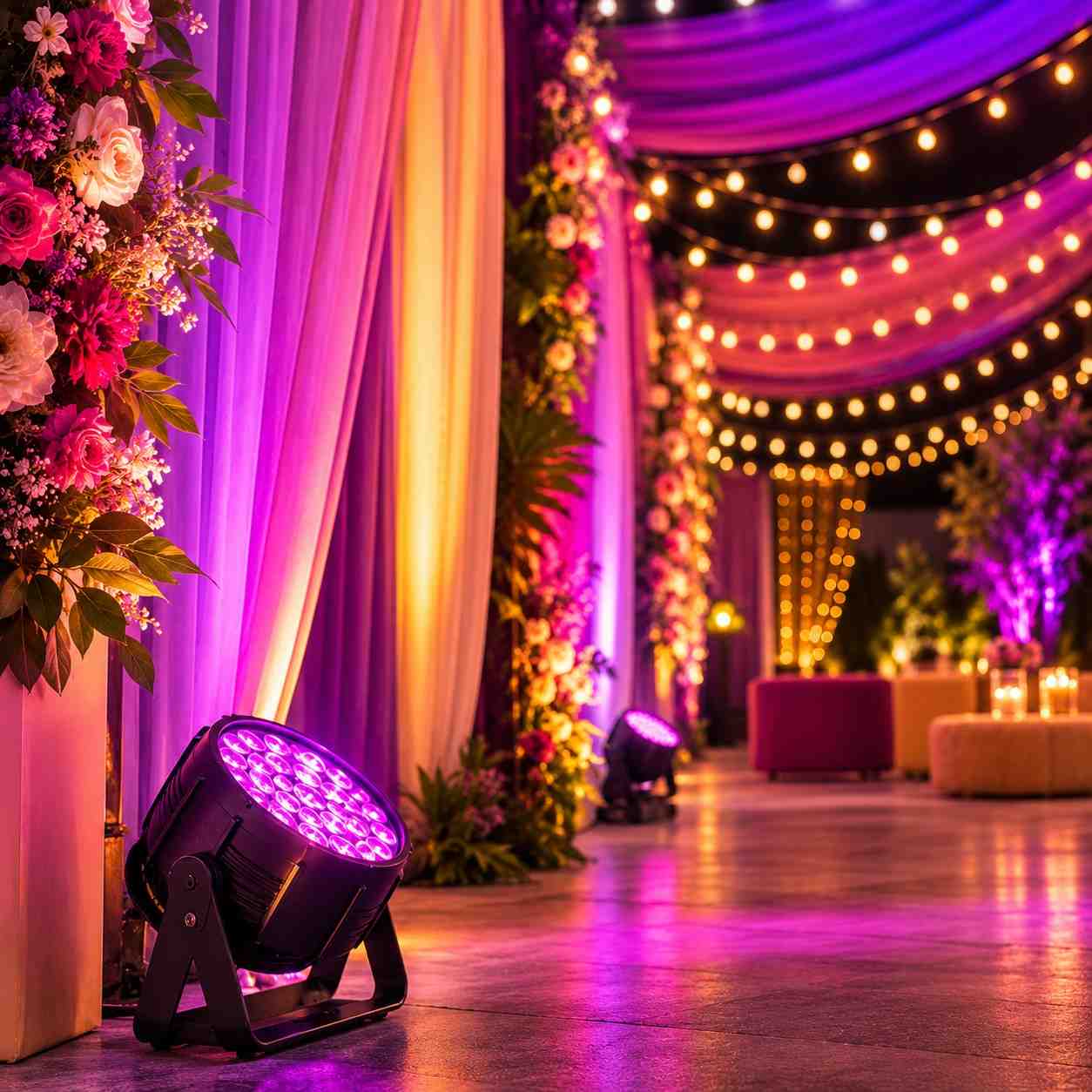
LED Wash Lights can provide broad colour illumination for stages, walls, ceilings, décor elements, and venue spaces. Their colour and intensity can be controlled through compatible systems.
Moving Beam Lights can create narrow, high-impact beams for concerts, dance performances, DJ events, and stage productions.
Strobe Lighting can provide rapid flashes and dramatic effects. Its use should be carefully planned with consideration for venue policies and audience safety.
Gobo Projection can project patterns, logos, textures, or decorative shapes onto walls, floors, stages, and architectural surfaces using compatible lighting fixtures.
Colour Mixing Systems allow lighting designers to create customised colours using RGB, RGBW, RGBA, or other fixture technologies depending on the equipment.
Lighting Scenes allow operators to save specific combinations of fixture positions, colours, brightness levels, effects, and timing. Scenes can then be recalled quickly during the event.
Lighting Cues are programmed moments within a show. A cue can trigger a specific lighting state during a speaker entrance, performance, product reveal, wedding ceremony, or other scheduled event moment.
Timecode Synchronisation can coordinate lighting with music, video, projection, stage effects, and other production elements when supported by the control system.
Music-Synchronised Lighting can respond to beats, tempo, or programmed musical sequences. This is particularly useful for concerts, DJ events, dance performances, and entertainment productions.
Show Control Systems can coordinate lighting with audio, video, projection, special effects, stage automation, and other event technologies from an integrated production environment.
Lighting Consoles provide operators with centralised control over professional lighting fixtures. Depending on the system, consoles may support programming, cue stacks, effects engines, fixture libraries, and live playback.
Lighting Software can provide additional programming and visualisation capabilities. Designers can prepare scenes and sequences before the event and test lighting concepts in a virtual environment where supported.
Wireless Lighting Control can be used with compatible fixtures and systems where wired DMX infrastructure is impractical. Wireless systems require appropriate planning for signal reliability and venue conditions.
DMX Splitters and Signal Distribution equipment can distribute control signals across multiple lighting fixtures and zones. This becomes important in larger productions with extensive lighting networks.
Art-Net and sACN-based systems can distribute lighting control data over network infrastructure where compatible equipment is used. These technologies can support large and complex lighting installations.
Lighting Network Management allows multiple consoles, controllers, nodes, and fixtures to communicate within a structured lighting control environment.
Stage Lighting Programming can be prepared around the event schedule. Different lighting looks can be assigned to performances, speeches, award presentations, entrances, transitions, and closing sequences.
For concerts, lighting designers can program visual effects around song structures, musical cues, performer movements, and stage positions.
For weddings, lighting scenes can change between ceremony ambience, sangeet performances, dinner, speeches, couple entrances, and dance-floor segments.
For product launches, lighting can be programmed to build anticipation through dimming sequences, colour transitions, dramatic reveals, and coordinated stage effects.
For award ceremonies, lighting cues can highlight nominees, winners, presenters, stage entrances, and important moments.
Smart Venue Lighting can be configured for multiple event types, allowing operators to switch between different lighting presets depending on the occasion.
Lighting Automation can reduce manual adjustments during programmed shows. Once cues and sequences are prepared, operators can trigger them according to the event timeline.
Pre-programming also helps improve consistency across repeated performances, touring productions, annual celebrations, and recurring venue programs.
Lighting designers consider venue dimensions, ceiling height, stage position, audience viewing angles, fixture locations, power availability, rigging points, ambient light, and desired visual effects when designing a system.
Rigging and mounting requirements should be assessed before installation. Elevated fixtures require appropriate mounting hardware, safety measures, and professional handling.
Power Distribution is an important consideration for large lighting systems. Professional teams assess electrical requirements, cable routes, load distribution, backup power, and safe connections.
Technical rehearsals allow lighting operators to test fixture positions, colours, movements, cues, effects, timing, signal distribution, and coordination with other production systems.
Onsite Lighting Operators can run programmed cues and make live adjustments during the event. They can respond to changes in the schedule, performances, or venue conditions.
Lighting Designers can create a complete visual concept that combines colour palettes, fixture selection, positioning, movement, effects, and cue programming.
Smart illumination systems can integrate with Audio & Lighting, LED screens, projection mapping, SFX, stage automation, and entertainment systems to create coordinated multimedia experiences.
Energy-efficient LED fixtures can help reduce power consumption compared with some traditional lighting technologies. Actual efficiency depends on fixture type, brightness, operating time, and system configuration.
Reusable lighting equipment and rental systems can support more sustainable event production by allowing the same professional fixtures and control infrastructure to be used across multiple events.
Rental packages can be scaled from small stage productions to large concerts and festivals. Equipment requirements depend on venue size, fixture count, production complexity, programming needs, and event duration.
Budget planning may include lighting fixtures, DMX controllers, lighting consoles, networking equipment, cables, splitters, rigging, power distribution, programming, technical crew, transportation, setup, rehearsal, operation, and dismantling.
Professional providers may offer complete lighting services, including concept development, equipment rental, fixture installation, DMX programming, show control, technical operation, troubleshooting, and dismantling.
In conclusion, Smart Illumination Control Systems bring precision, automation, creativity, and flexibility to professional event lighting. From DMX Controllers and Automated Fixtures to lighting consoles, programmed cues, music synchronisation, architectural illumination, and integrated show control, smart lighting solutions enhance Venues, Concerts, Weddings, Festivals, and Stage Productions with dynamic visual experiences.
FAQ Section
Q1: What are Smart Illumination Control Systems?
Smart Illumination Control Systems are professional lighting control solutions that allow multiple lighting fixtures to be programmed and operated through controllers, consoles, software, or network-based systems.
Q2: What are DMX Controllers used for?
DMX Controllers are used to communicate with compatible lighting fixtures and control parameters such as brightness, colour, movement, effects, and programmed lighting scenes.
Q3: What are Automated Fixtures?
Automated Fixtures are intelligent lighting units capable of programmed functions such as movement, colour changes, beam effects, gobos, focus, and other features depending on the fixture.
Q4: Can smart lighting be used for concerts?
Yes. Concerts can use moving heads, beams, washes, strobes, colour-changing fixtures, and programmed lighting cues to synchronise visual effects with music and performances.
Q5: Can lighting systems be used for weddings?
Yes. Smart lighting can create customised scenes for wedding ceremonies, sangeet, receptions, cocktail events, couple entrances, performances, and dance floors.
Q6: Can lighting be synchronised with music and video?
Yes. Where compatible control systems are used, lighting can be synchronised with music, video playback, projection, stage effects, and other production elements.
Q7: Does smart lighting require programming?
For complex professional productions, programming allows lighting designers to create scenes, cues, movements, effects, and timed transitions that can be recalled during the event.
Q8: Is DMX the only lighting control technology?
No. Professional systems may also use technologies such as Art-Net, sACN, wireless DMX, and other control protocols depending on the fixtures and production infrastructure.
Q9: Is technical support required?
Large or complex productions generally benefit from professional lighting designers and operators who can handle programming, setup, testing, live operation, and troubleshooting.
Q10: How can Happiffie help arrange Smart Illumination Control Systems?
Happiffie helps event organisers, venue managers, wedding planners, concert producers, and production teams discover experienced lighting professionals offering DMX Controllers, Automated Fixtures, lighting consoles, programming, stage lighting, architectural illumination, music synchronisation, technical operation, equipment rental, and complete smart lighting solutions.