
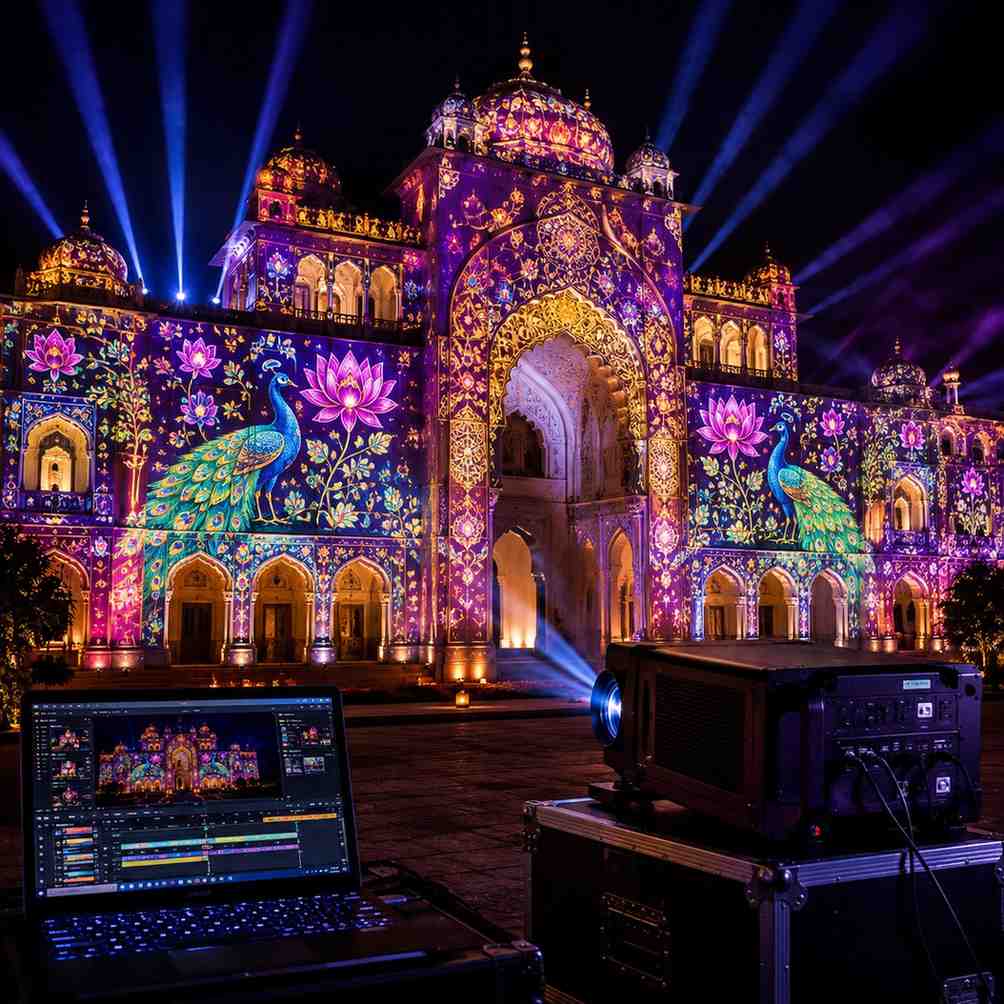
Projection Mapping
Transform walls, stages, floors, ceilings, and architectural surfaces into immersive visual experiences with Surface Visual Projection Design. Create dynamic 3D animations, themed visuals, interactive effects, and synchronized projections for weddings, festivals, concerts, exhibitions, brand launches, and special events.
Explore Related Audio & Lighting Experiences
Explore Other Experiences

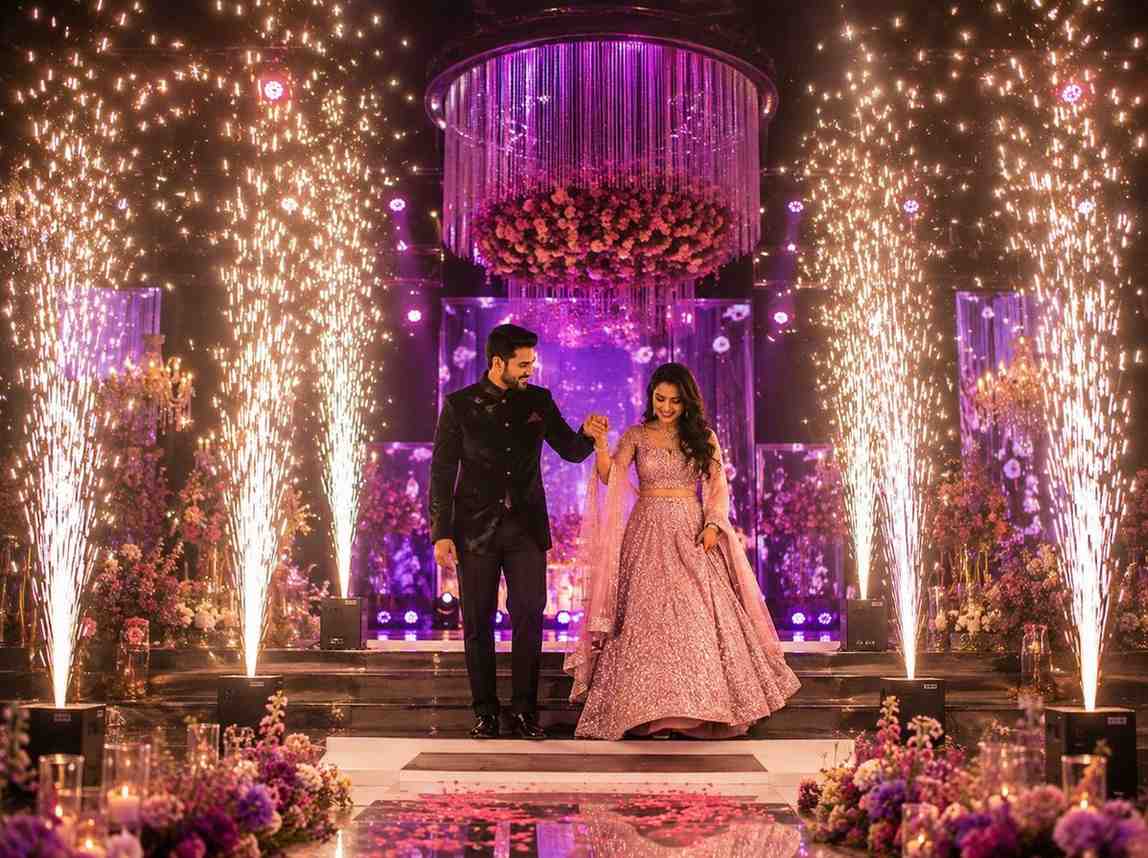
Explore by Occasion
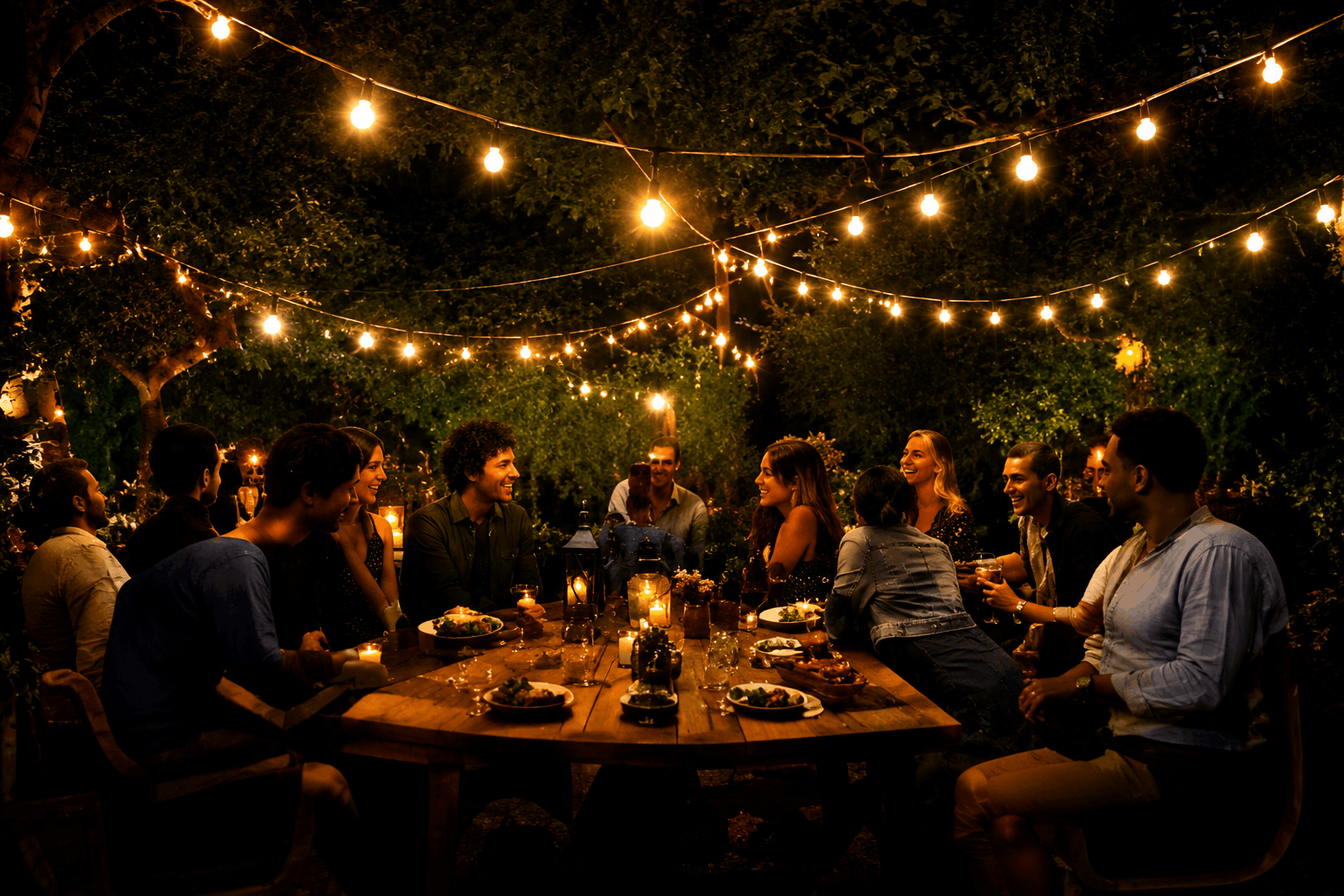
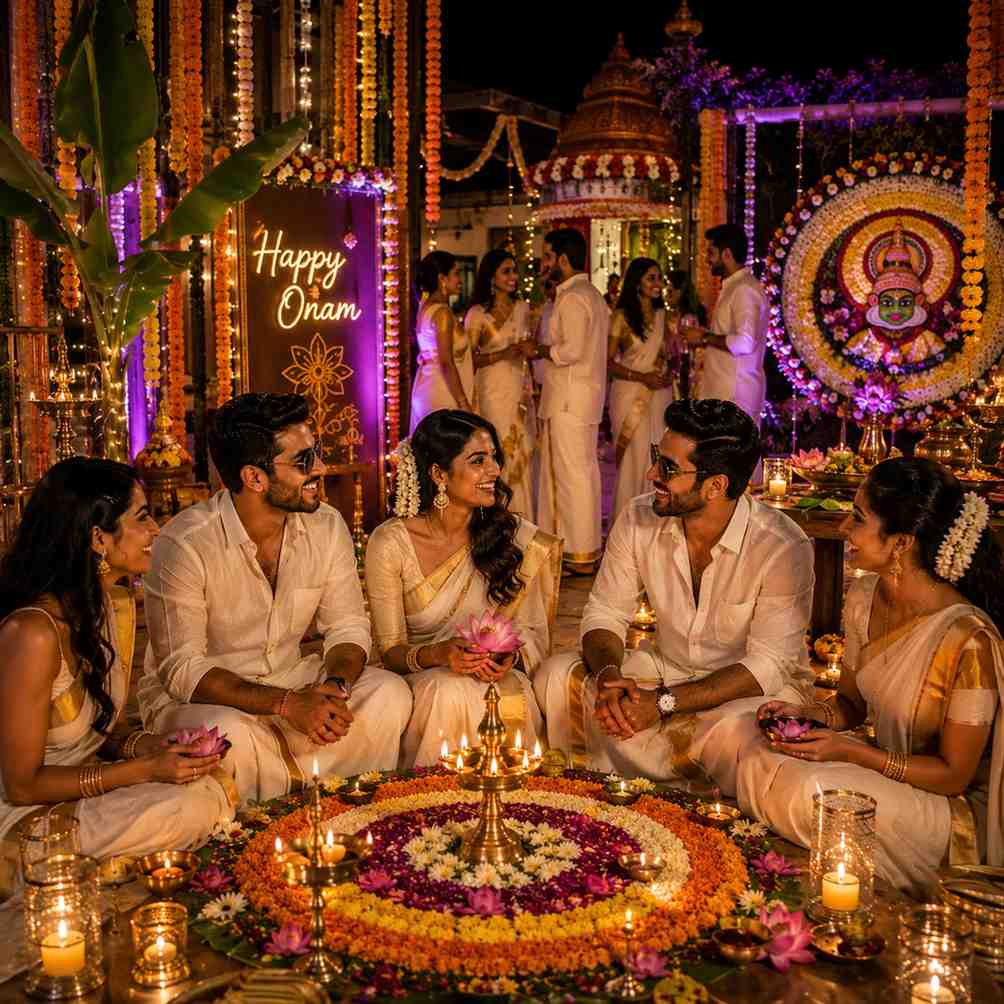
Immersive Surface Visual Projection Design - Projection Mapping, Interactive Visuals - Events, Festivals & Brand Experiences
◆Immersive Surface Visual Projection Design is a creative visual experience that transforms walls, floors, ceilings, stages, façades, installations, and other physical surfaces into dynamic digital environments. By combining projection technology, animation, motion graphics, lighting, sound, and spatial design, ordinary event spaces can become immersive visual experiences for audiences.
Projection Design can be customised according to the event theme, venue architecture, brand identity, celebration style, and audience experience. Instead of using static décor alone, projected visuals can continuously change throughout an event, creating different moods, stories, transitions, and visual moments.
Immersive Visuals are suitable for weddings, concerts, festivals, corporate events, product launches, exhibitions, award ceremonies, cultural programs, retail activations, destination celebrations, and experiential marketing campaigns.
Surface Projection can be applied to architectural walls, floors, ceilings, stage backdrops, temporary structures, sculptures, decorative installations, furniture, and other suitable surfaces. The projected content can be designed to complement the shape, texture, and dimensions of the target area.
Projection Mapping is particularly effective when the surface has architectural features or unusual shapes. Digital content can be precisely aligned with edges, columns, arches, steps, windows, structures, and other design elements to create visually integrated effects.
Floor Projection can transform dance floors, walkways, entrances, exhibition areas, and performance spaces. Animated patterns, particles, water effects, floral visuals, geometric graphics, brand imagery, and interactive designs can create a distinctive environment.
Ceiling Projection can create immersive overhead environments using stars, clouds, abstract patterns, celestial scenes, digital artwork, or thematic visuals. It can be particularly effective for gala dinners, weddings, cultural experiences, and experiential installations.
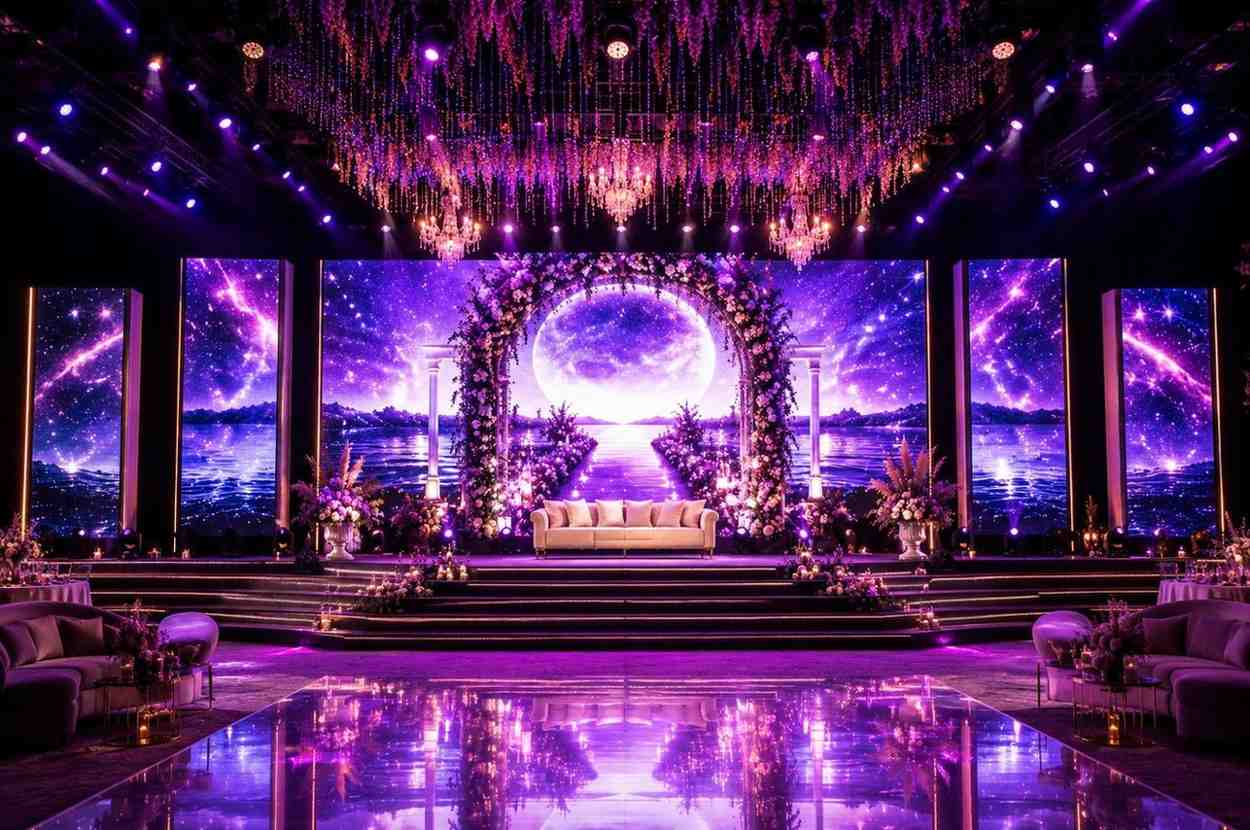
Stage Projection can replace or complement traditional scenic backdrops. Digital environments can change between performances, speeches, award segments, product reveals, and entertainment acts without requiring physical scenery changes.
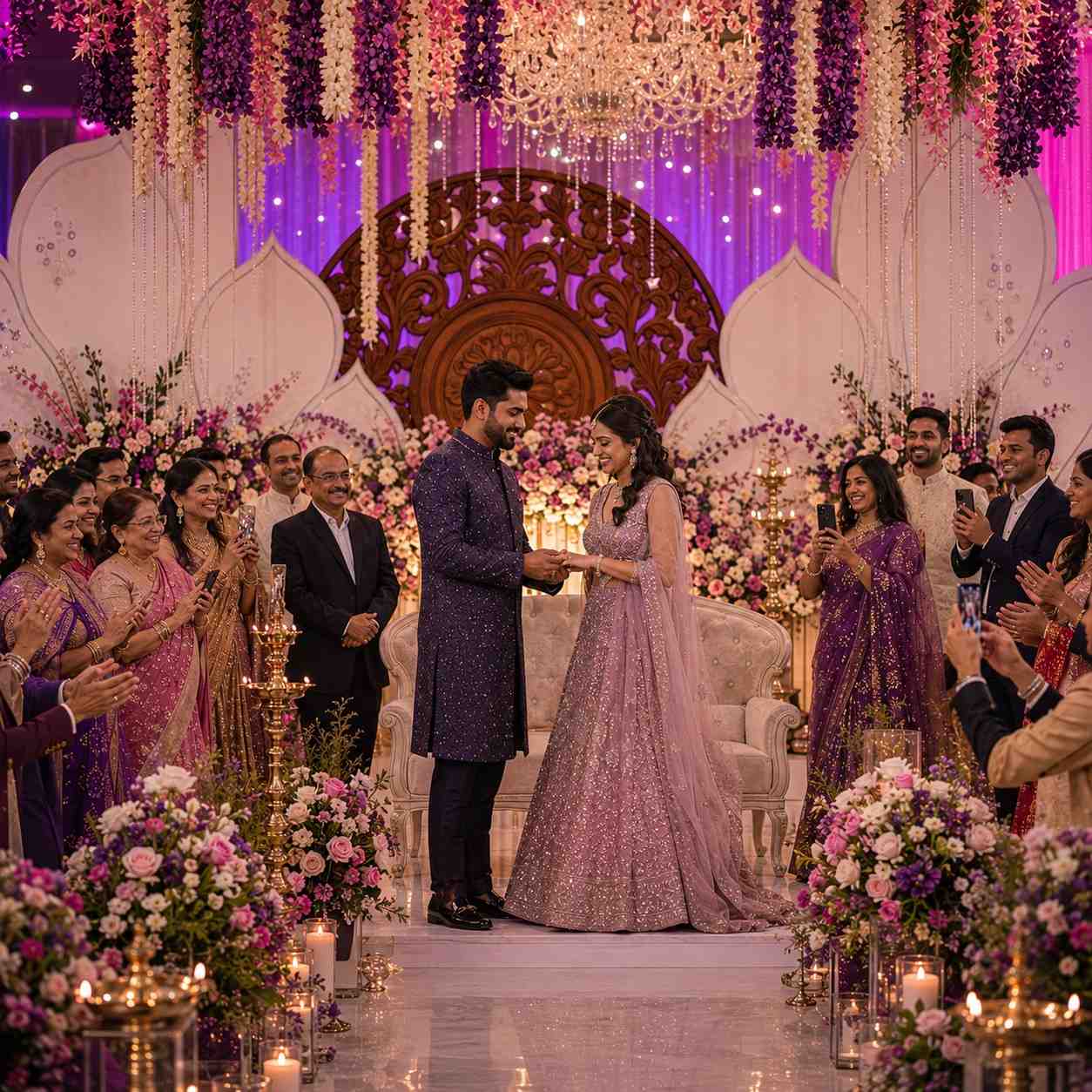
Wedding celebrations can use Immersive Surface Visual Projection to create customised environments for receptions, sangeet nights, engagement celebrations, cocktail parties, and destination weddings. Couple names, monograms, photographs, floral animations, romantic scenes, and personalised stories can become part of the visual design.
Sangeet performances can combine projection with choreography. Animated backgrounds, dynamic patterns, themed environments, and music-synchronised visuals can respond to different dance sequences and performances.
Corporate events can use projection design for conferences, annual celebrations, leadership events, award ceremonies, employee gatherings, and milestone celebrations. Brand colours, logos, company stories, achievements, and presentation visuals can be incorporated into the environment.
Product launches can use immersive projection to build anticipation and create dramatic reveals. Product animations, countdowns, visual effects, brand stories, and launch sequences can be projected across stages, walls, floors, or architectural surfaces.
Brand Experiences can use immersive projection to encourage audience engagement. Visitors can enter a branded environment where visuals, animations, sound, and spatial design work together to communicate a campaign story.
Interactive Visuals can incorporate technology that responds to movement, touch, sound, or other inputs when supported by the installation. This can allow audiences to influence projected patterns, animations, or digital environments.
Interactive floor projections can create engaging experiences for children, families, exhibition visitors, and festival audiences. Moving images, games, animated objects, and responsive effects can encourage participation.
Festivals can use immersive projection to create large-scale visual environments. Cultural artwork, festival themes, traditional motifs, animated storytelling, music-synchronised graphics, and celebration visuals can be projected onto suitable surfaces.
Cultural programs can use projection design to present historical narratives, traditional artwork, regional stories, mythology-inspired visuals, or heritage themes while complementing live performances.
Exhibitions can incorporate projection into booths, installations, product displays, walls, floors, and interactive exhibits. This can help attract visitors and communicate complex information through visual storytelling.
Museums and experiential spaces can use surface projection to create educational and immersive environments. Historical imagery, digital reconstructions, animations, and interactive storytelling can enhance visitor engagement.
Retail activations can transform storefronts and temporary installations into attention-grabbing digital experiences. Projection can be used for campaign launches, seasonal promotions, product storytelling, and experiential displays.
Restaurant and hospitality venues can use immersive projection to change the ambience of dining spaces. Projected landscapes, abstract visuals, seasonal themes, underwater environments, or artistic animations can create distinctive dining experiences.
Luxury events can combine projection with architectural décor, LED screens, lighting, lasers, special effects, and premium stage production to create sophisticated visual environments.
3D Visual Content can create the illusion of depth and movement across flat or architectural surfaces. Carefully designed animations can make objects appear to emerge from, move across, or transform the projected surface.
Custom Motion Graphics can be created specifically for the event. Content may include animated typography, illustrations, particles, textures, transitions, logos, photographs, video clips, and other visual elements.
Music Synchronisation can coordinate projected visuals with live performances, DJs, bands, speeches, countdowns, and entertainment sequences. Timed visual transitions can enhance the energy and rhythm of the event.
Storytelling Projection can guide audiences through a narrative using sequential scenes. This can be useful for brand histories, cultural performances, wedding stories, anniversary celebrations, product launches, and milestone events.
Personalised Projection can incorporate names, dates, photographs, messages, logos, event themes, and other customised elements to create a unique visual experience.
Projection surfaces influence the final appearance of the visuals. Light-coloured and suitable surfaces generally provide clearer images, while textured, dark, glossy, or irregular surfaces may require specialised equipment and content planning.
Technical planning begins with a site survey. Professionals assess surface dimensions, projection distance, ambient lighting, viewing angles, power availability, equipment positions, audience layout, and installation requirements.
High-brightness projectors may be required for large surfaces or environments with significant ambient light. Multiple projectors can be combined for larger projection areas.
Projection alignment is essential for accurate results. Mapping software and calibration techniques allow visual content to follow the exact dimensions and geometry of the target surface.
Edge blending can combine multiple projectors into one seamless visual canvas. This is particularly useful for large walls, façades, stages, and expansive installations.
Media servers and playback systems can manage complex projection sequences. These systems allow operators to control multiple visual outputs, cues, transitions, and synchronised content.
Outdoor projection requires additional planning for weather, equipment protection, power, cable management, mounting systems, audience safety, and environmental conditions.
Indoor projection requires attention to room lighting, ceiling height, projection distance, equipment placement, ventilation, cable routes, and audience movement.
Technical rehearsals allow production teams to test alignment, brightness, content playback, sound synchronisation, visual transitions, and show cues before the event begins.
Professional operators can manage the visual system throughout the event and respond to technical changes or unexpected conditions.
Projection equipment can be integrated with lighting and audio systems to create a coordinated multimedia experience. Lighting transitions can complement projected visuals while sound design reinforces the storytelling.
Safety planning is important for elevated equipment, cabling, rigging, electrical systems, and high-powered projection or laser equipment. Trained technical teams should handle installation and operation.
Venue permissions should be obtained before projecting onto buildings, heritage structures, commercial properties, public spaces, or other architectural surfaces.
Content licensing should also be considered when using music, photographs, artwork, videos, logos, or third-party visual assets.
Budget planning can include creative concept development, motion graphics, 3D content production, projection equipment, media servers, technical crew, rigging, power, transport, installation, calibration, rehearsals, operation, and dismantling.
For recurring events, projection content can be developed as a reusable visual library with new sequences created for each edition or celebration.
Sustainable event production can incorporate reusable projection equipment, digital décor instead of physical scenery, energy-efficient systems, reusable infrastructure, and responsible transportation where practical.
Professional projection specialists can manage the complete process from concept development and site survey to content creation, equipment selection, installation, mapping, calibration, live operation, and dismantling.
Event planners can coordinate Immersive Surface Visual Projection Design with Audio & Lighting, stage décor, entertainment, SFX, branding, photography, videography, and complete event production.
In conclusion, Immersive Surface Visual Projection Design transforms physical environments into dynamic digital experiences. From Projection Mapping and Interactive Visuals to floor projection, stage environments, architectural displays, festivals, weddings, product launches, exhibitions, and brand activations, immersive projection creates memorable experiences by combining technology, creativity, storytelling, and spatial design.
FAQ Section
Q1: What is Immersive Surface Visual Projection Design?
Immersive Surface Visual Projection Design is the use of projected digital content, animation, lighting, and visual effects to transform physical surfaces such as walls, floors, ceilings, stages, and structures into dynamic visual environments.
Q2: What surfaces can be used for projection?
Suitable surfaces may include walls, floors, ceilings, stage backdrops, façades, sculptures, temporary structures, exhibition installations, and other surfaces compatible with projection technology.
Q3: What is Projection Mapping?
Projection Mapping is a technique where digital content is precisely aligned with the shape and dimensions of a physical surface or architectural structure to create integrated visual effects.
Q4: Can projection design be used for weddings?
Yes. Weddings can use immersive projection for receptions, sangeet performances, engagement celebrations, cocktail parties, entrances, stages, dance floors, and destination wedding environments.
Q5: Can projection be used for corporate events?
Yes. Corporate events can use projection for conferences, product launches, award ceremonies, annual celebrations, brand activations, presentations, and milestone events.
Q6: Can the visuals be personalised?
Yes. Visuals can incorporate names, dates, photographs, logos, monograms, messages, event themes, brand colours, and customised storytelling elements.
Q7: Can projection visuals respond to music or movement?
Yes. Where the technical setup supports it, projected visuals can be synchronised with music, performances, lighting, or interactive inputs such as movement.
Q8: What equipment is required?
Depending on the installation, equipment may include high-brightness projectors, lenses, media servers, mapping software, playback systems, signal processors, mounting or rigging equipment, lighting, and audio systems.
Q9: Does projection require a site survey?
For professional installations, a site survey is strongly recommended to assess surface dimensions, ambient light, projection distance, viewing angles, equipment placement, power, and technical requirements.
Q10: How can Happiffie help arrange Immersive Surface Visual Projection Design?
Happiffie helps event organisers, brands, corporations, wedding planners, festival organisers, and production teams discover experienced visual production professionals offering Projection Mapping, Interactive Visuals, 3D content, floor and stage projection, architectural visual design, technical production, onsite operation, and complete immersive projection solutions.