
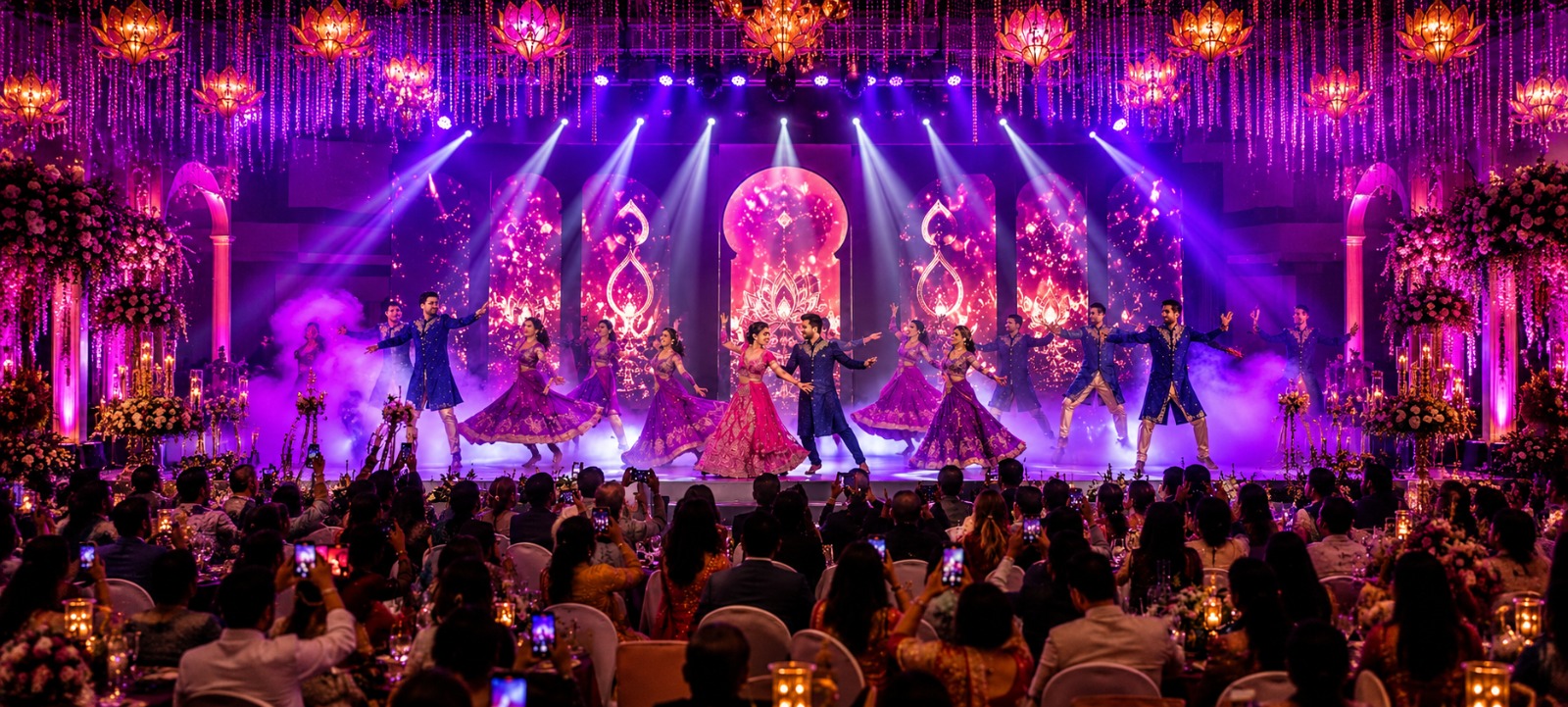
The Stage Dance Performance
Celebrate culture through captivating dance performances, classical recitals, and vibrant live showcases with Happiffie's expert event planning.
2
Explore Other Social Celebrations
3
Explore Styles Celebrate By Style
4
View All Cities Popular Cities
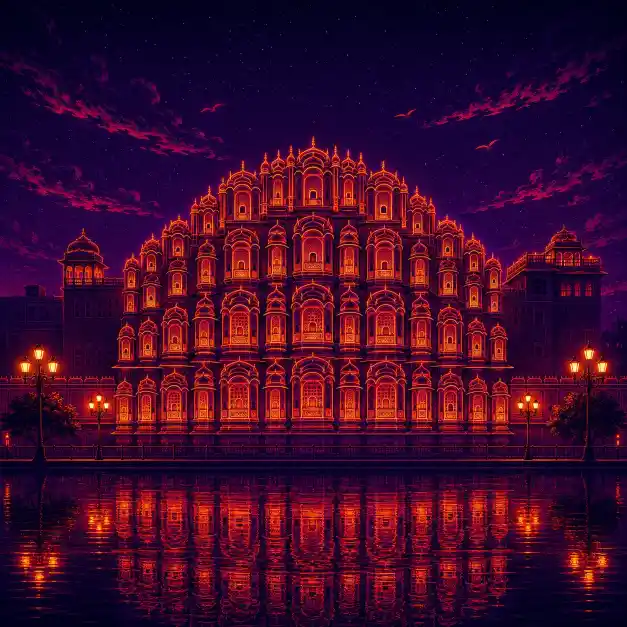
Jaipur
300+ Celebrations Hosted
Royal Grandeur in Pink

Goa
350+ Celebrations Hosted
Where Celebrations Meet Sunshine
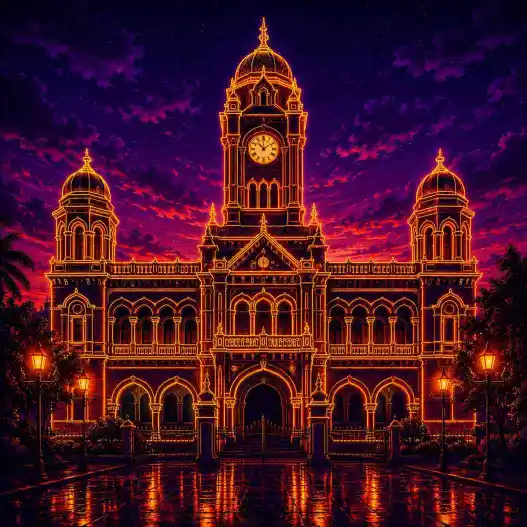
Chennai
500+ Celebrations Hosted
Tradition Meets Coastal Elegance
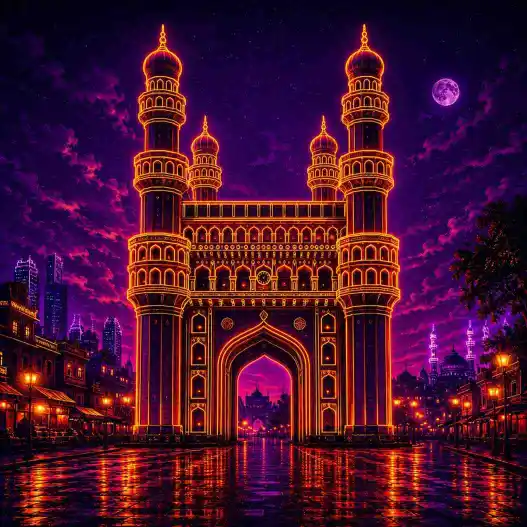
Hyderabad
400+ Celebrations Hosted
Heritage, Grandeur and Warmth

Kochi
250+ Celebrations Hosted
Where Heritage Meets Backwaters
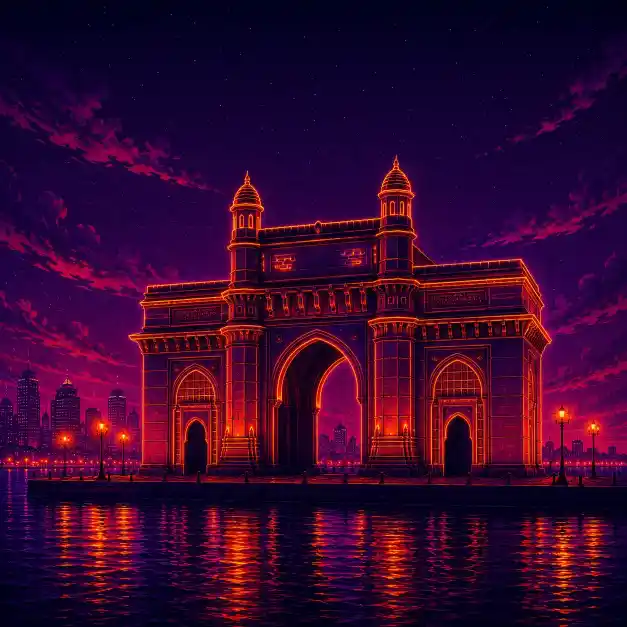
Mumbai
600+ Celebrations Hosted
Bold Energy, Endless Celebrations
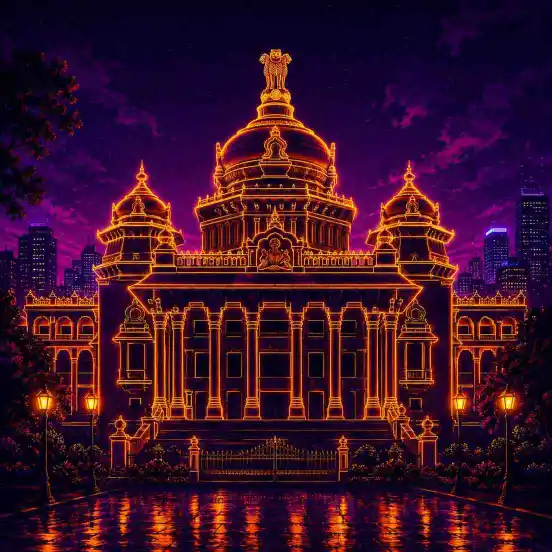
Bengaluru
450+ Celebrations Hosted
Modern Spirit, Creative Celebrations
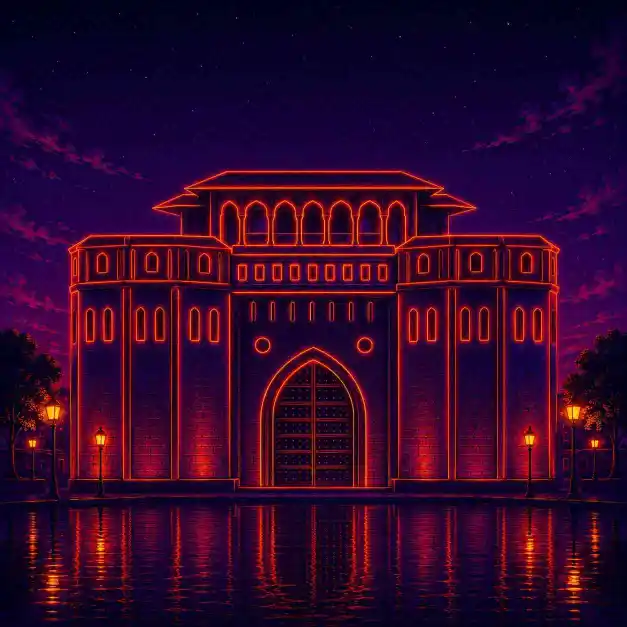
Pune
350+ Celebrations Hosted
Culture, Charm and Celebration
Delhi
550+ Celebrations Hosted
Where History Meets Grandeur
Coimbatore
200+ Celebrations Hosted
Tradition Rooted in Tranquility
Kolkata
300+ Celebrations Hosted
Culture, Emotion and Celebration
Ahmedabad
200+ Celebrations Hosted
Tradition with Vibrant Energy
5
View All Popular Experiences
6
Social Events Snapshot™
50+
Social Event Types
500+
Experience Categories
3000+
Venues
3500+
Event Partners
50+
Cities
1000+
Events Celebrated
12
Related Celebration Universes
Explore more ways to celebrate life.


Ready to Plan Your Dance Performance?
Hiya & Hanu are here to help you create unforgettable moments with the perfect venues, experiences, and trusted event partners—all in one place.

◆
How to Plan a Dance Performance Stage Cultural Fest That Wows Crowds
◆Cultural festivals live and breathe through the performances that unfold on stage, and few draws pull a crowd quite like a well-executed dance performance stage cultural fest. Whether it is a temple festival, a community celebration or a corporate cultural evening, the dance segment often becomes the emotional centrepiece of the entire event. Getting the setup right, from lighting and sound to the sequencing of acts, is what separates a forgettable line-up from one that guests talk about for years.
Happiffie works with organisers, cultural committees and event hosts across India to plan festivals where movement, music and tradition come together seamlessly. This guide walks through what such a festival segment actually involves, why it matters, and how to plan one that does justice to the performers and the audience alike.
What Is a Dance Performance Stage Cultural Fest?
A dance performance stage cultural fest is a curated festival segment or standalone event built around live dance acts, typically combining a classical recital with more contemporary moves to appeal to a broad audience. Unlike a single-genre show, these festivals are designed to showcase range: a traditional performance rooted in Bharatanatyam, Kathak or Odissi might open the evening, followed by folk ensembles, and closing with a high-energy modern segment that brings younger performers and audiences into the fold.
The stage itself is central to the experience. Proper sightlines, a raised platform, adequate wing space for costume changes and a sound system tuned for both live music and recorded tracks all contribute to a smooth, well-run event. Organisers who treat the stage as an afterthought often find that even brilliant choreography loses impact when the technical setup falls short.
Why Cultural Festivals Prioritise Dance on the Main Stage
Dance has a way of communicating heritage and emotion that speeches and static displays simply cannot match. For many communities, this kind of dance-led event is the moment where younger generations connect with traditional art forms, often through a heritage performance led by senior artists or students from a local dance academy. At the same time, festival organisers know that pure tradition alone will not fill every seat, which is why pairing heritage acts with contemporary moves has become standard practice at most large-scale festivals.
There is also a practical dimension. A well-programmed dance line-up gives sponsors and local businesses a reason to associate their brand with the event, since these segments consistently draw the largest crowds and the highest engagement on social media. Festival committees increasingly treat the dance line-up as the anchor around which food stalls, vendor booths and other attractions are scheduled.
Planning the Stage, Sound and Lighting
Technical planning makes or breaks any dance performance stage cultural fest. A few essentials that experienced organisers never skip:
Stage dimensions: A minimum depth of 20 to 24 feet is generally recommended for group choreography, particularly for a classical recital involving formation changes, while solo or duet modern routines can work with a smaller footprint.
Flooring: Dancers need a level, non-slip surface. Marley flooring or a well-sealed wooden platform reduces injury risk during high-impact contemporary dance styles and quick footwork sequences common in Kathak and folk traditions.
Lighting design: Warm, focused lighting suits a traditional performance, while a contemporary moves segment often benefits from dynamic, colour-shifting rigs synced to the music. Rehearsing lighting cues alongside the choreography avoids awkward surprises on the night.
Sound and monitors: Live musicians accompanying a traditional performance need stage monitors separate from the main house speakers, and a dedicated sound engineer should be briefed on cue points for every act in the programme.
Backstage flow: With multiple troupes performing across a single evening, a clear backstage schedule prevents costume changes from overrunning and keeps the show moving without long, awkward gaps.
Curating a Balanced Line-Up
The strongest festivals rarely rely on a single dance style. A thoughtfully sequenced festival programme usually opens with a shorter classical piece to set a respectful, welcoming tone, moves through regional folk performances that reflect local culture, and builds towards an energetic modern-style finale that sends the audience home on a high note.
Involving local dance schools and academies also strengthens community buy-in. Many festivals now open auditions months in advance, giving amateur dancers and students a genuine platform alongside professional troupes. This mix of established performers and emerging talent tends to produce the most memorable live showcase, since audiences appreciate seeing both polished tradition and fresh, modern energy on the same stage.
Happiffie's event planning team assists organisers with performer sourcing, audition coordination and rehearsal scheduling, taking much of the administrative burden off festival committees so they can focus on the creative vision.
Budgeting for a Dance Segment
Costs for this kind of festival attraction vary considerably depending on scale. Key line items typically include stage construction or hire, professional lighting and sound rigs, performer fees or honorariums, costumes and props if the festival is sponsoring troupes, and security for larger audiences. A modest community festival with local performers might manage a strong live showcase on a fraction of the budget required for a multi-city touring line-up, so setting a realistic budget early helps avoid scope creep as the guest list and ambitions grow.
Sponsors are often willing to underwrite specific segments, such as a named traditional performance slot or a branded modern-dance showcase, which can meaningfully offset overall costs while giving businesses visible association with the event.
Marketing and Audience Engagement
A dance performance stage cultural fest generates natural content for promotion. Short rehearsal clips, performer introductions and behind-the-scenes footage of costume preparation all build anticipation ahead of the event. On the day, encouraging attendees to share highlights from the show extends the festival's reach well beyond the physical audience.
Ticketing platforms and local community networks remain effective for driving attendance, particularly when the line-up clearly signals both a traditional performance for those who value heritage and a contemporary segment for younger crowds. Clear, early communication about timings also helps manage audience flow, especially at festivals where the dance segment shares billing with food, craft or trade stalls.
Who Benefits from a Strong Dance Line-Up
A well-planned dance segment benefits a wide range of organisers and communities, including temple trusts and religious committees marking annual festivals, resident welfare associations hosting neighbourhood celebrations, corporate teams organising cultural evenings for staff and clients, and educational institutions showcasing student talent alongside professional troupes. Tourism boards and city councils have also begun investing in larger festival programmes as a way of drawing visitors and promoting regional heritage, recognising that a strong line-up of dancers often generates more sustained public interest than static exhibitions or trade stalls alone.
Local dance academies benefit too, gaining a visible platform to showcase students' progress and attract new enrolments. For emerging choreographers, performing alongside established troupes at a recognised festival can be a meaningful step in building a professional reputation. Sponsors, meanwhile, gain access to an engaged audience that skews across age groups, making dance-focused sponsorship one of the more versatile marketing options available at community events.
Why Choose Happiffie for Your Cultural Festival
Happiffie brings hands-on experience planning festivals where the dance performance stage cultural fest is the headline attraction. From sourcing stage and lighting vendors to coordinating performer schedules and managing backstage logistics, our team handles the details that allow organisers to focus on the wider festival experience. We work with a trusted network of choreographers, sound engineers and venue partners across major Indian cities, ensuring that whether your event centres on an intimate heritage performance or a large-scale live showcase featuring modern choreography, every technical and creative element is in place.
If you are planning a cultural festival and want the dance segment to leave a lasting impression, get in touch with the Happiffie events team to start building your line-up.
Frequently Asked Questions
1. What is a dance performance stage cultural fest?
It is a festival or festival segment centred on live dance performances, often combining a classical recital with contemporary moves and folk styles to appeal to a wide audience.
2. How long should a dance segment run at a cultural festival?
Most festivals allocate 90 minutes to two hours for the dance line-up, though this varies depending on the number of troupes and whether the traditional and modern segments run separately or together.
3. How much does it cost to organise a dance stage at a festival?
Costs depend on stage size, lighting, performer fees and venue, with community festivals typically spending far less than large-scale, sponsor-backed events. Happiffie provides tailored quotes based on your requirements.
4. What flooring is best for dance performances?
Marley flooring or a sealed wooden stage is ideal, as it provides grip and cushioning for both a classical recital and high-impact contemporary moves.
5. Can Happiffie help source performers for a cultural festival?
Yes, Happiffie assists with performer sourcing, audition coordination and rehearsal scheduling for both classical and modern acts.
6. How far in advance should a dance performance stage cultural fest be planned?
For a mid-sized festival, 8 to 10 weeks is generally advisable, while larger events with multiple troupes may require three months or more.
7. What lighting works best for a live showcase?
Warm, focused lighting suits classical acts, while colour-shifting, dynamic rigs work well for contemporary routines and high-energy finale segments.
8. Should a cultural festival include both classical and contemporary dance?
Most successful festivals do, since a classical recital appeals to traditional audiences while modern choreography draws younger crowds, together creating a broader, more memorable event.
9. Does Happiffie manage backstage logistics during the event?
Yes, Happiffie coordinates backstage flow, costume change schedules and cue timing to keep the live showcase running smoothly from start to finish.
10. How do I book Happiffie for a cultural festival dance segment?
You can reach out through the Happiffie website or contact our events team directly to discuss your festival's scale, dates and creative vision.