

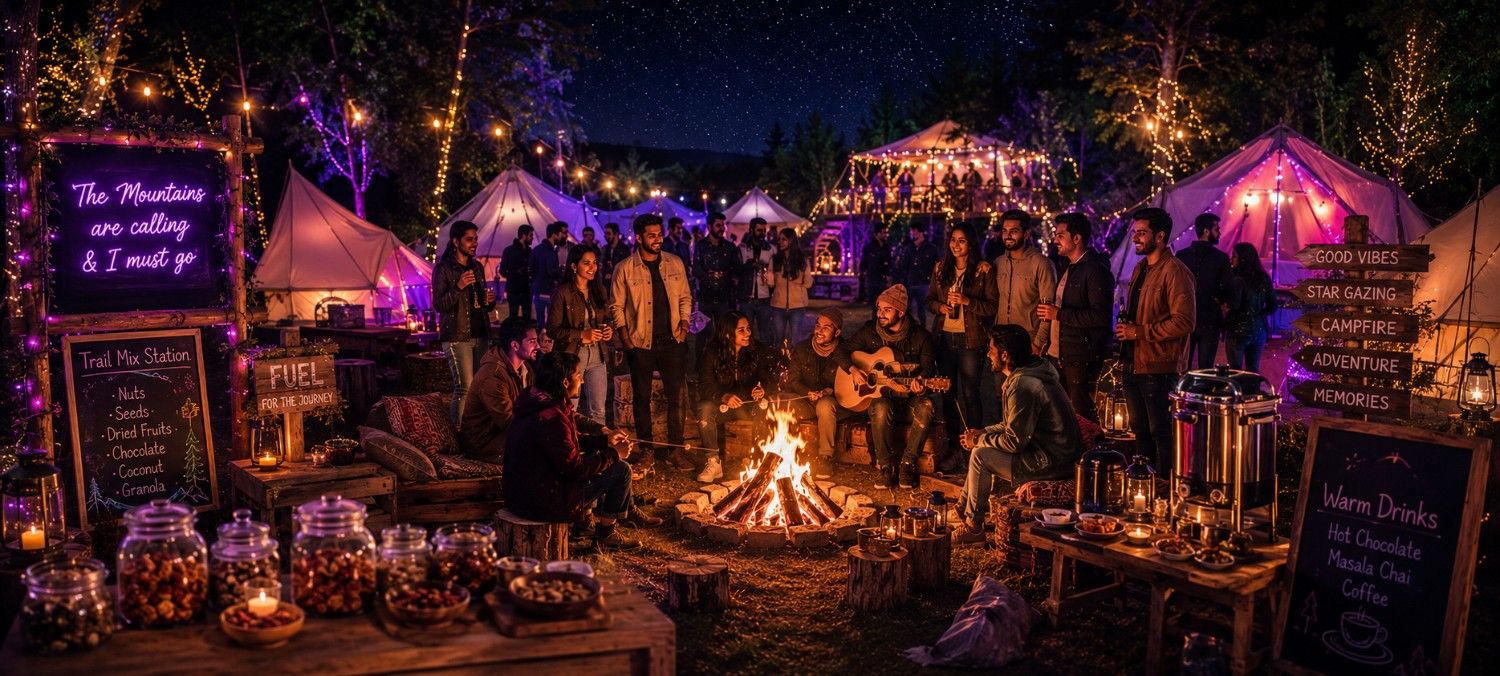
The CampingAdventure Party
Enjoy a Camping Trip and Bivouac Outdoor Adventure experience with scenic escapes and outdoor fun.
2
Explore Other Party celebrations





3
Explore Styles Celebrate By Style
4
View All Cities Popular Cities
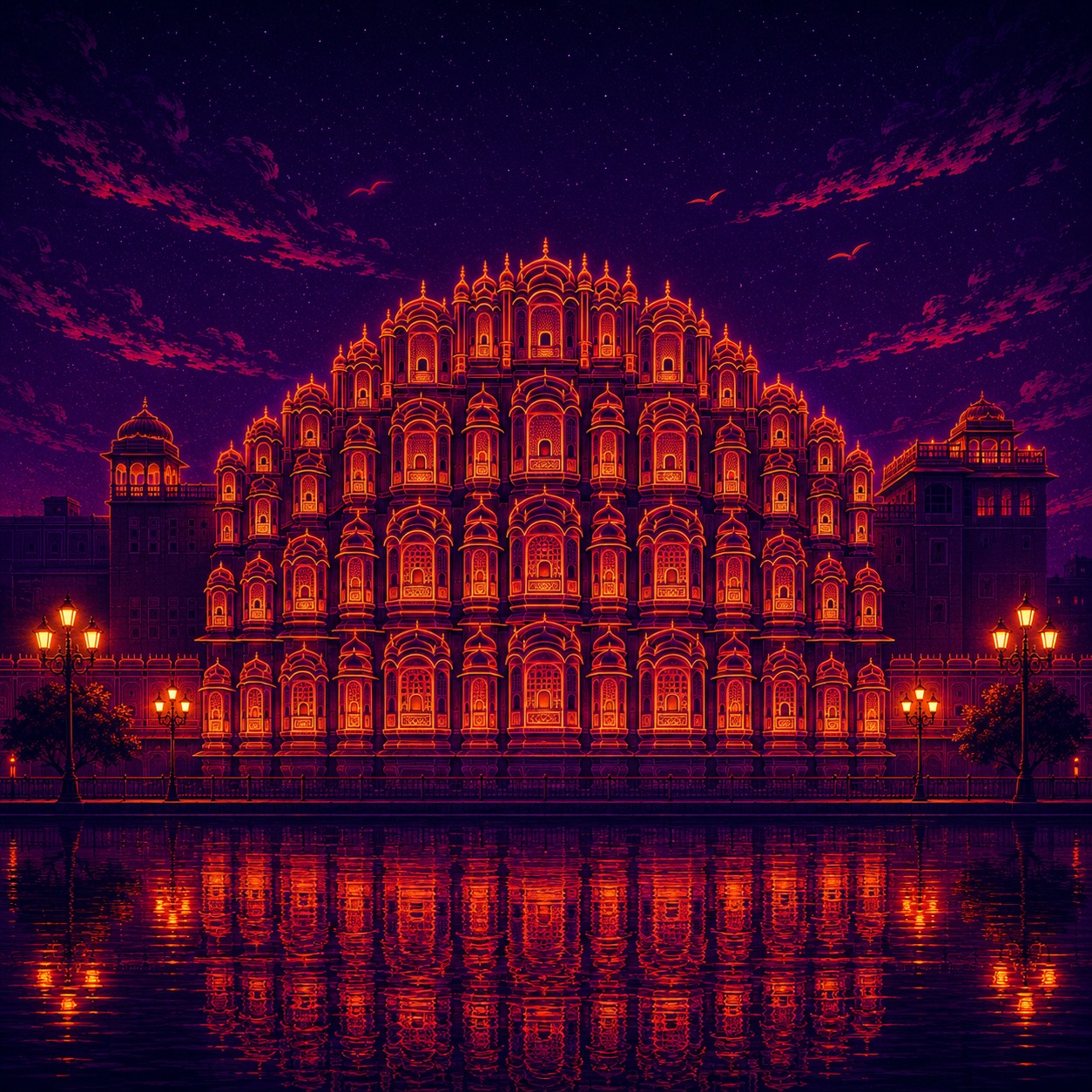
Jaipur
300+ Celebrations Hosted
Royal Grandeur in Pink

Goa
350+ Celebrations Hosted
Where Celebrations Meet Sunshine
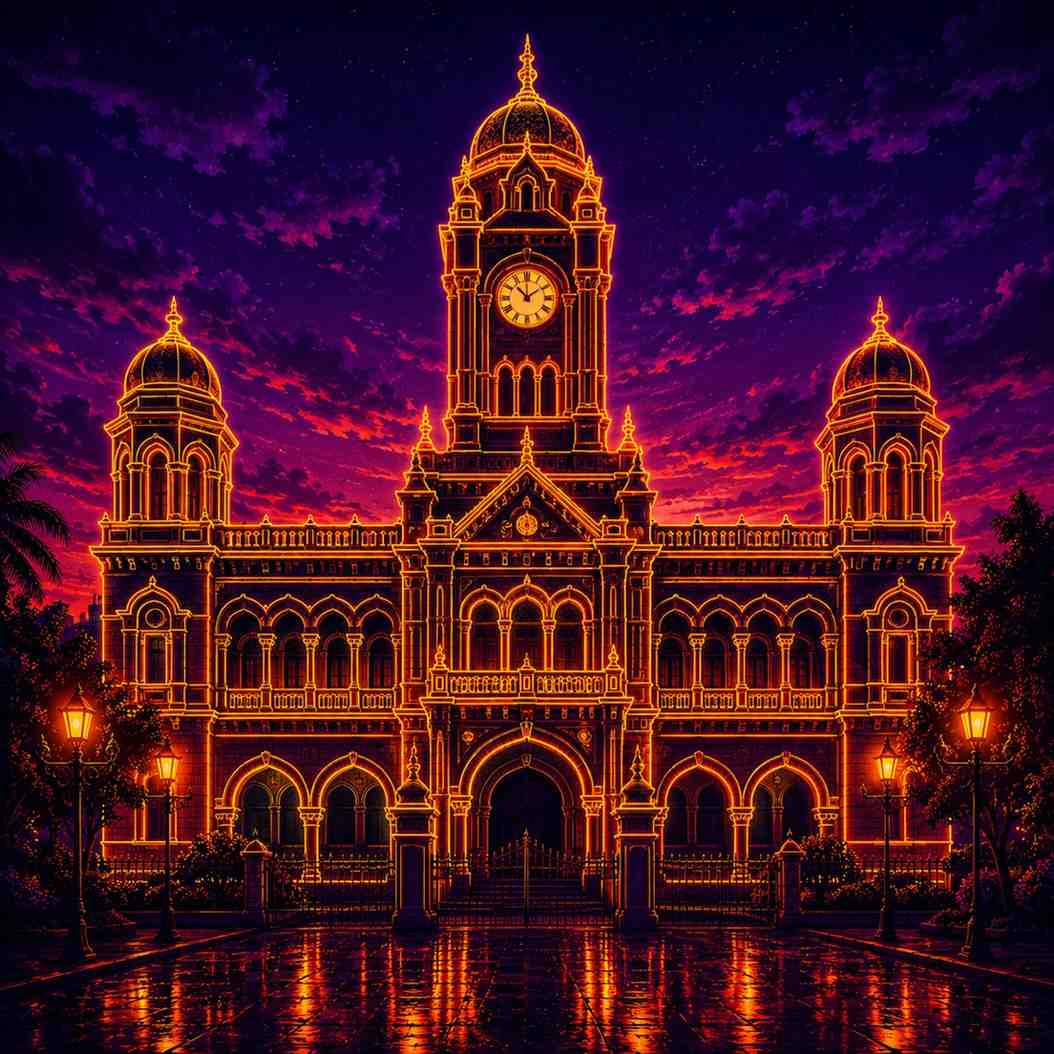
Chennai
500+ Celebrations Hosted
Tradition Meets Coastal Elegance
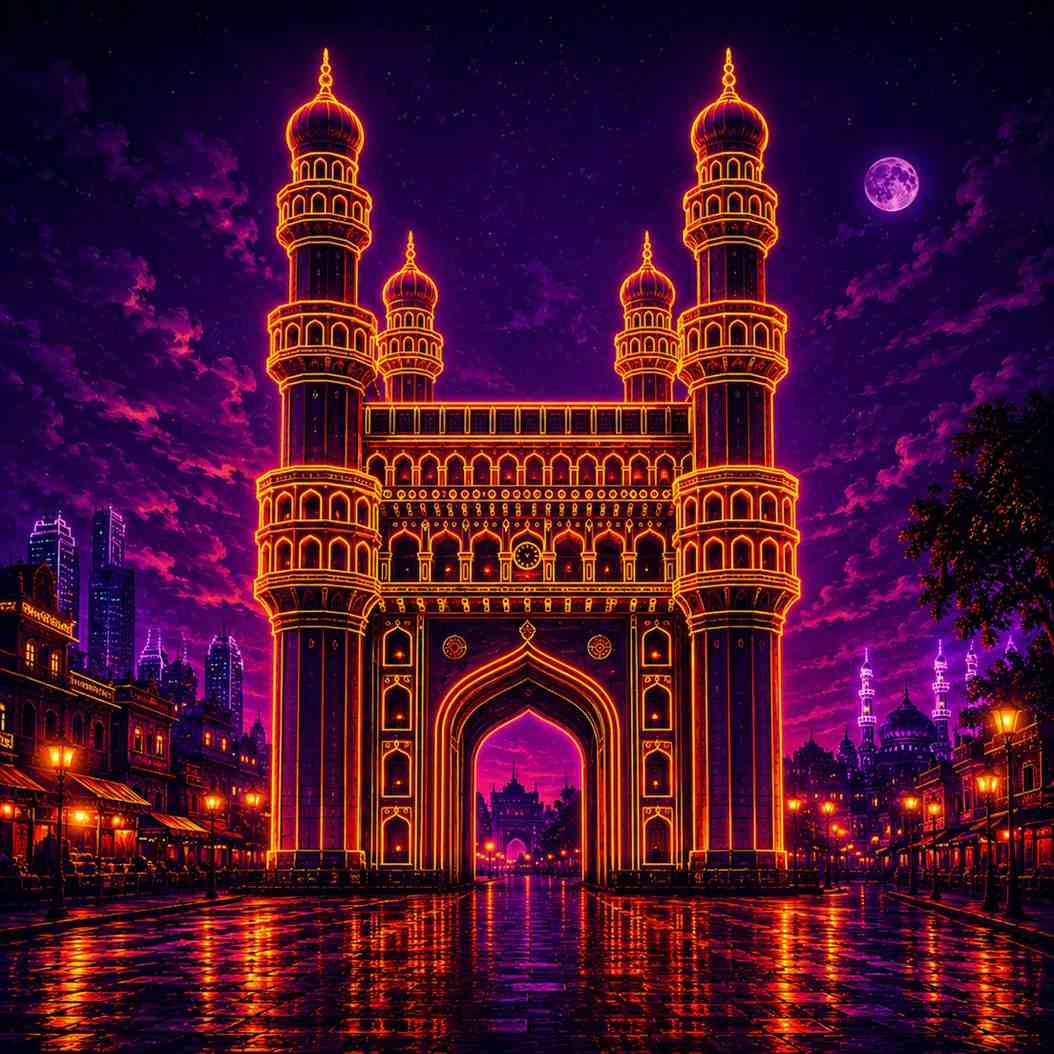
Hyderabad
400+ Celebrations Hosted
Heritage, Grandeur and Warmth

Kochi
250+ Celebrations Hosted
Where Heritage Meets Backwaters
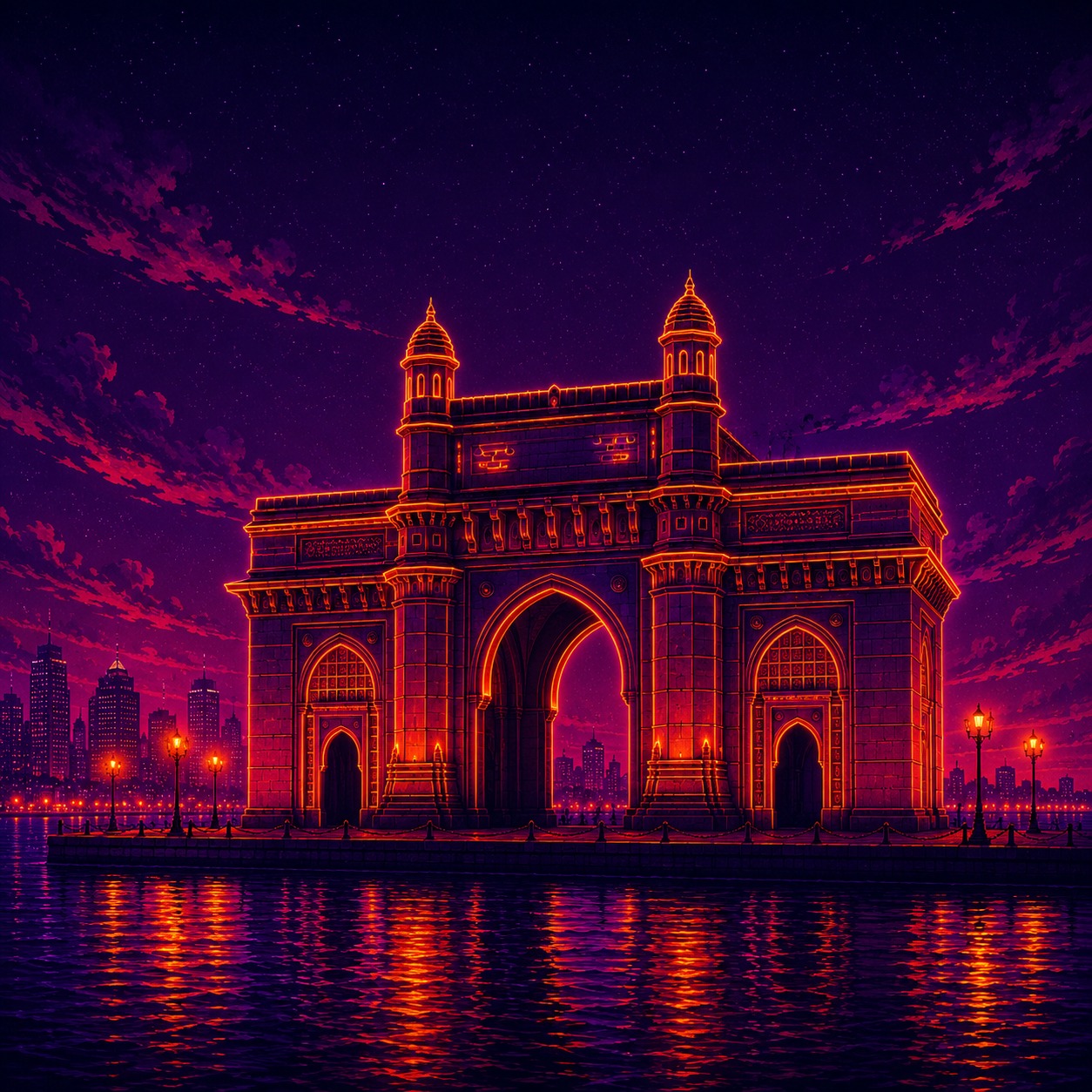
Mumbai
600+ Celebrations Hosted
Bold Energy, Endless Celebrations

Bengaluru
450+ Celebrations Hosted
Modern Spirit, Creative Celebrations
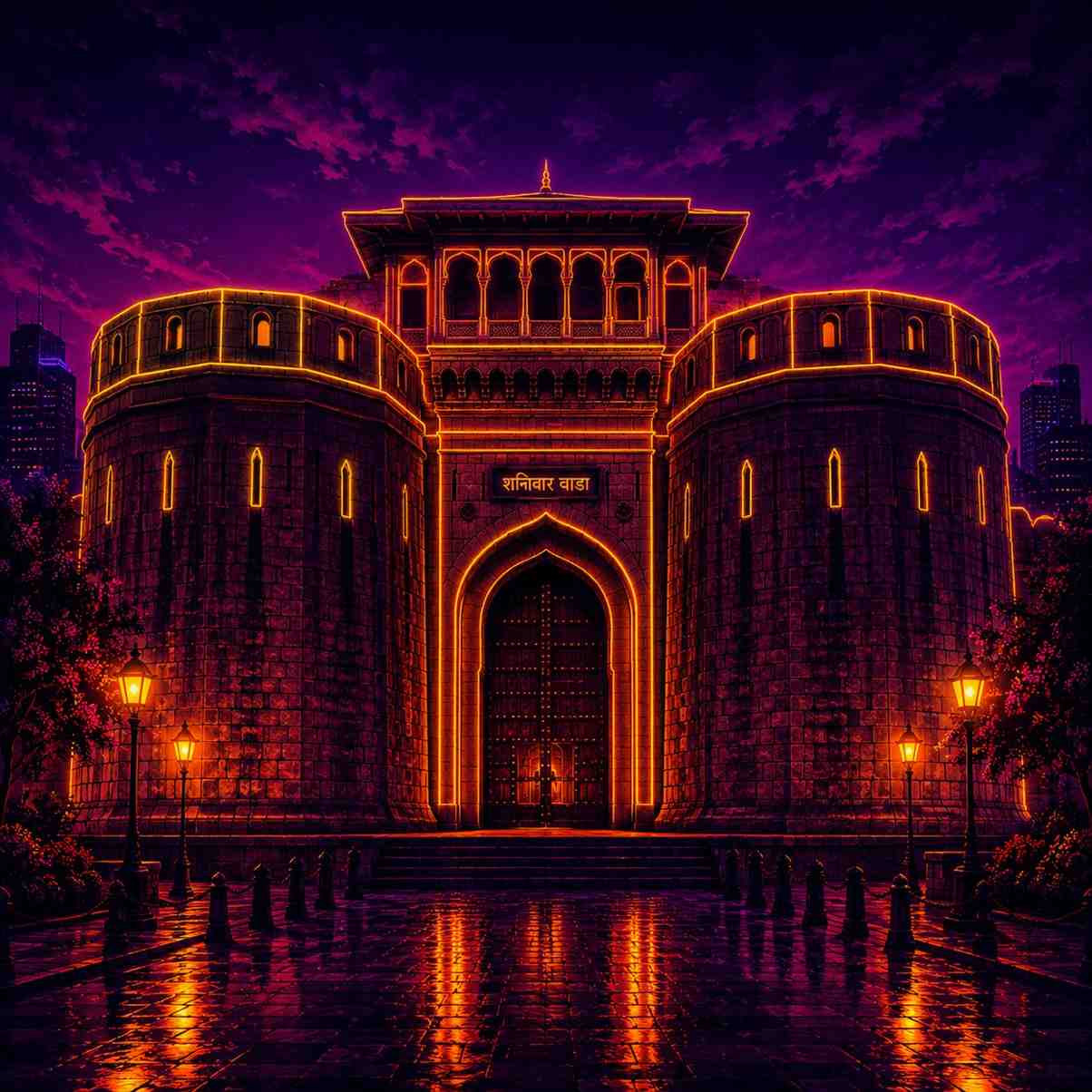
Pune
350+ Celebrations Hosted
Culture, Charm and Celebration

Delhi
400+ Celebrations Hosted
Where History Meets Grandeur
Coimbatore
550+ Celebrations Hosted
Tradition Rooted in Tranquility
Kolkata
600+ Celebrations Hosted
Culture, Emotion and Celebration
Ahmedabad
600+ Celebrations Hosted
Tradition with Vibrant Energy
5
View All Popular Experiences
6
Parties Snapshot™
30+
Party Types
500+
Party Experiences
2000+
Party Venues
3000+
Party Experts
50+
Cities
1000+
Parties Celebrated
12
Related Celebration Universes
Explore more ways to celebrate life.




Ready to Plan Your Camping Party?
Hiya & Hanu are here to help you create unforgettable moments with the perfect venues, experiences, and trusted event partners—all in one place.

◆
How to Plan the Perfect Camping Trip for an Unforgettable Mountain Getaway
◆There is something quietly transformative about swapping four walls for open sky. A well-organised outdoor trip strips life back to its essentials: shelter, fire, good company and the sound of wind moving through trees. Whether you are drawn to the simplicity of a single-night bivouac outdoor adventure or a longer stretch of tenting backpacking through remote trails, the appeal is the same. It offers a genuine reset from routine, screens and schedules. At Happiffie, we help individuals, families and groups turn the idea of a getaway into a properly organised outdoor escape, handling logistics so the only thing you need to focus on is enjoying the outdoors.
This guide walks through everything worth knowing before you head off, from choosing the right style of trip to packing sensibly, staying safe in the wilderness and making the most of your evenings around the fire.
Why a Camping Trip Still Matters in a Digital Age
Modern life is loud, and time spent outdoors offers one of the few genuine escapes from constant notifications and artificial light. Spending a night or two under canvas, surrounded by trees rather than traffic, has a measurable effect on stress levels and sleep quality. For many people, the appeal of a bivouac outdoor adventure lies precisely in its minimalism: no fixed itinerary, no crowded resorts, just a rucksack, a shelter and the landscape ahead.
Families increasingly choose this kind of trip as a low-cost alternative to conventional holidays, while groups of friends often use tenting backpacking routes as a way to reconnect away from city distractions. Corporate teams, too, have discovered that a short mountain retreat built around outdoor activity can do more for morale than a conference room ever could. Happiffie regularly helps organise these getaways, from single-family outings to larger group retreats.
Choosing the Right Style of Trip
Not every outdoor trip looks the same, and understanding the different formats helps you plan appropriately.
A classic car-based trip suits beginners and families, since you can pitch a tent close to your vehicle and bring along extra equipment such as cooler boxes, folding chairs and larger tents. This is often the easiest entry point for anyone new to sleeping outdoors.
A bivouac outdoor adventure, by contrast, strips things down considerably. Rather than a full tent, a bivouac setup might involve a lightweight bivy bag, a tarp shelter or simply sleeping beneath the stars in favourable weather. This style suits experienced hikers who prioritise speed and minimal gear over comfort, and it works particularly well for one or two-night excursions in more remote terrain.
Tenting backpacking sits somewhere between the two. Here, you carry a compact tent along with all your supplies on your back, covering distance across multiple days. This format demands more physical preparation but rewards you with access to locations that car camping simply cannot reach, including high-altitude ridgelines and secluded valleys.
For those seeking a slower pace, a mountain retreat centred around a fixed base camp offers the chance to explore surrounding trails during the day while returning to the same comfortable setup each night. This works well for groups who want structure alongside adventure.
Planning Your Camping Trip Step by Step
Good planning separates a memorable trip from an uncomfortable one. Start by deciding on your general location and season. Mountain regions can shift temperature dramatically between day and night, so always check forecasts close to departure rather than relying on general seasonal averages.
Next, work out your group size and skill level, as this shapes everything from route selection to the amount of gear you will need to carry. A tenting backpacking route suited to experienced hikers may be entirely inappropriate for a family with young children, so honesty about fitness and experience is essential at this stage.
Booking permits and campsite reservations early is another important step, particularly for popular mountain retreat locations during peak season. Many national parks and protected areas require advance booking, and some restrict group sizes or limit the number of overnight permits issued each day.
Finally, build in contingency time. Weather can delay a bivouac outdoor adventure by a day or more, and having flexibility in your schedule reduces stress considerably. Happiffie's planning team can assist with permits, local guide arrangements and logistics for group outdoor trips of any size.
Essential Gear for Every Trip
The right equipment depends heavily on which style of trip you have chosen, but a few essentials apply across the board.
A reliable shelter is non-negotiable, whether that means a four-season tent for a mountain retreat, a lightweight bivy for minimalist wilderness sleeping, or a compact backpacking tent for multi-day backcountry routes. Sleeping systems matter just as much; a sleeping bag rated for conditions colder than you expect, paired with an insulated sleeping mat, prevents heat loss from the ground overnight.
Cooking equipment should match the length of your camping trip. Short car-based trips can accommodate larger stoves and cookware, while longer tenting backpacking routes call for compact, fuel-efficient setups. Water purification, whether through filters, tablets or a portable steriliser, is essential for any multi-day route where refilling from natural sources is unavoidable.
Navigation tools deserve particular attention. While GPS devices and mobile apps are useful, a physical map and compass remain the most reliable backup when battery life runs out or signal disappears, which happens often during a genuine bivouac outdoor adventure in remote terrain.
Staying Safe on a Mountain Retreat
Safety planning is where many first-time campers fall short. Before setting off on any outdoor trip, share your route and expected return date with someone who is not joining the group. Mountain weather can change rapidly, and a clear communication plan means help can be sent quickly if something goes wrong.
Wildlife awareness matters too, particularly for a bivouac outdoor adventure in areas known for larger animals. Proper food storage, using bear-resistant containers or hanging supplies away from the sleeping area, reduces the risk of unwanted encounters considerably.
Altitude can also catch people off guard during a mountain retreat at higher elevations. Ascending gradually and watching for symptoms such as persistent headaches or nausea allows you to adjust your plans before minor discomfort becomes a genuine problem.
Fire safety is equally important. Always check local restrictions before lighting a campfire, keep water or sand nearby, and never leave flames unattended, especially during dry seasons when a single spark can spread quickly through dry undergrowth.
Making Evenings Memorable
Some of the best moments of any outdoor adventure happen after the tents are pitched and the walking boots come off. Gathering around a fire, sharing food and swapping stories under a sky full of stars is often what people remember most fondly, long after the aches from tenting backpacking have faded.
Simple additions can elevate these evenings considerably. A portable speaker for quiet background music, a deck of cards, or even a star chart to identify constellations overhead all add character without adding significant weight to your pack. For a mountain retreat with a fixed base camp, a proper campfire setup with seating and a designated storytelling circle creates a natural gathering point each night.
Happiffie can help plan themed evenings for group outdoor trips, including guided stargazing sessions, local storytelling guides familiar with regional folklore, and catered outdoor meals that turn a simple night under canvas into something genuinely special.
Sustainable and Responsible Camping
As camping trip numbers rise across popular mountain regions, responsible practice matters more than ever. Following Leave No Trace principles, packing out all rubbish, sticking to established trails and minimising campfire impact all help preserve these landscapes for future visitors.
Choosing durable, long-lasting gear over disposable alternatives also reduces environmental impact over time, particularly for anyone planning regular multi-day backpacking trips. Supporting local communities near mountain retreat destinations, whether through guides, accommodation or supplies, ensures tourism benefits the areas that make these adventures possible in the first place.
Planning Your Trip with Happiffie
Organising this kind of trip involves more moving parts than most people expect, from permits and route planning to group logistics and safety preparation. Happiffie works with experienced local guides, equipment suppliers and campsite operators to take the stress out of planning, whether you are arranging a small family bivouac outdoor adventure or a larger group tenting backpacking expedition.
Our team can help source suitable mountain retreat locations, arrange transport, coordinate catering for larger groups and connect you with vetted guides who know the terrain well. For corporate groups, we also offer structured outdoor retreat packages that combine adventure with team-building activities, giving colleagues a genuine break from office routine.
If you are ready to start planning your next outdoor escape, Happiffie's events team is on hand to help design an itinerary suited to your group's experience level, timeframe and destination preferences. Get in touch to begin building an adventure that will be talked about long after you return home.
Frequently Asked Questions
1. What is the difference between a camping trip and a bivouac outdoor adventure?
A camping trip typically involves a tent and a fixed pitch, often accessed by vehicle, while a bivouac outdoor adventure usually means minimal shelter, such as a bivy bag or tarp, used during more remote or fast-paced excursions.
2. How much does it cost to organise a group outdoor trip?
Costs depend on group size, destination, gear requirements and whether guides or catering are included. Happiffie provides tailored quotes once your trip scope and preferences are understood.
3. What should I pack for tenting backpacking over several days?
Essentials include a lightweight tent, sleeping system, water purification, compact cooking equipment, navigation tools and enough food for the duration, packed with weight distribution in mind.
4. Is a mountain retreat suitable for beginners?
Yes, provided the retreat is based around a fixed camp with day hikes rather than continuous multi-day trekking. This format offers structure and comfort while still delivering genuine outdoor adventure.
5. How far in advance should I book this kind of trip?
For popular mountain regions during peak season, booking 6 to 10 weeks ahead is advisable, since permits and campsite availability can be limited.
6. Can Happiffie arrange guides for a bivouac outdoor adventure?
Yes, Happiffie works with experienced local guides familiar with regional terrain, weather patterns and safety requirements for remote outdoor adventures.
7. What safety precautions matter most for tenting backpacking?
Sharing your route with someone outside the group, carrying proper navigation backup, understanding altitude effects and following food storage protocols around wildlife are all essential precautions.
8. Are corporate groups able to book a mountain retreat through Happiffie?
Yes, Happiffie offers structured retreat packages for corporate teams that combine outdoor activity with team-building elements, suited to groups seeking a break from conventional office settings.
9. What is the best season for an outdoor trip in mountain regions?
Late spring through early autumn generally offers the most stable weather, though specific conditions vary by altitude and region, so checking local forecasts before departure is essential.
10. Does Happiffie provide equipment for the trip, or do I need my own?
Happiffie can arrange equipment hire through trusted local suppliers for groups who prefer not to travel with their own gear, alongside full logistical support for the trip.