
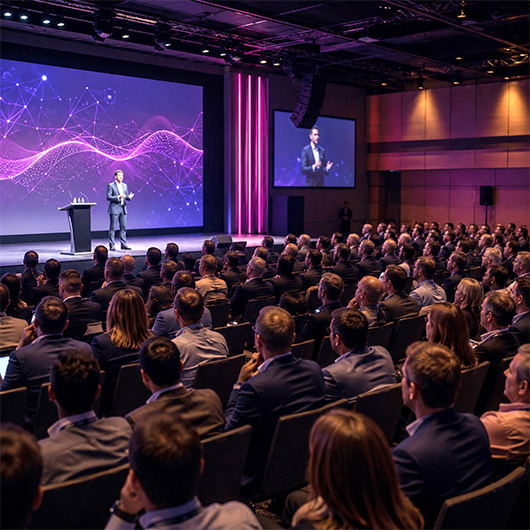
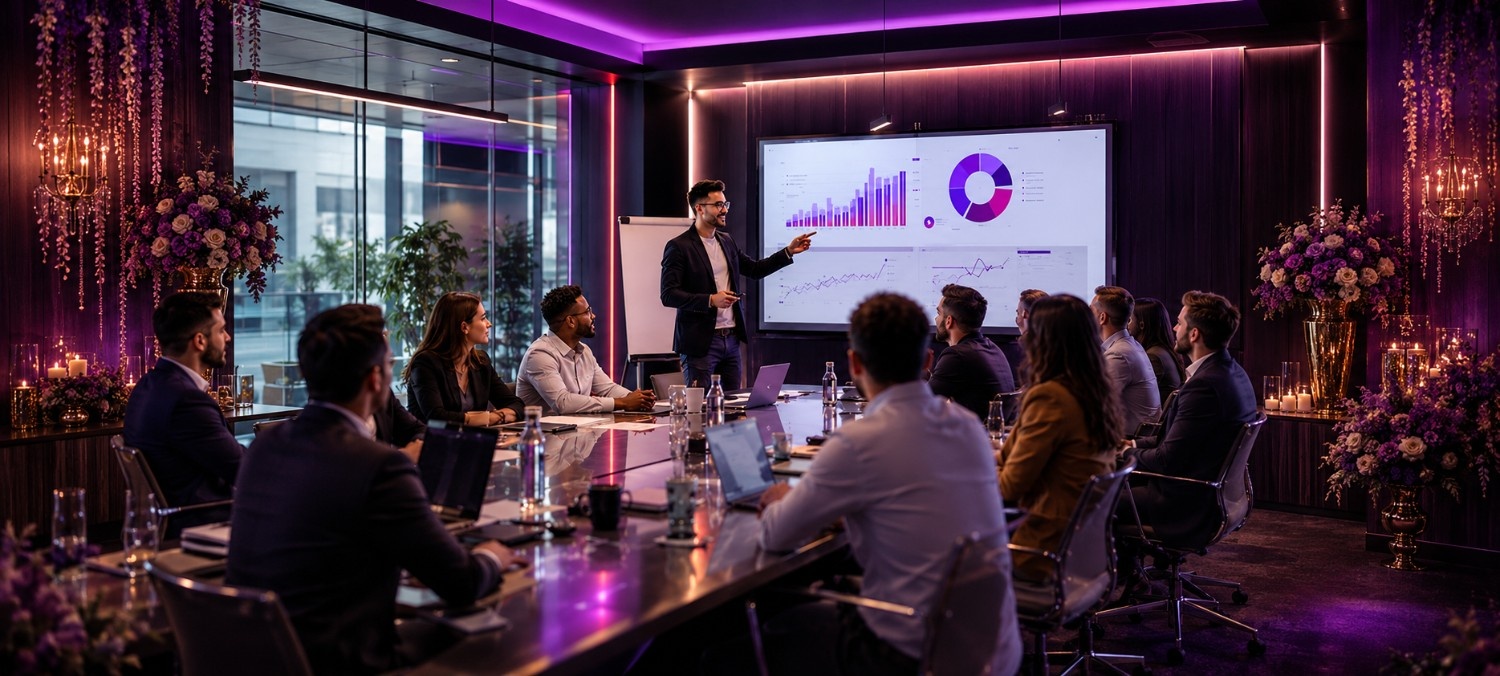
The Workshop
Build skills through a Workshop Training Masterclass designed for interactive sessions and measurable learning outcomes.
2
Explore Corporate Events


3
Explore Styles Celebrate By Style
4
View All Cities Popular Cities

Jaipur
300+ Celebrations Hosted
Royal Grandeur in Pink

Goa
350+ Celebrations Hosted
Where Celebrations Meet Sunshine

Chennai
500+ Celebrations Hosted
Tradition Meets Coastal Elegance

Hyderabad
400+ Celebrations Hosted
Heritage, Grandeur and Warmth

Kochi
250+ Celebrations Hosted
Where Heritage Meets Backwaters

Mumbai
600+ Celebrations Hosted
Bold Energy, Endless Celebrations

Bengaluru
450+ Celebrations Hosted
Modern Spirit, Creative Celebrations

Pune
350+ Celebrations Hosted
Culture, Charm and Celebration

Delhi
550+ Celebrations Hosted
Where History Meets Grandeur

Coimbatore
200+ Celebrations Hosted
Tradition Rooted in Tranquility

Kolkata
300+ Celebrations Hosted
Culture, Emotion and Celebration

Ahmedabad
200+ Celebrations Hosted
Tradition with Vibrant Energy
5
View All Popular Experiences
6
Corporate Snapshot™
60+
Event Types
200+
Business Experiences
2000+
Venues
3500+
Event Partners
50+
Cities
15+
Industries Served
12
Related Celebration Universes
Explore more ways to celebrate life.





Ready to plan your Workshop?
Hiya & Hanu are here to make it magical, memorable & effortless.

◆
The Workshop Training Masterclass in India
◆Businesses are rethinking how they train their people. Long lectures and one-way presentations rarely change behaviour, which is why more organisers are turning to the workshop training masterclass model instead. This approach blends focused teaching with hands-on practice, so attendees don't just hear new ideas they apply them, get corrected, and leave with something they can genuinely use back at their desk.
At Happiffie, we help companies bring this format to life, matching them with venues, facilitators and logistics support so the day runs smoothly from start to finish.
What Is a Workshop training masterclass?
A workshop training masterclass is a training event structured around short bursts of instruction followed immediately by practical exercises. Rather than sitting through an hour of slides before ever trying the skill themselves, participants move between learning and doing throughout the session. This rhythm keeps energy levels high and helps information stick, because people are engaging with the material rather than passively absorbing it.
This format suits topics that need both understanding and application negotiation, difficult conversations, presentation delivery, coaching skills or technical tools all lend themselves well to this style of learning.
Putting Skill Building at the Centre of the Agenda
The clearest sign of a successful training day is whether people can actually do something differently afterwards. That's the real test of skill building, and it should shape every planning decision from the outset who facilitates, how the room is arranged, and how much time is given to practice versus theory.
When skill building is treated as the goal rather than an afterthought, sessions naturally shift towards smaller groups, more repetition and honest feedback loops. Attendees leave with muscle memory for the skill, not just a page of notes they'll never look at again.
Designing a Practical Session That Holds Attention
A well-designed practical session rarely spends more than a third of its time on theory. The rest is given over to exercises, role play, group work and discussion built around scenarios attendees actually recognise from their own jobs.
A few things worth building into the agenda:
- Open with a familiar problem, not an abstract case study from an unrelated industry.
- Teach in short cycles a concept, then an exercise, then a debrief, before moving to the next idea.
- Encourage peer observation, since watching a colleague attempt a task is often as instructive as the trainer's own input.
- Leave room for questions as they arise, rather than saving everything for a rushed Q&A at the end.
Structured this way, a practical session avoids the energy dip that so often hits generic, lecture-heavy days by mid-afternoon.
Why Expert Coaching Changes the Outcome
Even excellent content falls flat without the right delivery, which is why expert coaching matters so much to the overall experience. A strong coach doesn't simply present material they watch how the group is responding, adjust pace on the fly, and give individual feedback during exercises rather than generic comments to the whole room.
Genuine expert coaching also depends on the facilitator's own track record. Someone leading a sales masterclass should have closed deals themselves; a data analytics trainer should have real, current hands-on experience with the tools being taught. Through Happiffie, organisers can review facilitator backgrounds before booking, making sure the expert coaching on offer actually matches the skill gap they're trying to close.
Practical Planning Steps Before the Day
Sorting logistics early lets the trainer focus entirely on delivery once the day arrives. Before running a workshop training masterclass, it's worth working through:
- Pin down the exact skill gap. "Improve communication" is harder to measure than "run a difficult feedback conversation with confidence."
- Pick a venue built for interaction, with breakout space and movable furniture rather than rows of fixed seating.
- Keep group sizes manageable, ideally under 25, so the trainer can give people meaningful individual attention.
- Send pre-reading in advance so session time isn't lost covering material people could have reviewed beforehand.
- Plan a short follow-up. A single day rarely locks a new skill in permanently, and a brief refresher a few weeks later noticeably improves retention.
This kind of preparation is often the difference between a training day people forget by Friday and one that genuinely changes how they work.
The Benefits of Planning Your Session with Happiffie
Running an effective workshop training masterclass means coordinating trainers, venues, catering, materials and technology, all while keeping the learning experience front and centre. Happiffie takes that coordination off your plate sourcing venues suited to interactive formats, connecting you with experienced facilitators across a wide range of specialisms, and managing the logistical details that would otherwise eat into your planning time.
The result is a session that feels effortless on the day, with your team able to focus fully on participants instead of troubleshooting room layouts or catering schedules. For organisations building an ongoing learning calendar, this consistency also makes it far easier to plan recurring sessions that teams can rely on.
Choosing the Right Format for Your Team
Not every training day needs the same shape. Depending on the skill and the audience, you might consider:
- Half-day sessions, well suited to a single, clearly defined skill such as presentation delivery.
- Full-day formats, better for layered topics like leadership development, where there's more ground to cover.
- Multi-week programmes, spacing sessions out so participants can practise between meetings and return with real examples to discuss.
- Hybrid options, pairing an in-person day with online follow-up coaching for teams working across different locations.
Matching the format to the complexity of the skill and to how much reinforcement it genuinely needs makes a noticeable difference to how well the learning sticks.
Let Happiffie Help You Plan the Details
From the first conversation, Happiffie works to understand your training objective, audience size and preferred format. We connect you with vetted venues and experienced facilitators, manage bookings and timelines, and handle the practical details audio-visual setup, seating, catering and materials so nothing gets left to chance.
If you're also planning related events such as leadership offsites or team away days, our platform makes it simple to manage everything alongside your training calendar in one place.
Ready to Bring Your Training Day to Life?
If your team is ready for a structured day of learning that goes beyond slides and handouts, Happiffie can help you pull the right venue, facilitator and format together. Get in touch to start planning a workshop training masterclass built around genuine skill building, a properly practical session and expert coaching your team will remember long after the day ends.
Frequently Asked Questions
1. What exactly is a workshop training masterclass?
It's a training format that pairs short teaching segments with hands-on exercises, so participants learn a concept and immediately practise applying it, rather than only listening to a presentation.
2. How long does a training masterclass usually run?
It depends on the topic. Straightforward skills can be covered in half a day, while more layered subjects, such as leadership or negotiation, often work better as a full day or a spaced multi-week programme.
3. What group size works best for effective skill building?
Smaller groups tend to produce better outcomes, since the trainer can give more individual feedback. Many sessions cap attendance between 12 and 25 people to keep the practical session genuinely interactive.
4. What should organisers look for when booking a trainer?
Real, current experience in the subject matters more than qualifications alone. Good expert coaching also means a facilitator who adjusts pace and content based on how the group is engaging on the day.
5. Can Happiffie help find a suitable venue?
Yes. Happiffie connects organisers with venues designed for interactive training, including spaces with breakout areas and flexible seating rather than fixed, lecture-style rows.
6. How much does it typically cost to run this kind of event?
Costs depend on trainer experience, venue choice, group size and session length. Happiffie can offer guidance based on your specific budget and requirements.
7. How is this different from a standard seminar?
A seminar is largely one-directional, with an expert presenting to a passive audience. This format is built around participants actively applying what they learn through exercises and discussion during the session itself.
8. How far ahead should we book?
Four to eight weeks is a sensible window, especially if you want a specific facilitator or venue, though shorter timelines can often be accommodated depending on availability.
9. Can sessions be delivered virtually or in a hybrid format?
Yes, many facilitators offer hybrid delivery, combining an in-person day with online follow-up coaching for teams spread across different sites.
10. How can we tell if the training actually worked?
Feedback forms only tell part of the story. Practical assessments during the day, manager observations in the following weeks, and short check-ins are far better indicators of whether real behavioural change has taken place.