
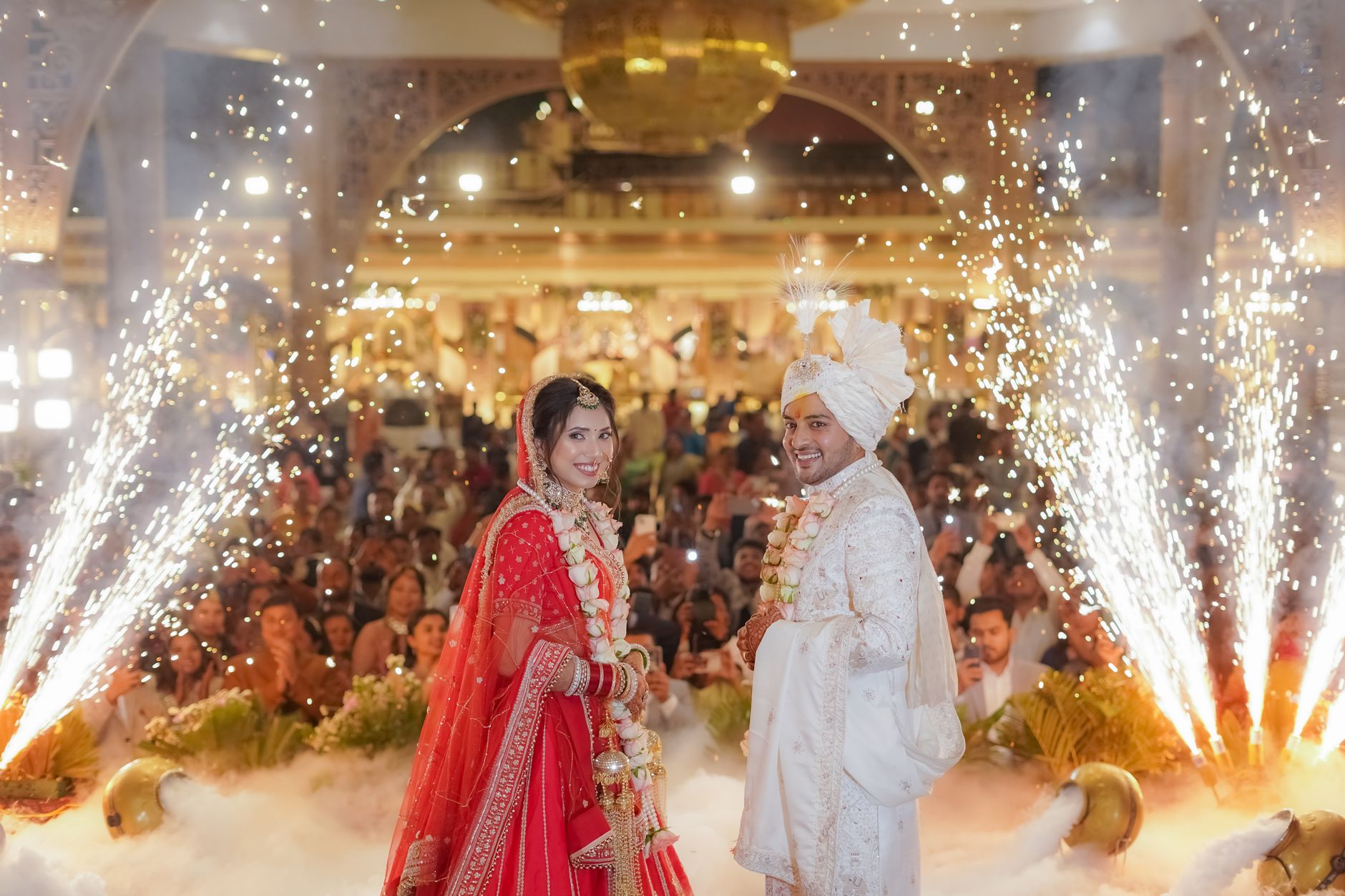
Warm Rooftop Events, Delhi Style
Infrastructure in Delhi
Terrace Warming Units for Delhi Events & Weddings
Delhi winters are beautiful but brutally cold — dropping to 4–6°C on January nights in neighbourhoods like Connaught Place, Vasant Kunj, and Mehrauli. Terrace Warming Units have become essential winter wedding infrastructure for any rooftop venue Delhi couple chooses, ensuring guests stay comfortable through cocktail hours, pheras, and late-night celebrations. Whether you need rooftop event heating solutions for an intimate 50-person mehendi or open-air heating equipment for a 500-guest sangeet, matching the right heating setup to your venue layout makes all the difference between a memorable evening and an uncomfortable one.
Quick Answer
Terrace Warming Units are portable or fixed heating systems — including mushroom heaters, infrared panels, and radiant tower units — deployed on rooftops, terraces, and open lawns to maintain guest comfort during cold-weather events. In Delhi, they are typically hired on a per-unit, per-night basis ranging from ₹1,500 to ₹6,000 per unit, depending on heating capacity, fuel type (LPG or electric), and the size of the area to be covered.
Why Are Terrace Warming Units Essential for Delhi Rooftop Events?
Delhi's winter season spans November through February, coinciding precisely with peak wedding season. Rooftop venues in areas like Chattarpur, Side Farms, and Greater Kailash are booked months in advance for their aesthetic appeal — fairy-lit terraces, skyline views, open-sky ceremonies. But without proper event comfort management, guests — especially elderly relatives and young children — retreat indoors long before the baraat arrives. Terrace Warming Units solve this by creating radiant heat zones across seating clusters, dance floors, and dining areas. Unlike portable radiant heaters placed haphazardly, a well-planned unit layout maintains 18–22°C ambient temperature even when outside temperatures plunge to single digits. Hotels in Aerocity and banquet complexes in Punjabi Bagh increasingly include heating plans as a standard part of rooftop event packages, signalling how critical this infrastructure has become.
Types of Terrace Warming Units Available in Delhi
Delhi event infrastructure vendors offer three primary categories of Terrace Warming Units. First, mushroom-style LPG patio heaters — the most common outdoor patio heaters in the Indian market — produce 360-degree radiant heat and cover a 4–6 metre radius per unit; they suit cocktail lounges and open seating zones. Second, infrared panel heaters, mounted on truss or pillars, deliver directed warmth ideal for stage areas, mandap surroundings, and buffet counters where flame-based heaters are a fire risk near fabric decor. Third, portable tower radiant heaters, which are wheeled units offering flexible repositioning mid-event — perfect for cold weather event planning where guest movement is unpredictable. Electric infrared units are preferred indoors or in semi-covered terraces; LPG units perform better in fully open, windy conditions. Understanding these differences before booking is the single most important step in rooftop event heating solutions planning.
How Much Do Terrace Warming Units Cost in Delhi?
Pricing for Terrace Warming Units in Delhi follows a per-unit, per-night model with LPG refill charges billed separately. Mushroom LPG patio heaters — the most popular outdoor patio heaters — are priced between ₹1,500 and ₹2,500 per unit per night, excluding fuel. Infrared panel units run ₹2,500 to ₹4,500 per unit depending on wattage, with electricity costs absorbed into the venue bill. Premium tower radiant heaters with built-in thermostats range from ₹4,000 to ₹6,000 per night. A standard 200-guest rooftop event in Delhi typically requires 10–14 units, placing the total heating budget between ₹20,000 and ₹60,000. For open-air heating equipment covering large lawns above 5,000 sq ft, vendors may offer package rates that bundle delivery, setup, and operator support. This cost is often 3–5% of total wedding infrastructure spend — a small price for winter wedding infrastructure that guarantees guest comfort.
Planning the Right Layout for Maximum Heat Coverage
Effective cold weather event planning around Terrace Warming Units requires a scaled floor plan review before delivery day. A standard rule of thumb: one mushroom heater per 25–30 sq m of seating area, placed centrally within guest clusters rather than along perimeter walls where heat dissipates fastest. For mandap areas, event comfort management best practice recommends two infrared panels angled downward at 45 degrees, avoiding any contact with dupatta fabric or floral canopies. Wind direction on Delhi rooftops — especially in exposed farmhouse venues along the Mehrauli–Gurgaon Road — dictates unit placement; installers should always test wind patterns on-site during the afternoon before an evening event. Rooftop venue Delhi coordinators experienced with winter weddings will typically provide a heating layout map as part of their winter add-on package. Always insist on this documentation to avoid cold spots near elderly guest seating.
What Safety Standards Should Terrace Warming Units Meet?
Safety is non-negotiable when deploying Terrace Warming Units at events with open flames, draping fabric, and high guest density. All LPG-based outdoor patio heaters should carry BIS certification and come with automatic tip-over shut-off mechanisms — verify this with the vendor before signing the rental agreement. Gas cylinders must be stored upright in ventilated areas at least 1.5 metres from the heater, and rooftop event heating solutions providers should supply a trained operator for every 6–8 units deployed. Delhi Fire Services guidelines require fire extinguishers within 10 metres of any LPG heating source at gatherings above 100 persons. Electric infrared units eliminate open-flame risk entirely and are strongly recommended for events where heavy fabric decor, sheer curtains, or ceiling drapes are used. Always check that the vendor carries third-party liability insurance covering equipment malfunction — this is a critical but frequently overlooked element of winter wedding infrastructure contracting.
Terrace Warming Units: Comparing Your Heating Options in Delhi
Expert Recommendation
Best for Intimate Rooftop Celebrations (30–80 guests)
Best for Grand Weddings (300+ guests)
Best for Budget-Conscious Couples
Best for Decor-Intensive or Traditional Setups
Best for Destination-Style Farmhouse Venues
Best for Modern, Minimalist Rooftop Aesthetics
How to Choose the Right Option
✅ Pre-booking Checklist
- Measure total rooftop area (sq m) and identify primary guest zones: seating, dining, dance, mandap
- Check venue's power supply capacity before opting for electric infrared units
- Confirm vendor BIS certification and tip-over shut-off on all LPG units
- Request a scaled heating layout map showing unit placement and coverage radii
- Book at least 6–8 weeks ahead during peak Delhi wedding season (Nov–Feb)
- Clarify fuel costs, operator charges, and overtime fees in writing before signing
- Schedule an on-site vendor visit two weeks before the event to assess wind exposure
- Verify vendor holds third-party liability insurance for equipment malfunction
🎯 Selection Criteria
- Heating capacity (kW or BTU) relative to the open-air area to be covered
- Fuel type suitability — LPG for fully open terraces, electric for covered or decor-heavy spaces
- Vendor experience with rooftop events specifically, not just indoor banquet heating
- Availability of trained on-site operators included in the rental package
- Unit aesthetics — visible heater bodies should suit the event's design theme
💰 Cost / Quality Factors
- Number of units required directly drives cost — accurate area measurement reduces over-ordering
- LPG refill frequency increases with wind exposure and lower ambient temperatures
- Premium units with thermostats cost more but prevent overheating and reduce fuel waste
- Delivery distance from vendor warehouse to venue affects logistics charges in Delhi NCR
- Multi-day event packages (mehendi + reception) offer 10–20% bundled discounts from most vendors
- Operator fees (₹500–₹1,200 per operator per night) are often billed separately from unit rental
⚠️ Common Mistakes to Avoid
- Placing all units along the venue perimeter instead of centrally within guest clusters
- Booking only enough units for average temperature without accounting for wind-chill on exposed Delhi rooftops
- Using LPG mushroom heaters under low ceilings or partially covered canopies without adequate ventilation
- Ignoring elderly guest seating zones — these areas need the highest heating priority
- Failing to test units during afternoon setup, leaving no time to replace malfunctioning equipment before guests arrive
- Not clarifying overtime charges, leading to unexpected costs when events extend past midnight
People Also Ask
How many Terrace Warming Units do I need for a 200-guest rooftop wedding in Delhi?
What is the difference between LPG and electric Terrace Warming Units?
Are Terrace Warming Units safe to use near wedding decor like drapes and flowers?
When should I book Terrace Warming Units for a Delhi winter wedding?
Can Terrace Warming Units be used on covered or semi-covered rooftops?
Do rooftop venues in Delhi provide heating, or must I hire it separately?
What is the typical rental duration for Terrace Warming Units at an event?
How do Terrace Warming Units affect the overall event ambience?
Related Experiences on Happiffie
Stay Warm, Celebrate Outdoors
Scent Your Venue, Elevate Every Moment
Warm Up Your Goa Event Night
Professional Wedding Infrastructure Solutions
Chandigarh's Finest Rooftop Dining Venues
Keep Your Furry Guests Happy
Plan Smarter with AI in Lucknow
Frequently Asked Questions
What are Terrace Warming Units and why are they used at Delhi weddings?
How far in advance should I book Terrace Warming Units for a Delhi winter event?
Are LPG Terrace Warming Units safe for use near floral and fabric wedding decor?
What is the typical cost of renting Terrace Warming Units in Delhi?
Can I use Terrace Warming Units under a partially covered rooftop pandal?
How many Terrace Warming Units are needed per square metre of rooftop space?
Do Delhi rooftop banquet venues include Terrace Warming Units in their packages?
What safety documentation should a Terrace Warming Units vendor provide?
Key Takeaways
- Terrace Warming Units are non-negotiable winter wedding infrastructure for rooftop venues in Delhi, where temperatures drop to 4–6°C in January.
- Three primary unit types — LPG mushroom heaters, infrared panels, and portable tower units — suit different zones and decor requirements.
- Budget ₹20,000 to ₹60,000 for heating at a 200-guest rooftop event, based on 10–14 units at ₹1,500–₹6,000 each per night.
- Electric infrared units are the safest choice near fabric draping, floral canopies, and mandap setups with heavy traditional decor.
- Book rooftop event heating solutions 6–8 weeks in advance during peak season; quality vendors sell out well before November.
- A vendor-supplied scaled heating layout map is essential — unit placement relative to seating clusters determines effectiveness.
- Always verify BIS certification, tip-over shut-off mechanisms, and third-party liability insurance before signing any rental agreement.
- Targeted placement in high-occupancy zones — not even distribution across the entire terrace — delivers the best comfort per rupee spent.
Keep Your Rooftop Warm This Wedding Season
Browse Delhi's top-rated Terrace Warming Units vendors on Happiffie — compare options, get quotes, and book with confidence for your winter event.
Explore Heating Vendors
Are you a Vendor? Grow Your Business with Happiffie!
- High intent verified leads
- Reverse auction opportunities
- AI business tools & insights
- Dedicated vendor dashboard
- Grow your business, your way
It's free & takes less than 2 minutes!