
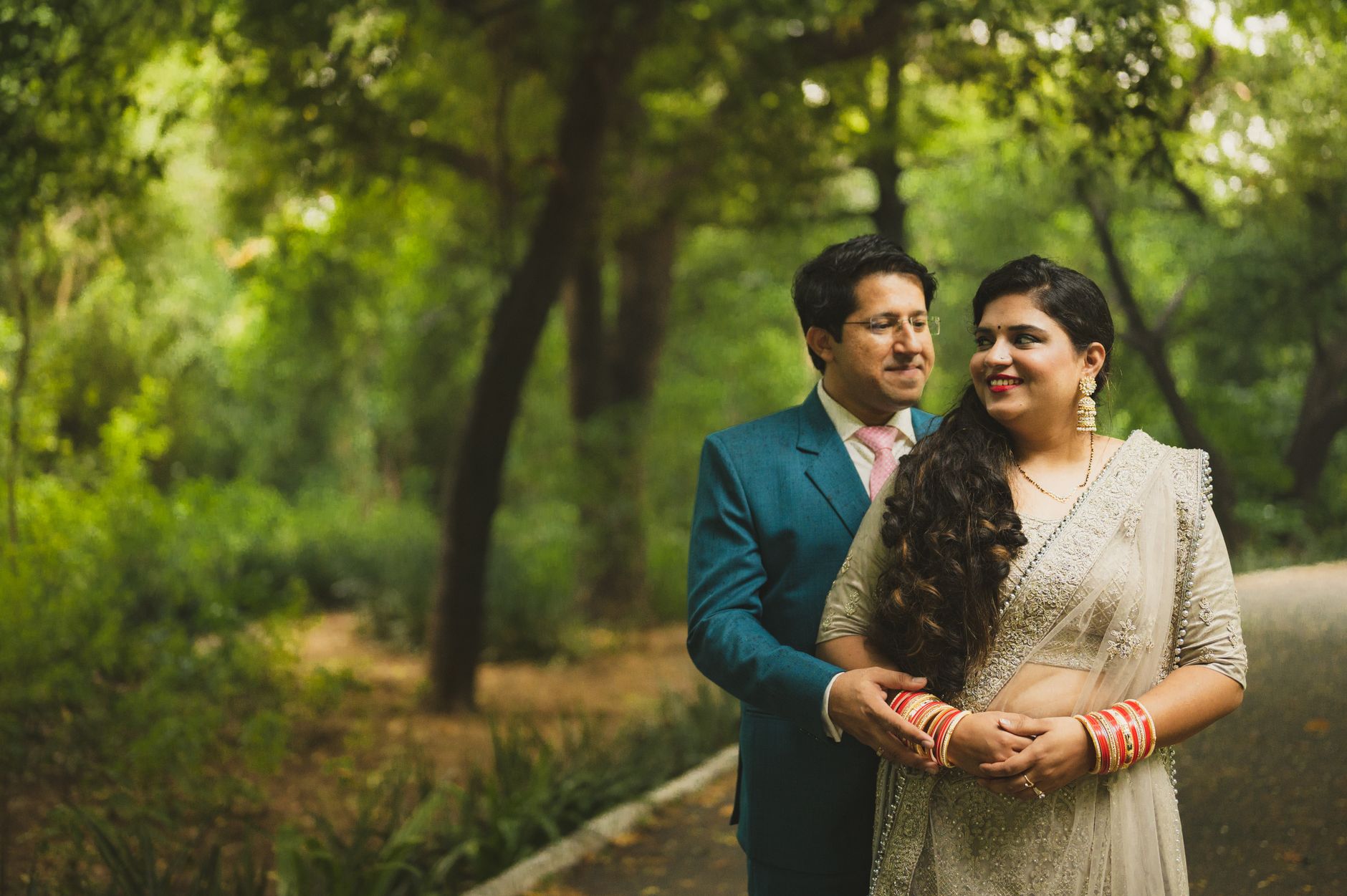
Plan Your Interfaith Wedding in Delhi
Planners in Delhi
Interfaith Celebration Planning in Delhi: Your Complete Guide
Interfaith celebration planning in Delhi has evolved from a niche service into a sought-after specialty, as more couples from Hindu-Muslim, Hindu-Christian, Sikh-Jain, and other combinations choose to honour both families' traditions under one celebratory roof. Delhi's diverse neighbourhoods — from South Delhi's grand farmhouses to Lutyens' bungalow zones and Dwarka's banquet clusters — offer spectacular settings for multi-religion wedding coordination that blends rituals seamlessly. Successful cross-cultural ceremony planning requires a planner who understands scriptural sensitivities, family dynamics, and the logistical art of scheduling two sets of priests, décor themes, and dress codes without friction. Happiffie connects you with vetted Delhi planners who specialise in exactly this.
Quick Answer
Interfaith celebration planning in Delhi is the professional coordination of weddings and events where two different religious or cultural traditions must coexist — covering dual rituals, clergy scheduling, décor fusion, menu curation, and family mediation. Specialist planners manage everything from Hindu-Christian ceremonies in South Delhi farmhouses to Sikh-Muslim events in Dwarka banquet halls, typically charging between ₹1.5 lakh and ₹8 lakh depending on guest count and complexity.
What Does Interfaith Celebration Planning Actually Involve?
Interfaith celebration planning goes far beyond booking a venue and ordering flowers. At its core, it is the art of weaving two distinct religious narratives into a single, cohesive event without either tradition feeling diluted. A specialist planner in Delhi begins by conducting separate consultations with both families to map out non-negotiable rituals — the Saat Phere for a Hindu partner, the Nikah for a Muslim partner, or the Anand Karaj for a Sikh partner — and then builds a master timeline that accommodates each with appropriate reverence. This process also involves blended faith wedding services such as sourcing priests and officiants from both faiths, managing sacred fire or holy water requirements simultaneously, and designing a stage that honours both aesthetic sensibilities. Planners coordinate dual ceremony logistics including separate dressing rooms, culturally appropriate catering streams (halal and sattvic, for instance), and a guest-flow plan so attendees from both communities feel equally welcomed.
Why Delhi Is the Ideal City for Cross-Cultural Ceremony Planning
Delhi is arguably India's most pluralistic metropolis, making cross-cultural ceremony planning here both practical and deeply meaningful. The city hosts established communities of Hindus, Muslims, Sikhs, Christians, Jains, and Buddhists, which means vendors — from dhol players to qawwali groups, from mandap decorators to church floral artists — are readily available and experienced working alongside each other. Neighbourhoods like Mehrauli and Chattarpur offer vast farmhouses that can be divided into separate ritual zones, while Karol Bagh's décor markets stock fusion centrepieces and dual-theme mandap structures. Delhi also has a large pool of multilingual event planners fluent in the etiquette of multiple faiths, which is essential for managing intercultural guest experience on the wedding day itself. The city's robust vendor ecosystem means a couple planning a Hindu-Sikh wedding in Vasant Kunj or a Christian-Muslim celebration in Greater Noida has access to every specialist they need within a 30-kilometre radius.
How Much Does Interfaith Celebration Planning Cost in Delhi?
Budget is one of the first questions couples ask, and rightfully so. Interfaith celebration planning in Delhi carries costs that vary significantly based on guest count, number of ceremonies, and the degree of customisation required. For an intimate gathering of 50 to 100 guests with two ceremonies in a South Delhi banquet hall, expect planner fees between ₹1.5 lakh and ₹2.5 lakh, excluding venue and catering. Mid-size celebrations with 200 to 400 guests across a full wedding weekend — common in Delhi's Punjabi and Marwari communities when one partner belongs to a different faith — typically involve planner fees of ₹3 lakh to ₹5 lakh. Large-scale events exceeding 500 guests, particularly those requiring dual ceremony logistics across two days or two venues, can push planner fees to ₹6 lakh to ₹8 lakh. Wedding ritual customisation — such as commissioning a fusion ceremony script or sourcing a bilingual officiant — adds a flat ₹25,000 to ₹75,000 to most packages. Always request an itemised quote that separates coordination fees from pass-through vendor costs.
Choosing the Right Planner: Key Criteria for Blended Faith Wedding Services
Not every wedding planner in Delhi is equipped to deliver quality blended faith wedding services. The most important criterion is demonstrated experience with the specific faith combination you are planning — a planner who has coordinated Hindu-Christian events may not be familiar with the specific protocols of a Jain-Muslim ceremony. Ask prospective planners to share anonymised case studies or real wedding timelines from past interfaith events. Evaluate their vendor network: do they have empanelled priests, qazis, pastors, or granthis on call? A planner offering comprehensive mixed religion event management should also provide a dedicated cultural liaison — someone from or deeply familiar with each tradition — to manage on-ground sensitivities. Inclusive venue selection Delhi is another skill to probe; the best planners maintain relationships with venues that have no restrictions on inter-community bookings, a genuine concern in some parts of the city. Finally, assess their conflict-resolution approach, because family disagreements over ritual order or dress code are common and a skilled planner must mediate without taking sides.
What Are the Most Common Challenges in Multi-Religion Wedding Coordination?
Multi-religion wedding coordination surfaces challenges that standard wedding planning rarely encounters. The most frequent is ritual sequencing — deciding which ceremony comes first and whether they run concurrently or consecutively, a decision loaded with symbolic meaning for both families. Dietary management is another pressure point: when one family keeps strictly vegetarian and the other requires halal meat, a single kitchen must manage two entirely separate preparation and serving lines to avoid contamination or offence. Décor fusion requires creative diplomacy — a mandap draped in marigolds alongside a cross adorned with white lilies must look intentional, not accidental. Intercultural guest experience also demands thoughtful seating, signage in multiple languages, and a MC who can narrate each ritual for guests unfamiliar with it. Finally, legal documentation for marriages under the Special Marriage Act, 1954 — the preferred legal route for most interfaith couples in Delhi — involves paperwork and a mandatory 30-day notice period that must be factored into the planning timeline well in advance.
Interfaith Celebration Planning Options in Delhi: A Practical Comparison
Expert Recommendation
Best for Intimate Interfaith Celebrations (Under 100 Guests)
Best for Large Multi-Community Weddings (400+ Guests)
Best for Budget-Conscious Interfaith Couples
Best for Traditional Families Seeking Ritual Authenticity
Best for Modern Couples Wanting a Fusion Ceremony
Best for Destination Interfaith Weddings Near Delhi
How to Choose the Right Option
✅ Pre-booking Checklist
- Confirm the planner has handled your specific faith combination before — request a sample run-of-show timeline
- Verify clergy availability for both traditions on your chosen wedding date well in advance
- File the Special Marriage Act notice at your Delhi SDM office at least 45 days before the wedding date
- Inspect the venue for dual ceremony logistics — ensure two distinct ritual zones can be set up simultaneously
- Request an itemised quote separating planner fees from vendor pass-through costs
- Confirm the venue has no community-based booking restrictions before paying any advance
- Arrange a joint family meeting facilitated by the planner to align on ceremony sequence and décor tone
- Clarify dietary management protocols — separate kitchen lines, labelled stations, and tasting sessions for both menus
🎯 Selection Criteria
- Demonstrated experience with your exact faith pairing, not just generic interfaith events
- Empanelled clergy from both traditions as regular partners, not ad hoc hires
- Inclusive venue selection network covering Delhi neighbourhoods you prefer
- A clear conflict-resolution process for inter-family disagreements
- Transparent pricing with milestones tied to deliverables, not just calendar dates
💰 Cost / Quality Factors
- Number of ceremonies directly multiplies planner coordination hours and cost
- Guest count above 300 typically requires a second on-site coordinator, adding ₹50,000–₹1 lakh
- Wedding ritual customisation (fusion scripts, bilingual MCs) adds ₹25,000–₹75,000 on average
- Venue location affects décor and logistics costs — farmhouses in Chattarpur cost more than Dwarka banquet halls
- Legal documentation support (Special Marriage Act filing) may or may not be included — clarify upfront
- Off-season bookings (May–June or August–September) can reduce planner and venue fees by 15–25%
⚠️ Common Mistakes to Avoid
- Booking a generic wedding planner without verifying specific multi-religion wedding coordination experience
- Skipping the family alignment meeting and letting ritual disagreements surface on the wedding day
- Overlooking the 30-day notice period under the Special Marriage Act and missing legal registration
- Choosing a venue that has informal restrictions on inter-community bookings without a written confirmation of neutrality
- Underestimating catering complexity — a single buffet line for mixed dietary requirements almost always causes offence
- Delaying clergy bookings — experienced bilingual officiants and empanelled priests book out 6–8 months in advance in Delhi
People Also Ask
How far in advance should I start interfaith celebration planning in Delhi?
Can a single planner manage both Hindu and Muslim ceremony requirements?
Which Delhi neighbourhoods are best suited for interfaith wedding venues?
What legal process do interfaith couples in Delhi need to follow?
How do planners handle disagreements between two families over ceremony order?
Is it possible to have a destination interfaith wedding near Delhi?
What should an interfaith wedding planning package include?
How can we make sure guests from both communities feel comfortable?
Related Experiences on Happiffie
Two Cultures, One Perfect Wedding
Darjeeling's Fusion Wedding Experts
Your Mussoorie Wedding, Online & Beautiful
Jaipur's Finest Event Planners
Delhi's Best Bridal Relaxation Rituals
Find Your Perfect Jaipur Venue
Transform Your Event with Stunning Lighting
Frequently Asked Questions
How do Delhi planners handle the Special Marriage Act paperwork for interfaith couples?
What is the typical timeline for cross-cultural ceremony planning in Delhi?
Can multi-religion wedding coordination include both a religious and a civil ceremony?
Are there Delhi venues specifically experienced in hosting interfaith weddings?
How are décor decisions made when two traditions have different aesthetic languages?
What catering arrangements work best for interfaith events in Delhi?
Is blended faith wedding services a separate product or part of a standard wedding package?
How does Happiffie help couples find interfaith wedding planners in Delhi?
Key Takeaways
- Interfaith celebration planning in Delhi requires a planner with verified experience in your specific faith combination, not just general wedding coordination skills.
- Delhi's diverse vendor ecosystem — from Chattarpur farmhouses to Dwarka banquet halls — makes it one of India's best cities for cross-cultural ceremony planning.
- Planner fees for interfaith weddings in Delhi range from ₹1.5 lakh for intimate events to ₹8 lakh for large multi-day celebrations, excluding venue and catering.
- The Special Marriage Act, 1954 requires a 30-day advance notice at a Delhi SDM office — build this into your timeline from day one.
- The best planners for blended faith wedding services maintain empanelled clergy from multiple traditions and include a dedicated cultural liaison in their core team.
- Dual ceremony logistics — separate ritual zones, bilingual MCs, and distinct catering streams — are the operational backbone of any successful interfaith event.
- Inclusive venue selection is critical; always obtain written confirmation that your chosen venue has no community-based booking restrictions before paying an advance.
- Start interfaith celebration planning at least 10–14 months in advance to secure premium venues, specialist clergy, and legal compliance without rushing.
Find Your Interfaith Wedding Planner in Delhi Today
Connect with vetted Delhi planners who specialise in multi-religion ceremonies, dual ritual coordination, and blended cultural celebrations — all in one place on Happiffie.
Get Free Quotes
Are you a Vendor? Grow Your Business with Happiffie!
- High intent verified leads
- Reverse auction opportunities
- AI business tools & insights
- Dedicated vendor dashboard
- Grow your business, your way
It's free & takes less than 2 minutes!