
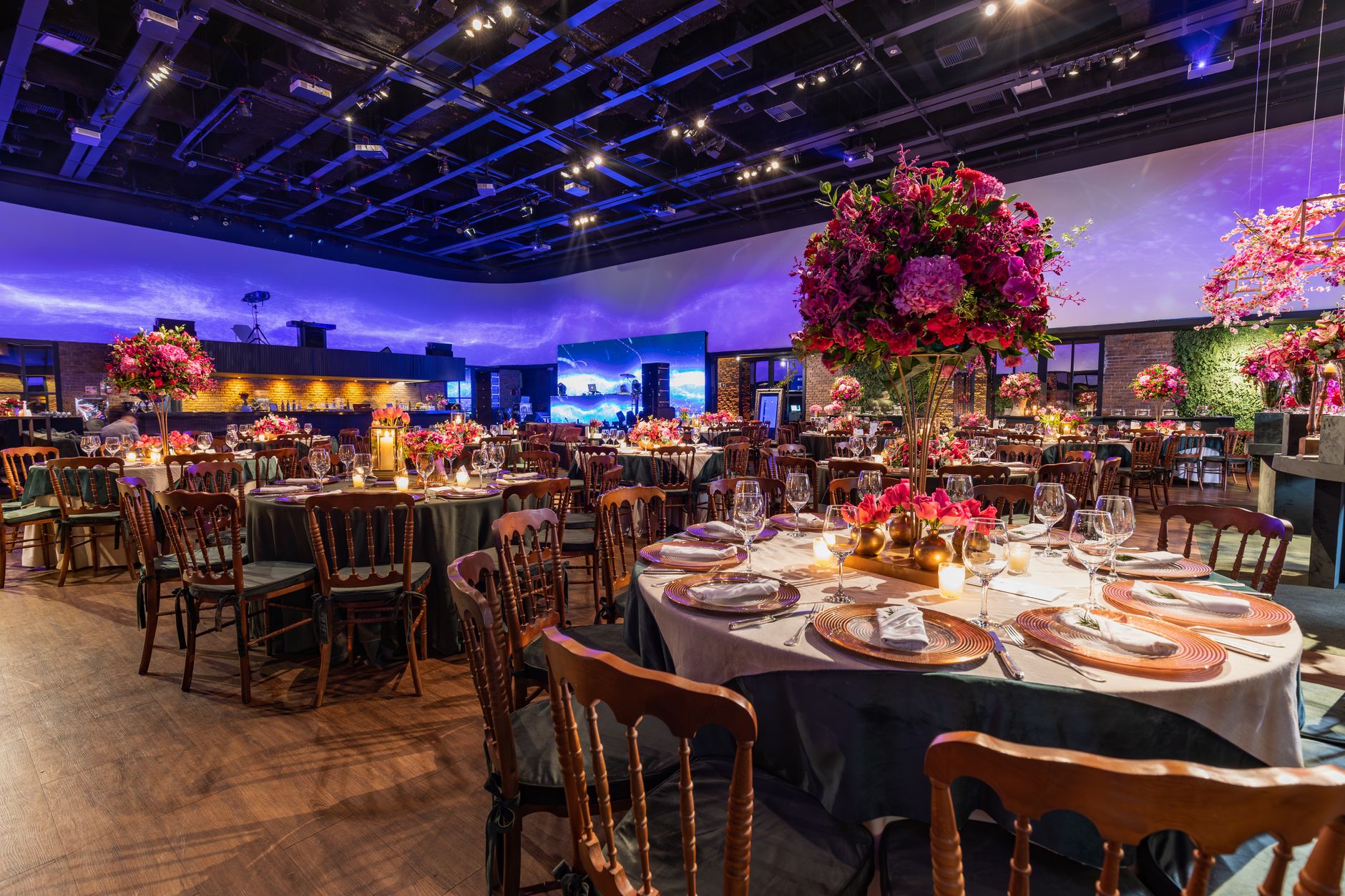
Control the Crowd, Elevate the Experience
Infrastructure in Delhi
Guest Flow Control Setup in Delhi for Weddings & Events
A well-designed Guest Flow Control Setup is the invisible backbone of every memorable Delhi wedding or corporate event. From the grand banquet halls of Aerocity to farmhouse lawns in Chattarpur, managing the movement of 200 to 2,000 guests requires serious event entry management and precision venue traffic flow planning. Without it, even the most beautifully decorated mandap can descend into chaos at the welcome gate. Happiffie connects you with Delhi's top infrastructure specialists who combine barricade and stanchion hire, digital check-in systems, and crowd management systems to create seamless guest journeys from arrival to farewell.
Quick Answer
A Guest Flow Control Setup is an infrastructure arrangement that directs how guests enter, move through, and exit an event venue. It typically includes stanchions, barricades, signage, digital check-in kiosks, and trained personnel. In Delhi, setups for mid-size weddings (300-500 guests) cost between ₹40,000 and ₹1,50,000 depending on venue size, technology used, and the number of entry points managed.
What Does a Guest Flow Control Setup Actually Include?
A professional Guest Flow Control Setup goes far beyond placing a few ropes at the entrance. It is a layered system covering physical barriers, digital tools, and human coordination. Physical components include retractable stanchions, crowd-control barricades, directional signage boards in Hindi and English, and designated holding areas for large guest queues. On the technology side, a robust crowd management system may use QR-code scanning, RFID wristband access control, or face-recognition kiosks to validate invitations instantly and reduce manual bottlenecks. Human elements include trained entry supervisors, ushers stationed at every zone transition, and a coordinator in radio contact with the venue manager. In Delhi's large wedding venues — think Siri Fort, DLF Avenue banquet halls, or five-star hotel ballrooms in Connaught Place — multiple simultaneous entry points must be synchronised so that the baraat arrival, family reception line, and general guest entry do not collide. Each layer of the setup is designed to eliminate the three biggest pain points at Indian weddings: long queues, gate-crashing, and confusion about seating zones.
How Much Does Guest Flow Control Setup Cost in Delhi?
Pricing for a Guest Flow Control Setup in Delhi varies significantly based on guest count, venue complexity, and technology requirements. For an intimate gathering of 100-200 guests at a South Delhi farmhouse, a basic event entry management package with stanchions, two supervisors, and printed signage typically starts at ₹25,000 to ₹45,000. Mid-scale weddings of 300-700 guests at banquet venues in Dwarka or Janakpuri require a more comprehensive venue traffic flow planning approach — expect to budget ₹60,000 to ₹1,20,000, which covers barricade and stanchion hire, digital QR check-in tablets, and four to six trained personnel. For grand affairs of 1,000 or more guests at premium venues like the Leela Ambience in Gurugram-border areas or the Taj Mahal Hotel forecourt, full-scale event logistics coordination with RFID wristband access control, dedicated control rooms, and 10-plus supervisors can range from ₹1,50,000 to ₹4,00,000. Always request an itemised quote that separates equipment rental, manpower, and technology licensing fees so you can compare vendors accurately on Happiffie.
Why Is Venue Traffic Flow Planning Critical for Delhi Weddings?
Delhi weddings are famously large, layered affairs — a single shaadi weekend can include a mehendi at home, a sangeet at a banquet, and a grand reception for 800 guests, each requiring its own crowd management system. The city's traffic patterns add complexity: venues near NH-48, Outer Ring Road, or the Yamuna Expressway often see guests arriving in staggered batches, creating sudden surges at gates. Without proper venue traffic flow planning, these surges translate into overcrowding at the entry lobby, bottlenecks near the coat-check counter, and confused guests wandering into restricted catering zones. A planned guest queue management system pre-identifies these pinch points during a venue walkthrough and assigns dedicated lanes — one for family VIPs, one for general invitees, and a fast-track lane for elderly guests or those with children. When event logistics coordination is handled by a specialist infrastructure vendor, the result is a smooth, dignified arrival experience that immediately signals to guests that this is a premium, well-managed celebration.
Comparing Guest Flow Control Setup Options for Delhi Events
Not every setup is right for every event. A small roka ceremony in a Lajpat Nagar community hall needs a very different guest queue management approach than a corporate gala at India Habitat Centre. The choice between manual supervision, semi-digital systems, and fully automated RFID wristband access control depends on your guest count, budget, and the formality of the occasion. Manual setups with trained ushers and physical stanchions are cost-effective and warm in feel — ideal for traditional family functions. Semi-digital setups add QR-code scanners and printed invitation validation, significantly cutting entry time per guest from 45 seconds to under 15 seconds. Fully automated setups integrate with your invitation management software and link seating data to real-time dashboards, enabling the event host to monitor hall capacity and open or close zones dynamically. Understanding the trade-offs across these options helps you invest exactly where it matters for your specific event profile.
What Common Mistakes Should You Avoid When Planning Guest Flow?
The most frequent error in Guest Flow Control Setup planning is underestimating the time required for each guest to clear the entry checkpoint. Couples often calculate setup needs based on total guest count alone, ignoring peak arrival windows — in Delhi weddings, nearly 60-70% of guests typically arrive within a 45-minute window just before dinner is announced. Failing to account for this surge leads to long queues that spill onto the street, especially at venues in congested areas like Karol Bagh or Chandni Chowk. A second common mistake is neglecting separate pathways for the baraat procession and regular guests, causing the most photographed moment of the wedding to be blocked by a crowd of uninvited well-wishers. Third, vendors who do not conduct a pre-event venue walkthrough often miss narrow corridors or low-clearance gates that make barricade and stanchion hire configurations ineffective. Always insist on a site inspection at least one week before the event, confirm contingency plans for late vendor arrivals, and ensure your crowd management system has a backup manual protocol if technology fails.
Guest Flow Control Setup Options Compared for Delhi Events
Expert Recommendation
Best for Intimate Celebrations (Under 150 Guests)
Best for Mid-Scale Weddings (200-500 Guests)
Best for Large-Scale Celebrations (600+ Guests)
Best for Budget-Conscious Couples
Best for Traditional Family Functions
Best for Corporate or Modern Events
How to Choose the Right Option
✅ Pre-booking Checklist
- Conduct a physical walkthrough of the venue to map all entry and exit points before finalising setup design
- Calculate peak arrival window (usually 45-60 minutes) and size your guest queue management capacity for that peak, not average flow
- Confirm whether the venue provides power outlets and Wi-Fi for digital check-in kiosks or if you need a mobile hotspot
- Request itemised quotes separating equipment hire, manpower, technology, and contingency fees
- Book your Guest Flow Control Setup vendor at least 3-4 months in advance for peak season dates
- Establish a backup manual protocol in case QR-code or RFID technology fails on the event day
- Assign a single point of contact from your side to liaise with the crowd management team throughout the event
- Confirm multilingual signage (Hindi + English) to accommodate all guests, especially elderly attendees
🎯 Selection Criteria
- Vendor experience with events of similar guest count and venue type in Delhi
- Quality and quantity of physical equipment (stanchions, barricades, signage) included in the package
- Technology reliability track record — ask for references from past events using the same digital system
- Responsiveness and willingness to conduct a pre-event site inspection
- Clarity of manpower deployment plan, including supervisor-to-guest ratios
- Flexibility to scale setup up or down if your guest count changes closer to the event
💰 Cost / Quality Factors
- Guest count directly drives manpower and equipment volume, the two largest cost components
- Venue complexity — multiple wings, levels, or entry points significantly increase setup cost
- Technology tier chosen (manual vs QR vs RFID vs face recognition) creates the widest price variance
- Peak season dates in Delhi (November-February) attract premium pricing from top vendors
- Duration of event — multi-day functions require equipment to remain deployed longer, affecting rental cost
- Distance from vendor base to venue affects logistics and transportation fees for heavy barricade equipment
⚠️ Common Mistakes to Avoid
- Sizing the setup for total guest count instead of peak arrival window, leading to under-resourced entry points
- Skipping the pre-event venue walkthrough, which often reveals hidden bottlenecks like narrow corridors or low gates
- Failing to create separate entry lanes for the baraat and general guests at the same time
- Choosing the cheapest vendor without verifying equipment quality — flimsy stanchions collapse under crowd pressure
- Not briefing your own family coordinators on the setup plan, causing conflicting instructions to guests at the gate
- Ignoring exit flow planning — a blocked exit at meal time creates the same chaos as a blocked entrance
People Also Ask
What is a Guest Flow Control Setup at a wedding?
How many staff do I need for crowd management at a 500-guest Delhi wedding?
Can a Guest Flow Control Setup also prevent gate-crashing?
What is the difference between event entry management and a full guest flow setup?
Is RFID wristband access control worth it for a wedding in Delhi?
How early should I book a Guest Flow Control Setup vendor in Delhi?
Which Delhi venues need the most complex guest flow control?
Does Happiffie offer bundled wedding infrastructure rental in Delhi?
Related Experiences on Happiffie
Control the Flow, Elevate the Celebration
Seamless Entry. Smooth Exits. Happiffie.
Perfect Show Flow for Your Delhi Wedding
Seamless Event Flow, Kumarakom Style
Wedding Infrastructure Rentals in Kochi
Rope Stanchions for Jodhpur Events
Seamless Event Logistics in Bengaluru
Smart Wristbands for Mumbai Weddings
Frequently Asked Questions
What is included in a standard Guest Flow Control Setup package in Delhi?
How does a crowd management system differ from simple security arrangements?
Can I use a Guest Flow Control Setup for an outdoor farmhouse wedding in Chattarpur?
How long does it take to install a Guest Flow Control Setup at a venue?
Is guest queue management necessary for daytime functions like mehndi or haldi?
What questions should I ask a vendor before booking event entry management services?
Does Happiffie help compare Guest Flow Control Setup vendors in Delhi?
What is the role of event logistics coordination in a Guest Flow Control Setup?
Key Takeaways
- A Guest Flow Control Setup covers physical barriers, digital check-in tools, signage, and trained personnel to manage the entire guest journey at an event.
- Delhi weddings face unique challenges — high guest counts, staggered baraat arrivals, and venue complexity — making professional venue traffic flow planning essential.
- Costs range from ₹25,000 for small gatherings to ₹4,00,000 or more for large-scale events using RFID wristband access control and dedicated control rooms.
- QR-code-based event entry management delivers the best cost-to-speed ratio for mid-scale weddings of 200-600 guests.
- Peak arrival windows — not total guest counts — should determine how many entry lanes and supervisors you deploy.
- Always insist on a pre-event site inspection and a written backup plan for technology failure.
- Booking 3-4 months in advance secures the best vendors and prices, especially for auspicious Delhi wedding dates in winter.
- Happiffie lets you compare bundled wedding infrastructure rental Delhi packages, saving 15-20% versus booking equipment and manpower separately.
Plan Your Perfect Guest Flow in Delhi
Compare top-rated Guest Flow Control Setup vendors on Happiffie and get instant quotes for your wedding or event.
Get Free Quotes
Are you a Vendor? Grow Your Business with Happiffie!
- High intent verified leads
- Reverse auction opportunities
- AI business tools & insights
- Dedicated vendor dashboard
- Grow your business, your way
It's free & takes less than 2 minutes!