
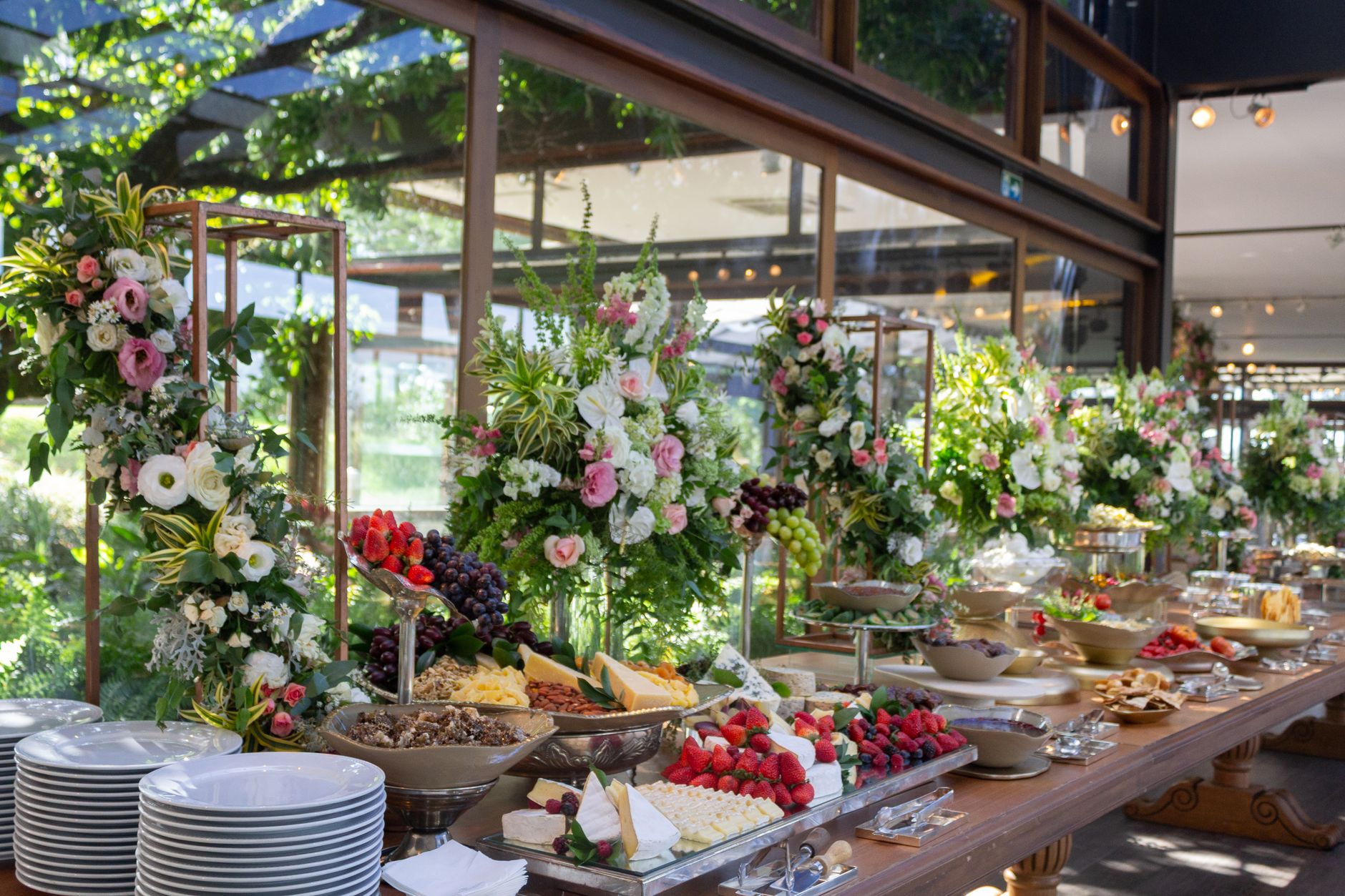
Fresh, Local & Seasonal Catering in Delhi
F&B in Delhi
Farm-to-Table Catering Services in Delhi for Weddings & Events
Delhi's wedding scene is evolving — and discerning hosts are now choosing farm-to-table catering services to serve guests food that is honest, seasonal, and deeply flavourful. From lush farmhouse weddings in Chattarpur to rooftop receptions in Vasant Kunj, locally sourced catering transforms every event into a sensory celebration of regional produce. Couples who opt for organic wedding catering find that menus built around seasonal harvests from Haryana and western UP not only taste superior but also support sustainable wedding dining practices. If you want your guests talking about the food long after the baraat has left, a chef-curated wedding menu rooted in fresh, traceable ingredients is the definitive upgrade.
Quick Answer
Farm-to-table catering services source ingredients directly from local farms and deliver them to the event kitchen with minimal processing, ensuring maximum freshness and flavour. In Delhi, such caterers work with produce from nearby regions like Haryana, Rajasthan, and western Uttar Pradesh, offering seasonal menus for weddings, corporate events, and intimate celebrations. Costs typically range from INR 1,200 to INR 3,500 per plate depending on menu complexity and guest count.
What Exactly Are Farm-to-Table Catering Services and Why Are They Trending in Delhi?
Farm-to-table catering services follow a supply chain that goes directly from verified local farms to the event kitchen, cutting out multiple middlemen and cold-chain delays. The result is produce that retains its natural colour, texture, and nutrition — qualities that standard banquet catering rarely achieves. In Delhi, where food culture is richly layered — from Mughlai slow-cooks in Chandni Chowk to Punjabi-style langer feasts — this approach marries culinary heritage with modern quality consciousness. Post-pandemic couples particularly value the transparency that farm fresh event catering provides: knowing that the heirloom tomatoes in the chaat station were harvested within 48 hours is a genuine conversation starter. Luxury wedding venues in Mehrauli, Dwarka, and Noida Expressway are increasingly partnering with caterers who can demonstrate sourcing credentials, making this a mainstream choice rather than a niche one.
The Seasonal Menu Advantage: How Delhi's Agricultural Calendar Shapes Your Wedding Food
Delhi sits at the crossroads of produce flowing from Punjab, Haryana, Rajasthan, and the Gangetic plains, giving seasonal menu catering an exceptionally wide pantry to draw from. A winter shaadi in December or January can feature fresh mustard greens, heritage carrots, green peas, and new-crop basmati — ingredients that simply do not taste the same when used frozen. A summer mehndi in May benefits from raw mango, lychee, and tender coconut, which caterers with direct farm relationships can procure at peak ripeness. This seasonal alignment also means organic wedding catering menus change naturally every few months, so if you are hosting multiple functions — roka, sangeet, reception — each event can have its own distinct culinary identity without repetition. Couples who brief their caterer at least three months in advance can co-design a seasonal menu catering plan that reflects both personal taste and what the land is actually yielding.
How Much Does Farm-to-Table Catering Cost in Delhi?
Farm-to-table catering services in Delhi typically cost between INR 1,200 and INR 1,800 per plate for mid-range events and INR 2,200 to INR 3,500 per plate for premium setups with live counters, artisanal food presentation, and imported specialty items. The higher base cost compared to conventional banquet catering is offset by reduced wastage — locally sourced catering involves buying produce closer to actual consumption, so over-ordering is minimised. For intimate gatherings of 50–100 guests, many Delhi caterers offer curated tasting-menu formats at INR 2,000–2,800 per head that would be impractical at larger scale. Budget-conscious hosts can keep costs closer to INR 1,400 per plate by anchoring the menu in regional staples — think sarson da saag, makki di roti, dal makhani made with stone-ground black lentils — and limiting international or out-of-season ingredients. Always request an itemised cost sheet so you can trace where premium charges originate.
Sustainable Wedding Dining: The Environmental and Social Case for Choosing Local
Choosing farm-to-table catering services is not just a culinary decision — it is an environmental one. Conventional banquet supply chains in Delhi can involve produce trucked from Nashik, Chennai, or even imported, generating significant carbon miles before the food reaches your guests' plates. Locally sourced catering from Haryana and western UP farmers reduces that footprint substantially. Several Delhi-based farm-to-table caterers also practise zero-waste event catering: composting organic waste, using biodegradable serving ware, and donating surplus food to NGOs via platforms like Feeding India. For couples who want their wedding to reflect modern values, sustainable wedding dining is a meaningful signal to guests. Beyond ecology, supporting regional farmers creates direct economic impact in communities within 200 km of the capital — a fact that resonates with socially conscious families planning multi-generational celebrations.
What Should You Look for When Hiring a Farm-to-Table Caterer in Delhi?
Selecting the right provider for farm-to-table catering services requires vetting beyond a tasting session. Start by asking for farm sourcing documentation — reputable caterers maintain relationships with two to five anchor farms and can share supplier names and harvest schedules. Evaluate their artisanal food presentation approach: does the visual language of the buffet or plated service match the freshness narrative, or does it default to standard hotel-banquet aesthetics? Assess flexibility in chef-curated wedding menu design — can the team accommodate dietary requirements like Jain, vegan, or gluten-free within the farm-fresh framework? Ask about the kitchen-to-event transit time; anything over four hours for fresh salads and cut produce is a warning sign. Finally, check their waste management protocol, since a credible zero-waste event catering commitment distinguishes serious operators from those using sustainability as a marketing buzzword.
Farm-to-Table vs. Other Catering Formats for Delhi Weddings
Expert Recommendation
Best for Intimate Celebrations (25–80 Guests)
Best for Large Baraats and Grand Receptions (300–800 Guests)
Best for Budget-Conscious Couples
Best for Eco-Conscious and Modern Couples
Best for Traditional Multi-Function Shaadis
Best for Corporate or Destination Events in Delhi
How to Choose the Right Option
✅ Pre-booking Checklist
- Confirm the caterer can provide farm sourcing documentation or supplier references before signing
- Schedule a tasting session using the actual seasonal produce available at your event date
- Clarify the kitchen-to-venue transit protocol and maximum allowable time for cut produce
- Discuss dietary accommodations — Jain, vegan, gluten-free — within the farm-fresh framework
- Request an itemised per-plate cost breakdown distinguishing produce, labour, and serviceware
- Agree on a waste management plan and ask if surplus food donation is part of the service
- Confirm backup sourcing if a primary farm faces a crop disruption close to the event
- Lock in a seasonal menu review meeting one month before the event to finalise dishes
🎯 Selection Criteria
- Verifiable farm relationships with at least two anchor suppliers within 300 km of Delhi
- Experience catering events of a similar guest count and venue type
- Flexibility to build a chef-curated wedding menu around your specific cultural and dietary requirements
- Demonstrated artisanal food presentation skills visible in a portfolio or tasting session
- Clear and transparent pricing with no hidden charges for premium seasonal produce
💰 Cost / Quality Factors
- Seasonal availability of key ingredients directly impacts per-plate cost — winter menus are generally cheaper than summer ones
- Venue accessibility affects logistics; remote farmhouses may attract a transport surcharge
- Guest count scale changes the feasibility of live counters versus pre-plated or buffet formats
- Organic certification of farms adds a cost premium of roughly 10–20% on ingredient procurement
- Number of event functions being catered — multi-day packages often attract a bundled discount
- Level of artisanal food presentation requested — handmade ceramics, custom boards, and florals add to setup costs
⚠️ Common Mistakes to Avoid
- Booking too late in the wedding season, leaving inadequate time for seasonal menu co-design
- Assuming all caterers who use the term farm-to-table actually have verifiable farm sourcing relationships
- Overlooking dietary requirement communication, which causes last-minute menu scrambles
- Choosing a caterer based solely on tasting-session food without evaluating their large-scale execution capability
- Ignoring the waste management conversation and ending up with significant food disposal costs post-event
- Fixing the menu too early without a seasonal review, resulting in out-of-season ingredients being substituted
People Also Ask
Is farm-to-table catering available for large Delhi weddings with 500+ guests?
How far in advance should I book farm fresh event catering in Delhi?
Can farm-to-table caterers in Delhi accommodate Jain or vegan menus?
What is the difference between organic wedding catering and regular banquet catering?
Do farm-to-table caterers in Delhi handle décor and table styling as well?
Which Delhi neighbourhoods or venues are most popular for farm-to-table weddings?
How is zero-waste event catering managed at Delhi weddings?
Is farm-to-table catering more expensive than traditional Delhi wedding catering?
Related Experiences on Happiffie
Elevate Every Bite at Your Delhi Wedding
Nourish Every Guest, Every Moment
Farm Fresh Catering for Jaipur Weddings
Pune's Finest Open-Air Wedding Feasts
Bespoke Catering for Every Private Occasion
Dream Goa Weddings, Perfectly Planned
Frequently Asked Questions
What are farm-to-table catering services and how do they work in Delhi?
Which Delhi venues are best suited to farm-to-table catering?
Does locally sourced catering mean the food will be less varied?
How do I verify that a caterer genuinely practices farm-to-table catering in Delhi?
Can farm-to-table caterers manage full wedding catering including breakfast, lunch, and dinner?
Is organic wedding catering the same as farm-to-table catering?
What happens if key farm produce is unavailable close to my Delhi wedding date?
How does artisanal food presentation work at Delhi farm-to-table weddings?
Key Takeaways
- Farm-to-table catering services in Delhi source produce directly from regional farms, delivering measurably fresher and more flavourful food than conventional banquet catering.
- Seasonal menu catering tied to Delhi's agricultural calendar — mustard and peas in winter, raw mango and lychee in summer — creates distinctive event menus that change with the harvest.
- Per-plate costs range from INR 1,200 to INR 3,500 depending on menu complexity, live counter inclusions, and organic certification of ingredients.
- Sustainable wedding dining and zero-waste event catering practices — composting, biodegradable serviceware, food donation — are increasingly standard among serious farm-to-table operators.
- Always request farm sourcing documentation and schedule a seasonal tasting session timed to your actual event date, not a generic tasting menu.
- Chattarpur farmhouses, Mehrauli venues, and Vasant Kunj banquet spaces are Delhi's most popular settings for farm-to-table weddings.
- A hybrid model — farm-to-table for the main reception, conventional catering for high-volume day functions — can balance quality and budget across a multi-day shaadi.
- Book at least three to four months in advance during peak wedding season (October–February) to secure the best caterers and co-design a fully seasonal menu.
Find Delhi's Best Farm-to-Table Caterers on Happiffie
Compare seasonal menus, verify farm sourcing, and get personalised quotes from vetted caterers — all in one place.
Explore Caterers Now
Are you a Vendor? Grow Your Business with Happiffie!
- High intent verified leads
- Reverse auction opportunities
- AI business tools & insights
- Dedicated vendor dashboard
- Grow your business, your way
It's free & takes less than 2 minutes!