

Explore All Digital & Tech Experiences
Discover innovative digital and technology-enabled experiences for weddings, parties, corporate events and celebrations.
Experience Smarter,
Celebrate with Happiffie
From immersive experiences to intelligent event solutions, Happiffie helps you discover digital and technology-enabled experiences that make every celebration engaging, interactive and memorable.
- Digital & Tech ExperiencesDiscover innovative digital and technology experiences designed to elevate your event.
- AI-Powered ExperiencesDiscover smart and personalised event technology solutions
- Trusted Food NetworkConnect with verified digital and technology service providers
Digital & Tech Experiences
 AI Attendee Connection Engine
 AI Celebration Planning Companion
 AI Guest Helpdesk Assistant
 AR Visual Experience Studio
 Automated Photo Experience Booth
 Connected Guest Experience Apps
 Connected Hybrid Experience Studio
 Contactless Event Access Bands
 Digital Event Entry Registration System
 Digital Experience Review Platform
 Digital Information Boards
 Digital Reward & Engagement System
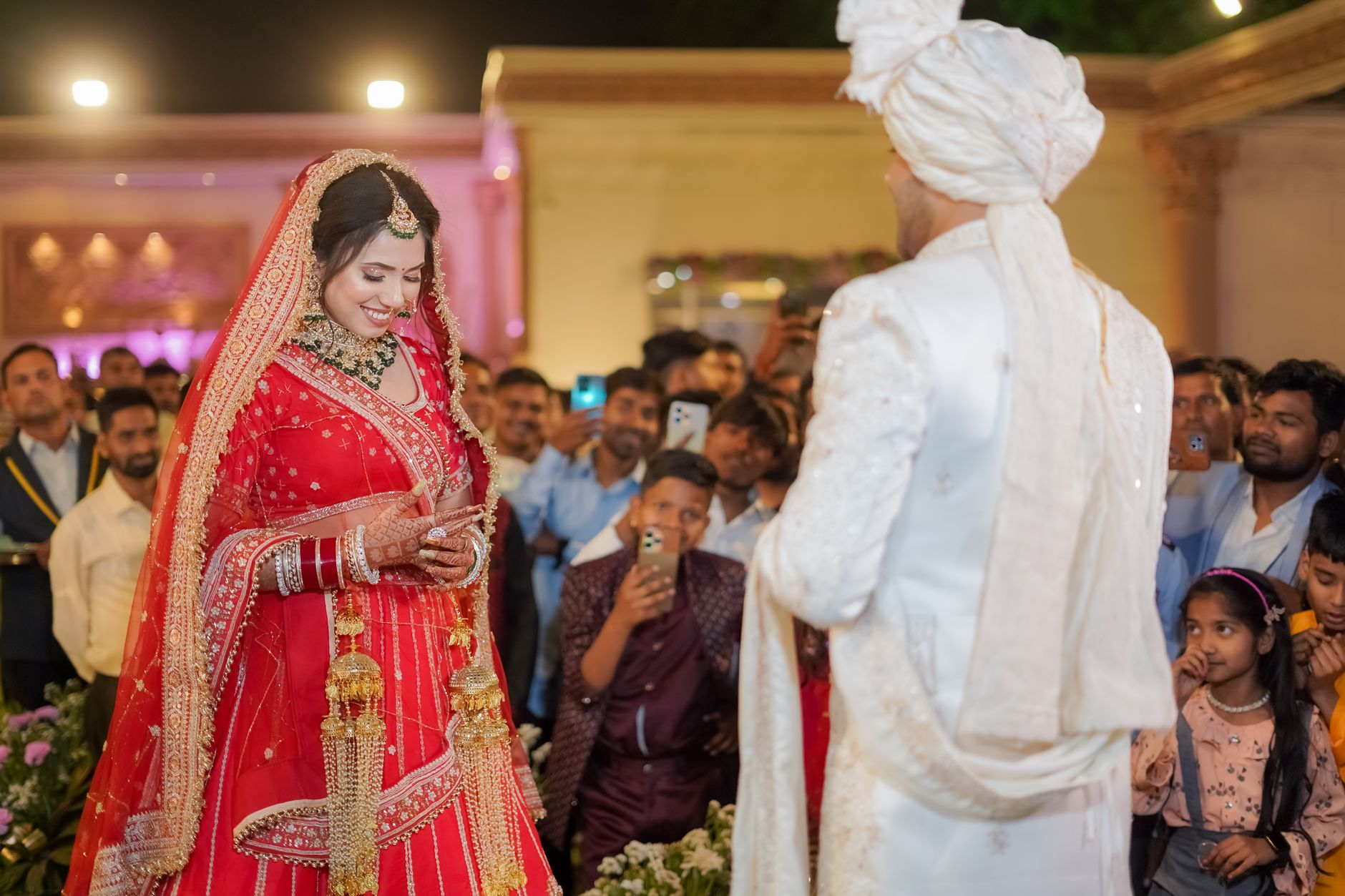 Event Insights & Reporting Platform
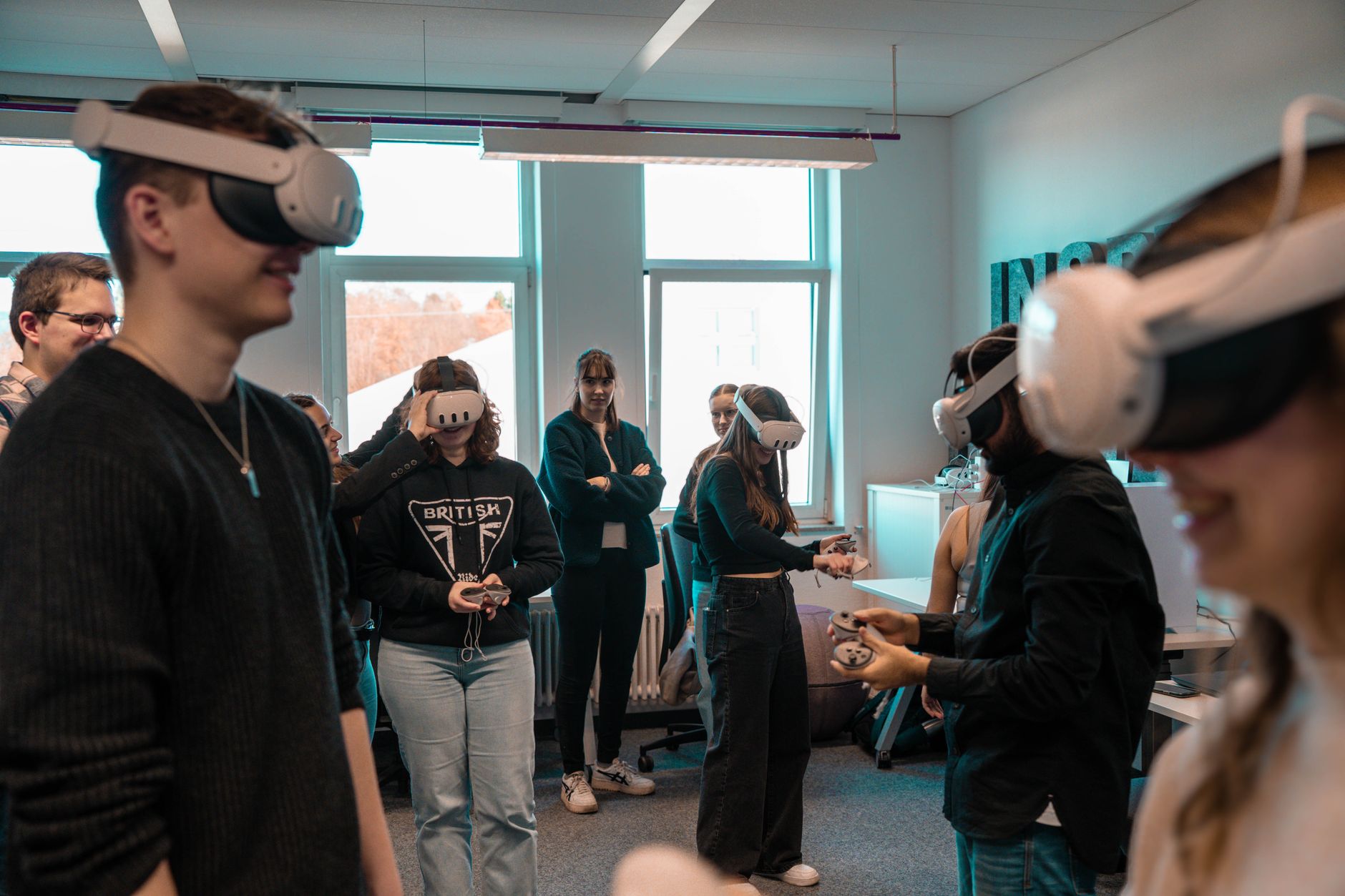 Immersive VR Entertainment Arena
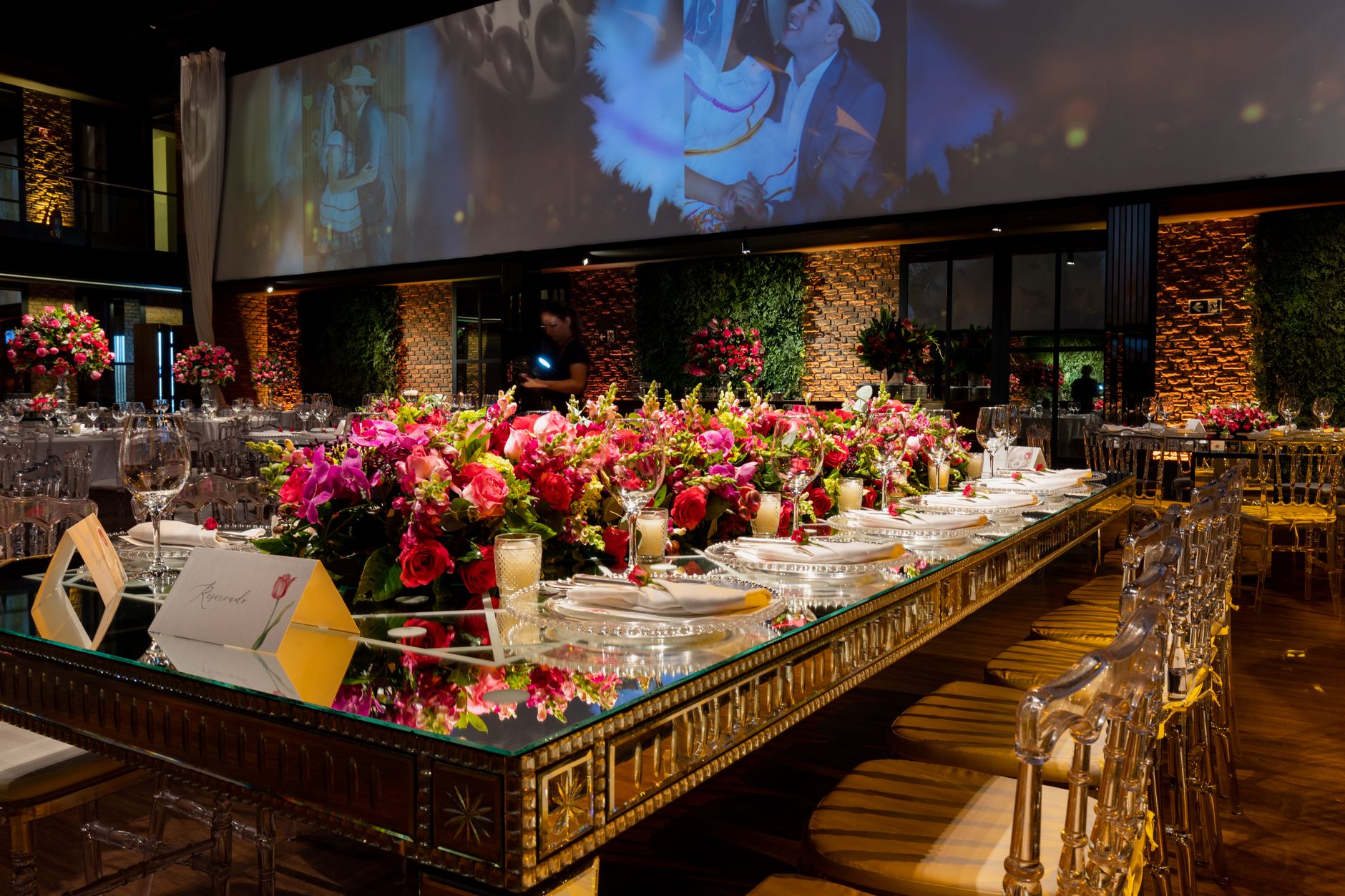 Interactive Visitor Assistance Screens
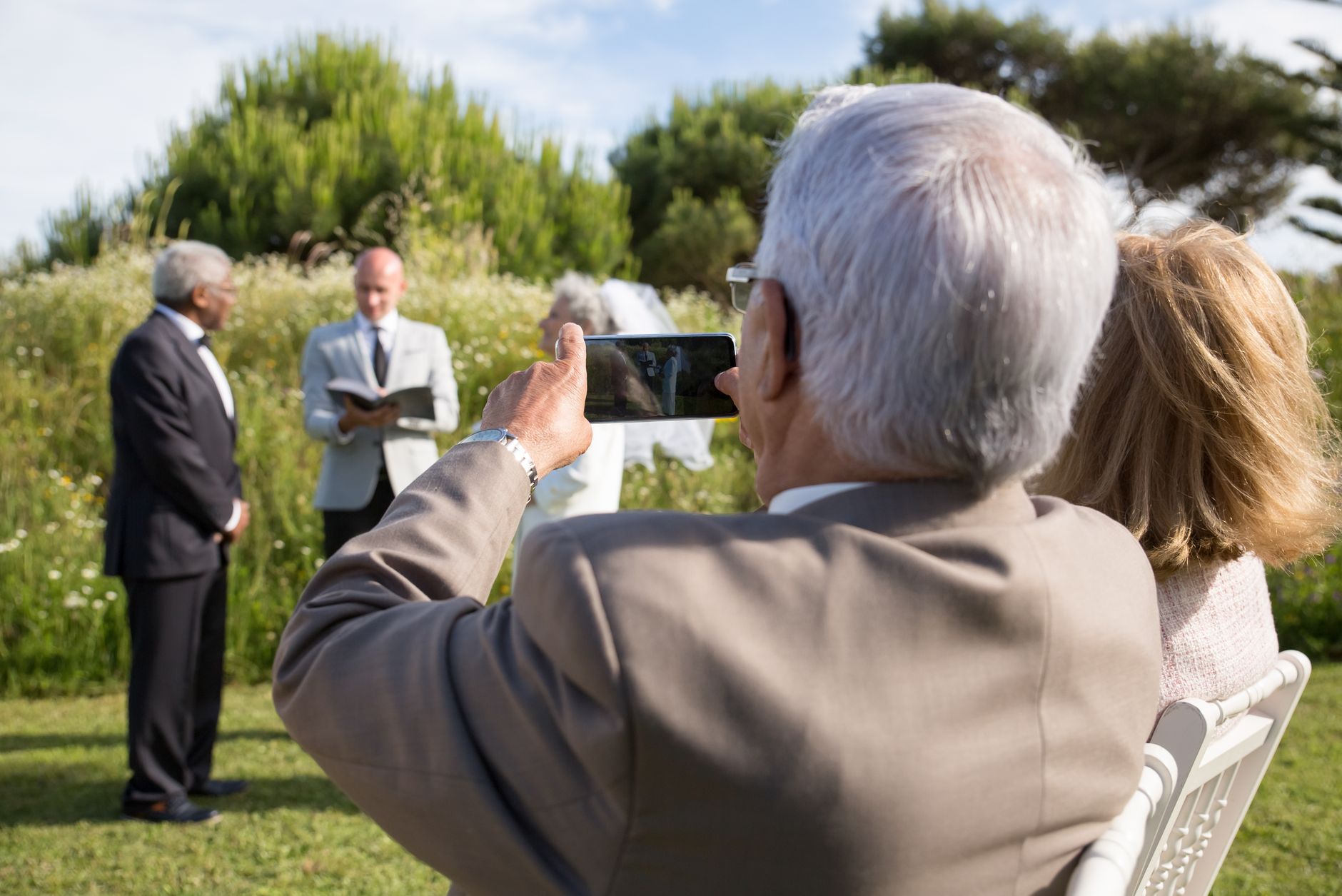 Live Opinion Collection System
 Mobile Event Information Hub & App
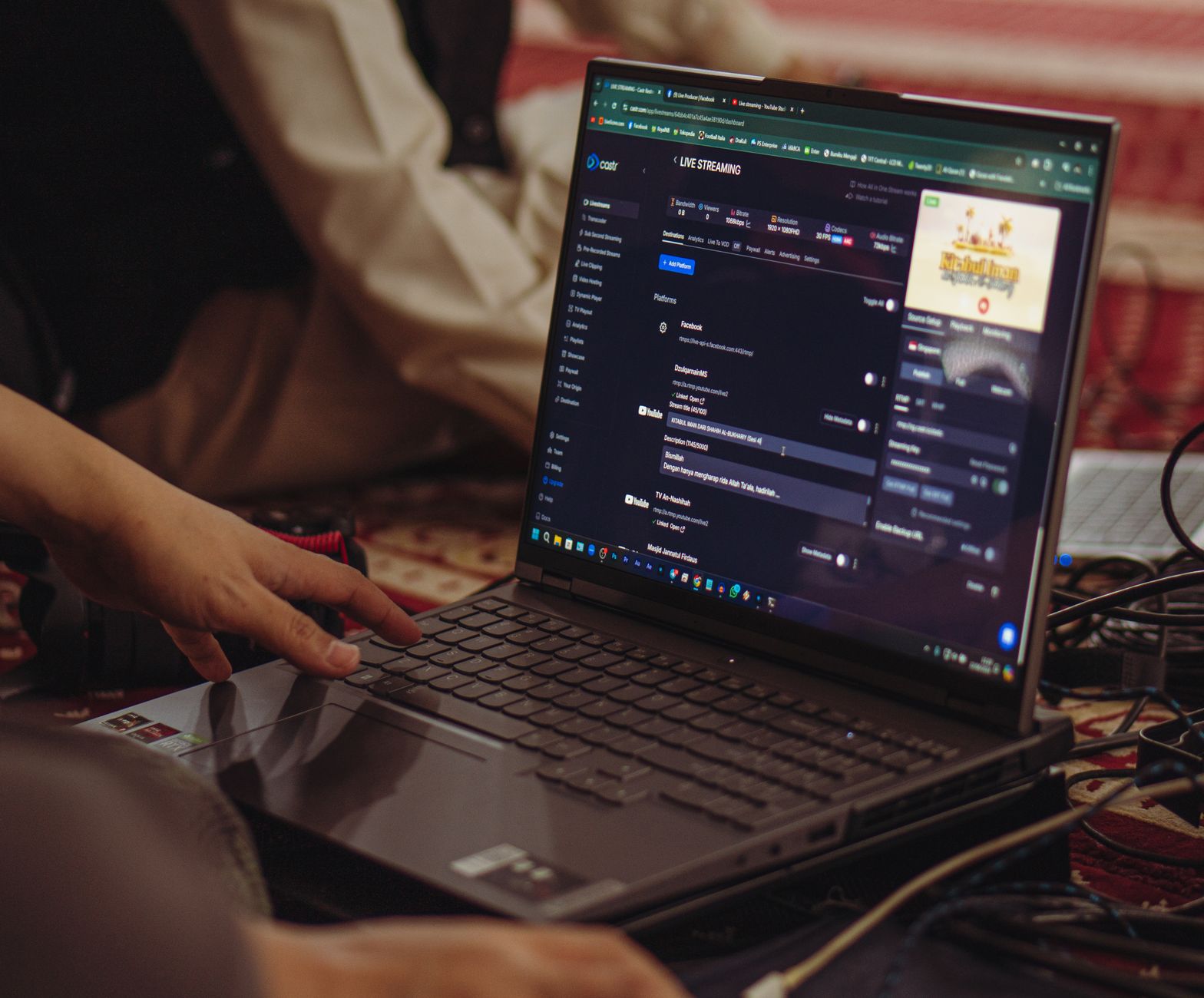 Online Event Broadcasting Services
 Online Memory Book Platform
 QR Guest Entry Platform
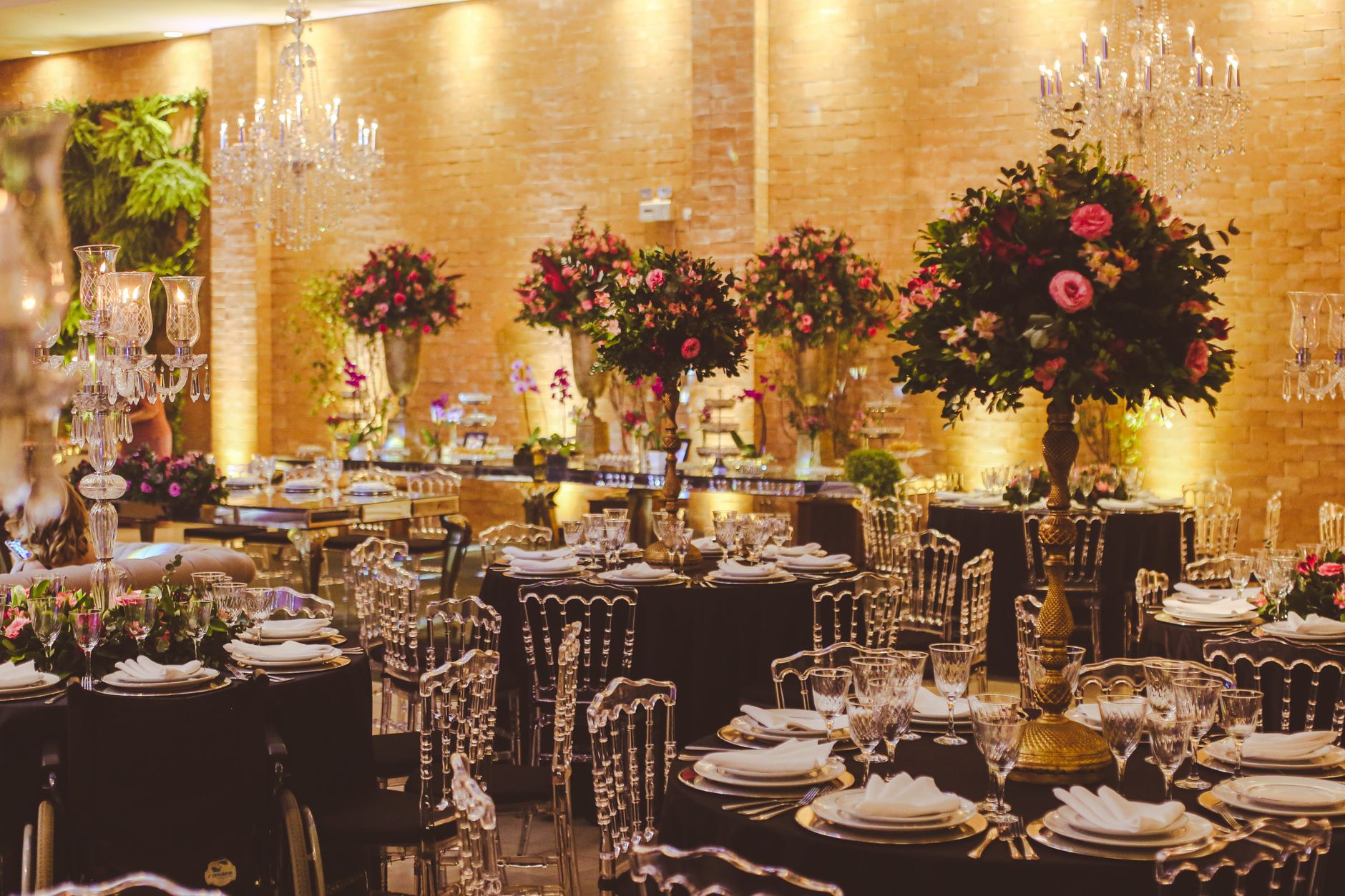 Social Content Display Screens
 Virtual World Event Experiences
- 400+Curated Events
- 6Event Universes
- 1000+Verified Vendors
- 70+Locations
- 24/7Customer Support


Not sure which packages fits your celebration?
Let Hiya & Hanu help you find the perfect match!
Explore Celebration Packages- AI-Powered MatchingSmart suggestions for you
- Budget OptimizerGet the best experiences in your budget
- End-to-End SupportWe are with you at every step
Serving Celebrations across 75+ locations in India
Innovative Celebration Digital Technology Services for Modern Occasions
◆Digital technology has become an important part of contemporary celebration planning. It can simplify communication, improve guest coordination and create engaging experiences before, during and after an event. From digital invitations to interactive displays, carefully selected technology can support celebrations without taking attention away from the people involved.
Delhi provides a highly diverse environment for technology-enabled occasions. Weddings, milestone birthdays, anniversaries, corporate gatherings, conferences, launches and private celebrations can all benefit from digital solutions. Events may take place in luxury hotels, banquet halls, heritage properties, restaurants, outdoor venues or large convention spaces, with each setting requiring a different technical approach.
Innovative celebration digital technology services focus on selecting technology that has a clear purpose. Digital invitations can make communication easier, while online RSVP systems can improve attendance management. QR-based access can provide instant information, and live streaming can connect guests who cannot attend physically. Interactive displays, event applications and digital galleries can further encourage participation.
The strongest digital event strategy starts with understanding the occasion. Guest expectations, venue infrastructure, event size, programme structure and budget should all influence the final technology selection.
Creating a Purposeful Digital Event Strategy
Technology should solve a genuine event requirement. A wedding may need digital invitations, guest communication, venue directions and streaming. A birthday celebration could benefit from interactive content, digital photography and personalised displays. Corporate occasions often require registration, presentation systems, networking tools and audience participation.
Innovative celebration digital technology services become more effective when organisers select features around these specific needs. There is little benefit in adding technology simply because it is available.
For example, an online RSVP platform can provide a clearer view of expected attendance. A digital programme can reduce repeated questions about schedules. A QR code can connect guests to maps or information without requiring lengthy messages.
This creates a practical technology ecosystem rather than a collection of disconnected tools.
Digital Invitations and Personalised Communication
Digital invitations have developed into useful communication platforms rather than simple electronic cards. They can combine photographs, event details, venue maps, programme schedules and RSVP links.
For Delhi celebrations involving guests from different cities or countries, digital invitations can simplify communication considerably. Updates can also be distributed quickly if a timing or venue detail changes.
Wedding invitations may include ceremony schedules and personalised family content. Birthday invitations can reflect a particular theme. Corporate invitations can provide professional registration information and session details.
A good digital invitation should remain simple and mobile-friendly. Essential information needs to be easy to locate, while unnecessary navigation should be avoided.
Online RSVP and Registration Systems
Guest management can become complicated when attendance numbers are high. Online RSVP systems allow organisers to collect confirmations and maintain more accurate records.
This information can support catering, seating, transport and accommodation decisions. Organisers can also identify guests who have not responded without relying entirely on manual follow-up.
At the venue, QR-based check-in can make registration more efficient. Guests can scan their confirmation instead of completing lengthy manual processes.
Corporate events may require more detailed registration, while private celebrations can keep the process straightforward.
The objective is to make attendance management easier for both hosts and guests.
QR Technology for Instant Information
QR codes can connect physical event spaces with digital resources. Guests can scan a code to access schedules, maps, menus, registration pages, galleries or feedback forms.
At weddings, QR codes can help guests find ceremony information or navigate between functions. Birthday parties can use them for games, photo uploads or themed activities. Corporate events can provide access to presentations and session information.
The destination should be optimised for mobile devices. Guests should reach the required information quickly without unnecessary registration steps.
Organisers should also retain non-digital alternatives where appropriate. Technology should improve accessibility rather than become a barrier.
Interactive Guest Participation
Digital technology can encourage guests to become active participants. Digital guestbooks, interactive displays and shared galleries allow attendees to contribute messages, photographs and other content.
A digital guestbook can collect wishes throughout a wedding, anniversary or milestone birthday. These messages can later become a lasting digital record.
Shared photo platforms allow guests to contribute their own images during the event. This creates a wider visual collection that complements professional photography.
Interactive displays can showcase selected content during the occasion. Corporate functions can use similar systems for polls, questions and audience participation.
The best solutions keep interaction simple and optional.
Interactive Displays and Visual Content
Large-format screens and digital displays can influence the atmosphere of a celebration. They can present photographs, personalised content, presentations, schedules or carefully designed visual sequences.
Delhi's varied event venues provide opportunities for different types of digital presentation. A luxury ballroom may support large LED displays, while an intimate venue may only require a smaller screen.
Wedding receptions can use personalised visual content, while corporate events can integrate presentations and branded materials.
The quality of content is important. High-resolution visuals, suitable dimensions and well-timed transitions create a more polished result.
Digital displays should complement the venue rather than overwhelm its design.
Live Streaming for Remote Guests
Not every guest can attend an event in person. Distance, work commitments or travel challenges may prevent participation.
Live streaming can help invited guests remain connected. Weddings can privately stream important ceremonies, while corporate events can broadcast presentations, award functions or launches.
The quality of a stream depends on internet stability, camera placement, audio clarity and technical management. Smaller occasions may require a simple setup, whereas larger events may need multiple cameras and dedicated operators.
Private access can also help organisers control who receives the stream.
Hybrid Celebration Experiences
Hybrid formats combine physical attendance with online participation. They are particularly relevant to conferences, launches, corporate gatherings and professional occasions.
A successful hybrid experience requires more than a basic video feed. Remote participants need clear sound, appropriate camera views and access to relevant information.
Innovative celebration digital technology services can make hybrid events more effective by identifying the programme elements that matter most to remote guests.
There is no need to reproduce every physical activity online. Speeches, presentations, ceremonies and selected performances can be prioritised.
This creates a focused experience while keeping technical requirements manageable.
Digital Technology for Weddings
Weddings can involve several ceremonies, venues and guest groups. Digital technology can help connect each stage of the celebration.
Digital invitations introduce the event before guests arrive. RSVP platforms provide attendance information, while digital schedules help guests understand programme timings.
For multi-function weddings, centralised communication can reduce confusion around locations and transitions. Venue maps and digital directions can be especially useful for guests travelling from outside Delhi.
Shared photo galleries can encourage guests to contribute photographs. Live streaming can include relatives who cannot travel.
Technology should remain supportive so that cultural traditions and personal interactions remain central.
Birthday and Milestone Occasions
Birthday celebrations can use technology in creative ways without becoming overly technical. Digital invitations can introduce themes, while online RSVPs help hosts estimate attendance.
Interactive displays can show photographs, messages and personalised content. A milestone birthday can feature a digital timeline containing family photographs, childhood memories and important achievements.
Digital games can add entertainment when appropriate for the age group. Photo-sharing systems can allow guests to contribute images throughout the celebration.
The technology should complement the personality of the occasion rather than dominate it.
Corporate Celebrations and Professional Functions
Corporate events often require structured digital support. Registration, presentations, networking and audience communication can all benefit from technology.
QR check-in can reduce queues at busy venues. Event platforms can provide schedules and speaker information. Interactive polls can encourage participation during presentations.
Live streaming can extend corporate functions to employees, clients and partners who cannot attend physically. Recorded content can also provide value after the event.
Reliability should remain the primary consideration. An innovative feature is only worthwhile when it operates consistently.
Event Apps and Digital Information Hubs
Event applications can bring multiple functions into one platform. Guests may use an app to access schedules, maps, notifications, speaker information and other resources.
Large weddings can use an app to coordinate multiple functions. Corporate events can provide session schedules, networking opportunities and announcements through a central interface.
However, an app is not necessary for every occasion. Smaller events may work better with a responsive digital event page.
The right choice depends on event complexity, duration, guest numbers and information requirements.
Digital Photography and Shared Galleries
Technology has created new ways for guests to contribute to event photography. Shared galleries allow attendees to upload selected photographs during the celebration.
This creates a broader visual record from different perspectives. Selected photographs can also appear on event displays when appropriate.
Professional photographers remain essential for portraits, important ceremonies and carefully planned coverage. Guest-generated content provides an additional spontaneous layer.
After the event, the digital gallery can be shared with invited guests, extending engagement beyond the venue.
Venue Connectivity and Technical Integration
Digital systems depend heavily on venue infrastructure. Internet strength, power availability, screen connections, audio equipment and equipment access should be assessed early.
Delhi offers an extensive range of celebration venues, from hotels and banquet halls to heritage properties, restaurants and large convention facilities. Technical capabilities can vary considerably.
Outdoor functions may require additional connectivity and power arrangements. Large indoor occasions may need coordinated audio, displays and network systems.
A technical venue assessment before finalising services can prevent unexpected complications.
Accessibility and Guest-Friendly Technology
Digital experiences should be easy for different types of guests to use. Mobile-friendly pages, readable content and straightforward navigation improve accessibility.
Some older guests may prefer printed information or direct assistance. Others may not be comfortable using QR codes or event applications.
Event staff can provide simple guidance where required.
Technology should supplement personal support rather than completely replace it. Inclusive planning helps every guest enjoy the occasion comfortably.
Protecting Guest Information
Digital event platforms can collect names, contact details, RSVP information and other personal data. Organisers should understand how this information is stored and accessed.
Only necessary details should be requested. Access should be restricted to relevant organisers and authorised providers.
Private event links should not be shared publicly without permission. Corporate occasions may require additional care because attendee information can include professional details.
Privacy should be considered before selecting a platform rather than after implementation.
Managing the Technology Budget
Digital technology can fit different budgets when organisers prioritise practical requirements. The first step is identifying which features provide the greatest value.
A small birthday may only need digital invitations, RSVPs and photo sharing. A wedding may require streaming, guest communication and digital schedules. A corporate event may prioritise registration, presentation technology and audience interaction.
Complete service packages should be compared carefully. Setup, equipment, testing, technical staffing and support can affect the final price.
The lowest quotation is not automatically the best value. Reliable implementation can prevent additional costs caused by technical problems.
Selecting a Suitable Digital Technology Provider
A good provider should understand the event before recommending platforms or equipment. Experience with similar occasions can help identify practical requirements.
Organisers should ask about setup, testing, connectivity, technical assistance and backup procedures.
Pricing should be transparent, with included services clearly explained. Any additional charges for extended hours, equipment or technical staffing should be understood in advance.
Good communication is equally important. Technology providers may need to coordinate with venue teams, planners, photographers and entertainment suppliers.
Testing Before the Event
Every digital component should be tested before guests arrive. Invitations, RSVP forms, QR codes and event pages should be checked across common devices.
Internet connectivity should be assessed under realistic conditions. Screens, microphones, streaming systems and presentation equipment should also be tested together.
A technical rehearsal can identify problems before they affect the celebration. Content should be checked for accuracy, while backup arrangements should be confirmed.
Clear responsibilities between suppliers help prevent technical gaps.
Emerging Digital Possibilities
Digital celebration technology continues to evolve. Interactive platforms, personalised content, connected event systems and smarter communication tools are creating new possibilities.
Artificial intelligence may support selected planning, personalisation and content functions. However, organisers should consider privacy, accuracy and transparency before adopting emerging tools.
Technology should always serve a genuine requirement. Innovation is most valuable when it improves participation, communication, accessibility or convenience.
A flexible approach allows organisers to adopt useful developments without making events unnecessarily complicated.
Creating a Connected Guest Journey
The strongest digital celebrations feel natural. Guests receive useful information at the right moment, registration is straightforward, remote participation works smoothly and interactive features appear where they add value.
Innovative celebration digital technology services can manage complexity quietly while keeping people at the centre of the event.
For Delhi celebrations, this flexibility is particularly useful across luxury venues, heritage properties, corporate spaces, banquet halls and private locations.
The technology should adapt to the celebration rather than forcing the celebration to adapt to the technology.
Final Thoughts
Digital technology can make celebrations more organised, accessible and engaging. From invitations and RSVP systems to QR tools, live streaming, event applications and interactive displays, each solution can address a specific planning requirement.
Delhi's diverse event environment provides many opportunities for digital integration. The most successful approach is to choose technology according to guest needs, venue capabilities, event objectives and budget.
Whether planning a wedding, birthday, anniversary or corporate occasion, thoughtful digital services can simplify communication and encourage participation.
When technology is carefully curated, it enhances the celebration without overshadowing the people and moments that matter most.
Frequently Asked Questions
1. What are innovative celebration digital technology services?
They include digital invitations, online RSVP systems, QR solutions, event apps, interactive displays, live streaming, hybrid platforms and digital guest engagement tools.
2. Can digital technology work alongside traditional celebrations?
Yes. Digital services can support communication, schedules, guest management and remote participation while traditional ceremonies and cultural practices remain central.
3. How can digital invitations improve event planning?
They allow organisers to share event details, maps, schedules and RSVP links quickly while making updates easier when information changes.
4. What can guests access through QR codes?
QR codes can connect guests to digital schedules, maps, menus, registration forms, photo galleries, presentations and feedback pages.
5. Can live streaming be used for weddings?
Yes. Private live streaming can allow invited relatives and friends to watch selected ceremonies when they cannot attend physically.
6. Are event apps useful for small celebrations?
Not always. Smaller occasions may only need a mobile-friendly event page, while large or multi-day events may benefit from a dedicated application.
7. What digital solutions are suitable for corporate events?
Corporate occasions can use digital registration, QR check-in, presentation systems, event apps, audience polls, networking tools and live streaming.
8. How can organisers control digital technology costs?
They should prioritise essential features, compare complete service packages and confirm whether setup, equipment, testing and technical support are included.
9. Why should event technology be tested before the celebration?
Testing can identify problems with internet connectivity, QR links, registration systems, screens, audio and streaming before guests arrive.
10. How can digital technology improve guest engagement?
Digital guestbooks, shared photo galleries, interactive displays, polls and remote participation can give guests convenient ways to contribute to the celebration.