
Delhi's Smartest Event Tent Solutions
Infrastructure in Delhi
Engineered Event Tent Systems in Delhi: Complete Guide
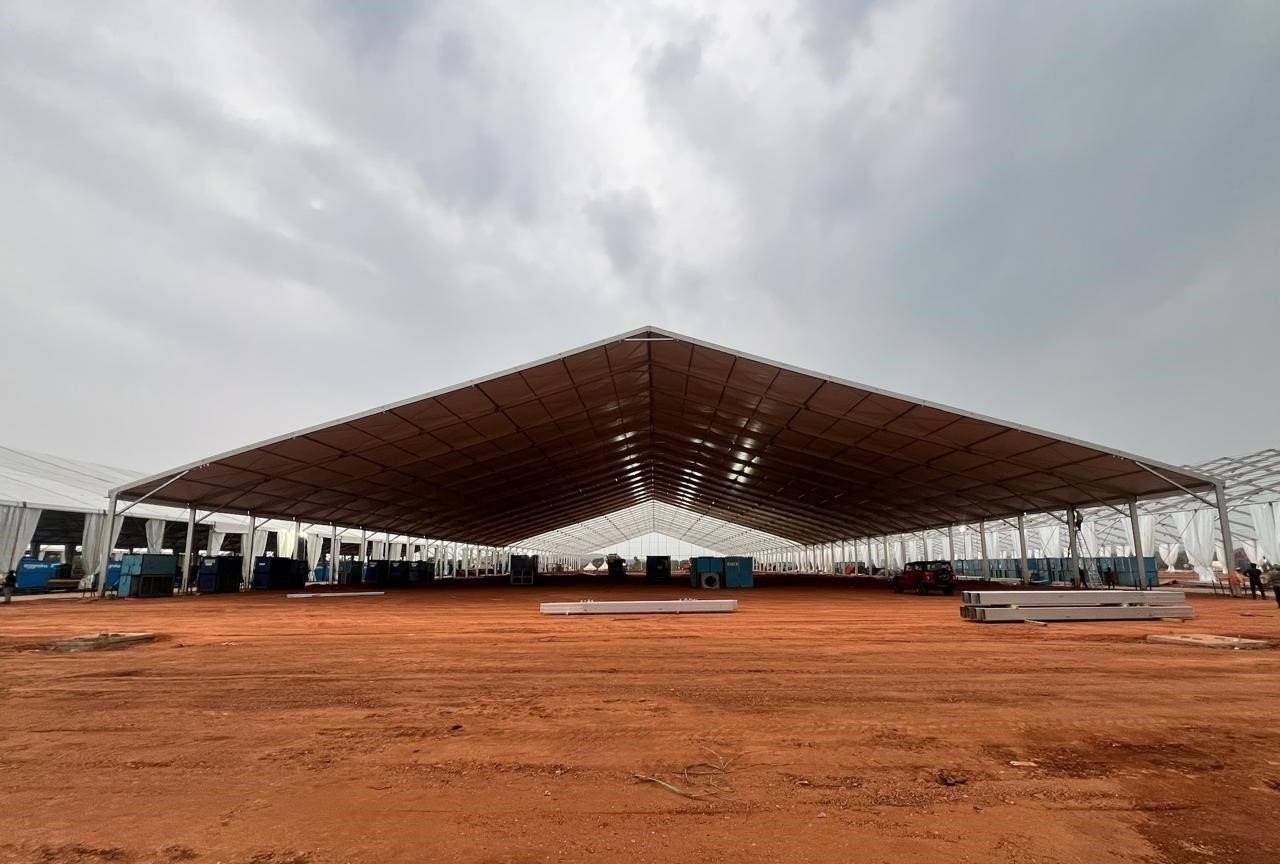
Engineered Event Tent Systems have transformed how Delhi families host weddings, sangeets, and corporate galas across Chattarpur farmhouses, Dwarka grounds, and Noida open lawns. Unlike ordinary shamiana tents, these are precision-designed modular tensile tent structures anchored with load-rated steel frames, engineered to handle Delhi's punishing summer heat, pre-monsoon dust storms, and unexpected June showers. Whether you are planning an intimate roka for 150 guests or a multi-day baraat celebration for 2,000, the right structural tent framework determines whether your outdoor wedding venue infrastructure delivers a seamless, safe, and stunning experience from the first phera to the final bidaai.
Quick Answer
Engineered Event Tent Systems are professionally designed, structurally certified tent installations used for weddings, corporate events, and large celebrations. Built with load-rated steel or aluminium frames, high-tensile PVC or fabric covers, and engineered anchoring systems, they safely accommodate 150 to 5,000 guests. In Delhi, they are widely deployed at farmhouses, open grounds, and banquet lawns where permanent roofing is absent, providing weatherproof, customisable, and legally compliant outdoor event coverage.
What Makes Engineered Event Tent Systems Different from Ordinary Shamianas?
A traditional shamiana relies on lightweight poles and fabric tied with ropes, offering minimal wind or rain resistance. Engineered Event Tent Systems, by contrast, are designed by structural engineers who calculate wind loads, snow loads (irrelevant in Delhi but mandatory for export certifications), and occupancy weight before a single pole is driven into the ground. The frames are fabricated from hot-dip galvanised steel or aircraft-grade aluminium, rated to carry lighting trusses, HVAC ducting, and suspended décor weighing hundreds of kilograms. Modular tensile tent structures use pre-tensioned PVC membranes stretched over geodesic or A-frame skeletons, eliminating interior columns and freeing up usable floor space. For a Delhi farmhouse hosting 800 guests across a 10,000 sq ft footprint, this means clear sightlines, unrestricted dance floors, and safe rigging points for chandelier installations — none of which a conventional shamiana can reliably provide. Structural tent frameworks also carry third-party load certifications, which many Chattarpur and Alipur farmhouse owners now require before issuing booking confirmation.
Span Sizes, Configurations, and Guest-Count Planning
Engineered Event Tent Systems are available in modular bay widths of 6 m, 9 m, 12 m, 15 m, 20 m, and up to 30 m clear span, making them adaptable to virtually any open ground in Delhi NCR. A 15 m x 30 m configuration comfortably seats 400 guests for a plated dinner with a central stage, while a 20 m x 50 m large-span canopy installation accommodates 1,000 guests including a DJ setup, bar counters, and a buffet island. Lengths are fully modular — bays can be added in 5 m increments — so planners can scale from a mehndi-night setup for 300 to a full baraati dining hall for 1,800 without redesigning the entire structure. Weatherproof event pavilions designed for Delhi conditions include translucent roof panels that allow natural light during daytime functions, blackout liners for projection mapping, and side-wall rollups that convert an enclosed banquet into an open-air lounge within minutes. Always confirm the ground-bearing capacity at your chosen venue: soft soil at post-monsoon Noida farmhouses may require wider base plates or helical anchors.
How Much Do Engineered Event Tent Systems Cost in Delhi?
Pricing for Engineered Event Tent Systems in Delhi is calculated per square foot of covered area and depends on span width, PVC grade, interior finishing, and rental duration. Entry-level structural tent frameworks covering basic A-frame configurations start at approximately Rs 35–55 per sq ft per day for raw structure only. Mid-range modular tensile tent structures with white or ivory PVC ceilings, perimeter curtain walls, and basic flooring land between Rs 70–110 per sq ft per day. Premium weatherproof event pavilions with climate control integration, decorative lining, LED perimeter lighting, and flooring systems typically range from Rs 130–200 per sq ft per day. For a reference point, a 15,000 sq ft tent for a three-day Delhi wedding function (mehndi, sangeet, reception) at the mid-range tier would cost Rs 31.5–49.5 lakh for structure alone, excluding décor, HVAC, and power. Outdoor wedding venue infrastructure costs also include delivery, installation, dismantling, and local municipal permissions, which add 12–18% to the base rental. Book at least 6–8 weeks in advance for peak season (November to February) when inventory across Delhi NCR runs thin.
Compliance, Safety, and Permissions for Delhi Events
Delhi's district administration and South Delhi Municipal Corporation require event organisers to submit structural stability certificates for any temporary structure exceeding 500 sq ft or accommodating more than 200 guests. Engineered Event Tent Systems supplied by reputable vendors come with stamped engineering drawings, IS-code compliance certificates, and fire-retardant fabric test reports — all documents required for SDMC or NDMC event permission applications. The structural tent frameworks must also comply with the National Building Code's provisions for temporary structures, particularly wind-speed ratings: Delhi is in Wind Zone IV, requiring structures rated for basic wind speeds of 47 m/s. Event load-bearing capacity documentation is increasingly requested by insurance underwriters for wedding liability policies, making certified systems not just a safety choice but a financial protection measure. Ensure your vendor provides an on-site supervisor during installation and can produce an inspection checklist signed by a licensed structural engineer.
Which Delhi Venues and Neighbourhoods Benefit Most from These Systems?
Engineered Event Tent Systems are most commonly deployed across four venue micro-markets in Delhi NCR. Chattarpur and Mehrauli farmhouses have expansive lawns of 2–5 acres but minimal permanent roofing, making large-span canopy installations essential for winter wedding seasons. Dwarka's open community grounds and sector parks host large political rallies and community pujas where modular tensile tent structures provide both coverage and easy dismantling within municipal timeframes. Noida and Greater Noida resort properties use weatherproof event pavilions as semi-permanent extensions of their banquet capacity during the October-to-March wedding corridor. Rohini and Pitampura in North Delhi have a concentration of mid-segment farmhouses where structural tent frameworks at competitive price points serve families planning budget-conscious multi-function weddings of 500–800 guests. Delhi farmhouse event setups also increasingly use these systems for destination-style Rajasthani or Mughal-themed décor, since the interior steel grid allows suspension of heavy fabric draping, brass lanterns, and floral installations that a shamiana simply cannot support safely. Monsoon-ready event shelters are a specific sub-category seeing growth in Delhi, particularly for June-July corporate events and August festival celebrations.
Engineered Event Tent Systems vs Other Temporary Structures in Delhi
Expert Recommendation
Best for intimate celebrations (100–250 guests)
Best for large multi-function weddings (800–2,000 guests)
Best for budget-conscious families
Best for monsoon-season events (June–September)
Best for traditional themed weddings
Best for corporate and MICE events
How to Choose the Right Option
✅ Pre-booking Checklist
- Confirm ground type and bearing capacity at your Delhi venue before selecting anchor system
- Obtain a stamped structural engineering certificate from your vendor for municipal permission
- Verify that the PVC fabric carries a fire-retardant test certificate as required by SDMC/NDMC
- Calculate total covered area at 18–22 sq ft per guest including stage, bar, buffet, and dance floor
- Check rigging load ratings on the structural tent framework before finalising your décor brief
- Book installation crew site visit at least 3–4 weeks before the event for ground assessment
- Confirm HVAC integration compatibility if your event falls between April and September
- Get a written dismantling timeline to ensure farmhouse handover within the agreed window
🎯 Selection Criteria
- Structural certification: vendor must supply IS-code compliant engineering drawings
- Span width options: ensure the vendor stocks 15 m and 20 m clear-span configurations for large guest counts
- Installation experience: crew should have completed at least 20 certified setups in Delhi NCR
- Fabric quality: minimum 650 GSM PVC with UV coating and fire-retardant certification
- Modular scalability: ability to add or remove bays without full redesign for flexible function layouts
- After-hours support: vendor must provide a site supervisor contactable through the entire event duration
💰 Cost / Quality Factors
- Span width directly drives per-sq-ft cost — wider clear spans command a 20–35% premium
- Seasonal demand (November–February) inflates Delhi tent rental rates by 25–40% over off-peak pricing
- Ground anchoring type (screw anchors vs ballast weights) adds Rs 5–15 per sq ft depending on site conditions
- Interior lining and flooring are often quoted separately and can double the base structure cost
- Municipal permission fees and structural report costs add a fixed Rs 15,000–40,000 per event
- Multi-day rental discounts of 10–20% are typically available for bookings of three or more consecutive days
⚠️ Common Mistakes to Avoid
- Booking structure size based on guest count alone without accounting for stage, buffet, and bar footprints
- Skipping the ground-bearing capacity assessment, risking anchor failure on soft post-monsoon soil
- Accepting a vendor quote without requesting a structural load certificate, leading to permission rejections
- Underestimating installation time — large-span canopy installations above 15,000 sq ft need 2–3 full days
- Overlooking gutter integration on weatherproof event pavilions, causing pooling and structural stress in rain
- Ignoring Delhi's Wind Zone IV rating when reviewing vendor wind-load specifications for monsoon setups
People Also Ask
Are engineered tent systems safe for large Delhi weddings?
How early should I book an engineered event tent for a Delhi winter wedding?
Can these tent systems handle Delhi's dust storms and monsoon rains?
What floor area does a 500-guest Delhi wedding tent typically require?
Do I need municipal permission for a tent at a Delhi farmhouse?
Can air conditioning be integrated into an engineered event tent?
What is the difference between a tensile structure and a frame tent?
What décor elements can be hung from an engineered tent frame?
Related Experiences on Happiffie
Premium German Tents for Mumbai
Pune's Trusted Heavy Scaffold Experts
Transform Your Dream Wedding Venue
All Wedding & Event Services
Venues in Delhi
Discover Verified Vendors
Frequently Asked Questions
What is the minimum lead time for installing an Engineered Event Tent System at a Delhi farmhouse?
Are Engineered Event Tent Systems suitable for Delhi summer weddings above 40°C?
Can modular tensile tent structures be erected on concrete or paved surfaces?
Do Engineered Event Tent Systems in Delhi come with flooring options?
What is the maximum guest capacity for a single Engineered Event Tent System span in Delhi?
How do I verify the structural certification of an event tent vendor in Delhi?
What happens if there is heavy rain during my Delhi outdoor wedding under an engineered tent?
Can the interior of an Engineered Event Tent System be customised for a themed wedding?
Key Takeaways
- Engineered Event Tent Systems use load-rated steel or aluminium frames with certified PVC membranes, making them structurally superior to traditional shamianas for Delhi weddings and events.
- Modular tensile tent structures offer column-free interiors spanning up to 30 m, ideal for Chattarpur and Mehrauli farmhouse weddings with 500–2,000 guests.
- Pricing ranges from Rs 35 to Rs 200 per sq ft per day depending on span, fabric grade, lining, and HVAC integration — always compare like-for-like quotes.
- Delhi's Wind Zone IV classification requires structural tent frameworks rated for 47 m/s; always verify this specification with your vendor before signing a contract.
- Municipal permissions from SDMC, NDMC, or EDMC require stamped engineering drawings and fire-retardant certificates — certified vendors supply these as standard.
- Weatherproof event pavilions with sealed gutter roofs and anchored side walls are the safest choice for Delhi events scheduled during the April–September storm and monsoon window.
- Book 6–10 weeks in advance during peak season; quality large-span canopy installation inventory across Delhi NCR is limited and sells out fast from October onwards.
- Always verify the event load-bearing capacity of the tent frame with your vendor before briefing your decorator on hanging installations like chandeliers or floral arches.
Find Certified Tent Vendors for Your Delhi Event
Compare Engineered Event Tent Systems, check availability across Delhi NCR farmhouses, and get transparent quotes for every function size and budget on Happiffie.
Explore Tent Vendors
Are you a Vendor? Grow Your Business with Happiffie!
- High intent verified leads
- Reverse auction opportunities
- AI business tools & insights
- Dedicated vendor dashboard
- Grow your business, your way
It's free & takes less than 2 minutes!