
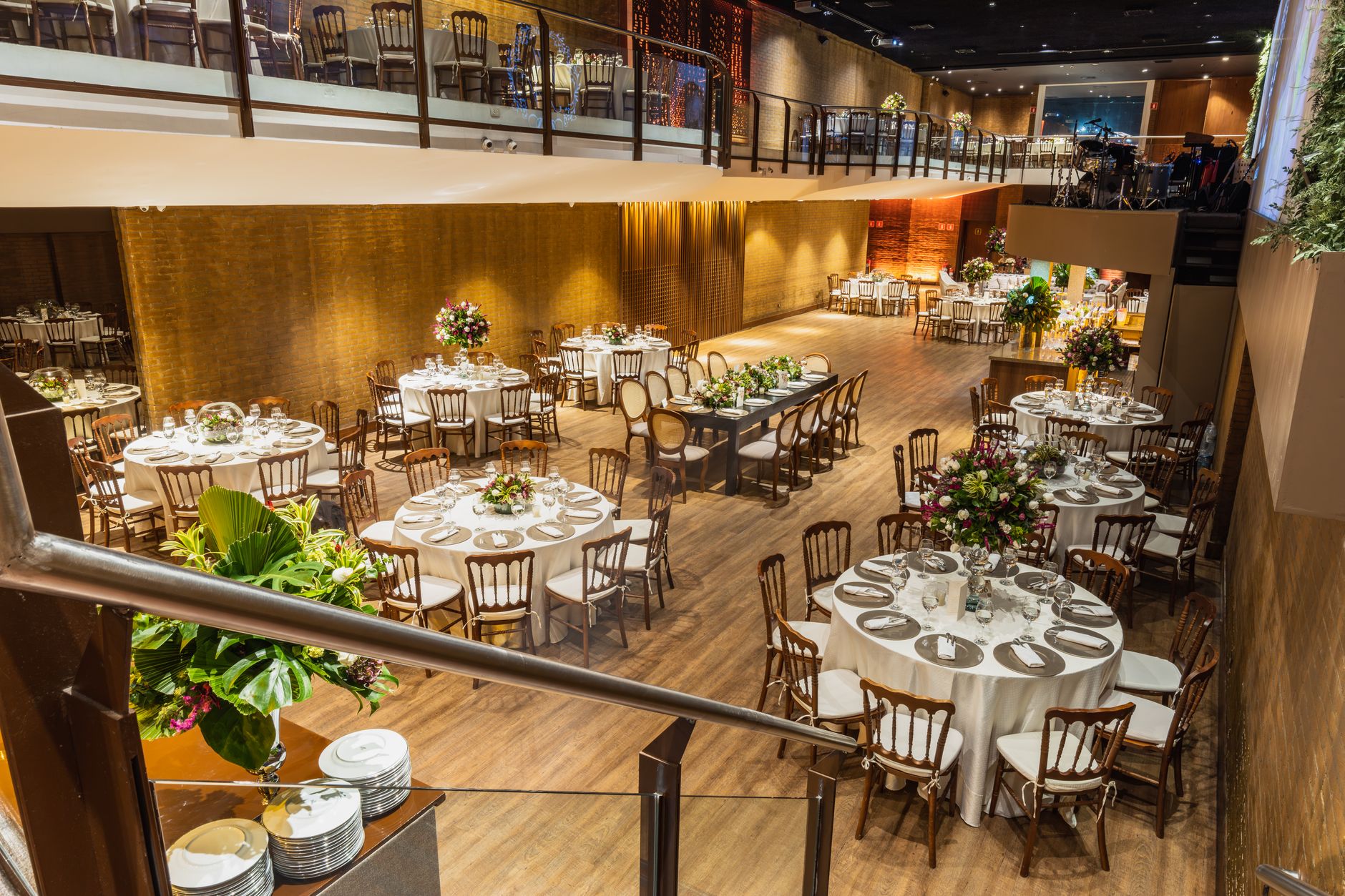
Seat Every Guest Perfectly Across Venues
Infrastructure in Delhi
Cross Venue Guest Seating for Delhi Weddings
When a Delhi wedding spans a farmhouse ceremony, a hotel reception, and a separate sangeet hall, Cross Venue Guest Seating becomes the backbone of the entire celebration. A poorly coordinated multi-venue seating arrangement leads to confused guests, strained venue staff, and avoidable chaos at the entrance. Happiffie helps couples and event planners design a distributed event seating plan that accounts for every family group, dietary need, and mobility requirement across all locations. With smart wedding infrastructure planning, you can ensure that every guest — from Dadi in the front row to college friends at the back — feels genuinely welcomed from the first function to the last.
Quick Answer
Cross Venue Guest Seating refers to the coordinated planning of guest seating assignments across two or more event venues within a single wedding or celebration. It involves aligning floor plans, table assignments, and guest lists for each location — such as a lawn ceremony, banquet hall reception, and separate sangeet venue — so that every attendee is seated comfortably, families are grouped appropriately, and transitions between venues are smooth and stress-free.
What Is Cross Venue Guest Seating and Why Does It Matter for Delhi Weddings?
Cross Venue Guest Seating is the practice of creating a unified, coordinated seating strategy that works across multiple event spaces — a common need for large Delhi weddings that typically span three to five separate functions at different locations. Unlike single-venue seating, this approach requires you to re-map table assignments for each venue while maintaining consistent family groupings, VIP placements, and accessibility accommodations. In Delhi, where a family might host a mehendi in a South Delhi farmhouse, a wedding ceremony at a Dwarka banquet hall, and a reception in a Connaught Place hotel, the guest experience at each venue must feel equally thoughtful. A seamless guest seating across venues strategy prevents the awkward scramble of guests hunting for their table at every function. It also helps venue staff prepare faster, reducing wait times at entrances and ensuring food service runs on schedule. For Delhi weddings with 300 to 1,500 guests, the stakes are especially high — a single miscommunication in seating can ripple into delays that affect the entire evening's programme.
How to Build a Distributed Event Seating Plan for Multiple Delhi Venues
A strong distributed event seating plan begins with a master guest list that carries each person's relationship category, dietary preference, mobility requirement, and RSVP status. Once confirmed, you map this list against the seating capacity of each venue individually. Delhi banquet halls and farmhouses often differ significantly in layout — a rectangular hotel ballroom demands a different table configuration than a garden marquee in Chattarpur. Start by fixing VIP and family tables first, since these placements tend to be sensitive and must remain consistent across all venues. Next, assign friend groups and colleague clusters, ensuring they stay together across functions. Digital seating tools or even a well-structured spreadsheet shared with your wedding planner can synchronise changes in real time. Banquet hall capacity management becomes critical here — never plan seating at more than 90 percent of a venue's stated capacity to allow comfortable movement. Build in a buffer row or two of chairs near entrances for last-minute walk-ins, which are extremely common at Delhi weddings.
Split Venue Seating Coordination: Handling VIPs, Elders, and Large Family Groups
Split venue seating coordination is where many families struggle, particularly when balancing the expectations of multiple families coming together for the first time. In Delhi weddings, it is common to have guests travelling from Ludhiana, Jaipur, Meerut, and abroad — each group with its own dynamics and expectations about where they should be seated relative to the stage or mandap. Elderly guests and those with mobility challenges must always be placed closest to entrances, restrooms, and the main action, regardless of the venue. This rule must be consistent across every venue in your Cross Venue Guest Seating plan. VIP tables — typically immediate family on both sides — should occupy the same relative position at each venue (e.g., front-left block) so that both families feel equally honoured throughout the celebration. Coordinating this across venues requires a single point of contact, usually a dedicated seating coordinator or an experienced wedding planner who attends every setup.
What Does Cross Venue Guest Seating Cost in Delhi?
The cost of professional Cross Venue Guest Seating coordination in Delhi varies based on guest count, number of venues, and the complexity of the layout. For a two-venue wedding with 300 to 500 guests, a dedicated seating coordination service typically ranges from INR 25,000 to INR 60,000. For larger celebrations spanning four or five venues with 800 to 1,500 guests, the cost can range from INR 80,000 to INR 2,00,000, especially when digital seating software, printed table cards, and on-site coordinators are included. Delhi wedding infrastructure planning costs also include physical elements such as table number stands, printed seating charts near entrances, escort card displays, and digital check-in kiosks, which add INR 15,000 to INR 50,000 depending on the aesthetic. Opting for a full-service wedding planner who bundles seating coordination with overall logistics can bring down per-venue costs by 20 to 30 percent compared to hiring standalone services.
How Does Event Guest Flow Management Connect to Seating Success?
Event guest flow management and seating are inseparable — even the most carefully designed multi-venue seating arrangement fails if guests cannot physically reach their seats efficiently. In Delhi's large banquet halls and outdoor farmhouses, poorly designed entry pathways cause bottlenecks that delay dinner service by 30 to 45 minutes. Place seating charts and directional signage at every venue entrance, and station ushers specifically trained for that venue's floor plan. For Cross Venue Guest Seating to work smoothly, the seating coordinator must walk the floor of each venue before the function begins, confirming that table numbers, chair counts, and name cards match the master plan. Delhi weddings with valet parking at multiple locations add another layer — guests often arrive in waves based on traffic, so having flexible buffer seating near the back is essential. A well-executed Delhi wedding logistics plan ties together transportation timings, food service windows, and seating readiness so that no single venue becomes a pressure point.
Cross Venue Guest Seating Setup Types: A Practical Comparison
Expert Recommendation
Best for Intimate Family Celebrations (under 150 guests)
Best for Large Delhi Weddings (500-1,500 guests)
Best for Multi-Day, Multi-Venue Celebrations
Best for Budget-Conscious Couples
Best for Destination-Style Delhi Venue Spreads
Best for Traditional Joint Family Weddings
How to Choose the Right Option
✅ Pre-booking Checklist
- Confirm final guest count and RSVP status at least three weeks before the first function
- Collect floor plans and confirmed seating capacities from every venue in writing
- Build a master guest list with family group, dietary needs, and mobility requirements tagged
- Assign VIP and elder placements first, keeping positions consistent across all venues
- Create venue-specific seating tabs within your master plan for easy coordinator reference
- Print large-format seating charts for every venue entrance at least 48 hours in advance
- Brief and station trained ushers at each venue entry point before guests begin arriving
- Build a five to ten percent buffer of unassigned seats at each venue for walk-ins
🎯 Selection Criteria
- Choose a coordinator with prior experience managing guest seating across venues in Delhi specifically
- Prioritise tools that allow real-time updates visible to all venue coordinators simultaneously
- Verify that each venue's stated capacity aligns with comfortable seating, not just fire-safety maximums
- Ensure the seating plan accommodates wheelchair access and elder proximity to restrooms at every venue
- Select a system that can generate venue-specific reports quickly if floor plans change at the last minute
💰 Cost / Quality Factors
- Guest count is the single biggest cost driver — every 100 additional guests adds coordination complexity
- Number of venues directly multiplies printing, staffing, and technology costs
- Digital tools reduce per-change costs significantly but require upfront investment and training
- On-site coordinators stationed at each venue add INR 5,000 to INR 15,000 per venue per day
- High-quality printed materials — standing chart frames, escort card holders — improve guest experience and cost INR 10,000 to INR 30,000 total
- Last-minute RSVP changes are the most common hidden cost — build contingency budget of ten percent
⚠️ Common Mistakes to Avoid
- Planning seating at 100 percent of venue capacity with no buffer for walk-in guests
- Using separate disconnected seating lists for each venue instead of one live master document
- Failing to walk the physical floor of each venue before the function to verify table numbers and counts
- Ignoring elder and mobility accessibility when assigning tables — always plan these first, not last
- Neglecting to brief venue staff and ushers on the seating plan specific to their location
- Finalising seating charts too early without a cutoff date for RSVP changes, leading to constant reprints
People Also Ask
What is cross venue guest seating at Indian weddings?
How many venues can a Delhi wedding seating plan cover?
How early should I start planning guest seating across venues?
Can a split venue seating coordination plan handle last-minute guest additions?
What tools are used for distributed event seating plans in Delhi?
How do I manage VIP seating consistently across all wedding venues?
Is cross venue guest seating different for outdoor and indoor Delhi venues?
What is the average cost of professional seating coordination for a Delhi wedding?
Related Experiences on Happiffie
Delhi's Best Multi Hall Business Venues
Elevate Every Seat with Gold
Seat Every Guest Perfectly in Kolkata
Find Your Perfect Delhi Wedding Venue
Jaipur Fusion Weddings Done Right
Book Banquet Halls in Jodhpur
Smart Guest Flow for Alappuzha Weddings
Frequently Asked Questions
What exactly is Cross Venue Guest Seating in the context of a Delhi wedding?
How do I keep seating consistent when my Delhi wedding spans a Chattarpur farmhouse and a hotel in Aerocity?
What is the minimum lead time needed to plan guest seating across venues for a 500-guest Delhi wedding?
How does split venue seating coordination handle guests who skip certain functions?
Are digital seating tools worth the investment for a Delhi wedding with four venues?
How should I handle guests with mobility issues in a cross venue seating plan?
What happens if a venue changes its floor plan after I have finalised seating assignments?
Can Happiffie help me find vendors who specialise in Cross Venue Guest Seating for Delhi weddings?
Key Takeaways
- Cross Venue Guest Seating is essential for Delhi weddings spanning multiple functions across different locations, ensuring every guest feels intentionally placed at every event.
- A distributed event seating plan must use a single master guest list synced across all venues, not separate isolated documents for each location.
- Banquet hall capacity management best practice is to seat guests at no more than 90 percent of stated venue capacity to allow comfortable movement and buffer for late arrivals.
- VIP and elder placements must be consistent in relative position across every venue to avoid perceptions of unequal treatment between families.
- Professional Cross Venue Guest Seating coordination in Delhi costs INR 25,000 to INR 2,00,000 depending on guest count, venue count, and service level.
- Event guest flow management — including signage, ushers, and entry pathways — is as critical as the seating plan itself and must be designed per venue.
- Starting the seating planning process six to eight weeks before the first function gives enough lead time to accommodate changes without last-minute chaos.
- A hybrid approach combining digital real-time tools with printed seating charts at venue entrances delivers the best experience for mixed-age Delhi wedding guests.
Plan Seamless Cross Venue Guest Seating for Your Delhi Wedding
Connect with verified Delhi wedding infrastructure experts on Happiffie — get customised seating plans, real-time coordination, and stress-free multi-venue management.
Find Seating Experts
Are you a Vendor? Grow Your Business with Happiffie!
- High intent verified leads
- Reverse auction opportunities
- AI business tools & insights
- Dedicated vendor dashboard
- Grow your business, your way
It's free & takes less than 2 minutes!