
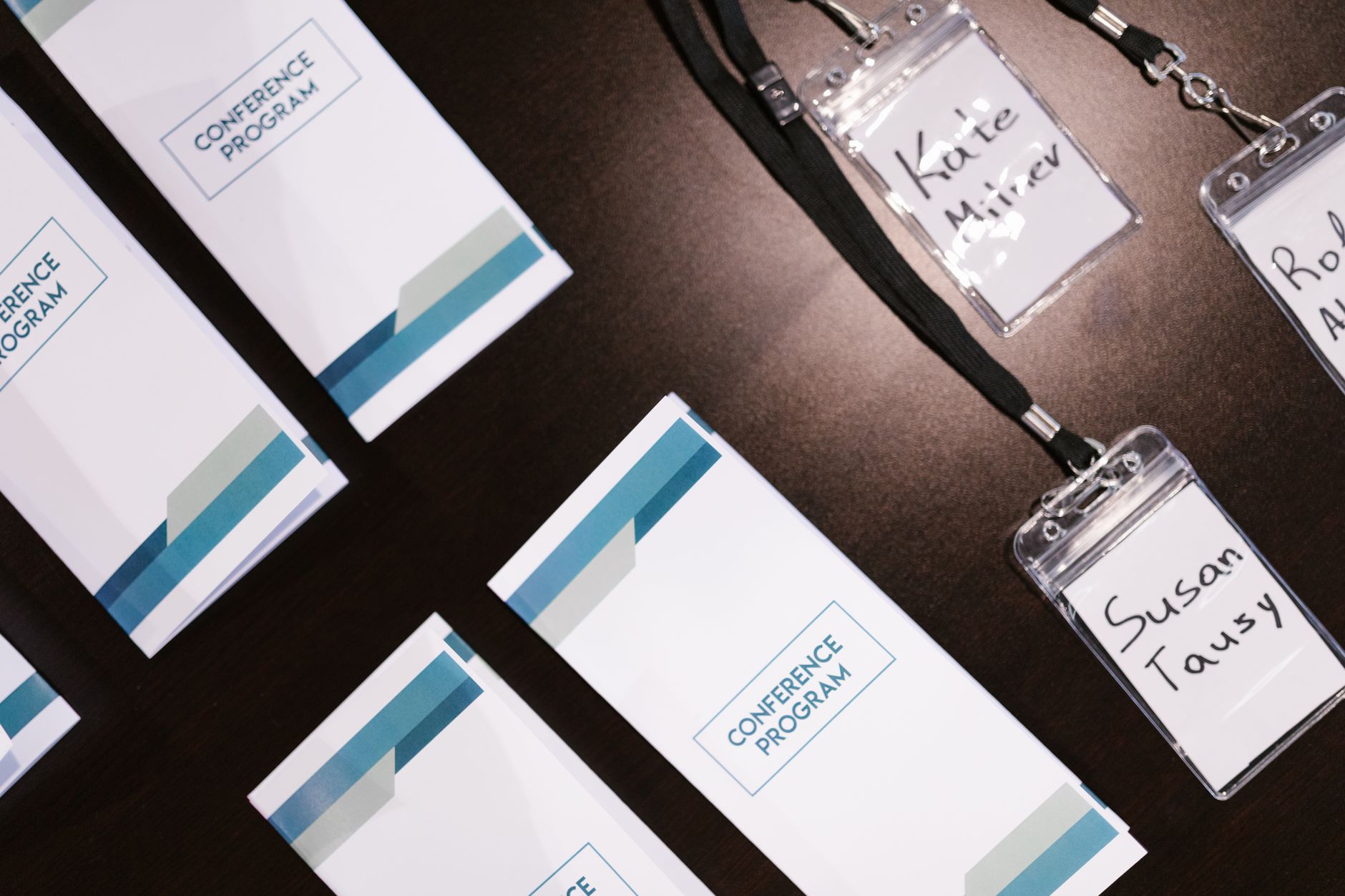
Seamless Check-In for Delhi Conferences
Planners in Delhi
Conference Check-In Operations in Delhi: The Complete Planner's Guide
Conference Check-In Operations are the first and most visible touchpoint at any corporate gathering in Delhi — from intimate boardroom summits in Aerocity to sprawling trade expos at Pragati Maidan. When your event registration management runs smoothly, delegates walk in with confidence and your brand image is elevated from the very first second. Poorly managed queues, missing name badges, or slow digital verification, however, can unsettle even the most meticulously planned agenda. Happiffie connects you with Delhi-based event planners who specialise in guest flow management, technology-driven delegate check-in processes, and on-ground coordination that scales from 50-person seminars to 5,000-delegate industry conventions.
Quick Answer
Conference Check-In Operations refer to the end-to-end process of verifying, registering, and onboarding attendees at a corporate event or conference. In Delhi, this typically includes pre-event digital registration, QR-code or RFID-based entry scanning, on-site badge printing and accreditation, and queue management. Efficient operations reduce wait times to under two minutes per delegate, prevent gate-crashing, and set a professional tone for the entire event.
What Do Conference Check-In Operations Actually Involve?
Conference Check-In Operations encompass every step from the moment a delegate arrives at the venue gate to the moment they collect their badge and enter the event floor. In Delhi's corporate circuit — covering hubs like Connaught Place, Cyber City Gurugram (on the Delhi NCR border), and Dwarka convention centres — this process is broken into three layers. The first is pre-event digital registration, where attendees submit details online and receive a unique QR code or registration ID. The second layer is on-site verification, which involves scanning codes, cross-referencing databases, and flagging VIP delegates for priority lanes. The third layer is attendee onboarding, which includes badge printing and accreditation, kit distribution, and directing delegates to the correct breakout sessions or halls. When all three layers are coordinated through a single platform or a trained planner team, the entire arrival window — typically the 45 minutes before an event begins — becomes a smooth, welcoming experience rather than a chaotic bottleneck. Planners on Happiffie map out each layer during pre-event walkthroughs and staff accordingly.
Why Delhi Conferences Need Specialised Check-In Planning
Delhi hosts hundreds of national and international conferences every year, ranging from government policy summits at India Habitat Centre to IT sector conclaves at hotels in Aerocity. The scale, diversity of attendees, and high VIP footfall make conference check-in operations in this city uniquely demanding. Traffic congestion on key arterial roads like Ring Road and NH-48 means delegates often arrive in uneven clusters rather than steadily, creating sudden surges at registration desks. A planner experienced in corporate event planning Delhi understands this pattern and pre-positions additional staff and equipment during peak arrival windows. Multilingual signage matters too: Delhi conferences routinely host delegates from across India and abroad, so check-in staff who can communicate in Hindi, English, and at least one regional language drastically reduce confusion. Additionally, security protocols at five-star Delhi venues such as those in Chanakyapuri or Nehru Place require that badge printing and accreditation workflows align with the venue's own access-control systems. Skipping this coordination is one of the most common — and costly — oversights event teams make.
How Much Does Professional Check-In Management Cost in Delhi?
Costs for conference check-in operations in Delhi vary by event size, technology stack, and duration. For a 100-200 delegate half-day seminar, a basic delegate check-in process with manual verification and pre-printed badges typically costs between INR 25,000 and INR 60,000, covering two to three trained staff and a registration software licence. A mid-scale conference of 500-1,000 delegates requiring QR scanning, on-demand badge printing and accreditation, and dedicated VIP lanes runs between INR 1.2 lakh and INR 3 lakh. For flagship conventions exceeding 2,000 delegates — common at venues like Bharat Mandapam or ITPO — full-suite attendee onboarding systems with RFID wristband entry, real-time analytics dashboards, and multiple staffed counters can cost INR 5 lakh to INR 12 lakh or more. These figures exclude venue rental and AV costs. RFID wristband entry adds roughly INR 80 to INR 200 per delegate for hardware. Investing in technology-driven check-in pays back quickly: faster throughput means sponsors and keynote speakers start on schedule, which directly protects your event's reputation.
Technology Options for Delegate Check-In in Delhi
Delhi's event technology ecosystem has matured rapidly. QR-code scanning remains the most affordable and widely used method for delegate check-in process management — delegates present a code from their phone or a printed confirmation, and a scanner clears them in under 10 seconds. The next tier is RFID wristband entry, popular at multi-day expos and awards nights where delegates need frictionless access to different zones without re-scanning. NFC-enabled smart badges are emerging at premium corporate events, allowing real-time session tracking and networking data collection. Facial recognition check-in is available from select technology vendors in Delhi and is especially suited to high-security government or defence conferences. For event registration management, cloud-based platforms that sync live delegate data across all check-in counters are now standard for events above 300 attendees — they eliminate the risk of the same delegate checking in twice and provide real-time attendance counts for organisers. Planners listed on Happiffie work with multiple technology vendors and can recommend the right stack based on your budget and venue infrastructure, particularly regarding Wi-Fi reliability, which is a known variable at older Delhi banquet halls.
What Are the Most Common Mistakes in Conference Check-In Operations?
The most damaging mistake in conference check-in operations is under-staffing the registration desk relative to the arrival surge window. Industry experience suggests one staffed counter per 75-100 expected delegates during the peak 20-minute arrival burst. A second critical error is failing to test the venue's Wi-Fi or network connectivity before deploying cloud-based event registration management software — many Delhi banquet properties have inconsistent upload speeds that can crash live check-in systems. Printing all badges identically without colour-coding by delegate tier (speaker, sponsor, delegate, media) slows down guest flow management considerably, as staff must read every badge to grant zone access. Neglecting a dedicated VIP or specially-abled lane is another oversight that causes friction and reflects poorly on the organiser. Finally, skipping a dry-run of the attendee onboarding system with actual staff the evening before the event leads to avoidable errors on the day. Happiffie planners conduct mandatory tech rehearsals and provide contingency kits — pre-printed badge backups, offline check-in lists — to ensure zero-downtime operations even if primary systems fail.
Conference Check-In Operations: Comparing Setup Options for Delhi Events
Expert Recommendation
Best for Intimate Boardroom Summits (under 100 delegates)
Best for Mid-Scale Corporate Conferences (200-500 delegates)
Best for Large Trade Expos and Conventions (1,000+ delegates)
Best for Budget-Conscious Organisers
Best for Multi-Day Industry Conferences
Best for High-Security Government or PSU Events
How to Choose the Right Option
✅ Pre-booking Checklist
- Confirm venue Wi-Fi bandwidth and number of available Ethernet ports at the registration foyer at least three weeks before the event
- Map delegate arrival time distribution using past RSVP data and factor in Delhi traffic patterns for your specific venue location
- Define badge tiers (delegate, speaker, sponsor, media, staff) and decide on colour-coding before badge artwork is finalised
- Procure offline backup — a downloaded delegate list on each check-in device — so operations continue if the cloud platform goes down
- Schedule a full dry-run of the attendee onboarding system with actual check-in staff the evening before the event
- Set up a dedicated walk-in counter separate from pre-registered lanes to prevent queue contamination
- Brief venue security on your badge printing and accreditation colour-coding system so zone access is enforced consistently
- Assign a roving floor manager whose sole responsibility is real-time guest flow management and queue redistribution
🎯 Selection Criteria
- Planner's direct experience with events of similar scale and delegate profile in Delhi NCR
- Technology compatibility with your existing registration platform or CRM
- Ability to provide on-site backup hardware and offline contingency plans
- Staff-to-delegate ratios offered and the planner's track record of on-time openings
- Transparent itemised pricing covering staffing, technology licensing, consumables, and travel
- Post-event data reporting capability — attendance analytics, session tracking, no-show rates
💰 Cost / Quality Factors
- Delegate count and expected walk-in percentage significantly influence counter and staff requirements
- Venue location in Delhi (Aerocity, Dwarka, Connaught Place) affects staff travel costs and arrival-surge timing
- Technology tier chosen — QR vs RFID vs facial recognition — is the single largest cost variable
- Event duration: multi-day conferences require more consumables, additional badge replacement stock, and higher staffing costs
- VIP and protocol requirements add dedicated lanes, personalised welcome kits, and senior staff, increasing overall budget
- Lead time available — last-minute bookings (under three weeks) may carry premium charges for rush hardware procurement
⚠️ Common Mistakes to Avoid
- Under-staffing the registration desk during the critical 20-minute peak arrival window, causing queues that delay session starts
- Relying solely on cloud-based event registration management without an offline backup list on each device
- Printing all badges identically without tier-based colour-coding, slowing zone access control throughout the event
- Skipping a venue walkthrough to assess Wi-Fi strength, power socket locations, and foyer space before finalising counter layout
- Ignoring walk-in delegate volumes — failing to allocate a separate counter routinely creates bottlenecks at Delhi corporate events
- Not briefing venue security on accreditation colour codes, resulting in delegates being stopped at internal zone entrances despite valid badges
People Also Ask
How early should conference check-in counters open before the event starts?
What is the difference between QR check-in and RFID wristband entry?
How many check-in staff do I need for a 1,000-delegate conference in Delhi?
Can conference check-in operations handle walk-in registrations on the day?
Is facial recognition check-in suitable for conferences in Delhi?
How does guest flow management differ from standard crowd control?
What data should conference check-in operations capture for post-event reporting?
How much notice do planners need to set up conference check-in operations in Delhi?
Related Experiences on Happiffie
Manage Every Guest, Effortlessly
Seamless Guest Check-In in Mumbai
Smart Guest Onboarding for Pune Events
Smart Badge & Form Printing for Jaipur Events
Plan Meaningful CSR Events in Kochi
Smart Guest Flow for Alappuzha Weddings
RFID Smart Entry for Pune Weddings
Expert Crowd Control for Mangalore Events
Frequently Asked Questions
What is the ideal check-in counter layout for a 500-delegate conference at a Delhi hotel?
How do planners handle conference check-in operations when the venue has poor Wi-Fi?
Can conference check-in operations integrate with event apps used by delegates?
What badge information is typically included for a Delhi corporate conference?
How are no-show delegates managed during conference check-in operations?
Is RFID wristband entry worth the cost for a single-day Delhi conference?
How do conference check-in operations accommodate differently-abled delegates at Delhi venues?
What reporting should I expect from conference check-in operations after the event?
Key Takeaways
- Conference Check-In Operations cover pre-event digital registration, on-site verification, badge printing and accreditation, and post-entry guest flow management — all three layers must be planned together.
- Delhi-specific challenges include uneven delegate arrival caused by traffic, multilingual attendee bases, and venue-specific security protocols that require advance coordination.
- Costs range from INR 25,000 for a basic 100-delegate seminar setup to INR 12 lakh-plus for a 2,000-delegate convention with full RFID and analytics.
- QR-code scanning is the optimal cost-performance choice for most Delhi corporate events between 100 and 800 delegates; RFID wristband entry is preferred for multi-day or multi-zone events.
- One staffed counter per 80-100 delegates during peak arrival, plus dedicated VIP and walk-in lanes, is the minimum recommended configuration for smooth delegate check-in process execution.
- An offline backup list on every check-in device is non-negotiable given Wi-Fi variability at many Delhi banquet and convention properties.
- A full dry-run with staff the evening before the event is the single most effective risk-reduction step a planner can take.
- Happiffie connects Delhi organisers with experienced conference planners who manage end-to-end conference check-in operations, from technology selection to on-day staffing.
Plan Flawless Conference Check-In Operations in Delhi
Connect with Happiffie's vetted Delhi event planners who specialise in delegate check-in, badge printing, attendee onboarding, and end-to-end guest flow management — from intimate boardroom summits to convention-scale gatherings.
Find Delhi Planners
Are you a Vendor? Grow Your Business with Happiffie!
- High intent verified leads
- Reverse auction opportunities
- AI business tools & insights
- Dedicated vendor dashboard
- Grow your business, your way
It's free & takes less than 2 minutes!