
Timeless Traditional Costumes in Delhi
Costume in Delhi
Classic Traditional Apparel for Delhi Weddings & Events
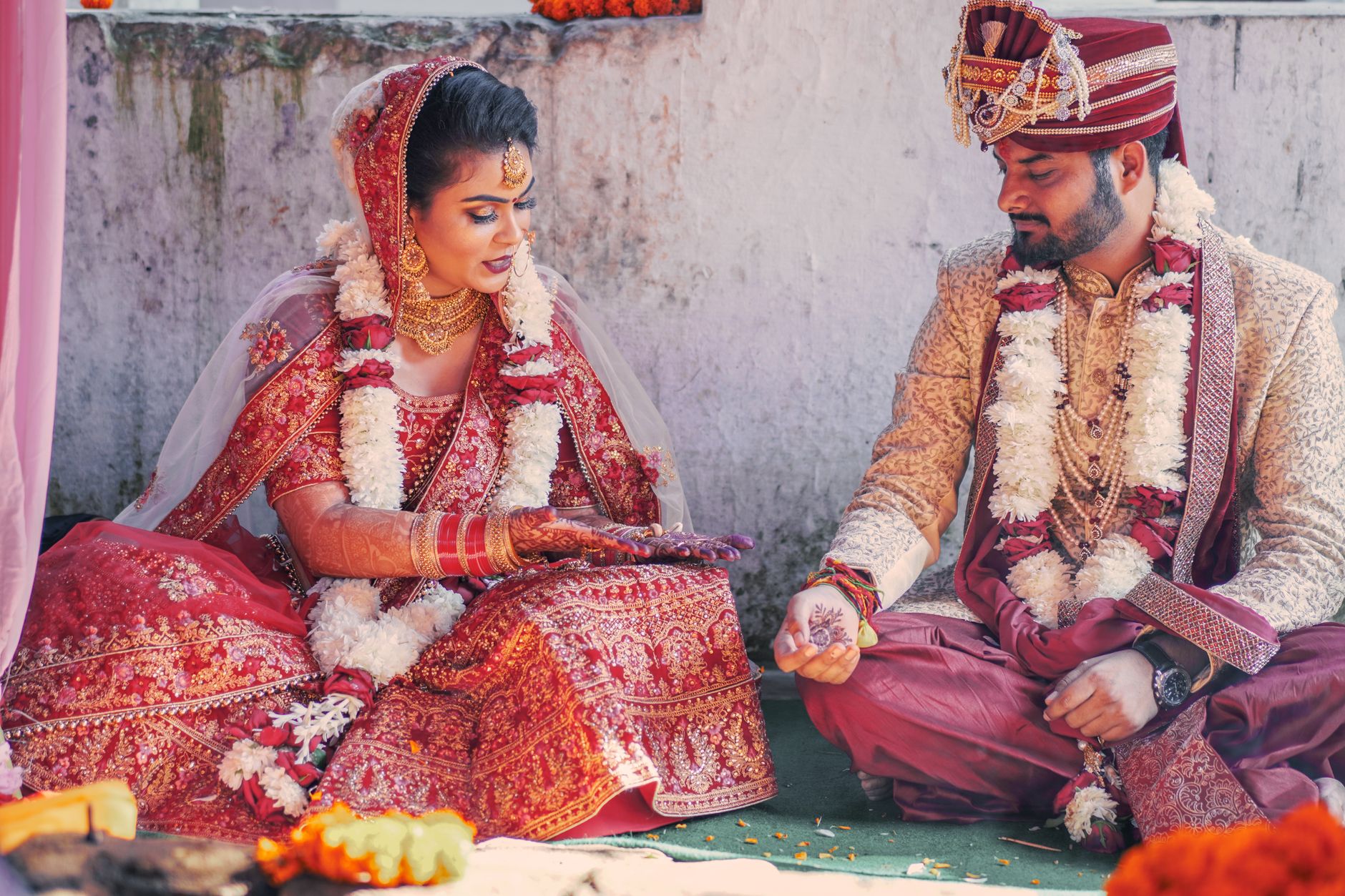
Delhi's wedding season demands nothing less than authentic elegance, and classic traditional apparel sits at the heart of every memorable celebration — from grand Punjabi shaadis in Dwarka to intimate Rajasthani-themed functions in Lajpat Nagar. Whether you are hunting for a heritage ethnic costume for a baraat procession or a carefully styled traditional wedding outfit for the main pheras, the capital's rich diversity of costume vendors offers extraordinary range. Matching your festive occasion dressing to the right regional aesthetic — Mughal-era anarkalis, Banarasi silk lehengas, or Rajputana sherwanis — transforms your event from beautiful to truly unforgettable.
Quick Answer
Classic traditional apparel refers to authentic, regionally rooted Indian garments — sherwanis, lehengas, anarkalis, dhotis, and sarees — worn at weddings, cultural ceremonies, and festive events. In Delhi, these costumes draw from Mughal, Rajputana, Bengali, and South Indian textile traditions. They are available for purchase or rental, with styling ranging from understated hand-woven weaves to heavily embroidered bridal ensembles, typically priced between INR 3,000 and INR 1,50,000 depending on fabric, craftsmanship, and occasion.
What Makes Classic Traditional Apparel the Right Choice for Delhi Weddings?
Delhi hosts weddings across a striking spectrum of communities — Punjabi, Sindhi, Marwari, Bengali, and South Indian families all celebrate within the same city, often within the same wedding season. Classic traditional apparel honours these roots by drawing on centuries of textile heritage: Banarasi brocades, Chanderi silks, Kanjeevaram weaves, and hand-embroidered Lucknowi chikankari. A traditional wedding outfit chosen with cultural accuracy signals respect for family lineage and elevates the visual storytelling of the entire event. For grooms, a well-fitted Rajputana sherwani or a Nehru-collared achkan communicates dignity without effort. For brides, an heirloom-quality lehenga or silk saree becomes the centrepiece of every photograph. Delhi's costume market — concentrated in Chandni Chowk, Karol Bagh, and Lajpat Nagar — gives couples access to both purchase and rental options, making authenticity achievable at almost every budget point. Festive occasion dressing rooted in tradition also tends to photograph far better under professional lighting than trend-driven contemporary styles, a practical advantage worth considering.
Regional Styles and Fabric Traditions to Know
India's regional diversity is fully mirrored in Delhi's costume landscape. For North Indian ceremonies, classic traditional apparel typically means Banarasi silk lehengas for brides, raw-silk or brocade sherwanis for grooms, and heavy dupatta work using real or faux zardozi. Marwari-themed weddings call for Rajasthani gota patti work on deep jewel tones — ruby, emerald, and indigo. Bengali weddings favour tant cotton or Dhakai Jamdani sarees in white-and-red combinations. South Indian families gravitate toward Kanjeevaram silk sarees with gold zari borders. A heritage ethnic costume that respects these distinctions will always feel more cohesive than a generic fusion ensemble. Period ethnic wear — think Mughal-inspired anarkalis with churidars for mehendi functions or Paithani sarees for a Maharashtrian ceremony — adds a theatrical depth that guests remember long after the event. Understanding the specific community context before selecting fabric and silhouette is the most important decision a couple or event stylist makes early in the planning process. Regional wedding fashion expertise, which many Delhi ateliers offer, is invaluable at this stage.
How Much Does Classic Traditional Apparel Cost in Delhi?
Pricing for classic traditional apparel in Delhi varies significantly by fabric quality, embroidery density, and whether you are buying outright or renting. Entry-level heritage ethnic costumes — machine-embroidered lehengas or readymade sherwanis in polyester silk — begin around INR 3,000 to INR 8,000. Mid-range ensembles in pure silk with hand-embroidery typically fall between INR 15,000 and INR 60,000. Premium bridal trousseau styling featuring real zardozi, real kundan, or Banarasi handloom can exceed INR 1,00,000 to INR 1,50,000 per outfit. Wedding costume rental delhi options, widely available in Karol Bagh and Chandni Chowk, let families access high-quality Indian cultural dress for INR 2,500 to INR 20,000 per outfit for a one-to-three-day period — an excellent value for guests, groomsmen, or children's outfits. Budget allocation should also account for blouse stitching, petticoat matching, and dry-cleaning deposits for rentals. Factor in at least INR 1,500 to INR 5,000 for these peripheral costs per outfit.
Choosing Between Rental and Purchase: A Practical Guide
The rental-versus-purchase decision for classic traditional apparel hinges on frequency of use, emotional attachment, and budget. If the garment is for the bride or groom's primary ceremony, purchase almost always makes more sense — the outfit carries memory value, and a quality Indian cultural dress can be preserved and passed to the next generation. However, for guests, mehendi attendees, or themed pre-wedding functions, wedding costume rental delhi is highly practical, reducing per-head cost and wardrobe clutter. Period ethnic wear for theatrical themed events — a Mughal night or Rajputana gala — is ideally rented, as these are single-use scenarios. Rental vendors in Delhi typically require a security deposit equal to 50-80% of the garment's retail value, refundable after return inspection. Always insist on a signed condition report before taking delivery. For destination weddings at venues in Aerocity or Rishikesh, carrying purchased outfits is simpler logistically than coordinating rental returns from a remote location. Bridal trousseau styling services in Delhi can help map which outfits to own and which to rent across a multi-function wedding.
What Are Common Mistakes to Avoid When Selecting Traditional Costumes?
The most frequent error couples make when sourcing classic traditional apparel is prioritising visual trend over fabric comfort, particularly for summer weddings. A heavily embroidered velvet lehenga at a May wedding in Delhi — where temperatures can reach 42°C — causes real physical discomfort during hours-long ceremonies. Choose breathable fabrics like chanderi, georgette, or cotton silk for warm-weather functions. A second common mistake is ignoring colour coordination across the bridal party; a heritage ethnic costume that clashes with the mandap draping or the groom's outfit disrupts the visual harmony photographers depend on. Skipping a proper fitting trial at least two weeks before the event is another costly error — hand-embroidered garments require alteration time that machine-stitched pieces do not. Finally, overlooking the cultural accuracy of a traditional wedding outfit — for instance, wearing a heavily Rajasthani-style lehenga at a traditional Tamil Brahmin ceremony — can feel incongruous to guests and family elders. Regional wedding fashion research before finalising any costume is never wasted effort.
Classic Traditional Apparel Options in Delhi: A Side-by-Side Comparison
Expert Recommendation
Best for Intimate Family Ceremonies
Best for Grand Ballroom Weddings
Best for Themed Pre-Wedding Events
Best for Budget-Conscious Families
Best for Destination Weddings from Delhi
Best for Large Guest-Count Coordination
How to Choose the Right Option
✅ Pre-booking Checklist
- Confirm the cultural and regional tradition the outfit must represent before shortlisting styles
- Book primary ceremony outfits at least 8–12 weeks in advance; custom work requires 12–16 weeks
- Schedule a physical fitting trial at least two weeks before the event date
- Inspect rental garments in person and obtain a signed condition report before taking delivery
- Verify fabric breathability against the season and venue type (outdoor vs air-conditioned)
- Coordinate colour palette with mandap décor, floral arrangements, and groom's outfit
- Confirm alteration timelines and whether the vendor handles alterations in-house
- Check for emergency replacement policy if a rented garment is damaged before the event
🎯 Selection Criteria
- Cultural accuracy: does the garment match the community's regional wedding fashion norms?
- Fabric quality: is the weave, thread count, and base material appropriate for the function?
- Embroidery technique: hand versus machine embroidery significantly affects visual richness and durability
- Fit and silhouette: does the vendor offer in-house alterations and fitting consultations?
- Vendor reliability: does the costume provider have verifiable delivery and condition track record?
💰 Cost / Quality Factors
- Handwork density: real zardozi or gota patti commands premium pricing and longer production time
- Fabric origin: Banarasi, Kanjeevaram, or Paithani weaves carry authentic provenance value
- Seasonal relevance: velvet and brocade are winter fabrics; chanderi and georgette suit summer
- Guest count: dressing a party of 20+ shifts cost-efficiency decisively toward rental or bulk purchase
- Event frequency: one-time functions justify rental; repeat-use occasions warrant purchase investment
- Logistical context: destination weddings require purchase over rental to avoid return complications
⚠️ Common Mistakes to Avoid
- Choosing heavy velvet or brocade for outdoor summer ceremonies without considering wearer comfort
- Skipping a physical fitting and relying solely on standard size charts for embroidered garments
- Ignoring cultural context — wearing a mismatched regional style that feels incongruous to family elders
- Booking premium rental costumes less than four weeks before a peak-season wedding date
- Overlooking peripheral costs — blouse stitching, petticoat matching, and cleaning deposits add up
- Selecting trending styles over timeless silhouettes that will look dated in wedding photographs within five years
People Also Ask
Where can I find classic traditional apparel for rent in Delhi?
What is the difference between a heritage ethnic costume and a modern fusion outfit?
How early should I book classic traditional apparel in Delhi for a wedding?
What fabrics are best for classic traditional apparel in Delhi's climate?
Can classic traditional apparel be customised for a themed wedding?
Is a traditional wedding outfit from Delhi suitable for destination weddings abroad?
What should I check before finalising a costume rental in Delhi?
How does regional wedding fashion influence costume selection in Delhi?
Related Experiences on Happiffie
Royal Baraat Journeys Across Delhi
Step Into Royal Jaipur Style
Wedding Costume Rentals Hyderabad
Jaipur's Finest Trousseau Packing
Plan Your Perfect Couple Look
All Wedding & Event Services
Frequently Asked Questions
What types of classic traditional apparel are most popular for Delhi weddings?
Can I find plus-size or non-standard sizing for classic traditional apparel in Delhi?
Is wedding costume rental in Delhi reliable for high-value bridal outfits?
How do I coordinate classic traditional apparel for a multi-function wedding in Delhi?
What is the best neighbourhood in Delhi to shop for heritage ethnic costumes?
Does Happiffie offer classic traditional apparel vendors across all Delhi neighbourhoods?
What deposit should I expect when renting a traditional wedding outfit in Delhi?
Can I get classic traditional apparel stitched to a specific regional style in Delhi?
Key Takeaways
- Classic traditional apparel in Delhi spans Banarasi silk, Rajputana embroidery, Kanjeevaram weaves, and Lucknowi chikankari — matching regional tradition is the first selection step.
- Purchase is recommended for the bride and groom's main ceremony; wedding costume rental delhi is ideal for guests, themed functions, and pre-wedding events.
- Pricing ranges from INR 3,000 for machine-embroidered pieces to INR 1,50,000+ for handloom bridal ensembles — fabric and handwork density drive cost more than brand.
- Book custom or premium heritage ethnic costumes 8–16 weeks ahead; rental bookings need 4–6 weeks minimum during peak October–February season.
- Fabric breathability matters as much as aesthetics — lightweight chanderi and georgette maintain a traditional look while keeping wearers comfortable in Delhi's warm seasons.
- A signed condition report before accepting any rental garment protects against unfair deposit deductions.
- Coordinating classic traditional apparel with mandap décor, floral colours, and bridal party palettes creates the visual coherence that professional photography depends on.
- Happiffie's Delhi costume marketplace lets you compare vendors, check availability, and secure bookings for heritage ethnic costumes and traditional wedding outfits in one place.
Discover Delhi's Finest Classic Traditional Apparel on Happiffie
Compare heritage ethnic costumes, rental options, and bridal styling services — all in one place. Find your perfect traditional wedding outfit today.
Explore Costumes Now
Are you a Vendor? Grow Your Business with Happiffie!
- High intent verified leads
- Reverse auction opportunities
- AI business tools & insights
- Dedicated vendor dashboard
- Grow your business, your way
It's free & takes less than 2 minutes!