

Corporate Event Timeline Planning Your Complete Guide
Master the art of corporate event timeline planning with expert strategies, templates, and tools for seamless execution in India's business landscape
Planning a successful corporate event requires meticulous timeline planning and strategic coordination. Whether you're organizing a product launch in Mumbai, annual conference in Delhi, or team building retreat in Bangalore, having a well-structured timeline ensures every aspect of your event runs smoothly. Corporate event timeline planning is the backbone of successful business gatherings, helping you avoid last-minute chaos and deliver memorable experiences for your attendees.
At Happiffie, we understand the unique challenges of corporate event planning across India's diverse business landscape. From securing the perfect corporate venues in major cities like Pune, Hyderabad, and Chennai to coordinating with multiple vendors, our platform streamlines the entire process. This comprehensive guide will walk you through creating foolproof timelines that ensure your corporate events are executed flawlessly, on time, and within budget.
Get Best Quotes from Vendors
Use Happiffie's Reverse Auction feature to get competitive quotes.
1. Corporate Event Timeline Planning Fundamentals
The foundation of successful corporate event timeline planning lies in understanding the scope and complexity of your event. A well-structured timeline serves as your roadmap, guiding every decision from initial concept to post-event follow-up. Start by identifying your event's core objectives, target audience, and key deliverables to create a realistic timeline that accommodates all necessary planning phases.
Effective corporate event timeline planning typically spans 3-6 months for major events, with smaller gatherings requiring 4-8 weeks of preparation. Break down your timeline into distinct phases: pre-planning (concept development and budgeting), planning (venue booking and vendor coordination), execution (day-of logistics), and post-event activities (feedback collection and analysis). Each phase should have specific milestones and deadlines to ensure smooth progression.
Consider the unique aspects of corporate events in India, such as seasonal variations, regional preferences, and business customs. Factor in potential delays for approvals, vendor confirmations, and logistics coordination. A buffer time of 10-15% should be built into each major milestone to accommodate unforeseen circumstances while maintaining your overall timeline integrity.
Pro Tips:
- •Start Early: Begin planning 3-6 months ahead for major corporate events to secure best venues and vendors
- •Create Buffers: Add 10-15% buffer time to each milestone to account for delays and last-minute changes
- •Document Everything: Maintain detailed records of all communications, decisions, and changes throughout the planning process
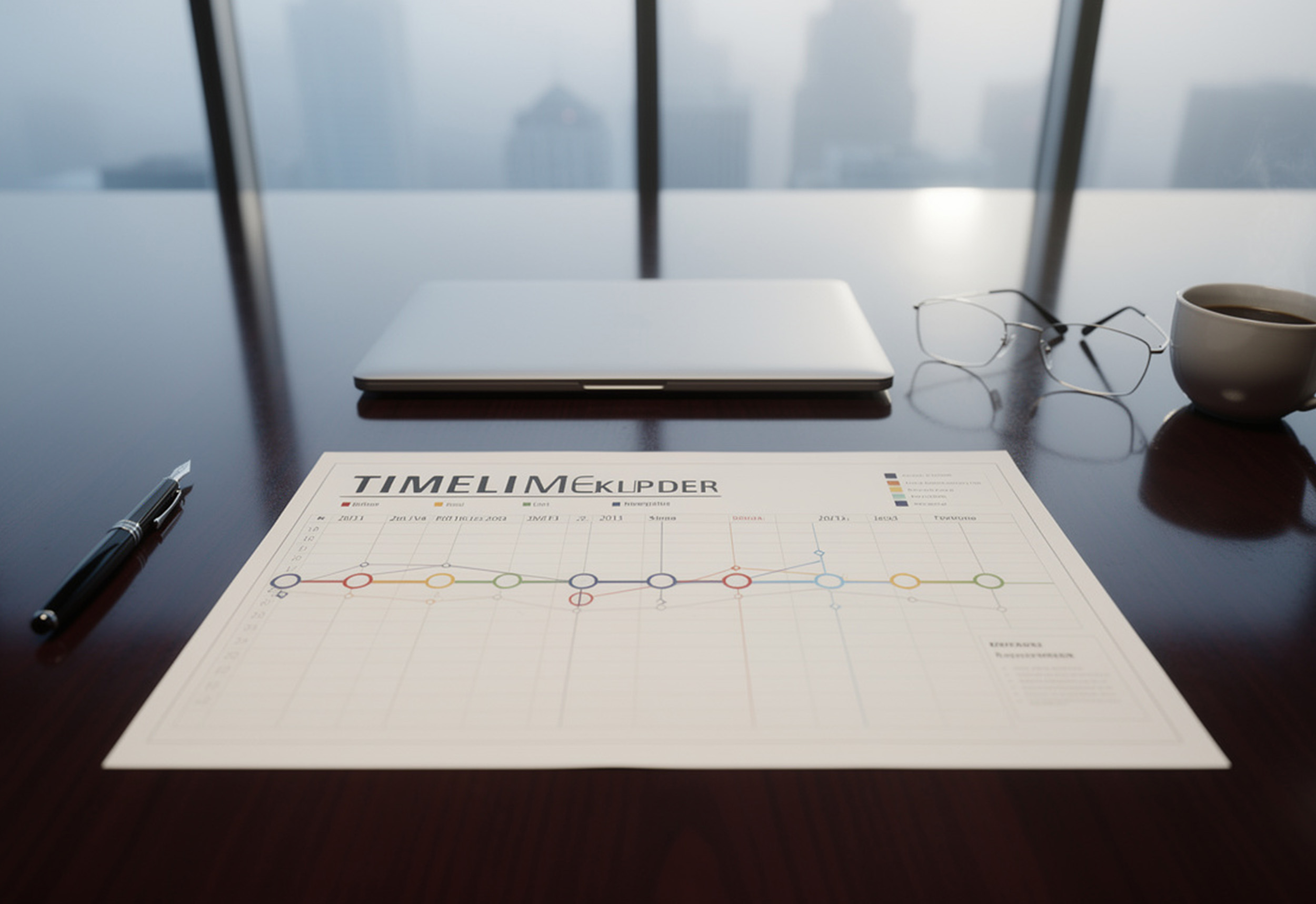

2. Strategic Milestone Mapping for Corporate Events
Strategic milestone mapping transforms your corporate event timeline planning from overwhelming to manageable. Identify critical checkpoints that mark significant progress in your planning journey, such as venue confirmation, speaker agreements, catering finalization, and technology setup completion. These milestones serve as accountability markers and help maintain momentum throughout the planning process.
Create a reverse timeline starting from your event date and working backward to establish realistic deadlines for each milestone. For instance, venue booking should be completed 8-12 weeks before the event, while final headcount confirmation typically occurs 1-2 weeks prior. This backward planning approach ensures you allocate sufficient time for each critical task while maintaining flexibility for adjustments.

Venue Confirmation
Secure your corporate venue 8-12 weeks in advance, considering location accessibility and capacity requirements
Speaker & Entertainment
Book keynote speakers and entertainment 6-10 weeks before to ensure availability and proper preparation time
Catering & Menu
Finalize catering arrangements 4-6 weeks prior, accounting for dietary restrictions and cultural preferences
3. Vendor Coordination and Timeline Integration
Seamless vendor coordination is crucial for effective corporate event timeline planning. Each vendor - from caterers and decorators to AV technicians and security personnel - operates on their own schedule and requirements. Integrate these various vendor timelines into your master plan to avoid conflicts and ensure smooth collaboration throughout the planning process.
Establish clear communication protocols with all vendors, including regular check-in meetings and progress updates. Create a shared timeline document that outlines when each vendor needs to begin their work, required access times, and critical dependencies. This transparency helps prevent scheduling conflicts and ensures all parties understand their role in the larger event execution plan.

Key Vendor Coordination Points:
AV Technicians
Schedule sound checks and equipment testing sessions
Transportation
Coordinate guest pickup times and parking arrangements
4. Day-of-Event Execution Timeline
The day-of-event timeline is where your months of corporate event timeline planning come to fruition. Create an hour-by-hour schedule that covers setup, registration, program flow, and breakdown activities. This detailed timeline should be shared with all team members and vendors at least one week before the event, allowing everyone to prepare for their specific roles and responsibilities.
Assign specific team members to oversee different aspects of the timeline, such as registration management, speaker coordination, and vendor supervision. Build in contingency time between major program segments to accommodate natural delays and ensure smooth transitions. Consider the guest experience at every step, from arrival to departure, ensuring your timeline supports a seamless and engaging event flow.
Setup Phase
Begin venue setup 4-6 hours before guest arrival, coordinating all vendors efficiently
Setup GuideRegistration
Open registration 30-45 minutes before program start with clear signage and staffing
Program Flow
Maintain 10-minute buffers between sessions for smooth transitions and networking
5. Timeline Templates by Corporate Event Types
Different corporate events require unique approaches to timeline planning. Product launches demand extensive rehearsal time and media coordination, while annual conferences focus on speaker management and attendee engagement. Understanding these variations helps you create more effective timelines tailored to your specific event type and objectives.
Team building events prioritize activity coordination and group dynamics, requiring flexible timelines that can accommodate varying participation levels. Board meetings and shareholder gatherings need precise timing and formal protocols, while networking events benefit from organic flow and interactive elements. Adapt your corporate event timeline planning approach based on your event's primary purpose and expected outcomes.

🚀 Product Launches
Focus on media coordination, demo preparation, and post-event follow-up strategies
📊 Business Conferences
Emphasize speaker management, session transitions, and networking opportunities
🤝 Team Building Events
Prioritize activity coordination, group dynamics, and flexible scheduling
🎯 Awards Ceremonies
Plan for rehearsals, presentation logistics, and celebration elements
🌐 Networking Events
Design for organic interaction, refreshment service, and contact exchange
6. Budget Integration with Timeline Planning
Effective corporate event timeline planning must align with budget constraints and financial milestones. Different phases of your timeline will have varying budget requirements, from initial deposits and advance payments to day-of expenses and post-event costs. Create a financial timeline that parallels your event planning schedule, ensuring adequate cash flow for each phase of execution.
Early booking often provides cost advantages, making your initial timeline investments crucial for overall budget optimization. Factor in payment schedules for various vendors, understanding that some require full payment upfront while others work on milestone-based payments. Use budget tracking tools and regular financial reviews to ensure your timeline planning stays within approved spending limits while maximizing value delivery.
✨ Smart Budget Allocation Guide
💰 Cost-Saving Strategies:
- ✓Use Happiffie's Reverse Auction to get competitive quotes from multiple vendors
- ✓Book venues and vendors early to secure better rates and availability
- ✓
Negotiate package deals that include multiple services for better value
- ✓
Consider off-peak dates and times for significant cost savings
Conclusion
Mastering corporate event timeline planning is essential for delivering successful business gatherings that achieve your objectives while staying within budget. By following the strategic approaches outlined in this guide - from fundamental planning principles to day-of execution - you'll create memorable corporate events that reflect your organization's professionalism and attention to detail. Remember that flexibility and contingency planning are just as important as detailed scheduling.
Ready to put these corporate event timeline planning strategies into action? Let Happiffie support your planning journey with our comprehensive platform of verified vendors, competitive pricing tools, and expert guidance. Whether you need stunning corporate venues or reliable service providers, our platform makes timeline planning smoother and more efficient, helping you focus on what matters most - creating exceptional experiences for your attendees.
Ready to Get Started?
Let Happiffie help you plan your perfect corporate event.

Are you a Vendor? Grow Your Business with Happiffie!
- High intent verified leads
- Reverse auction opportunities
- AI business tools & insights
- Dedicated vendor dashboard
- Grow your business, your way
It's free & takes less than 2 minutes!