

Explore All Religious Ceremonies
Discover traditional rituals, wedding ceremonies, spiritual occasions and meaningful cultural celebrations in Chennai, with trusted services to honour every tradition.
Give Thoughtfully,
Celebrate with Happiffie
From personalised gifts and curated collections to thoughtful presents for every occasion, Happiffie helps you discover gifting options that make celebrations more meaningful and memorable.
- Thoughtful Gift DiscoveryFind gifting options suited to every celebration and occasion
- Personalised GiftingDiscover customised gifts made to create meaningful moments
- Trusted Gift ProvidersConnect with reliable gifting professionals and service providers
Popular Religious Ceremonies
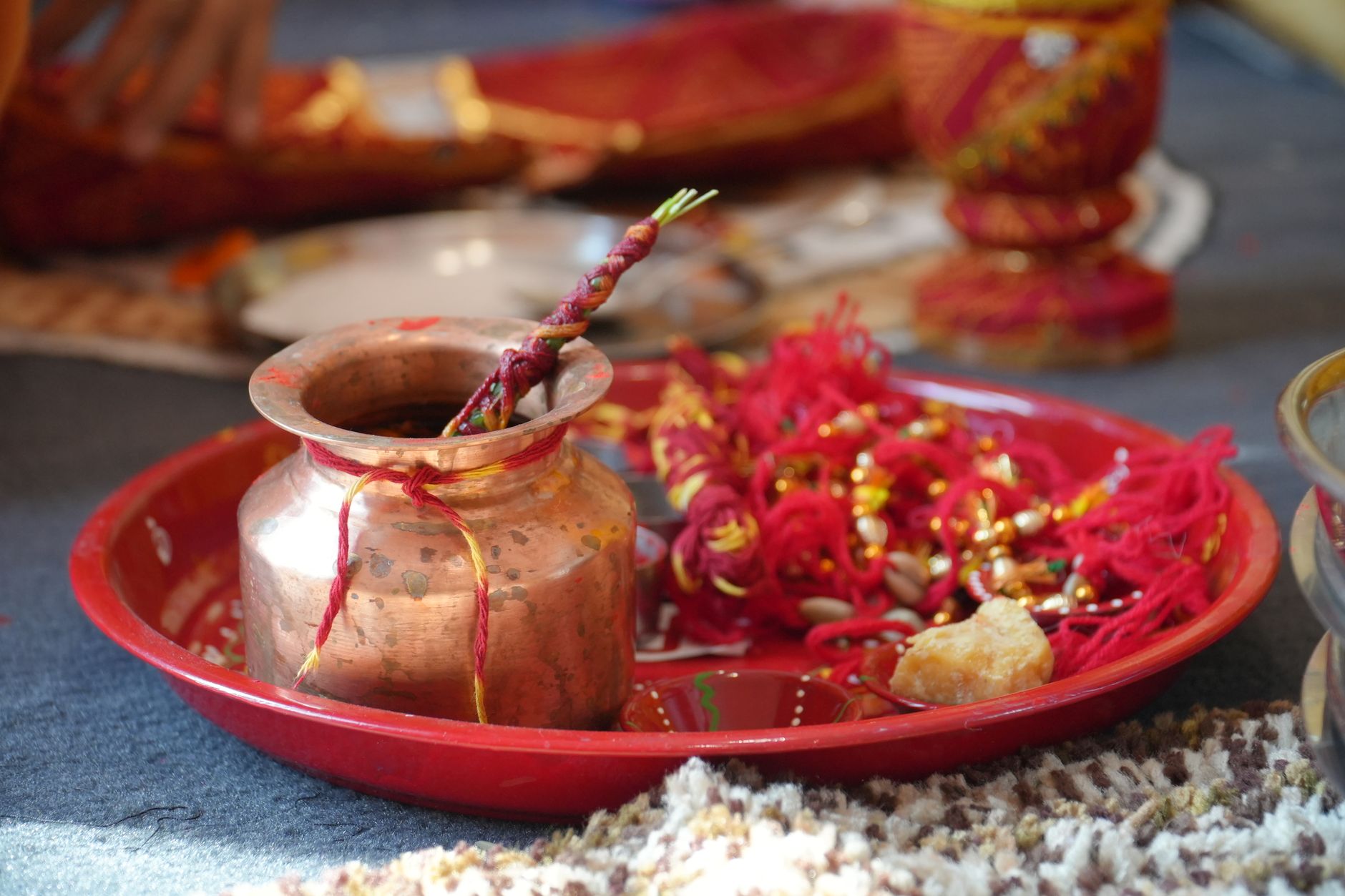 Brahmin Muhurtham Pooja Items
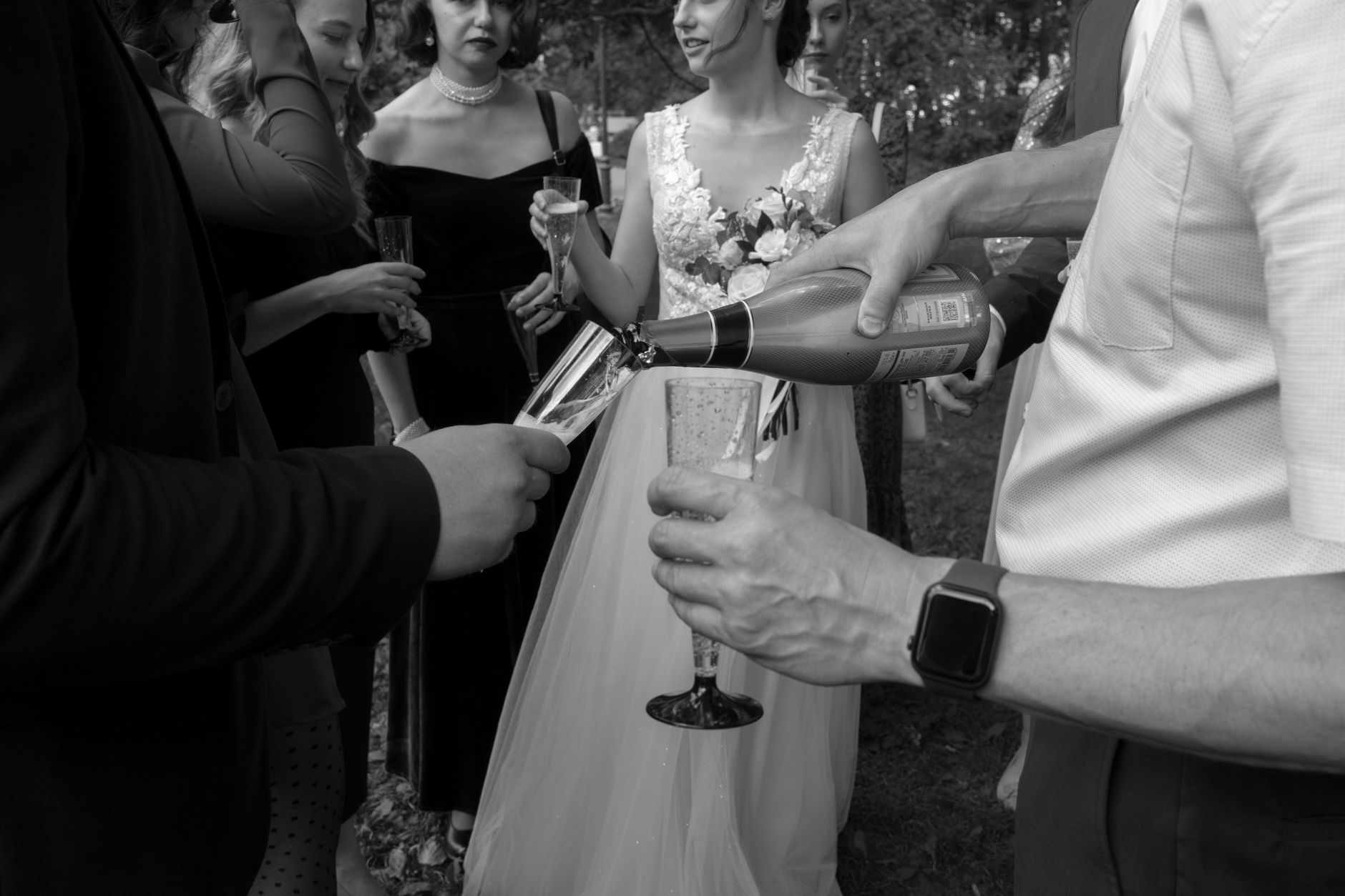 Brut Champagne
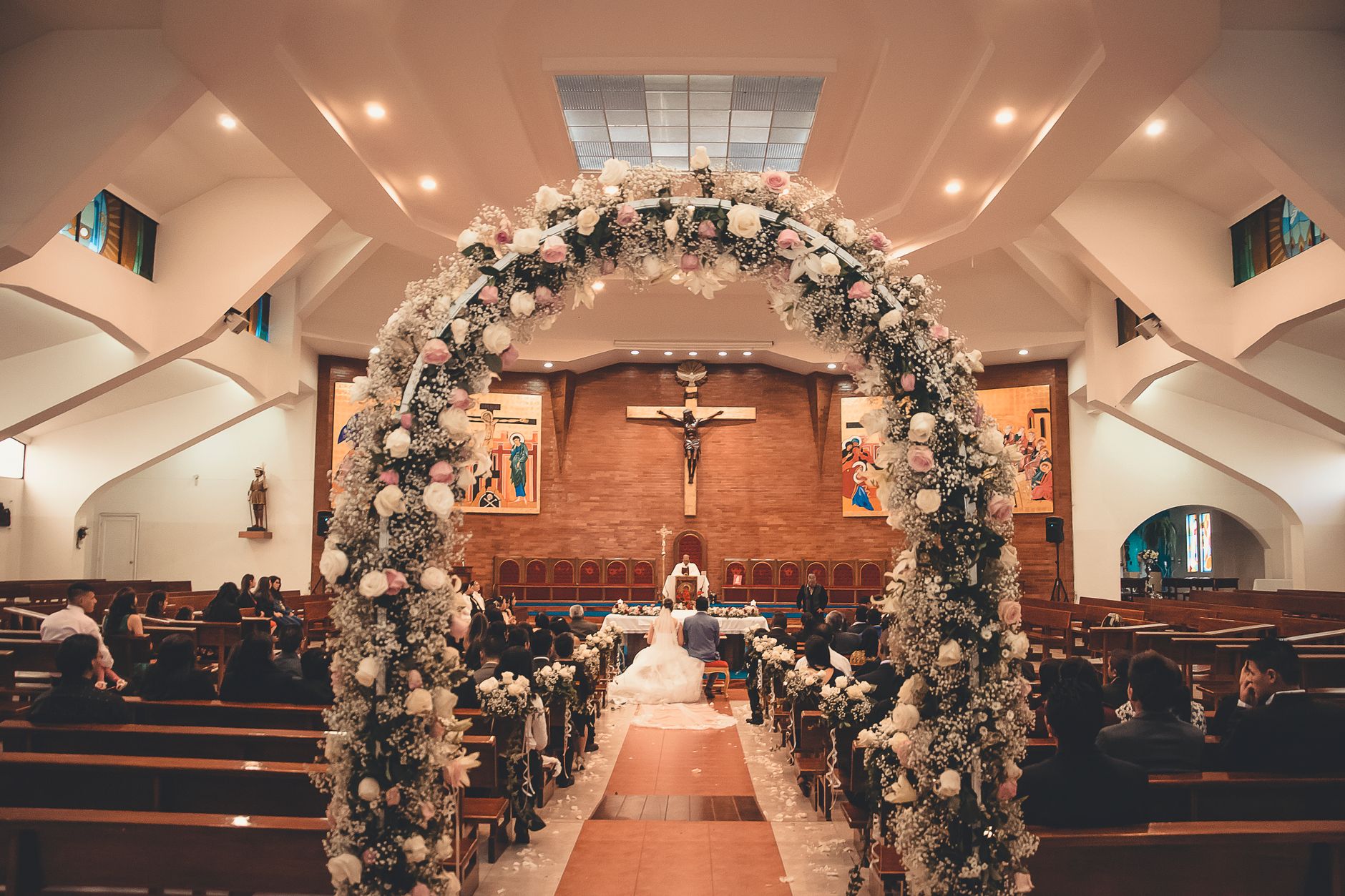 Christian Marriage Officiant
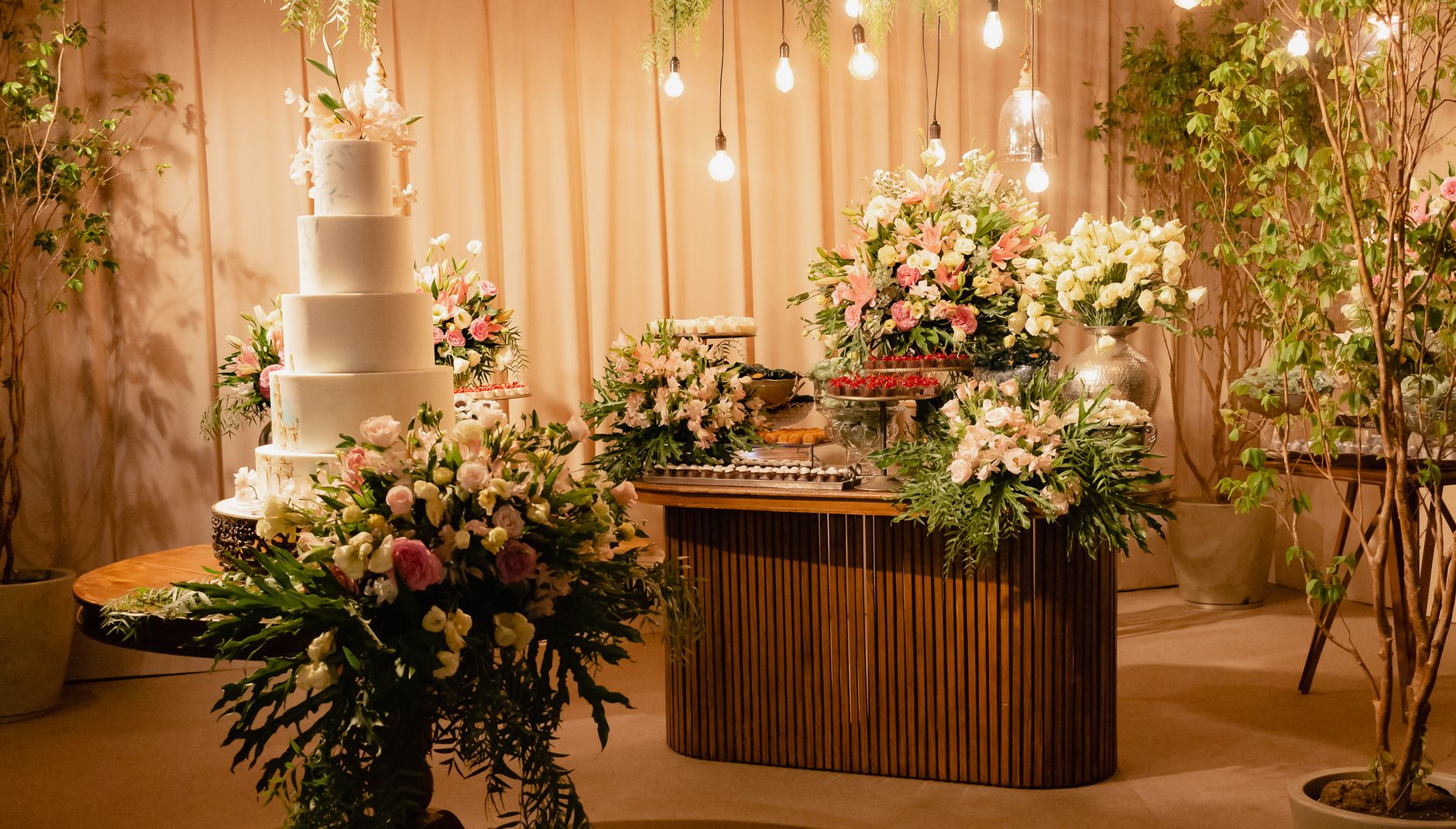 Cross Theme Cakes
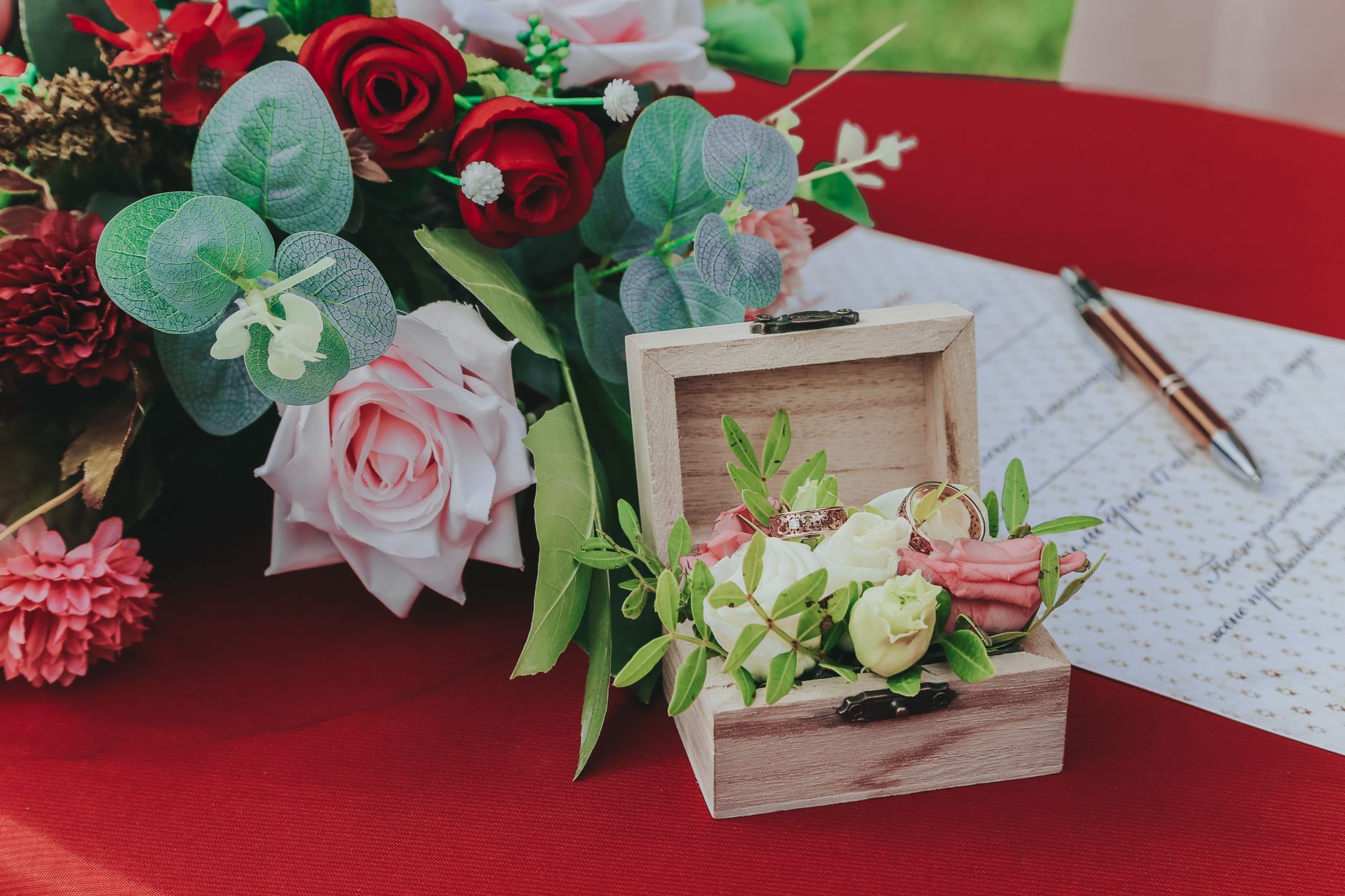 Floral Ring Platters
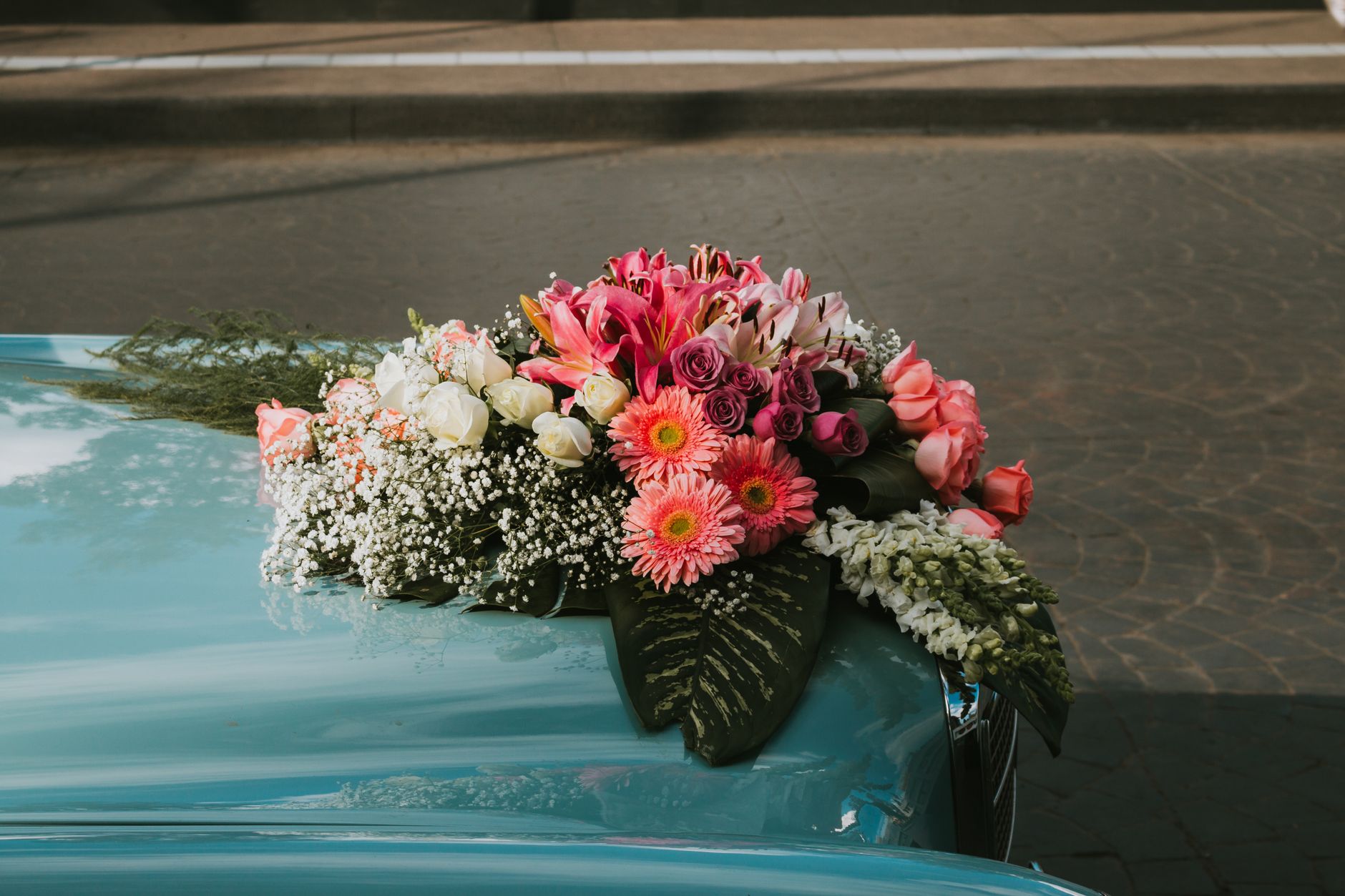 Fresh Flower Car Decor
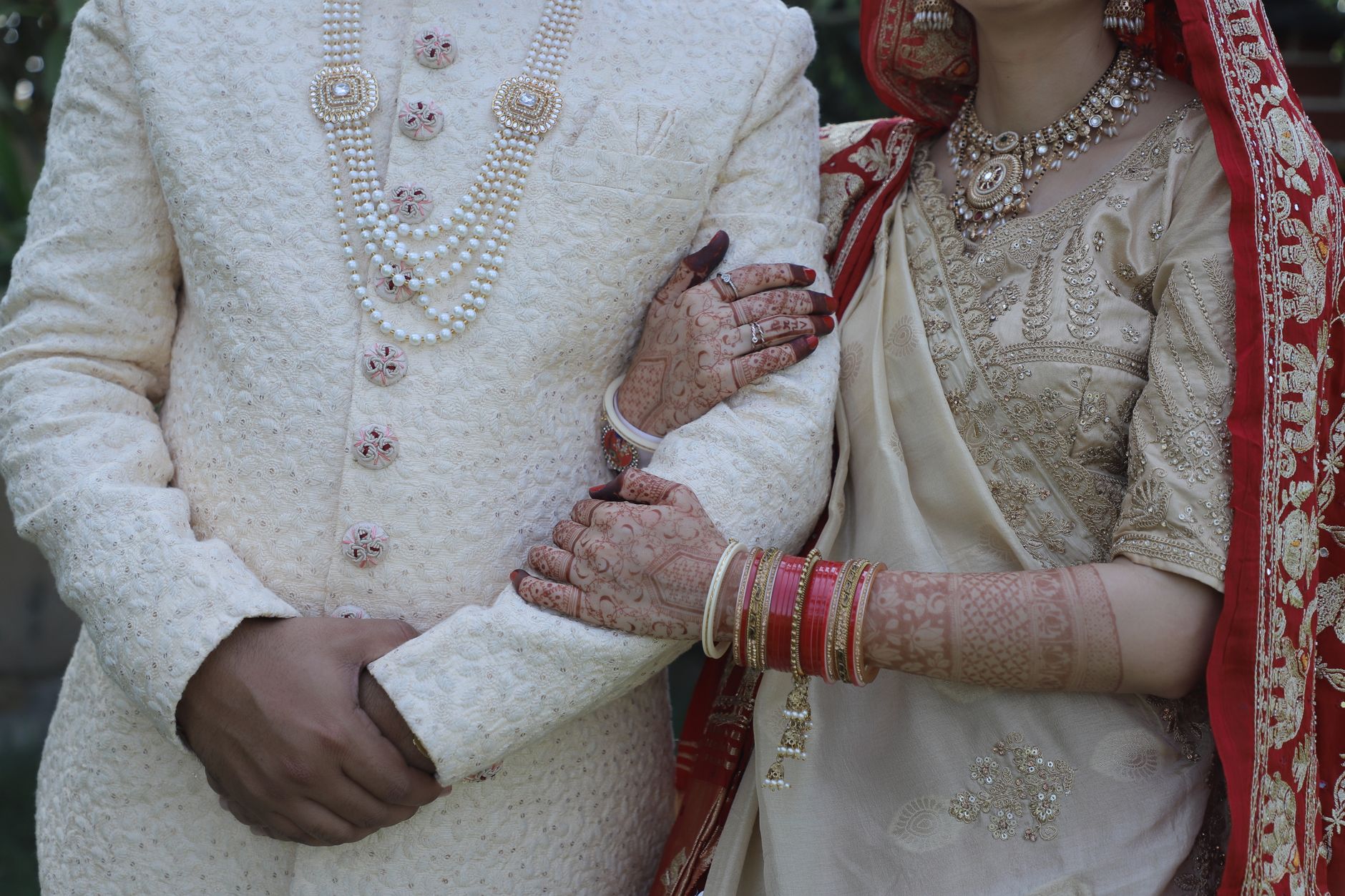 Fresh Flower Varmala
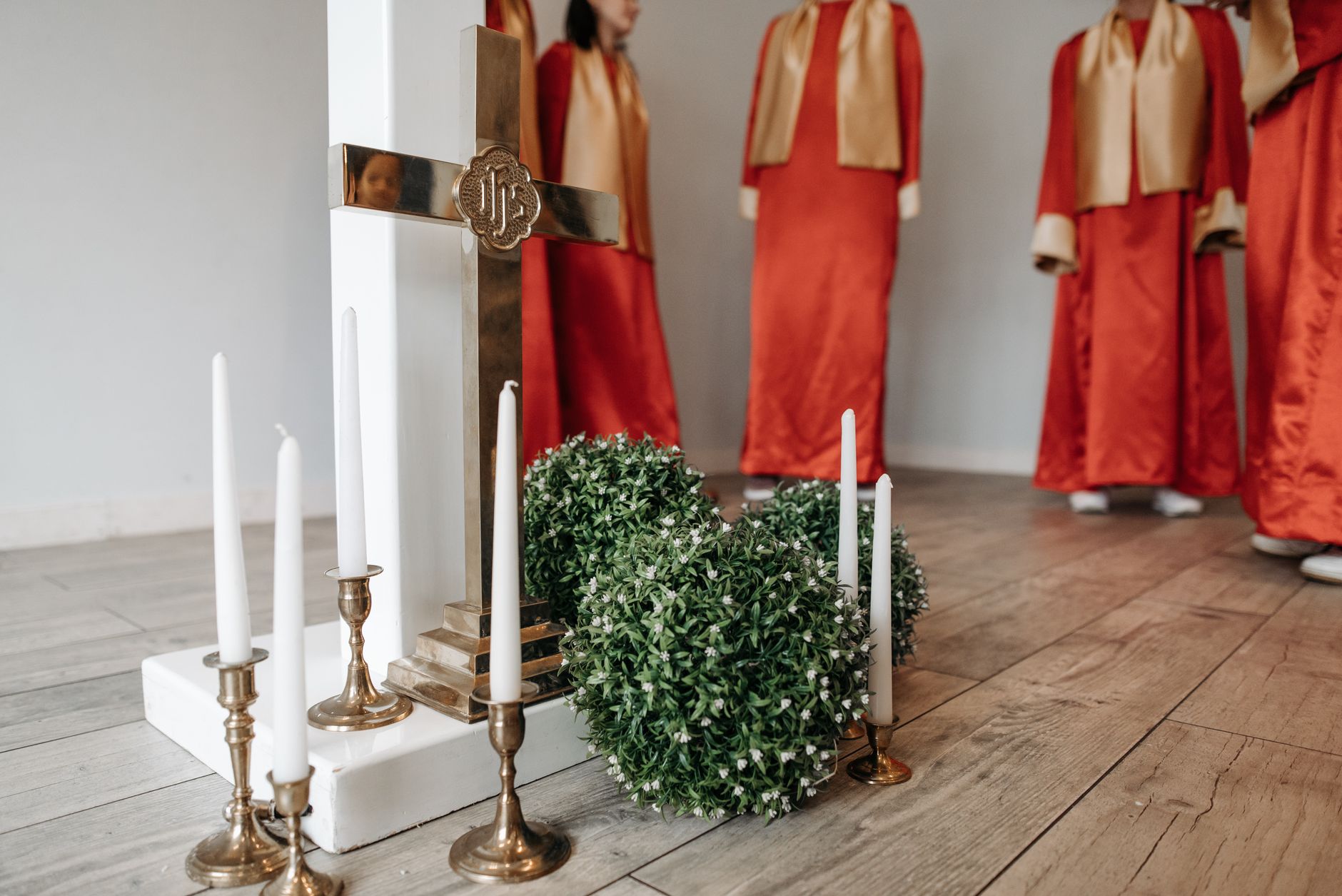 Gospel Choir Service
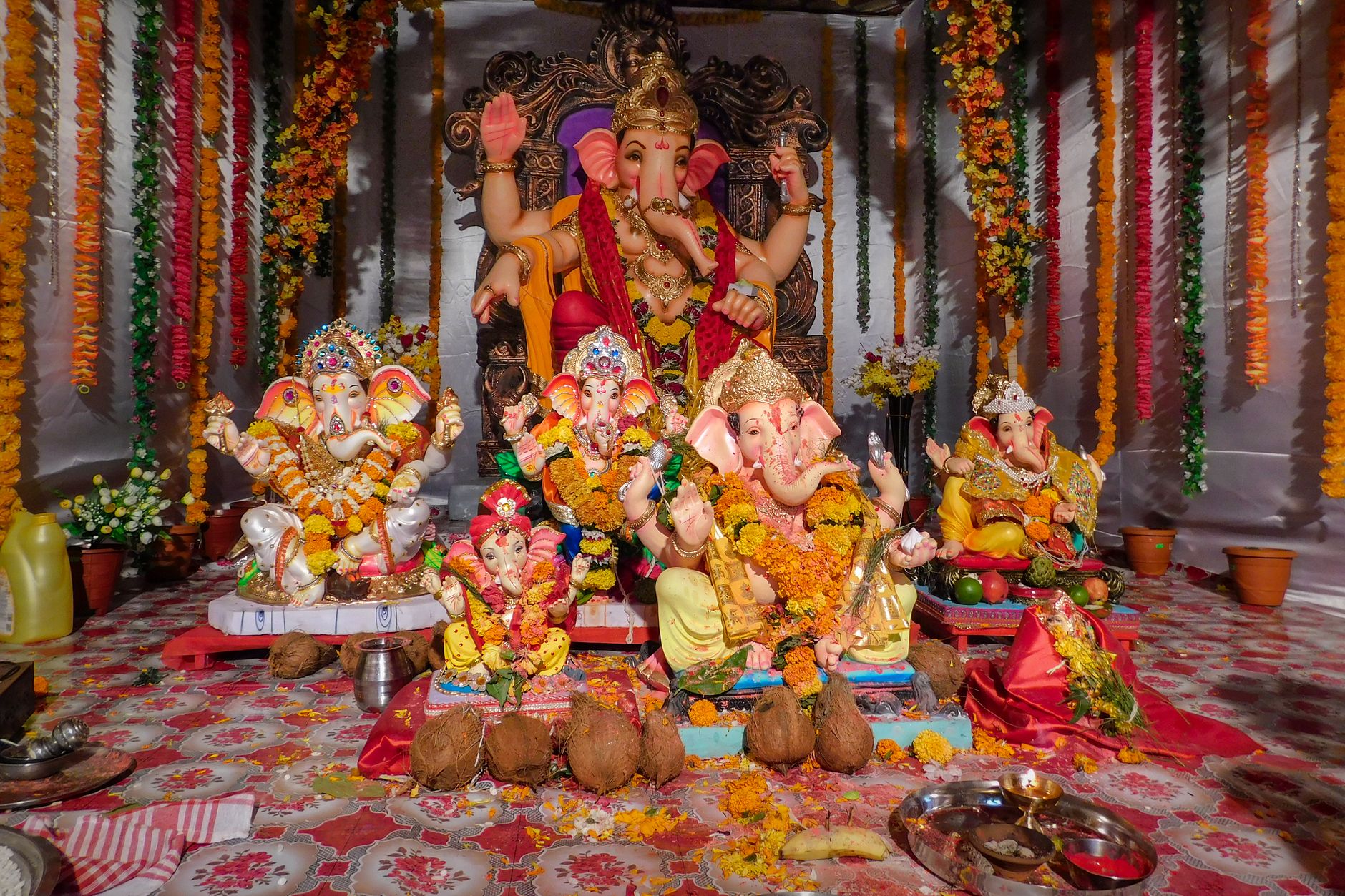 Gujarati Ganesh Pooja Supplies
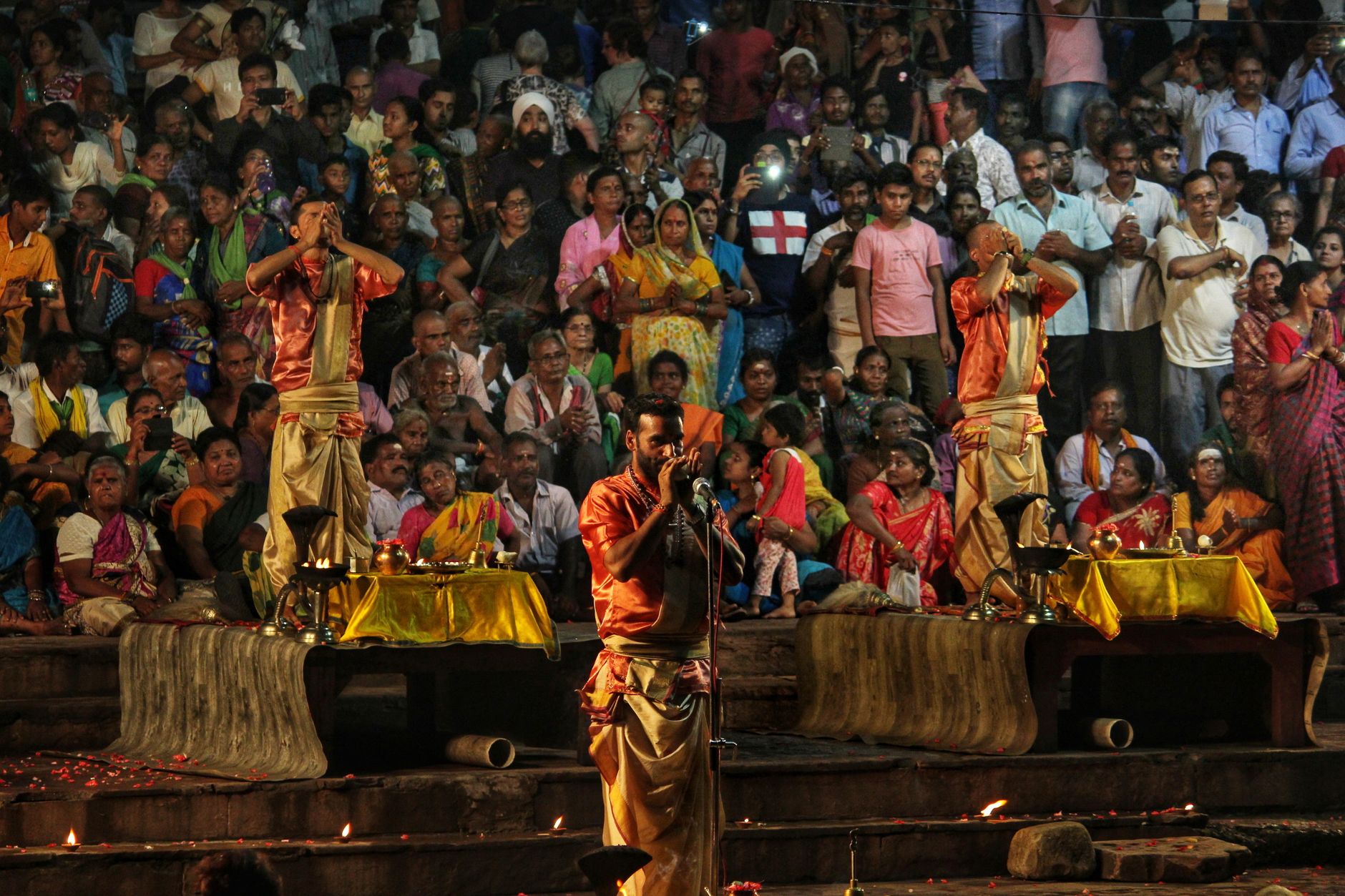 Hindu Bhajan Troupe
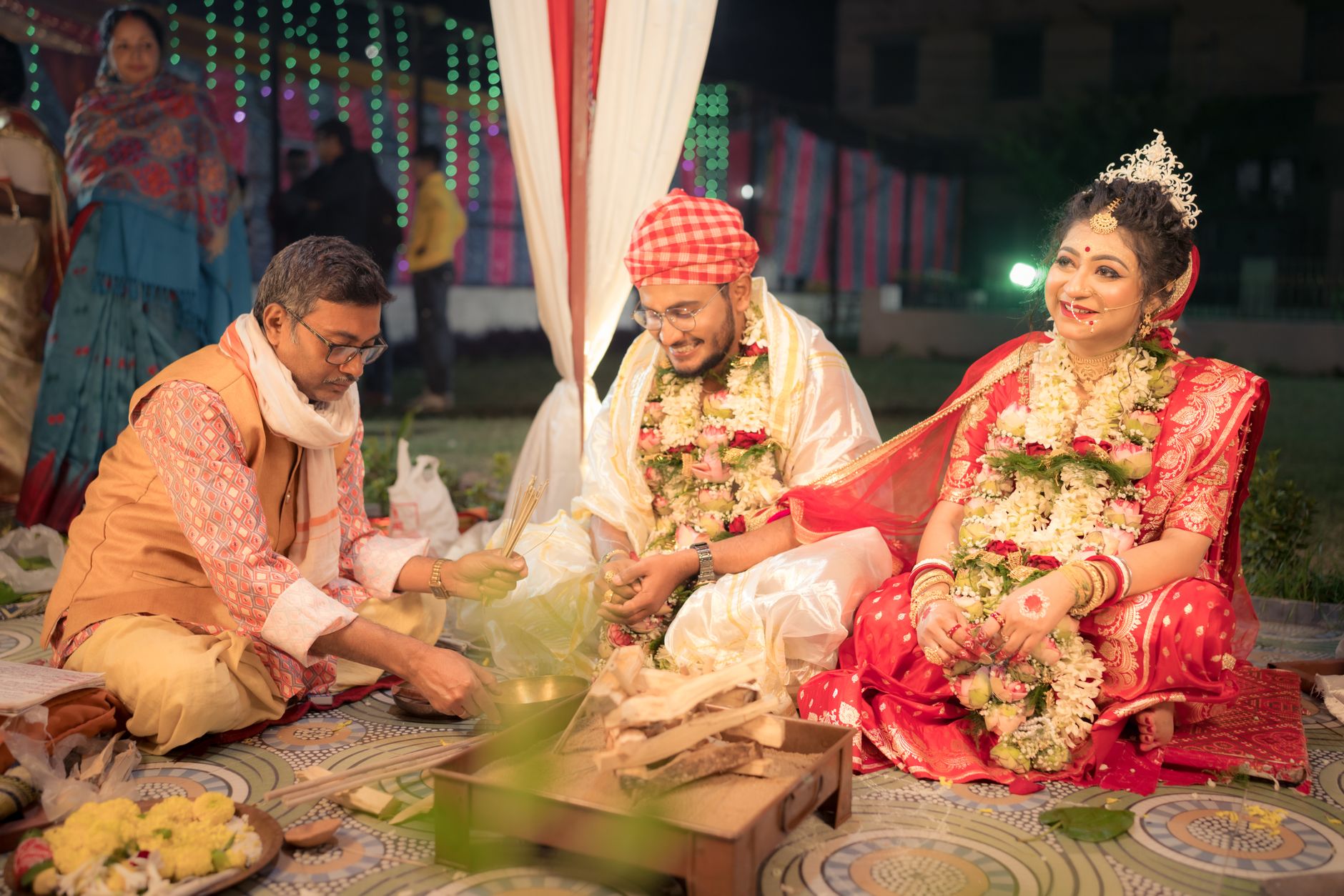 Jain Mandap Ceremony Items
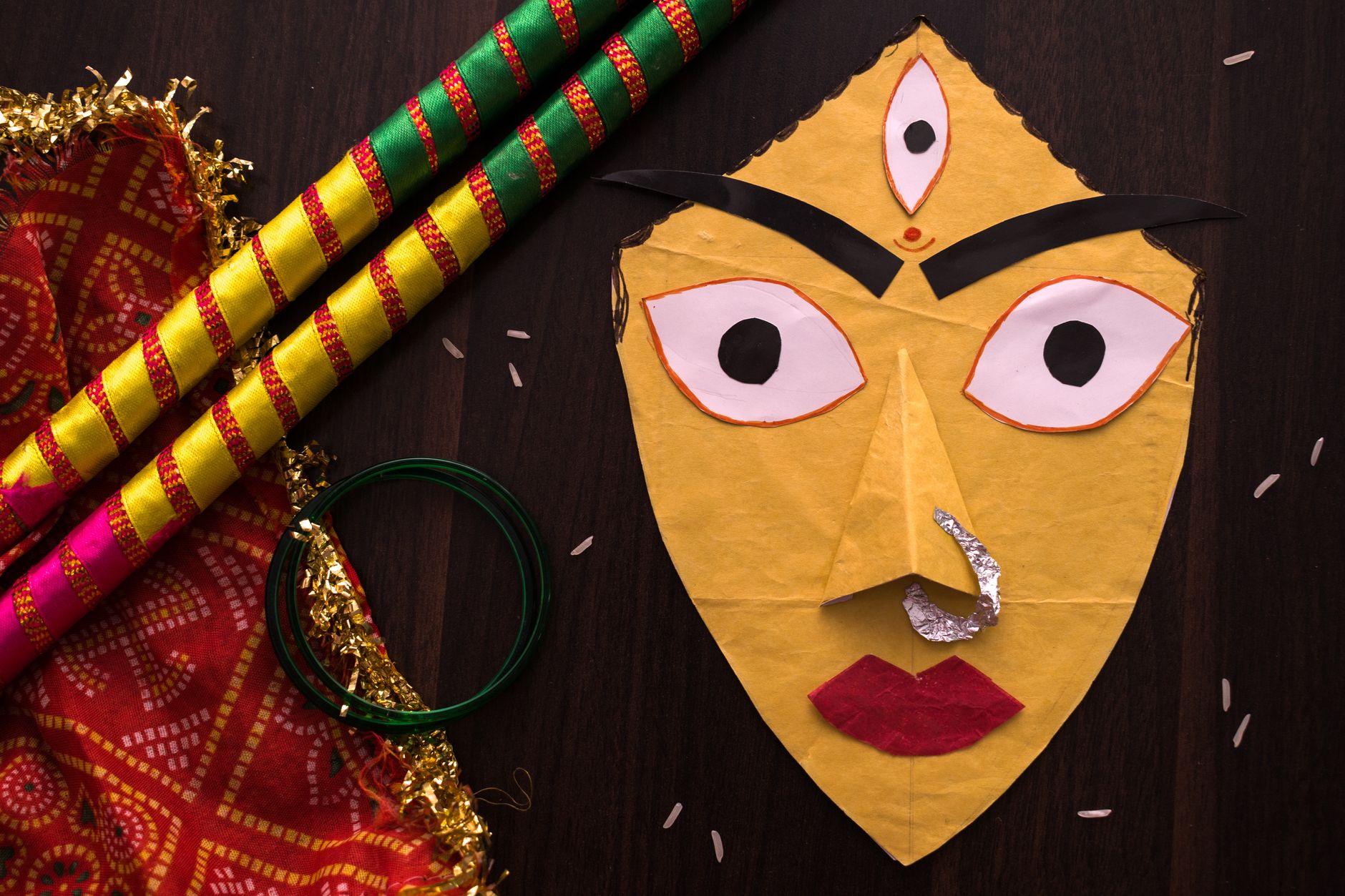 Kannada Ganapathi Pooja Items
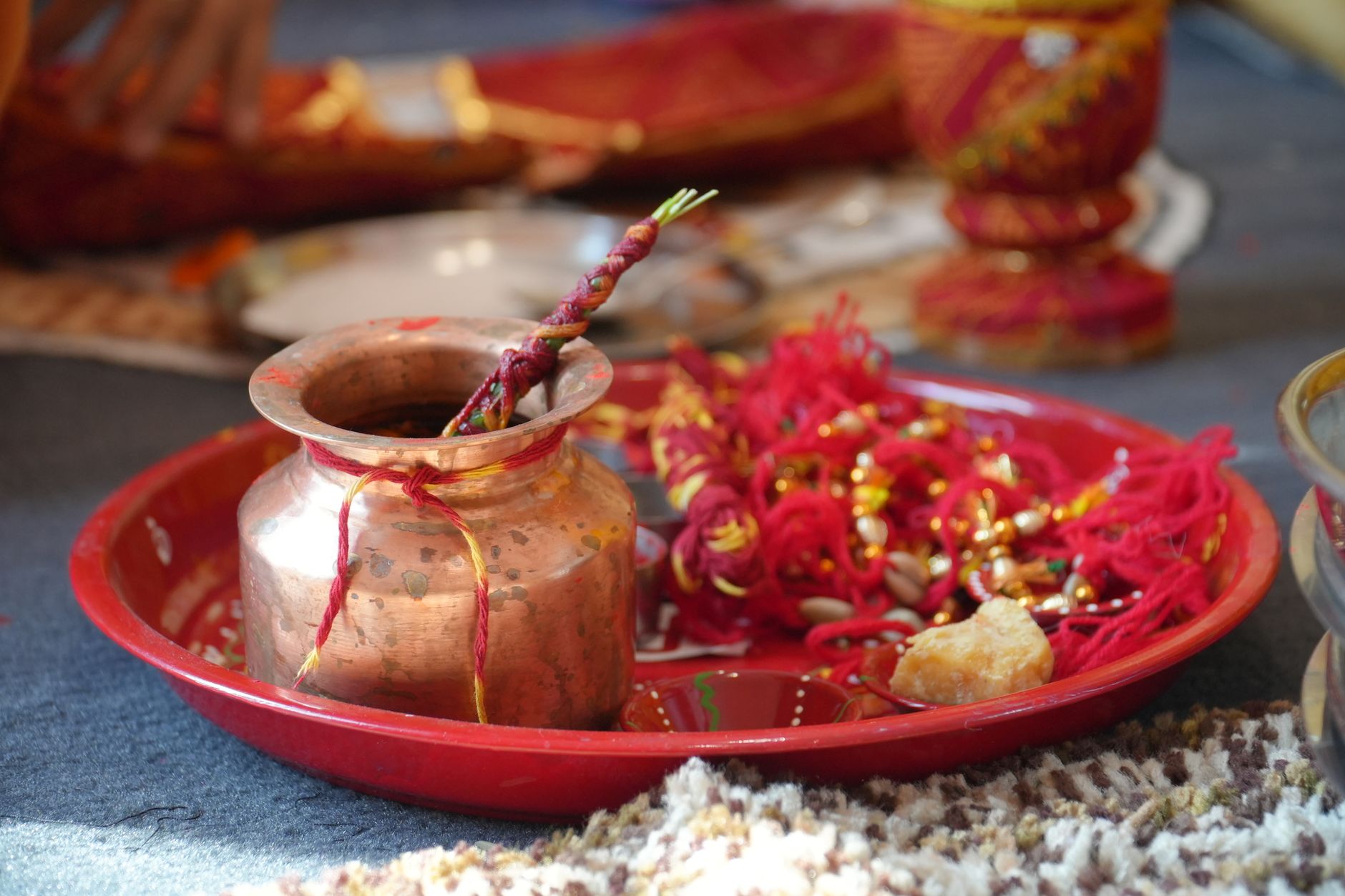 Kerala Thali Ceremony Supplies
 Kundli Matching Service
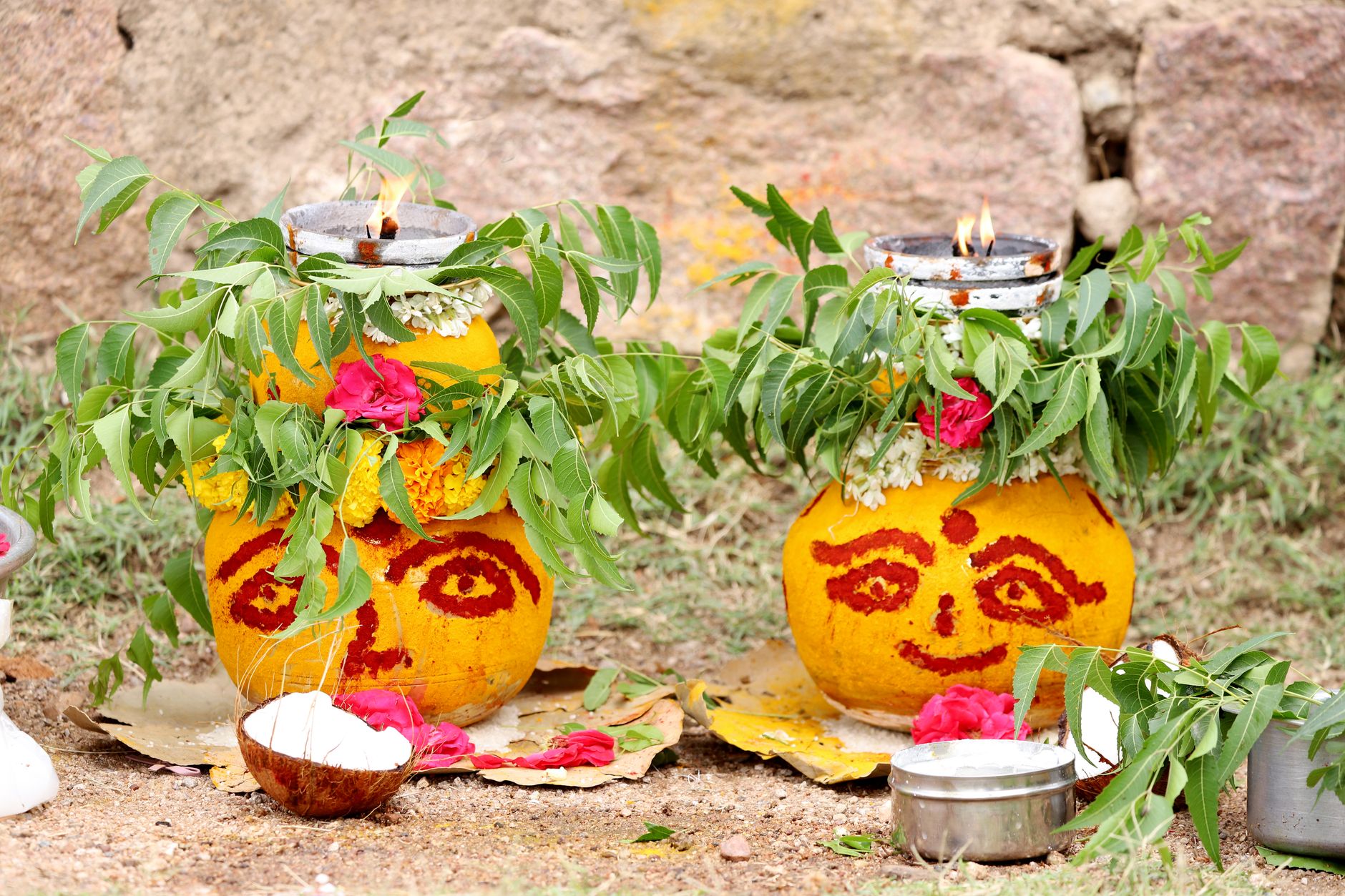 Marriage Pooja Kit
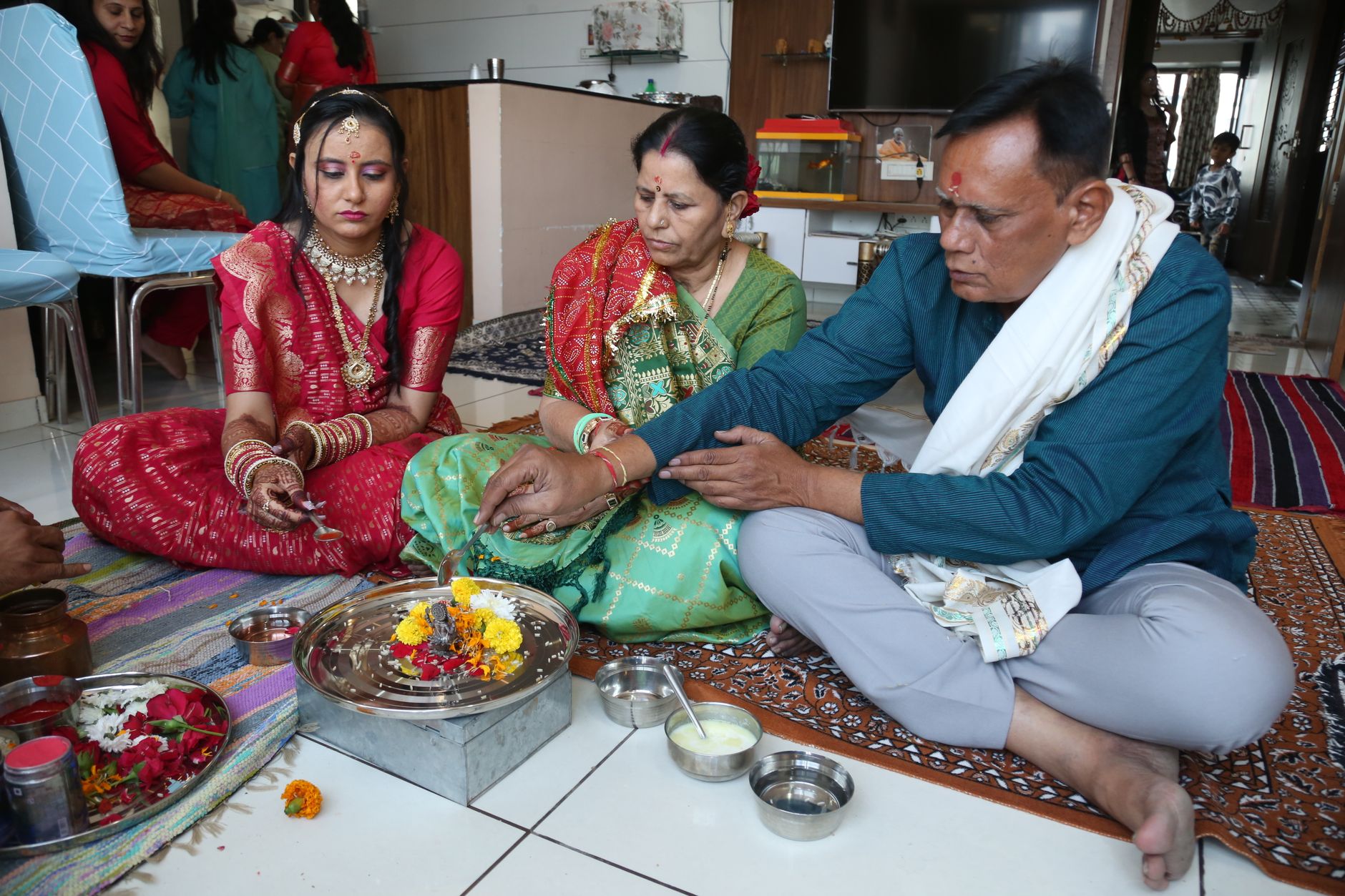 Marriage Pooja Live Streaming
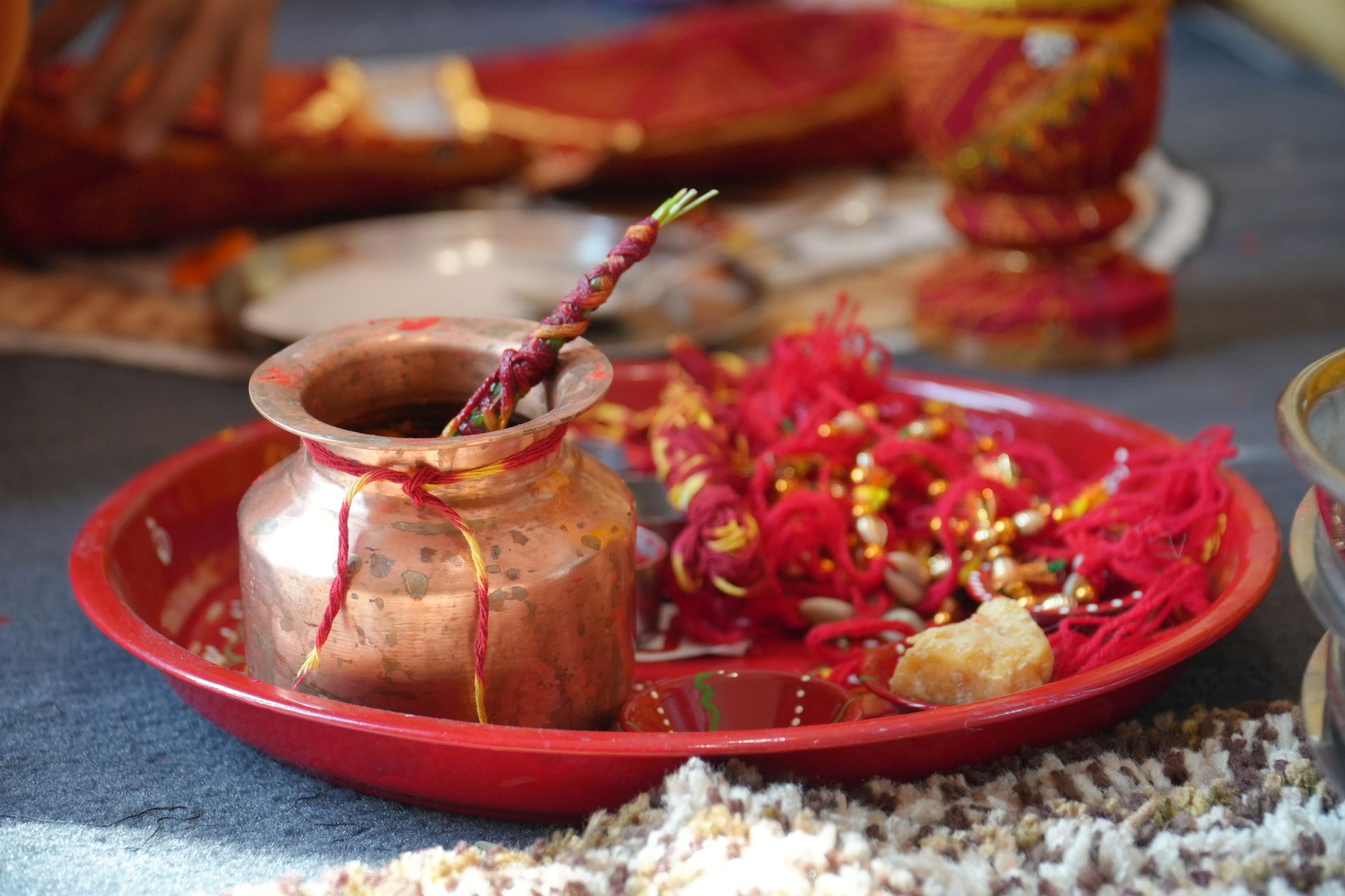 Marwari Ganesh Pooja Items
 Nikah Nama Folder
 Personalized Guest Favours
 Rose Boutonnieres
 Rose Bridal Bouquets
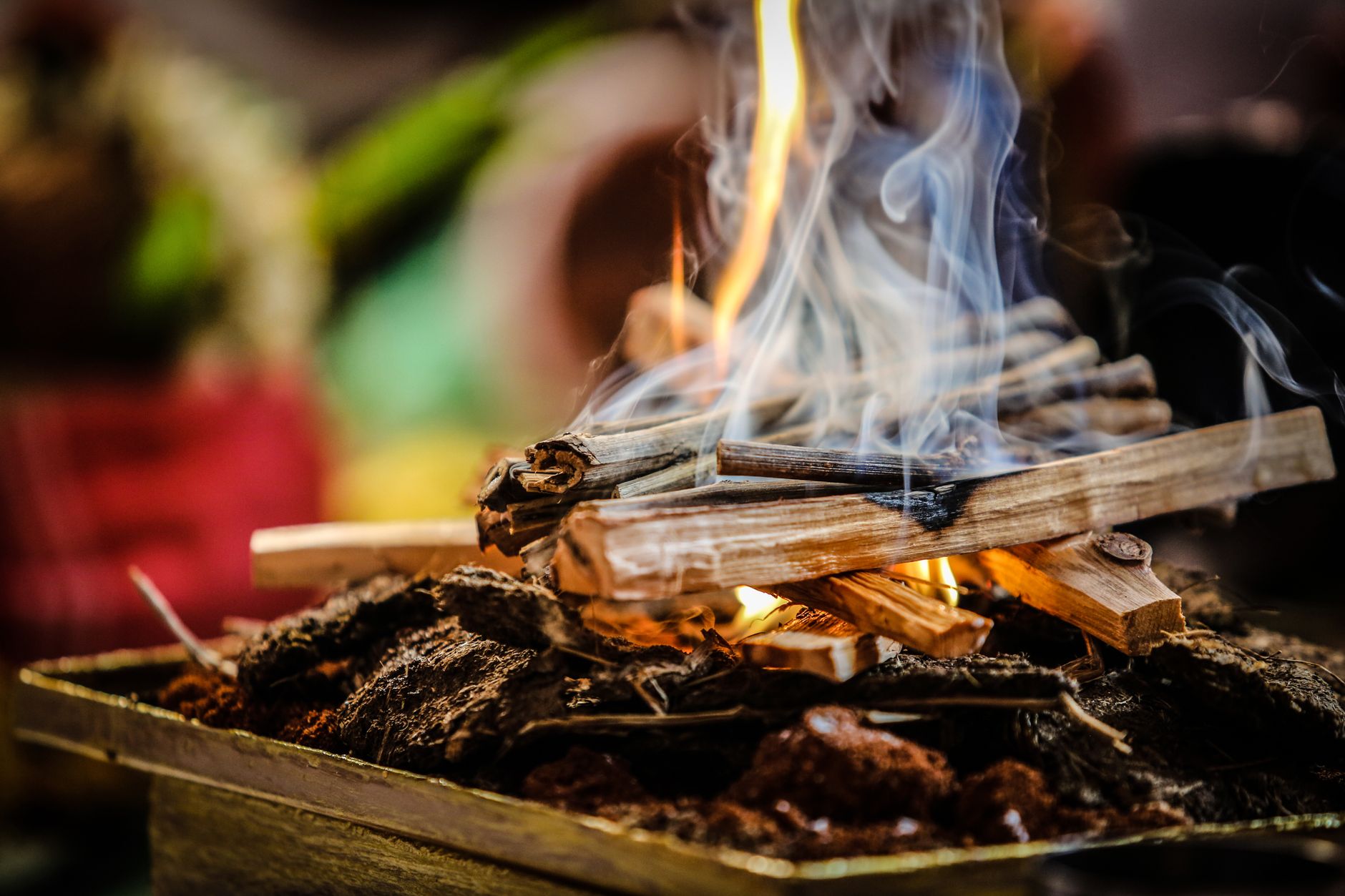 Tamil Muhurtham Ritual Items
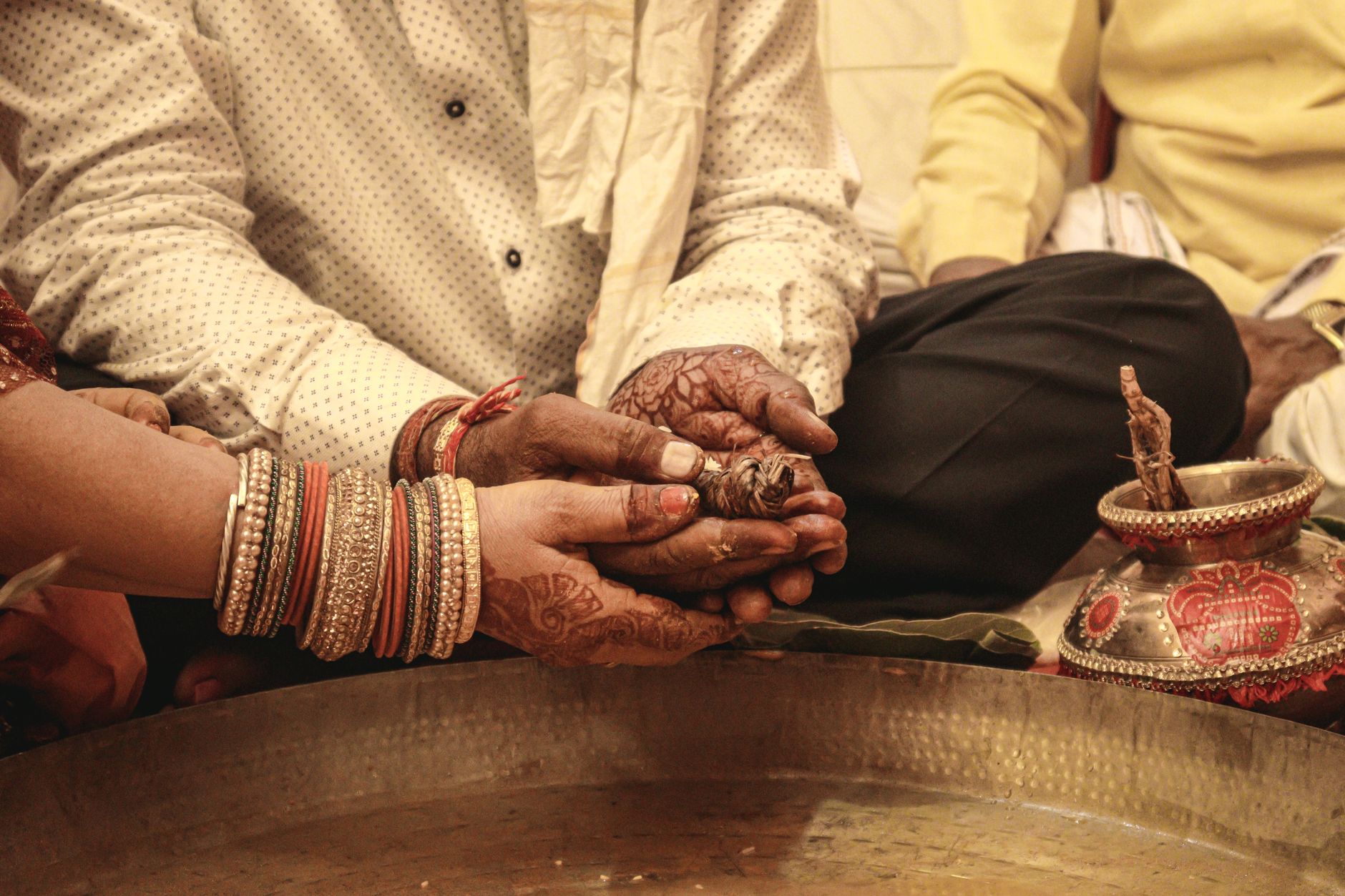 Telugu Jeelakarra Bellam Items
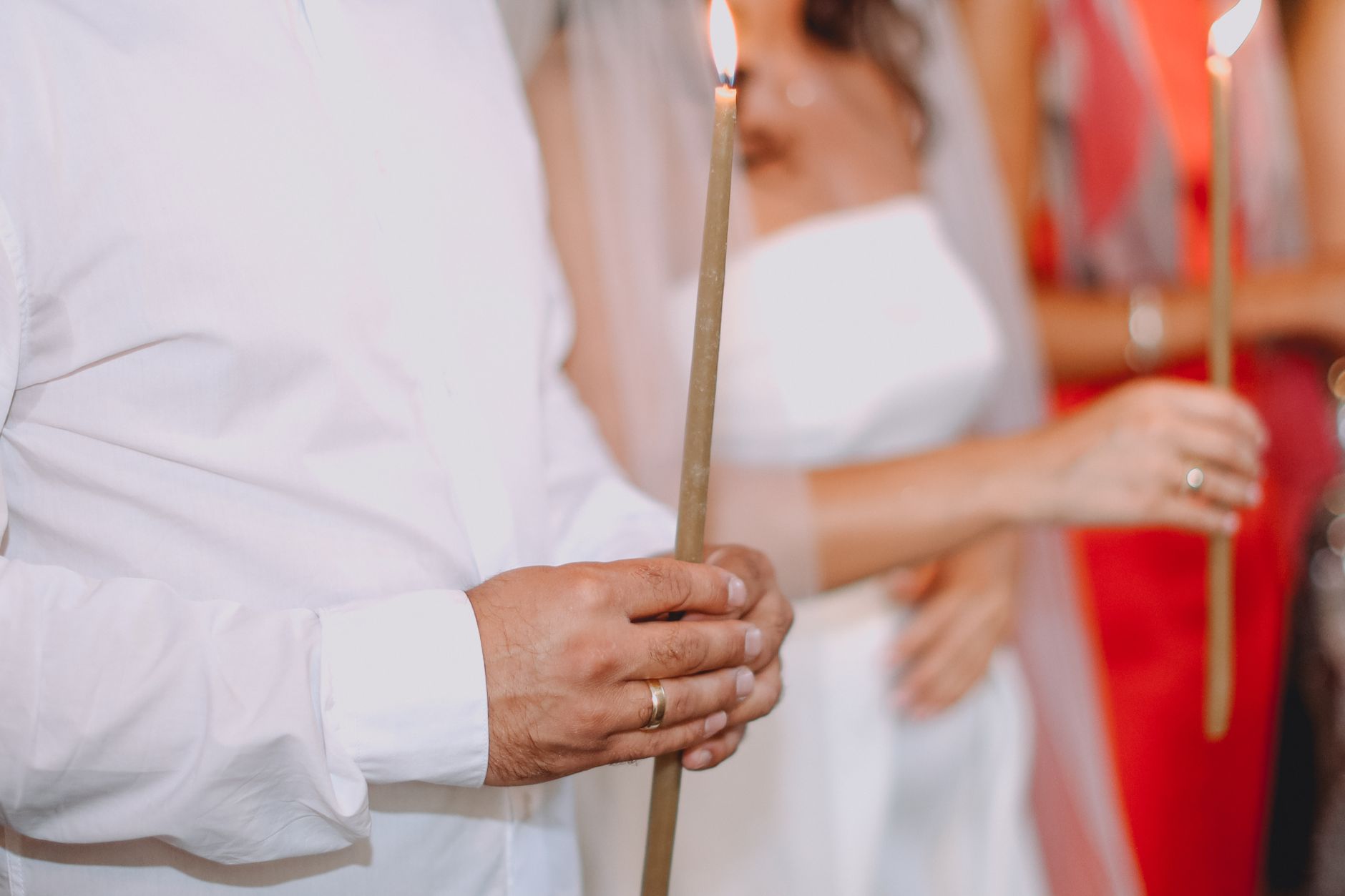 Unity Candle Set
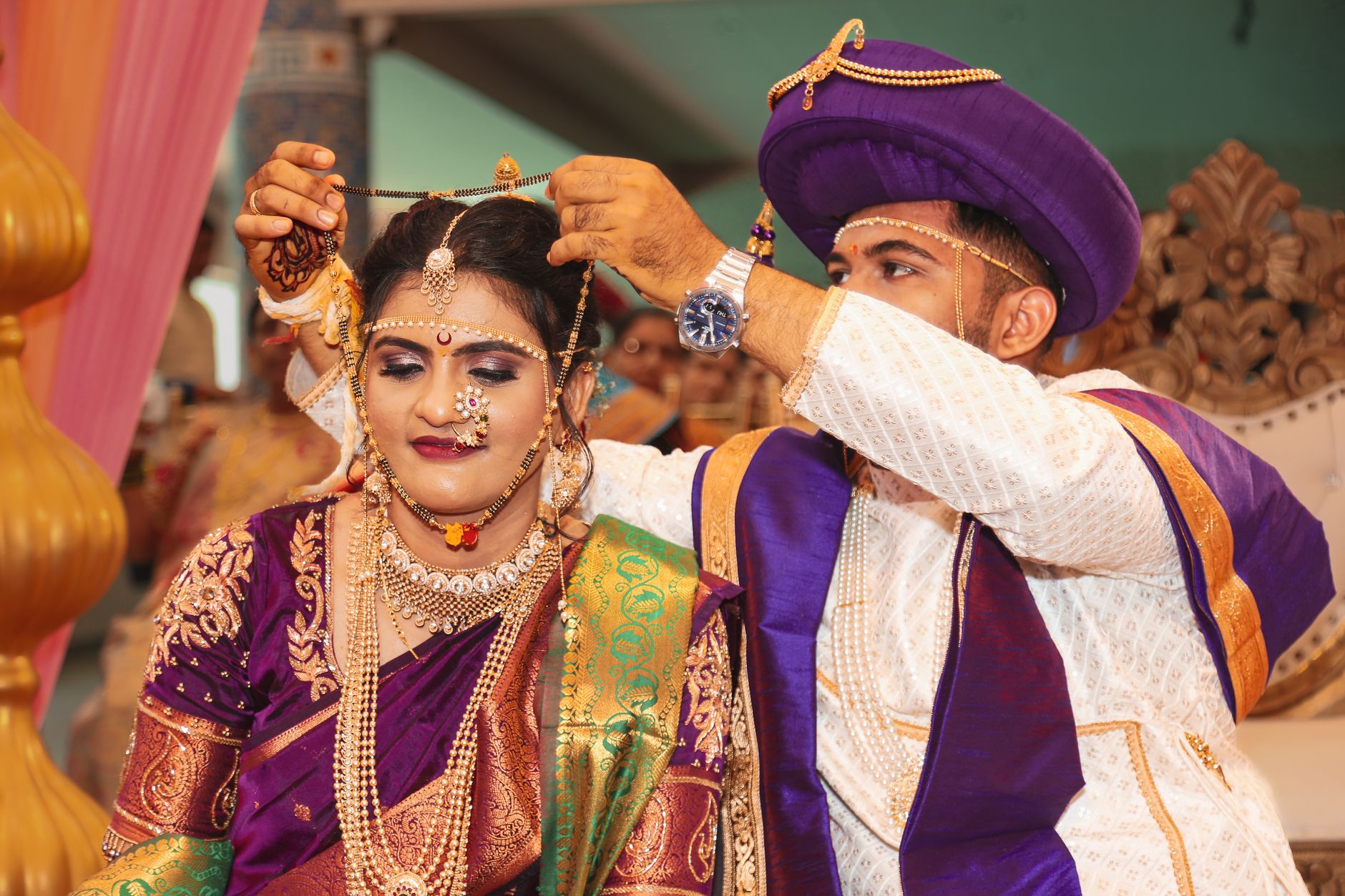 Vedic Marriage Priest
 White Flower Baskets
- 400+Curated Events
- 6Event Universes
- 1000+Verified Vendors
- 70+Locations
- 24/7Customer Support


Not sure which packages fits your celebration?
Let Hiya & Hanu help you find the perfect match!
Explore Celebration Packages- AI-Powered MatchingSmart suggestions for you
- Budget OptimizerGet the best experiences in your budget
- End-to-End SupportWe are with you at every step
Serving Celebrations across 75+ locations in India
Complete Ceremony Services for Celebrations With Comprehensive Meaningful Planning
◆Complete Ceremony Services for Celebrations
A successful celebration involves much more than the main ceremony itself. Venue arrangements, decoration, catering, photography, entertainment, guest comfort, traditional requirements and supplier coordination all contribute to the overall experience. Bringing these elements together through one organised approach can make planning easier and help the occasion feel cohesive from beginning to end.
Complete ceremony services for celebrations are designed to cover the different requirements that can arise before, during and after an important event. Whether the occasion is a family milestone, cultural gathering, religious function, traditional ceremony or another meaningful celebration, having a clear plan helps families manage practical details while keeping the focus on the people and traditions that matter most.
A complete approach does not mean adding unnecessary services. Instead, it means understanding the occasion, identifying essential requirements and coordinating suitable services around the event's purpose, guest list and budget.
Understanding Complete Ceremony Planning
Every ceremony has different requirements. A small family gathering may need only a suitable venue, traditional arrangements, refreshments and basic decoration. A larger celebration may require detailed venue planning, catering, photography, entertainment, guest management and multiple suppliers.
Complete ceremony planning begins by understanding the entire event rather than focusing on one individual service. The ceremony schedule, venue, guest experience and supplier requirements should work together.
Comprehensive event planning can help families establish priorities at an early stage. It provides a framework for deciding which services are essential, which elements require specialist support and where personal touches can be added.
This approach is particularly useful when several family members are involved in decision-making. A clear plan makes responsibilities easier to understand and reduces the possibility of important arrangements being overlooked.
Planning Around the Purpose of the Occasion
The purpose of the ceremony should guide the planning process. A religious function may require specific ceremonial arrangements, while a cultural gathering may involve traditional rituals, music, food and decorative elements.
Family celebrations may also include milestones that deserve a more personalised approach. Birthdays, anniversaries, naming ceremonies, engagement-related functions and other important occasions can each have their own expectations.
Complete ceremony services for celebrations should therefore be adapted rather than delivered as a fixed package. The right combination of services depends on the people attending, the type of ceremony, the venue and the desired atmosphere.
Before confirming suppliers, families should identify the most important parts of the event. This creates a stronger foundation for decisions about budget, timings, décor and guest arrangements.
Choosing a Suitable Venue
The venue is one of the most important decisions because it influences the ceremony layout, guest movement, decoration, catering and overall schedule.
Celebration venue planning should consider the expected number of guests, accessibility, parking, seating capacity, facilities and available preparation areas. If the event includes religious or traditional activities, the venue should also provide an appropriate space for those requirements.
Suitable event venues can range from community halls and hotels to function spaces, cultural venues and private properties. The best choice depends on the nature of the celebration rather than simply the appearance of the venue.
Families should ideally visit shortlisted venues before making a final decision. Checking the entrance, seating, lighting, dining areas, washrooms and supplier access can help prevent practical issues later.
Creating a Cohesive Decoration Plan
Decoration helps establish the visual identity of a celebration. Flowers, lighting, fabrics, stage arrangements, entrance styling and table details can all contribute to the atmosphere.
Ceremony decoration services should be selected according to the character of the occasion. Traditional ceremonies may benefit from cultural colours, flowers and customary decorative features, while contemporary celebrations may use simpler styling with coordinated lighting and modern arrangements.
Elegant event décor does not necessarily require excessive decoration. Well-positioned floral displays, carefully selected colours and suitable lighting can create an attractive environment without making the venue feel crowded.
A complete decoration plan should also consider the ceremony area, guest seating, entrance and dining space. Coordinating these areas creates a more consistent experience.
Supporting Religious and Cultural Requirements
Religious and cultural traditions often form the heart of important family ceremonies. These requirements should be identified early so that the venue, schedule and suppliers can accommodate them properly.
Religious ceremony services may involve priests, officiants or other specialists who understand the relevant customs. Families should communicate with the appropriate person about timings, ceremonial items, seating and any specific venue requirements.
Cultural celebration services can also help incorporate traditional practices into a modern event environment. The aim is not to remove traditional meaning but to make sure that the ceremony is organised in a way that is comfortable for both participants and guests.
Respectful planning is especially important when several generations attend. Clear communication can help ensure that important traditions are understood and appropriately incorporated.
Organising Catering and Refreshments
Food and refreshments are central to many celebrations. Catering decisions should be made after considering the guest count, event duration, dietary requirements and ceremony schedule.
Ceremonial catering services can include refreshments, buffet arrangements, seated meals or traditional menus depending on the occasion. Families should confirm the menu, serving style, timings and venue facilities before finalising the caterer.
For larger gatherings, practical considerations such as serving areas, staff movement, seating arrangements and drinking water should also be included in the plan.
Good catering planning supports the wider guest experience. When food service is scheduled correctly, guests can enjoy the celebration without interrupting important parts of the ceremony.
Capturing Important Memories
Photography can preserve important family moments long after the celebration has ended. This makes event photography services a useful part of many ceremony plans.
Before the event, families can identify key moments they want captured. These may include the main ceremony, important family members, traditional activities, group photographs and informal interactions between guests.
The photographer should also understand the ceremony schedule. This allows them to work respectfully around important rituals while still capturing meaningful moments.
For larger occasions, it can be helpful to establish a short photography schedule so that group photographs do not delay the rest of the event.
Selecting Appropriate Entertainment
Entertainment should reflect the type and tone of the celebration. Depending on the occasion, families may consider music, traditional performances, cultural programmes, family activities or other suitable forms of entertainment.
Celebration entertainment services should be scheduled carefully around the main ceremony. Important rituals and family moments should remain the priority, with entertainment supporting the overall atmosphere.
The choice of entertainment can also be influenced by the age and interests of guests. A family gathering with several generations may benefit from inclusive options that are enjoyable without overwhelming the ceremony.
Managing Suppliers Efficiently
One of the biggest challenges of event organisation is coordinating multiple suppliers. A decorator may need early venue access, the caterer may require preparation space, the photographer needs to understand the schedule and entertainment providers may have equipment requirements.
Complete ceremony services for celebrations can bring these individual requirements into one coordinated plan. This reduces the risk of suppliers working to conflicting schedules.
Families should confirm arrival times, setup responsibilities, payment terms, venue access and contact details before the event. A written schedule can help everyone understand when and where they are expected to work.
Trusted event vendors should also be chosen based on relevant experience, communication, service quality and suitability for the particular ceremony.
Improving the Guest Experience
A ceremony should be meaningful for the hosts but comfortable for the guests as well. Seating, accessibility, refreshments, clear directions and a logical event flow can make a significant difference.
Older family members and guests with accessibility requirements may need additional consideration. Seating close to the ceremony area, easy access to facilities and appropriate rest areas can improve comfort.
Families should also consider how guests move between different parts of the venue. A clear layout can prevent congestion and make transitions between ceremony, dining and entertainment smoother.
Comprehensive event planning should therefore consider the guest journey from arrival to departure rather than focusing only on the central ceremony.
Adding Personalised Details
Personal details can make a ceremony feel more connected to the family. These may include preferred flowers, meaningful colours, family photographs, traditional elements, personalised welcome arrangements or special seating.
Personalised ceremony planning works best when these details are integrated into the overall design. Rather than adding many unrelated features, choose details that have genuine significance.
A family may also want to incorporate a long-standing tradition or create a new ceremonial element for future generations. Thoughtful planning can make these additions feel natural rather than forced.
Managing the Event Budget
A complete ceremony does not need to be unnecessarily expensive. Good planning starts with deciding what matters most and allocating the budget accordingly.
Essential costs may include the venue, ceremony requirements, catering and basic decoration. Additional services such as entertainment, specialist photography or enhanced décor can then be considered according to their importance.
Comparing quotations is useful, but price should not be the only consideration. Families should check what is included, whether setup and delivery charges apply and whether additional costs may arise.
A realistic budget should also include a small allowance for unexpected requirements. This can provide greater flexibility as the event approaches.
Creating a Practical Timeline
A detailed timeline helps connect every part of the celebration. Start with the ceremony time and work backwards to determine when suppliers need to arrive, when guests should be welcomed and when preparation should begin.
The schedule can include decoration setup, photography, catering, traditional rituals, speeches and entertainment where relevant.
Comprehensive event planning becomes particularly valuable when an event has several stages. A realistic timeline gives suppliers clear instructions and allows the family to understand how the day will progress.
It is also important to leave reasonable gaps between activities. A ceremony should feel enjoyable rather than rushed from one activity to another.
Why Professional Support Can Help
Organising a major ceremony can place considerable responsibility on family members. Professional ceremony organisers can help coordinate suppliers, venue requirements, schedules and practical arrangements.
Complete ceremony services for celebrations can provide a more connected planning experience because individual requirements are considered as parts of the same event.
Professional support can also be useful when the ceremony includes cultural or religious requirements that need specialist attention. The right providers can help families understand practical considerations while respecting the significance of the occasion.
Making the Celebration Meaningful
The strongest celebrations are not necessarily the most elaborate. They are the occasions where the ceremony reflects the people involved, important traditions are respected and guests feel genuinely welcomed.
Complete ceremony services for celebrations allow families to approach the event as one connected experience. From the first venue decision to the final guest departure, each element can be planned with purpose.
At Happiffie, families can explore relevant event services and consider suitable options for venues, décor, catering, photography, entertainment and other ceremony requirements. With thoughtful preparation and professional coordination, an important occasion can become a memorable experience without unnecessary stress.
Plan Your Complete Ceremony Experience
A well-organised celebration begins with a clear understanding of what the occasion means to the family. Once the purpose, guest requirements and essential traditions are identified, the remaining services can be selected around them.
Complete ceremony services for celebrations can help bring together practical planning and meaningful personal details. Whether the event is traditional, religious, cultural or family-focused, a coordinated approach can make the experience smoother for hosts, suppliers and guests.
Start early, choose suitable providers, confirm the venue and schedule, and keep communication clear throughout the planning process. With the right preparation, every part of the celebration can contribute to an occasion that feels organised, welcoming and genuinely memorable.
FAQs
1. What are complete ceremony services for celebrations?
Complete ceremony services cover the main requirements involved in organising a celebration, including venue planning, decoration, catering, photography, entertainment, ceremony support and supplier coordination.
2. What does complete ceremony planning include?
Complete ceremony planning can include understanding the occasion, selecting a venue, arranging décor, organising catering, coordinating suppliers, planning photography and creating a practical event timeline.
3. Can complete ceremony services support religious occasions?
Yes. Religious ceremony services can be incorporated where required, including appropriate venues, ceremonial specialists, traditional arrangements and scheduling around important rituals.
4. How do I choose the right ceremony venue?
Consider guest numbers, accessibility, seating, parking, facilities, ceremony requirements, catering arrangements and whether the venue provides sufficient space for decoration and other services.
5. Can traditional customs be included in a modern celebration?
Yes. Traditional rituals and cultural elements can be incorporated while using contemporary décor, venue facilities and guest arrangements to create a comfortable and well-organised celebration.
6. How can I coordinate several ceremony suppliers?
Create a detailed schedule covering supplier arrival, setup, ceremony timings, catering, photography and entertainment. Confirm responsibilities and access arrangements with every supplier before the event.
7. How much decoration is suitable for a ceremony?
The amount of decoration depends on the venue, occasion and family preferences. A thoughtful combination of flowers, lighting, colours and key decorative features can create an attractive setting without overcrowding the space.
8. Should photography be included in ceremony planning?
Photography can be valuable for preserving important family memories. Discussing key moments and group photographs with the photographer in advance can help ensure that important parts of the celebration are captured.
9. How can I keep a complete ceremony within budget?
Set priorities early, compare supplier quotations, understand exactly what each package includes and allocate more of the budget to services that are most important to the occasion and guests.