
Guide Every Guest, Every Ritual
Invitation & Stationery in Chandigarh
Ceremony Programme Cards for Chandigarh Weddings
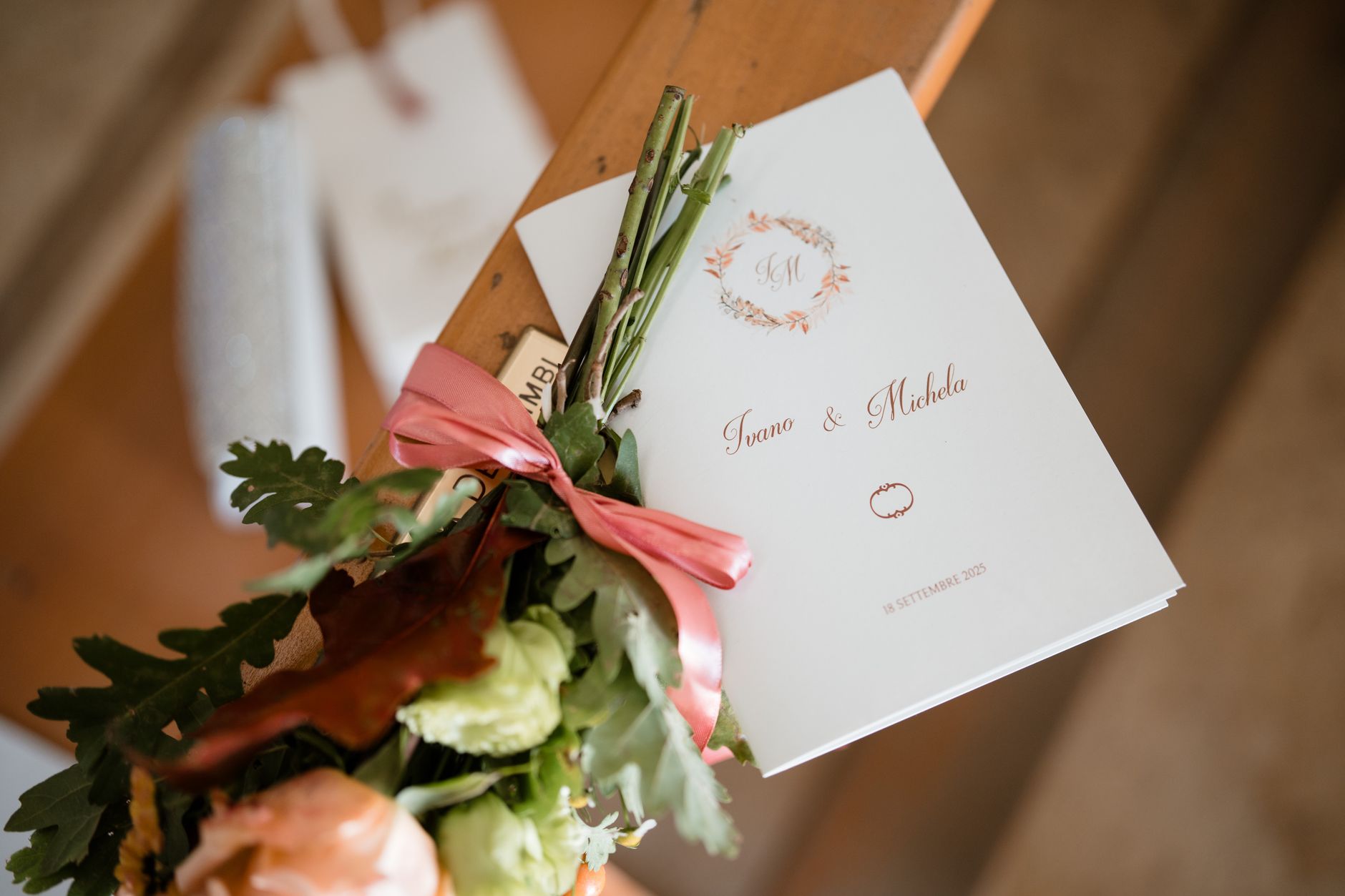
Ceremony programme cards are one of the most thoughtful additions to a Chandigarh wedding — they help guests follow every ritual, from the milni to the pheras, without confusion or missed moments. Whether you are hosting an intimate Anand Karaj at Sector 8 or a grand multi-function celebration at a Zirakpur banquet, well-designed wedding order of service booklets set the tone the moment guests are seated. Paired with a cohesive wedding stationery suite, these cards reflect the family's aesthetic and keep even out-of-town relatives — unfamiliar with Punjabi customs — fully engaged throughout the ceremony.
Quick Answer
Ceremony programme cards are printed keepsakes distributed to wedding guests that outline the sequence of rituals, prayers, and customs during a wedding ceremony. In Indian weddings, they typically list functions such as milni, varmala, pheras, and vidaai along with timings and a brief explanation of each ritual. They are part of the broader wedding stationery suite and are usually sized between A5 and A6, printed on premium card stock in Chandigarh at roughly ₹15–₹80 per card depending on finish and quantity.
What Are Ceremony Programme Cards and Why Do Chandigarh Couples Need Them?
Ceremony programme cards are single-sheet or folded printed cards handed to guests as they arrive at the wedding venue, guiding them through the order of events. For Chandigarh couples — especially those hosting mixed communities or destination guests from Delhi, Mumbai, or abroad — these cards are invaluable. A Punjabi wedding typically weaves together multiple ceremonies: the ardas, milni, jaimala, saat pheras, and sindoor ceremony. Guests unfamiliar with these traditions can feel lost without a reference. Event itinerary cards solve exactly this problem, presenting each ritual in sequence with a one- or two-line description so every guest can participate meaningfully. Beyond function, beautifully designed ceremony programme cards double as keepsakes that guests take home, keeping your wedding day alive in their memory for years.
Popular Styles and Formats Available in Chandigarh
Chandigarh's wedding stationery market offers an impressive range of ceremony programme card formats to match every aesthetic. Single bi-fold cards in 300 GSM art paper are the most budget-friendly, while multi-page wedding order of service booklets with saddle-stitched binding suit large Sikh weddings where the ceremony spans several hours. Couples opting for a contemporary look choose minimalist sans-serif typography on ivory or blush stock; those wanting a traditional feel prefer gold foil printing with phulkari-inspired borders. Laser-cut jackets, vellum overlays, and hand-tied ribbon closures are trending in the Sector 17 stationery studios and at boutique designers in Mohali and Panchkula. Printed wedding programme inserts — loose sheets tucked inside the main wedding card — are a cost-effective option for large guest counts above 500. Your chosen format should align with the overall Indian wedding card design language used across your invitation suite.
How Much Do Ceremony Programme Cards Cost in Chandigarh?
Pricing for ceremony programme cards in Chandigarh depends on paper grade, printing technique, size, and quantity. For a standard single-fold card on 250–300 GSM matte stock with digital offset printing, expect to pay ₹18–₹35 per card for orders of 200 or more. Premium finishes — soft-touch lamination, spot UV, or foil stamping — push costs to ₹45–₹80 per card. Multi-page wedding order of service booklets (4–8 pages) with saddle-stitched binding typically start at ₹55 and can go up to ₹120 per piece for luxury finishes. Printed wedding programme inserts on a single A5 sheet are the most economical at ₹10–₹18 per copy. Custom wedding printing Chandigarh studios usually offer a 10–15 percent discount on orders above 300 units. Always request a physical proof before final production — colour rendering on screen and on press can differ noticeably, especially for deep jewel tones popular in Punjabi weddings.
Designing Your Cards to Reflect a Punjabi Wedding's Rituals
The content inside ceremony programme cards matters as much as the visual design. For a Sikh wedding, the card should list the Anand Karaj sequence: kirtan, ardas, laavan (four rounds), and ardas again, along with approximate durations so guests plan accordingly. For a Hindu ceremony at venues in Sector 34 or Panchkula, include the ganesh puja, kanyadaan, saat pheras, and sindoor ceremony. A well-structured bridal function timeline on the card — ideally printed in both English and Punjabi — ensures elderly relatives and international guests are equally comfortable. Avoid cramming too much text; use clean bullet points or numbered lists with generous line spacing. Wedding ceremony schedule cards with a clear hierarchy — function name in bold, brief description in a lighter weight — are easiest to read in the dim lighting of a banquet hall. Pair the card's colour palette and font family with your main invitation to create a cohesive wedding stationery suite.
What Common Mistakes Should You Avoid When Ordering Programme Cards?
One of the biggest errors couples make is finalising ceremony programme cards before the event itinerary is confirmed with the pandit or granthi. Ritual timings often shift by 20–30 minutes, so always allow a buffer and avoid printing exact clock times unless your schedule is locked. Another frequent mistake is ordering the exact head-count quantity — always add 15–20 percent extra for last-minute guests, dropped cards, and keepsake requests from family. Spelling errors in Sanskrit shlokas or Punjabi text are surprisingly common; have a native speaker proofread before sending to print. Choosing a paper stock that is too lightweight (below 200 GSM) results in cards that look flimsy and feel cheap in hand. Finally, skipping custom wedding printing Chandigarh studios in favour of generic online printers without a local proof can lead to colour mismatches that clash with your lehenga or venue décor.
Ceremony Programme Card Formats Compared for Chandigarh Weddings
Expert Recommendation
Best for Intimate Anand Karaj (Under 100 Guests)
Best for Large Punjabi Weddings (400+ Guests)
Best for Destination Weddings with Out-of-Town Guests
Best for Budget-Conscious Couples
Best for Modern or Fusion Weddings
Best for Traditional Families Who Value Heritage
How to Choose the Right Option
✅ Pre-booking Checklist
- Confirm the final ceremony sequence with your pandit or granthi before any design work begins
- Decide whether you need a bilingual (English + Punjabi) layout and source accurate Gurmukhi text
- Request a physical printed proof before approving full production run
- Calculate quantity as one card per family unit plus a 15–20 percent buffer
- Align card colour palette, fonts, and motifs with your main wedding invitation design
- Confirm printer's turnaround time and factor in shipping or pickup from Chandigarh/Mohali/Panchkula
- Clarify whether timings on the card should be approximate ranges or exact clock times
- Plan a distribution strategy — usher placement, welcome bags, or pre-set on ceremony chairs
🎯 Selection Criteria
- Paper weight and finish quality relative to the venue's lighting conditions
- Printer's ability to handle bilingual or Gurmukhi typography accurately
- Design consistency with the rest of your wedding stationery suite
- Per-unit cost versus total budget, factoring in minimum order quantities
- Turnaround time and flexibility to make late changes to ritual order or timings
💰 Cost / Quality Factors
- Print technique: digital offset is economical; foil and letterpress add ₹20–₹50 per card
- Paper GSM: higher GSM feels more premium but increases cost and shipping weight
- Quantity: unit cost drops significantly above 200–300 pieces
- Number of pages: each additional page in a booklet adds ₹8–₹15 per unit
- Finishing: lamination, spot UV, and die-cutting each add ₹5–₹25 per card
- Designer fees: custom illustration or typography work can add ₹3,000–₹15,000 to the total project cost
⚠️ Common Mistakes to Avoid
- Printing exact event times before the final schedule is locked with the officiant
- Ordering only the exact guest count without a buffer — always add 15–20 percent extra
- Skipping the physical proof and approving artwork based solely on a PDF screen view
- Choosing a paper stock below 200 GSM, which looks and feels insubstantial
- Using generic online printing services without verifying local colour-matching standards
- Neglecting to proofread Sanskrit shlokas or Punjabi text with a native speaker before print
People Also Ask
How early should I order ceremony programme cards for my Chandigarh wedding?
Can I get ceremony programme cards printed in Punjabi in Chandigarh?
What information should be included on an Indian wedding ceremony programme card?
What is the difference between ceremony programme cards and event itinerary cards?
Are digital ceremony programme cards a good alternative to printed ones?
How many ceremony programme cards should I order?
What paper and finish works best for ceremony programme cards at indoor banquet venues?
Can ceremony programme cards be part of a larger wedding stationery suite?
Related Experiences on Happiffie
Elegant Ritual Booklets for Your Shaadi
Invite Sustainably, Celebrate Beautifully
Ceremony Books That Tell Your Love Story
Foil Wedding Cards That Wow
Beautiful Invitations, Lasting Impressions
Bespoke Wedding Cards in Kochi
Frequently Asked Questions
Where can I get ceremony programme cards printed in Chandigarh?
What is the minimum order quantity for ceremony programme cards in Chandigarh?
How long does it take to produce ceremony programme cards in Chandigarh?
Should ceremony programme cards list the names of the pandit or granthi?
Can ceremony programme cards be customised to include family photos?
How do ceremony programme cards differ from the main wedding invitation?
Is it appropriate to include a dress code or venue map on ceremony programme cards?
Can I order ceremony programme cards and the rest of my wedding stationery suite together for a discount?
Key Takeaways
- Ceremony programme cards guide guests through each wedding ritual in sequence and serve as lasting keepsakes from the celebration.
- Chandigarh couples can choose from single bi-fold cards, multi-page booklets, and printed wedding programme inserts based on guest count and budget.
- Pricing ranges from ₹10–₹18 per card for basic inserts to ₹80–₹120 for luxury multi-page wedding order of service booklets with premium finishes.
- Always confirm the ceremony sequence with your officiant before sending artwork to print to avoid costly reprints.
- Bilingual English and Punjabi layouts are available from most Chandigarh and Mohali stationery studios and are strongly recommended for mixed or international guest lists.
- Order a 15–20 percent quantity buffer beyond your confirmed head count to cover last-minute arrivals and keepsake requests.
- A cohesive wedding stationery suite — cards, invitations, menus, and table numbers — from a single printer ensures consistent colour and design across all pieces.
- Request a physical printed proof before approving the full production run, especially for colour-critical designs or Gurmukhi script.
Make Every Ritual Memorable
Browse ceremony programme card designs on Happiffie and connect with trusted Chandigarh stationery vendors who match your style and budget.
Explore Card Designs
Are you a Vendor? Grow Your Business with Happiffie!
- High intent verified leads
- Reverse auction opportunities
- AI business tools & insights
- Dedicated vendor dashboard
- Grow your business, your way
It's free & takes less than 2 minutes!