

Budget Planning for Corporate Events: Complete Guide 2026
Master corporate event budgeting with expert strategies, cost breakdowns, and money-saving tips for successful business gatherings
Effective budget planning for corporate events is the cornerstone of successful business gatherings that leave lasting impressions on clients, employees, and stakeholders. Whether you're organizing a product launch, annual conference, or team-building retreat, strategic financial planning ensures your event achieves its objectives without exceeding allocated resources. Smart budget management helps you prioritize essential elements while identifying areas where you can optimize costs without compromising quality.
At Happiffie, we understand that corporate event budgeting can be complex, especially when managing events across major business hubs like Mumbai, Delhi, Bangalore, and Chennai. Our platform connects you with verified vendors and premium venues while providing transparent pricing and competitive quotes to help you stay within budget while creating memorable corporate experiences.
Get Best Quotes from Vendors
Use Happiffie's Reverse Auction feature to get competitive quotes.
1. Establishing Clear Event Objectives and Budget Framework
The foundation of successful budget planning for corporate events begins with defining clear, measurable objectives that align with your organization's goals. Whether you're aiming to boost employee morale, launch a new product, or strengthen client relationships, your event's purpose directly influences budget allocation decisions. Start by identifying your target audience, expected outcomes, and key performance indicators that will measure success.
Creating a comprehensive budget framework involves establishing spending categories, setting realistic financial limits, and building in contingency funds for unexpected expenses. Most successful corporate events allocate 10-15% of their total budget as a buffer for last-minute changes or upgrades. This structured approach ensures you can make informed decisions throughout the planning process while maintaining financial control.
Document your budget framework in a detailed spreadsheet that tracks projected costs versus actual expenses across all categories. This transparency helps stakeholders understand resource allocation and enables you to make data-driven adjustments as planning progresses. Regular budget reviews ensure you stay on track and can redistribute funds between categories as priorities evolve.
Pro Tips:
- •Define Success Metrics: Establish measurable KPIs like attendance rates, engagement levels, or lead generation targets to justify budget allocation
- •Create Category Hierarchies: Rank spending categories by importance to make strategic cuts if budget constraints arise
- •Build Flexibility: Reserve 15% of your budget for contingencies and last-minute opportunities that could enhance event impact

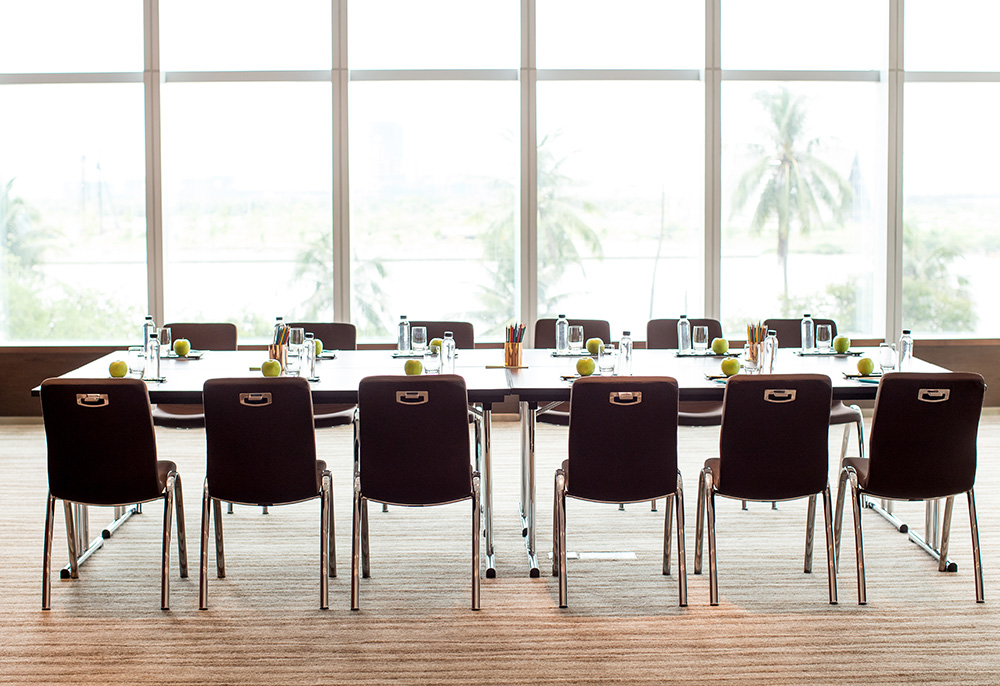
2. Strategic Venue Selection and Cost Optimization
Venue selection typically represents 30-40% of your corporate event budget, making it crucial to balance location prestige with cost-effectiveness. Consider factors beyond rental fees, including catering policies, equipment availability, parking facilities, and accessibility for attendees. Premium venues in business districts often justify higher costs through enhanced brand perception and attendee convenience.
Negotiate package deals that bundle venue rental with essential services like catering, AV equipment, and event coordination. Many venues offer significant discounts for off-peak dates, weekday events, or multi-day bookings. Corporate rates and long-term partnerships can provide additional savings while ensuring consistent quality across multiple events throughout the year.
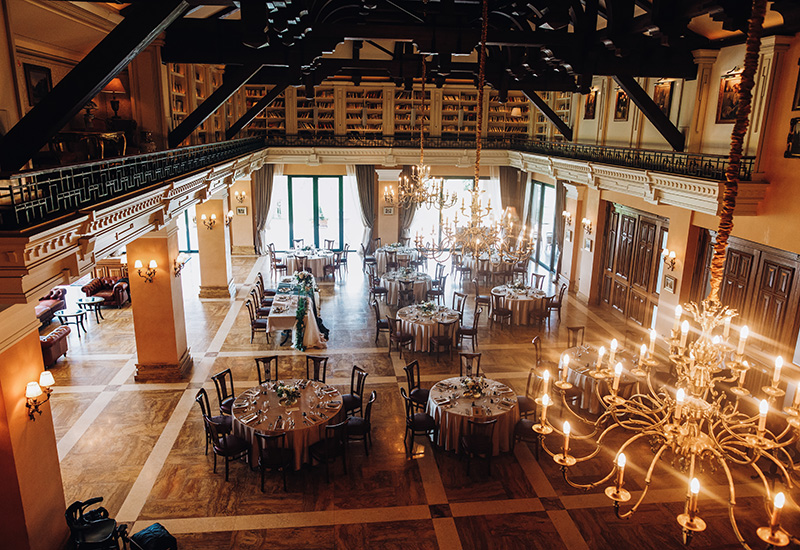
Location Accessibility
Choose venues with convenient transportation links and adequate parking to maximize attendance
Package Negotiations
Bundle venue rental with catering and AV services for better rates and simplified coordination
Flexible Spaces
Select venues that can adapt to different event formats and attendance numbers without additional costs
3. Catering and Hospitality Budget Management
Food and beverage costs typically consume 25-35% of corporate event budgets, requiring careful planning to balance quality expectations with financial constraints. Consider your audience demographics, dietary restrictions, and event timing when selecting catering options. Breakfast meetings require different budget allocations than full-day conferences with multiple meal services.
Implement strategic approaches like buffet-style serving for larger groups, signature cocktail selections instead of full bars, and seasonal menu choices that reduce ingredient costs. Work with caterers to create tiered options that allow for upgrades within budget parameters while maintaining consistent quality standards across all service levels.

Catering Budget Optimization:
Menu Engineering
Choose seasonal ingredients and local specialties to reduce costs while maintaining quality
Find CaterersService Style Selection
Buffet service reduces staffing costs compared to plated meals for large groups
Beverage Strategy
Create signature cocktails and limit premium alcohol options to control bar costs
Dietary Accommodations
Plan for special dietary needs without significantly increasing per-person costs
4. Technology and Entertainment Budget Allocation
Audio-visual equipment, technology solutions, and entertainment typically represent 15-20% of corporate event budgets but significantly impact attendee experience and event success. Invest in high-quality presentation equipment, reliable internet connectivity, and professional lighting to ensure your message is delivered effectively. Consider live streaming capabilities for hybrid events that expand your reach beyond physical attendees.
Entertainment choices should align with your corporate culture and event objectives while providing value for budget investment. Keynote speakers, interactive workshops, or team-building activities create lasting impressions that justify their costs through enhanced engagement and relationship building among participants.
AV Equipment Rental
Professional sound systems, projection equipment, and lighting packages for impactful presentations
Get QuotesLive Entertainment
Corporate performers, motivational speakers, and interactive entertainment that engages audiences
Technology Integration
Event apps, registration systems, and digital engagement tools for modern corporate experiences
5. Marketing, Branding, and Thematic Elements
Corporate event branding and marketing materials typically require 10-15% of your total budget but play crucial roles in reinforcing company identity and creating cohesive attendee experiences. Develop consistent visual themes that reflect your corporate brand while creating memorable touchpoints throughout the event journey.
Strategic marketing investments include pre-event promotion, on-site signage, branded materials, and post-event follow-up campaigns that extend your event's impact. Digital marketing approaches often provide better ROI than traditional print materials while offering measurable engagement metrics that justify budget allocation.

🎯 Brand Consistency
Maintain corporate identity across all event materials and touchpoints for professional cohesion
📱 Digital Integration
Leverage social media, event apps, and digital displays for cost-effective audience engagement
🎨 Creative Presentations
Invest in professional design elements that enhance message delivery and brand perception
6. Comprehensive Budget Breakdown and Cost-Saving Strategies
Understanding typical cost distributions helps you allocate resources effectively across all event categories. Venue and catering typically consume 60-70% of corporate event budgets, while technology, marketing, and miscellaneous expenses account for the remaining 30-40%. These percentages provide guidelines for initial budget planning but should be adjusted based on your specific event objectives and priorities.
Implement systematic cost-saving strategies without compromising event quality through strategic vendor partnerships, early booking discounts, and package negotiations. Technology solutions like reverse auctions help you secure competitive pricing while maintaining vendor quality standards essential for successful corporate events.
✨ Smart Budget Allocation Guide
💰 Cost-Saving Strategies:
- ✓Use Happiffie's Reverse Auction to get competitive quotes from verified vendors and reduce overall costs
- ✓
Book venues and vendors 3-6 months in advance to secure early bird discounts and better availability
- ✓
Partner with local businesses for sponsorship opportunities that offset costs while providing mutual marketing benefits
- ✓
Choose weekday or off-season dates to access lower venue rental rates and vendor pricing
- ✓
Implement sustainable practices like digital invitations and materials to reduce printing and distribution costs
Conclusion
Mastering budget planning for corporate events requires strategic thinking, detailed preparation, and ongoing financial monitoring throughout the planning process. By establishing clear objectives, optimizing major cost categories, and implementing smart cost-saving strategies, you can create impactful corporate events that achieve business goals while maintaining fiscal responsibility. Remember that successful budget management involves balancing cost control with quality investments that enhance attendee experience and reinforce your corporate brand.
Let Happiffie simplify your corporate event planning journey with our comprehensive platform connecting you to verified vendors, competitive pricing, and professional venues across India. Our reverse auction feature ensures you get the best value for your investment while our expert support team helps you navigate budget decisions that maximize your event's impact and success.
Ready to Plan Your Corporate Event?
Let Happiffie help you create a memorable corporate event within your budget.

Are you a Vendor? Grow Your Business with Happiffie!
- High intent verified leads
- Reverse auction opportunities
- AI business tools & insights
- Dedicated vendor dashboard
- Grow your business, your way
It's free & takes less than 2 minutes!