
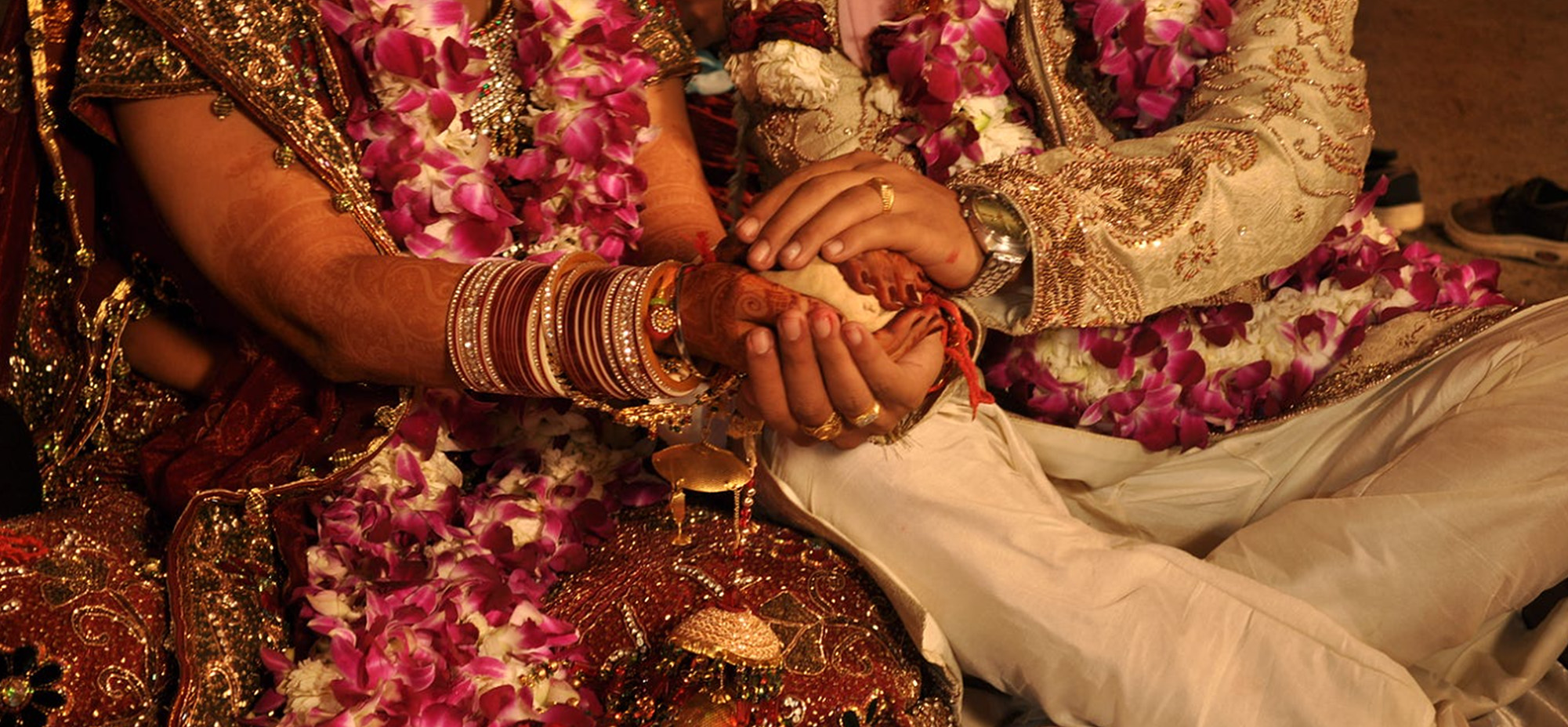
Why Wedding Rituals Are Important in Indian Culture: Complete Guide
Understanding the sacred significance of Indian wedding ceremonies and their cultural importance
Over 85% of Indian couples still incorporate traditional rituals into their weddings, even when planning modern celebrations. Wedding rituals aren't just ceremonial formalities — they're the spiritual and cultural foundation that transforms a simple legal union into a sacred bond recognized by family and community.
Modern couples face pressure to streamline ceremonies for budget or time constraints, often wondering which rituals matter most. The challenge intensifies when planning destination weddings or working with contemporary venues that may not accommodate traditional setups like havan kunds or mandap installations.
This guide reveals why specific rituals hold deep cultural significance and how to honor tradition while planning a celebration that fits your vision. Happiffie's platform connects you with ritual-savvy vendors who understand the sacred importance behind every ceremony element.
📋 Table of Contents
Sacred Foundation of Indian Wedding Rituals
Indian wedding rituals serve as spiritual anchors that connect couples to thousands of years of cultural wisdom. Unlike Western ceremonies focused on individual vows, Indian rituals emphasize cosmic harmony — the belief that marriage aligns two souls with universal forces through sacred fire, mantras, and symbolic actions.
Consider a Chennai couple planning their summer wedding: the ritual timing isn't arbitrary. Muhurtham calculations ensure the ceremony occurs during astrologically favorable moments, while rituals like Ganesha puja remove obstacles from the couple's path. These aren't superstitions but intentional practices that create psychological readiness for lifelong commitment.
Many couples underestimate how rituals impact guest experience and family satisfaction. A Mumbai bride who skipped the traditional saptapadi (seven steps) faced family disappointment that overshadowed her reception joy. The ritual's absence felt incomplete to elders who view these steps as the marriage's legal and spiritual foundation.
The deeper purpose extends beyond the couple to community witnessing. When 200 relatives watch you perform kanyadaan or take saat phere, you're not just getting married — you're accepting accountability to your extended family and cultural heritage.
 Hiya
HiyaPro Tip: Record the ritual explanations from your pandit during the ceremony. These audio clips become precious family heirlooms for future generations.
Key Ritual Categories That Define Meaning
Understanding ritual categories helps couples prioritize which ceremonies matter most for their celebration. Each category serves distinct spiritual and social functions, from invoking divine blessings to establishing new family bonds. The five core categories create a complete sacred experience when properly integrated.
Pre-wedding rituals like mehendi and haldi prepare the couple spiritually and physically, while purification ceremonies cleanse past karma. A Bangalore couple spent ₹45,000 on elaborate sangam rituals, discovering these intimate family moments created deeper joy than their ₹8 lakh reception. The emotional investment in smaller ceremonies often yields greater satisfaction.
Main wedding rituals vary significantly by region and community. North Indian ceremonies emphasize agni (fire) as witness, while South Indian traditions focus on goddess blessings and ancestral approval. Couples planning inter-cultural marriages must navigate both ritual sets thoughtfully, often requiring experienced pandits who understand blended traditions.
Post-wedding rituals like griha pravesh and reception ceremonies integrate the bride into her new family structure. These aren't outdated customs but practical relationship-building tools that ease the transition for everyone involved, especially when families haven't interacted extensively before the wedding.
1. Spiritual Purification
Rituals like haldi, ganga aarti, and kalash puja cleanse negative energy and prepare couples spiritually. These ceremonies create sacred space and invoke divine protection for the marriage journey ahead.
2. Family Integration
Ceremonies like kanyadaan, var mala, and joota chupai bond two families together. These rituals establish new relationships, create shared memories, and help navigate complex family dynamics with grace.
3. Divine Witnessing
Sacred fire (agni), mantras, and deity invocations ensure cosmic forces witness and bless the union. This spiritual dimension transforms legal marriage into a divinely sanctioned bond.
4. Cultural Continuity
Traditional rituals preserve ancestral wisdom and pass cultural values to the next generation. Each ceremony carries specific teachings about marriage, family, and spiritual responsibility.
5. Community Validation
Public rituals like saat phere and sindoor daan announce the marriage to the community. This social recognition creates accountability and support systems for the couple's future together.
Essential Rituals for Modern Indian Weddings
Today's couples must balance tradition with practical constraints like venue limitations, guest comfort, and time management. The core non-negotiable rituals include saat phere, kanyadaan, and sindoor daan — these three ceremonies alone constitute a valid Hindu marriage according to both spiritual and legal standards.
Regional variations add complexity but also richness to the celebration. Tamil weddings require thali tying and saptapadi, while Gujarati ceremonies emphasize garba celebrations and hasta milap. A Pune-based inter-state couple successfully incorporated both traditions by scheduling separate ritual segments, extending their ceremony by 90 minutes but satisfying both families completely.
Venue constraints often force difficult decisions about ritual inclusion. Hotels may not permit havan kunds due to fire safety, while beach weddings can't accommodate traditional mandap structures during monsoon season. Smart couples work with ritual planning specialists to adapt ceremonies while preserving spiritual essence.
Time management becomes critical when including multiple ritual categories. The average Indian wedding ceremony requires 3-4 hours for full traditional completion, but many venues limit function timing. Couples must prioritize which rituals matter most to their families and spiritual beliefs.
 Trending
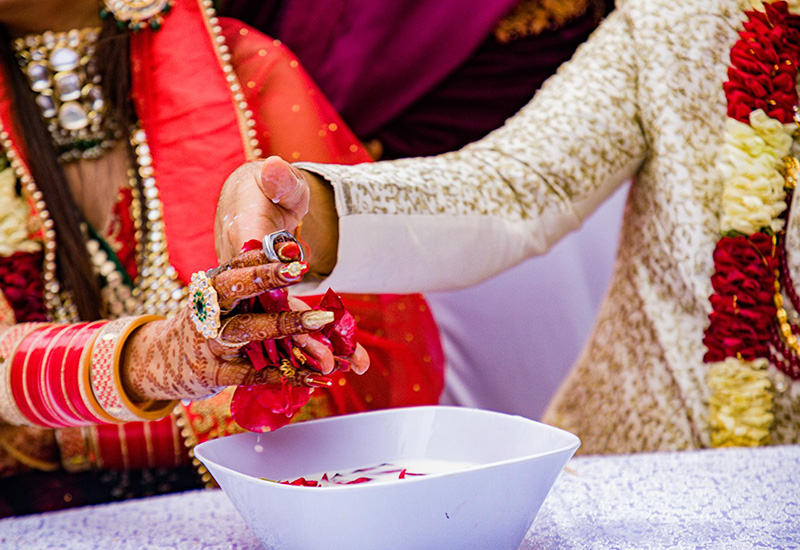
Essential Rituals Only
Core ceremonies like saat phere, kanyadaan, and sindoor daan condensed into 2-3 hour celebration. Perfect for destination weddings or venue time constraints while maintaining spiritual validity.
 Budget Pick
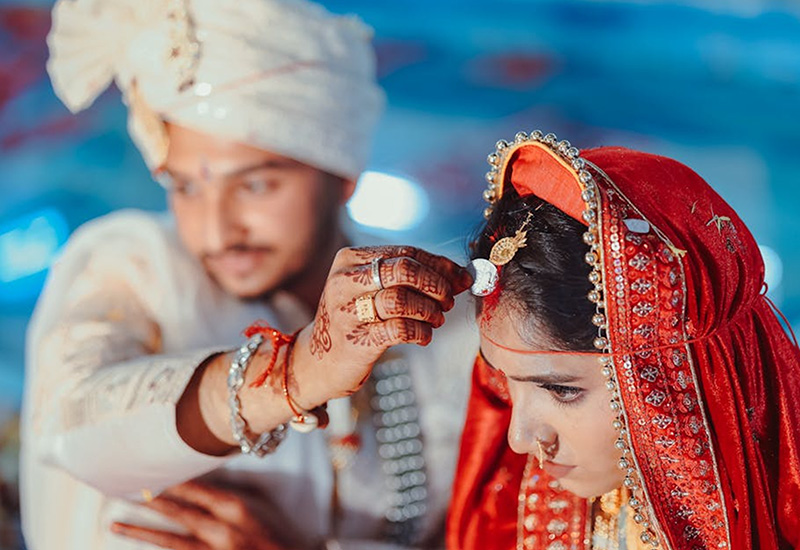
Symbolic Ceremony
Abbreviated ritual sequence focusing on key moments like var mala and sindoor daan. Ideal for court marriage follow-up celebrations or couples prioritizing reception over ceremony length.
Budget Planning for Traditional Ceremonies
Traditional wedding rituals require specific budget allocations beyond basic venue and catering costs. Ceremony expenses typically account for 15-25% of total wedding budgets, covering pandit fees, sacred materials, ritual decorations, and specialized setup requirements like mandap construction or havan kund installation.
Hidden costs catch many couples off-guard, particularly for destination weddings where sacred materials must be transported or sourced locally. A Goa destination wedding spent an unexpected ₹35,000 on ritual item logistics when their chosen pandit required specific copper vessels and organic materials unavailable locally. The couple learned that ceremony planning needs the same detailed budgeting as catering.
Regional price variations significantly impact overall costs. Delhi pandits charge ₹25,000-₹75,000 for full ceremony conduct, while smaller cities like Indore offer similar services for ₹8,000-₹25,000. However, cheaper pandits may lack experience with complex inter-cultural ceremonies or modern venue constraints.
Smart couples use Happiffie's Reverse Auction to compare ritual service providers and negotiate package deals that include pandit services, sacred materials, and ceremony coordination. This transparent bidding often reduces ceremony costs by 20-30% while ensuring qualified service providers.
Budget-Friendly
Basic ritual setup with local pandit, essential sacred materials, simple mandap, and standard flower decorations
Best for intimate ceremoniesMid-Range
Elaborate mandap, experienced pandit, premium sacred materials, ritual coordination, and enhanced decorative elements
Most popular choicePremium
Luxury mandap design, renowned pandit, imported sacred items, full ceremony coordination, and elaborate ritual presentations
For grand traditional weddings💰 Money-Saving Tips
- Book during off-season (May-August) for better pandit and vendor rates.
- Use Happiffie's Reverse Auction for competitive ceremony service quotes.
- Negotiate package deals combining pandit, materials, and decorations for better value.
Frequently Asked Questions
Couples planning traditional Indian weddings often have specific questions about ritual requirements, cultural significance, and practical implementation challenges.
Final Thoughts
Wedding rituals aren't outdated traditions but living connections to cultural wisdom that has guided successful marriages for millennia. Each ceremony serves psychological and spiritual purposes that modern couples often discover create deeper satisfaction than elaborate receptions or expensive decorations.
The one decision couples should commit to today is identifying which three rituals matter most to their families and spiritual beliefs. The biggest mistake is assuming all rituals carry equal weight — focus on meaningful ceremonies rather than checking every traditional box to avoid overwhelming yourselves and your guests.
Happiffie's platform simplifies traditional ceremony planning by connecting you with ritual-savvy vendors who understand both spiritual significance and practical logistics. Your wedding rituals should feel like a sacred beginning, not a cultural obligation.
Ready to Get Started?
Let Happiffie help you find the perfect ceremony specialists.
Are you a Vendor? Grow Your Business with Happiffie!
- High intent verified leads
- Reverse auction opportunities
- AI business tools & insights
- Dedicated vendor dashboard
- Grow your business, your way
It's free & takes less than 2 minutes!