
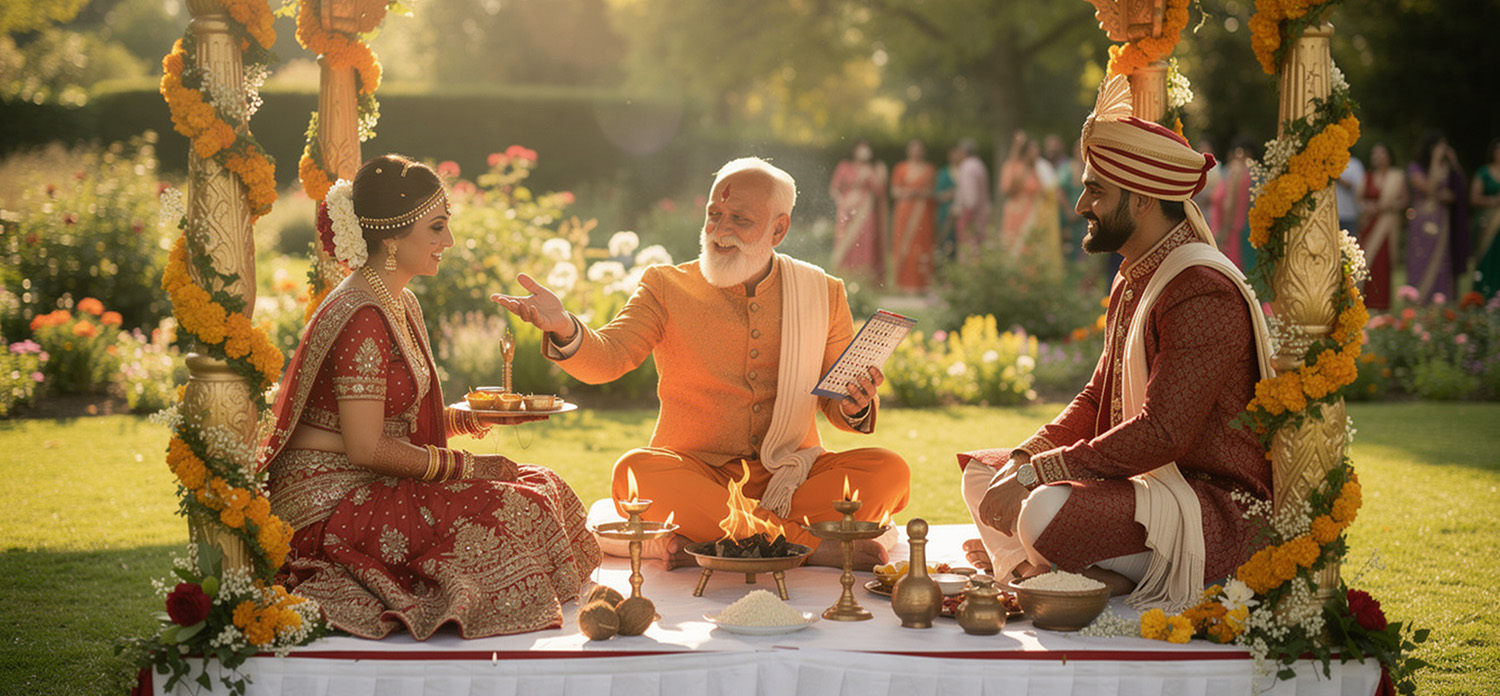
Why Timing Matters in Hindu Wedding Rituals: Complete Planning Guide
Master the art of perfect timing for your Hindu wedding ceremonies with expert insights on muhurtham, rituals, and sacred scheduling
A Chennai couple recently moved their wedding ceremony by just 45 minutes after their family pandit discovered a more auspicious muhurtham window. This small timing adjustment transformed their entire wedding day flow, allowing smoother transitions between rituals and happier guests who weren't waiting in 38°C heat during the less favorable afternoon slot.
Hindu wedding ritual timing isn't just about tradition—it's about practical coordination that affects everything from vendor availability to guest comfort. Poor timing decisions can cascade into vendor conflicts, exhausted family members, and rushed sacred moments that deserve reverence. Many couples booking wedding venues overlook how muhurtham constraints impact their entire celebration timeline.
This comprehensive guide reveals why timing matters in Hindu wedding rituals, how to coordinate multiple ceremonies seamlessly, and when flexibility serves you better than rigid adherence to tradition. We'll show you how Happiffie's platform helps couples balance sacred timing with practical logistics for memorable celebrations.
📋 Table of Contents
The Science Behind Sacred Timing
Hindu wedding timing combines ancient astronomical calculations with practical modern considerations. Muhurtham selection considers planetary positions, lunar phases, and seasonal factors that our ancestors believed influenced marital harmony. While tradition provides the framework, today's couples must balance these sacred windows with venue availability and family logistics.
Consider a Bangalore couple planning their December wedding. Their pandit identified three favorable muhurtham slots: 6:30 AM, 11:15 AM, and 4:45 PM. The morning slot offered cooler weather and fresh energy but required 4 AM preparation start times for elaborate bridal makeup. The afternoon slot provided better lighting for photography but coincided with peak traffic when elderly relatives struggle with city navigation.
The biggest mistake couples make is treating muhurtham as inflexible. Experienced priests often provide multiple auspicious windows within the same day, allowing couples to choose timing that serves both tradition and practicality. Smart couples prioritize the most important rituals during prime muhurtham slots while scheduling reception elements during more flexible time periods.
This approach recognizes that different rituals carry different significance levels. The actual wedding vows (saptapadi) deserve the most auspicious timing, while pre-wedding celebrations like mehendi can accommodate broader time flexibility without compromising spiritual sanctity.
 Hiya
HiyaPro Tip: Book your priest early to discuss multiple muhurtham options—most pandits can find 2-3 favorable windows on your chosen date.
Key Factors to Consider
Successful Hindu wedding timing requires balancing spiritual requirements with logistical realities. Each factor influences not just the ceremony flow but also vendor costs, guest experience, and family participation levels. Understanding these interconnections helps couples make informed decisions that honor tradition while ensuring smooth execution.
Mumbai couples often face unique timing challenges during monsoon season weddings. A July wedding muhurtham at 7:30 AM seems perfect until you realize the preceding night's mehendi ceremony will run until 2 AM, leaving minimal rest time for the bride's family. Smart couples buffer these transitions by scheduling lighter pre-wedding events or choosing muhurtham slots that allow adequate recovery time between major ceremonies.
Vendor coordination becomes critical when multiple ceremonies demand precise timing. Your photographer, caterer, and decorator must synchronize their services around non-negotiable ritual schedules. Late ceremony starts cascade into delayed lunch service, affecting afternoon guest comfort and evening celebration timing. Professional wedding vendors build these coordination requirements into their service planning.
Regional variations also impact timing decisions significantly. South Indian ceremonies traditionally begin at dawn, while North Indian families often prefer late morning slots. Understanding your family's specific traditions helps avoid last-minute timing conflicts that can stress relationships during an already emotional period.
1. Muhurtham Flexibility
Most dates offer 2-3 auspicious windows. Request alternatives from your pandit to accommodate practical needs like vendor availability, guest travel times, and ceremony complexity without compromising spiritual significance.
2. Seasonal Considerations
Summer weddings in Chennai demand early morning ceremonies to avoid extreme heat. Monsoon timing requires covered backup plans. Winter ceremonies in Delhi may need heating arrangements for elderly guests during dawn rituals.
3. Multi-Day Coordination
Hindu weddings span multiple days requiring careful timeline orchestration. Mehendi, sangam, and wedding day timing must flow logically while respecting individual ceremony requirements and guest energy levels throughout the celebration.
4. Vendor Synchronization
Caterers need 2-3 hours prep time after ceremony completion. Photographers require adequate lighting transitions. Decorators need setup windows between ceremonies. Factor these professional requirements into your sacred timing decisions.
5. Guest Experience
Consider elderly relatives' mobility during early morning ceremonies. Account for travel time between venues. Provide adequate rest periods between intensive rituals. Guest comfort directly impacts the joyful atmosphere essential for meaningful celebrations.
Popular Ceremony Scheduling Options
Hindu wedding scheduling typically follows three popular timing patterns, each offering distinct advantages for different family situations and logistical needs. Understanding these options helps couples choose arrangements that best serve their specific circumstances while maintaining ceremonial integrity and guest satisfaction.
The dawn ceremony tradition remains popular in South India, where 6:00-8:00 AM wedding slots offer cooler temperatures and spiritual significance. However, Hyderabad couples increasingly prefer late morning ceremonies (10:00 AM-12:00 PM) that allow proper preparation time while avoiding afternoon heat. This timing accommodates elaborate bridal makeup requiring 3-4 hours and ensures professional vendors can deliver quality service without rushing.
Afternoon ceremonies (2:00-4:00 PM) work well for winter weddings in Northern cities where natural lighting enhances photography and guest comfort remains manageable. The key insight many couples miss is that ceremony timing determines your entire celebration flow, not just the ritual schedule itself. Late afternoon weddings naturally transition into evening receptions without awkward gaps.
Multi-venue celebrations require particularly careful timing coordination. Couples using separate venues for ceremony and reception must factor travel time, decoration changeovers, and guest transition periods. Professional wedding planners typically recommend 90-minute buffers between venue changes to ensure smooth guest experience.
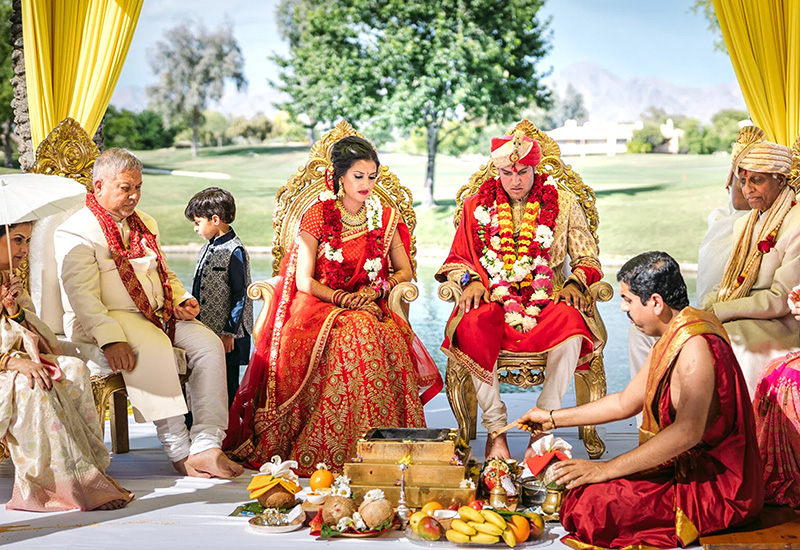 Most Popular
Dawn Ceremony (6:00-8:00 AM)
Traditional timing offering cooler weather and spiritual significance. Requires extensive pre-dawn preparation but provides natural energy and comfortable temperatures. Popular in South India, requires early vendor coordination and guest communication.
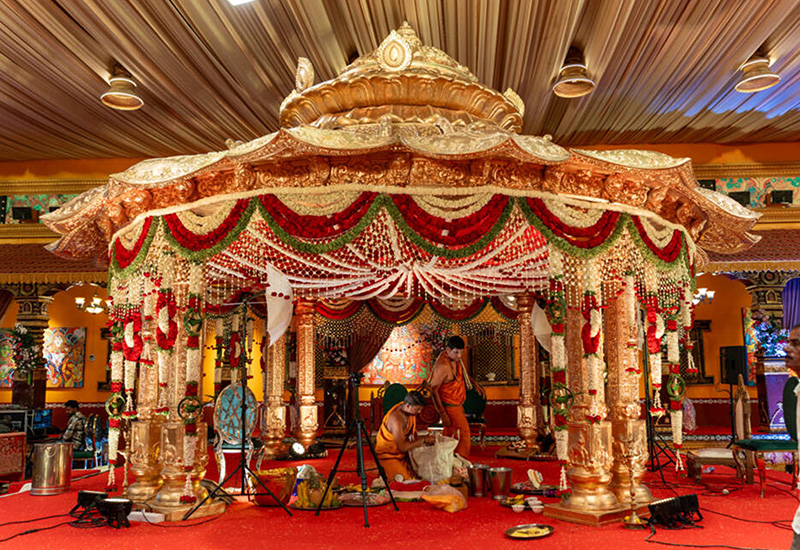 Budget Pick
Afternoon Ceremony (2:00-4:00 PM)
Ideal for winter weddings and Northern climates. Allows relaxed morning preparation and natural transition to evening celebrations. Requires weather consideration in summer months but offers extended celebration timeline.
Budget Planning for Timed Events
Hindu wedding timing directly impacts your budget through vendor pricing structures, venue costs, and logistical requirements. Early morning ceremonies often command premium rates from makeup artists and photographers who must start work at 3:00 AM. Understanding these timing-based cost implications helps couples budget accurately and avoid surprise expenses during wedding planning.
Delhi couples booking winter morning ceremonies face additional heating costs for guest comfort, while Chennai summer weddings require cooling arrangements that can add ₹15,000-25,000 to venue expenses. Professional vendors typically charge 20-30% premiums for unsociable hours or extreme weather adaptations. Smart couples factor these timing costs into their initial budget planning rather than treating them as unexpected add-ons.
Multi-day celebration timing affects accommodation costs significantly. Guests attending dawn ceremonies often require overnight stays, increasing your hospitality budget. Conversely, afternoon ceremonies allow same-day guest travel, reducing accommodation responsibilities. Consider these indirect timing costs when choosing your ceremony schedule and communicating expectations with family members.
The Reverse Auction system proves particularly valuable for timing-sensitive bookings. Vendors compete for your business while understanding your specific timing requirements, often revealing flexible pricing options for different ceremony slots. This transparency helps couples compare true costs across different timing scenarios before committing to schedules.
Budget-Friendly
Morning ceremonies with local vendors, single venue celebrations, minimal timing-based premiums
Best for intimate gatheringsMid-Range
Flexible timing with professional vendors, multi-venue coordination, moderate premium services
Most popular choicePremium
Multiple muhurtham ceremonies, luxury vendor teams, full timeline coordination, weather contingencies
For elaborate celebrations💰 Money-Saving Tips
- Book during off-season for better vendor rates and timing flexibility.
- Use Happiffie's Reverse Auction for competitive quotes on time-sensitive services.
- Choose single-venue celebrations to eliminate timing-based transportation costs.
Frequently Asked Questions
These questions address the most common timing concerns couples face when planning Hindu wedding ceremonies, from practical scheduling challenges to balancing tradition with modern logistics.
Final Thoughts
Hindu wedding ritual timing represents the beautiful intersection of ancient wisdom and modern practicality. Couples who understand both aspects create celebrations that honor spiritual significance while ensuring guest comfort and vendor coordination. The key insight is that timing flexibility within traditional frameworks often produces more meaningful experiences than rigid adherence to single options.
Your most important decision today is requesting multiple muhurtham options from your priest rather than accepting the first timing suggestion. This simple step opens doors to better vendor availability, improved guest experience, and reduced stress levels throughout your planning process. Avoid the common mistake of treating timing as fixed—most dates offer several auspicious windows that accommodate practical needs.
Successful Hindu wedding timing requires professional coordination that Happiffie provides through experienced vendors and comprehensive planning tools. Sacred moments deserve both spiritual reverence and flawless execution. When timing aligns with tradition and practicality, your wedding becomes a joyful celebration rather than a logistical challenge, creating memories that honor both heritage and happiness.
Ready to Get Started?
Let Happiffie help you coordinate perfect timing for your Hindu wedding celebration.
Are you a Vendor? Grow Your Business with Happiffie!
- High intent verified leads
- Reverse auction opportunities
- AI business tools & insights
- Dedicated vendor dashboard
- Grow your business, your way
It's free & takes less than 2 minutes!