
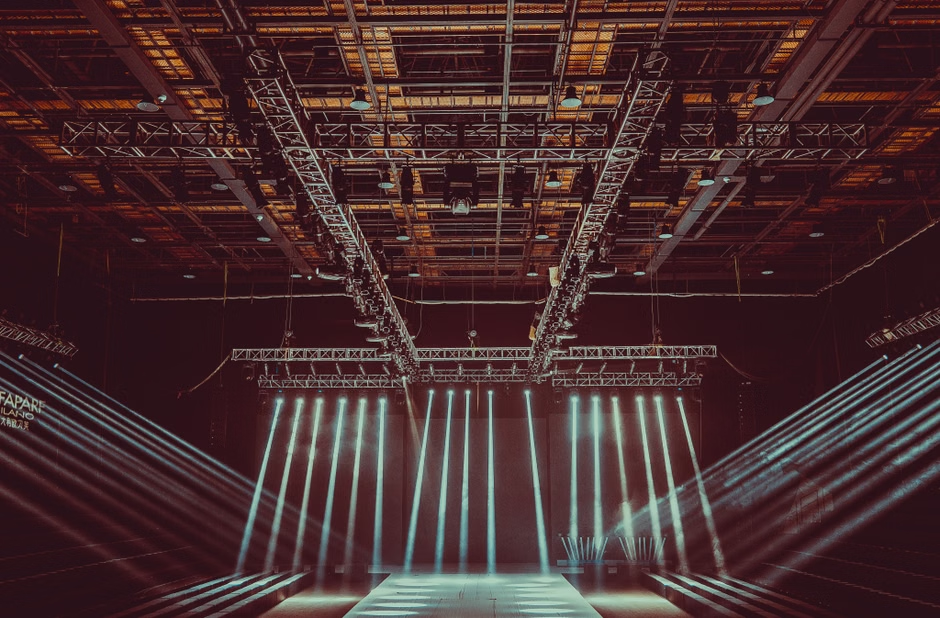
A wedding truss is a modular aluminium or mild-steel framework — assembled on-site — designed to bear the weight of lighting fixtures, LED panels, floral installations, and fabric draping safely above a stage or open-air venue. Think of it as the invisible scaffolding that makes your decor possible. Unlike a fixed venue ceiling, a truss rig is custom-sized to your exact stage width, height, and load requirements.
Chennai's unique event geography makes a wedding truss setup Chennai almost non-negotiable at scale. The city hosts weddings in banquet halls along Anna Nagar's GST Road, open-air beach resorts on the East Coast Road, and terraced rooftop venues in OMR's IT corridor — each with different ceiling heights and anchor points. A temporary truss structure solves the single biggest challenge of these varied venues: giving decorators a fixed, load-bearing grid to hang thousands of LED PAR cans, drape kilometres of sheer fabric, or suspend a centrepiece chandelier weighing 40–60 kg.
We've seen couples underestimate truss planning and end up with drooping backdrops or unsafe lighting rigs patched together at the last minute. A properly installed truss lighting structure for weddings eliminates that risk entirely. Industry data suggests that in metro cities like Chennai, Bangalore, and Mumbai, over 65% of weddings with more than 500 guests now incorporate some form of structural truss to support stage decor. The trend is driven by Pinterest-driven expectation of large LED walls, kinetic lighting, and elaborate floral arches — none of which are practical without a reliable overhead frame.