
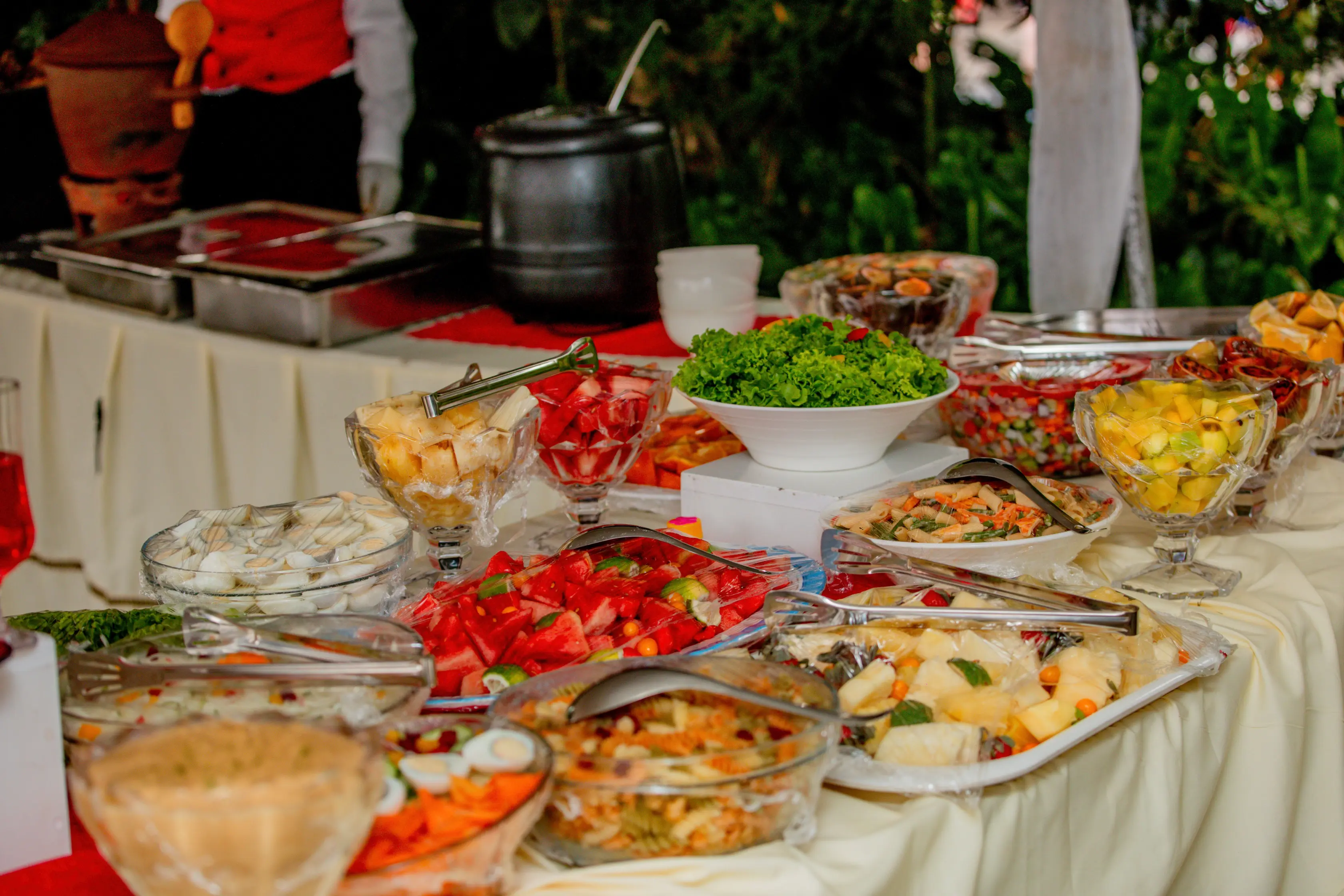
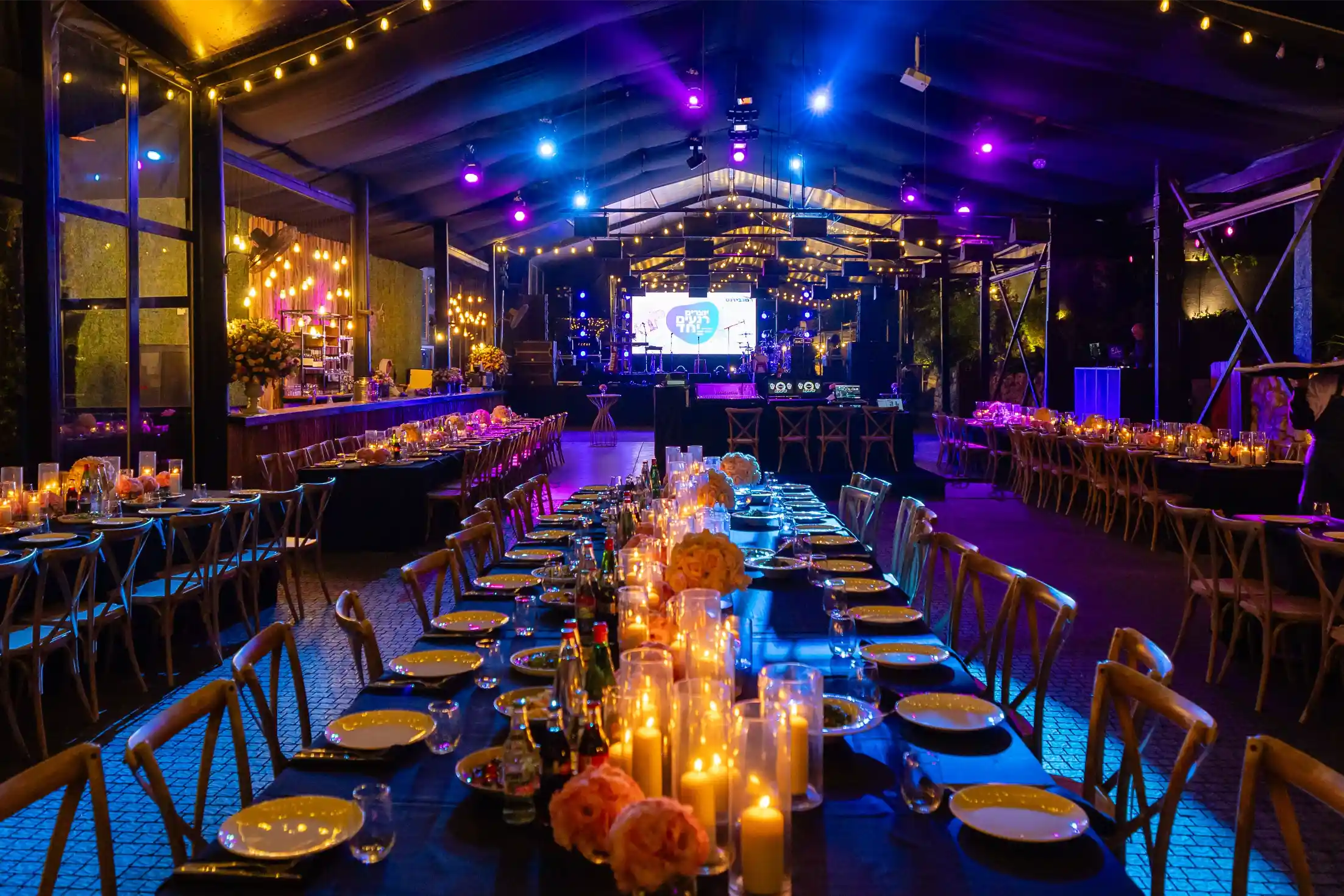
Wedding food experiences showcasing colorful multi-cuisine platters and themed dining setups at Indian celebrations
Wedding Planning

Wedding Food Experiences: Create Memorable Culinary Moments

Design curated multi-course celebrations with Indian regional cuisines and themed food stations

2026-07-30By Happiffie Editorial Team10 min read
⚡ Quick Answer

Wedding food experiences are curated culinary offerings that go beyond standard catering—combining regional cuisines, interactive stations, live cooking, and thematic presentations. They transform meals into memorable moments, typically costing ₹500–₹2,000 per person depending on cuisine complexity, guest count, and venue setup.

Wedding food experiences have evolved far beyond a simple sit-down dinner. Today's couples seek curated wedding menus that reflect their heritage, entertain guests, and create lasting memories through every course. From live chaat counters in Mumbai to dosa stations in Bangalore, interactive food stations turn celebrations into immersive dining moments. Whether you're planning an intimate 50-guest gathering or a grand 500-person reception, understanding how to craft meaningful regional cuisine celebrations ensures your guests talk about your wedding for years. This guide explores the options, costs, and decision factors behind creating exceptional wedding food experiences across Indian cities.

What Are Wedding Food Experiences?

What Are Wedding Food Experiences?

Wedding food experiences go beyond traditional plated service—they're immersive culinary journeys designed around your couple's story, regional roots, and guest preferences. Curated wedding menus blend multiple cuisines, cooking styles, and cultural traditions to create moments of discovery at every course. From a Maharashtrian bhakar counter to a South Indian filter-coffee station paired with mini uttapam, these setups transform dining into entertainment.

The core appeal is participation: guests aren't passive diners but active participants in food storytelling. A regional cuisine celebration might feature live tandoor cooking, interactive chaat stations, or DIY dessert assembly—turning catering into theatre. Costs typically range from ₹600–₹1,800 per person in tier-1 cities (Delhi, Mumbai, Bangalore, Chennai) depending on cuisine mix and kitchen setup complexity.
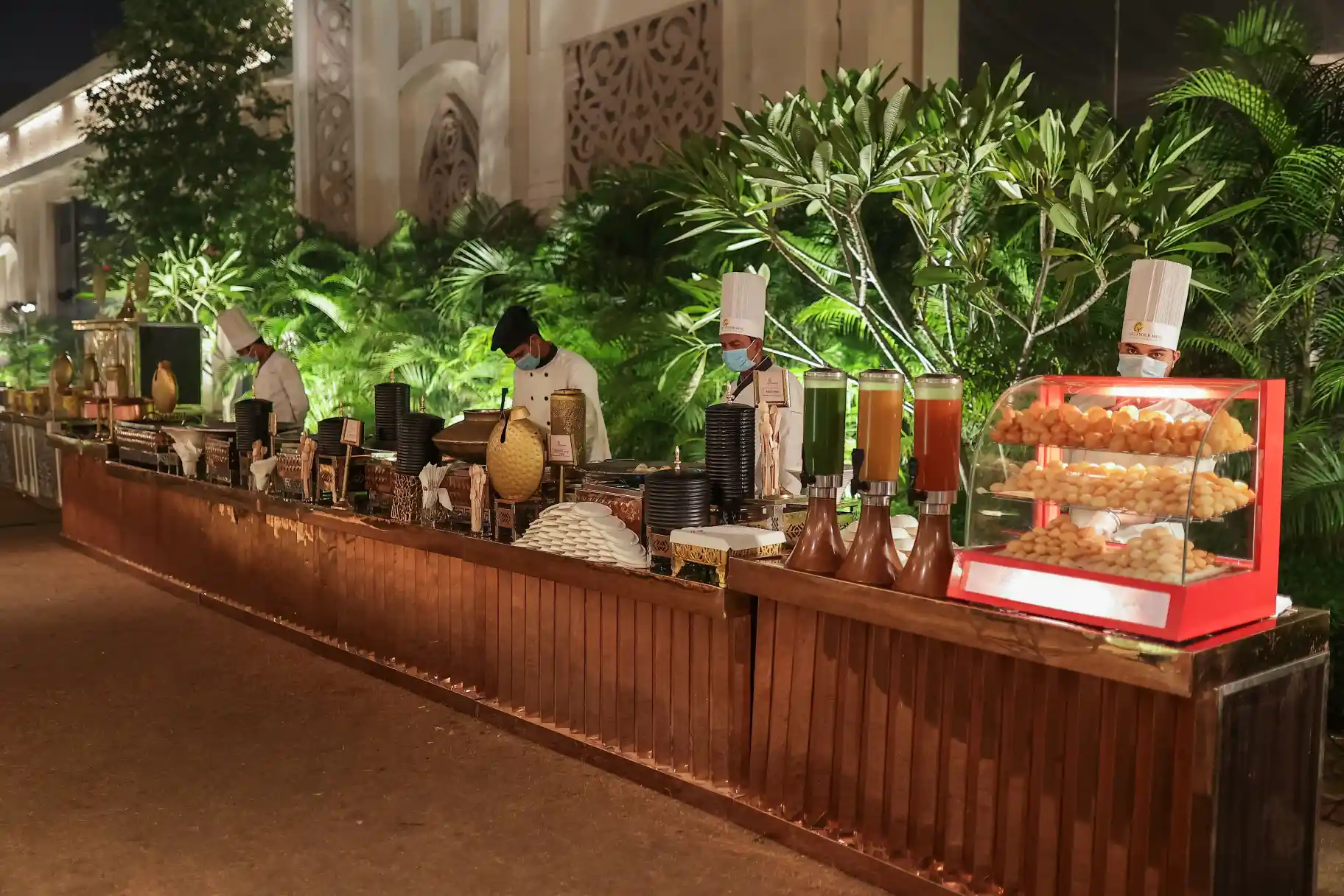
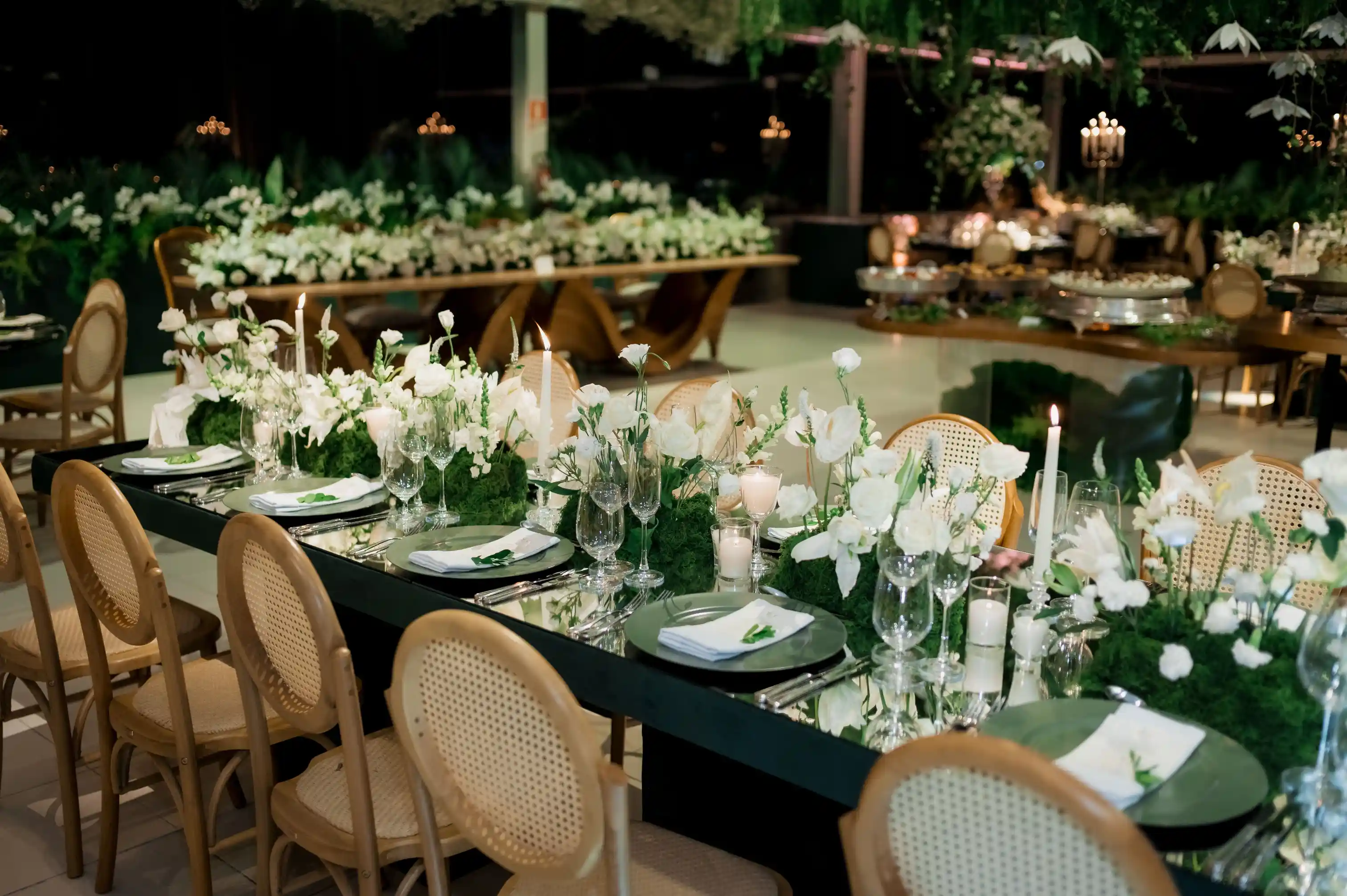
How Do Interactive Food Stations Enhance Guest Engagement?

How Do Interactive Food Stations Enhance Guest Engagement?

Interactive food stations break the monotony of formal plated service, encouraging guests to mingle, customize their plates, and engage with culinary staff. A biryani station allows guests to choose their protein and rice ratio. A live momos counter builds queue dynamics that spark conversations. These stations naturally distribute guest flow, reducing crowding at single service points.

Research shows guests remember experiences where they participate. Live dosa-making, live sushi rolling, or interactive tandoor stations create shareable moments—perfect for Instagram and family memories. In wedding food experiences, themed wedding dining stations typically occupy 30–40% of your catering budget but deliver 60% of the emotional impact. Cities like Mumbai and Bangalore see couples allocating ₹800–₹1,500 per person specifically for interactive components.

Why Regional Cuisine Celebrations Resonate More?

Why Regional Cuisine Celebrations Resonate More?

Regional cuisine celebrations anchor wedding food experiences to identity and heritage. A Punjabi wedding featuring live tandoor, makki di roti with sarson ka saag, and sweet lassi stations honors traditions while surprising guests with authentic depth. A Tamil celebration centered on filter coffee, dosa varieties, and traditional payasam tells a story of place and family.

Couples across India are moving away from generic multi-cuisine buffets toward authentic regional depth. Wedding food experiences that showcase one region's culinary richness (rather than diluting across five cuisines) leave stronger impressions. Chennai-based couples often pair Chettinad cuisine with Kongunadu sweets; Delhi couples blend Awadhi and Mughlai traditions. Budget allocation: ₹700–₹1,400 per person for regional-focused celebrations versus ₹500–₹900 for mixed buffets.

What Budget Range Should You Plan For?

Wedding food experience costs hinge on guest count, cuisine complexity, interactive stations, and venue location. For 100 guests in Bangalore: ₹60,000–₹140,000 total (₹600–₹1,400 per head). For 300 guests in Mumbai: ₹180,000–₹480,000 (₹600–₹1,600 per head). Off-peak seasons (June–August, January) reduce costs by 15–25%; peak months (October–December) increase costs 10–20%.

Interactive stations and regional cuisine celebrations typically add 20–35% to base catering. A live biryani counter costs ₹8,000–₹15,000 extra for 100 guests; a tandoor setup ₹12,000–₹20,000. Beverage pairing (wine, craft cocktails, heritage drinks) adds ₹150–₹400 per person. Many couples in tier-2 cities (Pune, Hyderabad, Jaipur) find ₹800–₹1,200 per person delivers excellent themed wedding dining without premium pricing.

How to Design Your Perfect Wedding Food Experience?

Start by anchoring your wedding food experiences to a culinary theme: heritage (family recipes), regional (Karnataka, Bengal, Gujarat), or fusion (modern Indian). List 5–6 must-have dishes rooted in that theme, then design 2–3 interactive food stations around them. Pair each station with a beverage counter (lassi, fresh juices, tea). Allocate 40% plated courses, 40% interactive stations, 20% desserts and drinks.

Partner with professional caterers experienced in interactive setups—they'll advise on kitchen logistics, staffing, and timing. Test menus 4–6 weeks before the event. For curated wedding menus, include dietary options (vegan, gluten-free) in your design phase, not last-minute. Survey your guest list for allergies and preferences; 15–20% of guests typically need alternatives. Document your choices in a wedding food experience checklist and share with venue management.

People Also Ask

What makes a wedding food experience different from a regular catering setup?
Wedding food experiences combine interactive stations, live cooking, and curated storytelling around your heritage or theme. Guests participate—customize plates, watch preparation, taste traditions—rather than passively receive plated meals. This participation creates memorable moments and deeper engagement.
How much extra does interactive food stations cost compared to a standard buffet?
Interactive stations typically add 20–35% to base catering: a live biryani counter costs ₹8,000–₹15,000 for 100 guests; tandoor setup ₹12,000–₹20,000. The investment delivers high emotional return—guests remember participation more than plate variety.
Can we include regional cuisine celebrations in a destination wedding?
Yes. Regional cuisine celebrations work exceptionally well in destination settings—guests travel expecting authentic experiences. Partner with local caterers at your destination who understand regional depth. Authenticity resonates more than trying to recreate regional food far from its origin.
How many interactive food stations should we plan for 250 guests?
Typically 3–4 main stations plus one beverage counter. A momo station, a biryani station, a live dessert counter, and a regional sweets station work well for 250 guests. Each station should accommodate 40–60 guests per service cycle to avoid long queues.
What's the best way to manage dietary restrictions in curated wedding menus?
Survey guests 6–8 weeks before: allergies, vegan, gluten-free, no-onion (Jain), religious restrictions. Design your curated menu with baseline inclusions that naturally accommodate 80–90% of guests, then add 2–3 specific alternatives for remaining needs. Brief catering staff on clearly marked stations.

Expert Recommendation

Best for intimate celebrations (30–75 guests)

Focus on a single heritage cuisine with 2–3 interactive stations and hyper-personalized touches. A family-recipe-centered menu with live dosa making and a filter-coffee station creates warmth in small gatherings. Budget: ₹800–₹1,400 per person for premium curated wedding menus.

Best for large celebrations (200–500 guests)

Anchor to a primary regional tradition, then introduce 4–5 well-spaced stations to manage flow. A main course buffet plus tandoor, biryani, chaat, and dessert stations keeps guests engaged. Budget: ₹600–₹1,200 per person for effective wedding food experiences at scale.

Best for budget-conscious couples

Select one regional cuisine deeply, minimize stations (2–3), and rely on excellent execution over variety. Regional cuisine celebrations that showcase depth over breadth cost 15–25% less while feeling premium. Budget: ₹500–₹900 per person in tier-2 cities.

Best for destination and fusion celebrations

Blend your heritage with local cuisine through 2–3 thematic stations: heritage appetizer counter, local-inspired main, and fusion dessert. Themed wedding dining that tells a journey narrative resonates with travel-weary guests. Budget: ₹700–₹1,600 per person depending on location.

Wedding Food Experience Setup Comparison: Choose What Fits Your Vision

OptionAdvantagesLimitationsRecommended Use Case
Sit-down plated service + 2 interactive stationsElegant, controlled pacing, easy kitchen staffing, predictable timeline, strong for formal eventsLess guest interaction, lower perceived variety, station queues can form during plate serviceFormal black-tie, corporate joint weddings, 100–200 guests seeking tradition
Buffet + 3–4 interactive stationsHigh perceived variety, sustained engagement, guest autonomy, excellent for younger guests, natural photo opportunitiesKitchen coordination complexity, longer setup, buffet lines can bottleneck early, higher staffing needsModern celebrations, 150–400 guests, outdoor venues, daytime events, Instagram-conscious couples
Live cooking theatre (tandoor/wok/grill) + regional stations onlyExceptional memorability, authentic storytelling, smaller kitchen footprint, staff becomes entertainment, highest WOW factorRequires specialized trained staff, longer per-guest service time, kitchen equipment space constraints, weather-dependent outdoorsIntimate 50–150 guest counts, strong cultural anchor, destination weddings, heritage-forward celebrations
Dessert + beverage focus with minimal main stationsBudget-efficient, high perceived luxury through quality desserts, unique differentiation, excellent for evening eventsCannot be primary meal solution, requires good lunch planning beforehand, guest hunger management crucialEvening receptions, post-dinner cocktails, couples supplementing existing catering, budget under ₹600 per head

Decision Support

Pre-Booking Checklist

  • Survey guests 6–8 weeks prior: dietary needs, allergies, cuisine preferences, and dietary restrictions (vegan, Jain, gluten-free, no-onion)
  • Identify your culinary anchor: heritage recipe, regional tradition, fusion theme, or cuisine story—keep it singular to build authenticity
  • Sketch venue layout: interactive station placements to maximize flow, separate buffet and bar zones, and ensure adequate kitchen access
  • Finalize catering partner: check portfolio for interactive station experience, request menu tasting (₹2,000–₹5,000 typically), and confirm staffing ratios
  • Choose 2–4 interactive stations maximum: each adds ₹8,000–₹20,000 but also adds execution risk; fewer stations done excellently beats many done mediocrely
  • Plan beverage pairing: heritage drinks (lassi, nimbu pani, filter coffee), wine/spirits if aligned, and non-alcoholic craft options for all guests
  • Confirm timing and serving schedule with caterer: appetizers, main service, station rotation, and dessert–coffee closure to maintain flow
  • Brief your venue and catering team on any special guest needs, VIP seating preferences, and photography moments (live tandoor shots, dessert reveal)

Selection Criteria

  • Heritage and story alignment: Does the menu reflect your family roots, cultural identity, or personal narrative meaningfully?
  • Guest experience design: Will interactive elements keep guests engaged and create shareable moments, or feel forced?
  • Kitchen feasibility: Does your venue's back-of-house support live cooking stations without compromising food safety and pacing?
  • Budget proportionality: Does the food spend (typically 35–45% of total wedding budget) deliver value in guest memory and satisfaction?
  • Logistics scalability: Can the setup handle your expected guest count without long queues, cold food, or staff overwhelm?

Cost & Quality Factors

  • Cuisine complexity: Single regional cuisine (₹600–₹1,000/head) costs less than multi-regional fusion; authenticity often trumps variety in memorability
  • Interactive station count: Each station adds ₹8,000–₹20,000; prioritize 2–3 high-impact stations over 6 mediocre ones
  • Venue kitchen capacity: On-site kitchens enable live cooking; off-site venues limit interactive options and may increase setup costs by 15–25%
  • Guest count and timing: 50–100 guests allow intimate live tandoor; 300+ guests benefit from parallel stations and pre-plated appetizers to avoid bottlenecks
  • Seasonal and regional pricing: Off-peak months (June–August) reduce costs 15–25%; peak season (Oct–Dec) adds 10–20%; tier-2 cities undercut tier-1 by 20–30%

Mistakes to Avoid

  • Overloading with stations: 6+ interactive stations create kitchen chaos, staff burnout, and guest confusion rather than delight—cap at 3–4
  • Misaligned food story: Mixing unrelated cuisines (Punjabi tandoor + South Indian dosa + Asian fusion) dilutes authenticity and confuses narrative
  • Ignoring guest dietary needs: Discovering allergies during service disrupts experience; survey early and design menus inclusively from the start
  • Inadequate staffing: Interactive stations require skilled, trained staff; under-staffing creates long queues and cold food—budget 1 staff per 20–30 guests
  • Poor kitchen access planning: Assuming back-of-house can support live cooking without consulting venue; coordinate space, utilities, and timing 2–3 months prior
  • Skipping menu tastings: Tasting menus 4–6 weeks before allows adjustment—never commit to a caterer on portfolio alone

Key Takeaways

  • Wedding food experiences transform dining into storytelling through interactive stations, live cooking, and curated regional menus.
  • Interactive food stations cost 20–35% extra but deliver 60% of emotional impact and guest memorability through participation.
  • Regional cuisine celebrations anchored to single traditions (vs. diluted multi-cuisine buffets) feel more authentic and premium.
  • Budget ₹600–₹1,600 per person in tier-1 cities; ₹500–₹1,200 in tier-2 cities for well-executed curated wedding menus.
  • Interactive stations work best at 2–4 per event; more than four create kitchen coordination chaos and guest confusion.
  • Survey dietary needs 6–8 weeks prior and design inclusive menus from the start, not as last-minute alternatives.
  • Partner with caterers experienced in interactive setups; request portfolio examples and conduct menu tastings before committing.
  • Themed wedding dining at destination events resonates highest—blend heritage with local cuisine to create journey narratives.

Frequently Asked Questions

Wedding food experiences represent one of the most discussed (and budget-intensive) decisions in modern celebrations. Couples often wonder how to balance tradition with innovation, manage logistics, and ensure every guest feels celebrated through the menu. Below, we address the most common questions about designing memorable <strong>wedding food experiences</strong> across India.

How much does a typical wedding food experience cost per person?
Costs range ₹500–₹1,800 per person depending on cuisine, interactive stations, and city. Tier-1 cities (Delhi, Mumbai, Bangalore, Chennai) average ₹800–₹1,400; tier-2 cities ₹600–₹1,100. Off-peak seasons save 15–25%; peak months add 10–20%. Get free catering quotes to compare options for your guest count and budget.
Can Happiffie help me find caterers for curated wedding menus?
Yes—browse Happiffie's verified catering vendors with portfolios in interactive food stations and regional cuisine celebrations. Use our Reverse Auction to request quotes from multiple caterers, compare menus, and negotiate pricing. Vendors bid competitively, often reducing costs by 20–30% versus direct quotes.
What's the ideal number of interactive food stations for 200 guests?
Three to four stations work best: a main interactive counter (tandoor, biryani, or live dosa), a beverage station (lassi, filter coffee, fresh juices), a chaat or appetizer station, and a dessert counter. This pacing accommodates 200 guests without overwhelming kitchen logistics or creating long queues.
How do I choose between regional cuisine and fusion-themed wedding dining?
Regional cuisine celebrations anchored to one tradition feel more authentic and memorable; fusion works if it tells a coherent narrative (heritage + destination cultures). Pure regional dining at ₹700–₹1,400 per head typically outperforms diluted fusion at ₹600–₹1,100 in guest perception and authenticity.
How far in advance should I finalize my wedding food experience menu?
Finalize your culinary anchor and catering partner 4–6 months before the wedding. Conduct menu tastings 6–8 weeks prior to allow adjustments. Survey guest dietary needs at the same time. Confirm final headcount and any last-minute changes 2–3 weeks before the event so kitchen can adjust portions and prep schedules.

Design Your Perfect Wedding Food Experience With Happiffie

Whether you're envisioning curated regional menus or interactive food stations, Happiffie connects you with verified catering vendors, venue options, and cost transparency. Use our Reverse Auction to get free, competitive quotes and reduce catering costs by 20–30% while upgrading quality.

wedding food experiencescurated wedding menusinteractive food stationsregional cuisine celebrationswedding cateringthemed wedding diningwedding budget planningIndian wedding food

By Happiffie Editorial Team — Happiffie Editorial Team specializes in wedding and event planning guidance across India. We help couples and planners create unforgettable celebrations through expert insights, vendor connections, and real-world planning support.

Happiffie mascot

Are you a Vendor? Grow Your Business with Happiffie!

  • High intent verified leads
  • Reverse auction opportunities
  • AI business tools & insights
  • Dedicated vendor dashboard
  • Grow your business, your way
1M+Active Users
300+Events Daily
High QualityLeads
FasterBookings
Join Happiffie as a Vendor

It's free & takes less than 2 minutes!