
Before diving into specific outfit choices, it's crucial to understand your overall wedding theme and personal style preferences. Traditional vs modern groom looks should complement your wedding's aesthetic, venue, and cultural significance. Consider whether you're having a destination wedding, a traditional temple ceremony, or a contemporary celebration. Your bride's outfit choice also plays a significant role in creating a cohesive look that photographs beautifully together.
Traditional vs Modern Groom Looks: Complete Style Guide for 2026

Table of Contents
Step 1: Understanding Your Wedding Style & Theme

✨ Wedding Style Assessment Tips:
- ✓Evaluate your venue's architecture and ambiance - palaces call for traditional looks while modern hotels suit contemporary styles
- ✓Consider your family's cultural expectations and regional traditions that might influence your outfit choice
- ✓Think about the season and climate - heavy silks work better in winter while lighter fabrics suit summer weddings
- ✓Assess your personal comfort level with traditional versus western wear in your daily life
Pro Tip:
Use Reverse Auction to get styling consultation quotes from multiple fashion experts who can help you align your look with your wedding theme.
Step 2: Traditional Groom Looks: Heritage & Elegance
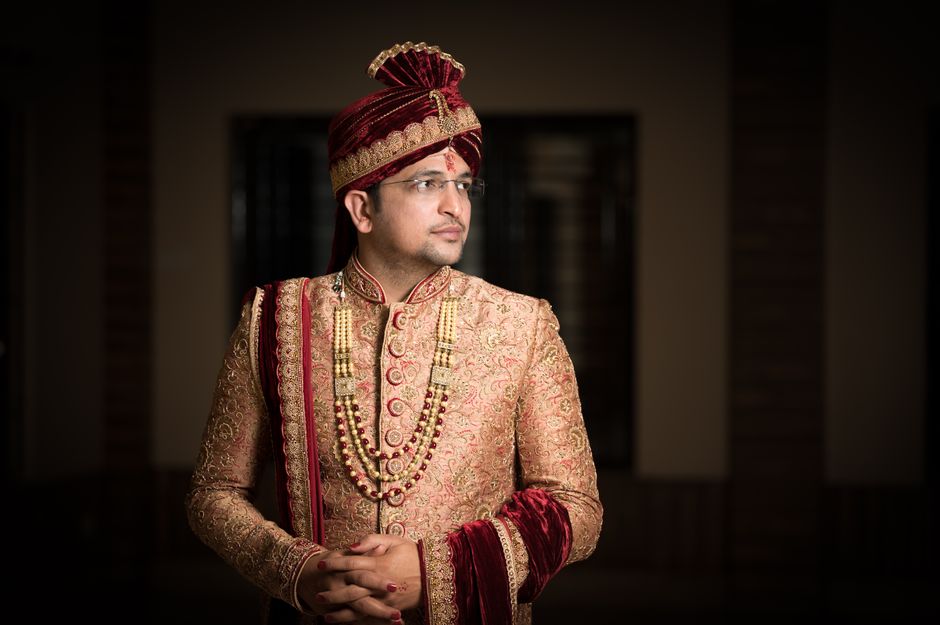
Traditional groom looks celebrate India's rich cultural heritage through stunning sherwanis, achkans, and regional outfits like dhoti-kurtas or bandhgalas. These ensembles typically feature intricate embroidery, luxurious fabrics like silk and brocade, and rich colors such as maroon, gold, or royal blue. Traditional looks work exceptionally well for religious ceremonies, family functions, and couples wanting to honor their cultural roots. The timeless appeal of these outfits ensures they'll look elegant in wedding photos for generations to come.
✨ Traditional Look Elements Checklist:
✓Choose between sherwani, achkan, or regional traditional wear based on your cultural background and ceremony type
✓Select fabric quality - silk, brocade, or velvet depending on season and budget (₹15,000-₹1,50,000 range)
✓Decide on embroidery level - from subtle threadwork to heavy zardozi or stone work for different functions
✓Plan headwear options - turban, sehra, kalgi, or pagri based on regional customs and personal preference
Pro Tip:
Browse traditional outfit specialists in our venue directory who often have partnerships with authentic costume designers and tailors.
Step 3: Modern Groom Styles: Contemporary Sophistication
Modern groom styles embrace contemporary fashion with tailored suits, tuxedos, and fusion Indo-western outfits that blend traditional elements with modern cuts. These looks are perfect for cocktail parties, reception ceremonies, and couples who prefer a more minimalist aesthetic. Modern styling allows for greater experimentation with colors, patterns, and accessories while maintaining sophistication. The versatility of modern looks means you can often rewear pieces for other formal occasions after your wedding.
✨ Modern Style Essential Information:
✓Suit types - three-piece, tuxedo, or blazer combinations with various lapel styles and fits
✓Color palette options - classic black, navy, charcoal, or bold colors like burgundy and emerald
✓Fabric choices - wool, linen, cotton blends, or luxury fabrics like silk and cashmere
✓Fusion elements - incorporating Indian touches like nehru collars, churidar pants, or ethnic accessories
✓Shoe coordination - oxfords, brogues, or loafers that complement your outfit style
✓Modern accessories - bow ties, pocket squares, cufflinks, and contemporary jewelry pieces
Step 4: Comparing Style Options: Which Suits You Best?
Making the right choice between traditional vs modern groom looks requires careful consideration of multiple factors including personal style, wedding functions, budget, and family preferences. This comparison will help you evaluate which style aligns best with your vision and practical needs. Consider creating a mood board with both styles to visualize how each would look with your wedding theme and venue. Remember that many grooms choose different looks for different wedding functions, combining both traditional and modern elements throughout their celebration.
Traditional Advantages
Timeless appeal, cultural significance, family approval, perfect for religious ceremonies, creates stunning contrast with bride's lehenga, rich photogenic textures and colors.
Modern Advantages
Versatile for multiple occasions, comfortable fit, easier to accessorize, suitable for destination weddings, allows personal style expression, often more budget-friendly.
Traditional Considerations
Higher cost for quality pieces, limited reusability, can be heavy and warm, requires specific styling expertise, may need custom tailoring for perfect fit.
Modern Considerations
May not suit all ceremony types, family expectations to consider, less cultural authenticity, requires careful styling to avoid looking too formal or casual.
Step 5: Accessorizing Your Look: Jewelry & Details
The right accessories can elevate either traditional or modern groom looks from good to extraordinary. Traditional accessories include elements like kalgi, sehra, kadas, necklaces, and mojaris, while modern accessories focus on watches, cufflinks, pocket squares, and leather shoes. The key is balancing statement pieces with subtle details to create a cohesive look. Consider the weight and comfort of accessories, especially for long wedding ceremonies, and ensure they complement rather than compete with your main outfit.
✨ Accessorizing Ideas:
- ✓Traditional jewelry: Gold or kundan necklaces, kadas, rings, and earrings that complement your outfit's embroidery and color scheme
- ✓Modern accessories: Luxury watches, designer cufflinks, pocket squares, and leather accessories that add sophistication without overwhelming your look
- ✓Footwear coordination: Traditional mojaris or jutis for ethnic wear, polished leather shoes for modern looks, ensuring comfort for long celebrations
Step 6: Budget Planning & Shopping Strategy
Creating a realistic budget for your groom look is essential for making smart purchasing decisions without compromising on quality or style. Traditional outfits typically range from ₹15,000 for basic designs to ₹2,00,000+ for designer pieces, while modern suits can cost ₹10,000 to ₹1,50,000 depending on brand and customization. Factor in accessories, alterations, and multiple outfit changes if you're having different functions. Smart shopping strategies include booking during off-season sales, considering rental options for expensive pieces, and using platform services to compare prices across vendors.
✨ Budget Planning Must-Haves:
✓Set clear budget limits for main outfit, accessories, shoes, and alterations with 20% buffer for unexpected costs
✓Research price ranges across different cities - Delhi and Mumbai typically cost 15-30% more than Chennai or Bangalore
✓Consider rental vs purchase decisions based on outfit complexity, designer value, and future use potential
✓Factor in styling consultation costs, especially for traditional looks requiring expert draping and accessory coordination
✓Plan for multiple fittings and potential alterations, typically costing ₹2,000-₹8,000 for complex outfits
✓Budget for backup options or emergency tailoring in case of last-minute size changes or damage
Step 7: Timeline for Groom Outfit Selection & Fitting
Proper timing is crucial for achieving the perfect fit and finish for your wedding attire, whether you choose traditional or modern groom looks. Starting your outfit planning early allows time for multiple fittings, customizations, and any necessary changes. This timeline ensures you're never rushed and have backup options if needed. Consider seasonal factors, designer availability, and the complexity of your chosen outfit when planning your timeline.
✨ Sample Timeline:
6-8 months before:Begin research, set budget, start visiting designers and tailors, shortlist 3-4 options based on style preference and wedding theme
4-5 months before:Finalize outfit choice, place order with 50% advance, schedule initial measurements and discuss customization details
3 months before:First fitting appointment, assess fit and make necessary adjustments, order accessories and complementary pieces
6-8 weeks before:Second fitting to check alterations, finalize all accessories, plan shoes and ensure everything coordinates perfectly
2-3 weeks before:Final fitting and pickup, try on complete look with accessories, take photos for reference, arrange proper storage
1 week before:Final check of all elements, steam or iron outfit, prepare accessories kit, arrange transportation and day-of assistance
Step 8: Final Touches & Day-Of Preparation
The final step in your traditional vs modern groom looks journey involves perfecting the details that make your chosen style truly shine. This includes grooming appointments, learning how to wear traditional elements properly, and ensuring everything is camera-ready. Consider hiring a personal stylist or having a trusted family member help with dressing, especially for complex traditional outfits. Practice wearing your complete look beforehand to ensure comfort and confidence on your wedding day.
✨ Day-Of Preparation Options:
- ✓Schedule professional grooming 2-3 days before including haircut, facial, and any traditional treatments your family recommends
- ✓Arrange for a styling assistant or experienced family member to help with dressing, especially for traditional outfits requiring proper draping
- ✓Prepare an emergency kit with safety pins, stain remover, breath mints, and backup accessories for any last-minute issues
Ready to Find Your Perfect Groom Look?
<p>Let Happiffie connect you with the best wedding fashion experts, tailors, and styling consultants to create your dream groom look, whether traditional or modern.</p>
Pro Tips for Success
Start Early
Begin your outfit search 6-8 months before the wedding to allow ample time for customization and fittings, especially for traditional pieces requiring intricate work.
Use Technology
Leverage Happiffie's platform to compare multiple vendors, read reviews, and use reverse auction for the best deals on styling services and outfit options.
Consider Versatility
Choose pieces that can be mixed and matched for different functions, and use our reverse auction system to get competitive quotes from multiple fashion consultants.
Comfort First
Remember that you'll be wearing your outfit for long hours - prioritize comfort alongside style, and always have a backup plan ready for any wardrobe emergencies.
Are you a Vendor? Grow Your Business with Happiffie!
- High intent verified leads
- Reverse auction opportunities
- AI business tools & insights
- Dedicated vendor dashboard
- Grow your business, your way
1M+Active Users
300+Events Daily
High QualityLeads
FasterBookings
It's free & takes less than 2 minutes!