
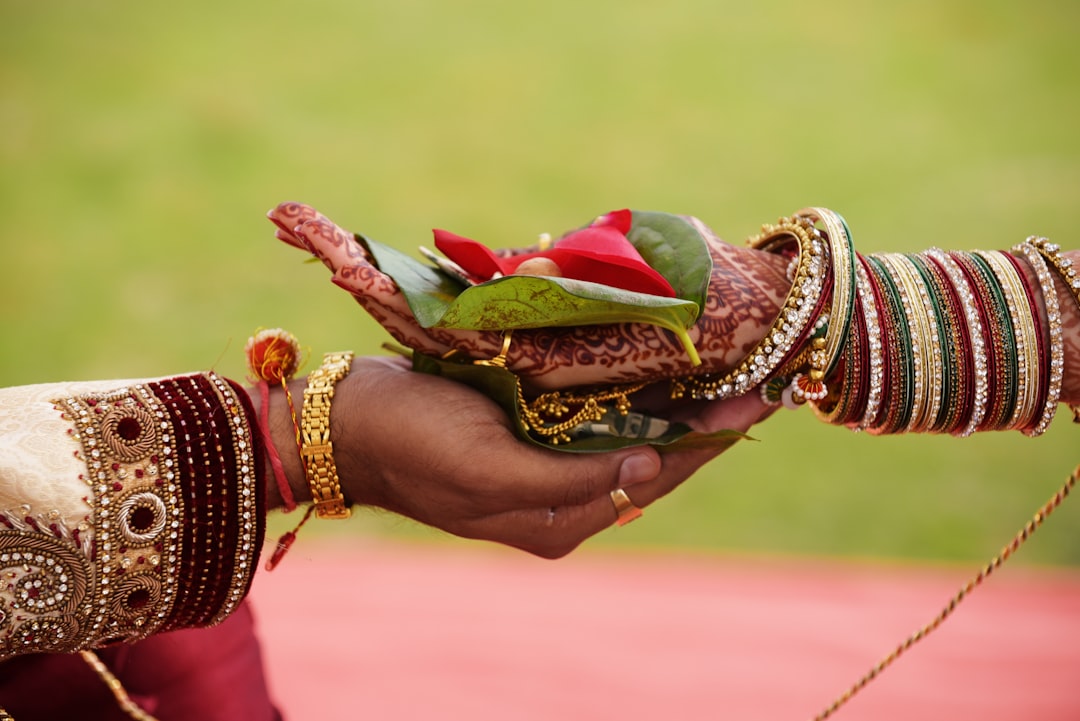
Traditional Maharashtrian Wedding ceremony with bride and groom in cultural attire
Wedding Planning

Traditional Maharashtrian Wedding: Rituals, Planning & Costs

Explore authentic Maharashtrian marriage customs, wedding ceremony traditions, and planning essentials for your celebration.

2026-07-17By Happiffie Editorial Team10 min read
⚡ Quick Answer

A Traditional Maharashtrian Wedding is a vibrant celebration rooted in centuries-old customs, featuring rituals like the Haldi, Mehendi, and Shaadi (main ceremony), typically spanning 3–4 days. The celebration emphasizes family involvement, specific dress codes, and regional customs distinct from North Indian weddings, with budgets ranging from ₹5 lakhs to ₹50+ lakhs depending on guest count and location.

A Traditional Maharashtrian Wedding is a rich tapestry of rituals, vibrant colors, and family-centered celebrations that reflect the warmth of Maharashtrian culture. Whether you're planning an intimate ceremony in Pune or a grand celebration in Mumbai, understanding Maharashtrian marriage customs is essential to honoring your heritage while creating lasting memories. This guide walks you through every aspect of authentic Maharashtrian celebration planning, from pre-wedding customs to post-wedding traditions, realistic costs, and venue selection. We've helped hundreds of couples blend traditional values with modern comfort—and we're here to ensure your celebration reflects your family's unique story. Discover event packages tailored to Maharashtrian weddings.

What Makes a Traditional Maharashtrian Wedding Unique?

A Traditional Maharashtrian Wedding stands apart through its distinct cultural identity, multi-day celebration format, and emphasis on family rituals. Unlike North Indian weddings dominated by Rajasthani grandeur, or South Indian ceremonies with their temple-centric protocols, Maharashtrian traditions blend spiritual significance with practical celebration logistics. The bride often wears a nine-yard Nauwari saree or Paithani, while the groom dons a traditional sherwani paired with a turban (pagadi). Maharashtrian marriage customs place enormous value on the joint family's participation—from ritual-specific roles to cooking, decoration, and guest coordination. Many couples find that honoring authentic Maharashtrian celebration requires understanding which rituals are non-negotiable and which can adapt to modern venues and timelines.

The celebration typically unfolds over 3–4 days, with each day carrying distinct purposes and guest expectations. Your venue selection, dietary requirements, and guest capacity must reflect this multi-phase approach. Compare venues equipped to host extended Maharashtrian ceremonies.

How Much Does a Traditional Maharashtrian Wedding Cost?

Budget for a Traditional Maharashtrian Wedding typically ranges from ₹5 lakhs for intimate 100–150 guest celebrations to ₹50 lakhs or more for large joint-family events with 400+ attendees in tier-1 cities like Mumbai and Pune. Costs break down across five main areas: venue rental (₹1–3 lakhs depending on capacity and location), catering (₹300–800 per head), decoration (₹50,000–2 lakhs), photography/videography (₹50,000–1.5 lakhs), and miscellaneous (permits, accommodations, pre-wedding events). Off-season (June–September, excluding monsoons) can reduce venue and catering costs by 20–30%. In tier-2 cities like Nagpur or Aurangabad, similar celebrations cost 40–50% less than Mumbai. Many families underestimate the budget for multi-day hospitality—accommodation for out-of-town relatives, pre-wedding event venues (Mehendi, Haldi), and extended catering can quickly add 30–40% to baseline figures.

Get competitive quotes for your Traditional Maharashtrian Wedding services.

What Are the Key Rituals and Timeline?

The traditional Maharashtrian wedding ceremony traditions unfold in a carefully sequenced timeline. Day 1–2: Mehendi & Haldi are typically intimate gatherings (50–150 guests) where female family members gather for celebration; these often happen 2–3 days before the main ceremony. Day 3: Shaadi (main ceremony) is the formal marriage ritual, traditionally held in the morning, featuring the Phere (circumambulation around the sacred fire), ring exchange, and the Tilak ceremony. Day 4: Reception (if separate) welcomes all guests and extended social circles. Within the Shaadi ceremony itself, rituals like Jaymala (garland exchange), Mangalsutra binding, and blessings from elders carry profound cultural weight. The entire Maharashtrian marriage customs framework requires coordination with a priest, strict timing to align with auspicious hours, and careful guest management to ensure smooth transitions. Many modern couples host Mehendi and Haldi at dedicated venues while keeping the Shaadi at a family home or temple-adjacent space for spiritual authenticity.

How to Choose the Right Venue for Your Celebration?

Selecting a venue for a Traditional Maharashtrian Wedding requires balancing authenticity with practical comfort. Key venue requirements include separate spaces for Mehendi/Haldi events (indoor, decorated area for 100–200 guests), a sanctified space for the Shaadi ceremony (ideally with a mandap platform, fire-safe regulations, and priest accommodation), and a dining area for reception. Tier-1 cities like Mumbai, Pune, and Bangalore offer specialized Maharashtrian wedding halls equipped with traditional mandaps and flexible decoration policies—typically costing ₹1.5–3 lakhs for a full day. Outdoor venues or farmhouses appeal to larger celebrations (300+ guests) and allow for authentic open-air ceremonies; these usually range ₹2–4 lakhs plus catering. Religious considerations matter: some families prefer temple-adjacent spaces or halls with clear ritual space boundaries. Browse venues with traditional Maharashtrian ceremony setups. Always verify guest capacity, catering flexibility (vegetarian/non-vegetarian), backup weather plans, and parking for extended family gatherings.

Why Guest Management Matters in Maharashtrian Ceremonies?

Guest management for large ceremonies becomes critical in Maharashtrian marriage customs because your celebration typically involves 200–600 people across 3–4 days, with overlapping groups and specific roles for relatives. Extended family participation is non-negotiable—uncles coordinate rituals, aunts manage decorations and cooking, and younger relatives assist with logistics. Clear communication about daily timings, dress codes (Nauwari for women, traditional wear for men), dietary options, and accommodation arrangements prevents last-minute stress. Many couples underestimate how Maharashtrian wedding planning requires detailed guest lists segmented by day (intimate family for Mehendi/Haldi, broader circles for reception) and clear role assignments. Hire experienced coordinators for Maharashtrian wedding guest logistics. Digital invitations with RSVP tracking, WhatsApp groups for real-time updates, and assigned point-persons for accommodation coordination streamline operations. Your event coordinator should understand caste-specific rituals, dietary sensitivities, and seating protocols that respect family hierarchy.

People Also Ask

What is the main difference between a Maharashtrian and North Indian wedding ceremony?
Maharashtrian weddings emphasize family rituals, Nauwari sarees, and multi-day celebrations centered on Mehendi, Haldi, and Shaadi ceremonies, while North Indian weddings feature Rajasthani grandeur, elaborate mehndi nights, and Baraat processions with distinct regional aesthetics.
How many days does a traditional Maharashtrian celebration typically span?
A traditional Maharashtrian wedding celebration typically spans 3–4 days: Mehendi and Haldi (days 1–2, intimate family gatherings), the Shaadi ceremony (day 3, formal marriage ritual), and the Reception (day 4, extended guest celebration).
Can a traditional Maharashtrian ceremony be hosted at a banquet hall instead of a home?
Yes, many modern Maharashtrian weddings use banquet halls or farmhouses equipped with mandap spaces and decoration flexibility. Ensure the venue permits open-fire rituals, has adequate priest accommodation, and supports multi-day event logistics.
What should I budget for catering in a Maharashtrian wedding with 300 guests?
Budget ₹90,000–2.4 lakhs for 300 guests at ₹300–800 per head, depending on city tier, cuisine complexity, and whether costs include alcohol, desserts, and special dietary options for multi-day celebrations.
Are vegetarian and non-vegetarian meals both served at Maharashtrian weddings?
Many Maharashtrian families serve both options; however, dietary preferences vary by family and region. Always clarify with your catering partner and communicate menu options to guests during the invitation phase to ensure satisfaction.

Expert Recommendation

Best for intimate family-centric celebrations

Host your Traditional Maharashtrian Wedding at a home or small temple-adjacent venue (50–150 guests) where joint-family participation feels natural and authentic rituals like Haldi and Mehendi retain their personal, generational significance.

Best for large joint-family gatherings

A farmhouse or dedicated banquet hall (250+ guests, ₹2–4 lakhs) accommodates extended Maharashtrian marriage customs with separate spaces for each event phase, flexible catering, and parking for multi-day family stays.

Best for budget-conscious celebrations

Off-season ceremonies (June–September) in tier-2 cities (Nagpur, Aurangabad, Nashik) reduce costs by 40–50% while preserving authentic Maharashtrian wedding ceremony traditions; partner with local caterers for cultural authenticity.

Best for modern, destination-style celebrations

Hill stations near Mumbai/Pune (Lonavala, Igatpuri) or coastal venues offer picturesque backdrops while accommodating traditional rituals; ideal for couples blending authentic Maharashtrian celebration with contemporary comfort and out-of-town guest experience.

Venue and Celebration Setup Comparison for Traditional Maharashtrian Weddings

OptionAdvantagesLimitationsRecommended Use Case
Home/Family ResidenceAuthentic setting, minimal venue cost, familiar rituals space, strong family emotional connection.Space constraints, neighbor disturbance concerns, limited parking, multi-day logistics complexity, no backup weather plan.Intimate family celebrations (50–150 guests) with flexible timelines and strong joint-family participation.
Temple-Adjacent VenueSpiritual significance, ritual authenticity, low cost (₹30,000–80,000), priest coordination built-in.Limited guest capacity, no climate control, dietary catering restrictions, fixed ceremony timing by temple schedule.Spiritually-focused Maharashtrian marriage customs ceremonies prioritizing ritual purity over guest comfort.
Banquet Hall/Marriage HallFull amenities, scalable capacity (150–600 guests), catering included, weather-proof, post-ceremony hospitality built-in.Less authentic ambiance, higher cost (₹1.5–3 lakhs), requires external mandap setup, may feel formal rather than familial.Large joint-family celebrations (250+ guests) requiring all-in-one venue solutions and convenient multi-day stays.
Farmhouse/Outdoor SpaceScenic backdrop, open-air ritual authenticity, flexible decoration, spacious multi-day layouts, memorable aesthetic.Weather dependency, higher catering complexity, backup tent rental required, limited indoor facilities, parking challenges.Destination-style Traditional Maharashtrian Weddings (200–400 guests) with weather-flexible dates and out-of-town guest accommodation focus.

Decision Support

Pre-Booking Checklist

  • Confirm ceremony date aligns with auspicious Muhurat (consult priest/astrologer 3–6 months prior).
  • Lock venue with clear multi-day access (Mehendi, Haldi, Shaadi, Reception scheduling).
  • Define guest list by event phase (intimate vs. extended circles) and communicate dietary preferences early.
  • Hire experienced Maharashtrian wedding coordinator familiar with ritual sequencing and family role management.
  • Arrange priest/Brahmin coordination, fire-safety permits, and catering agreements in writing.
  • Book accommodation for out-of-town relatives; clarify check-in/check-out across all celebration days.
  • Finalize vendor contracts (caterer, decorator, photographer) with Maharashtrian-specific experience.
  • Create digital communication channel (WhatsApp group, event website) for daily timeline and updates.

Selection Criteria

  • Venue capacity must accommodate 3–4 event phases with separate spaces (ritual room, dining area, hospitality zones).
  • Location accessibility for joint-family members, adequate parking, and public transportation connectivity.
  • Catering flexibility to serve vegetarian/non-vegetarian options while respecting regional cuisine traditions.
  • Priest/ritual coordinator availability and experience with Maharashtrian marriage customs specifics.
  • Budget alignment with your tier-1/tier-2 city benchmarks and seasonal pricing (peak vs. off-season rates).
  • Vendor track record with multi-day celebrations and experience managing large guest counts (200+ attendees).

Cost & Quality Factors

  • Peak-season pricing (November–February) averages 30–50% higher than off-season; negotiate early-bird discounts.
  • Guest count directly impacts catering, accommodation coordination, and venue capacity; finalize list 2–3 months prior.
  • Decoration authenticity (Nauwari-inspired backdrops, mandap setup) adds ₹50,000–2 lakhs but elevates visual experience.
  • Multi-day catering complexity (breakfast, lunch, dinner spreads, snacks for Mehendi/Haldi/Shaadi days) inflates costs 30–40%.
  • Out-of-town accommodation coordination (block hotel rooms, transport logistics) requires early planning and vendor partnerships.
  • Weather backup plans (tent rentals, indoor alternatives) become essential for outdoor venues; budget ₹30,000–80,000 contingency.

Mistakes to Avoid

  • Underestimating multi-day catering and hospitality costs; plan for 40–50% budget padding beyond single-day event estimates.
  • Ignoring Muhurat constraints; booking venues without astrologer/priest approval risks ritual timing conflicts.
  • Failing to clarify vendor experience with Maharashtrian marriage customs; ensure decorators, caterers, and coordinators understand ritual sequences.
  • Neglecting joint-family communication; ambiguous timelines and role assignments create day-of stress and family friction.
  • Overcomplicating decoration; authentic Maharashtrian celebration relies on simplicity and color (yellow, green) rather than grandiose setups.
  • Booking venues without weather contingencies; outdoor farmhouse celebrations require tent backup and alternate indoor spaces.

Key Takeaways

  • Traditional Maharashtrian Wedding spans 3–4 days with distinct Mehendi, Haldi, Shaadi, and Reception phases.
  • Budget ₹5–50 lakhs depending on guest count (100–600 people) and city tier; multi-day hospitality adds 30–40%.
  • Venue selection must balance authenticity (temple-adjacent, farmhouse) with practical comfort (climate, catering, parking).
  • Maharashtrian marriage customs require priest coordination, Muhurat alignment, and joint-family role clarity.
  • Guest management across 3–4 days demands segmented invite lists, clear dress codes, and digital communication systems.
  • Experienced vendors (caterer, decorator, coordinator) must understand ritual sequences and multi-phase celebration logistics.
  • Off-season (June–September) and tier-2 cities (Nagpur, Aurangabad) reduce costs 40–50% while preserving tradition.
  • Common mistakes include underbudgeting catering, ignoring Muhurat timing, and unclear family role assignments.

Frequently Asked Questions

Couples planning a Traditional Maharashtrian Wedding often have specific questions about rituals, timelines, costs, and logistics. We've gathered the most common questions to help you navigate your authentic celebration with confidence and cultural respect.

How much does a Traditional Maharashtrian Wedding typically cost in Mumbai or Pune?
A Traditional Maharashtrian Wedding in Mumbai or Pune costs ₹15–50 lakhs depending on guest count (200–500+ people) and celebration scope. Venue (₹1.5–3 lakhs), catering (₹4–12 lakhs for multi-day meals at ₹300–800 per head), and decoration (₹75,000–2 lakhs) are primary cost drivers. Get competitive vendor quotes to reduce overall costs.
What are the non-negotiable rituals in a Maharashtrian marriage customs ceremony?
Core non-negotiable rituals include the Haldi ceremony (turmeric blessing), Mehendi (henna for bride), Jaymala (garland exchange), Phere (seven circumambulations around sacred fire), Mangalsutra binding, and family blessings. Specific rituals vary by family tradition and region, so consult your priest and elders to confirm priorities.
Can I host a Traditional Maharashtrian Wedding at a banquet hall and keep it authentic?
Yes, modern banquet halls equipped with mandap spaces, flexible catering, and experienced coordinators can host authentic ceremonies while offering weather protection and guest comfort. Ensure the venue permits open-fire rituals, has priest accommodation, and supports multi-day event logistics specific to Maharashtrian celebration requirements.
How do I coordinate guest management across 3–4 days of celebration?
Create segmented guest lists (intimate family for Mehendi/Haldi, extended circles for Shaadi/Reception), assign family members specific day-wise roles, use digital platforms (WhatsApp, event websites) for daily updates, clarify dress codes and dietary preferences, and arrange accommodation for out-of-town relatives. Hire experienced coordinators familiar with Maharashtrian wedding logistics.
How can Happiffie help me plan a Traditional Maharashtrian Wedding?
Happiffie connects you with verified vendors—caterers, decorators, coordinators, and venues—experienced in Maharashtrian marriage customs and multi-day celebrations. Our Reverse Auction service ensures competitive quotes, transparent pricing, and tailored packages aligned to your Muhurat, guest count, and budget constraints. Browse Maharashtrian-ready venues and vendors on Happiffie.

Plan Your Traditional Maharashtrian Wedding with Happiffie

Connect with verified vendors experienced in authentic Maharashtrian ceremonies. Get competitive quotes for venues, catering, decoration, and coordination—all aligned to your Muhurat, guest count, and celebration timeline. Let Happiffie simplify multi-day celebration logistics so you can focus on family and tradition.

Maharashtrian weddingtraditional ceremonieswedding planningritual timelinewedding venue selectionguest managementcultural celebrationsIndia weddings

By Happiffie Editorial Team — The Happiffie Editorial Team combines decades of experience in Indian wedding planning and cultural celebrations to bring you authentic, practical guidance for meaningful events.

Happiffie mascot

Are you a Vendor? Grow Your Business with Happiffie!

  • High intent verified leads
  • Reverse auction opportunities
  • AI business tools & insights
  • Dedicated vendor dashboard
  • Grow your business, your way
1M+Active Users
300+Events Daily
High QualityLeads
FasterBookings
Join Happiffie as a Vendor

It's free & takes less than 2 minutes!