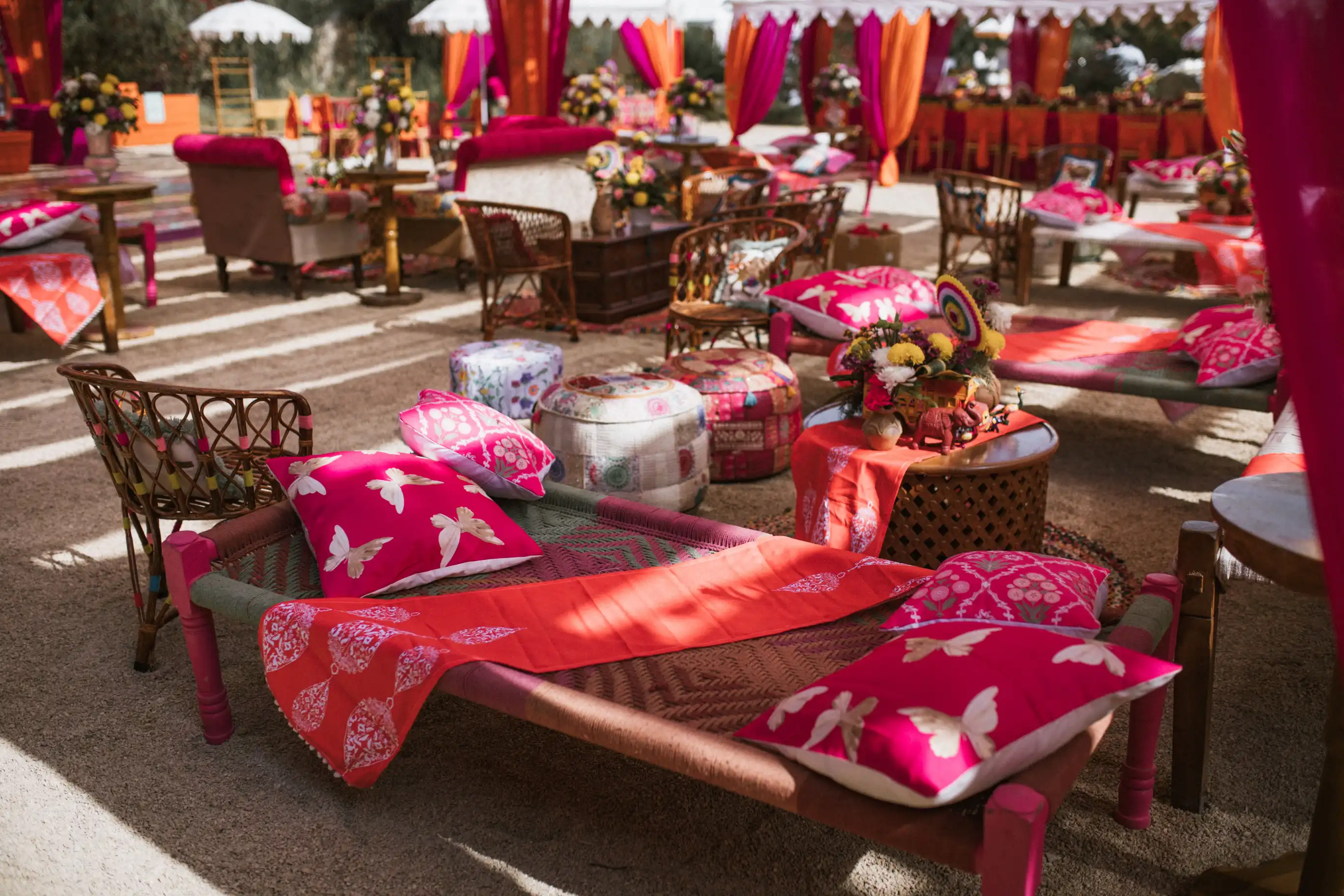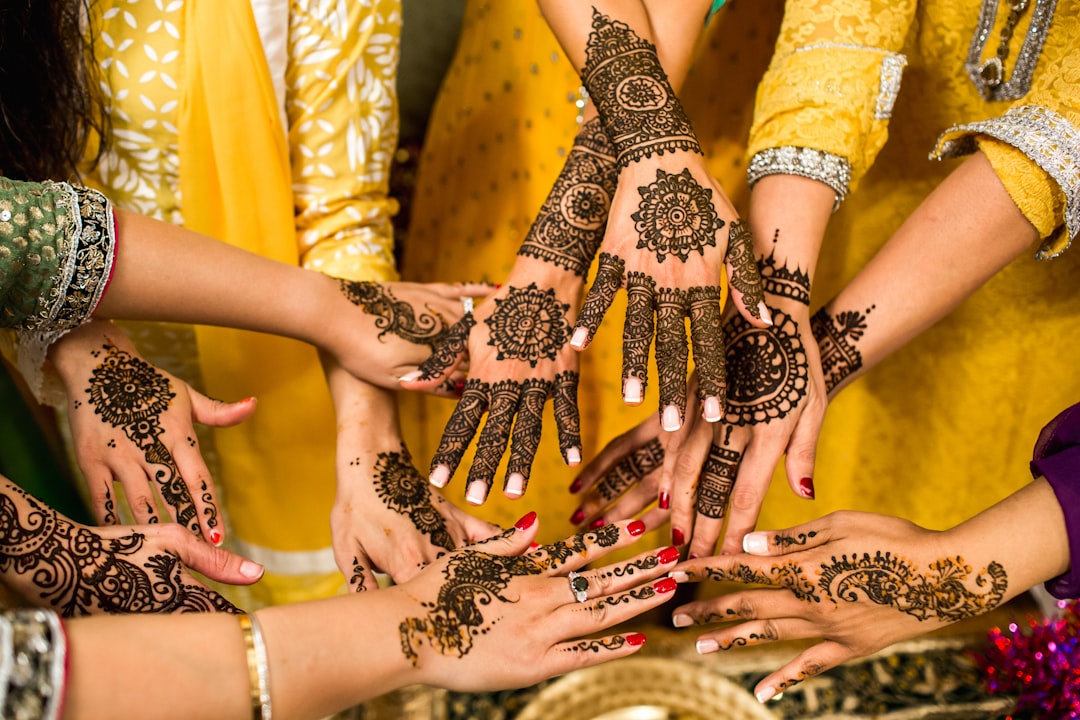
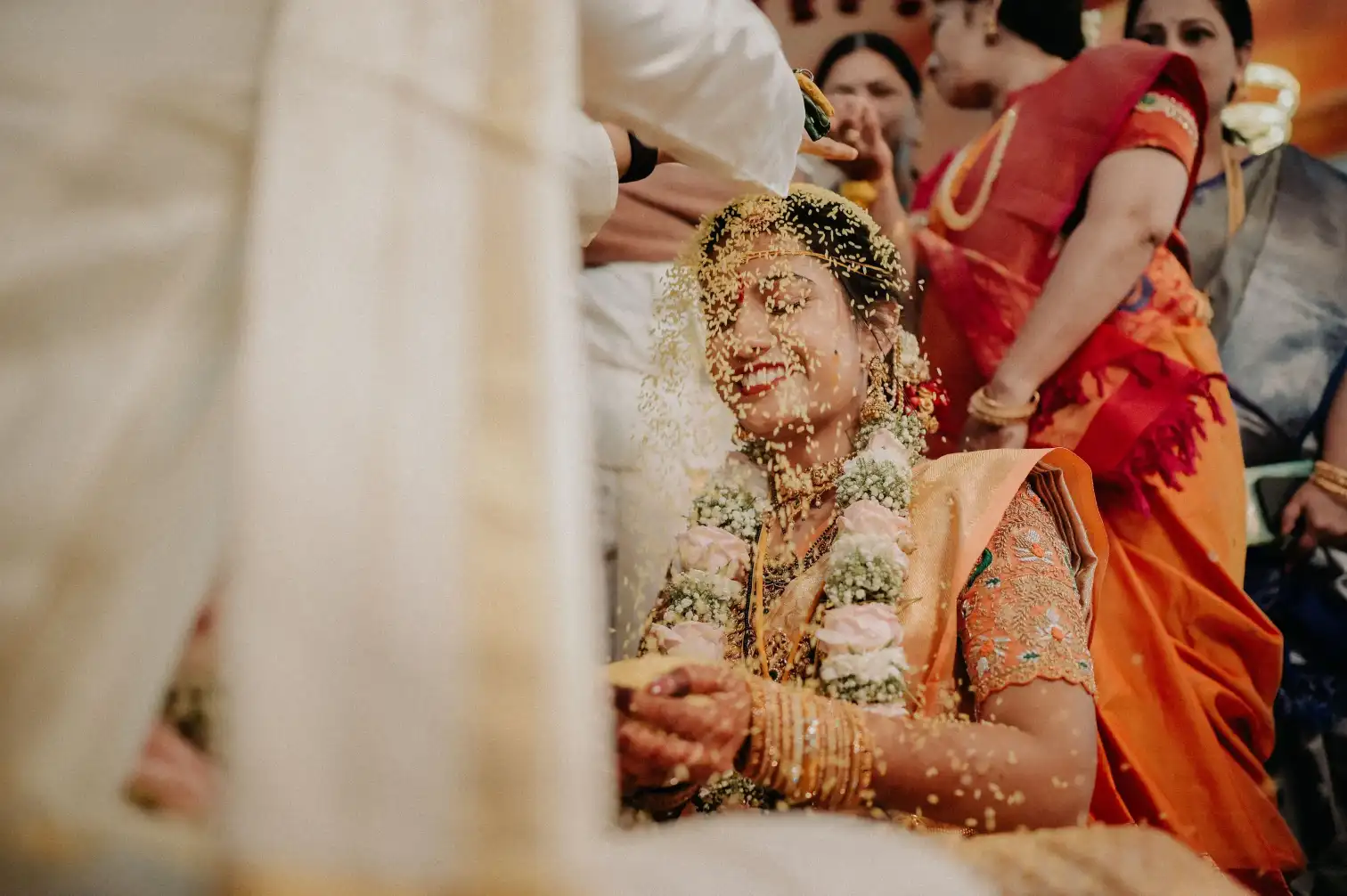
Traditional Indian Celebrations & Cultural Event Ideas showcasing colorful ceremonies and festive decorations
Wedding Planning

Traditional Indian Celebrations & Cultural Event Ideas for Every Occasion

Explore authentic cultural celebration planning with festive Indian event themes and timeless customs

2026-07-29By Happiffie Editorial Team10 min read
⚡ Quick Answer

Traditional Indian Celebrations & Cultural Event Ideas blend ancestral customs with modern planning, encompassing weddings, festivals, and ceremonies that reflect regional heritage. From Mehendi and Sangeet to Pujas and Haldi, these celebrations typically span multiple days, involve extended family participation, and integrate symbolic rituals, authentic décor, and curated catering that honours cultural traditions while accommodating contemporary guest expectations.

Planning a ceremony that honors your heritage requires thoughtful curation of Traditional Indian Celebrations & Cultural Event Ideas rooted in authentic customs and regional traditions. Whether you're organizing a multi-day wedding, a festive festival gathering, or a milestone Puja ceremony, understanding how to blend time-honoured rituals with modern logistics—from venue selection to vendor coordination—ensures your celebration feels both meaningful and seamlessly executed. We've worked with hundreds of couples across tier-1 and tier-2 Indian cities, and we've seen firsthand how authentic Indian cultural event themes resonate most powerfully when each element—from décor to catering to guest experience—reflects genuine tradition rather than diluted imitation. This guide walks you through the frameworks, decision-making criteria, and common pitfalls we encounter, so your special occasion becomes a genuine reflection of your culture and values.

What Are Traditional Indian Celebrations & Cultural Events?

What Are Traditional Indian Celebrations & Cultural Events?

Traditional Indian Celebrations & Cultural Event Ideas encompass a diverse spectrum of multi-day ceremonies, festivals, and milestone gatherings rooted in regional and religious customs. Weddings typically include pre-event ceremonies—Mehendi, Haldi, Sangeet—alongside the main wedding day and post-event receptions, each carrying symbolic meaning and specific ritual requirements.

Beyond weddings, authentic Indian cultural event themes span Pujas (prayer ceremonies), Annaprashan (first feeding rituals), Engagements, and festival celebrations like Diwali gatherings or regional Navratri events. Each celebration type carries distinct décor expectations, guest-count ranges (typically 150–500 for weddings, 50–200 for intimate ceremonies), and timeline requirements. Understanding these frameworks helps you allocate budget, select appropriate venues, and coordinate vendors effectively.

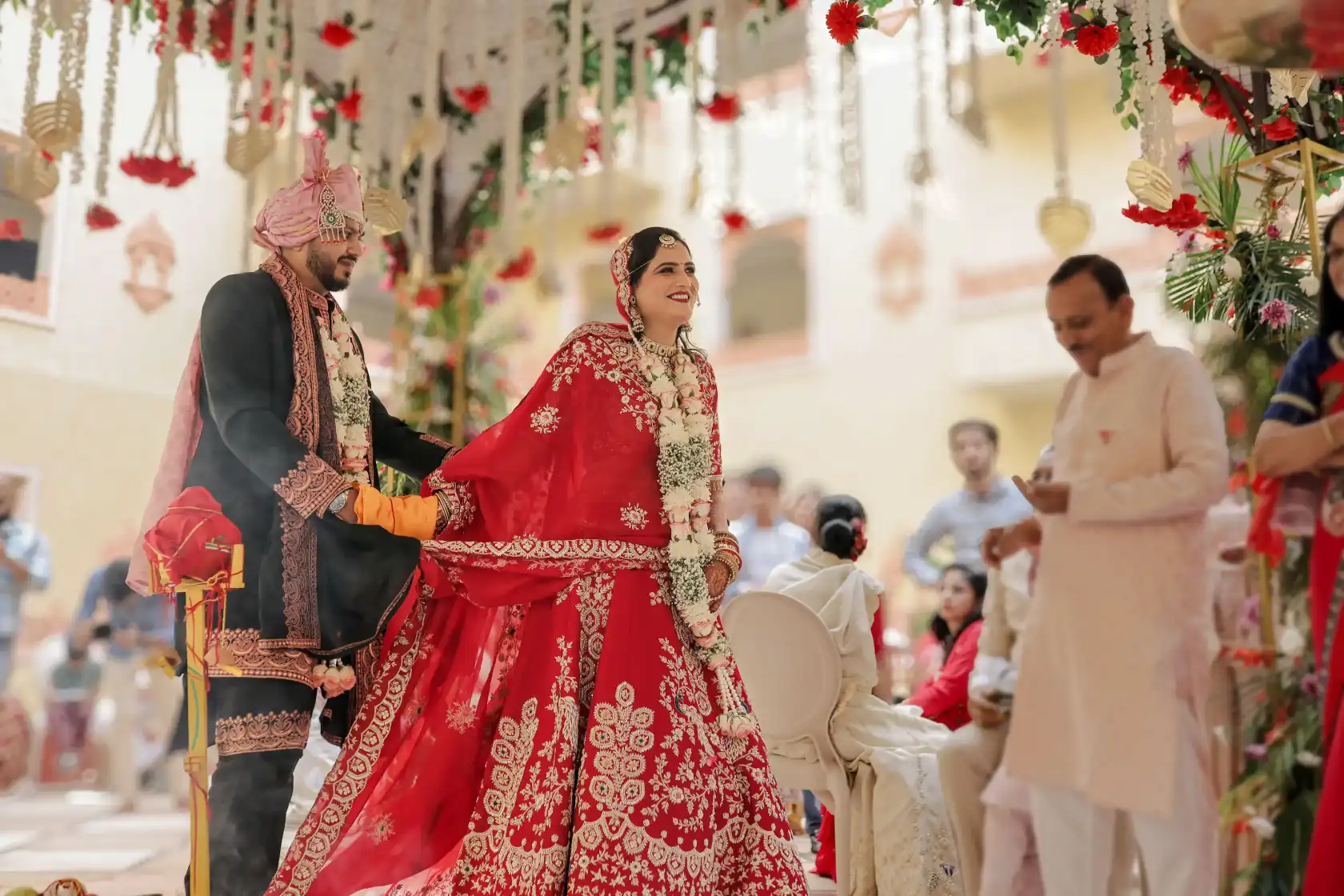
How Do You Choose the Right Cultural Celebration Theme?

How Do You Choose the Right Cultural Celebration Theme?

Selecting authentic Indian cultural event themes begins with identifying your regional heritage, family traditions, and the specific ceremony type. A Bengali wedding celebrates Mehendi and Gaye Holud differently than a South Indian Brahmin wedding or a Punjabi celebration; each carries distinct rituals, colour palettes, and guest-participation patterns.

Consider guest expectations, venue constraints, and whether you're blending multiple regional traditions (increasingly common in metro weddings). Consult with family elders early, as their input shapes ritual sequencing, décor authenticity, and catering choices. We've seen couples in Bangalore, Mumbai, and Chennai successfully blend North and South Indian traditions by identifying core rituals that matter most to each side of the family, then designing themed décor and catering around those anchors.

What Budget Should You Allocate for Authentic Indian Wedding Celebrations?

What Budget Should You Allocate for Authentic Indian Wedding Celebrations?

Festive Indian ceremony planning budgets vary significantly by city tier, guest count, and ritual complexity. In tier-1 cities (Mumbai, Delhi, Bangalore, Chennai), authentic Indian wedding celebrations typically range from ₹15–30 lakhs for 200–250 guests with comprehensive décor, catering, and multi-day venue booking. Tier-2 cities like Pune, Hyderabad, or Jaipur often allow 20–35% cost savings for equivalent guest counts and service quality.

Allocate 35–45% for venue and catering, 15–20% for décor and styling (crucial for achieving authentic cultural aesthetics), 10–15% for photography and videography, and 10–12% for entertainment and rituals coordination. Off-season bookings (June–August, December–January) typically offer 15–25% discounts compared to peak wedding months (October–November). Multi-day event packages from venues sometimes bundle multiple ceremony spaces, reducing per-ceremony venue costs.

Why Heritage Venue Selection Matters for Cultural Events

Why Heritage Venue Selection Matters for Cultural Events

Heritage venue selection for celebrations significantly impacts both the visual authenticity and logistical ease of your event. Heritage properties, old palaces, temples adjacent grounds, and traditional banquet halls with period architecture naturally amplify the cultural feel of authentic Indian wedding celebrations without requiring excessive décor overlay.

When evaluating venues, assess: in-house catering flexibility (critical for specific regional cuisines), multi-space availability for ceremony, reception, and pre-event gatherings, parking and accessibility for extended family, and vendor coordination policies. A venue experienced in hosting cultural celebrations typically has established relationships with ritual specialists, musicians, and caterers familiar with your specific traditions. Properties in Chennai, Bangalore, Delhi, and Mumbai increasingly offer curated heritage venue options designed specifically for traditional Indian Celebrations & Cultural Event Ideas.

How to Integrate Authentic Rituals With Modern Event Logistics

Blending sacred ritual timing with modern event coordination requires early alignment between your family's ritual authority (priest, elder, or tradition keeper), the venue manager, and your primary event coordinator. Festive Indian ceremony planning succeeds when ritual schedules drive overall event timeline rather than vice versa.

Create a detailed ritual-to-logistics map: specify Muhurat (auspicious timings), ritual-space requirements, musician and priest coordination points, catering timing relative to ceremonies, and guest-flow patterns. Document dietary requirements tied to specific rituals (e.g., vegetarian-only meals during certain ceremonies in some traditions). Use a shared timeline tool visible to all vendors so the caterer, photographer, and decorator anticipate ritual moments without disrupting the sacred experience. This approach, common in high-success events across metro areas, reduces last-minute friction while honouring the cultural spine of your celebration.

People Also Ask

What are the main ceremonies included in traditional Indian wedding celebrations?
Core ceremonies vary by region but typically include Mehendi (henna application), Haldi (turmeric paste ritual), Sangeet (music and dance evening), the main wedding ceremony, and reception. Some traditions add Tilak, Gaye Holud, or pre-wedding Puja. Regional variations mean North Indian, South Indian, and East Indian weddings each emphasize different rituals and timelines.
How far in advance should I book for authentic Indian cultural event planning?
Book premier venues and specialist vendors 6–9 months ahead for peak season (October–November) or 3–4 months for off-season events. For authentic Indian cultural event themes requiring specific regional artisans—traditional musicians, specialized caterers, or décor experts—early booking ensures availability and allows time for detailed consultation on cultural accuracy and family preferences.
Can I host traditional Indian celebrations in non-traditional venues like farmhouses or resorts?
Yes, farmhouses and resorts increasingly accommodate traditional Indian wedding celebrations through flexible layouts, in-house catering adaptation, and outdoor ceremony spaces. Ensure the venue permits ritual requirements, offers adequate power and water for ceremonies, and has experience coordinating with external priests and musicians without vendor restrictions.
How do I balance modern wedding logistics with sacred ritual requirements?
Create a detailed timeline prioritizing ritual timings and sacred requirements, then build logistics around those anchors. Work with experienced coordinators familiar with your specific traditions, ensure all vendors understand ritual moments, and maintain open communication between family ritual authorities and event planners to align expectations on timing and space usage.
What decoration styles best reflect authentic Indian cultural event themes?
Authentic Indian cultural event themes succeed with region-specific colour palettes, traditional textiles (silks, brocades), live flowers aligned with seasonal availability, traditional architectural elements, and regional art forms. South Indian weddings favour marigold garlands and temple-inspired décor; North Indian celebrations embrace rich jewel tones and Mughal-influenced designs; avoid generic "Indian" aesthetics.

Expert Recommendation

Best for intimate family ceremonies

Heritage home venues or small traditional halls (50–100 guests) allow personal ritual control and deeper family participation. Ideal when preserving ceremony authenticity and family bonding matters more than grand scale.

Best for large multi-day celebrations

Palace properties or dedicated heritage banquet complexes (300–500 guests) with multiple ceremony spaces and on-site accommodation streamline authentic Indian wedding celebrations logistics while maintaining festive Indian ceremony planning traditions across Mehendi, Sangeet, and main wedding.

Best for blended cultural celebrations

Modern properties with flexible layouts and experienced multicultural coordination teams enable couples to honor multiple regional traditions within a single event framework without compromising authenticity for either heritage.

Best for budget-conscious cultural events

Off-season bookings at tier-2 city heritage properties (Pune, Jaipur, Lucknow) offer 20–30% cost savings while maintaining authentic Indian cultural event themes and specialized vendor access familiar with traditional ceremonies.

Comparing Celebration Formats for Traditional Indian Events

Celebration FormatAdvantagesLimitationsRecommended Use Case
Multi-day palace/heritage venueAuthentic ambiance, on-site accommodation, space for all ceremonies, vendor relationships establishedHigher per-day costs, less flexibility on dates/times, limited vendor customizationLarge family celebrations (250+ guests) prioritizing cultural immersion and convenience
Modern banquet hall with décor overlayFlexible scheduling, cost-effective, newer facilities, extensive vendor networkRequires extensive décor investment for authenticity, less organic cultural feel, potential vendor inexperience with ritualsUrban couples seeking modern logistics with authentic aesthetic; budget-conscious mid-size celebrations (150–250 guests)
Farmhouse or resort celebrationScenic backdrop, extended guest experience, outdoor ceremony options, relaxed atmosphereWeather dependency, limited ritual expertise, distance logistics, potential vendor unfamiliarityDestination weddings, younger couples blending tradition with casual ambiance, intimate gatherings with adventure focus
Home or small intimate venuePersonal control, deep family involvement, minimal décor requirements, strongest ritual authenticityLimited guest capacity, space constraints, minimal service staff, logistical coordination complexityVery small ceremonies (under 100 guests), elders-led celebrations, traditions emphasizing intimate family participation

Decision Support

Pre-Booking Checklist

  • Confirm Muhurat (auspicious timing) with family elder or priest before venue/vendor booking
  • Map all ceremonies and their space/time requirements on a master timeline
  • Verify venue experience with your specific regional/religious tradition
  • Confirm in-house catering flexibility for ritual-specific dietary requirements
  • Document vendor restrictions—confirm priest/musician/external service access
  • Identify regional artisans early (specialized caterers, décor experts, musicians)
  • Plan guest communication around multi-day structure and ceremony significance
  • Allocate contingency budget (10–15%) for ritual-specific or last-minute additions

Selection Criteria

  • Regional heritage authenticity—does venue/team understand your specific tradition?
  • Guest capacity alignment with your comfort level and family expectations
  • Vendor flexibility—can they adapt to ritual requirements without pushback?
  • Timeline accommodation—does venue permit ceremonies at auspicious timings?
  • Budget fit—does the venue and service package align with your financial plan?
  • Accessibility—can extended family, elders, and guests with mobility needs participate comfortably?

Cost & Quality Factors

  • Peak-season pricing (Oct–Nov) runs 30–40% higher; off-season (Jun–Aug) offers maximum savings
  • Venue all-inclusive packages (décor, catering, sound, lighting) cost 15–25% less than à la carte bundling
  • Regional artisan specialists (specialized caterers, musicians) command premium fees but deliver highest authenticity
  • Heritage properties charge 20–35% more than modern venues but reduce décor investment requirements
  • Destination bookings (multiple nights, out-of-city) increase per-guest cost but reduce per-event overhead through economies of scale
  • Seasonal flower/décor availability affects cost—off-season celebrations offer 20–30% savings on florals and décor

Mistakes to Avoid

  • Booking venue before finalizing Muhurat—misalignment causes expensive last-minute changes
  • Underestimating ritual complexity; assuming one coordinator can manage unfamiliar traditions
  • Selecting venue with limited vendor access; this restricts quality and drives up costs
  • Neglecting dietary/religious requirements in catering contracts; leads to last-minute crisis
  • Overspending on generic décor instead of region-specific authentic elements
  • Failing to document ceremony sequences in writing; causes vendor confusion and delays

Key Takeaways

  • Traditional Indian Celebrations & Cultural Event Ideas succeed when ritual timings drive logistics, not vice versa.
  • Tier-1 cities (Mumbai, Delhi, Bangalore, Chennai) support specialized vendor ecosystems; tier-2 cities offer 20–30% cost savings.
  • Heritage venues reduce décor costs by 25–40% while amplifying cultural authenticity naturally.
  • Off-season bookings (June–August, early January) unlock 15–25% venue discounts without sacrificing quality.
  • Early vendor engagement (6–9 months) ensures authentic regional artisans and priest/ritual specialists are available.
  • Multi-day event packages cost 10–15% less per ceremony than individual bookings at the same venue.
  • Budget allocation: 35–45% catering/venue, 15–20% décor, 10–15% photography, 10–12% entertainment/rituals.
  • Blended cultural celebrations succeed through identifying shared core rituals and building themed experiences around them.

Frequently Asked Questions

Planning Traditional Indian Celebrations & Cultural Event Ideas raises practical questions about budgets, timelines, vendor coordination, and how to preserve authenticity within modern logistics. We've compiled the questions we hear most often from couples and families navigating cultural celebrations.

How much does it typically cost to plan Traditional Indian Celebrations & Cultural Event Ideas?
Authentic Indian wedding celebrations range from ₹15–30 lakhs in tier-1 cities (Mumbai, Delhi, Bangalore, Chennai) for 200–250 guests with comprehensive décor, catering, and multi-day venue booking. Tier-2 cities like Pune or Jaipur offer 20–35% savings. Budget allocation: 35–45% venue/catering, 15–20% décor, 10–15% photography, 10–12% entertainment. Off-season discounts reach 15–25%.
Why should I choose a heritage venue for cultural celebrations?
Heritage venues amplify festive Indian ceremony planning authenticity organically, reducing décor investment by 25–40% while providing established vendor relationships familiar with rituals. Properties with period architecture, temple-adjacent spaces, or traditional styling align naturally with cultural themes without excessive overlay, creating genuine immersion for guests.
How does Happiffie help plan Traditional Indian Celebrations & Cultural Event Ideas?
Happiffie connects you with verified vendors, heritage venue specialists, and experienced event coordinators familiar with regional Indian cultural event themes across all major cities. Our Reverse Auction process helps secure competitive pricing for authentic caterers, specialized décor artists, and ritual coordinators, ensuring cultural authenticity without overspending.
Can I blend multiple regional traditions in a single celebration?
Yes—successful blended celebrations identify shared core rituals (like unified ceremony or reception) and design themed décor around those anchors. Work with coordinators experienced in multicultural weddings, involve family elders from both traditions early, and clearly communicate ritual sequencing to vendors to honor both heritages authentically.
What timeline should I follow for booking vendors for authentic Indian celebrations?
Book venues and specialist vendors 6–9 months ahead for peak season (October–November) or 3–4 months for off-season. Early booking ensures availability of regional artisans (specialized caterers, musicians, décor experts) and allows consultation time to align vendor approaches with family traditions and cultural accuracy requirements.

Plan Your Traditional Indian Celebrations & Cultural Event Ideas With Happiffie

Connect with verified heritage venues, specialized caterers, and experienced coordinators who understand your regional traditions. Use our Reverse Auction to compare vendors, secure competitive pricing, and access curated talent familiar with authentic Indian cultural event themes across tier-1 and tier-2 cities.

Traditional Indian WeddingsCultural Celebration PlanningIndian Festival EventsHeritage Venue SelectionAuthentic Ceremony CoordinationMulti-day Indian CelebrationsRegional Wedding TraditionsIndian Event Decoration

By Happiffie Editorial Team — The Happiffie Editorial Team brings together expertise in Indian wedding planning and cultural event management, helping couples and families celebrate their traditions authentically.

Happiffie mascot

Are you a Vendor? Grow Your Business with Happiffie!

  • High intent verified leads
  • Reverse auction opportunities
  • AI business tools & insights
  • Dedicated vendor dashboard
  • Grow your business, your way
1M+Active Users
300+Events Daily
High QualityLeads
FasterBookings
Join Happiffie as a Vendor

It's free & takes less than 2 minutes!