
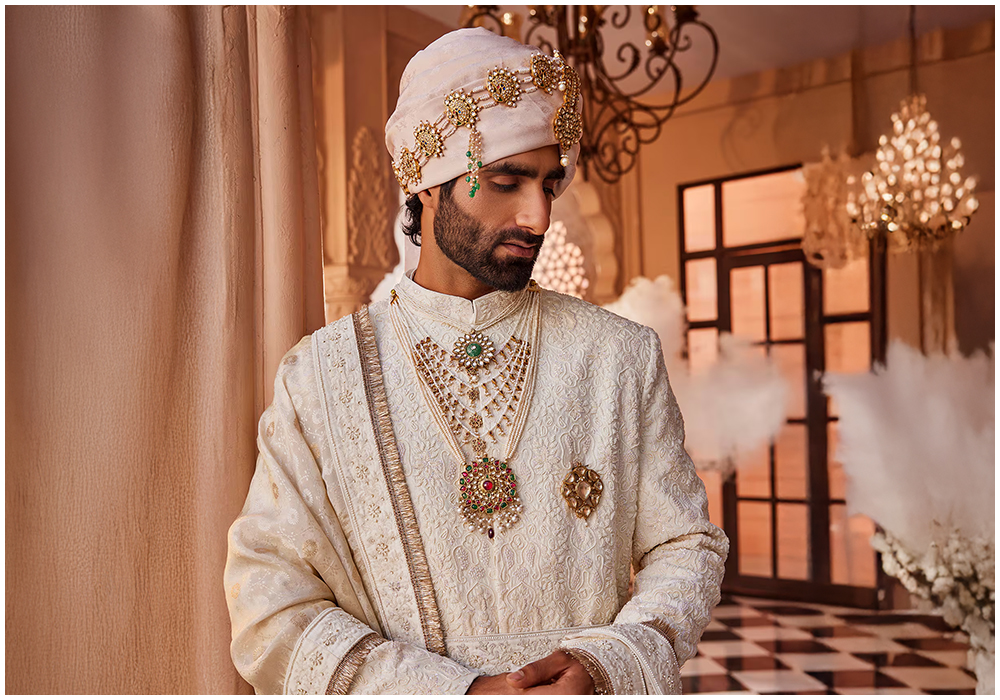
Traditional Groom Jewellery for Different Cultures in India: Complete Guide
Discover authentic jewellery traditions, cultural significance, and modern styling tips for Indian grooms across regions
A Chennai groom recently spent ₹2.8 lakhs on traditional jewellery, only to discover his Punjabi bride's family expected different pieces entirely. **Traditional groom jewellery varies dramatically** across Indian cultures, with each region carrying specific expectations that can make or break wedding day harmony.
Modern grooms face the challenge of honoring multiple cultural traditions while managing soaring gold prices and family expectations. Whether you're navigating destination wedding venues across states or planning intercultural ceremonies, understanding regional jewellery customs prevents expensive mistakes and cultural missteps that wedding planners witness regularly.
This comprehensive guide reveals authentic jewellery traditions from Tamil Nadu to Punjab, practical styling advice, and realistic budget planning. Happiffie connects you with verified jewellers who understand cultural nuances, ensuring your groom's look honors tradition while reflecting personal style preferences.
📋 Table of Contents
Cultural Significance & Modern Relevance
Traditional groom jewellery serves as more than decoration—it represents family lineage, prosperity, and spiritual protection during marriage ceremonies. Each piece carries generational significance, with many families passing down heirloom chains, rings, and ornaments that connect the groom to ancestral blessings and cultural identity.
A Hyderabad jeweller recently shared how **intercultural weddings** drive 60% of their groom consultations. Tamil grooms marrying into Bengali families must balance thali chains with topor expectations, while Gujarati families often require specific kada designs that North Indian jewellers may not stock. These cultural intersections create planning complexity that requires expert guidance.
Modern grooms increasingly seek versatile pieces that honor tradition while suiting contemporary styling preferences. The rise of professional wedding styling services reflects this need for cultural authenticity paired with personal comfort. Smart grooms invest in pieces they'll wear beyond wedding functions, maximizing jewelry investment value.
Regional variations extend beyond aesthetics to religious significance and ceremonial timing. Understanding which pieces to wear during specific rituals prevents cultural oversights that can cause family tension. Expert guidance ensures grooms honor both families' expectations while maintaining personal authenticity throughout multi-day wedding celebrations.
 Hiya
HiyaPro Tip: Schedule jewellery trials 3 months before weddings—custom pieces need 6-8 weeks, and popular designs get backordered during wedding season peak.
Key Factors for Choosing Groom Jewellery
Cultural compatibility tops the priority list when selecting groom jewellery, as different regions emphasize distinct pieces and wearing styles. Tamil weddings prioritize gold chains and rings, while Punjabi ceremonies focus on kadas and kalgi accessories. Understanding both families' cultural expectations prevents last-minute shopping crises that inflate costs significantly.
Gold purity and craftsmanship quality directly impact both appearance and investment value. **22-karat gold** offers the best balance of durability and traditional appeal, while 18-karat provides modern styling flexibility. A Bangalore jeweller noted that grooms often compromise on purity to afford elaborate designs, then regret the decision when pieces lose luster quickly.
Personal comfort during long ceremonies influences jewellery selection more than couples realize. Heavy necklaces cause neck strain during 4-hour functions, while tight-fitting kadas restrict hand movement during rituals. Experienced wedding vendors recommend trial fittings with full outfit combinations to ensure comfortable wear throughout celebration days.
Budget allocation strategy determines jewellery investment success, with smart couples dedicating 8-12% of total wedding budget to groom accessories. This percentage allows for quality pieces across essential categories while preventing overspending that compromises other wedding elements. Proper planning ensures balanced investment in tradition, quality, and personal preference.
1. Cultural Authenticity
Research both families' regional traditions to identify essential pieces. Tamil grooms need chains and rings, Bengali require special bracelets, Punjabi emphasize kadas. Avoid generic selections that might offend cultural sensibilities or appear inauthentic during ceremonies.
2. Gold Purity Standards
22-karat gold balances traditional requirements with practical durability for heirloom pieces. 18-karat offers contemporary styling but may not meet family expectations. Verify hallmark certifications and understand purity impact on pricing and long-term value retention.
3. Ceremonial Comfort
Heavy pieces cause discomfort during long rituals. Test jewellery with full wedding attire for 2-3 hours minimum. Consider ergonomic designs, adjustable fittings, and lightweight alternatives that maintain traditional appearance without compromising comfort or mobility.
4. Investment Value
Choose versatile designs suitable for post-wedding occasions. Classic patterns retain resale value better than trendy styles. Prioritize certified hallmarked pieces from reputable jewellers offering buyback guarantees and authentic documentation for future reference.
5. Styling Versatility
Select pieces that complement multiple outfit changes across wedding functions. Neutral designs work with various fabric colors and patterns. Consider modular pieces that can be worn separately for different occasions, maximizing utility beyond wedding celebrations.
Regional Jewellery Traditions
South Indian groom traditions emphasize elaborate gold chains, particularly in Tamil and Kannada communities where the thali chain represents marital commitment. Telugu weddings incorporate specific ring ceremonies, while Malayalam traditions focus on matching sets that complement bride's jewellery. These regional variations require specialized jewellers familiar with authentic designs and ceremonial significance.
North Indian communities prioritize different accessories, with Punjabi grooms wearing distinctive kadas (thick gold bracelets) and kalgi (decorative plumes). Gujarati traditions include specific finger ring patterns, while Rajasthani ceremonies feature ornate necklaces and arm bands. **Regional authenticity** matters more than universal appeal in traditional wedding contexts.
Eastern traditions bring unique elements, with Bengali grooms wearing topor (ceremonial headpiece) and specific bracelet styles during wedding rituals. Odia customs incorporate silver elements alongside gold, while Assamese traditions emphasize particular chain designs that reflect cultural heritage and family lineage through generations of ceremonial use.
Western Indian communities blend traditional and contemporary elements, with Maharashtrian grooms wearing specific chain patterns and Goan traditions incorporating Indo-Portuguese influences. Understanding these nuances helps professional wedding planners coordinate authentic cultural celebrations that honor family expectations while creating memorable experiences for modern couples.
 Trending
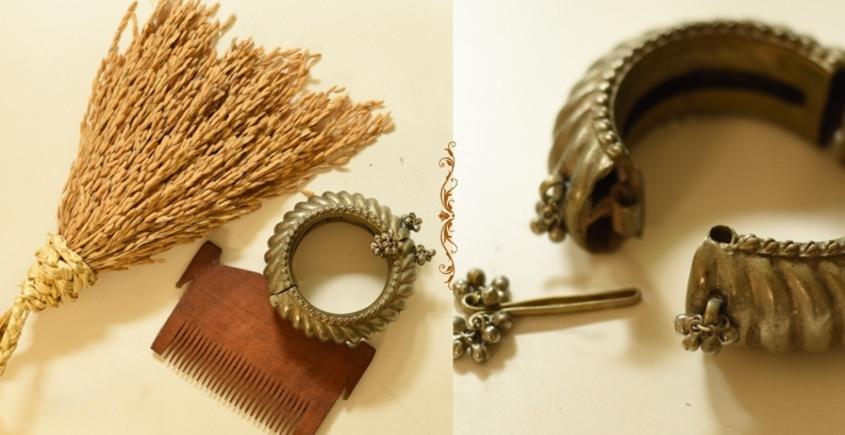
North Indian Kadas & Accessories
Thick gold bracelets, kalgi headpieces, and ornate finger rings representing strength and prosperity. Popular in Punjabi, Gujarati, and Rajasthani communities with emphasis on bold, statement jewelry pieces.
 Cultural Essential
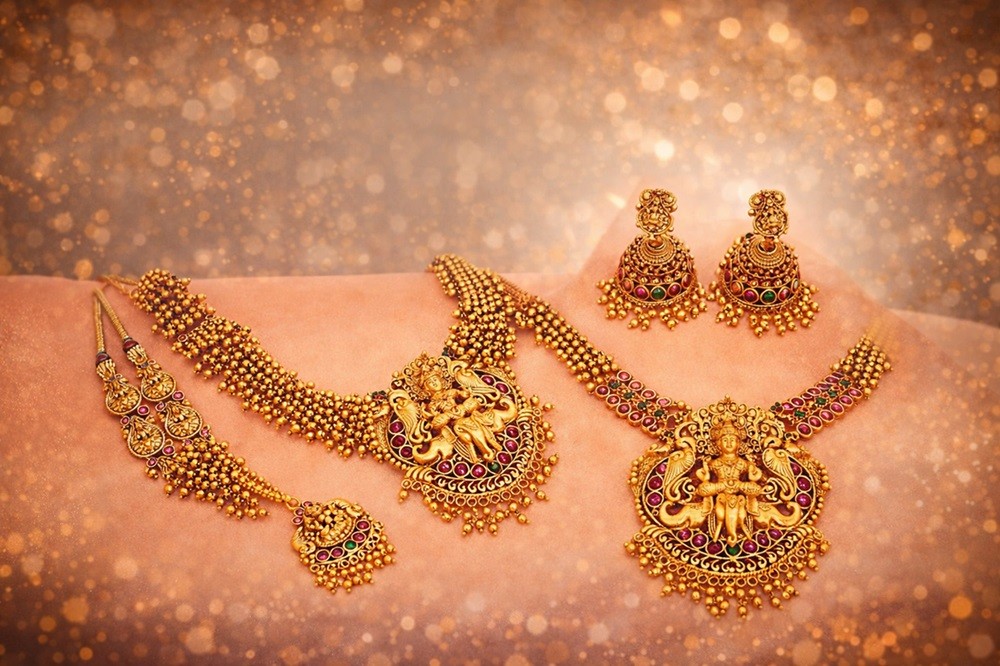
Eastern Ceremonial Sets
Topor headpieces, specific bracelet styles, and silver-gold combinations unique to Bengali, Odia, and Assamese traditions. Focus on ceremonial significance rather than purely decorative elements during wedding functions.
Budget Planning & Investment Guide
Groom jewellery budgets typically range from ₹1.5-8 lakhs depending on cultural requirements, gold prices, and family expectations. South Indian weddings generally require higher investments due to elaborate chain designs, while North Indian ceremonies focus on fewer but substantial pieces like heavy kadas. Understanding these regional differences helps allocate funds appropriately across essential items.
**Hidden costs** often surprise couples, including design charges (8-15% of gold value), stone settings for premium pieces, and insurance for valuable items. A Chennai jeweller revealed that custom engraving adds ₹5,000-15,000 per piece, while specialized cultural designs command premium pricing due to intricate craftsmanship requirements and limited artisan availability.
Timing purchases strategically around festival seasons and gold price fluctuations can save 10-20% on total investment. Akshaya Tritiya and Dhanteras typically see price increases due to demand, while monsoon months offer better negotiation opportunities. Smart buyers track gold rates for 2-3 months before purchasing to identify optimal timing windows.
Financing options through Happiffie's Reverse Auction system connect couples with multiple jewellers offering competitive rates and payment plans. This approach ensures transparent pricing, authentic pieces, and professional guidance while maintaining budget control throughout the selection and purchase process.
Budget-Friendly
Essential pieces in 22K gold including basic chain, rings, and regional accessories. Focus on traditional designs without elaborate stonework or custom elements.
Best for nuclear family weddingsMid-Range
Complete traditional sets with quality craftsmanship, moderate stone settings, and cultural authenticity. Includes primary and secondary pieces for multi-day celebrations.
Most popular choicePremium
Elaborate heirloom-quality pieces with precious stones, custom designs, and intricate craftsmanship. Investment pieces suitable for generational passing and grand celebrations.
For grand traditional weddings💰 Money-Saving Tips
- Purchase during off-season months (June-August) when demand is lower and jewellers offer better rates.
- Use Happiffie's Reverse Auction to compare quotes from multiple verified jewellers for competitive pricing.
- Consider modular designs that can be worn separately to maximize utility beyond wedding functions.
- Negotiate package deals when buying multiple pieces from the same jeweller for better overall value.
Frequently Asked Questions
Couples frequently ask about cultural requirements, budget allocation, and styling coordination when selecting traditional groom jewellery across different Indian communities.
Final Thoughts
Traditional groom jewellery represents more than wedding day accessories—it connects generations, honors cultural heritage, and creates lasting family memories. Understanding regional variations, cultural significance, and quality standards ensures investment decisions that satisfy family expectations while reflecting personal style preferences throughout multi-day celebrations.
**Start your jewellery selection process early** and prioritize cultural research over trending designs. The biggest mistake couples make is assuming all Indian traditions are similar, leading to expensive corrections and family disappointment. Invest time in understanding both families' expectations, then work with experienced jewellers who respect cultural authenticity while providing contemporary comfort and styling guidance.
Smart couples leverage Happiffie's platform to connect with verified jewellers, compare cultural expertise, and secure competitive pricing through our specialized vendor network. Your groom's jewellery investment should honor tradition, provide lasting value, and create confident memories that extend far beyond wedding photographs.
Ready to Find Your Perfect Traditional Jewellery?
Let Happiffie connect you with verified jewellers who understand your cultural traditions.
Are you a Vendor? Grow Your Business with Happiffie!
- High intent verified leads
- Reverse auction opportunities
- AI business tools & insights
- Dedicated vendor dashboard
- Grow your business, your way
It's free & takes less than 2 minutes!