
The top groom fashion trends in India for 2026 represent a significant shift towards personalized luxury and sustainable elegance. Contemporary Indian grooms are moving beyond traditional boundaries, embracing asymmetrical kurtas, structured blazers with dhoti pants, and innovative draping techniques. The influence of global fashion weeks combined with regional craftsmanship has created unique fusion pieces that respect tradition while celebrating modernity. Social media and celebrity wedding coverage have accelerated the adoption of experimental silhouettes, making bold fashion choices more acceptable across conservative families.
Top Groom Fashion Trends in India: 2026 Wedding Edition Guide
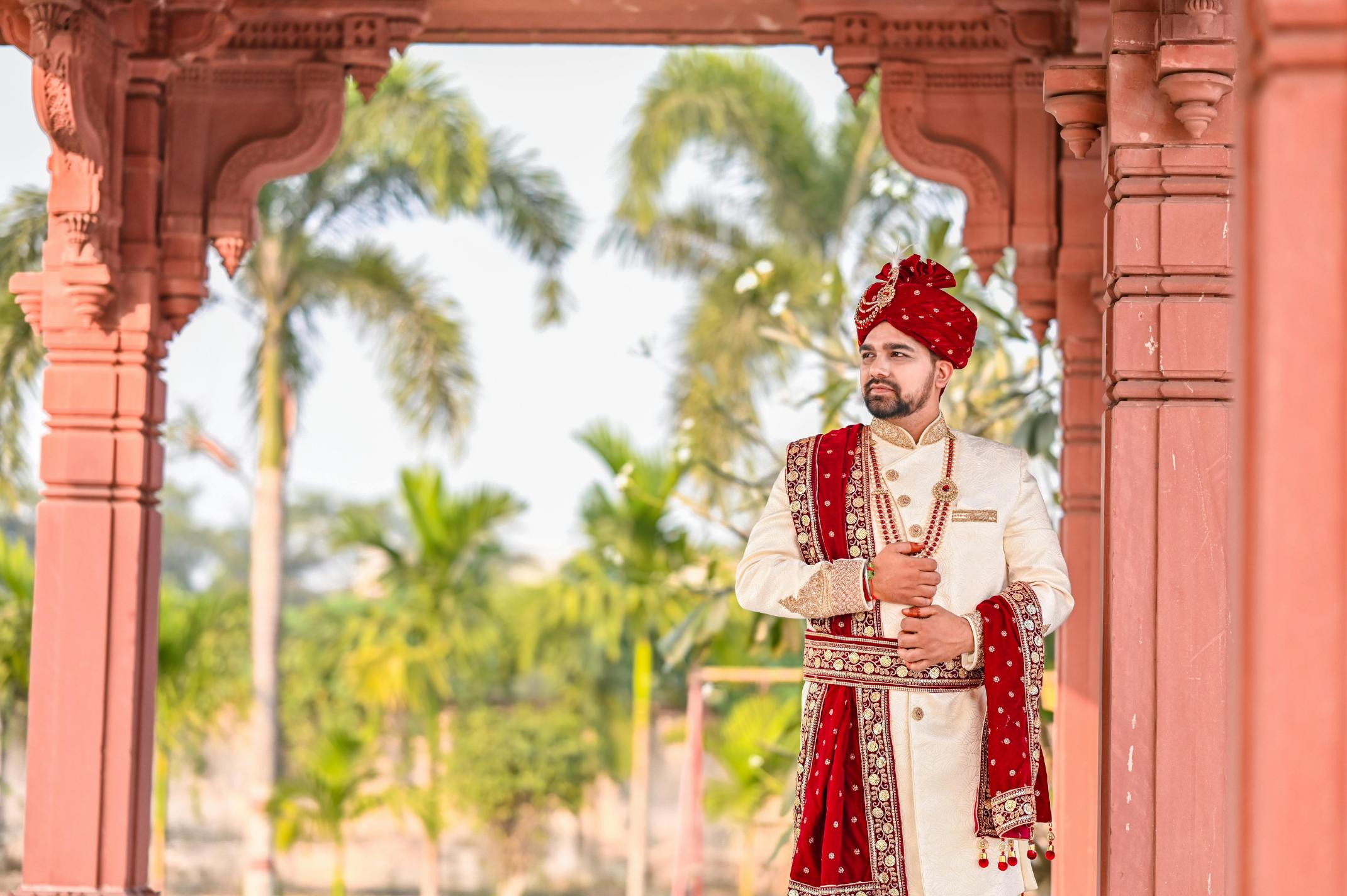
Table of Contents
Step 1: Understanding 2026 Groom Fashion Evolution
✨ Planning Tips:
- ✓Research celebrity groom looks from recent high-profile Indian weddings for inspiration and styling references
- ✓Follow leading Indian menswear designers on social platforms to stay updated with emerging trend forecasts
- ✓Consider your wedding venue and season when selecting trending pieces to ensure comfort and appropriateness
- ✓Discuss fashion choices with family members early to avoid last-minute conflicts over traditional expectations
Pro Tip:
Start trend research 8-10 months before your wedding to allow time for custom tailoring. Use Reverse Auction to get competitive quotes from multiple designers and ensure you're getting the best value for trending pieces.
Step 2: Choosing Your Signature Wedding Silhouettes
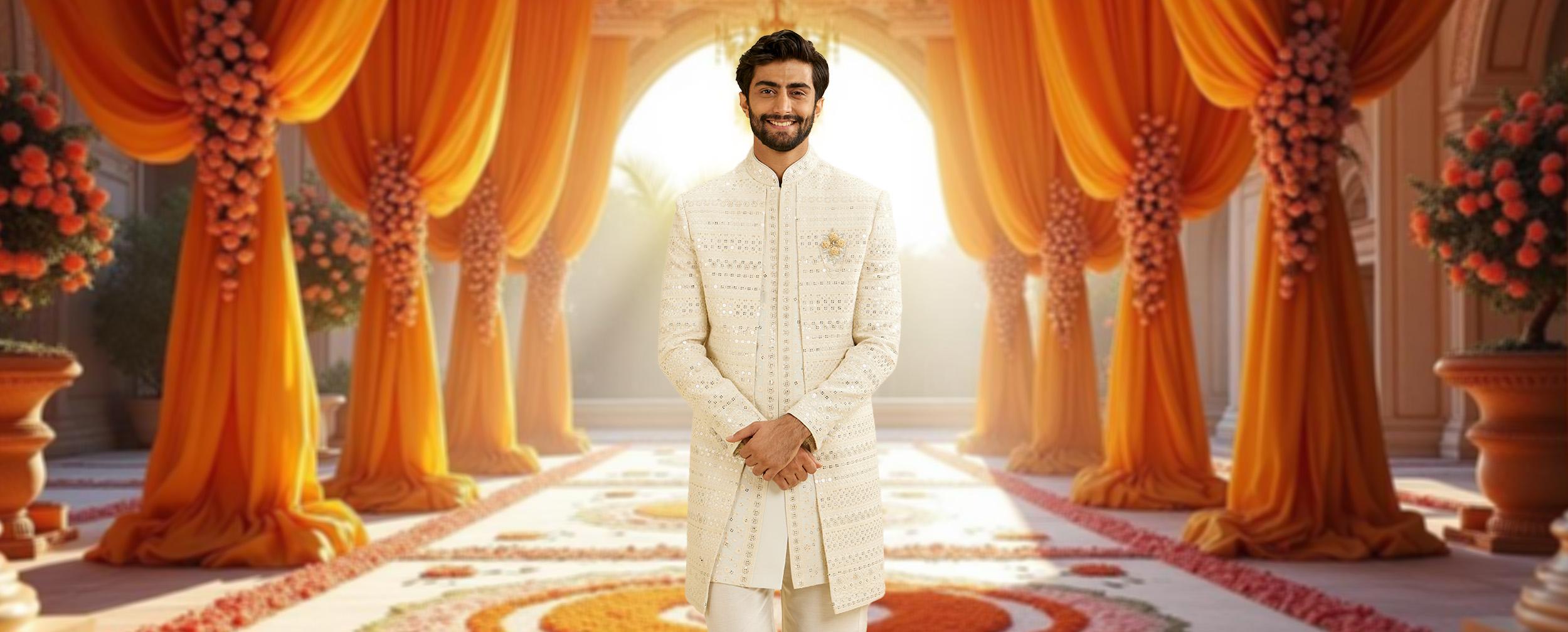
Selecting the right silhouettes forms the foundation of your groom fashion strategy, with 2026 trends favoring clean lines and architectural cuts. The most popular choices include asymmetrical kurtas with side buttons, structured blazers paired with churidar or dhoti pants, and contemporary sherwanis with modern lapel designs. Fit is paramount - slim-fit and tailored cuts dominate the fashion landscape, requiring precise measurements and multiple fittings. Consider your body type, comfort level, and the formality of each wedding event when making silhouette decisions.
✨ Selection Checklist:
✓Asymmetrical kurta with contemporary neckline design for mehendi and sangeet functions
✓Structured blazer with traditional Indian pants for cocktail and reception events
✓Modern sherwani with unique collar design for main wedding ceremony and photography
✓Comfortable kurta-pajama set for intimate family functions and religious ceremonies
Pro Tip:
Book appointments with designers 6 months in advance, especially in wedding-heavy cities like Delhi and Mumbai. Check our venue directory to understand the dress code expectations at your chosen wedding locations.
Step 3: Color Palette Selection for Multi-Event Weddings
Color coordination across multiple wedding events requires strategic planning, with 2026 trends embracing both bold statement hues and sophisticated neutrals. Deep jewel tones like emerald green, royal blue, and burgundy remain popular for main ceremonies, while pastel shades and earth tones work beautifully for day functions. The key is creating a cohesive color story that complements your partner's outfits while allowing each event to have its distinct visual identity. Consider seasonal appropriateness, photography impact, and family preferences when finalizing your color palette.
✨ Essential Information:
✓Main ceremony colors that complement traditional gold jewelry and family heirloom pieces
✓Mehendi function palette focusing on vibrant yellows, oranges, and greens for festive photography
✓Sangeet and cocktail colors that work well under artificial lighting and party atmospheres
✓Reception colors that photograph beautifully and coordinate with venue decor themes
✓Coordination strategy with bride's outfit colors to ensure complementary rather than clashing combinations
✓Backup color options for weather-dependent outdoor ceremonies and last-minute venue changes
Step 4: Fabric Innovation and Sustainable Luxury Choices

The fabric selection process has become increasingly sophisticated, with 2026 trends emphasizing both luxury feel and environmental consciousness. Premium handwoven textiles, organic silk alternatives, and innovative blends dominate the high-end market while maintaining traditional aesthetics. Understanding fabric behavior in different climates is crucial - lightweight silks for summer weddings, rich velvets for winter ceremonies, and breathable cotton blends for extended wear. Sustainable luxury brands are gaining prominence among environmentally conscious couples who want their wedding choices to reflect their values.
Handwoven Silk
Premium Banarasi, Kanjivaram, and Paithani silks offer traditional luxury with contemporary styling possibilities for main ceremonies.
Organic Cotton Blends
Sustainable cotton-silk mixtures provide comfort and breathability while maintaining formal appearance for day functions.
Innovative Synthetics
High-tech fabric blends offer wrinkle resistance, temperature regulation, and easy maintenance without compromising elegance.
Luxury Wool Blends
Premium wool-silk combinations provide warmth and structure for winter weddings while ensuring sophisticated draping.
Step 5: Accessory Coordination and Contemporary Styling
Accessory selection can make or break your groom fashion statement, with 2026 trends favoring minimalist luxury over excessive ornamentation. Contemporary styling emphasizes quality over quantity - a statement watch, perfectly fitted pocket square, and carefully chosen jewelry create more impact than multiple accessories. The key is balancing traditional elements like kalgi and necklaces with modern touches such as designer cufflinks and contemporary footwear. Color coordination between accessories and outfit creates a polished, intentional look that photographs beautifully.
✨ Ideas:
- ✓Jewelry selection: Contemporary gold chains, modern kalgi designs, and statement rings that complement rather than compete with outfit details
- ✓Footwear coordination: Designer juttis, contemporary mojris, or luxury leather shoes that match both comfort needs and style requirements
- ✓Styling elements: Pocket squares, cufflinks, and watch choices that add personality while maintaining sophisticated overall appearance
Step 6: Regional Style Fusion and Cultural Elements
Incorporating regional cultural elements while maintaining contemporary appeal requires thoughtful curation and expert styling advice. Different Indian regions contribute unique design elements - Rajasthani mirror work, Bengali dhoti draping, South Indian silk weaving, and Punjabi vibrant colors can be adapted for modern silhouettes. The art lies in selecting meaningful cultural symbols that honor family traditions without overwhelming the overall design aesthetic. Many grooms choose to feature different regional influences across multiple wedding events, creating a journey through their cultural heritage.
✨ Must-Haves:
✓Traditional family elements like ancestral jewelry pieces or heirloom fabrics incorporated into contemporary designs
✓Regional embroidery or textile techniques that represent your cultural background and family origins
✓Color combinations that hold cultural significance while working within modern fashion principles
✓Styling elements that tell your family story through subtle details and meaningful accessories
✓Fusion pieces that blend traditional craftsmanship with contemporary silhouettes for unique personal expression
✓Documentation plan to capture the cultural significance of each outfit choice for future generations
Step 7: Timeline Planning for Groom Wardrobe Preparation
Strategic timeline planning ensures stress-free execution of your groom fashion vision, with key milestones spread across the months leading to your wedding. Starting early allows for multiple fittings, fabric sourcing, and design modifications while avoiding last-minute rush charges. Peak wedding season availability issues in major cities like Mumbai, Delhi, and Bangalore require advance booking with preferred designers and tailors. A well-structured timeline also accommodates potential delays in fabric delivery, embroidery work, or sizing adjustments that commonly occur with custom Indian menswear.
✨ Sample Timeline:
8-10 months before:Research trends, designers, and budget planning with initial consultations
6-8 months before:Designer selection, fabric sourcing, and initial measurements for custom pieces
4-6 months before:First fittings, design finalization, and accessory selection process begins
2-3 months before:Second fittings, minor adjustments, and coordination with bride's outfit planning
3-4 weeks before:Final fittings, accessory trials, and complete styling rehearsal sessions
1 week before:Final preparations, steaming, and organization of all wedding outfits and accessories
Step 8: Budget Planning and Smart Shopping Strategies
Effective budget management allows you to achieve your groom fashion goals without financial stress, with typical spending ranging from ₹50,000 to ₹3,00,000 depending on designer choice and customization level. Smart shopping involves comparing prices across multiple designers, understanding what's included in quoted prices, and negotiating package deals for multiple outfits. Consider the cost-per-wear value, especially for pieces you might use for future functions or family weddings. Timing your purchases strategically around sale seasons and using platform benefits can result in significant savings without compromising on quality.
✨ Options:
- ✓Designer package deals: Many designers offer discounts for complete wedding wardrobe packages including 3-4 outfits with accessories
- ✓Rental luxury options: High-end designer pieces available for rent in major cities, perfect for one-time wear items
- ✓Custom vs ready-made balance: Mix custom statement pieces with high-quality ready-made items to optimize budget allocation
Ready to Get Started?
<p>Transform your groom fashion vision into reality with expert guidance and competitive pricing through Happiffie's comprehensive vendor network.</p>
Pro Tips for Success
Start Early
Begin your groom fashion planning 8-10 months before your wedding to ensure availability of preferred designers and adequate time for custom work.
Stay Organized
Use Happiffie's vendor management tools to track fittings, payments, and delivery schedules across multiple designers and accessory vendors.
Use Reverse Auction
Get competitive quotes from multiple designers and tailors through Happiffie's reverse auction system to ensure best pricing for your dream outfits.
Enjoy the Moment
Focus on comfort and personal style over pure trends - you'll feel more confident and authentic in outfits that reflect your personality.
Are you a Vendor? Grow Your Business with Happiffie!
- High intent verified leads
- Reverse auction opportunities
- AI business tools & insights
- Dedicated vendor dashboard
- Grow your business, your way
1M+Active Users
300+Events Daily
High QualityLeads
FasterBookings
It's free & takes less than 2 minutes!