
The 2026 bridal fashion landscape in India showcases a remarkable shift towards sustainable luxury and personalized elegance. Contemporary brides are gravitating towards eco-friendly fabrics like organic silk, handwoven khadi, and recycled zari work that doesn't compromise on glamour. Social media platforms and fashion weeks in Mumbai and Delhi have highlighted minimalist embroidery with maximum impact, featuring geometric patterns and asymmetrical designs. The trending color palette has expanded beyond traditional reds to include dusty pinks, sage greens, and champagne golds that photograph beautifully in natural lighting.
Top Bridal Wear Trends in India (2026 Wedding Fashion Guide)
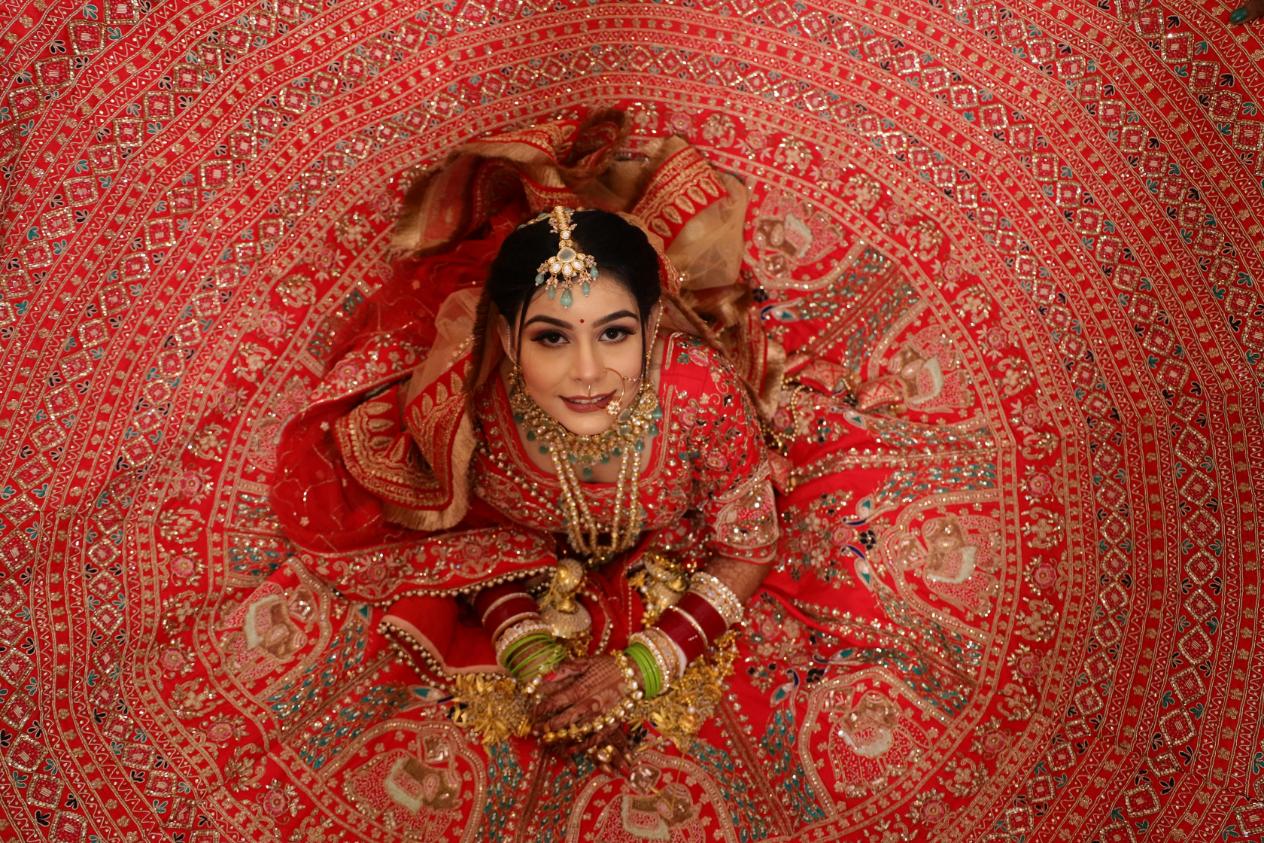
Table of Contents
Step 1: Research Current Bridal Fashion Trends
✨ Research Tips:
- ✓Follow top Indian bridal designers like Sabyasachi, Manish Malhotra, and Anita Dongre on Instagram for latest collections and behind-the-scenes content
- ✓Browse wedding magazines such as WeddingSutra and Brides Today to identify recurring themes and trending elements in 2026 bridal fashion
- ✓Create mood boards on Pinterest combining traditional silhouettes with contemporary color schemes and fabric choices for visual inspiration
- ✓Attend virtual trunk shows and designer showcases to see how fabrics drape and move in different lighting conditions
Pro Tip:
Use Reverse Auction on Happiffie to get competitive quotes from multiple designers and compare their interpretation of 2026 trends within your budget range.
Step 2: Choose Your Bridal Outfit Category
Selecting the right bridal outfit category sets the foundation for your entire wedding look and determines comfort throughout your ceremonies. The classic lehenga remains the most popular choice for 2026, now featuring detachable dupattas and convertible skirts that transform from heavy ceremony wear to reception-friendly lighter versions. Sarees are making a strong comeback with pre-stitched options and innovative draping styles that eliminate the worry of constant adjustments during long ceremonies. Sharara and gharara sets offer a perfect middle ground, providing the grandeur of lehengas with the comfort and ease of movement that modern brides desire.
✨ Selection Checklist:
✓Consider your body type and which silhouette flatters your figure most - A-line lehengas for pear shapes, straight-cut sarees for apple shapes
✓Evaluate the duration and type of ceremonies you'll be wearing the outfit for - heavy lehengas for short ceremonies, lighter sarees for day-long events
✓Think about your comfort level with traditional draping - choose pre-stitched options if you're not comfortable with traditional saree draping techniques
✓Consider seasonal factors like weather, venue type, and photography requirements when selecting fabric weight and embellishment density
Pro Tip:
Browse our extensive venue directory to understand different ceremony settings and how your outfit choice should complement the venue's architecture and lighting.
Step 3: Select Colors and Fabrics
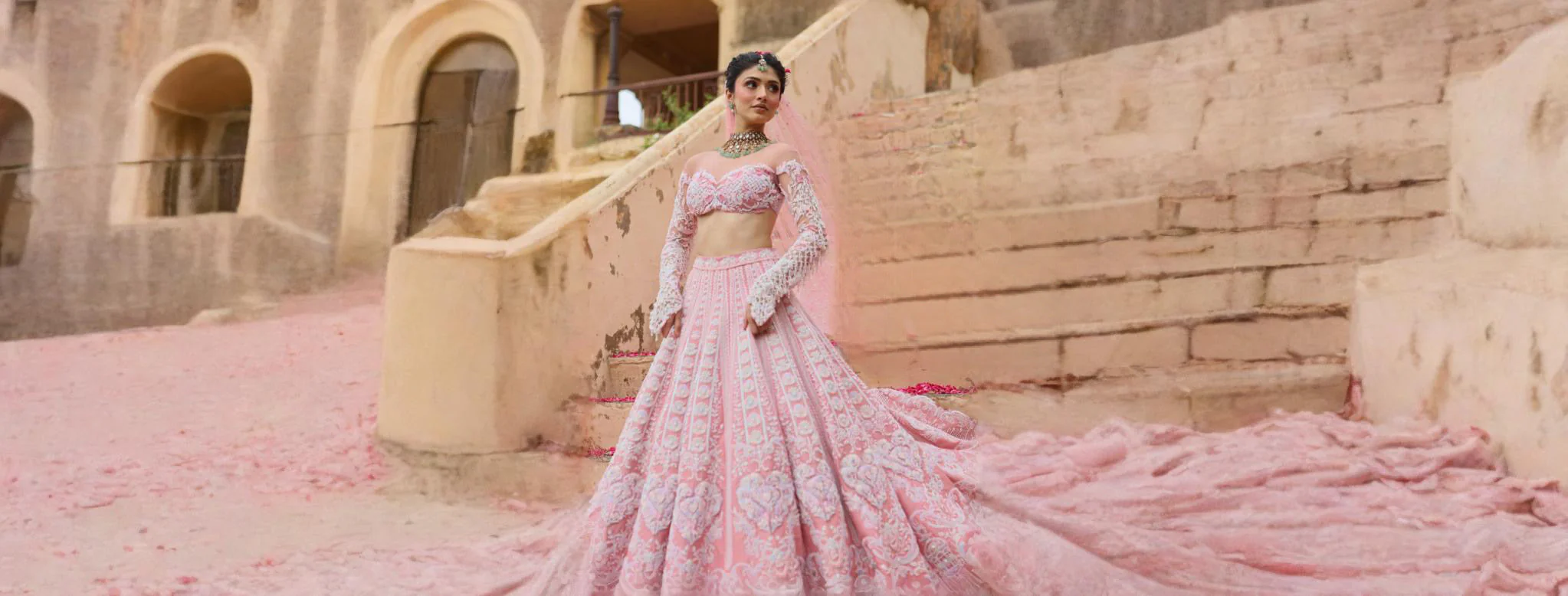
The 2026 color trends for Indian bridal wear have evolved to include a sophisticated palette that photographs beautifully in both natural and artificial lighting. Traditional reds are being reimagined in deeper burgundy and wine tones, while pastels like blush pink, mint green, and ivory are gaining popularity for daytime ceremonies. Fabric choices have become more conscious, with brides opting for sustainable options like peace silk, organic cotton blends, and eco-friendly synthetic fabrics that mimic the luxurious feel of traditional materials. The key is balancing personal preference with seasonal appropriateness and ensuring the colors complement your skin tone and venue aesthetics.
✨ Essential Information:
✓Research which colors complement your skin undertone - warm undertones pair well with gold-based reds and oranges, cool undertones with jewel tones
✓Consider seasonal appropriateness - lighter fabrics like georgette and crepe for summer weddings, heavier silks and velvets for winter ceremonies
✓Evaluate fabric durability and maintenance requirements - some fabrics require special care and may not be practical for multiple events
✓Think about photography requirements - certain colors and fabrics photograph better under different lighting conditions and camera settings
✓Consider cultural and regional preferences - some families have specific color traditions or restrictions for bridal wear
✓Plan for fabric availability and sourcing time - exotic fabrics may require longer lead times and higher costs
Step 4: Compare Popular Bridal Styles
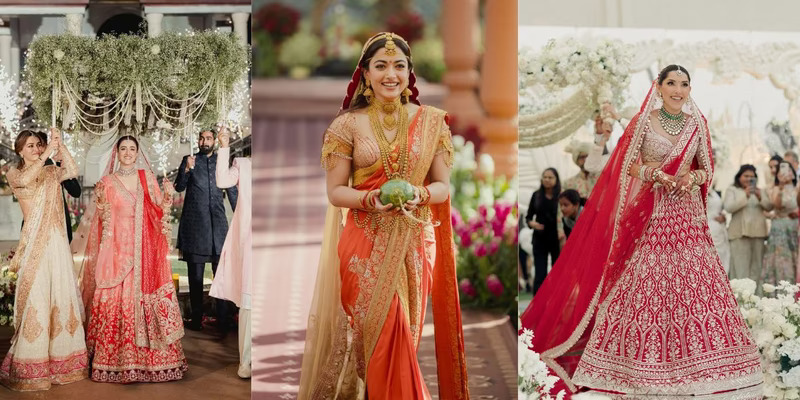
Understanding the nuances of different bridal styles helps you make an informed decision that aligns with your personality and wedding theme. The contemporary minimalist style focuses on clean lines, subtle embroidery, and understated elegance that appeals to modern brides who prefer sophistication over heavy ornamentation. Traditional heavy work styles continue to dominate grand weddings, featuring intricate zardozi, thread work, and precious stone embellishments that create stunning visual impact. Fusion styles blend international silhouettes with Indian embroidery techniques, while vintage-inspired looks incorporate elements from different eras of Indian fashion history.
Contemporary Minimalist
Clean lines with subtle thread work, focusing on fabric quality and cut precision rather than heavy embellishments.
Traditional Heavy Work
Intricate zardozi embroidery with precious stones, gold threads, and elaborate mirror work for maximum grandeur.
Fusion Indo-Western
Western silhouettes like crop tops and palazzo pants combined with traditional Indian embroidery and draping techniques.
Vintage Inspired
Designs inspired by different eras, incorporating elements like vintage prints, retro color combinations, and classic cuts.
Step 5: Plan Jewelry and Accessories
Bridal jewelry in 2026 reflects a shift towards versatile pieces that can be mixed and matched across different ceremonies while maintaining their individual statement value. The trend towards modular jewelry allows brides to invest in pieces that transform from heavy ceremony sets to elegant reception wear by simply adding or removing components. Temple jewelry and antique designs are experiencing a renaissance, with modern interpretations featuring cleaner lines and comfortable wearing mechanisms. The key is creating a cohesive look that complements your outfit without overwhelming your natural features or competing with your outfit's embellishments.
✨ Ideas:
- ✓Statement pieces: Invest in one show-stopping necklace and pair with simpler earrings and maang tikka for balanced elegance without overwhelming your neckline
- ✓Layering techniques: Create depth by layering different lengths of chains and pendants, mixing traditional chokers with longer statement pieces
- ✓Comfort considerations: Choose lightweight alternatives for long ceremonies - hollow gold pieces, silver-based jewelry, or high-quality costume pieces for extended wear
Step 6: Budget Planning and Cost Analysis
Creating a realistic budget for your 2026 bridal wear requires understanding current market prices and prioritizing elements based on their impact on your overall look. Designer lehengas in metro cities like Mumbai and Delhi range from ₹1.5 lakhs to ₹15 lakhs, while semi-custom options from emerging designers offer excellent value between ₹50,000 to ₹2 lakhs. The key is allocating approximately 40% of your bridal wear budget to the main outfit, 30% to jewelry, 20% to accessories and shoes, and 10% for alterations and emergency expenses. Consider the cost-per-wear value, especially for pieces you can repurpose for other occasions or family events.
✨ Must-Haves:
✓Research price ranges from at least 5-7 different designers or boutiques to establish realistic budget expectations for your preferred style
✓Factor in alteration costs which typically range from ₹5,000 to ₹25,000 depending on the complexity of changes required
✓Include accessories budget for shoes, clutch, hair accessories, and undergarments that may not be immediately visible but are essential
✓Plan for jewelry insurance and storage costs, especially for expensive pieces that require special handling and security measures
✓Consider makeup trial costs and final bridal makeup charges which can range from ₹15,000 to ₹1 lakh in major cities
✓Account for transportation and handling costs for delicate outfits, including special garment bags and professional pressing services
Step 7: Timeline for Bridal Shopping
A well-planned shopping timeline ensures you have adequate time for customizations, fittings, and any necessary changes without last-minute stress. Starting your bridal shopping 6-8 months before your wedding date allows for proper research, multiple consultations, and comfortable decision-making without rushing into choices you might regret. The timeline should account for fabric sourcing, embroidery work, multiple fittings, and buffer time for any adjustments or changes in preference. Peak wedding seasons in India (October to March) require even earlier planning as designers and boutiques have longer waiting periods during these months.
✨ Sample Timeline:
6-8 months before:Begin research, create mood boards, and schedule consultations with top 3-5 designers
4-6 months before:Finalize designer, place order with 50% advance, and confirm delivery timeline
2-3 months before:First fitting session, select jewelry, and finalize accessories to complement the outfit
1 month before:Second fitting for minor adjustments, organize all accessories, and plan storage
2 weeks before:Final fitting session, steam and prepare outfit, confirm makeup artist coordination
Wedding week:Collect outfit, organize accessories, and coordinate with bridal prep team for ceremony day
Step 8: Final Styling and Fitting Sessions
The final styling phase brings together all elements of your bridal look, ensuring everything harmonizes perfectly for your special day. This stage involves coordinating with your makeup artist to ensure your outfit colors complement your makeup palette, and working with your photographer to understand how different fabrics and embellishments will appear in various lighting conditions. Professional styling sessions help you practice walking, sitting, and moving comfortably in your outfit, especially important for heavy lehengas or sarees with long trails. The goal is to feel confident and comfortable, knowing every detail has been perfected for your wedding day photography and ceremonies.
✨ Options:
- ✓Professional styling consultation: Hire a bridal stylist who specializes in Indian weddings to coordinate your entire look including draping, accessory placement, and movement tips
- ✓Makeup coordination session: Schedule a trial with your makeup artist while wearing your complete bridal outfit to ensure color harmony and identify any adjustments needed
- ✓Photography rehearsal: Arrange a mini photoshoot in your bridal wear to understand how you look on camera and practice poses that showcase your outfit beautifully
Ready to Get Started?
<p>Transform your bridal fashion dreams into reality with Happiffie's network of expert designers and stylists who understand 2026's latest trends.</p>
Pro Tips for Success
Start Early
Begin your bridal wear journey 6-8 months before your wedding to ensure adequate time for customization and fittings.
Stay Organized
Use Happiffie's vendor management tools to track consultations, fittings, and payments across multiple designers.
Use Reverse Auction
Get competitive quotes from multiple designers through Happiffie's reverse auction feature to ensure best value.
Enjoy the Moment
Remember that confidence is your best accessory - choose outfits that make you feel beautiful and comfortable.

Are you a Vendor? Grow Your Business with Happiffie!
- High intent verified leads
- Reverse auction opportunities
- AI business tools & insights
- Dedicated vendor dashboard
- Grow your business, your way
1M+Active Users
300+Events Daily
High QualityLeads
FasterBookings
It's free & takes less than 2 minutes!