25+ Stunning Wedding Mandap Ideas for 2024
From traditional to contemporary, explore the most breathtaking mandap designs that will elevate your wedding… more

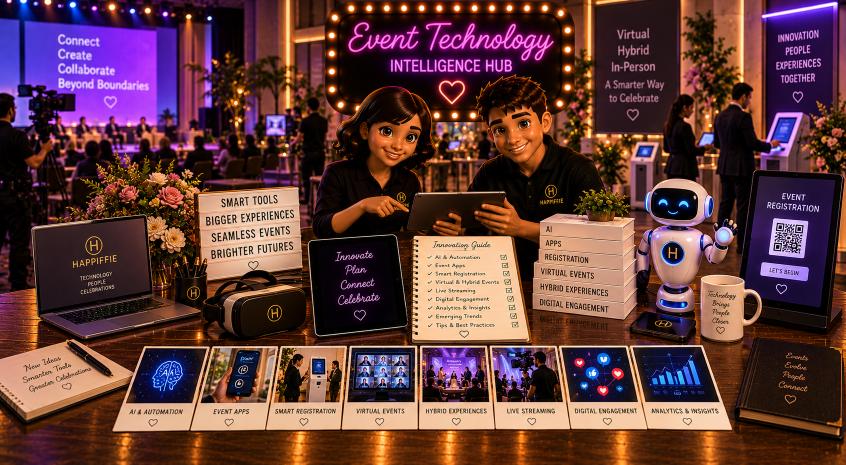 Need smarter event technology? Looking for a better digital experience?
 Ideas, inspiration and expert insights for AI-powered event tools, smart registration, mobile apps, virtual and hybrid experiences, digital engagement and modern event technology.
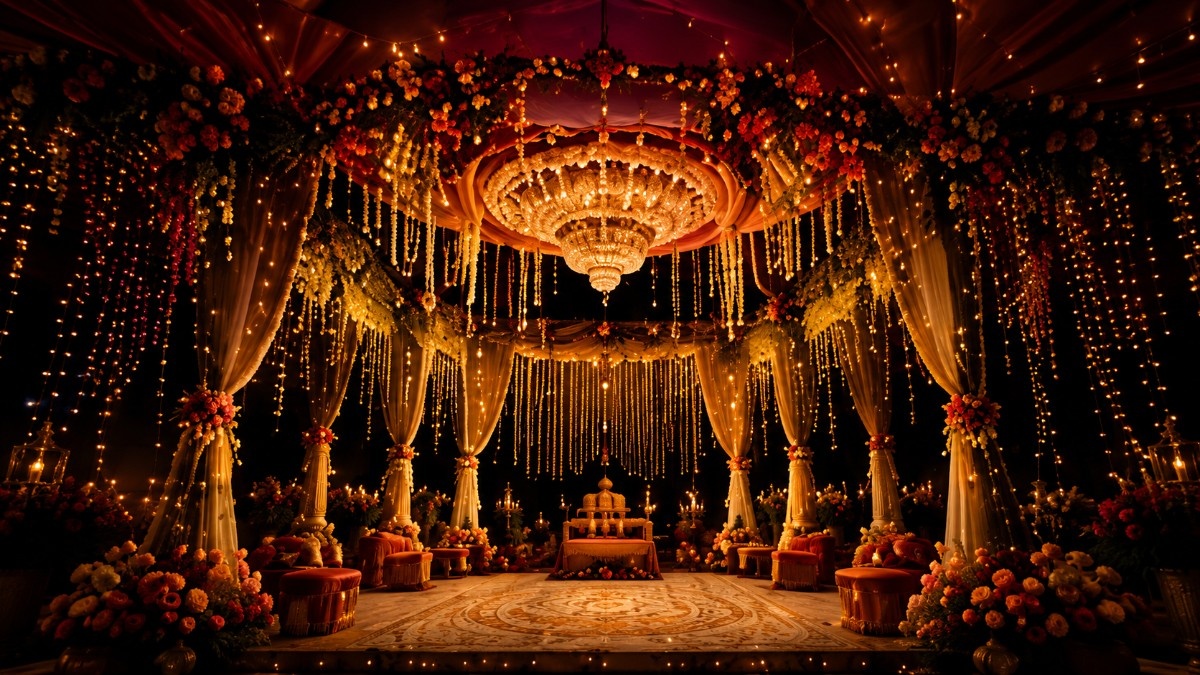
From traditional to contemporary, explore the most breathtaking mandap designs that will elevate your wedding… more

Plan a flawless destination wedding with this comprehensive checklist covering everything you need.
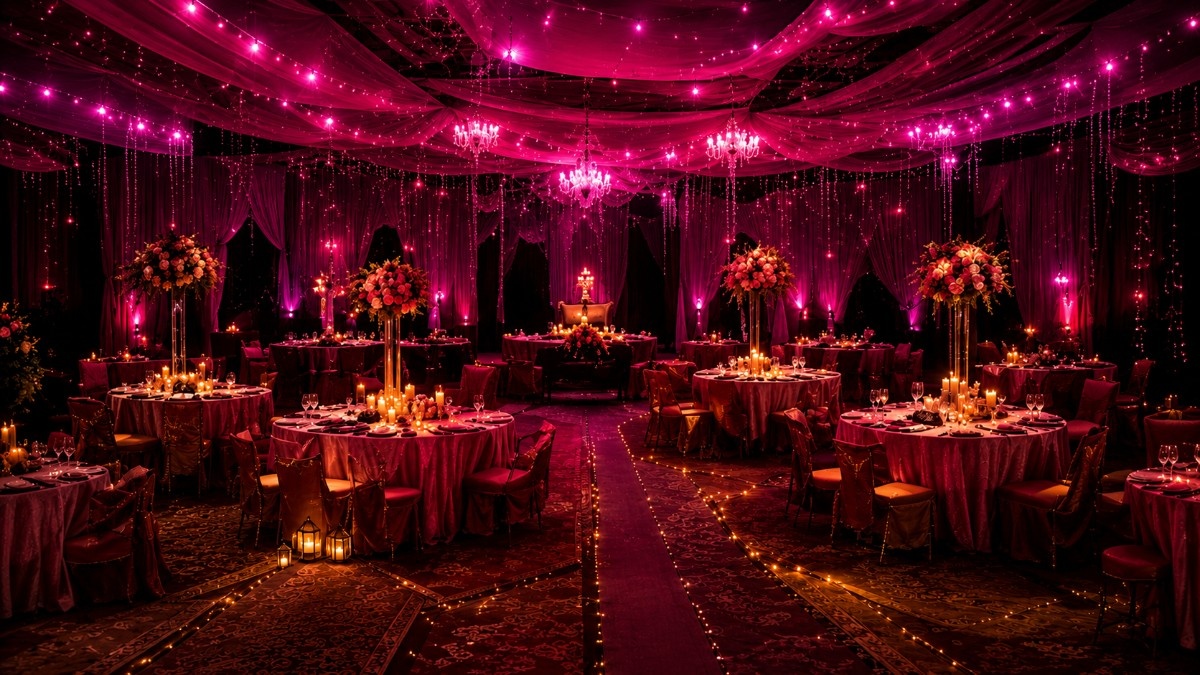
Timeless themes that bring elegance, beauty and unforgettable memories to your big day.

Your month-by-month guide to planning the perfect wedding stress-free and on time.

A beautiful blend of tradition and modernity. See how this couple planned their dream wedding.

Smart tips and tricks to plan your dream wedding within budget without compromising.

Handpicked venues across India that offer stunning experiences for every type of wedding.

From grand entries to royal stays, curated luxury experiences that make your wedding unforgettable.

Detailed breakdown to help you allocate your budget smartly and avoid surprises.

Creative pre-wedding shoot ideas that capture your love story beautifully.

From minimal elegance to grand celebrations, discover the top décor trends this year.
Get the latest AI event tools, smart registration ideas, virtual and hybrid event insights, event apps, analytics and digital experience trends straight to your inbox.
Event technology is transforming the way weddings, birthdays, corporate gatherings, conferences, exhibitions and celebrations are planned, managed and experienced. From AI-powered event tools and smart registration systems to interactive apps, virtual experiences and digital engagement solutions, technology can make events more connected, personalized and efficient.
Modern event planning is no longer limited to choosing a venue, décor and entertainment. Guests increasingly expect convenient registration, instant information, interactive experiences, seamless communication and memorable digital moments. Organizers also need better ways to manage attendees, coordinate teams, understand engagement and deliver experiences across physical and digital spaces.
Happiffie brings together ideas and inspiration around digital event solutions, helping organizers understand how technology can support different stages of an event. Whether you are planning an intimate celebration in Chennai, a destination wedding in Jaipur, a corporate event in Bengaluru or a large conference in Mumbai, the right technology can make the experience smarter and more engaging.
Event technology covers a wide range of digital tools and experiences designed to improve event planning, guest interaction and event execution. The right solution depends on the type of celebration, audience, venue, guest count and objectives.
For social celebrations, technology can add personalization and entertainment without taking away from the emotional character of the occasion. Weddings can use digital invitations, QR-based check-ins, interactive displays, digital guest books, event apps and immersive entertainment.
Corporate events can use technology for registration, networking, attendee communication, presentations, live polling, analytics and hybrid participation. Conferences and exhibitions can benefit from digital schedules, lead capture, matchmaking tools and interactive information systems.
The goal is not to use technology simply because it is available. Good event technology should solve a practical problem or create a meaningful experience.
Artificial intelligence is becoming an important part of modern event experiences. AI event tools can support personalization, content creation, guest engagement, recommendations and interactive experiences.
AI can help organizers create more relevant attendee journeys by using information such as interests, preferences or event participation. For example, a corporate conference can provide personalized session recommendations, while a celebration can create interactive entertainment based on guests and their participation.
AI-powered assistants can also make event information easier to access. Instead of searching through multiple pages or messages, guests can interact with a digital assistant to find schedules, locations, activities or other event information.
AI should complement the human side of an event rather than replace it. The strongest technology-enabled experiences combine intelligent digital tools with thoughtful hospitality and real-world interaction.
Registration is often the first operational interaction between a guest and an event. A slow or confusing registration process can immediately affect the guest experience.
Smart registration systems can make check-in faster by allowing attendees to register online before arriving. QR check-in can then provide a convenient way to verify registration at the venue.
For larger conferences, exhibitions and corporate events, digital registration can also help organizers manage attendee information more efficiently. Different categories of guests can be handled through customized registration journeys.
Digital check-in can be particularly useful when hundreds or thousands of people arrive within a short period. It can reduce queues, improve entry management and help event teams understand attendance patterns.
For weddings and private celebrations, digital RSVP systems can similarly help hosts keep track of invited guests and confirmations before the event.
Event mobile apps can bring important event information together in one convenient digital experience.
An event app may include schedules, venue information, speaker profiles, maps, notifications, session details, networking features and personalized recommendations. This can be particularly valuable for multi-day conferences, exhibitions, destination events and large corporate gatherings.
For weddings and celebrations, a customized digital experience can provide guests with event schedules, venue directions, accommodation information, activity details and important updates.
Mobile-first event experiences are especially useful when information changes during an event. Organizers can communicate updates digitally rather than relying entirely on printed schedules or individual messages.
The most effective event apps are simple and purposeful. Guests should be able to find the information they need quickly without navigating unnecessary features.
Virtual and hybrid events allow audiences to participate beyond the physical venue. This can extend the reach of conferences, business events, product launches, workshops, performances and other experiences.
A virtual event can connect attendees who cannot travel to the physical location. Hybrid events combine an in-person audience with remote participants, creating a shared experience across different locations.
Successful hybrid event planning requires more than simply streaming a stage. Remote attendees should have meaningful ways to participate, interact and access event information.
Digital networking, live interaction, audience questions, polls, session access and on-demand content can help remote participants feel included.
For organizations with audiences across India or international participants, virtual and hybrid event technology can make participation more accessible while maintaining the value of the physical experience.
Keeping guests engaged is an important part of any modern event. Digital interaction can add new layers of participation before, during and after the celebration.
Interactive polls, digital quizzes, live questions, audience reactions, social walls and interactive displays can encourage guests to participate instead of simply watching.
At corporate events, attendee engagement technology can make presentations and panel discussions more interactive. Speakers can collect audience feedback, answer questions and understand participant interests in real time.
At social celebrations, digital engagement can become part of the entertainment itself. Interactive photo experiences, digital guest books and personalized displays can create moments guests want to share.
The best digital engagement ideas are aligned with the event's personality. A luxury wedding may require a refined and subtle digital experience, while a youth-focused celebration may benefit from highly interactive entertainment.
Event analytics can help organizers understand what is happening before, during and after an event.
Registration numbers, attendance patterns, session participation, engagement levels and digital interactions can provide useful insights. Corporate event organizers can use these insights to understand which sessions generated the most interest and where attendees participated most actively.
Analytics can also support future event planning. Instead of relying only on assumptions, organizers can use previous event information to make better decisions about schedules, content, guest experiences and communication.
For large conferences and exhibitions, data can become especially valuable because of the number of attendees and interactions involved.
However, analytics should always support the event objective. Collecting data without a clear purpose can create unnecessary complexity. Useful event analytics focus on information that helps improve the guest experience or operational decision-making.
Photography remains one of the most popular elements of celebrations, but digital technology is creating new ways for guests to interact with visual content.
AI photo booths can transform traditional photo experiences into more interactive and personalized moments. Guests can experiment with themed visual concepts and create memorable digital content during weddings, birthdays, parties and corporate celebrations.
Interactive photo experiences can also become social entertainment. Instead of simply taking a photograph, guests participate in an experience that can generate content designed around the event theme.
For corporate activations, branded digital photo experiences can help create stronger engagement with visitors. For weddings and private celebrations, personalized visual experiences can become part of the entertainment and memory-making journey.
Live streaming can connect people who cannot attend an event physically.
Weddings, conferences, award ceremonies, cultural programs, performances and corporate events can use live streaming to reach remote audiences. This is particularly useful when important family members, business partners or participants are located in different cities or countries.
A professional live-streaming experience should consider camera coverage, audio quality, internet connectivity, presentation visibility and the viewing experience for remote audiences.
For hybrid events, live streaming becomes part of a larger digital ecosystem that may also include virtual networking, interactive sessions and online registration.
Digital invitations have become an important part of modern event communication. They can provide guests with essential information while reducing dependence on printed materials.
Wedding websites and digital invitations can include event dates, venue details, maps, RSVP options, accommodation information, schedules and additional celebration details.
For corporate events, dedicated event pages can communicate registration information, agendas, speakers, venue details and participation instructions.
Digital invitations also make updates easier. If a venue, schedule or other detail changes, organizers can communicate the latest information through digital channels.
The visual design should still reflect the event identity. A luxury wedding, traditional ceremony, birthday party and corporate conference each require a different communication style.
Networking is a major objective for many conferences, business gatherings and professional events. Technology can make it easier for attendees to discover relevant people and opportunities.
Digital networking tools can support attendee profiles, interest-based connections, meeting requests and communication. Event apps can also provide directories and information about speakers, exhibitors or participating organizations.
For exhibitions, technology can help visitors discover relevant exhibitors while allowing businesses to organize leads and follow-ups more efficiently.
Good networking technology should make human interaction easier rather than creating another barrier. The digital experience should guide people toward useful real-world conversations.
Corporate events often have specific technology requirements because they combine attendee management, presentations, communication, networking and brand experiences.
Technology can support conferences, seminars, annual meetings, product launches, employee events, award ceremonies, exhibitions and business celebrations.
Smart registration can simplify arrival. Event apps can centralize schedules. Interactive tools can improve presentations. Digital displays can support branding. Live streaming can extend reach. Analytics can provide insights into participation.
Corporate event technology can also support consistent communication across multiple locations. This becomes particularly useful for organizations conducting events in cities such as Bengaluru, Hyderabad, Mumbai, Delhi, Pune, Chennai and Kolkata.
The technology should always support the business objective, whether that means generating leads, educating participants, strengthening relationships, launching a product or improving employee engagement.
Technology is increasingly becoming part of the wedding and celebration journey.
Couples can use digital invitations, wedding websites, RSVP systems, event apps, digital guest books, interactive entertainment and personalized photo experiences to create a more connected celebration.
Technology can also simplify communication between hosts and guests. Important information about venues, schedules, accommodation and transportation can be shared digitally.
For destination weddings, digital tools become even more useful because guests may need information about multiple functions, locations, travel arrangements and schedules.
The best wedding technology remains elegant and unobtrusive. It should enhance the celebration without competing with the emotional moments, cultural traditions or personal interactions that make the event special.
Conferences and exhibitions have some of the strongest use cases for event technology because of their scale and complexity.
Digital registration can streamline attendee entry. Event apps can provide session schedules and speaker information. Interactive tools can support audience participation. Networking technology can help attendees discover relevant connections.
Exhibitors can use digital displays, interactive demonstrations and lead-management solutions to create stronger visitor experiences.
For large exhibitions, digital navigation can also help visitors discover different areas of the venue and find exhibitors or sessions relevant to their interests.
Technology can therefore support both sides of the event: operational efficiency for organizers and a more useful experience for attendees.
Technology does not have to remain on a phone or laptop. Digital experiences can become part of the physical event environment.
LED displays, interactive screens, digital signage, projection experiences, photo activations and responsive installations can transform event spaces.
At a wedding, digital visuals can complement décor and stage design. At a corporate event, interactive displays can communicate brand stories or product information.
At a conference or exhibition, digital signage can help attendees navigate the venue and discover important sessions or activities.
These experiences work best when technology, creative design, lighting, audio and venue architecture are considered together rather than planned independently.
Event automation can reduce repetitive administrative work and make planning more organized.
Automated communication can help manage registration confirmations, reminders, updates and post-event messages. Digital workflows can also connect different stages of the attendee journey.
For larger events, automation can support registration management, communication and operational coordination.
The objective is not to automate every interaction. Human support remains important, particularly when guests have unique questions or require assistance.
Smart workflows should handle repetitive processes while allowing event teams to focus on hospitality, creativity and problem-solving.
There is no single technology solution that works for every event. The right choice depends on the event format, guest profile, venue, audience size, objectives and available infrastructure.
Start by identifying the problem that needs to be solved.
Do guests need faster registration? Would attendees benefit from an event app? Is remote participation important? Does the event require stronger networking? Could interactive entertainment improve engagement?
Once the objective is clear, technology options become easier to evaluate.
Usability is equally important. A technically advanced solution can still create frustration if guests find it difficult to use.
Organizers should also consider venue connectivity, onsite support, integration requirements, accessibility and the overall guest journey before selecting a solution.
India's growing event ecosystem creates opportunities for technology-enabled experiences across different regions.
In Bengaluru and Hyderabad, technology-focused corporate events, conferences and business gatherings can benefit from smart registration, networking platforms and interactive digital experiences.
Mumbai and Delhi offer opportunities for large corporate events, exhibitions, entertainment experiences, luxury celebrations and destination-style gatherings.
Chennai has a strong mix of weddings, cultural celebrations, corporate events and private occasions where digital communication and guest-management tools can improve the experience.
Pune, Kolkata and Ahmedabad also host a wide range of corporate and social events that can benefit from event apps, digital registration, interactive entertainment and smart planning tools.
Jaipur, Udaipur, Goa and other destination locations are particularly relevant for technology-supported weddings and celebrations where guests may travel from different cities.
Across India, the most effective approach is to combine local event requirements with technology that genuinely improves the guest journey.
Small events do not necessarily require complicated technology. A simple digital invitation, RSVP system, event website or interactive photo experience may be enough to improve the celebration.
Medium-sized events may benefit from digital registration, guest communication, interactive entertainment and event schedules.
Large conferences, exhibitions and corporate events may require more comprehensive technology covering registration, check-in, attendee engagement, networking, analytics and hybrid participation.
The size of the event should therefore influence the technology stack. More features do not automatically mean a better event.
The future of events is likely to become increasingly connected, personalized and interactive.
Artificial intelligence, digital assistants, immersive experiences, smart registration, event apps, analytics and hybrid participation are already changing expectations around event experiences.
Guests will increasingly expect information to be available instantly and event experiences to feel personalized. Organizers will have more opportunities to understand engagement and make decisions based on real event data.
At the same time, technology will need to remain human-centered. Events are ultimately about people, relationships, celebrations and shared experiences.
The strongest future-facing event concepts will use technology as an invisible layer that makes everything around the guest feel easier, smarter and more memorable.
From AI event tools and smart registration to virtual events, interactive experiences, digital engagement and event technology solutions, digital innovation can transform how modern celebrations are planned and experienced.
Happiffie brings together event inspiration, planning intelligence and technology-focused ideas to help organizers explore better possibilities for weddings, birthdays, corporate events, conferences, exhibitions and celebrations across India.
Whether you are looking for an event app, QR check-in, AI-powered experience, virtual event solution, interactive technology or a smarter way to engage attendees, the right digital approach starts with understanding your event and its people.
Explore event technology ideas with Happiffie and discover smarter ways to plan, connect, engage and create memorable experiences.