
The foundation of choosing your perfect bridal silk saree begins with understanding the rich variety of silk types available across India, each offering unique characteristics in texture, weave, and cultural significance. Pure silk sarees are distinguished by their lustrous sheen, durability, and the way they drape elegantly on the body, making them ideal for wedding ceremonies where you'll be wearing them for extended periods. The most popular bridal silk varieties include Mulberry silk, known for its smooth texture and natural shine, Tussar silk with its rich golden hue and slightly textured feel, and Art silk which offers similar aesthetics at more affordable prices. Understanding these fundamental differences will help you make an informed decision that aligns with your budget, comfort preferences, and the overall aesthetic you want to achieve for your wedding day.
Silk Sarees for Brides: Types, Pricing & Styling Guide (India 2026)
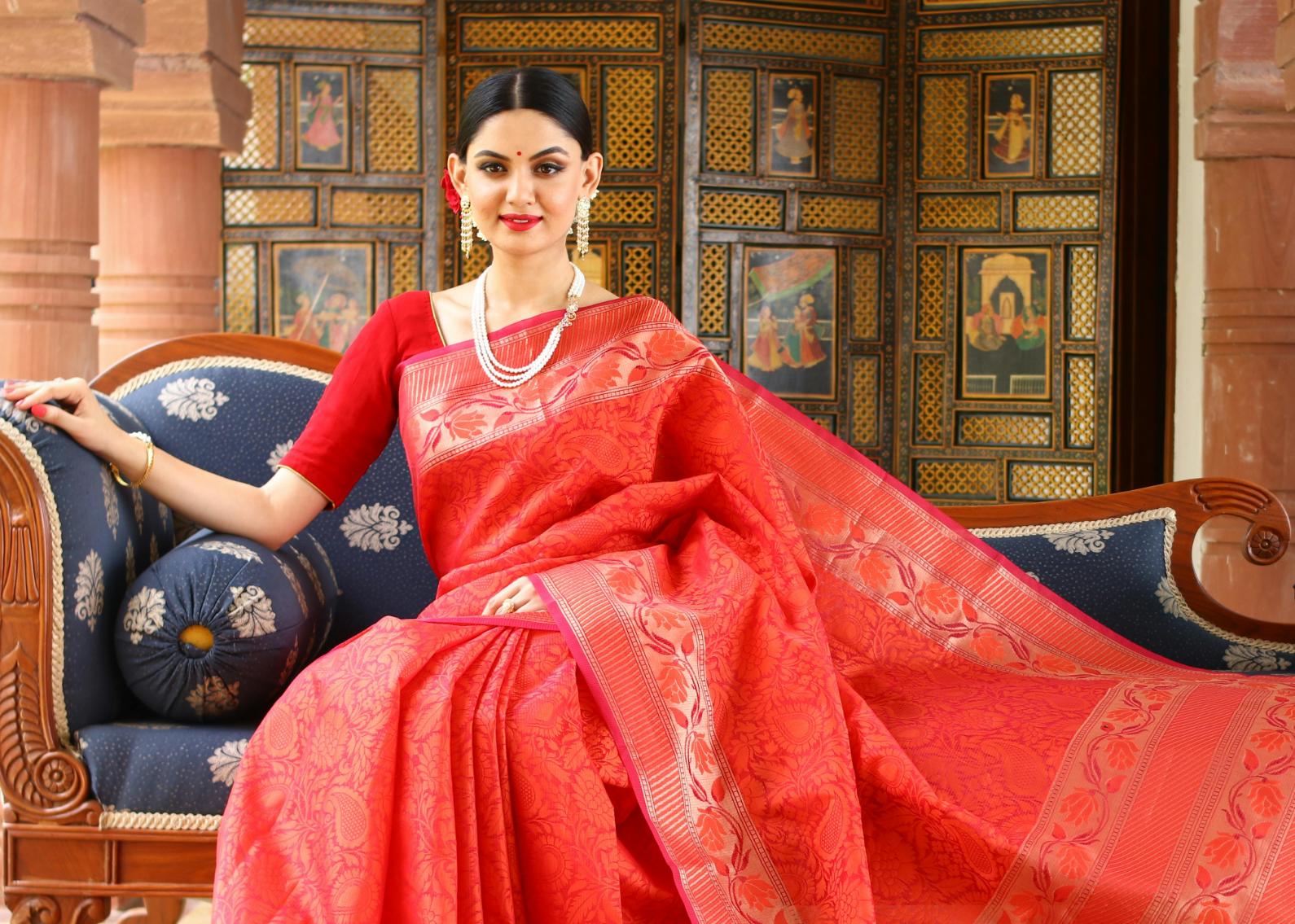
Table of Contents
Step 1: Understanding Different Types of Bridal Silk Sarees
✨ Silk Quality Identification Tips:
- ✓Check for natural luster and smooth texture when running fingers across the fabric surface
- ✓Perform the burn test on a small thread - pure silk burns slowly and smells like burning hair
- ✓Look for the silk mark certification label which guarantees authentic pure silk quality
- ✓Feel the weight of the saree - genuine silk sarees have substantial weight and body compared to synthetic alternatives
Start your silk saree selection process early using Reverse Auction to compare quality and prices from multiple trusted vendors across India.
Step 2: Budget Planning and Pricing Analysis for 2026
Setting a realistic budget for your bridal silk saree is crucial as prices in 2026 range significantly from ₹15,000 for quality Art silk sarees to ₹2,50,000+ for premium handwoven Kanjeevaram pieces with heavy gold zari work. Mid-range pure silk sarees with moderate embellishments typically cost between ₹35,000-₹80,000, making them accessible for most wedding budgets while still providing excellent quality and traditional appeal. Regional variations also impact pricing, with sarees from Chennai and Bangalore generally offering better value for Kanjeevaram varieties, while Mumbai and Delhi markets excel in providing diverse options across all price ranges. Understanding these pricing dynamics helps you allocate your wedding budget effectively while ensuring you get the best quality silk saree that meets your style preferences and financial comfort zone.
✨ Budget Planning Checklist:
Use our venue directory to coordinate your saree selection with your wedding venue's color scheme and lighting conditions.
Step 3: Choosing Colors and Patterns for Your Wedding
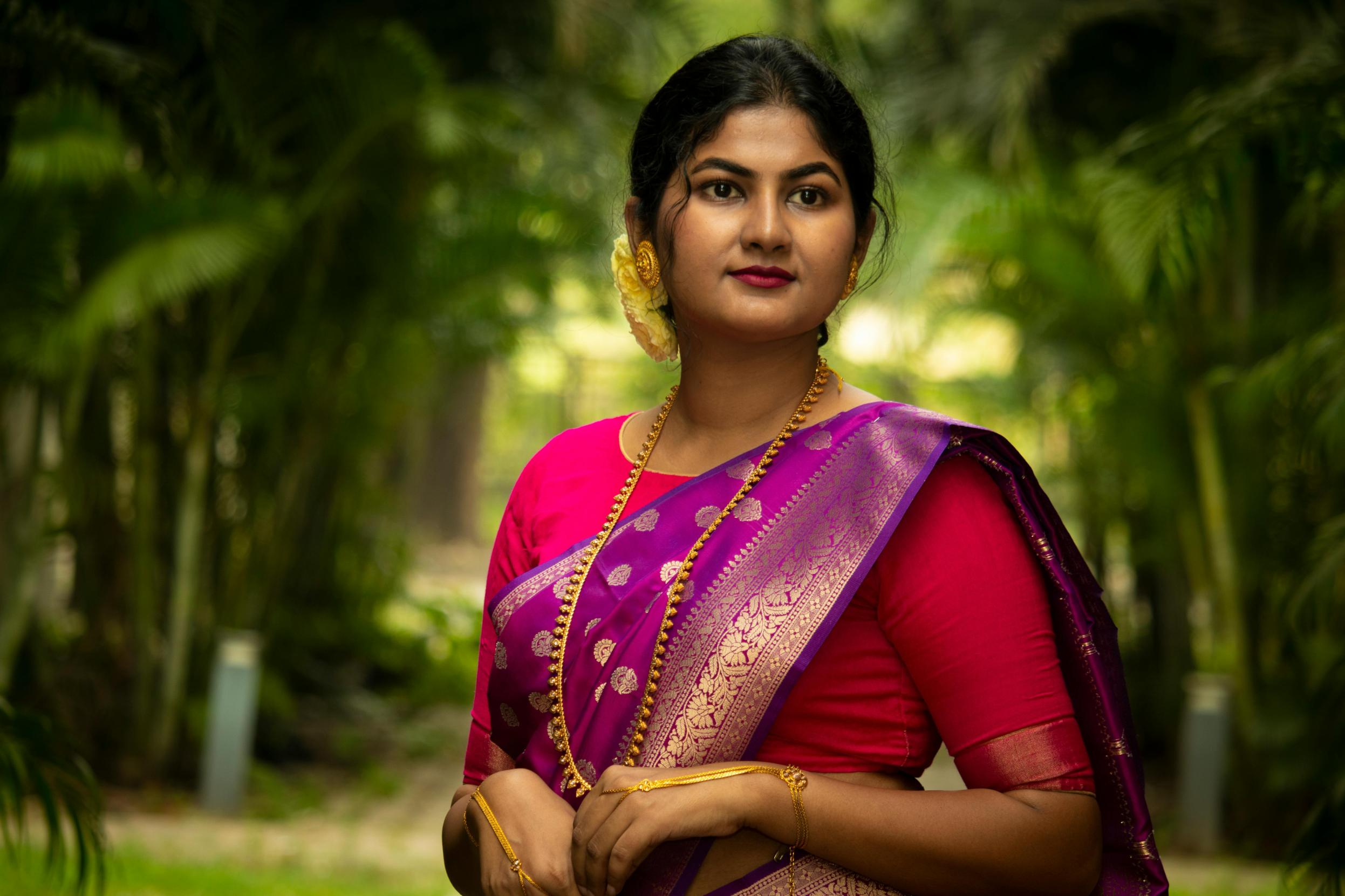
Selecting the perfect color and pattern combination for your bridal silk saree involves balancing personal preferences with traditional significance, family expectations, and the overall wedding theme you've envisioned. Traditional bridal colors like deep red, maroon, and gold remain timeless choices that photograph beautifully and complement most Indian skin tones, while contemporary brides are increasingly exploring rich jewel tones like emerald green, royal blue, and deep purple for a modern twist. The pattern selection should consider the ceremony type, with heavy zari work and intricate motifs being ideal for main wedding ceremonies, while lighter patterns work well for pre-wedding functions or reception events. Your color choice should also complement your jewelry selection, skin undertones, and the overall wedding decor to create a cohesive and stunning bridal look that you'll treasure in photographs for years to come.
✨ Color Selection Guidelines:
Step 4: Regional Silk Saree Varieties Comparison
India's diverse regions offer distinct silk saree varieties, each carrying unique weaving techniques, cultural heritage, and aesthetic characteristics that make them special choices for bridal wear. Understanding these regional specialties helps you choose a saree that resonates with your personal heritage or simply appeals to your aesthetic preferences while ensuring authenticity and quality. The selection process becomes easier when you know the distinctive features of each variety, their typical price ranges, and how they photograph and drape for wedding ceremonies. Comparing these options side by side allows you to make an informed decision that balances tradition, beauty, comfort, and budget considerations for your perfect bridal look.
Kanjeevaram Silk
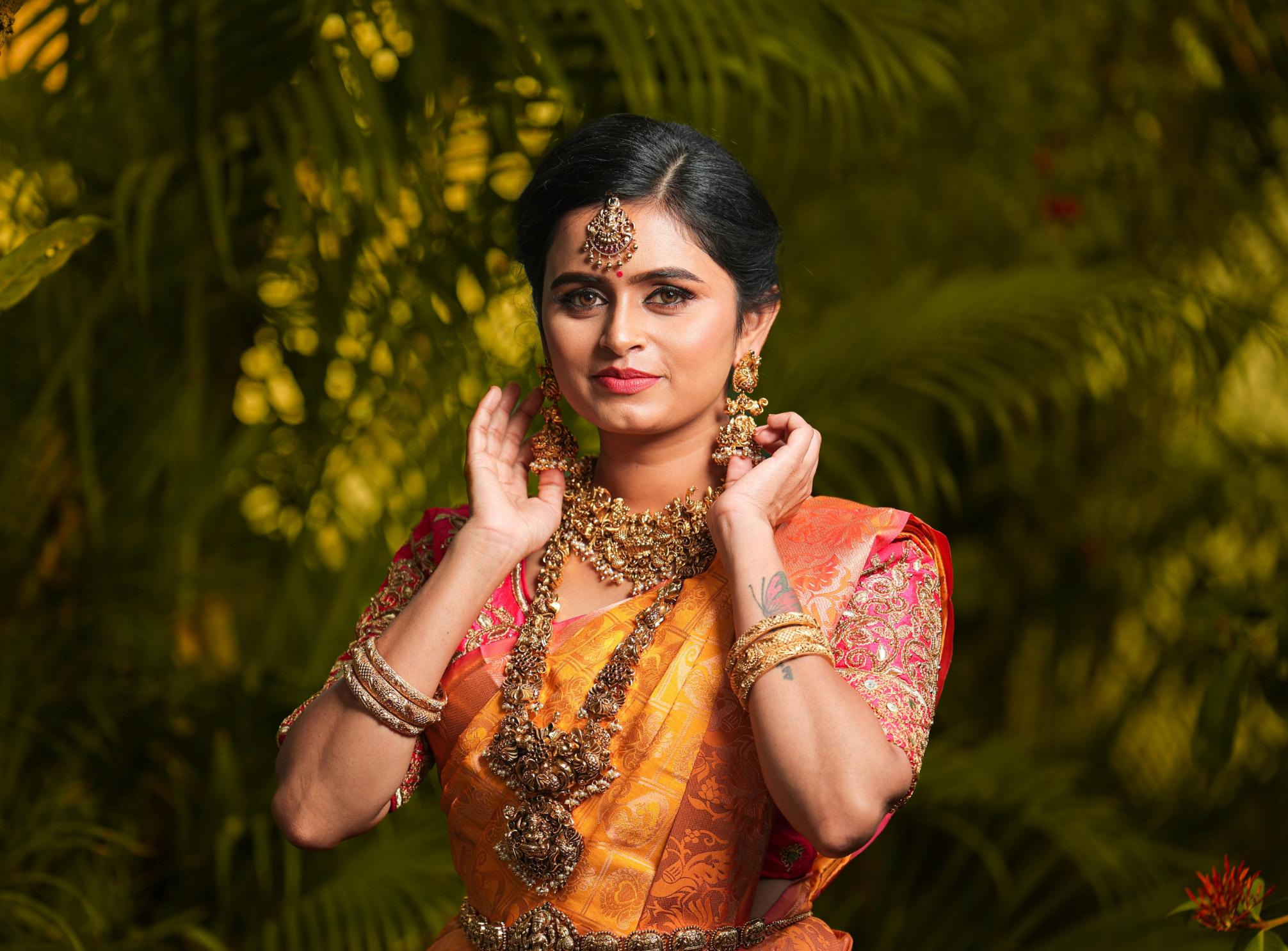
Heavy silk with gold zari work, originated in Tamil Nadu. Price range: ₹25,000-₹1,50,000. Perfect for main wedding ceremonies with rich temple motifs.
Banarasi Silk
Intricate brocade work from Varanasi. Price range: ₹20,000-₹80,000. Features Mughal-inspired patterns ideal for North Indian weddings.
Mysore Silk
Pure silk from Karnataka with minimal zari work. Price range: ₹15,000-₹45,000. Lightweight and comfortable for long ceremonies.
Paithani Silk
Handwoven from Maharashtra with peacock motifs. Price range: ₹30,000-₹1,00,000. Traditional choice for Maharashtrian brides.
Step 5: Perfect Blouse Design and Styling Elements
The blouse design significantly impacts your overall bridal look, serving as the foundation that either enhances or diminishes the beauty of your chosen silk saree through careful attention to fit, neckline, and embellishment details. Modern bridal blouses offer numerous style options from traditional high-neck designs with full sleeves to contemporary off-shoulder styles, deep backs, and intricate cutwork patterns that add glamour to your wedding ensemble. The key is ensuring the blouse complements your saree's embellishment level - heavily embellished sarees pair well with simpler blouses, while plain silk sarees can accommodate more ornate blouse designs with heavy embroidery or stone work. Professional tailoring is essential for achieving the perfect fit that allows comfortable movement during wedding rituals while maintaining an elegant silhouette that photographs beautifully from all angles.
✨ Blouse Styling Ideas:
- ✓High-neck designs with intricate embroidery work perfectly with traditional heavy Kanjeevaram sarees for classic bridal elegance
- ✓Deep back blouses with tassel details or stone work create stunning visual impact for photography and reception events
- ✓Contrasting color blouses can make your saree stand out while maintaining traditional appeal and personal style preferences
Step 6: Essential Shopping and Quality Assessment
Smart shopping for your bridal silk saree requires a systematic approach to quality assessment, vendor comparison, and timing to ensure you get the best value for your investment while avoiding common pitfalls. The best shopping strategy involves visiting both physical stores and online platforms, allowing you to feel the fabric quality in person while comparing prices and varieties available across different sellers. Quality assessment should focus on examining the silk's texture, zari work authenticity, color fastness, and overall craftsmanship, paying special attention to the consistency of weaving and the durability of embellishments. Timing your purchase strategically during off-season periods or festival sales can result in significant savings, while building relationships with trusted vendors ensures better service, customization options, and after-sales support for alterations or care instructions.
✨ Quality Assessment Must-Haves:
Step 7: Wedding Day Timeline and Preparation Schedule
Creating a detailed timeline for your wedding day silk saree preparation ensures everything runs smoothly, from the initial draping process to final touch-ups before the ceremony begins. Professional saree draping typically takes 45-60 minutes for complex styles, so scheduling adequate time prevents rushing and ensures perfect pleating, pinning, and overall presentation. The timeline should include buffer time for any last-minute adjustments, jewelry arrangement, and photography sessions while coordinating with your makeup artist and photographer's schedules. Having a well-planned schedule reduces stress on your wedding day and ensures you look absolutely perfect when walking down the aisle or participating in traditional ceremonies, with every element of your silk saree ensemble perfectly coordinated and secure.
✨ Sample Timeline:
Step 8: Final Styling and Photography Considerations
The final styling phase focuses on creating picture-perfect moments that showcase your silk saree's beauty while ensuring comfort and confidence throughout your wedding celebrations and photography sessions. Professional photography requires specific considerations like how your saree photographs under different lighting conditions, which angles showcase the intricate work best, and how to position the pallu for maximum visual impact in both candid and posed shots. Your styling choices should complement the photography style you've chosen, whether traditional portraits, candid moments, or contemporary fashion-inspired shots that highlight the silk saree's elegance and your personal beauty. Coordinating with your photographer about specific shots you want, such as detail shots of the zari work or dramatic pallu arrangements, ensures your silk saree's beauty is captured perfectly for your wedding album memories.
✨ Photography Styling Options:
- ✓Plan specific poses that highlight your saree's unique features like intricate border work or pallu designs
- ✓Coordinate with photographers about lighting preferences that enhance silk's natural sheen and color vibrancy
- ✓Consider outfit changes if you have multiple silk sarees for different ceremonies and photo opportunities
Ready to Find Your Perfect Bridal Silk Saree?
<p>Let Happiffie connect you with trusted silk saree vendors and styling experts who understand your vision for the perfect wedding day look.</p>
Pro Tips for Success
Start Early
Begin your silk saree shopping at least 3-4 months before your wedding to allow time for selection, alterations, and backup options.
Use Reverse Auction
Leverage Happiffie's platform to get competitive quotes from multiple silk saree vendors and compare quality offerings.
Professional Draping
Book experienced saree drapers through our vendor network to ensure perfect fit and traditional styling expertise.
Document Everything
Keep detailed photos and notes of your silk saree selection process for coordination with other wedding elements.

Are you a Vendor? Grow Your Business with Happiffie!
- High intent verified leads
- Reverse auction opportunities
- AI business tools & insights
- Dedicated vendor dashboard
- Grow your business, your way
It's free & takes less than 2 minutes!