
Sherwani Guide for Grooms: Styles, Pricing & How to Choose
Complete guide to selecting the perfect sherwani with style options, realistic pricing, and expert tips for Indian grooms
A Mumbai groom spent ₹85,000 on his designer sherwani only to discover the fabric was too heavy for his December outdoor wedding. Sherwani selection combines tradition with practicality, yet most grooms make decisions based purely on appearance without considering climate, comfort, or ceremony duration.
Indian weddings span multiple days and varied settings—from air-conditioned banquet halls to open-air mandaps under scorching sun. The wrong fabric choice leaves you sweating through pheras, while poor tailoring ruins photos that last generations. Smart grooms research professional wedding planning services to coordinate outfits with venue logistics.
This guide breaks down sherwani styles, realistic pricing across Indian cities, and decision factors that matter beyond aesthetics. Happiffie connects you with verified designers and tailors who understand both traditional craftsmanship and modern wedding requirements.
📋 Table of Contents
Understanding Sherwani Styles Today
Sherwani preferences have shifted dramatically since 2020, driven by intimate weddings and Instagram aesthetics. Grooms now prioritize comfort and versatility over purely ceremonial looks, especially for multi-function celebrations. The traditional heavy silk sherwanis are giving way to lighter fabrics that photograph well under both natural and artificial lighting.
A Chennai groom booking in peak summer (April-June) faces temperatures exceeding 38°C during outdoor ceremonies. Designers report 60% of summer bookings now request cotton-silk blends or lightweight raw silk instead of traditional brocades. The fabric choice directly impacts your comfort during 3-hour ceremonies and determines whether you'll need frequent breaks.
Most grooms make the critical error of choosing sherwanis based on showroom lighting and air conditioning. The reality hits during outdoor photo sessions when heavy fabrics become unbearable. Smart selection considers the ceremony timeline, weather conditions, and whether you'll be standing for extended periods during rituals.
Regional preferences also matter significantly. North Indian weddings favor heavily embroidered, structured sherwanis, while South Indian ceremonies often require lighter, more fluid silhouettes that complement dhoti-style bottoms. Understanding your wedding ceremony format influences every style decision from neckline to hem length.
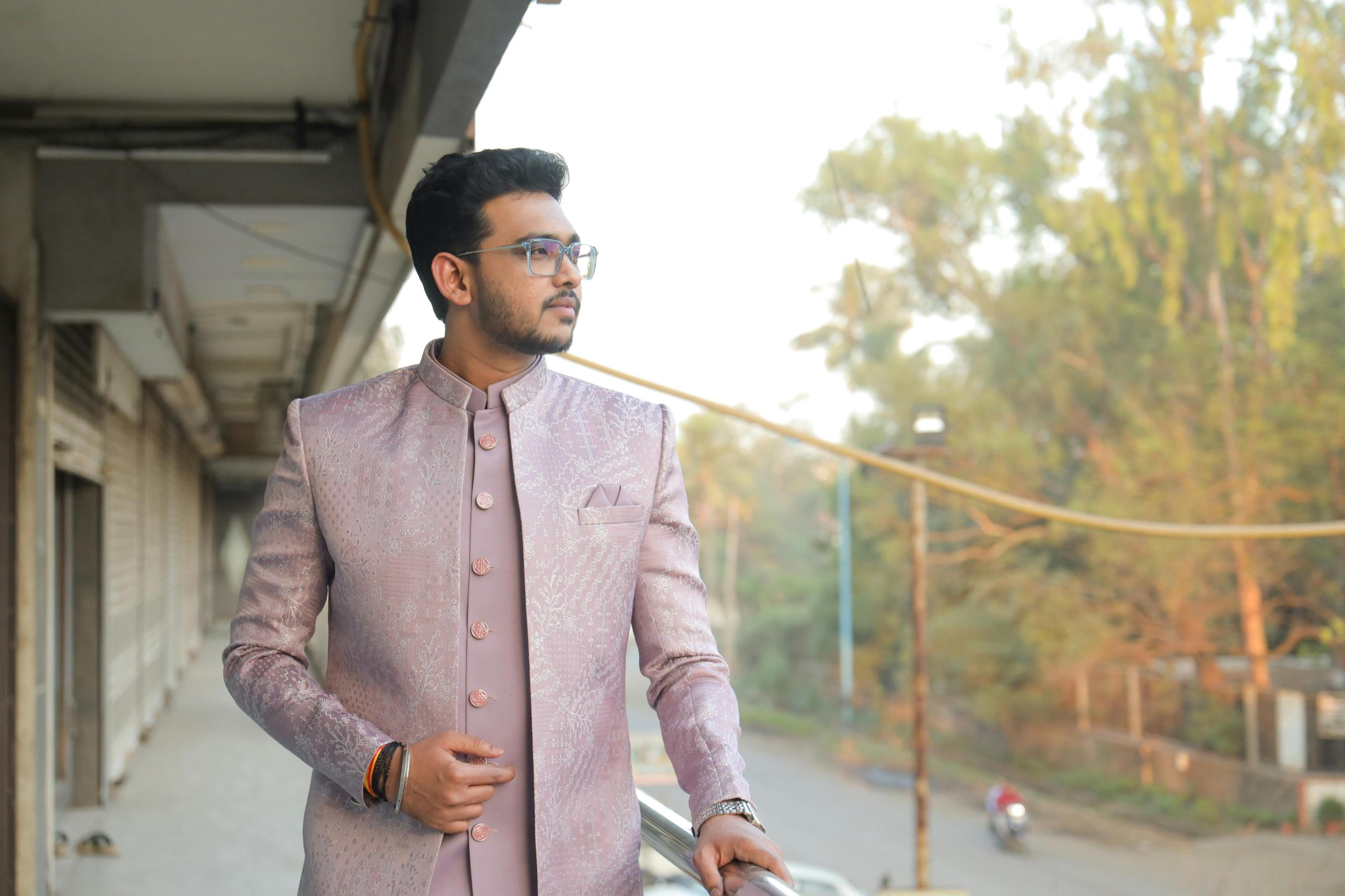
 Hiya
HiyaPro Tip: Book your first fitting 8 weeks before the wedding. Sherwanis need 2-3 alterations for perfect fit, especially around shoulders and chest.
Key Selection Factors
Successful sherwani selection goes beyond aesthetic appeal—it requires strategic thinking about practical elements that impact your wedding day experience. Climate considerations top the list, but ceremony duration, photography requirements, and comfort during religious rituals equally influence your choice. The best-dressed grooms think like event planners, considering every logistical detail.
A Bangalore groom discovered his imported silk sherwani wrinkled severely during car travel to the venue, requiring emergency steaming that delayed the ceremony by 45 minutes. Fabric choice affects not just comfort but also maintenance requirements throughout the celebration. Wrinkle-resistant blends save significant stress during long wedding days.
Fitting precision determines how you'll look in photographs that last generations. Poor shoulder fit creates unflattering silhouettes, while incorrect length proportions throw off your entire appearance. Professional tailors report that 70% of sherwanis require significant alterations because grooms underestimate the importance of precise measurements across chest, shoulder, and torso length.
Color coordination with your bride's outfit and wedding theme requires advance planning. Popular combinations like ivory-gold or maroon-gold often sell out during peak wedding season (November-February). Booking through verified designers ensures access to quality fabrics and prevents last-minute compromises on preferred color schemes.
1. Fabric Weight & Climate
Choose lighter fabrics (cotton-silk, georgette) for outdoor ceremonies and summer weddings. Heavy brocades work best for air-conditioned indoor venues and winter celebrations. Consider ceremony duration and standing time.
2. Embroidery & Detailing
Hand embroidery costs 40-60% more but photographs better under various lighting. Machine work suits budget-conscious grooms. Avoid over-embellishment that competes with your bride's outfit or looks gaudy in photos.
3. Fit & Tailoring
Sherwanis require precise shoulder and chest measurements. Schedule 2-3 fittings minimum. Poor fit ruins expensive fabric—invest in skilled tailors even if the sherwani itself is budget-friendly.
4. Color Coordination
Match or complement your bride's color palette. Popular combinations: ivory-gold, maroon-cream, royal blue-silver. Avoid colors that wash out your skin tone under photography lights.
5. Versatility & Reuse
Consider sherwanis you can wear for future occasions like receptions or family weddings. Classic colors and moderate embellishment offer better long-term value than heavily themed pieces.
Popular Style Options
Contemporary sherwani styles blend traditional aesthetics with modern comfort requirements. The classic long sherwani remains popular for main ceremony days, while shorter Indo-western variations work well for sangeet and reception functions. Smart grooms choose different styles for different events rather than wearing identical outfits throughout multi-day celebrations.
Jodhpuri sherwanis have gained popularity among younger grooms who want structured, formal looks without excessive embellishment. These work particularly well for destination weddings where clean, elegant styling photographs better against scenic backdrops. The shorter length also proves more practical for beach or resort venues.
Asymmetrical and side-button sherwanis offer contemporary alternatives while respecting traditional silhouettes. These styles work well for grooms who want subtle distinction without appearing too Western. However, ensure the asymmetry flatters your body type—some cuts make shorter grooms appear disproportionate.
Regional variations significantly impact style appropriateness. Bengali grooms often prefer dhoti-kurta combinations, while Punjabi weddings favor heavily embellished, longer sherwanis. Understanding your ceremony's cultural context through professional wedding services prevents style mismatches that might appear inappropriate to elder family members.
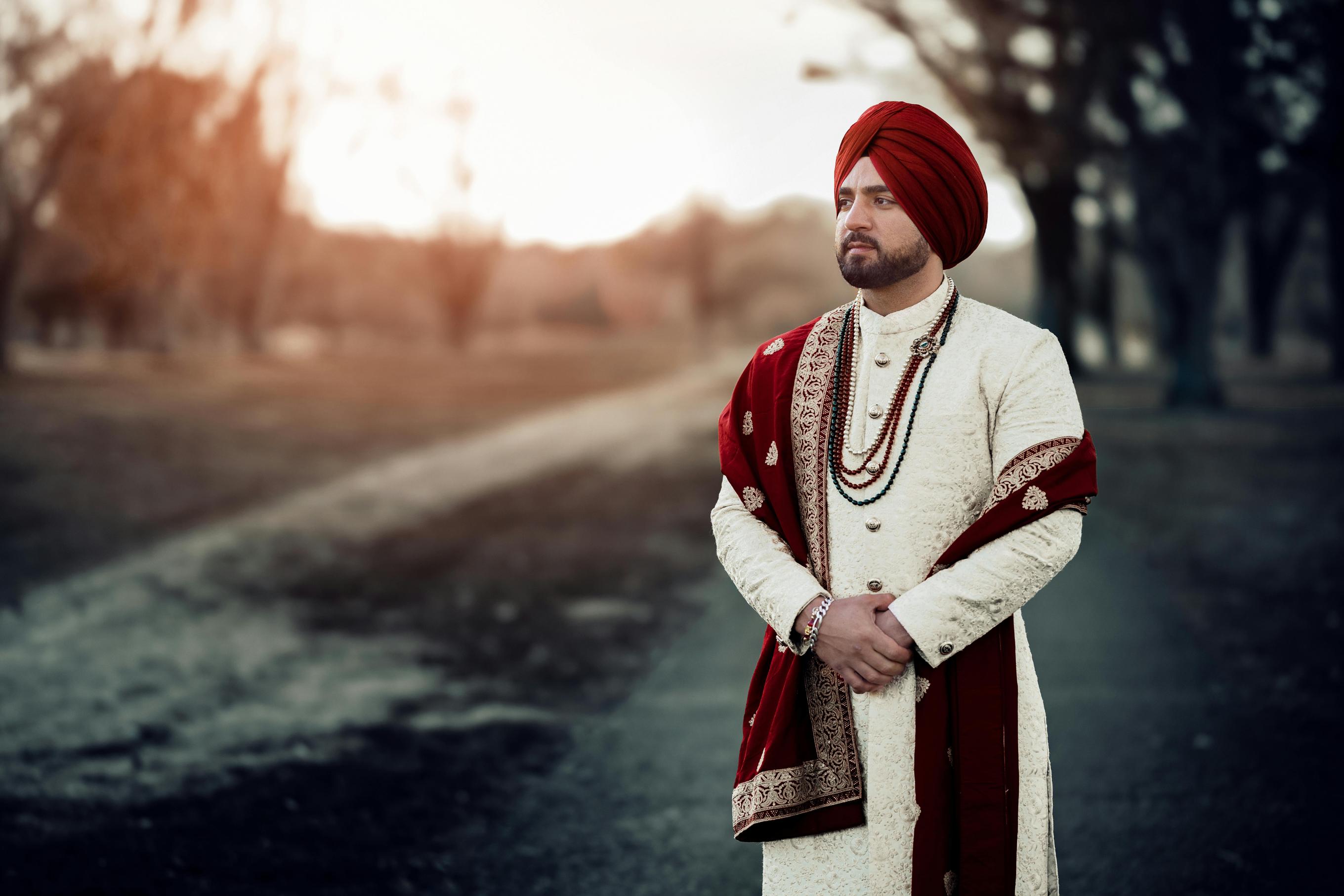
 Most Popular
Classic Long Sherwani
Traditional ankle-length design with structured collar and gold embroidery. Perfect for main ceremony days and formal functions. Works best with churidar or straight pants for elegant silhouette.
 Trending
Jodhpuri Style
Shorter, structured design inspired by royal Rajasthani fashion. Ideal for cocktail parties and reception events. Pairs well with fitted pants and offers contemporary elegance.
 Budget Pick
Indo-Western Fusion
Blends traditional sherwani elements with modern tailoring. Features contemporary collars and fits. Perfect for younger grooms wanting subtle traditional touches without full traditional look.
Budget Planning & Pricing
Sherwani pricing varies dramatically across Indian cities and designer tiers. Mumbai and Delhi command premium prices, with designer pieces starting at ₹25,000, while identical quality in Pune or Chennai costs 30-40% less. Smart budget planning considers total outfit costs including accessories, alterations, and backup options for multi-day functions.
Hidden costs catch most grooms off-guard during wedding planning. Alterations typically add ₹3,000-₹8,000 depending on complexity, while accessories like mojaris, kalgi, and jewelry can push total costs beyond the sherwani price itself. Factor in dry cleaning costs for post-wedding maintenance, especially for heavily embellished pieces requiring special care.
Timing significantly impacts pricing and availability. Peak wedding season (November-February) sees 20-30% price premiums and limited inventory in popular styles. Off-season bookings offer better rates and more customization options. However, rushing orders during peak season often compromises quality and increases alteration costs.
Quality assessment requires understanding fabric grades and construction techniques. Hand embroidery commands premium prices but offers superior durability and appearance compared to machine work. However, skilled machine embroidery often provides better value for grooms wanting elegant looks without heritage-level investment. Use Happiffie's Reverse Auction to compare pricing from multiple verified designers and ensure competitive rates.
Budget-Friendly
Machine embroidery, synthetic blends, basic tailoring. Good quality for single-use occasions.
Best for simple ceremoniesMid-Range
Natural fabrics, hand-finished details, skilled tailoring. Perfect balance of quality and cost.
Most popular choicePremium
Designer labels, hand embroidery, premium fabrics, custom fitting. Heirloom quality pieces.
For grand celebrations💰 Money-Saving Tips
- Book during off-season (March-September) for 20-30% better rates and more customization options.
- Use Happiffie's Reverse Auction to get competitive quotes from multiple verified designers.
- Consider renting premium sherwanis for single-use occasions—save 60-70% on designer pieces.
- Negotiate package deals when booking multiple outfits for different ceremony functions.
Frequently Asked Questions
These common questions address practical concerns grooms face when selecting sherwanis for their wedding celebrations.
Final Thoughts
The perfect sherwani balances tradition, comfort, and practical wedding day requirements. Style preferences matter, but climate considerations, ceremony duration, and photography needs ultimately determine your satisfaction with the choice. Smart grooms treat sherwani selection as event planning—considering logistics alongside aesthetics.
Commit to scheduling your first fitting appointment this week, even if you haven't finalized the exact style. Quality tailors book up quickly during wedding season, and proper fitting takes multiple sessions. Avoid the common mistake of rushing this process—poor fit ruins even expensive sherwanis and creates stress during wedding preparations.
Happiffie simplifies this entire process by connecting you with verified designers who understand both traditional craftsmanship and modern wedding logistics. Our platform ensures you get quality work at competitive prices while coordinating seamlessly with your other wedding preparations. Choose wisely, plan early, and wear your heritage with confidence.
Ready to Find Your Perfect Sherwani?
Let Happiffie connect you with verified designers and competitive pricing.
Are you a Vendor? Grow Your Business with Happiffie!
- High intent verified leads
- Reverse auction opportunities
- AI business tools & insights
- Dedicated vendor dashboard
- Grow your business, your way
It's free & takes less than 2 minutes!