25+ Stunning Wedding Mandap Ideas for 2024
From traditional to contemporary, explore the most breathtaking mandap designs that will elevate your wedding… more

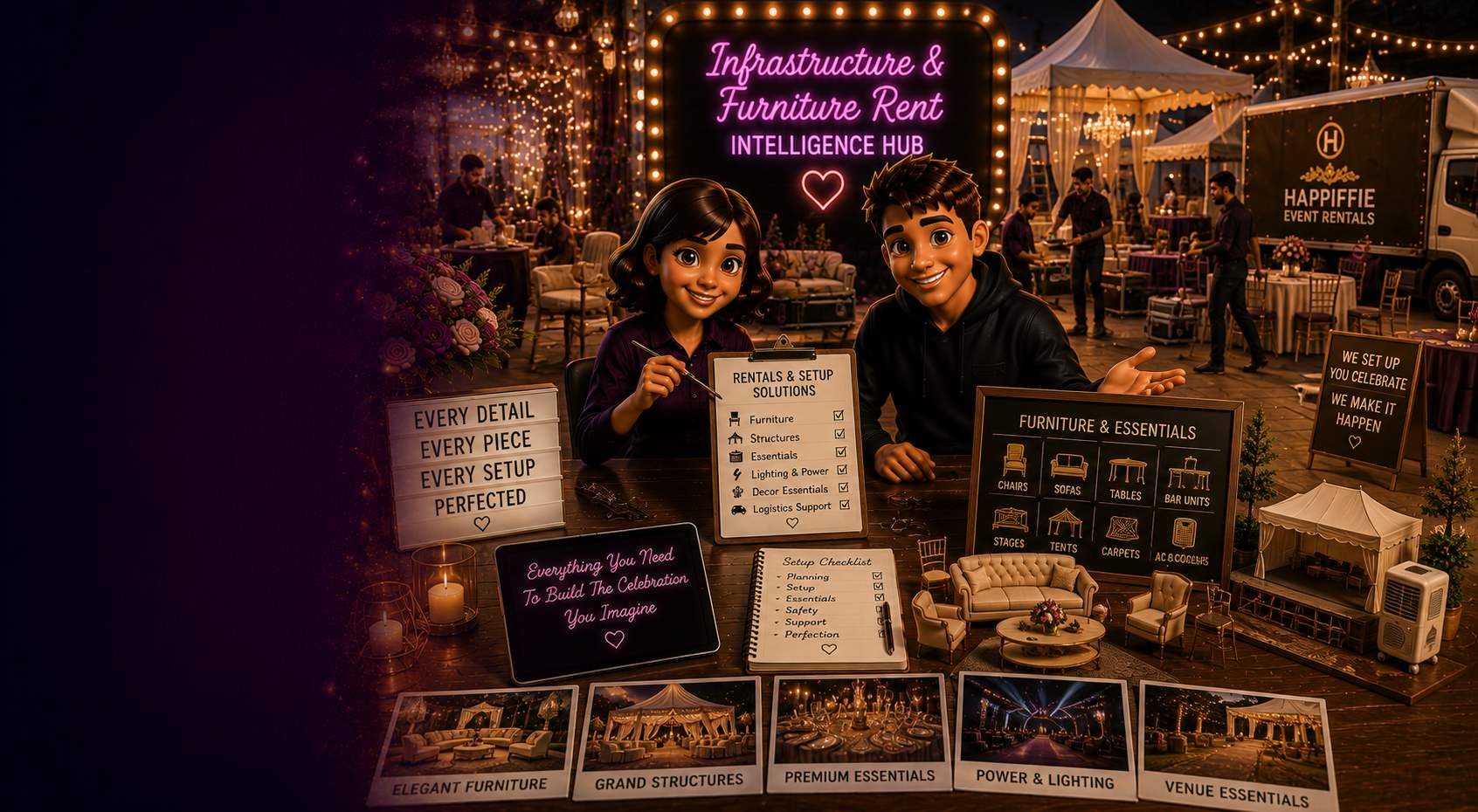 Looking for inspiration? Looking for event rental intelligence?
 Ideas, inspiration and expert insights for event furniture, temporary structures, seating, venue essentials, rental solutions and seamless event setups.
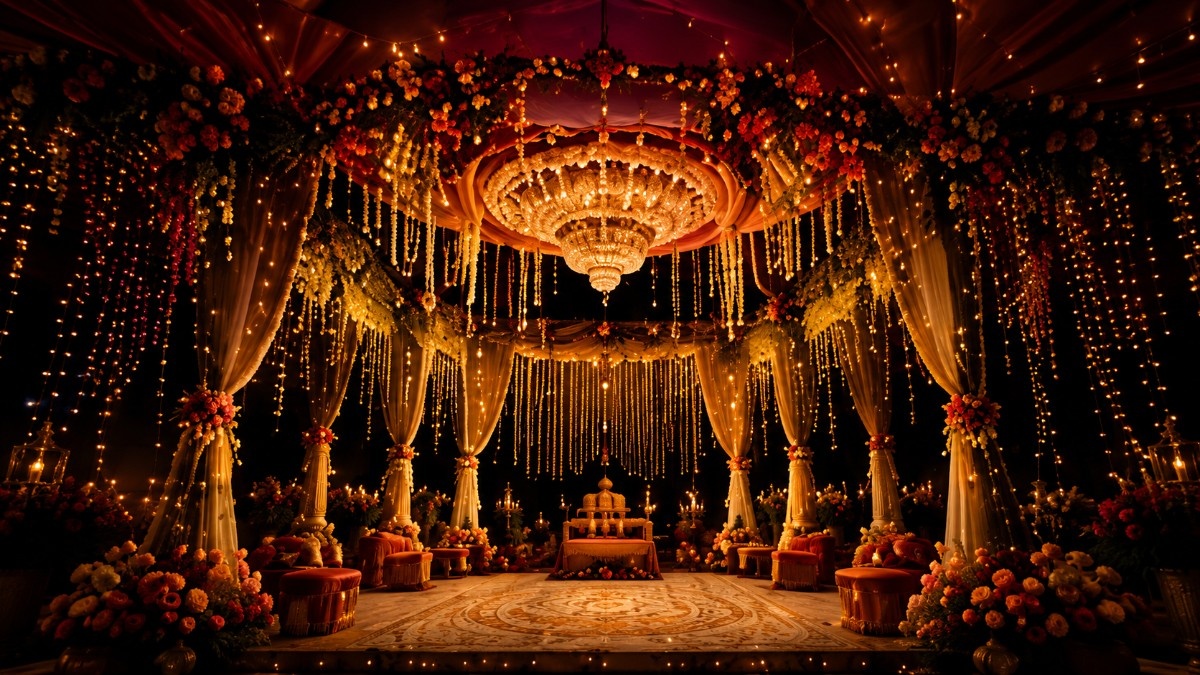
From traditional to contemporary, explore the most breathtaking mandap designs that will elevate your wedding… more
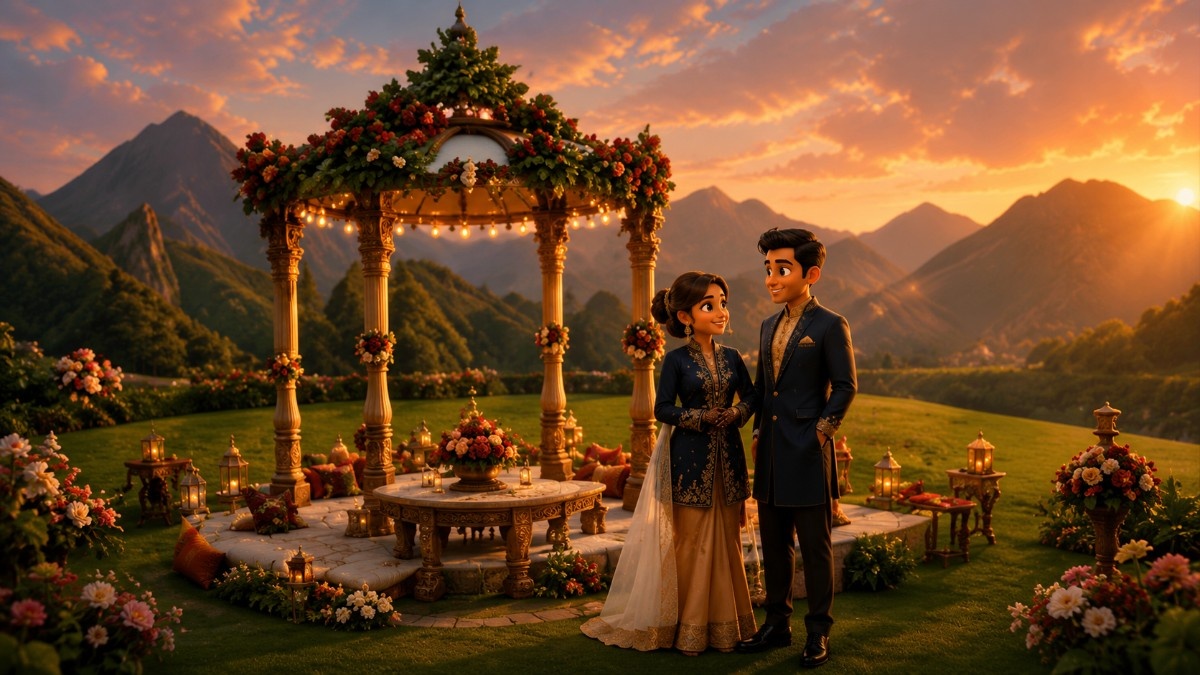
Plan a flawless destination wedding with this comprehensive checklist covering everything you need.
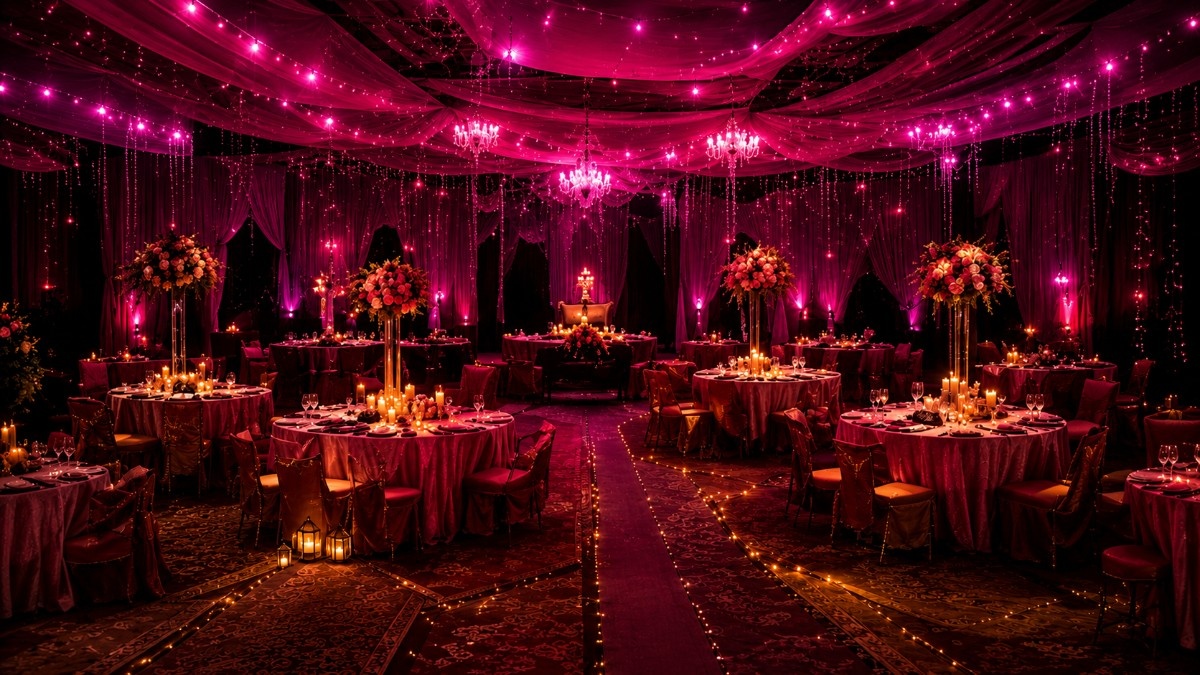
Timeless themes that bring elegance, beauty and unforgettable memories to your big day.
Your month-by-month guide to planning the perfect wedding stress-free and on time.

A beautiful blend of tradition and modernity. See how this couple planned their dream wedding.

Smart tips and tricks to plan your dream wedding within budget without compromising.
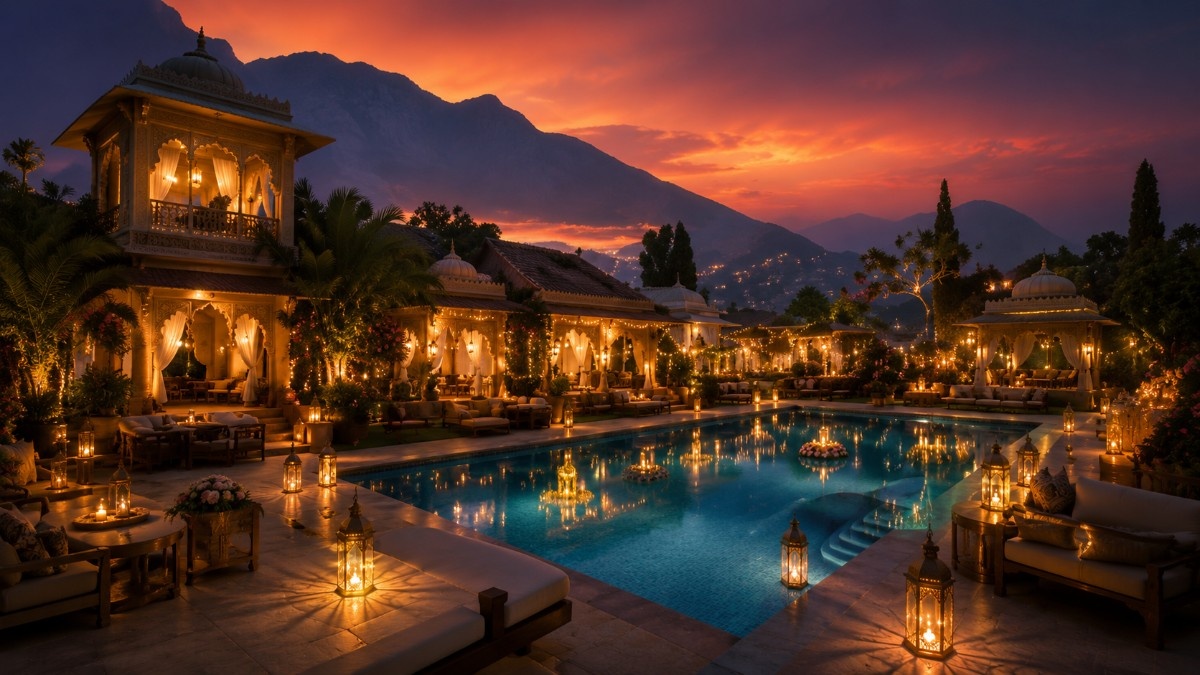
Handpicked venues across India that offer stunning experiences for every type of wedding.
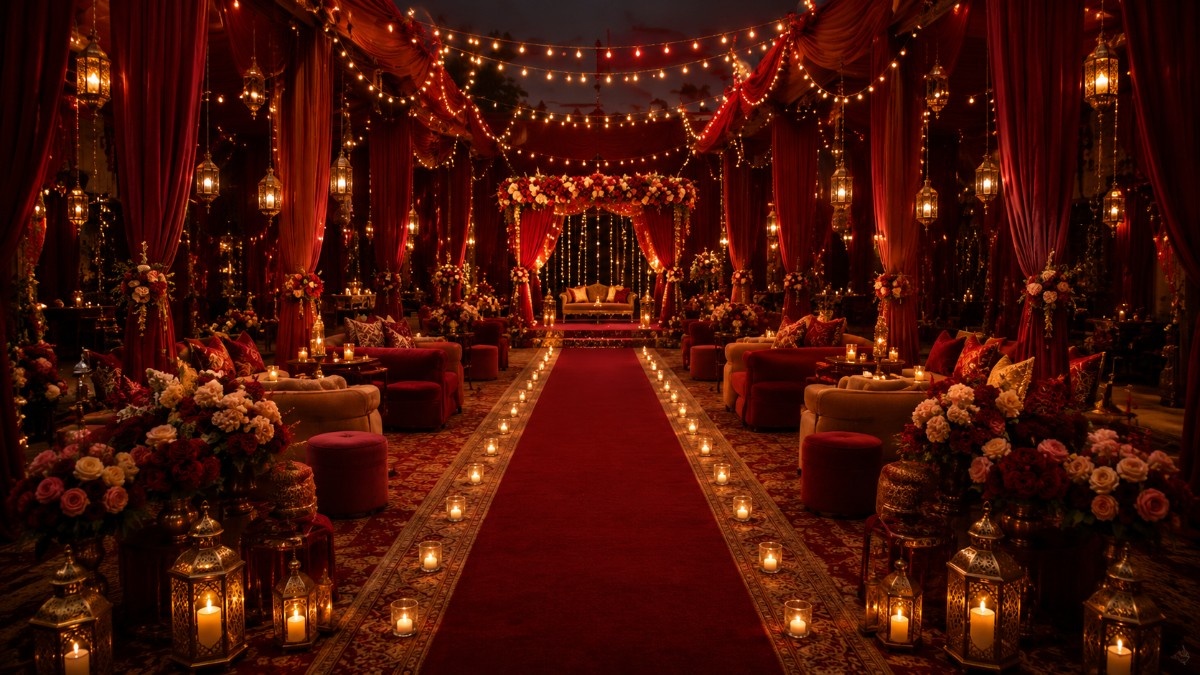
From grand entries to royal stays, curated luxury experiences that make your wedding unforgettable.

Detailed breakdown to help you allocate your budget smartly and avoid surprises.

Creative pre-wedding shoot ideas that capture your love story beautifully.
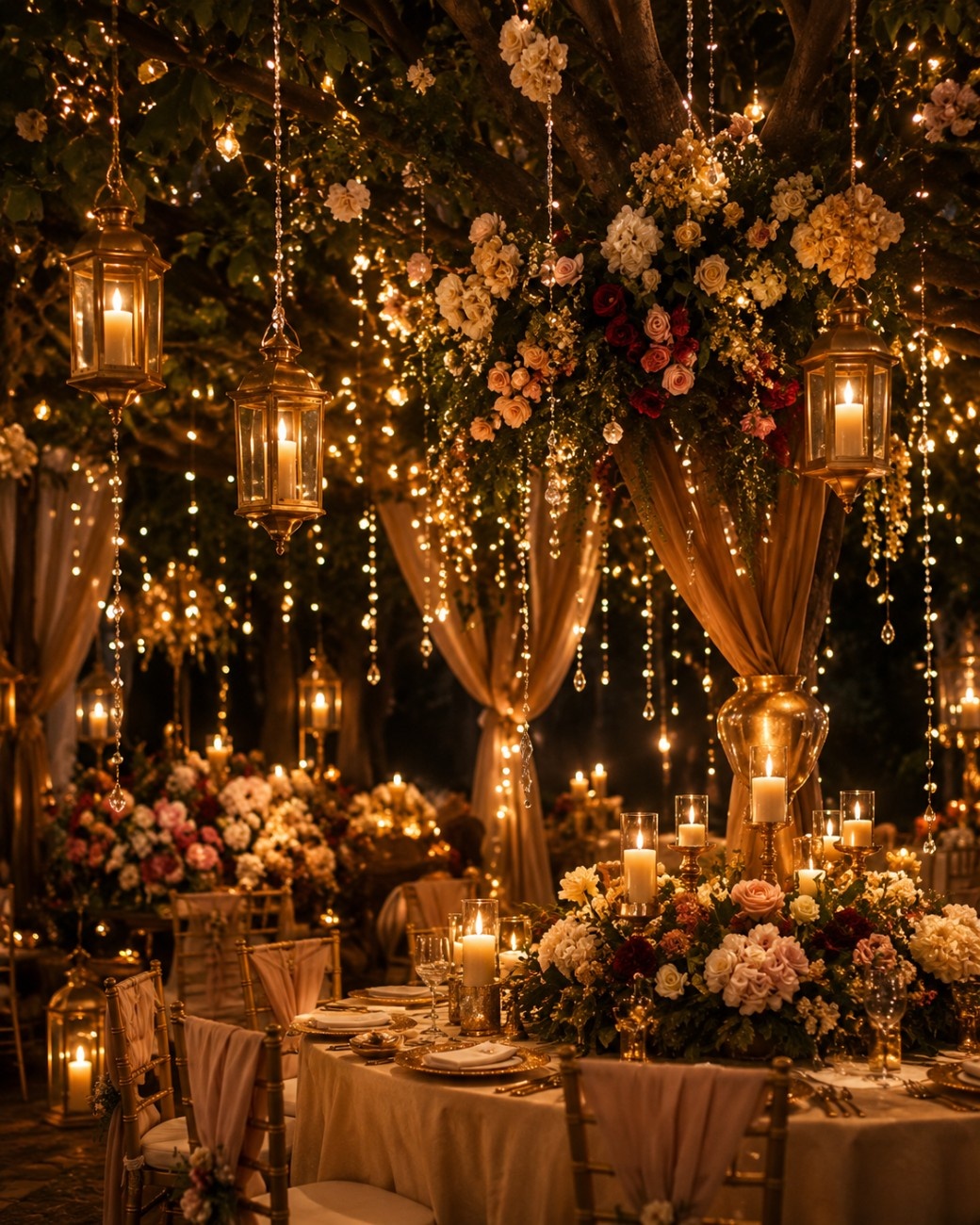
From minimal elegance to grand celebrations, discover the top décor trends this year.
Get the latest furniture rental ideas, event setup trends, infrastructure solutions and expert planning insights straight to your inbox.

Event infrastructure and furniture create the practical foundation on which an event experience is built. Seating, tables, temporary structures, stages, flooring, canopies, counters and other venue essentials influence how guests move through a space, how activities are organised and how comfortably the event operates.
Unlike decorative elements that primarily shape appearance, infrastructure focuses on functionality while also contributing to the visual character of the venue. The right rental choices can help transform an empty space into a comfortable, organised and event-ready environment without requiring permanent installations.
From intimate celebrations and private parties to corporate functions, cultural gatherings, exhibitions and large-scale experiences, event infrastructure rental provides flexibility for different venue requirements.
The Happiffie Infrastructure & Furniture Rent Intelligence Hub brings together practical ideas, rental considerations and setup inspiration to help you understand what your event space needs before making decisions.
Furniture is one of the most visible and frequently used parts of an event setup. Chairs, tables, sofas, lounge seating, stools, bars and counters can influence both guest comfort and the overall layout.
Different event formats require different furniture arrangements. Dining events may need banquet tables and comfortable chairs, while networking events can benefit from a combination of high tables, lounge seating and open circulation areas.
Private celebrations may use sofas, accent chairs, ottomans and decorative tables to create relaxed social zones. Corporate events can require conference seating, registration counters, stage furniture and dedicated areas for speakers or guests.
When exploring event furniture rental, consider the number of guests, venue dimensions, programme activities and expected duration. Furniture should support the way people will actually use the space rather than simply filling available areas.
Seating is both a practical requirement and an important part of venue planning. Guests should have sufficient space to sit comfortably, move between areas and access essential facilities.
Chair selection can depend on the event style, duration and venue. Lightweight chairs may be practical for flexible layouts, while cushioned or upholstered seating can provide greater comfort for longer events.
Lounge furniture can create informal conversation areas, particularly at networking functions and social celebrations. Sofas, armchairs and ottomans can help divide large spaces into smaller zones without requiring permanent partitions.
Accessibility should also be considered. Seating layouts need to maintain appropriate movement paths and provide practical access for guests with different mobility requirements.
A good furniture plan balances capacity, comfort and circulation instead of trying to maximise the number of seats in every available area.
Tables influence how guests dine, work, interact and move through an event. Round tables can encourage conversation, while rectangular or long tables may work well for structured dining or communal experiences.
Cocktail tables and high tables can support standing interactions, while dedicated counters may be useful for registration, food service, beverages or event information.
The table layout should reflect the programme. Dining arrangements need sufficient space for service staff, while conferences and presentations may require clear sightlines toward a stage or screen.
Consider the relationship between tables, seating, entrances, exits, service areas and entertainment zones. A visually attractive arrangement can still create operational problems if guests or staff cannot move comfortably.
Temporary structures can help organisers adapt venues for different weather conditions, activities and spatial requirements. Canopies, marquees, tents, covered walkways and temporary enclosures can create usable event areas where permanent infrastructure is unavailable.
Outdoor events require additional attention to weather, flooring, ventilation, lighting, power and access. A structure should be appropriate for the location and expected environmental conditions.
For destination and outdoor events, temporary infrastructure can help create dedicated dining areas, reception spaces, lounges and activity zones. However, installation requirements and venue permissions should be confirmed before booking.
Structural requirements should always be assessed by appropriate professionals and suppliers. Capacity, anchoring, electrical systems and other technical considerations should not be treated as purely decorative decisions.
Large venues become easier to manage when the space is divided into clearly defined zones. Guest seating, dining, registration, entertainment, food service, backstage areas, storage and circulation routes can each have distinct requirements.
Furniture can help define these zones without permanently altering the venue. Lounge seating can establish a social area, counters can create service points and tables can naturally organise dining spaces.
For corporate events, separate registration and networking areas can help guests understand where to go when they arrive. For celebrations, dedicated lounge, dining and entertainment zones can make the venue feel more organised.
The objective is to create a natural flow from arrival to participation and departure. Every piece of furniture should contribute to that flow rather than obstructing it.
Infrastructure does not have to look purely functional. Furniture can contribute significantly to the visual identity of an event.
Modern lounge seating, classic banquet furniture, wooden tables, contemporary bar counters and statement chairs can each create a different atmosphere. Material, shape, finish and proportion should complement the venue and wider event styling.
Furniture can also coordinate with decor, lighting, floral arrangements and signage. A well-designed event space often feels cohesive because practical elements have been selected with the overall visual concept in mind.
At the same time, aesthetics should not compromise comfort or usability. Furniture that looks impressive but is difficult to use may negatively affect the guest experience.
Event infrastructure and furniture rental costs vary according to furniture type, quantity, quality, rental duration, location, transportation, installation and collection requirements.
A simple chair rental and a complete venue infrastructure package can have very different pricing structures. Large quantities may require additional logistics, while specialised furniture or temporary structures may involve installation charges.
When comparing rental quotations, understand exactly what is included. Transportation, setup, dismantling, cleaning, damage deposits and extended rental periods can affect the final cost.
It is also useful to distinguish between essential infrastructure and optional upgrades. Prioritising seating, tables, functional structures and operational requirements before decorative furniture can help maintain budget control.
A detailed rental plan makes it easier to compare providers and avoid unexpected charges close to the event.
Rental furniture and infrastructure require more than a booking confirmation. Delivery, unloading, installation, arrangement and collection all need to be coordinated with the venue and event schedule.
Confirm venue access times before the rental date. Large furniture, structures and equipment may require loading areas, service entrances, lifts or additional manpower.
Installation should be completed with sufficient time for final inspection and event styling. Last-minute deliveries can create problems if the venue has restricted access or if multiple suppliers are working simultaneously.
For large events, create a clear inventory of rented items and assign responsibility for checking quantities and condition. This can simplify both setup and post-event collection.
Event infrastructure requirements can vary significantly across Indian cities and destinations. Mumbai, Delhi, Bengaluru, Chennai and Hyderabad have extensive event ecosystems supporting corporate functions, private celebrations and large-scale gatherings.
Pune also offers a wide range of event rental solutions, while Goa is particularly relevant for outdoor and destination events where temporary structures, lounge furniture and transportation logistics may be important.
Jaipur and Udaipur offer distinctive venue environments where furniture and infrastructure may need to work alongside heritage properties and destination settings. Kochi and other Kerala destinations can similarly require solutions suited to outdoor environments and multi-location events.
When searching for event furniture rental in a particular city, consider the supplier's inventory, delivery coverage, installation capability, venue experience and ability to manage the scale of your event.
Renting event infrastructure can support more efficient use of furniture and temporary equipment by allowing the same items to serve multiple events rather than requiring new purchases for every occasion.
Reusable furniture, modular structures and adaptable seating can provide flexibility while reducing the need for single-use event materials. Local rental suppliers can also help reduce transportation requirements when suitable inventory is available nearby.
Sustainability should still be considered alongside durability, safety, hygiene and guest comfort. Reusable does not automatically mean suitable, so inspect rental items and understand maintenance standards before confirming.
For recurring events, choosing versatile furniture that can be adapted to different layouts can provide both practical and environmental benefits.
Every venue has its own limitations. Ceiling heights, floor surfaces, loading access, electrical points, parking, storage areas and installation restrictions can influence what infrastructure can be used.
Before confirming rentals, inspect or obtain accurate information about the venue. Measurements can help determine whether tables, seating and temporary structures will fit comfortably.
Outdoor locations may introduce additional requirements around weather protection, flooring and ground conditions. Heritage or specialised venues may have restrictions on drilling, fixing or moving heavy structures.
Communicating venue rules to the rental supplier early can prevent unsuitable equipment from being delivered or installation plans from changing at the last moment.
Finding suitable event infrastructure can involve comparing furniture styles, quantities, rental providers, temporary structures, setup services, logistics and budgets. Happiffie brings these considerations together through an event-focused intelligence experience.
The Infrastructure & Furniture Rent Intelligence Hub helps you explore seating ideas, furniture arrangements, temporary structures, venue essentials, rental considerations and setup planning before making decisions.
Whether you are organising a private celebration in Chennai, a corporate event in Bengaluru, a large gathering in Mumbai, an outdoor experience in Goa or a destination event in Jaipur or Udaipur, infrastructure can be planned around the same core priorities: safety, comfort, functionality, aesthetics, logistics and value.
The best event infrastructure is often the infrastructure guests barely notice because everything works naturally. Seating is comfortable, tables are positioned logically, pathways remain clear, structures provide the required protection and suppliers can operate efficiently behind the scenes.
Start by understanding the venue and guest requirements. Determine the seating capacity, furniture types, temporary structures and operational areas required. Then coordinate rental quantities, delivery, installation and collection around the event schedule.
Think about appearance as well as functionality. Furniture should complement the event environment while remaining practical for guests and staff. Build sufficient time into the setup process so that every element can be checked before guests arrive.
From chairs and tables to lounge furniture, counters, temporary structures and venue essentials, event infrastructure can be adapted to almost any type of occasion.
Happiffie's Infrastructure & Furniture Rent Intelligence Hub helps you explore rental possibilities, understand practical requirements and make informed decisions for celebrations, parties, corporate gatherings, cultural events and special experiences.