
Sacred Fire in Hindu Wedding Ceremonies: Complete Guide to Symbolism
Understanding the spiritual significance, rituals, and practical aspects of Agni in Hindu marriages
A Chennai bride recently asked her pandit why the sacred fire must burn continuously for four hours during her wedding ceremony. His answer revealed the profound spiritual foundation that transforms a simple ritual into the most sacred moment of Hindu marriage—where two souls unite under divine witness.
Modern couples often struggle to balance authentic traditions with practical constraints. Outdoor mandaps in Mumbai's April heat, venue fire safety regulations in Bangalore, and finding experienced pandits who explain rituals meaningfully—these challenges can dilute the wedding venue experience couples truly desire.
This guide reveals the deep meaning behind Hindu wedding fire ceremonies and provides practical planning insights. You'll understand why Agni worship creates unbreakable marital bonds and how Happiffie connects you with traditional pandits who honor both authenticity and modern wedding logistics.
📋 Table of Contents
The Sacred Fire: Spiritual Foundation
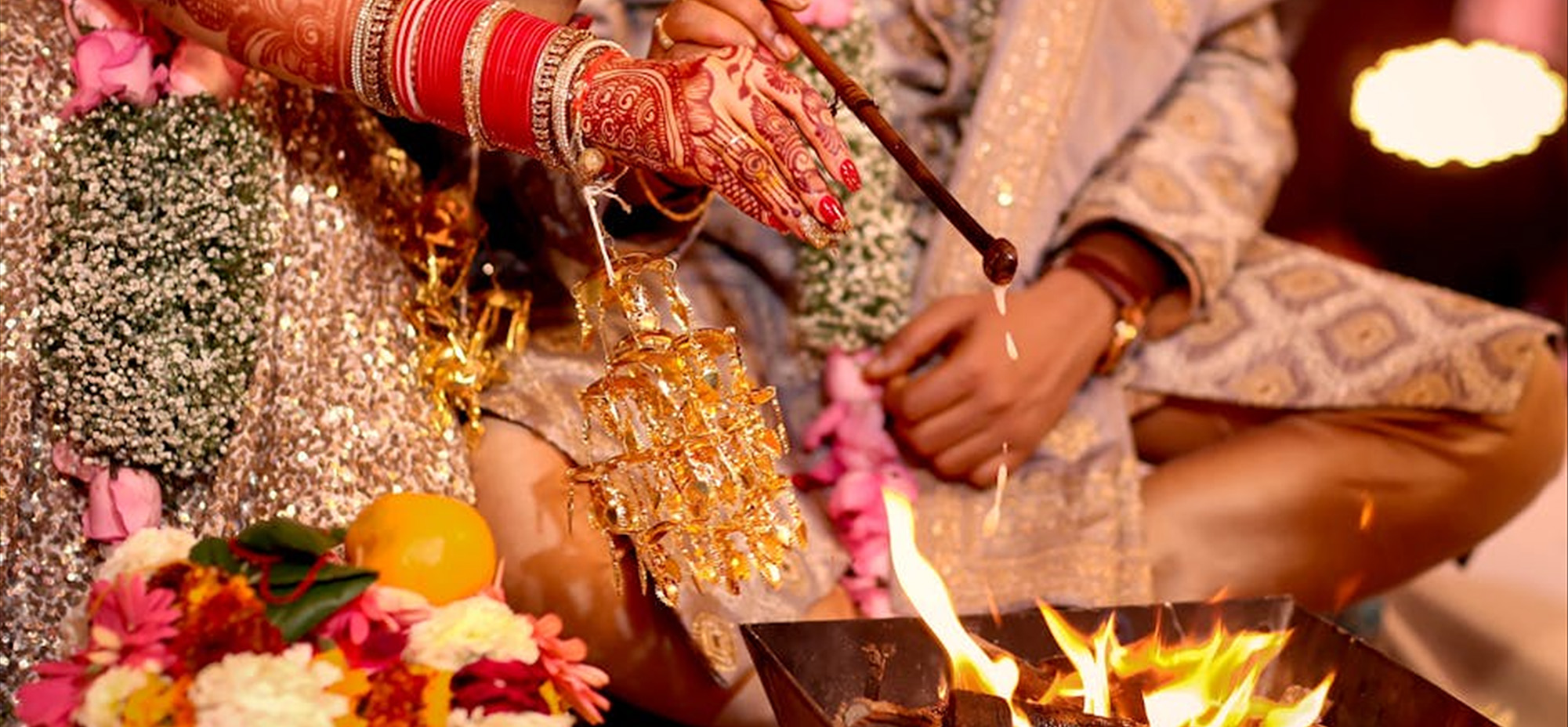
Agni, the sacred fire, serves as the divine witness to Hindu marriages—not merely a decorative element but the living embodiment of God's presence. Ancient Vedic texts describe Agni as the messenger between earth and heaven, carrying the couple's vows directly to the cosmic consciousness. This explains why the fire must remain lit throughout the ceremony; extinguishing it breaks the spiritual connection.
A Hyderabad family recently discovered this significance when their outdoor ceremony faced unexpected rain. Rather than canceling, they relocated the entire mandap indoors within thirty minutes, prioritizing the continuous flame over venue aesthetics. The pandit explained that compromising on decorations is acceptable, but compromising on Agni's presence invalidates the sacred union itself.
Many couples mistakenly focus on elaborate mandap designs while neglecting proper fire preparation. Professional pandits recommend specific wood types—mango, sandalwood, or ghee-soaked cotton wicks—that burn cleanly for hours without smoke disturbance. Urban venues often restrict open flames, requiring couples to negotiate fire safety protocols months in advance.
The spiritual foundation extends beyond symbolism into practical marriage psychology. Vedic wisdom recognizes that shared ritual creates emotional bonding—couples who consciously participate in fire ceremonies report deeper connection compared to those who treat it as mere tradition. This ancient insight aligns with modern relationship research on shared meaningful experiences.
 Hiya
HiyaPro Tip: Book your pandit at least 3 months early to ensure they're experienced with your venue's fire safety requirements and can guide proper Agni preparation.
Key Elements of Fire Ceremonies
Understanding fire ceremony elements helps couples make informed decisions rather than blindly following traditions. Each component serves specific spiritual and practical purposes that experienced pandits customize based on family traditions and venue constraints. Modern couples benefit from knowing why certain elements matter more than others for authentic ceremonies.
A Mumbai wedding planner shared how venue restrictions forced creative adaptations—using copper havan kunds instead of traditional brick structures, or positioning the fire ceremony earlier in the day before wind conditions deteriorated. Smart couples prioritize spiritual authenticity over aesthetic perfection, working with experienced pandits who understand both traditions and modern limitations.
Fire ceremony timing affects everything from photography lighting to guest comfort. Morning ceremonies avoid afternoon heat but require earlier vendor coordination. Evening ceremonies create stunning visuals but challenge fire safety in windy conditions. Delhi couples frequently choose late morning starts (10 AM) to balance spiritual requirements with practical comfort for elderly relatives.
The key insight experienced families share: focus on elements that enhance spiritual connection rather than impressing guests. Elaborate fire pits don't create better marriages, but proper preparation, meaningful participation, and experienced guidance do. Choose vendors who respect traditions while solving modern wedding challenges efficiently.
1. Fire Pit Design
Traditional brick or modern copper kunds both work spiritually. Choose based on venue fire safety requirements and guest seating arrangements. Portable designs offer flexibility for destination weddings.
2. Wood Selection
Mango wood burns cleanest with minimal smoke. Sandalwood adds fragrance but costs ₹2,000+ extra. Avoid pine or eucalyptus—they create toxic smoke indoors.
3. Pandit Experience
Choose pandits who've performed 100+ ceremonies at your venue type. Experienced priests handle unexpected situations and explain rituals meaningfully to modern couples.
4. Safety Protocols
Urban venues require fire marshal approval, safety barriers, and extinguishment plans. Budget ₹5,000-15,000 for safety compliance depending on venue restrictions.
5. Timing Considerations
Morning ceremonies (9-11 AM) avoid heat and wind. Evening ceremonies need backup plans for weather. Peak season bookings require 6-month advance planning.
Popular Fire Ritual Variations
Regional variations in fire ceremonies reflect local customs while maintaining core spiritual principles. North Indian ceremonies emphasize Saptapadi (seven steps), while South Indian traditions focus on Mangalsutra placement during Agni presence. Understanding these differences helps couples honor family traditions without cultural confusion during planning.
Bengaluru couples increasingly choose fusion ceremonies combining multiple regional traditions—Tamil fire rituals with Punjabi celebration styles. This requires pandits fluent in various traditions and flexible venue scheduling. Successful fusion ceremonies plan 30% longer timeframes to accommodate multiple ritual sequences without rushing sacred moments.
Destination weddings create unique challenges for traditional fire ceremonies. Goa beaches prohibit open flames, forcing couples to use elevated platforms or indoor backup venues. Rajasthan desert weddings face wind challenges requiring fire screens and backup ignition systems. Each location demands specific planning adaptations while preserving spiritual authenticity.
Modern interpretations include LED flame alternatives for venues with strict fire restrictions, though traditional families often resist these substitutions. Experienced wedding planners recommend transparent family discussions about ritual modifications before booking venues. Compromise solutions like brief authentic fire ceremonies followed by LED continuity often satisfy both tradition and venue requirements.
 Most Popular
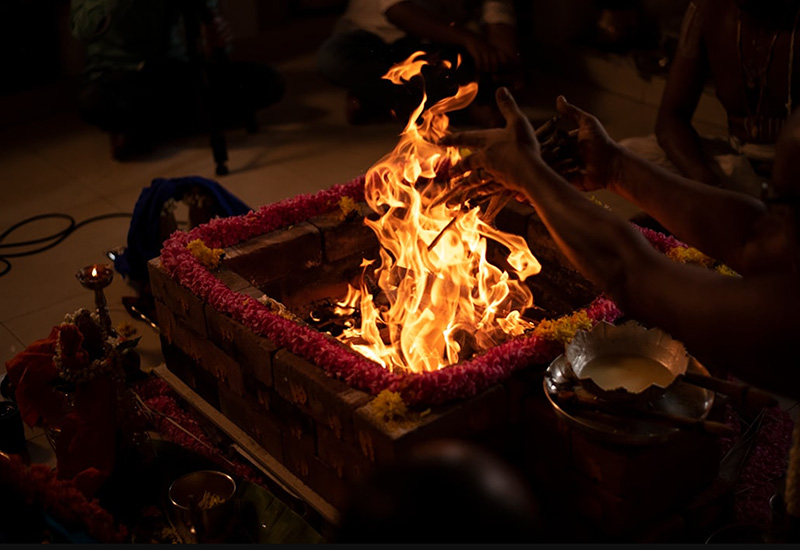
Traditional Outdoor Mandap
Classic brick havan kund with natural wood fire. Best for family compounds or open venues. Requires 6x6 foot minimum space and fire safety clearance. Popular choice for authentic ceremonies.
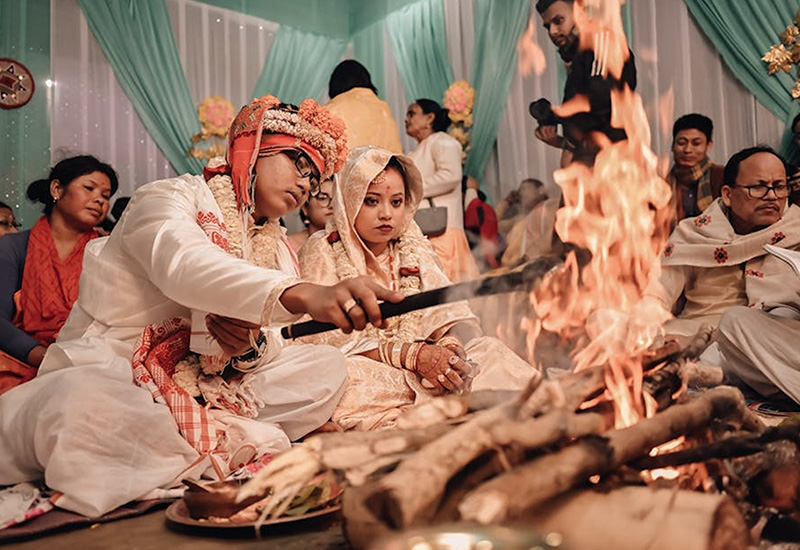 Premium Pick
Destination Beach Setup
Elevated platform mandap with wind-protected fire pit. Custom solutions for beach venues with fire restrictions. Higher setup costs but stunning ocean backdrop visuals.
Budget Planning
Fire ceremony costs vary dramatically based on venue type, pandit experience, and regional traditions. Basic outdoor setups cost ₹15,000-25,000 including materials, while complex indoor installations reach ₹50,000-80,000 with safety compliance. Hidden costs include venue fire fees, insurance requirements, and backup weather arrangements that couples often discover late in planning.
Delhi couples report spending 12% more on fire ceremonies compared to Pune due to stricter urban fire codes requiring professional safety supervision. Bengaluru venues charge ₹8,000-15,000 additional fire safety fees, while Chennai coastal venues add wind protection costs. Smart couples budget 20% contingency for unexpected venue-specific requirements and seasonal pricing variations.
Pandit fees range from ₹5,000 for local priests to ₹25,000+ for renowned scholars who explain rituals in English and regional languages. Experienced pandits justify higher fees through venue expertise and meaningful ceremony guidance. Budget-conscious couples can reduce costs through family recommendations and off-season bookings while maintaining ceremony quality.
Material costs fluctuate seasonally—sandalwood prices peak during wedding season (November-February), while ghee costs remain stable year-round. Using Happiffie's Reverse Auction for pandit and material sourcing typically reduces total fire ceremony costs by 15-25% through competitive vendor pricing and package negotiations.
Budget-Friendly
Basic outdoor setup with local pandit, standard wood materials, and minimal safety requirements
Best for family venuesMid-Range
Professional setup with experienced pandit, quality materials, and venue safety compliance
Most popular choicePremium
Elaborate mandap design, renowned pandit, premium materials, and comprehensive safety arrangements
For destination weddings💰 Money-Saving Tips
- Book during off-season (March-September) for 20-30% lower pandit and venue fees.
- Use Happiffie's Reverse Auction to compare pandit quotes and material suppliers.
- Negotiate package deals combining fire ceremony with other wedding rituals for better value.
Frequently Asked Questions
These questions address the most common concerns couples face when planning traditional fire ceremonies while managing modern venue constraints and budget considerations.
Final Thoughts
Sacred fire ceremonies represent the spiritual heart of Hindu marriages—transforming legal contracts into divine unions witnessed by cosmic consciousness. Understanding Agni's profound significance helps couples prioritize authentic elements over aesthetic concerns, creating marriages built on spiritual foundation rather than social display.
The most important decision couples face today: choosing experienced pandits who balance traditional authenticity with modern practical constraints. Avoid the common mistake of booking venues first and arranging fire ceremonies later—this sequence often forces spiritual compromises that diminish ceremony meaning. Book knowledgeable pandits early and let them guide venue selection based on proper ritual requirements.
Sacred fire ceremonies seem complex, but Happiffie's curated network of traditional pandits and ceremony specialists simplifies planning while preserving spiritual authenticity. When couples understand the 'why' behind ancient rituals, they create meaningful ceremonies that honor tradition while embracing modern love. Your marriage deserves the divine witness that only genuine sacred fire can provide.
Ready to Plan Your Sacred Ceremony?
Let Happiffie connect you with experienced pandits and traditional ceremony specialists.
Are you a Vendor? Grow Your Business with Happiffie!
- High intent verified leads
- Reverse auction opportunities
- AI business tools & insights
- Dedicated vendor dashboard
- Grow your business, your way
It's free & takes less than 2 minutes!