25+ Stunning Wedding Mandap Ideas for 2024
From traditional to contemporary, explore the most breathtaking mandap designs that will elevate your wedding… more

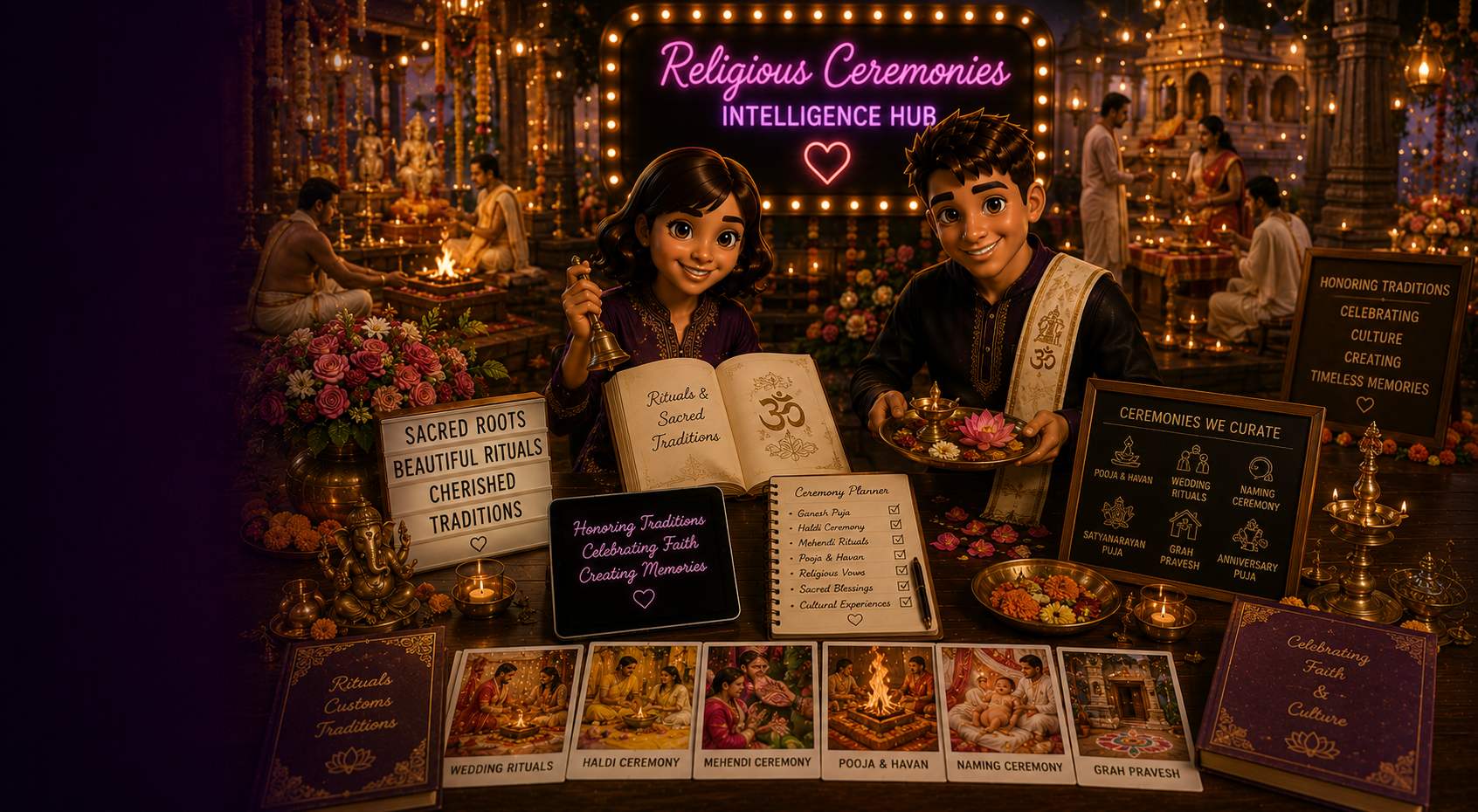 Looking for inspiration? Looking for ritual planning intelligence?
 Ideas, inspiration and expert insights for religious ceremonies, sacred rituals, traditional customs, spiritual occasions and meaningful cultural celebrations.
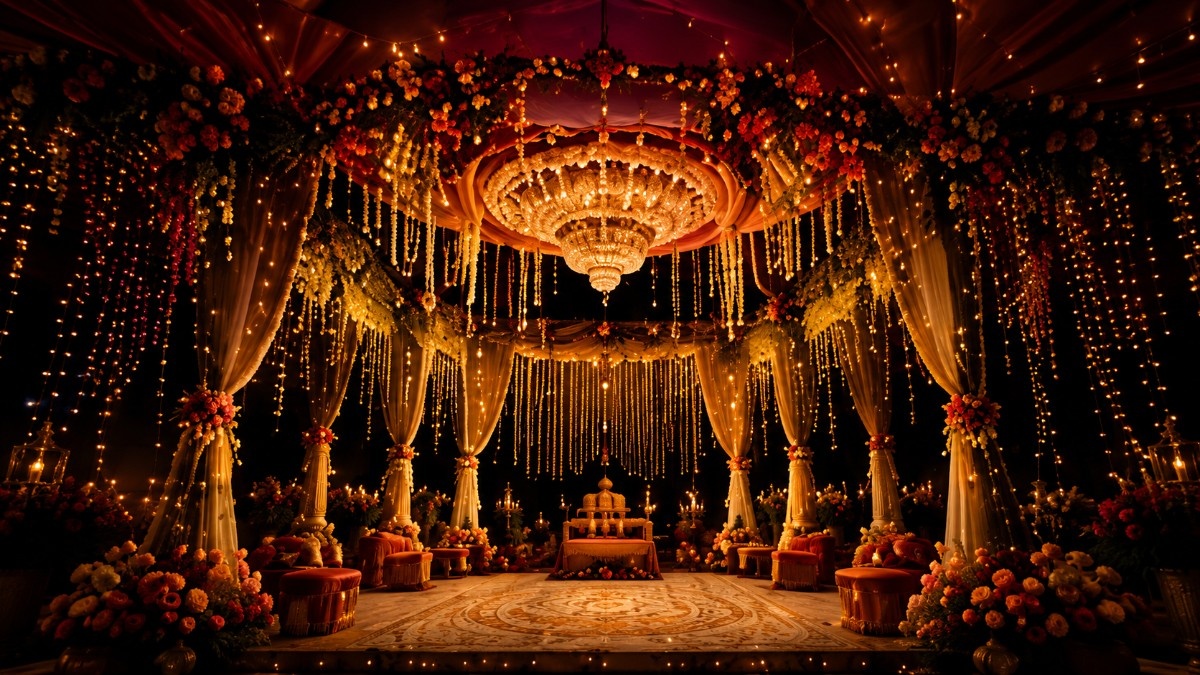
From traditional to contemporary, explore the most breathtaking mandap designs that will elevate your wedding… more
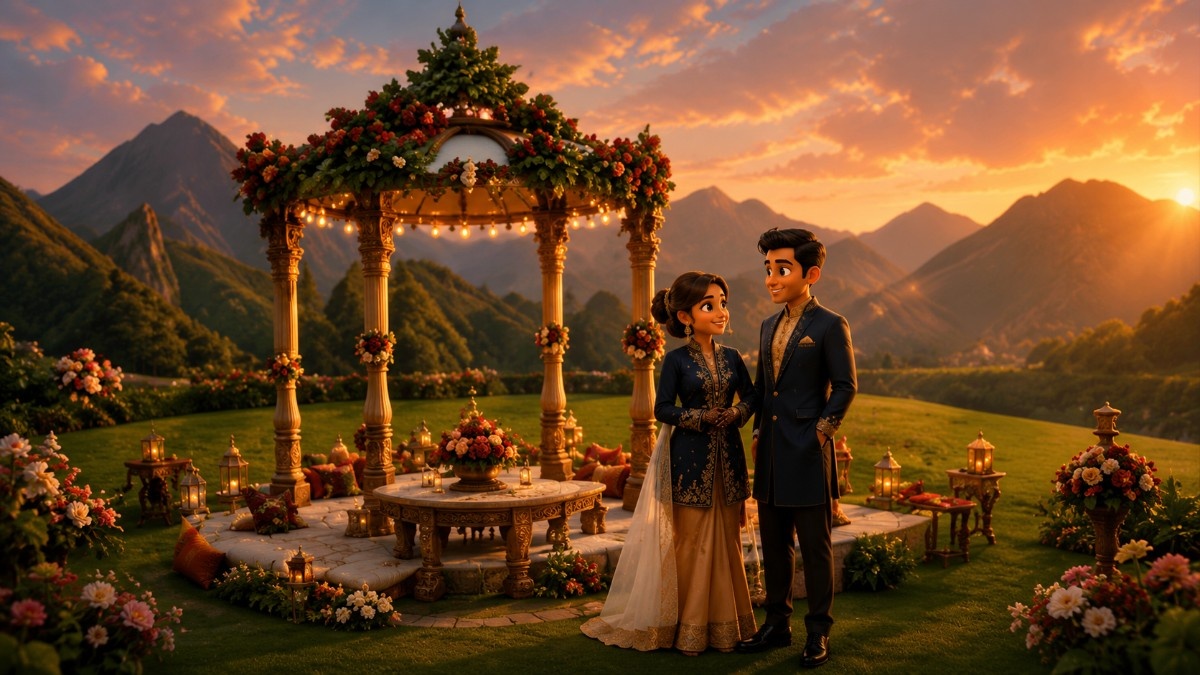
Plan a flawless destination wedding with this comprehensive checklist covering everything you need.
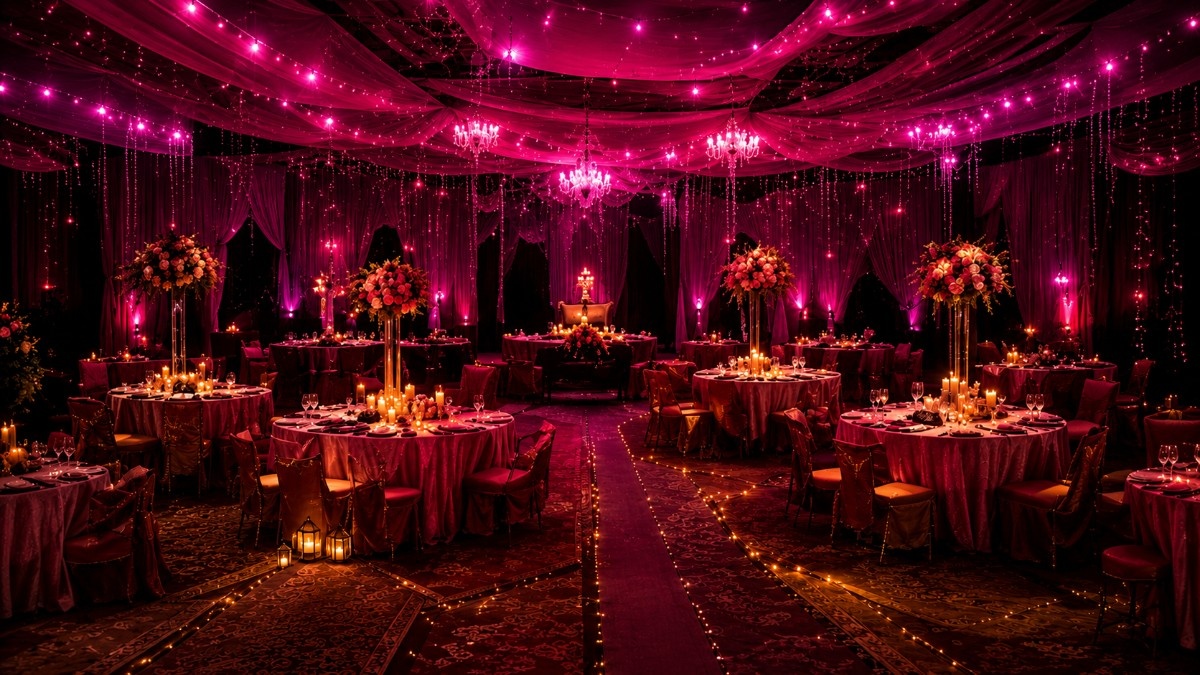
Timeless themes that bring elegance, beauty and unforgettable memories to your big day.

Your month-by-month guide to planning the perfect wedding stress-free and on time.
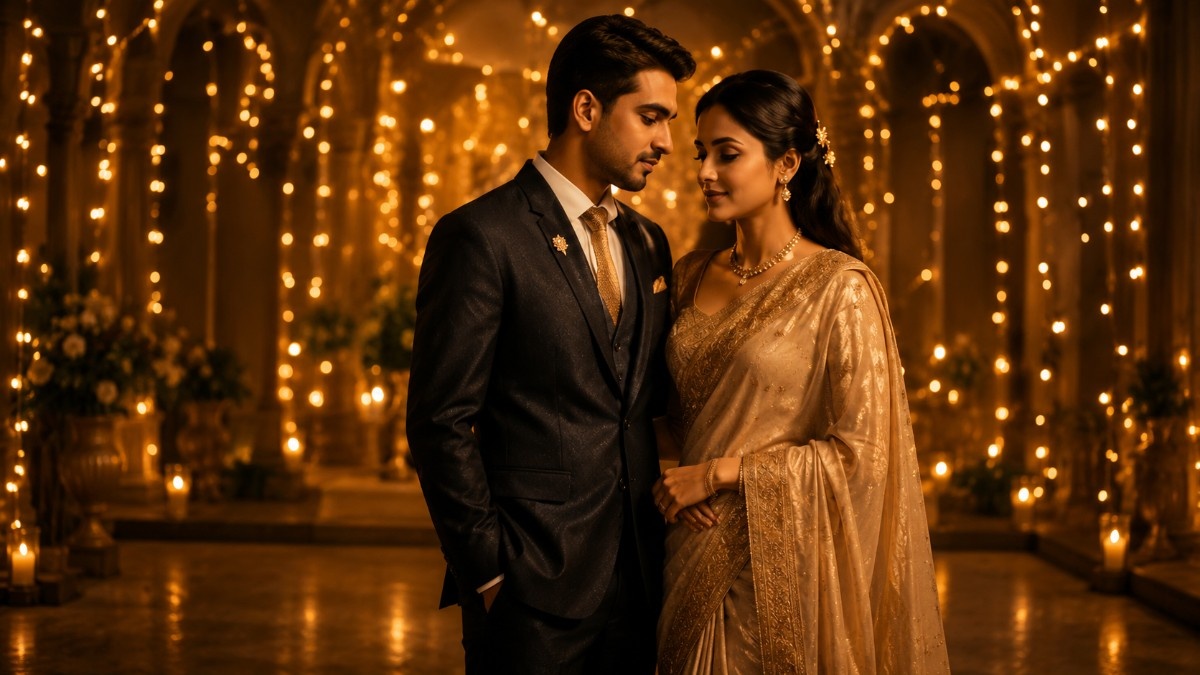
A beautiful blend of tradition and modernity. See how this couple planned their dream wedding.
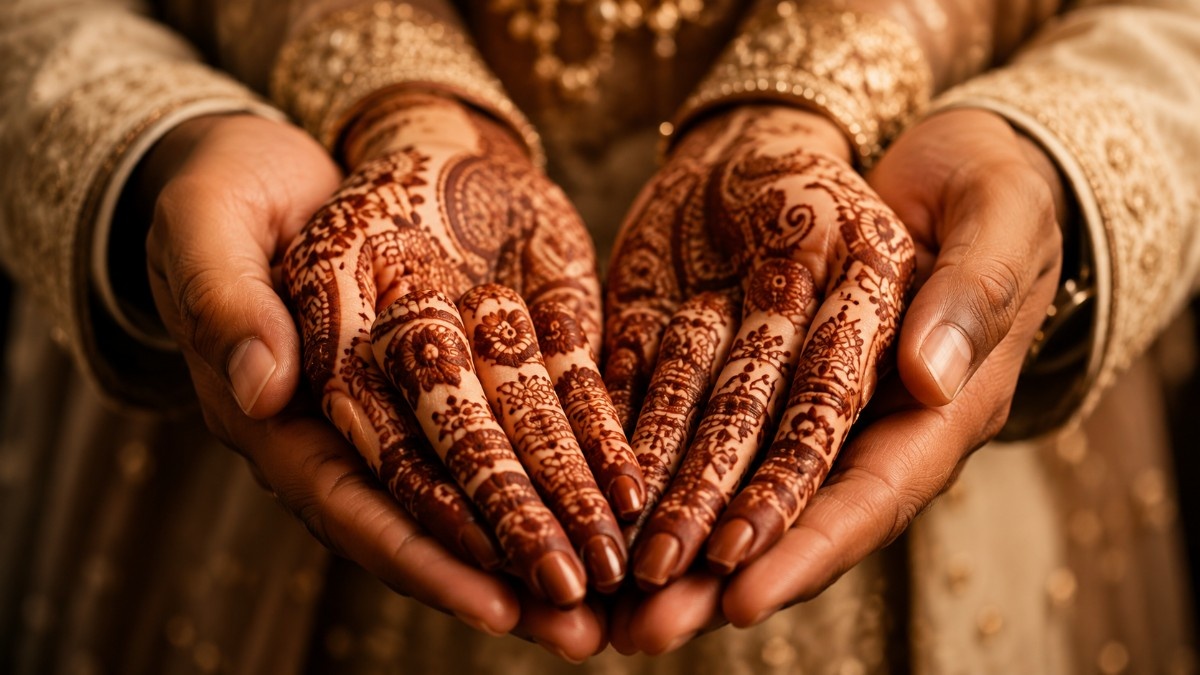
Smart tips and tricks to plan your dream wedding within budget without compromising.

Handpicked venues across India that offer stunning experiences for every type of wedding.
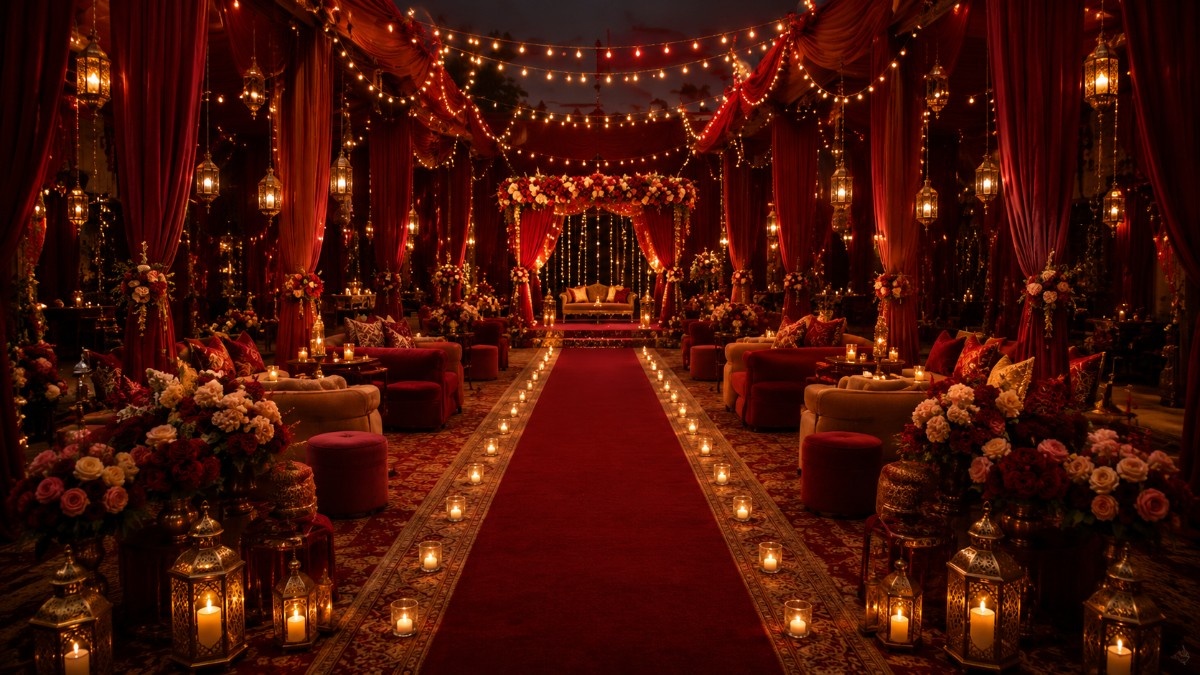
From grand entries to royal stays, curated luxury experiences that make your wedding unforgettable.

Detailed breakdown to help you allocate your budget smartly and avoid surprises.

Creative pre-wedding shoot ideas that capture your love story beautifully.
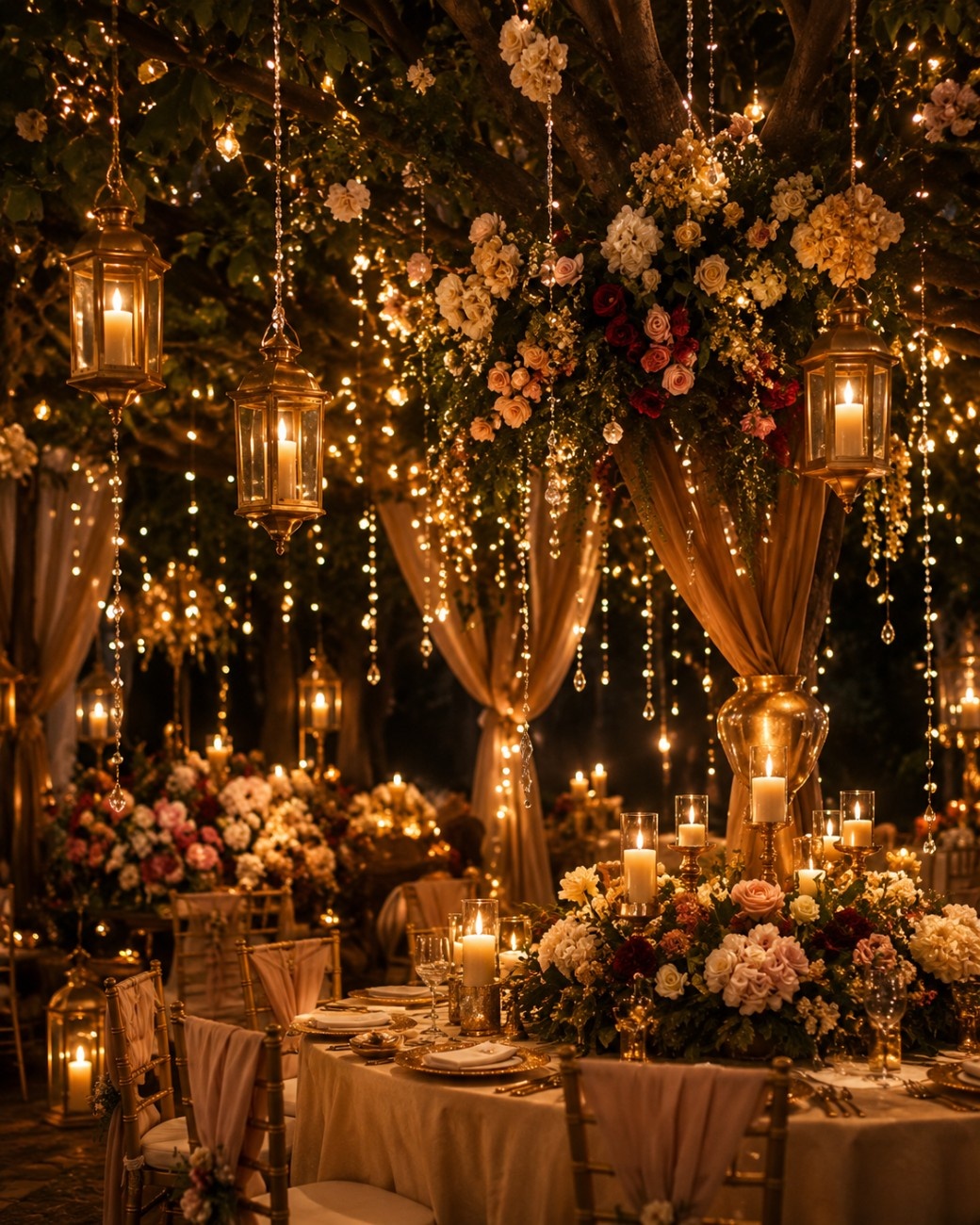
From minimal elegance to grand celebrations, discover the top décor trends this year.
Get the latest ritual ideas, ceremony planning insights, traditional customs and cultural celebration inspiration straight to your inbox.

Religious ceremonies can bring meaning, tradition and a strong sense of community to important occasions. They may involve prayers, rituals, blessings, sacred readings, offerings, processions, music, family participation or other customs that have been preserved across generations.
Planning a religious ceremony requires a different approach from planning a purely social event. Alongside venue, guest, timing and logistical considerations, organisers may need to understand religious customs, ceremonial sequences, appropriate spaces and the expectations of the relevant community.
Every faith, tradition, region and community can have its own practices. Some ceremonies are highly structured, while others allow families and communities greater flexibility. The most respectful approach is to understand the specific tradition involved and consult an appropriate religious authority or experienced ceremony professional whenever guidance is required.
The Happiffie Religious Ceremonies Intelligence Hub brings together ideas, planning insights and cultural inspiration to help you approach ceremonies with greater clarity, respect and confidence.
Religious ceremonies can take many forms depending on the tradition, occasion and community. A ceremony may be intimate and family-focused or involve a large gathering with multiple stages and participants.
Some occasions may centre on prayer and blessings, while others may incorporate sacred readings, symbolic rituals, music, offerings or community participation. Cultural practices may also influence the way a ceremony is presented, including clothing, flowers, decorations, food and ceremonial objects.
When exploring ceremony ideas, begin with the meaning and purpose of the occasion. Understanding what the ceremony represents can help determine which elements are essential and which additional event details can be incorporated appropriately.
Rather than copying a ceremony seen elsewhere, consider the specific customs relevant to your family, faith and community. This creates a more meaningful experience while helping avoid practices being used out of context.
Religious rituals often carry cultural, historical and spiritual significance. A particular gesture, object, prayer, sequence or offering may have a meaning that is not immediately obvious to someone unfamiliar with the tradition.
For this reason, ceremony planning should prioritise understanding before styling. If you are incorporating traditional elements, learn what they represent and how they are traditionally performed.
Regional differences can also be important. A ceremony may have variations depending on location, community, family tradition or denomination. What is customary in one region may not necessarily be appropriate in another.
Reliable guidance from qualified religious leaders, community elders or experienced ceremony specialists can help clarify these differences. Happiffie's role is to support discovery and planning, while tradition-specific religious guidance should come from appropriate authorities.
The ceremony environment can influence how comfortably and respectfully the ritual takes place. Seating, ceremonial areas, entrances, pathways, sound, lighting and guest visibility should all be considered.
Some ceremonies require a dedicated sacred or ritual space, while others may take place in a religious institution, community venue, home or event location. Confirm venue requirements and restrictions before making arrangements.
Guest seating should provide clear visibility without interfering with participants or ceremonial activities. If elderly guests, children or guests with accessibility requirements are attending, the layout should allow them to participate comfortably.
For larger gatherings, consider how guests will enter, where they should sit or stand and how ceremonial participants will move through the space. A clear layout can make the experience easier to follow without changing the character of the ceremony.
Depending on the tradition, a ceremony may involve religious leaders, officiants, priests, scholars, musicians, assistants, community representatives or other specialists.
Their requirements should be understood early in the planning process. Confirm ceremony timings, venue arrangements, required materials, participant roles and any preparation needed before guests arrive.
If the ceremony is part of a larger event, coordinate the religious professionals with the event planner and venue team. This helps ensure that ceremonial requirements are respected while practical arrangements such as seating, sound, access and scheduling are handled effectively.
Do not assume that a general event supplier understands the requirements of a particular religious tradition. When specialist knowledge is necessary, work with professionals who have appropriate experience.
Religious ceremonies often exist within a broader cultural context. Clothing, flowers, music, food, colours, symbols and other elements may contribute to the atmosphere surrounding the occasion.
These details should be selected thoughtfully. Cultural styling can be meaningful when it reflects genuine traditions, but decorative elements should not be used merely because they appear visually attractive without understanding their significance.
Families may also have their own customs that have been passed down through generations. Discussing these expectations early can help incorporate meaningful family traditions into the event while maintaining the integrity of the ceremony.
For multicultural or inter-community gatherings, clear communication can be particularly useful. Guests who are unfamiliar with the tradition may appreciate simple information explaining what will happen and how they can participate respectfully.
Religious ceremonies can involve active participation from guests, family members and community representatives. Understanding their roles in advance can make the ceremony feel organised without making it unnecessarily formal.
Guests may need information about arrival times, seating, appropriate attire, venue etiquette or participation requirements. This information can be communicated through invitations, event websites, welcome notes or event coordinators.
If the ceremony includes readings, prayers, singing or other shared activities, consider whether guests need printed materials or digital access to relevant information.
For ceremonies involving multiple languages, translations or explanations may help guests follow the proceedings. Any translated religious content should be handled carefully and, where appropriate, reviewed by someone knowledgeable in the relevant tradition.
Timing is especially important when a religious ceremony forms one part of a larger event. The ceremony may have a defined sequence that should not be rushed simply to accommodate another programme segment.
Build the wider event schedule around the ceremony rather than treating it as an isolated appointment. Consider guest arrival, preparation time, ceremonial proceedings, photographs, transitions and any following activities.
If travel is involved, allow sufficient time for guests and ceremonial professionals to reach the venue. Traffic, weather and venue access can all affect schedules.
A realistic timeline provides flexibility without putting pressure on important ceremonial moments. Clear communication between the religious professionals, event planner and venue team can help everyone understand the sequence.
Religious ceremony costs can vary depending on the tradition, venue, officiant requirements, ceremonial materials, musicians, guest arrangements, travel and supporting event services.
Some ceremonies may require specific items, spaces or professional services, while others may have relatively simple requirements. Costs can also vary between cities and communities.
When planning a budget, separate essential ceremonial requirements from optional event enhancements. This helps ensure that resources are first allocated to the requirements that are genuinely important to the ceremony.
If religious professionals or specialists are travelling from another location, account for travel and accommodation requirements where applicable. Venue charges, sound requirements, seating and other practical arrangements may also contribute to the total event cost.
India has an exceptionally diverse landscape of religious and cultural traditions. Major cities such as Chennai, Bengaluru, Hyderabad, Mumbai and Delhi bring together communities with different practices, while regional destinations such as Jaipur, Udaipur, Kochi, Kolkata and Ahmedabad have their own distinctive cultural environments.
Ceremony planning can therefore vary significantly depending on location. Venue availability, community practices, local professionals, regional customs and logistical requirements may all influence the experience.
Destination events can require additional planning when guests travel from different parts of India or overseas. Accommodation, transport, venue access and communication become especially important when the ceremony is held away from the community's usual location.
When searching for religious ceremony services in a particular city, consider the experience and cultural knowledge of the professionals involved rather than relying only on general event credentials.
Modern event planning can coexist with traditional ceremonies when changes are approached thoughtfully. Technology can simplify invitations, guest communication, scheduling and event coordination without necessarily altering the ceremony itself.
Digital tools can help guests access directions, schedules and practical information. Event teams can also use technology to coordinate suppliers and manage large gatherings.
However, modernisation should not automatically replace established customs. Any proposed adaptation should be discussed with the relevant religious authority or knowledgeable community representative when it affects the ceremony itself.
This balance allows organisers to benefit from modern event planning while preserving the meaning and integrity of important traditions.
Guests often have a better experience when they understand what to expect. This is particularly important when some attendees may be unfamiliar with the religious or cultural tradition involved.
Invitation and event communication can provide practical details about timing, venue, dress expectations, parking, accessibility and participation. Where appropriate, a short explanation of the ceremony can help guests feel more comfortable.
For larger gatherings, signage and event coordinators can guide guests through different areas. Multilingual communication may also be useful when attendees speak different languages.
Clear information does not need to explain every religious detail. Its purpose is to make participation easier while allowing the ceremony itself to retain its traditional character.
Planning a religious ceremony can involve understanding traditions, identifying appropriate professionals, selecting venues, coordinating participants, arranging guest logistics and managing supporting event services. Happiffie brings these planning considerations together through an event-focused intelligence experience.
The Religious Ceremonies Intelligence Hub helps you explore ceremony ideas, ritual planning considerations, cultural traditions, venue requirements and event logistics before making decisions.
Whether you are planning a ceremony in Chennai, Bengaluru, Hyderabad, Mumbai, Delhi, Jaipur, Udaipur, Kochi, Kolkata, Ahmedabad or another destination, the same principle remains important: understand the tradition first, then build the surrounding event experience around it.
Happiffie can support the discovery and planning process, while tradition-specific religious guidance should always come from qualified and appropriate religious or community authorities.
A successful religious ceremony is not defined by how elaborate the event looks. Its value comes from meaning, participation, tradition and the people who gather to observe or take part in it.
Begin by understanding the purpose of the ceremony and the customs that apply. Identify the appropriate religious professionals, confirm venue requirements and establish the ceremonial sequence. Then plan guest communication, seating, transportation, accessibility, supporting services and the wider event schedule around those requirements.
Give important participants enough time to prepare and communicate changes clearly. If the ceremony includes traditional objects, attire, music, food or other specific elements, confirm their requirements before finalising event arrangements.
Religious ceremonies can be intimate, grand, traditional, contemporary or culturally distinctive. What matters is that the experience remains respectful and meaningful to the people and community involved.
From ritual planning and ceremony spaces to guest experience, cultural details and event logistics, Happiffie's Religious Ceremonies Intelligence Hub helps you explore possibilities and organise the practical elements surrounding important occasions.