
Begin your regional cuisine wedding menu planning by analyzing your guest list demographics and cultural preferences. Consider the geographical backgrounds of your families, any dietary restrictions, and the level of spice tolerance among attendees. This foundational step ensures your menu resonates with everyone while maintaining authentic regional flavors.
Regional Cuisine Wedding Menus: South Indian, North Indian & Fusion Guide
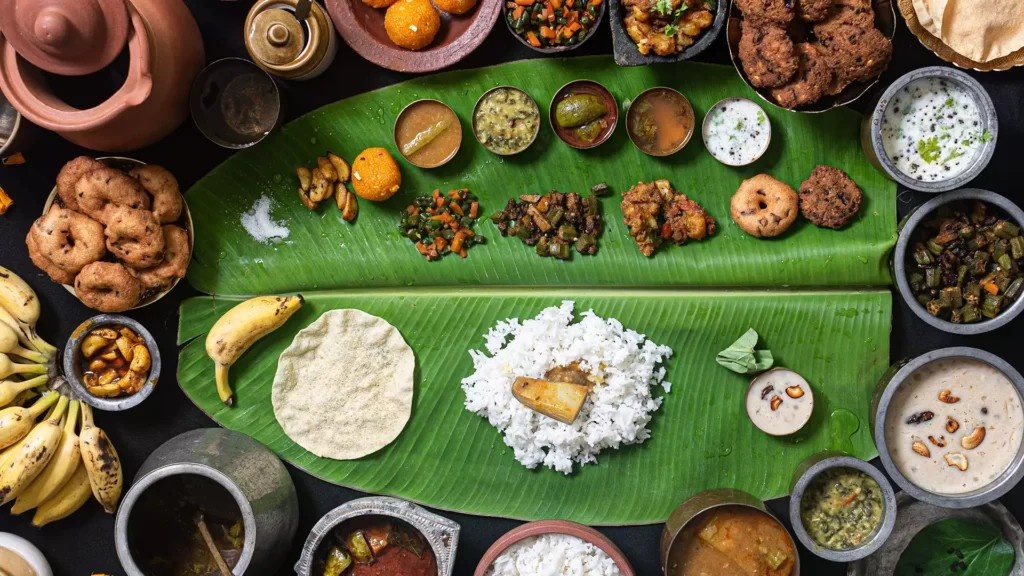
Table of Contents
Step 1: Understanding Regional Cuisine Preferences
✨ Guest Analysis Tips:
- ✓Survey key family members about preferred regional dishes and spice levels
- ✓Create a guest demographic breakdown by region and age group
- ✓Identify vegetarian, vegan, and other dietary requirement percentages
- ✓Consider seasonal preferences and local ingredient availability
Pro Tip:
Use Reverse Auction to connect with caterers who specialize in specific regional cuisines and can accommodate diverse preferences.
Step 2: South Indian Menu Planning Essentials
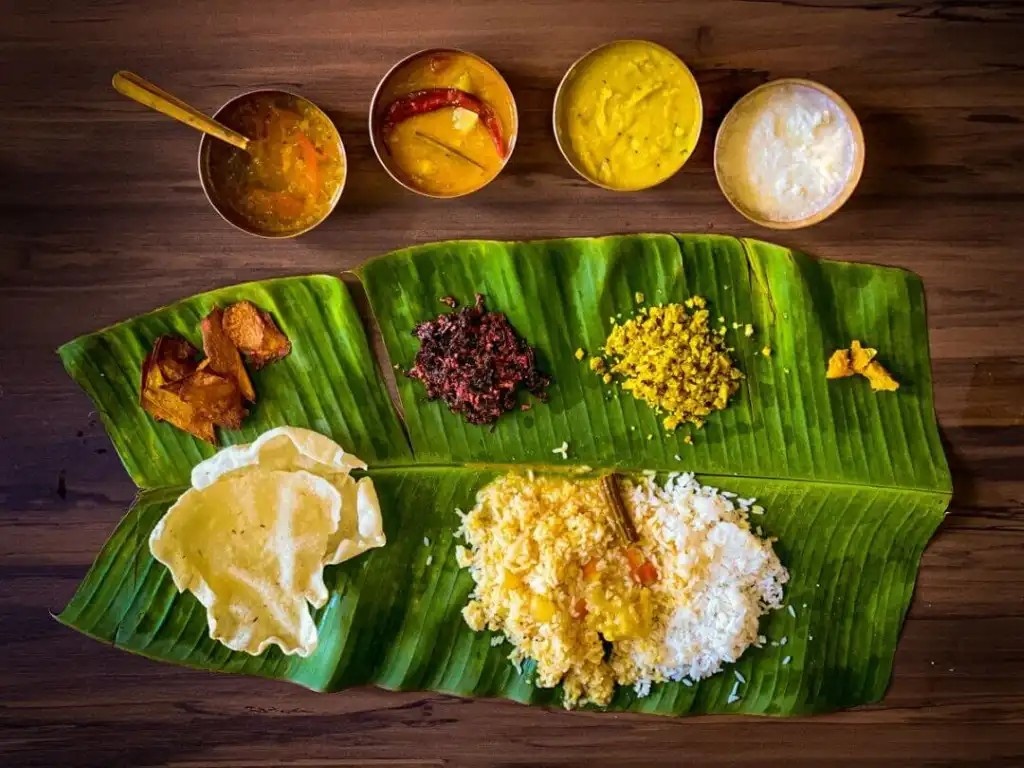
South Indian cuisine brings incredible diversity through its emphasis on rice, coconut, curry leaves, and tamarind-based preparations. Plan your menu around staple items like sambar, rasam, and various rice preparations, while incorporating regional specialties from Tamil Nadu, Kerala, Karnataka, and Andhra Pradesh.
✨ South Indian Menu Checklist:
✓Rice varieties (coconut rice, lemon rice, curd rice, biryani)
✓Sambar and rasam with seasonal vegetables
✓Coconut-based curries and thorans
✓Traditional snacks (murukku, banana chips, mixture)
Pro Tip:
Partner with caterers from our venue directory who understand authentic South Indian cooking techniques and spice balancing.
Step 3: North Indian Feast Fundamentals
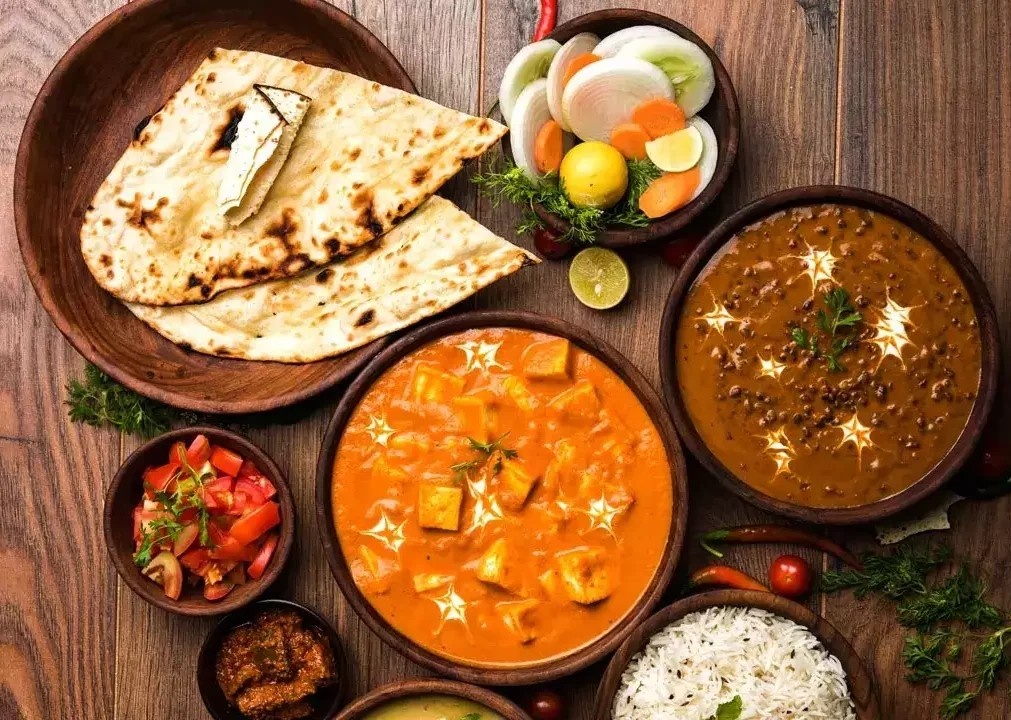
North Indian wedding menus center around wheat-based breads, rich gravies, and aromatic spice blends. Structure your selection around dal, sabzi, roti, and rice combinations while ensuring a balance of mild and robust flavors to accommodate different palates.
✨ North Indian Menu Essentials:
✓Variety of dal preparations (dal makhani, dal tadka, chana dal)
✓Mixed vegetable curries and seasonal sabzis
✓Fresh bread options (naan, roti, paratha, kulcha)
✓Rice dishes (jeera rice, vegetable pulao, biryani)
✓Accompaniments (pickles, raita, papad)
✓Traditional sweets (gulab jamun, jalebi, kheer)
Step 4: Fusion Menu Creation Strategies
Fusion menus offer exciting opportunities to blend regional flavors while creating unique culinary experiences. Focus on complementary flavor profiles and cooking techniques that honor both traditions while appealing to contemporary tastes.
Indo-Chinese Fusion
Combine South Indian dosas with Chinese-style fillings, or create North Indian curry-flavored noodles and fried rice variations.
Continental-Indian Blend
Incorporate Indian spices into pasta dishes, create curry-flavored soups, or offer Indian-spiced grilled vegetables with international presentations.
Regional Crossover
Mix North and South Indian elements like sambar-flavored gravies with North Indian breads, or South Indian spices in North Indian preparations.
Modern Interpretations
Present traditional dishes with contemporary plating styles, molecular gastronomy techniques, or deconstructed versions of classic recipes.
Step 5: Balancing Flavors and Dietary Requirements
Create a harmonious menu by balancing spicy, mild, sweet, and tangy flavors while accommodating various dietary needs. Ensure adequate options for vegetarians, vegans, and guests with specific food allergies or preferences.
✨ Balance Strategies:
- ✓Mild options: Include coconut-based curries, yogurt preparations, and lightly spiced dishes
- ✓Protein varieties: Offer paneer, legume, and mock meat options for vegetarian guests
- ✓Gluten-free choices: Focus on rice-based dishes, naturally gluten-free regional specialties
Step 6: Presentation and Service Style Selection
Choose service styles that complement your regional cuisine selection while ensuring efficient guest flow. Consider traditional banana leaf service for South Indian meals, family-style sharing for North Indian feasts, or modern plated service for fusion menus.
✨ Service Style Must-Haves:
✓Appropriate serving vessels (banana leaves, traditional thalis, modern plates)
✓Clear menu labeling with spice level indicators
✓Adequate serving stations to prevent overcrowding
✓Temperature maintenance equipment for hot dishes
✓Separate serving areas for different dietary requirements
✓Traditional accompaniments properly portioned and accessible
Step 7: Menu Timeline and Service Schedule
Coordinate your regional cuisine service timeline to ensure optimal flavor, temperature, and guest satisfaction. Plan preparation schedules that allow for fresh cooking while managing kitchen workflow efficiently during your celebration.
✨ Sample Timeline:
2 hours before:Begin rice preparations, set up serving stations, prepare cold accompaniments
1 hour before:Start curry preparations, warm serving vessels, final seasoning adjustments
Service time:Begin serving with appetizers and lighter dishes
Main course:Present full regional spread with all accompaniments
Second serving:Replenish popular dishes, maintain temperature and freshness
Final service:Serve traditional sweets and digestive preparations
Step 8: Final Testing and Guest Experience
Conduct thorough menu tastings with your chosen caterers to ensure authentic flavors and appropriate spice levels. Create memorable experiences through thoughtful presentation, cultural storytelling, and seamless service that honors regional traditions.
✨ Final Testing Options:
- ✓Schedule family tasting sessions with elderly relatives who can validate authenticity
- ✓Test portion sizes and combinations to ensure guest satisfaction
- ✓Verify dietary accommodation accuracy and cross-contamination prevention
Ready to Create Your Perfect Regional Menu?
<p>Let Happiffie connect you with expert caterers who specialize in authentic regional cuisines and can bring your culinary vision to life with professional expertise and cultural authenticity.</p>
Pro Tips for Success
Start Menu Planning Early
Begin your regional cuisine planning at least 3 months ahead to allow for proper caterer selection and menu customization.
Use Happiffie's Platform
Access our curated network of regional cuisine specialists who understand authentic preparation methods and presentation styles.
Leverage Reverse Auction
Get competitive quotes from multiple regional caterers while comparing their specialties and cultural authenticity credentials.
Document the Experience
Create lasting memories by photographing your regional feast and sharing the cultural significance with guests through menu descriptions.

Are you a Vendor? Grow Your Business with Happiffie!
- High intent verified leads
- Reverse auction opportunities
- AI business tools & insights
- Dedicated vendor dashboard
- Grow your business, your way
1M+Active Users
300+Events Daily
High QualityLeads
FasterBookings
It's free & takes less than 2 minutes!