
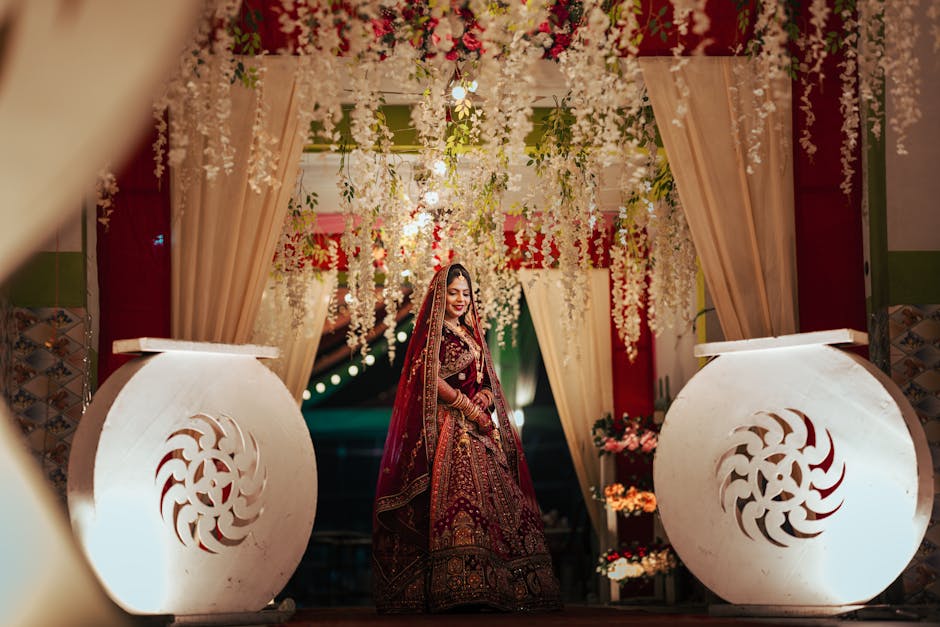
Real Bride Outfit Journey: From Selection to Wedding Day Look
A Complete Guide to Bridal Outfit Planning, Shopping, and Perfect Execution
Picture this: it's 6 AM on your wedding day, and your dream lehenga doesn't fit properly after all the fittings. This nightmare scenario happens to 30% of Indian brides who underestimate the complexities of coordinating multiple outfits across mehendi, sangeeth, and wedding ceremonies.
The modern Indian bride juggles outfit selections for 4-6 functions while managing vendor coordination, family opinions, and budget constraints. Between Mumbai's humid weather affecting fabric choices and Chennai's silk market overwhelming decisions, the bridal outfit journey demands strategic planning.
This comprehensive guide walks you through every stage of outfit planning, from initial selection through your final wedding day look. We'll cover timing strategies, vendor coordination, and how Happiffie's curated services streamline this complex process for stress-free bridal styling.
📋 Table of Contents
The Reality of Bridal Outfit Planning
Most brides start outfit shopping 8-12 months before their wedding, but this timeline creates unnecessary pressure and limits options. The real challenge isn't finding beautiful clothes—it's coordinating multiple outfits across different functions while ensuring each piece complements your venue, season, and photography style without breaking your budget.
A Bangalore bride planning a December wedding faces entirely different considerations than a Mumbai bride getting married in April. The former needs heavier fabrics for outdoor evening functions, while the latter must account for humidity affecting makeup longevity and fabric breathability. These climate factors directly impact outfit selection, accessory choices, and even hair styling options throughout your celebration.
The biggest mistake brides make is treating each outfit as an isolated decision. Your mehendi outfit's color palette should complement your sangeeth look, which should build toward your wedding day ensemble. Without this cohesive approach, photos look disjointed and styling becomes exponentially more complex as you coordinate different makeup artists and stylists.
Smart brides approach outfit planning like event management—creating timelines, vendor coordination sheets, and backup plans. This systematic approach prevents last-minute alterations, ensures proper accessory matching, and gives you confidence that every detail works together seamlessly. The investment in planning pays off when everything flows perfectly on your actual wedding day.
 Hiya
HiyaPro Tip: Create a mood board with all your outfits together before making final purchases. This prevents color clashes and ensures cohesive styling across all functions.
Key Factors for Perfect Outfit Selection
Successful bridal outfit selection hinges on five critical factors that most brides discover too late in the process. These elements determine not just how you look, but how comfortable you feel, how well your outfits photograph, and whether your styling enhances or competes with your venue's aesthetic.
Season and climate trump every other consideration. A Chennai bride choosing heavy Kanjeevaram silk for an outdoor April ceremony will struggle with heat, while a Delhi bride selecting light georgette for a January evening function will shiver through photos. Fabric weight, breathability, and draping must align with your celebration's timing and location for both comfort and visual appeal.
Body type and personal style create the foundation for confident styling. The most expensive lehenga looks awkward if it doesn't flatter your silhouette or reflect your personality. Understanding which cuts, necklines, and silhouettes enhance your best features allows you to shop strategically rather than being swayed by trends or family pressure.
Function-specific requirements often get overlooked until the last minute. Your mehendi outfit needs sleeves that can be rolled up easily, your sangeeth look should allow for dancing movement, and your wedding ensemble must work with your chosen jewelry and dupatta styling. Planning these practical elements upfront prevents day-of frustrations when you're trying to coordinate with multiple vendors.
1. Season & Climate
Match fabric weight and breathability to your wedding month and venue type. Heavy silks work for winter indoor functions, while lightweight fabrics suit summer celebrations. Consider temperature changes throughout your function day.
2. Body Type & Fit
Choose silhouettes that enhance your natural shape. A-line lehengas flatter most body types, while fitted cholis require proper tailoring. Book fittings 6-8 weeks before your function for perfect alterations.
3. Function Requirements
Each ceremony has specific needs—mehendi requires sleeve mobility, sangeeth needs dance-friendly fits, wedding demands traditional silhouettes. Plan movement and ritual requirements before selecting styles.
4. Photography Style
Consider how different fabrics, colors, and embellishments photograph under your venue's lighting. Metallic threads catch light beautifully, while very dark colors may not show detail in evening photos.
5. Budget Distribution
Allocate 40% of your budget to your main wedding outfit, 25% to reception wear, and 35% across mehendi and sangeeth looks. This prevents overspending early and ensures quality for your most photographed moments.
Popular Bridal Outfit Styles and Coordination
Today's bridal fashion blends traditional elements with contemporary styling, creating looks that honor heritage while reflecting personal taste. The key is selecting a signature style thread that runs through all your outfits, whether it's a consistent color palette, repeated motif, or complementary silhouettes.
Regional preferences significantly influence style choices, with South Indian brides often choosing silk sarees for main ceremonies while North Indian brides favor lehengas. However, modern brides increasingly mix traditions—a Chennai bride might wear a Rajasthani lehenga for her sangeeth while honoring Tamil customs with Kanjeevaram silk for her wedding. This fusion approach requires careful color and style coordination.
The most successful bridal looks layer textures and colors strategically. Your mehendi outfit in lighter hues allows for dramatic progression to richer tones for your wedding day. This visual storytelling creates memorable photos and helps guests anticipate the significance of each ceremony through your styling choices.
Coordination extends beyond just your outfits to include jewelry, accessories, and even your bridal party's styling. Smart brides work with professional makeup artists early in the planning process to ensure each look builds appropriately toward the final wedding day ensemble without repeating elements or creating visual competition.
 Most Popular
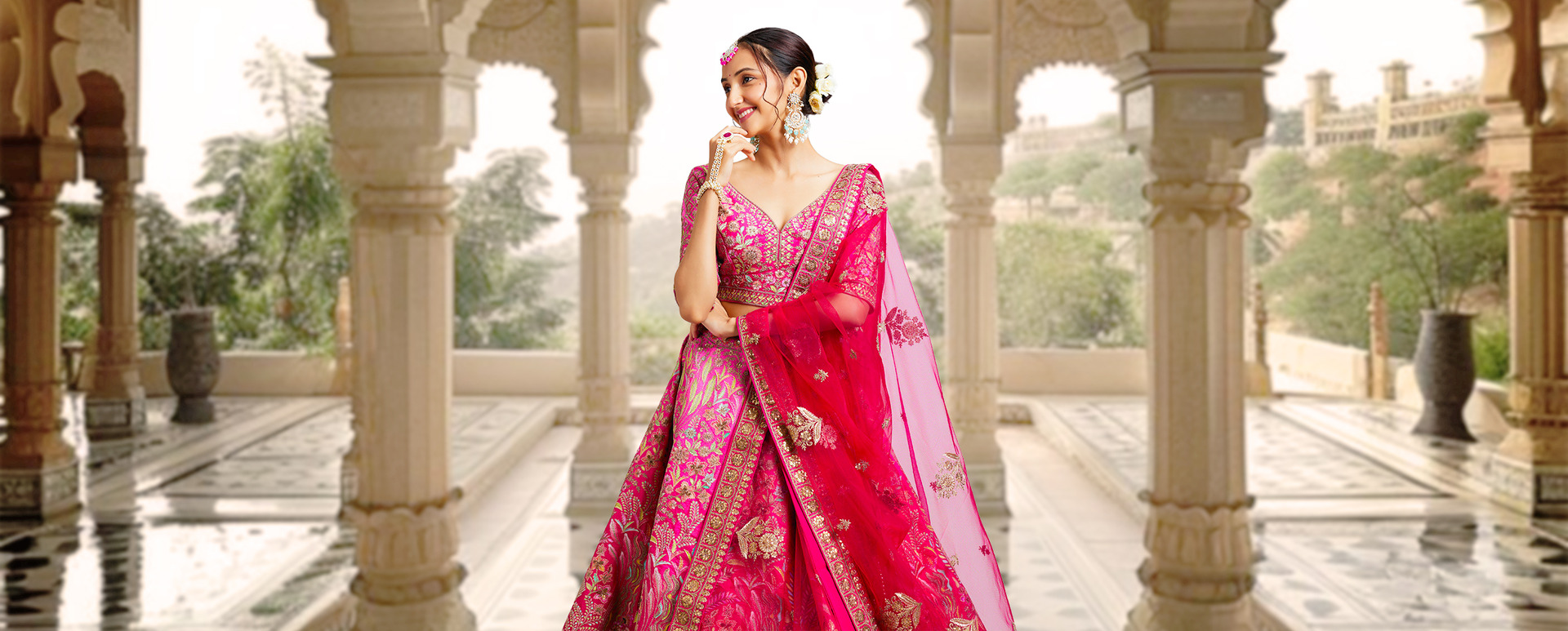
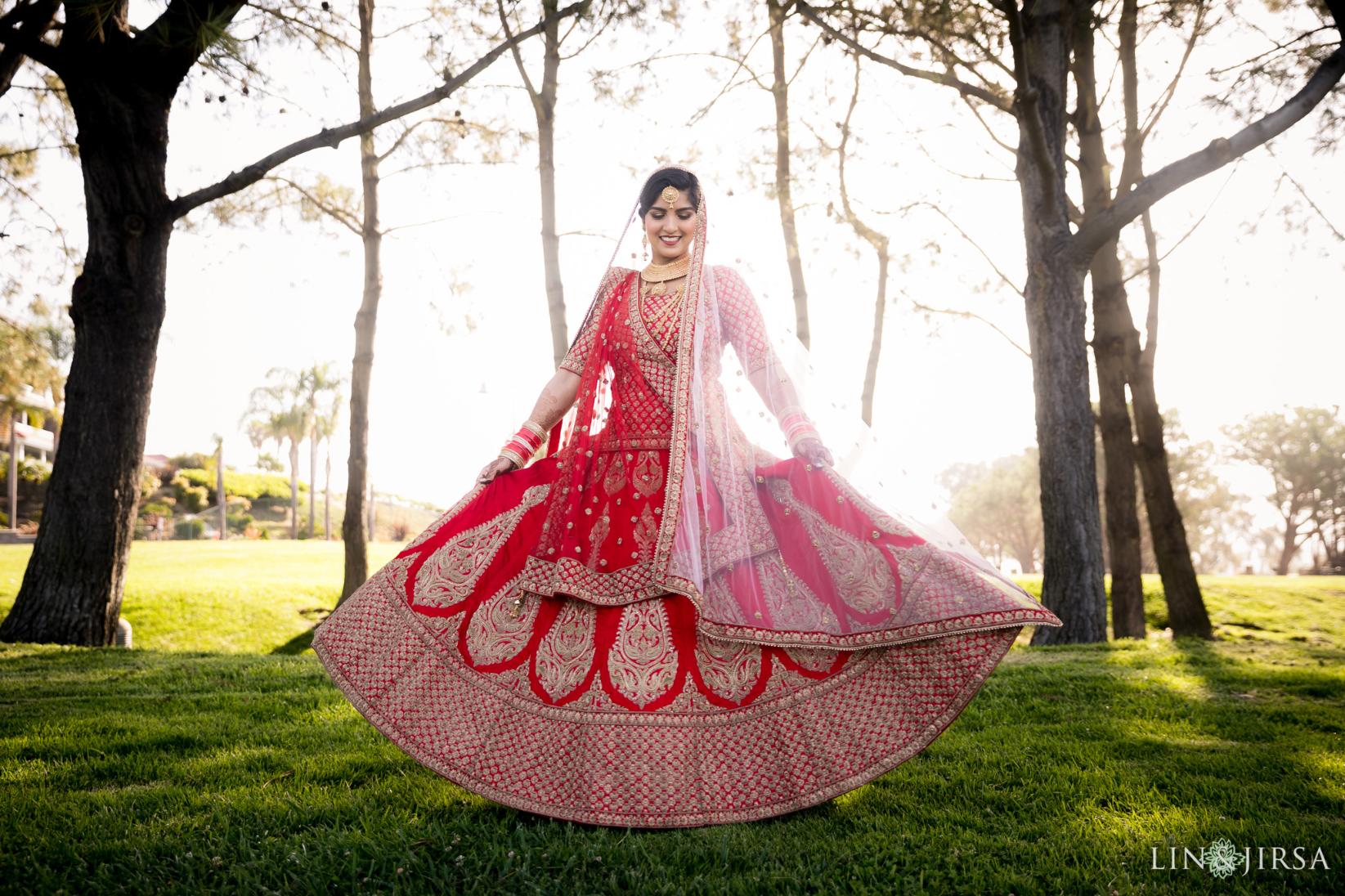
Classic Bridal Lehenga
Traditional heavy silk or velvet lehenga in red, maroon, or pink with gold embroidery. Perfect for main wedding ceremonies and grand receptions. Price range: ₹80,000-₹3,50,000 depending on designer and embellishment quality.
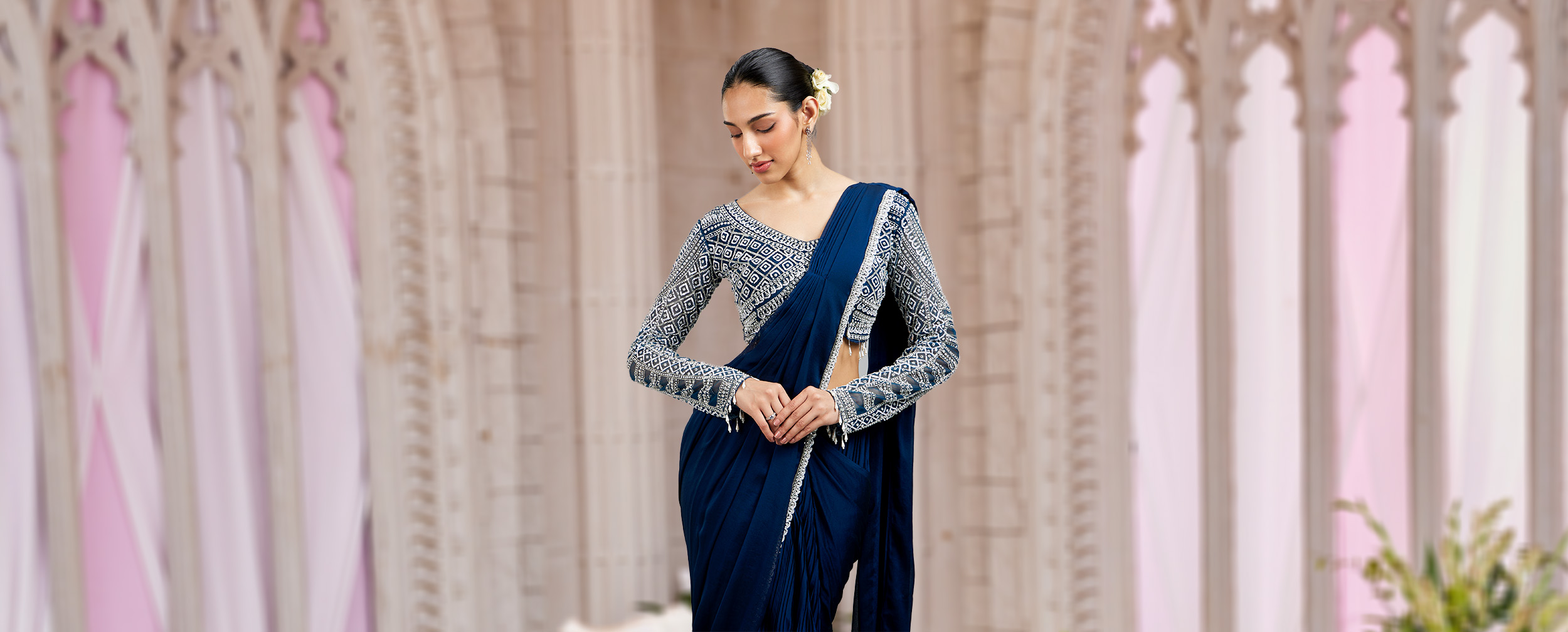 Trending
Contemporary Fusion Look
Modern silhouettes in unconventional colors like mint, peach, or lavender with contemporary embellishments. Ideal for day functions and modern celebration styles. Growing popularity among urban brides seeking unique aesthetic.
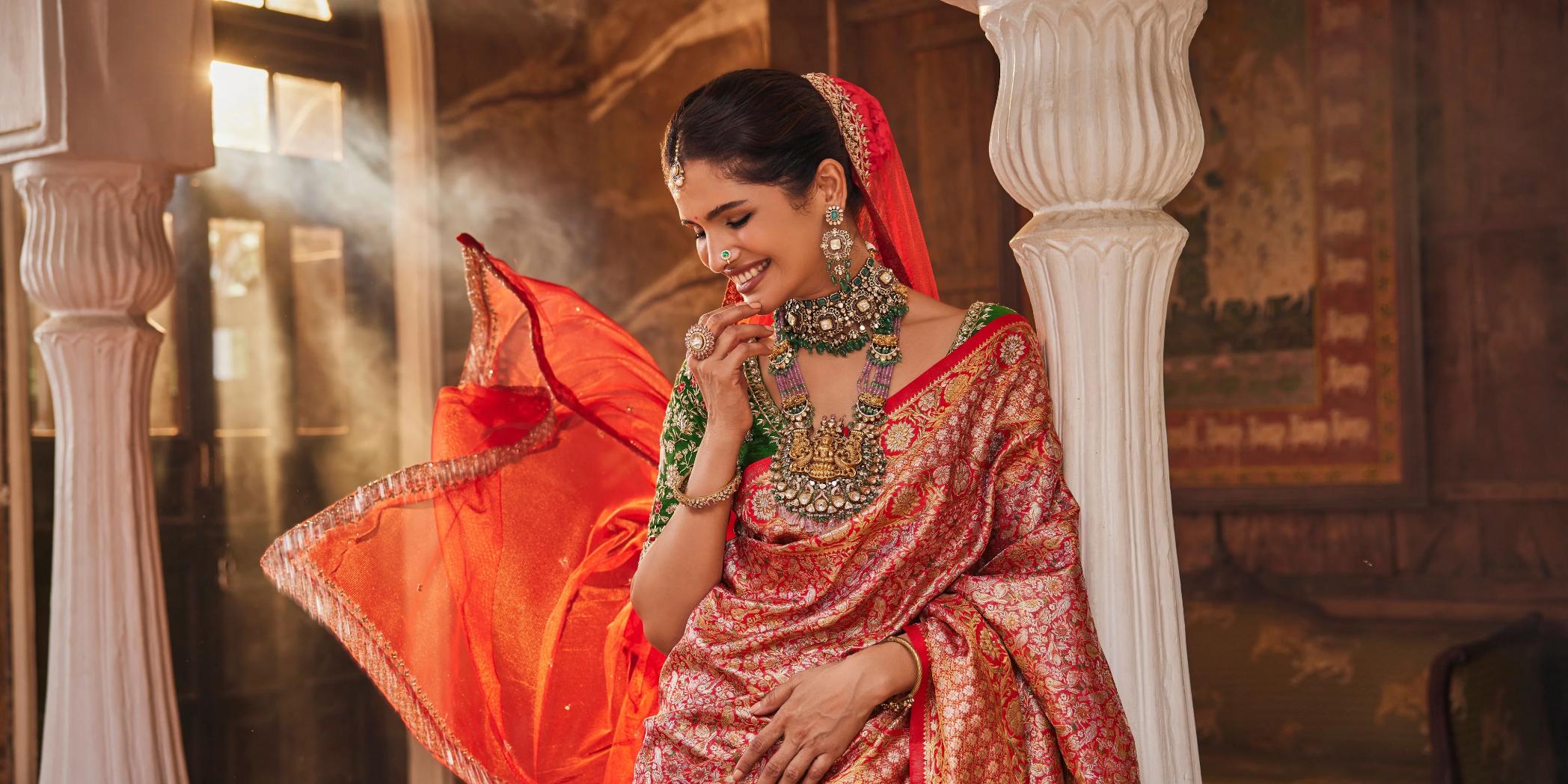 Timeless
Regional Traditional Saree
Heritage sarees like Kanjeevaram, Banarasi, or Paithani worn in traditional draping styles. Best for religious ceremonies and family-focused celebrations. Offers cultural authenticity with timeless elegance.
Budget Planning and Investment Strategy
The average Indian bride spends ₹2,50,000-₹8,00,000 on outfits across all functions, but smart budget allocation ensures maximum impact for your investment. The secret lies in understanding where to splurge and where to save, focusing your budget on the most photographed and memorable moments.
Hidden costs catch most brides off-guard, adding 30-40% to initial outfit budgets. Alterations average ₹15,000-₹25,000 per outfit, while accessories, shoes, and undergarments easily add another ₹50,000 across all functions. Emergency alterations during wedding week cost double, making proper planning essential for budget control.
Timing your purchases strategically saves significant money without compromising quality. Off-season shopping (April-July) offers 20-30% better prices, while booking during wedding season creates vendor urgency and inflated costs. Smart brides secure their main wedding outfit first, then plan other pieces around that anchor investment.
The most cost-effective approach involves mixing high-investment pieces with strategic budget choices. Spend on your main wedding outfit and reception look, then balance with more affordable mehendi and sangeeth pieces. Happiffie's Reverse Auction helps compare styling service costs across multiple vendors, ensuring you get professional coordination within your planned budget.
Budget-Friendly
Mix of designer and local boutique pieces with strategic splurges on main wedding outfit
Best for intimate celebrationsMid-Range
Designer outfits for main functions with high-quality accessories and professional styling services
Most popular choicePremium
Couture pieces from top designers with complete styling coordination and luxury accessories
For elaborate celebrations💰 Money-Saving Tips
- Book during off-season (April-July) for 20-30% better pricing on outfits and styling services.
- Use Happiffie's Reverse Auction to compare styling service costs and get competitive quotes from verified vendors.
- Mix high-investment pieces with budget-friendly options—spend on wedding outfit, save on mehendi look.
Frequently Asked Questions
These common questions address the real concerns brides face during outfit planning, from timing decisions to budget management and coordination challenges.
Final Thoughts
Your bridal outfit journey succeeds when it balances personal vision with practical execution. The most stunning wedding looks aren't necessarily the most expensive—they're the most thoughtfully coordinated, properly fitted, and confidently worn. Investment in planning time pays dividends in stress reduction and final results.
The decision to commit to today is creating your outfit timeline and vendor shortlist. Don't wait for the perfect Pinterest inspiration or family consensus—start with your must-haves and build from there. The biggest mistake is delaying decisions until vendor availability shrinks and quality options disappear.
Professional coordination transforms good outfits into unforgettable bridal moments. Happiffie's styling professionals understand the complexities of multi-function coordination, climate considerations, and photography requirements that make or break bridal looks. Your wedding day deserves the confidence that comes from knowing every detail has been expertly planned.
Ready to Plan Your Perfect Bridal Look?
Let Happiffie connect you with expert stylists and designers for your dream wedding outfits.
Are you a Vendor? Grow Your Business with Happiffie!
- High intent verified leads
- Reverse auction opportunities
- AI business tools & insights
- Dedicated vendor dashboard
- Grow your business, your way
It's free & takes less than 2 minutes!