
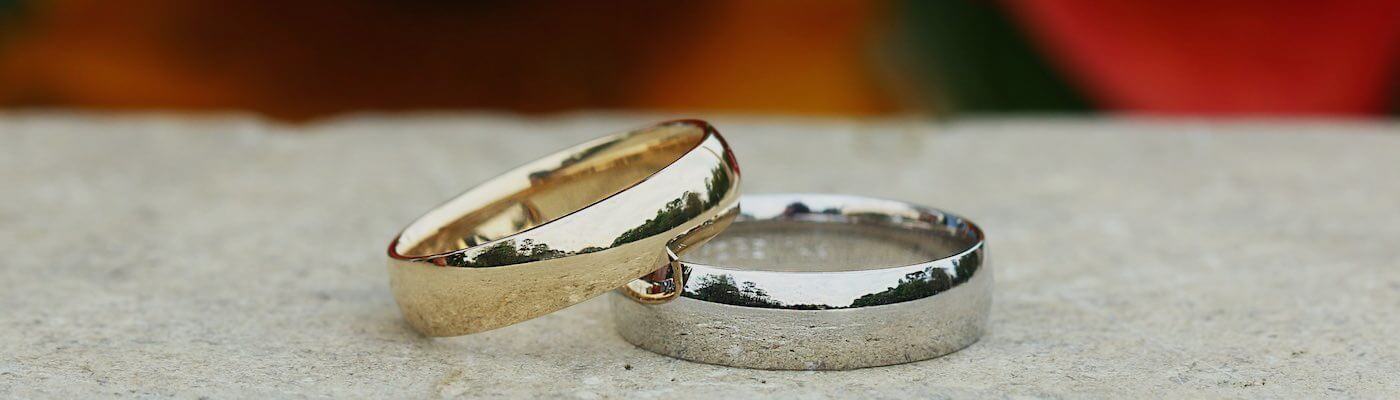
Platinum vs Gold Jewellery: Which One Should You Choose for Weddings?
Complete comparison guide for Indian brides making the perfect jewellery choice
Mumbai bride Priya spent three months agonizing over her wedding jewellery, visiting twelve showrooms before realizing she'd been asking the wrong questions. 67% of Indian brides change their jewellery decision at least once during wedding planning, often switching between platinum and gold based on incomplete information.
The choice between platinum and gold isn't just about budget or tradition—it's about matching metal properties to your skin tone, wedding timeline, and long-term lifestyle. Chennai's humid climate affects gold differently than Delhi's dry heat, while destination wedding venues create unique considerations for jewellery photography and maintenance.
This guide reveals the practical differences that actually matter: durability testing, maintenance costs, resale value, and skin compatibility. Happiffie's network of verified jewellers shares insights that help you make the right choice for your specific wedding style and budget.
📋 Table of Contents
Understanding the Fundamental Differences
Platinum and gold behave completely differently as metals, yet most brides focus only on appearance and price. Platinum is 95% pure in jewellery form, while gold ranges from 14K (58% pure) to 22K (91% pure). This purity gap creates cascading effects on durability, maintenance, and daily wear comfort that become obvious only after your wedding day.
A Bangalore bride discovered this the hard way when her 18K gold necklace developed scratches within six months, while her sister's platinum set remained pristine after two years. Platinum's density makes it 60% heavier than gold, affecting how necklaces sit and how comfortable heavy sets feel during 12-hour wedding functions. The weight difference becomes critical for elaborate bridal sets weighing 100+ grams.
Color permanence separates the metals dramatically. Gold can fade, tarnish, or change hue depending on alloy composition, especially in India's varying humidity levels. Mumbai's coastal moisture affects 18K gold differently than Jaipur's dry climate. Platinum maintains its white luster indefinitely without replating, while white gold requires rhodium replating every 12-18 months to prevent yellowing—a ₹2,000-5,000 recurring expense most jewellers don't mention upfront.
The metals respond differently to wear patterns. Platinum develops a patina (subtle matte finish) that many consider elegant, while gold maintains its shine but shows scratches more prominently. Understanding these characteristics helps you choose based on your post-wedding lifestyle: daily office wear versus occasional special events require different metal priorities.
 Hiya
HiyaPro Tip: Test wear sample pieces for 2-3 hours to feel the weight difference. Your comfort during long wedding ceremonies matters more than photos suggest.
Key Factors to Consider
Your skin undertone determines which metal enhances your natural complexion versus creating unflattering contrasts. Cool undertones (blue or pink base) typically complement platinum's white brilliance, while warm undertones (yellow or olive base) are enhanced by gold's richness. However, India's diverse skin tones often fall between categories, making testing crucial under different lighting conditions.
Wedding timeline creates practical constraints most couples underestimate. Custom platinum pieces require 6-8 weeks due to specialized craftsmanship, while gold work can be completed in 2-4 weeks. A Chennai couple learned this when their preferred platinum jeweller couldn't deliver their sets within their 45-day timeline, forcing them to switch to gold despite their original preference.
Maintenance compatibility with your lifestyle matters beyond the wedding day. Platinum requires professional cleaning every 6 months to maintain its luster, while gold needs attention every 3-4 months. If you travel frequently or live in smaller cities with limited specialized jewellery services, gold's wider service network becomes advantageous for routine maintenance and emergency repairs.
Design limitations affect your creative options. Platinum's hardness makes intricate carved work more expensive and time-consuming, while gold's malleability allows for detailed traditional patterns at lower costs. South Indian temple jewellery designs, for instance, showcase better in gold due to the metal's ability to hold fine details without cracking during the crafting process.
1. Skin Tone Compatibility
Cool undertones (blue/pink base) enhance platinum's brilliance, while warm undertones (yellow/olive) are flattered by gold's richness. Test both metals against your neck in natural daylight and indoor lighting before deciding.
2. Durability Requirements
Platinum maintains its structure better under daily wear, developing elegant patina instead of scratches. Gold shows wear marks more visibly but can be polished back to original shine more easily and affordably.
3. Maintenance Commitment
Platinum needs professional cleaning every 6 months but never requires replating. Gold demands attention every 3-4 months, with white gold requiring costly rhodium replating annually to prevent yellowing.
4. Design Complexity
Gold's malleability allows intricate traditional patterns at lower costs. Platinum's hardness makes detailed work expensive but creates stronger settings for precious stones that won't loosen over time.
5. Investment Timeline
Gold offers better liquidity and standardized resale value globally. Platinum's resale market is smaller but stable, with value tied more to craftsmanship than just metal weight in the Indian market.
Popular Jewellery Styles and Options
Traditional South Indian temple jewellery showcases gold's superiority in intricate detailing and religious significance. The metal's cultural importance and ability to hold complex patterns make it the preferred choice for antique-style necklaces, jhumkas, and maang tikkas. Platinum struggles with the fine filigree work that defines classic Indian bridal designs.
Contemporary minimalist designs favor platinum's clean, modern aesthetic. Solitaire settings, geometric patterns, and sleek bangles showcase platinum's natural white brilliance without competing colors or textures. Urban brides choosing fusion wedding styles often prefer platinum for its Instagram-friendly appearance under professional photography lighting.
Mixed-metal combinations are gaining popularity among brides wanting both metals' benefits. Rose gold with platinum creates stunning contrast, while white gold bridging pieces allow seamless transitions between inherited gold pieces and new platinum additions. This approach requires careful color coordination with wedding outfits and makeup tones.
Gemstone compatibility varies significantly between metals. Diamonds appear more brilliant against platinum's neutral background, while colored stones like emeralds and rubies pop against gold's warm undertone. The choice affects how your stones photograph and complement your overall bridal look across different lighting conditions during multi-day celebrations.
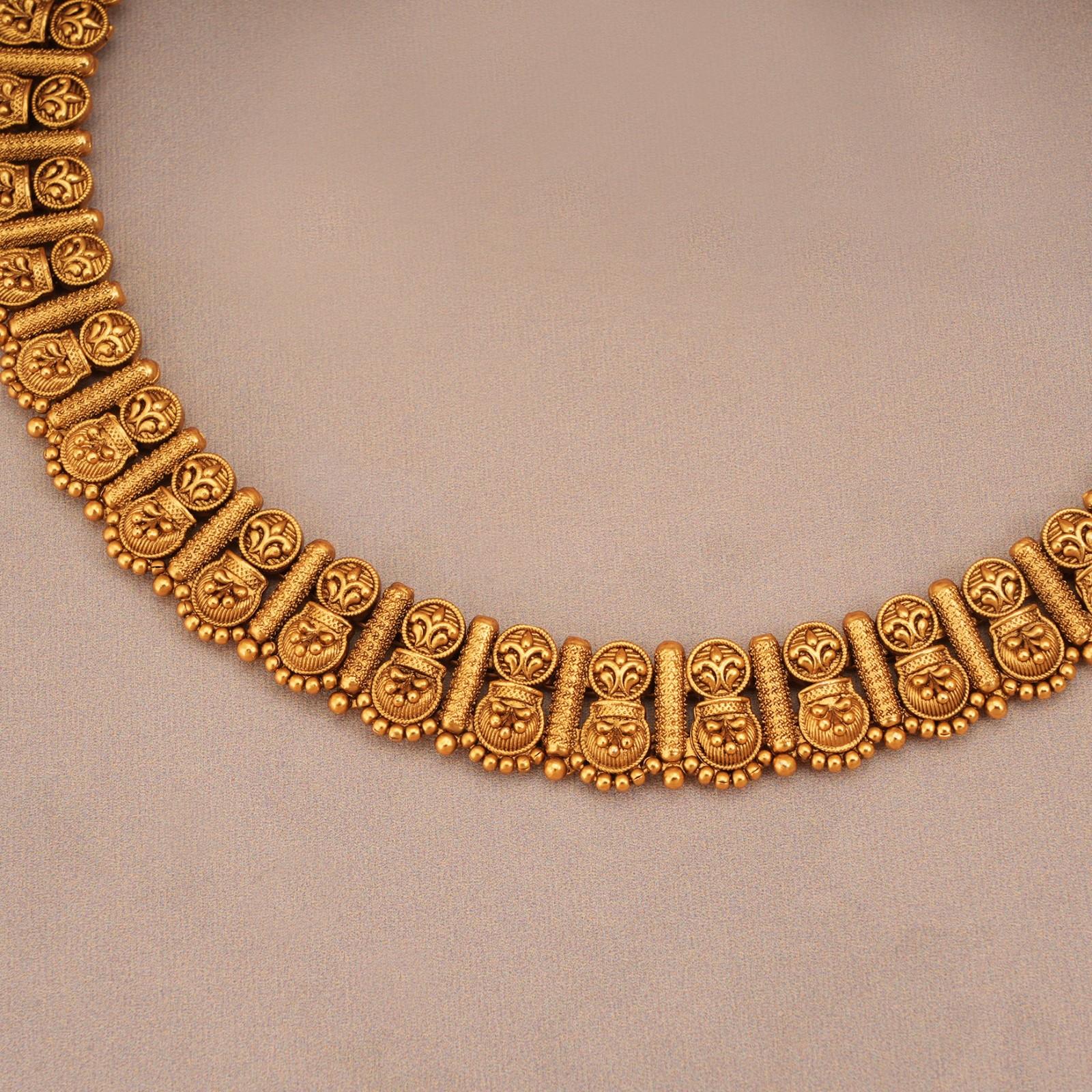 Most Popular
Traditional Gold Sets
Perfect for classic Indian ceremonies, temple jewellery, and family heirloom coordination. Best for warm undertones and traditional silk sarees. Price range: ₹1.5-8 lakhs depending on weight and craftsmanship quality.
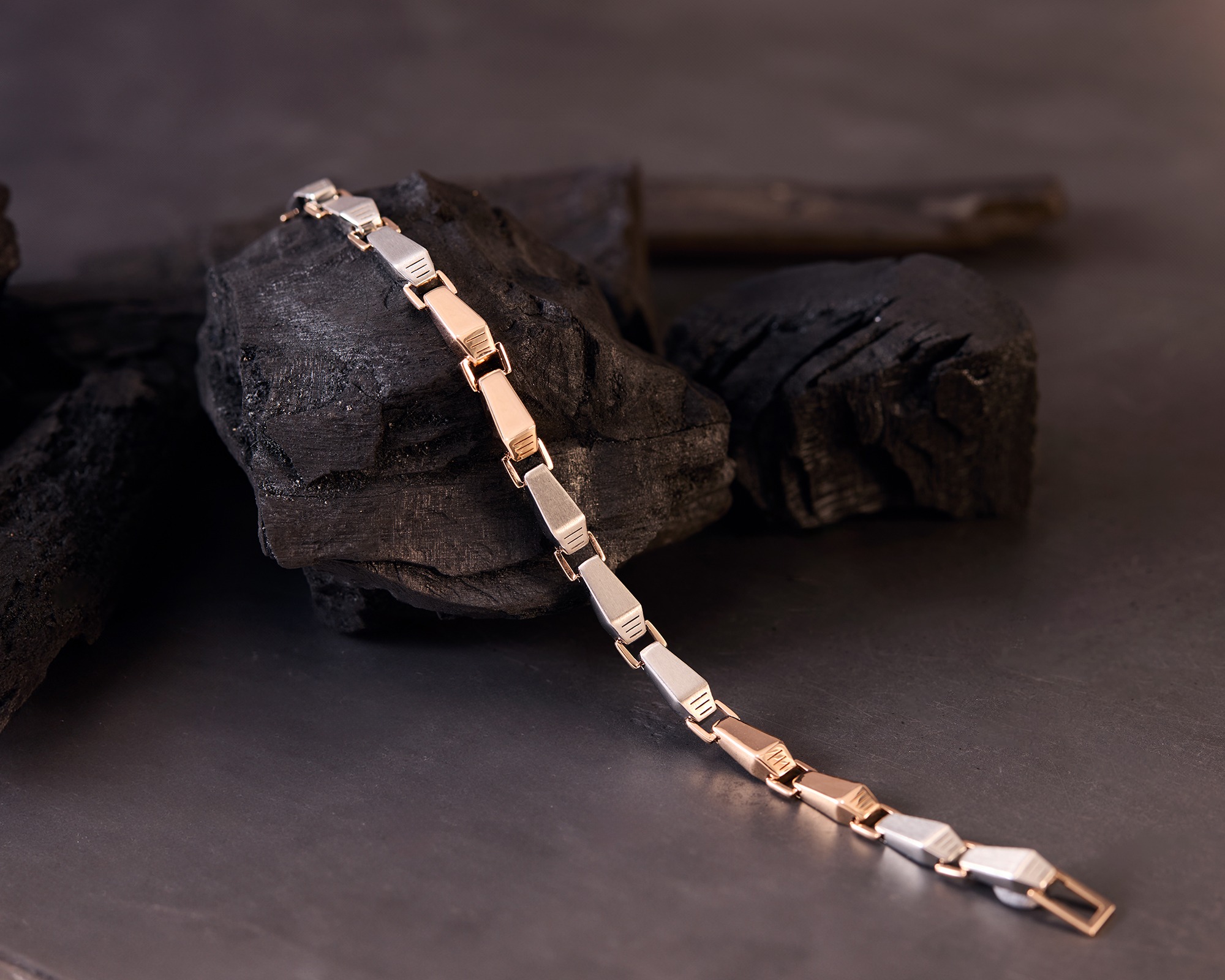 Trending
Contemporary Platinum
Ideal for minimalist brides, fusion weddings, and modern lehenga styles. Excellent for diamond settings and sleek geometric patterns. Price range: ₹2-12 lakhs for complete bridal sets.
Budget Planning and Investment Value
Platinum's higher initial cost stems from both metal rarity and manufacturing complexity. The pure metal costs ₹2,800-3,200 per gram versus gold's ₹5,800-6,200 per gram, but platinum's density means you need more grams for equivalent volume. A typical bridal necklace weighing 50 grams in gold requires 75+ grams in platinum due to density differences.
Labor charges create the real price gap most couples underestimate. Platinum craftsmanship costs 40-60% more than gold due to specialized tools, longer working time, and fewer skilled artisans. A design costing ₹800 per gram in gold labor will cost ₹1,200-1,400 per gram in platinum. This multiplies significantly for intricate bridal sets with detailed work.
Long-term value considerations extend beyond purchase price. Gold maintains better liquidity and standardized resale rates globally, while platinum's resale market remains smaller in India. However, platinum's durability means lower replacement and repair costs over decades. A 20-year analysis often shows platinum's total cost of ownership competitive with gold when factoring maintenance expenses.
Hidden costs emerge post-purchase. White gold's rhodium replating costs ₹2,000-5,000 annually for bridal sets, while platinum needs only cleaning. Insurance premiums differ based on theft rates—gold jewelry faces higher theft risk due to better street-level liquidity. Use Happiffie's Reverse Auction to compare total ownership costs from multiple verified jewellers before deciding.
Budget-Friendly
18K gold sets with moderate craftsmanship, standard designs
Best for traditional ceremoniesMid-Range
22K gold or basic platinum with custom elements
Most popular choicePremium
Platinum with diamonds, intricate craftsmanship, designer pieces
For luxury weddings💰 Money-Saving Tips
- Book during Akshaya Tritiya for traditional gold discounts and auspicious timing.
- Use Happiffie's Reverse Auction to get competitive quotes from multiple certified jewellers.
- Consider mixed-metal designs to balance platinum's elegance with gold's affordability.
- Plan 6+ months ahead for custom platinum work to avoid rush charges.
- Negotiate making charges separately - they're often more flexible than metal prices.
Frequently Asked Questions
Indian brides often have specific concerns about platinum versus gold that go beyond basic comparisons. Here are the most common questions based on real wedding planning experiences.
Final Thoughts
The platinum versus gold decision ultimately comes down to matching metal properties with your personal style, wedding timeline, and long-term lifestyle. Neither choice is universally superior—each metal excels in different scenarios and serves different bride priorities. The key is honest assessment of your actual needs rather than following trends or family pressure.
Make your metal choice based on skin tone testing and maintenance commitment, not just initial price comparisons. The biggest mistake brides make is choosing based on others' weddings without considering their unique coloring, ceremony style, and post-wedding jewelry habits. Your decision should reflect how you'll actually wear and maintain these pieces for decades, not just how they'll look in wedding photos.
Whether you choose platinum's modern durability or gold's traditional warmth, Happiffie's verified network ensures you're working with skilled craftspeople who understand both metals' properties and your specific requirements. The right choice is the one that makes you feel confident and beautiful while fitting realistically into your wedding budget and lifestyle plans.
Ready to Find Your Perfect Wedding Jewellery?
Let Happiffie connect you with verified jewellers specializing in both platinum and gold bridal sets.
Are you a Vendor? Grow Your Business with Happiffie!
- High intent verified leads
- Reverse auction opportunities
- AI business tools & insights
- Dedicated vendor dashboard
- Grow your business, your way
It's free & takes less than 2 minutes!