Complete Guide to Event Staffing: Hosts, Ushers & Coordinators (2026)
Everything you need to know about hiring professional event staff for your wedding or celebration

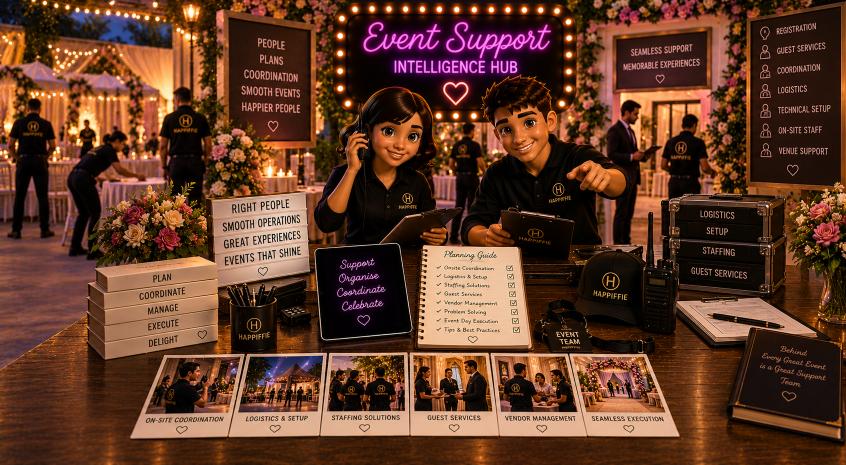 Need help on event day? Looking for smoother coordination?
 Ideas, inspiration and expert insights for onsite coordination, event logistics, staffing, vendor support, guest assistance and seamless event-day execution.

Everything you need to know about hiring professional event staff for your wedding or celebration
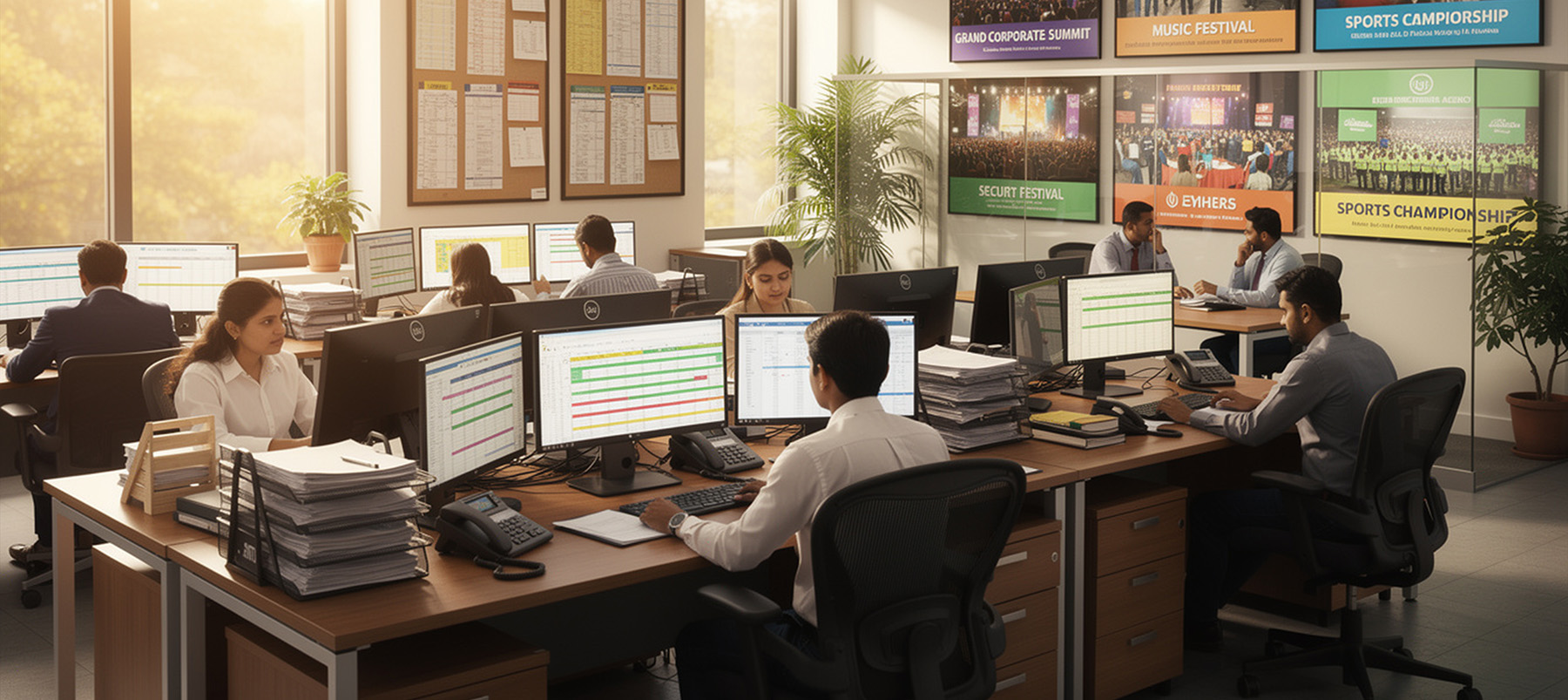
Expert guide to leveraging professional manpower agencies for seamless large event management and wedding celebrations
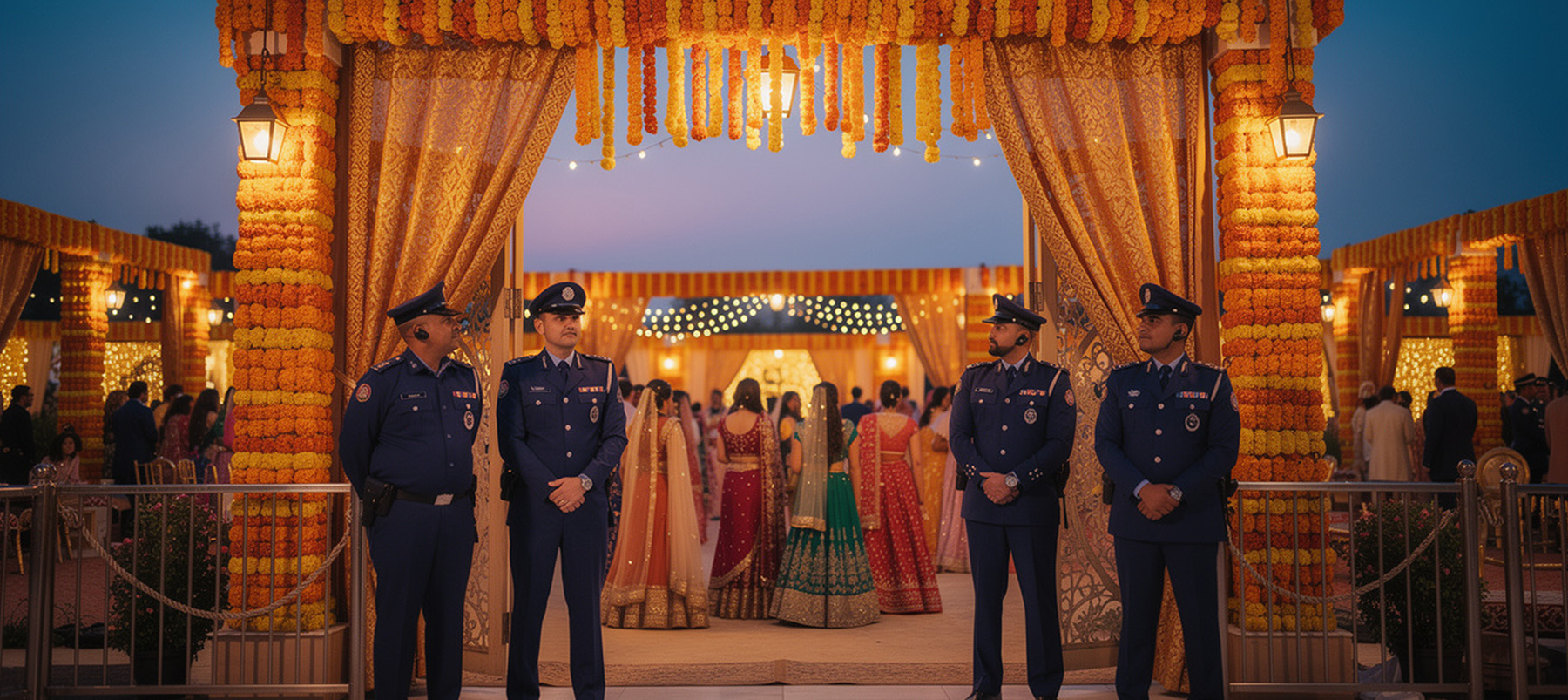
Expert strategies for securing luxury weddings and celebrity events in India
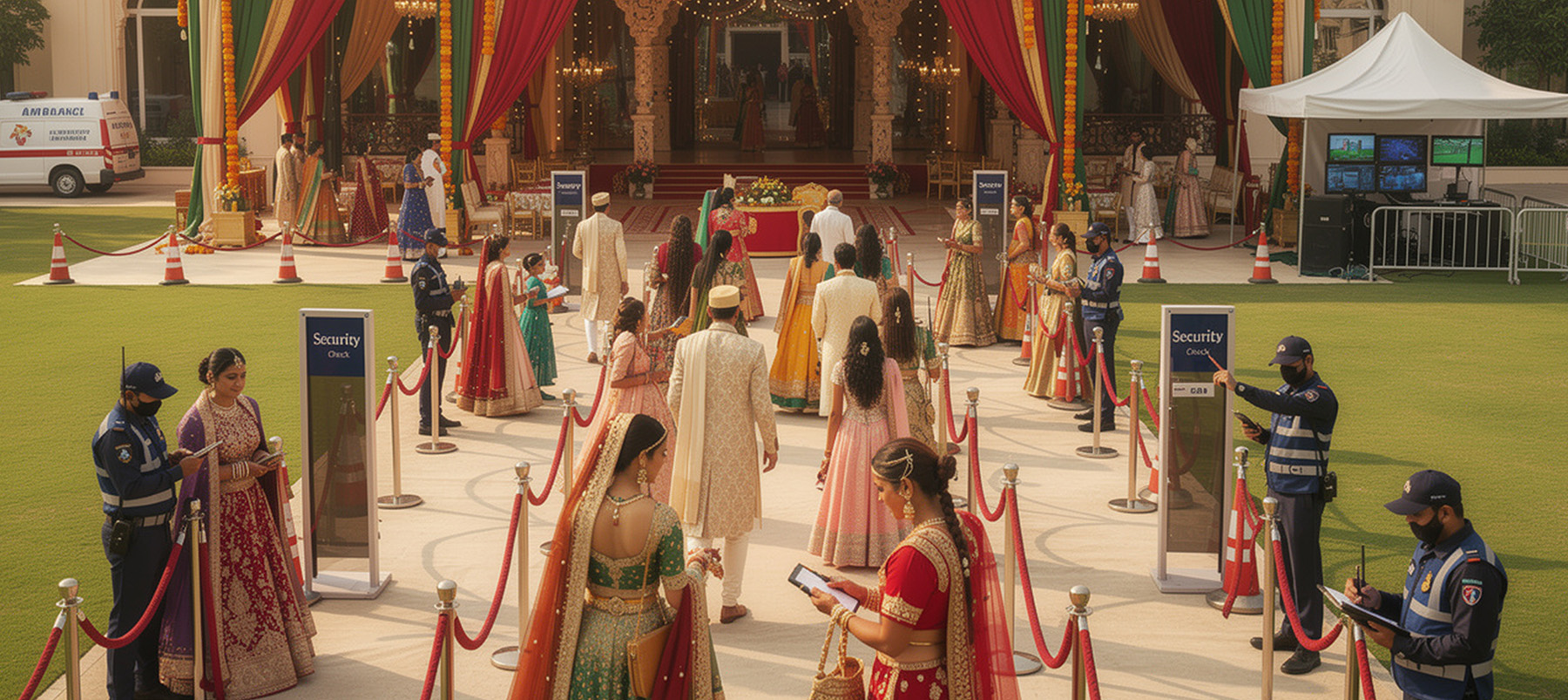
Complete security planning strategies to ensure safe, memorable celebrations for your guests

Essential security planning guide for weddings, parties, and corporate events in India
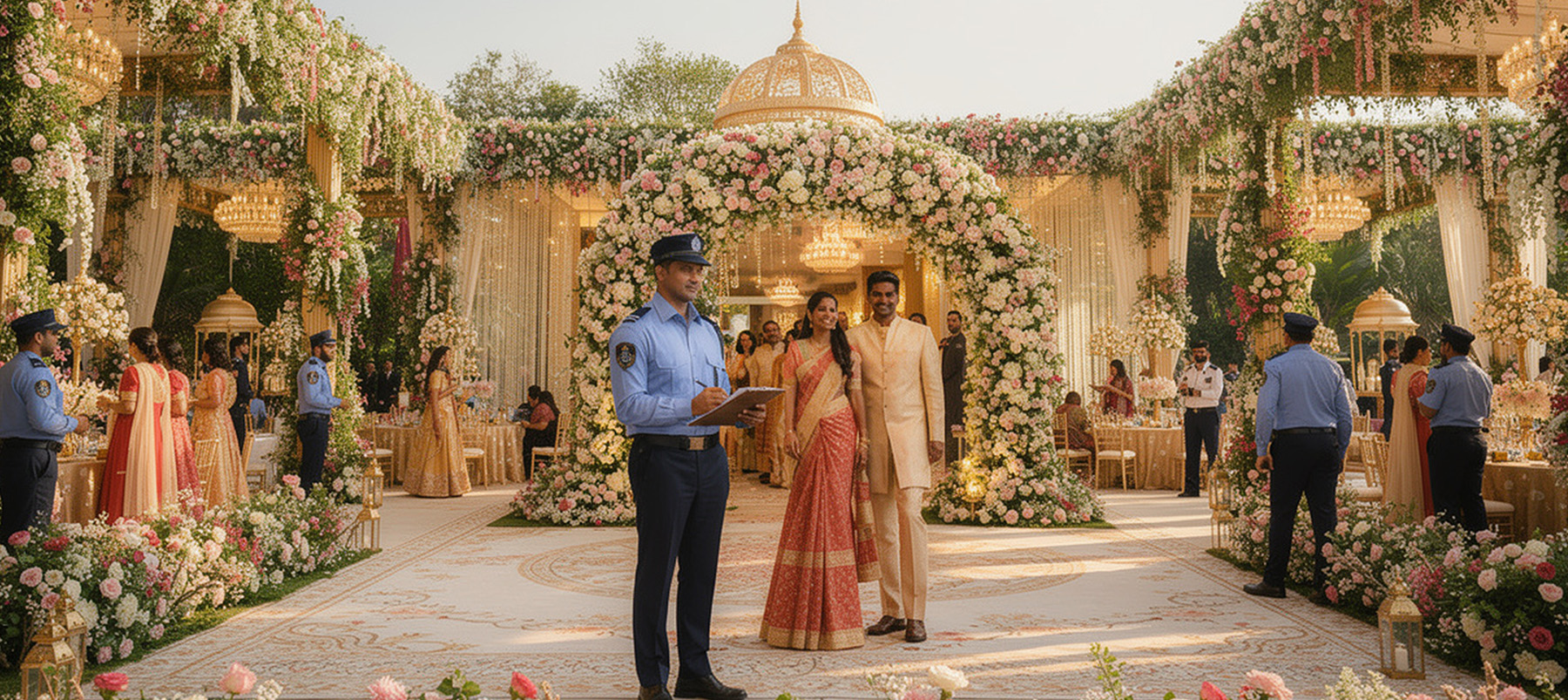
Complete guide to professional security planning for safe, memorable celebrations

Master the art of obtaining permits and approvals for your events effortlessly
Get the latest event logistics tips, onsite coordination ideas, staffing guidance, vendor support insights and event-day planning advice straight to your inbox.

A successful event depends on more than choosing the right venue, décor and entertainment. Once planning turns into execution, hundreds of small details need to come together at the right time. Vendors need access, equipment needs to arrive, guests need assistance, schedules need to stay on track and unexpected changes may need to be handled quickly. Reliable event support helps connect these moving parts and creates a smoother experience for hosts, guests and event teams.
Explore practical ideas and planning insights for onsite coordination, event logistics, vendor management, guest assistance, event staffing, setup and event-day operations. From weddings and birthday parties to corporate events, conferences, private celebrations and destination occasions, discover ways to organize the operational side of an event across different venues and cities in India.
Event-day execution is where detailed planning meets real-world conditions. Even a well-prepared celebration can involve last-minute changes, delayed deliveries, guest questions, vendor coordination or adjustments to the schedule.
Onsite event support focuses on keeping the planned experience moving smoothly. A coordinated approach can help manage arrivals, setup activities, supplier communication, guest movement and important schedule changes without placing every operational responsibility on the host.
For larger celebrations, having clearly assigned responsibilities can make it easier to identify who handles venue coordination, vendor communication, guest assistance and event-day decisions.
Event logistics covers the practical movement of people, products, equipment and information before and during a celebration. Venue access, transportation, loading areas, setup schedules, storage, guest arrival and supplier movement can all affect how efficiently an event operates.
Begin by creating a logistics plan based on the venue layout and event schedule. Identify where each vendor needs to arrive, where equipment will be unloaded and how materials will move from the access point to the required event area.
A clear logistics plan is particularly useful for weddings, large parties, conferences and outdoor celebrations where several suppliers may need access to the venue within a limited setup window.
Event setup can involve décor, furniture, catering equipment, entertainment systems, signage, lighting, stages and guest facilities. Coordinating these activities in the correct order helps prevent one supplier from interfering with another.
Create a setup schedule that includes vendor arrival times, venue access, installation windows and final inspection. Critical elements should be completed early enough to allow time for testing and adjustments.
The breakdown phase also requires planning. Suppliers may need to remove equipment immediately after the event, while some venue areas may have specific handover requirements. A structured dismantling plan can help protect venue property and reduce unnecessary delays.
Events frequently involve several specialist vendors working at the same location. Caterers, decorators, photographers, entertainers, DJs, florists, technical teams and transportation providers may all have different schedules and requirements.
Vendor coordination can be simplified by maintaining a central contact list containing supplier names, responsibilities, arrival times and important instructions. The event team can then use this information to communicate changes quickly.
A shared schedule also helps vendors understand when their work needs to be completed. This is particularly important when one supplier's setup depends on another team's work being finished first.
Guests should be able to understand where to go, where to sit and what happens next without repeatedly asking the host. Event support can help create a more organized guest experience through clear communication and coordinated assistance.
Depending on the event, guest support may involve registration, welcome desks, seating guidance, parking information, accommodation directions, transportation coordination or assistance for elderly guests and families.
For weddings and destination events, guest assistance can become especially important because attendees may be unfamiliar with the venue, city or event schedule.
Weddings often involve several functions, venues and suppliers, making coordination particularly important. Engagements, haldi, mehendi, sangeet, ceremonies and receptions may each require separate schedules and setup arrangements.
Wedding event support can focus on coordinating vendor arrivals, guest movement, décor installation, catering readiness, photography schedules, entertainment and venue transitions.
For multi-day weddings, create a master itinerary covering each function, venue, supplier and key activity. Individual schedules can then be prepared for each celebration while keeping the overall wedding timeline connected.
Birthday celebrations may appear simpler than large weddings, but themed parties and milestone celebrations can still involve multiple suppliers and timed activities.
A birthday party may require coordination between decorators, caterers, entertainers, photographers, DJs, cake providers and venue staff. Children's celebrations may also require careful management of activities and guest movement.
Milestone birthdays can involve larger guest lists, performances, special entrances and audiovisual production. Event-day coordination helps keep these elements organized while allowing the host to focus on enjoying the celebration.
Corporate events often depend on precise timing and communication. Conferences, product launches, award ceremonies, annual celebrations, seminars and employee events may include speakers, presentations, registrations, entertainment and technical production.
Corporate event support can help coordinate venue access, registration areas, speakers, presentation schedules, catering transitions, audiovisual teams and guest movement.
A detailed run sheet can be particularly valuable for professional events because speakers, technical teams and venue staff can use it as a shared reference throughout the day.
Conferences and seminars typically involve structured agendas with multiple sessions, speakers and audience transitions. Registration, seating, presentations, microphones and timing all need to work together.
Prepare a speaker schedule with arrival times, session timings and presentation requirements. Technical teams should have sufficient time to test microphones, screens and presentation materials before the audience enters.
Event support can also help manage transitions between sessions, direct attendees and communicate schedule changes when required.
The venue is the central point around which most event logistics are organized. Before the event, confirm access times, loading areas, parking, storage spaces, electrical requirements, setup restrictions and vendor policies.
During setup, communication with venue representatives can help resolve access or operational questions. The event team should also understand areas that require special care, such as flooring, walls, electrical connections and restricted spaces.
For outdoor events, venue coordination should additionally consider weather conditions, guest facilities, lighting, power and contingency arrangements.
The first few minutes of an event can influence the overall guest experience. A clearly organized arrival process can reduce confusion and create a welcoming atmosphere.
For larger events, registration desks or welcome counters should be positioned where guests can easily find them. Signage, staff placement and guest lists can help manage arrivals efficiently.
Corporate events may require badge collection or registration verification, while weddings and private celebrations may focus more on welcome assistance and seating guidance.
Transportation can become a significant planning consideration when guests, vendors or equipment need to travel between locations.
Destination weddings, multi-venue celebrations and corporate events may require coordinated transfers between hotels, venues, airports and event locations. Create a transportation schedule with pickup points, departure times and relevant contact details.
Equipment transportation should also be coordinated with vendor setup schedules. Audio systems, lighting equipment, décor materials and staging components may need specific delivery windows.
A clear staffing structure can help prevent confusion during event execution. Different team members can be responsible for guest assistance, vendor communication, venue coordination, registration, backstage support or schedule management.
The number of people required depends on the size and complexity of the event. A small private gathering may need only limited assistance, while a large wedding or corporate event can require several operational roles.
Define responsibilities before the event so that team members know who makes decisions and who should be contacted when an issue occurs.
A run sheet provides a chronological view of the event. It can include setup activities, guest arrival, ceremonies, meals, speeches, performances, entertainment, photography moments and closing activities.
For each important activity, include the expected time, responsible team and relevant vendor requirements. This makes it easier to identify dependencies between different parts of the program.
Keep a practical version available to the people responsible for event execution. The document should be easy to update when timings change.
Good event support includes preparation for situations that may not go according to plan. Weather changes, supplier delays, equipment issues, traffic problems or unexpected guest requirements can affect the schedule.
Create contingency options for the most important event elements. Outdoor celebrations may require an alternative indoor space, while large productions may benefit from backup equipment and additional technical support.
The objective is not to predict every possible problem. Instead, identify the issues most likely to affect the event and decide in advance how the team will respond.
Outdoor events can require additional logistical planning because weather, terrain, access and power conditions can change the operating environment.
Consider guest pathways, shade, rain protection, electrical distribution, equipment placement, parking and vendor access. Production equipment should be positioned with the environment and weather conditions in mind.
Outdoor weddings, festivals, birthday parties, concerts and corporate gatherings can benefit from an event-day plan that clearly identifies alternative arrangements if conditions change.
Destination events require coordination beyond the main venue because guests and suppliers may be travelling from different locations.
Accommodation, airport transfers, local transportation, venue access and multi-day schedules should be considered together. Guests should receive clear information about important timings and locations before travelling.
For destination weddings and celebrations, a guest itinerary can bring together travel information, accommodation details, function schedules and transportation arrangements in one easy-to-follow format.
Some celebrations take place across several venues or locations. Weddings may move from a ceremony venue to a reception space, while corporate programs may use separate areas for registration, sessions, dining and entertainment.
When multiple locations are involved, transportation and timing become especially important. Allow sufficient transition time between venues and communicate changes clearly to suppliers and guests.
A master logistics schedule can help the event team understand where people and equipment need to be at each stage of the celebration.
Catering is closely connected to event timing. Food preparation, service, guest movement and table arrangements need to align with the overall schedule.
Coordinate catering access, setup areas, service timings and meal transitions with the venue and catering team. For large events, consider how guests will move through dining areas without creating unnecessary congestion.
Hospitality planning can also include welcome refreshments, special dietary requirements, guest assistance and service coordination.
Photography and videography teams often need access to specific locations at specific times. Coordinating their schedule with the event timeline can help ensure important moments are not missed.
For weddings, this may include preparations, ceremonies, couple portraits, entrances, performances and reception moments. Corporate events may require coverage of speakers, award presentations, networking and branded activities.
An event support team can help communicate schedule changes so creative teams can move efficiently between locations.
Technical production often requires significant setup time and careful venue coordination. Audio systems, lighting, LED displays, stages and entertainment equipment may need to be installed and tested before guests arrive.
Confirm equipment access, power requirements, setup areas and technical schedules with the production team. If performances or presentations are involved, include sound checks and technical rehearsals in the event timeline.
Coordination between the production team and other vendors can reduce conflicts during setup and help maintain a clean event environment.
Décor installation can involve multiple areas, including entrances, stages, dining spaces, photo zones and guest seating. Floral teams and decorators may require access several hours before the event begins.
Establish a setup sequence so that large installations are completed before smaller decorative details are added. This can reduce unnecessary movement through finished areas.
Final checks should confirm that décor, signage, seating and guest pathways are ready before guests enter.
Different celebrations require different forms of operational support. Engagement parties may need guest coordination and décor setup, while weddings may involve multi-function logistics. Birthday events can require entertainment and cake timing, and corporate events may prioritize registration and presentation management.
The event format should therefore determine the support structure. A flexible approach makes it easier to allocate resources according to what the celebration actually needs.
Event logistics can vary considerably between cities because venues, traffic conditions, weather, local suppliers and celebration styles differ.
In Chennai, Bengaluru, Hyderabad, Mumbai, Delhi, Pune, Kochi, Jaipur, Ahmedabad, Kolkata and Goa, event teams may work across hotels, banquet halls, convention centres, outdoor venues, resorts and destination properties.
Location-focused planning should consider venue access, transportation, supplier availability, guest travel and the specific requirements of the celebration.
Large events require greater attention to movement, communication and operational responsibilities. Guest registration, parking, seating, catering, technical production and vendor access can all become more complex as attendance increases.
Divide the event into operational zones where appropriate. Assign clear responsibilities for guest areas, production areas, vendor access and venue communication.
A central event coordinator or operations lead can help keep information flowing between different teams and make decisions when the schedule changes.
Smaller events can benefit from event support too, particularly when the host wants to enjoy the occasion instead of managing suppliers throughout the day.
A compact support plan may focus on vendor arrivals, décor setup, catering readiness, entertainment timing, guest assistance and final venue arrangements.
The level of coordination should match the event rather than simply the guest count. A small celebration with several vendors and a detailed schedule may require more operational attention than a larger but simpler gathering.
Last-minute changes are common in event environments. A vendor may arrive late, the guest count may change, weather may affect an outdoor setup or a scheduled activity may need to move.
The best response is usually to prioritize essential event functions first. Guest safety, venue access, catering, technical requirements and major schedule commitments should receive immediate attention.
Keeping supplier contacts, venue information and the latest event schedule in one accessible place can make last-minute coordination significantly easier.
When evaluating event support, look beyond the number of staff or services listed. Consider communication, venue experience, organizational ability, vendor coordination and responsiveness during the event.
Ask how responsibilities will be divided, who will manage vendor communication and how schedule changes will be handled. For larger events, understand how the team plans to coordinate multiple operational areas.
Clear expectations before the event can help create better cooperation between the host, planner, venue and suppliers.
A final event-day checklist can bring the most important operational details together. Confirm venue access, supplier arrivals, décor completion, catering readiness, technical setup, guest areas and transportation.
Keep emergency contacts and key vendor information readily available. Confirm the event schedule before guests arrive and communicate any important changes to the relevant teams.
After the event, ensure that equipment collection, vendor departures, venue handover and outstanding logistics are also tracked.
Happiffie brings together practical inspiration for event support, onsite coordination and celebration logistics across India. Explore ideas covering vendor management, event setup, guest assistance, transportation, venue coordination, event staffing, schedules and event-day operations.
Whether you are planning a wedding, birthday party, corporate gathering, conference, private celebration or destination event, organized operational planning can make the experience smoother for everyone involved.
From the first vendor arrival to the final venue handover, every stage contributes to how an event feels. Explore Event Support insights with Happiffie and discover practical ways to coordinate the details behind memorable celebrations.