
North Indian Bridal Jewellery: Polki, Kundan & Diamond Explained
Complete guide to choosing between traditional polki, kundan, and diamond jewellery for your North Indian wedding
A Delhi bride recently spent ₹8 lakhs on a stunning kundan set, only to discover the stones loosened during her three-day wedding festivities. North Indian bridal jewellery involves complex decisions between polki's raw elegance, kundan's vintage appeal, and diamond's modern durability.
The choice becomes critical when you're planning multiple ceremonies across different climates and venues. From Punjabi weddings in November heat to Bengali receptions in air-conditioned banquets, your jewellery must survive photography sessions, dance performances, and endless rituals without losing its sparkle or structural integrity.
This comprehensive guide breaks down each jewellery type's practical considerations—from authentic craftsmanship markers to realistic pricing across Indian cities. We'll help you make an informed decision and connect you with verified jewellery vendors through Happiffie's trusted network.
📋 Table of Contents
Understanding the Three Jewellery Types
Polki represents India's oldest diamond cutting technique, using uncut diamonds in their natural crystalline form. These irregular stones create an organic, vintage aesthetic that photographs beautifully under traditional wedding lighting. However, polki's porous setting style makes it vulnerable to moisture and requires professional cleaning after each wear.
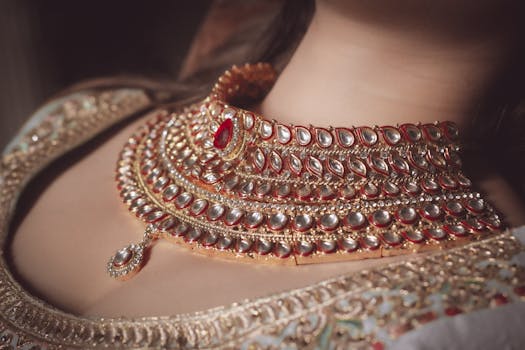
Kundan involves setting precious stones in refined gold, creating smooth surfaces perfect for intricate designs. A Jaipur bride's kundan choker can feature 200+ individual settings, each requiring hand-finished gold work. The technique originated in Mughal courts, explaining why kundan pieces often incorporate Persian motifs and elaborate patterns that complement heavy silk sarees.
Diamond jewellery offers maximum durability and light reflection, making it ideal for contemporary wedding photography. Modern diamond cutting techniques create brilliance that works under both natural and artificial lighting conditions. Lab-grown diamonds now provide identical visual appeal at 40-60% lower costs, though traditional families may prefer natural stones for auspicious ceremonies.
The manufacturing location significantly impacts quality and pricing. Jaipur remains the polki and kundan capital, while Mumbai dominates diamond jewelry production. Understanding these regional specializations helps couples source authentic pieces directly from skilled artisans and certified vendors rather than retail markups.
 Hiya
HiyaPro Tip: Always ask for a certificate of authenticity, especially for polki pieces. Many retailers mix semi-precious stones with diamonds without disclosure.
Key Decision Factors
Wedding duration and ceremony count directly influence jewellery durability requirements. A three-day Punjabi wedding with outdoor mehendi, indoor sangeet, and reception demands pieces that withstand heat, humidity, and constant movement. Polki's delicate settings may require mid-celebration repairs, while diamonds maintain sparkle throughout extended festivities.
Photography lighting conditions vary dramatically across North Indian wedding venues. Delhi's Taj Palace ballrooms use warm LED lighting that enhances kundan's golden tones, while outdoor mandap ceremonies in bright sunlight favor diamond's maximum light refraction. Understanding your venue's lighting setup helps predict which jewellery type photographs most flatteringly in your specific setting.
Family heritage preferences often override personal taste in North Indian weddings. Punjabi families traditionally favor heavy gold kundan sets passed down through generations, while modern Delhi families increasingly choose convertible diamond pieces that transition from bridal occasions to everyday elegance. Discussing these expectations early prevents last-minute family conflicts over jewellery choices.
Maintenance requirements become crucial for busy brides managing multiple pre-wedding events. Polki needs professional cleaning after each wear and specialized storage to prevent tarnishing. Kundan requires gentle handling to avoid stone displacement, while diamonds offer practically maintenance-free wear throughout your entire wedding celebration period. Consider your time constraints when selecting pieces through Happiffie's vendor comparison platform.
1. Durability & Longevity
Diamonds last decades with minimal care, kundan needs careful handling, polki requires professional maintenance. Consider your lifestyle and how often you'll wear these pieces post-wedding for maximum value.
2. Photography Impact
Diamonds create maximum sparkle under camera flashes, kundan offers warm golden tones, polki provides vintage texture. Match your choice to your photographer's lighting style and venue conditions.
3. Cultural Significance
Polki represents traditional Indian heritage, kundan symbolizes Mughal elegance, diamonds signify modern sophistication. Align your choice with family expectations and personal wedding theme preferences.
4. Investment Value
Diamonds retain resale value, polki's worth depends on craftsmanship quality, kundan's value lies in gold weight. Consider long-term financial implications beyond the wedding day purchase.
5. Comfort & Wearability
Heavy kundan sets may cause discomfort during long ceremonies, polki's irregular edges can catch on fabrics, diamonds offer smooth comfortable wear. Test pieces during dress fittings to ensure comfort.
Popular Jewellery Options
Hybrid jewellery combining multiple stone types has become increasingly popular among North Indian brides seeking versatility. A typical hybrid set features diamond studs with polki drops, allowing brides to remove the drops for a simpler post-wedding look. This approach maximizes investment value while honoring both traditional and contemporary aesthetics.
Modular jewellery systems allow customization based on specific ceremony requirements. A multi-way necklace transforms from a full bridal choker to separate shorter pieces for mehendi and reception events. Convertible designs particularly appeal to Delhi and Mumbai brides who want jewelry that transitions seamlessly from wedding grandeur to social occasion elegance.
Regional style preferences significantly influence popular choices across North Indian cities. Punjabi brides traditionally choose heavy kundan chokers with matching earrings and passa sets, while Bengali brides often prefer delicate polki work with intricate gold filigree. Understanding these cultural nuances helps select pieces that photograph authentically with your wedding's regional traditions.
Contemporary brides increasingly mix traditional pieces with modern diamonds to create unique signature looks. This trend allows incorporating family heirloom kundan pieces while adding fresh diamond accents that complement contemporary wedding photography styles. Explore diverse styling options through professional bridal stylists who understand North Indian jewellery traditions and modern adaptation techniques.
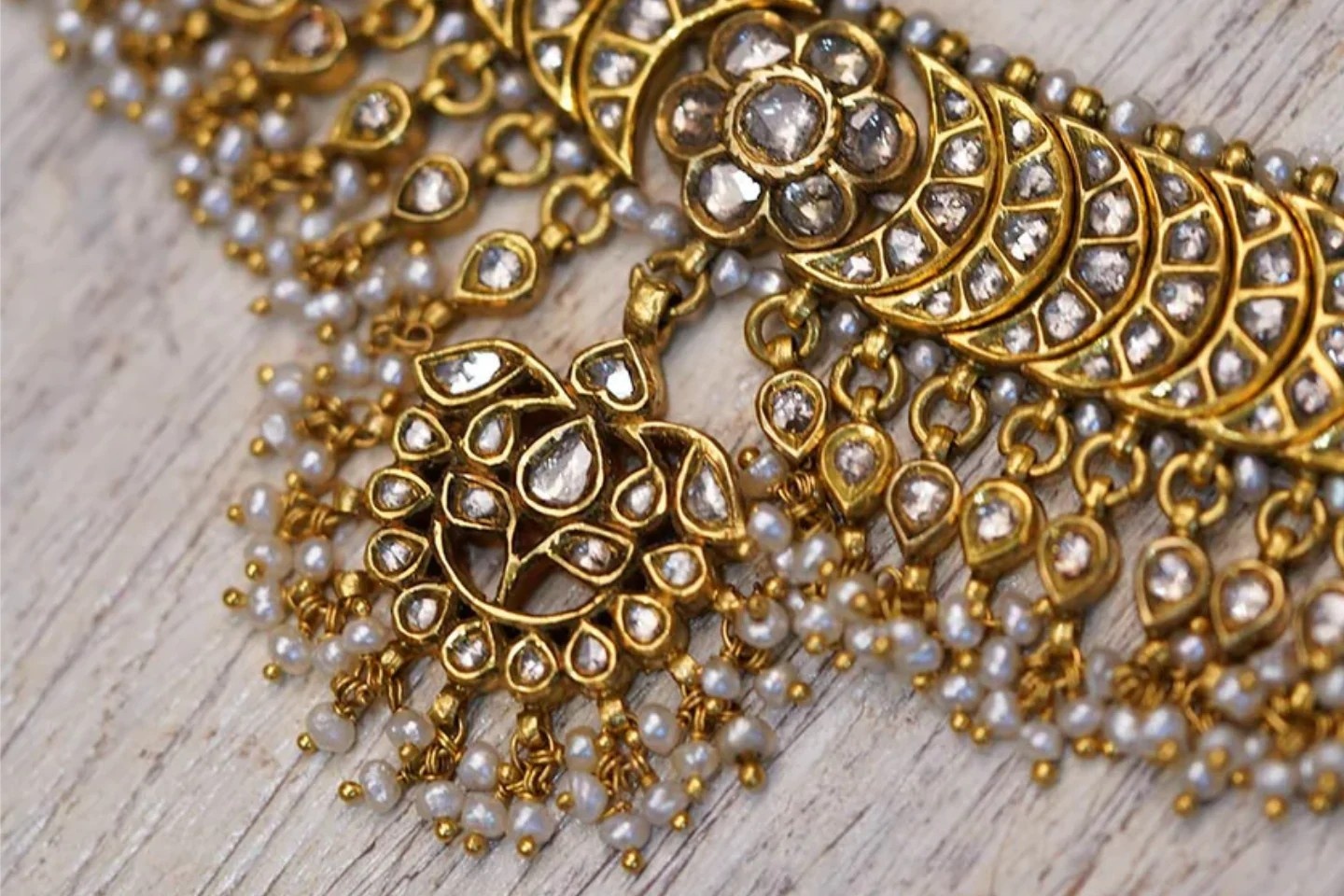 Most Traditional
Traditional Polki Sets
Authentic uncut diamond pieces with vintage appeal, perfect for traditional ceremonies. Best for brides wanting heritage aesthetics with natural stone beauty. Requires careful maintenance and professional cleaning.
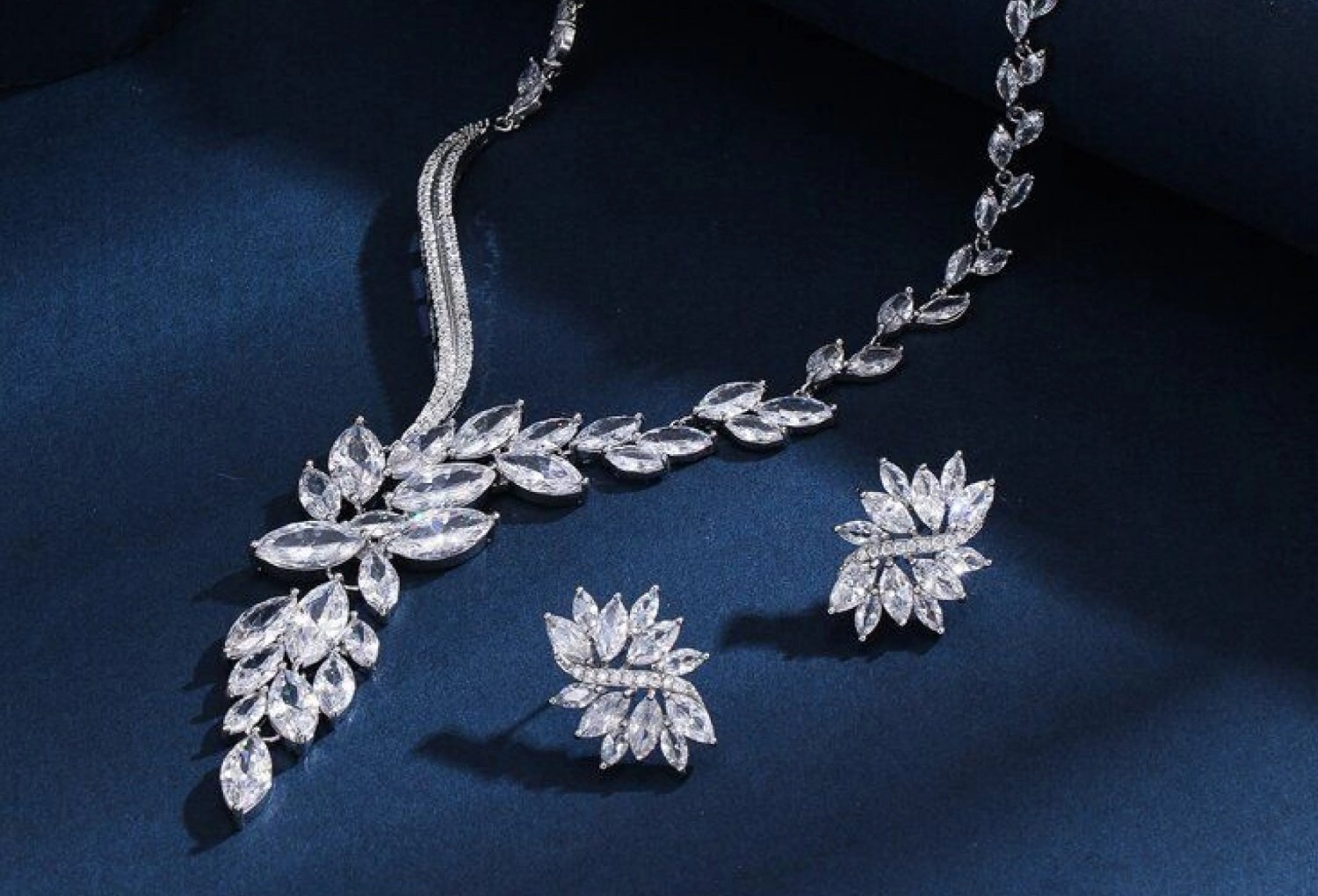 Most Practical
Modern Diamond Sets
Contemporary cut diamonds with maximum brilliance and durability. Perfect for modern venues with professional photography. Offers excellent long-term wearability and investment value retention.
Budget Planning Guide
North Indian bridal jewellery costs vary dramatically based on stone quality, gold weight, and craftsmanship complexity. A complete polki set from Jaipur's renowned artisans starts around ₹2.5 lakhs but can exceed ₹15 lakhs for museum-quality pieces with large uncut diamonds. The price differential primarily reflects the rarity and size of quality polki diamonds available in the market.
Kundan pricing depends heavily on gold weight and stone selection, with authentic pieces ranging from ₹1.5 lakhs to ₹20 lakhs. Mumbai's Zaveri Bazaar offers competitive rates, while Delhi's Dariba Kalan provides traditional craftsmanship at premium pricing. Hidden costs include professional cleaning services, insurance coverage, and potential repair work during multi-day celebrations that many couples overlook in initial budgeting.
Diamond jewellery offers the most transparent pricing structure, with certified stones priced according to international standards. Lab-grown diamonds provide identical beauty at 40-60% cost reduction, making luxury accessible for budget-conscious couples. Natural diamond sets typically range from ₹3 lakhs to ₹25 lakhs depending on carat weight, cut quality, and setting complexity.
Smart budgeting involves prioritizing statement pieces over complete sets, then building collections over time. Focus spending on highly visible pieces like necklaces and earrings, while choosing simpler designs for less prominent items. Utilize Happiffie's Reverse Auction system to compare quotes from multiple certified jewellers and secure competitive pricing for your specific requirements and quality preferences.
Budget-Friendly
Basic kundan or small diamond sets with gold-plated options
Best for intimate ceremoniesMid-Range
Quality polki or certified diamond sets with solid gold work
Most popular choicePremium
Museum-quality polki or large diamond sets with intricate craftsmanship
For grand celebrations💰 Money-Saving Tips
- Book during off-season months (May-August) when jewellers offer better rates and faster delivery.
- Use Happiffie's Reverse Auction to get competitive quotes from multiple certified vendors simultaneously.
- Consider modular sets where pieces can be worn separately, maximizing long-term value and versatility.
Frequently Asked Questions
These common questions address the practical concerns most North Indian brides face when selecting between polki, kundan, and diamond jewellery options for their wedding celebrations.
Final Thoughts
The choice between polki, kundan, and diamond jewellery ultimately depends on balancing personal style, family traditions, practical durability, and budget constraints. Each type offers distinct advantages that serve different wedding scenarios and long-term value propositions for North Indian brides seeking authentic beauty.
Commit to visiting at least three certified jewellers and requesting detailed certificates before making any purchase decisions. Avoid the common mistake of choosing based solely on initial visual appeal without considering maintenance requirements, comfort during long ceremonies, and photography impact under your specific venue conditions.
Happiffie simplifies this complex decision process by connecting you with verified artisans who understand North Indian wedding traditions and quality standards. Our platform ensures you receive authentic pieces at competitive prices while supporting skilled craftspeople who preserve these traditional jewelry-making techniques. Your wedding jewellery should enhance your natural radiance while honoring the rich cultural heritage of North Indian celebrations.
Ready to Find Your Perfect Bridal Jewellery?
Let Happiffie connect you with certified jewellery artisans and competitive pricing options.
Are you a Vendor? Grow Your Business with Happiffie!
- High intent verified leads
- Reverse auction opportunities
- AI business tools & insights
- Dedicated vendor dashboard
- Grow your business, your way
It's free & takes less than 2 minutes!