Forex Services for Destination Weddings: Complete Guide 2026
Navigate currency exchange, international payments, and financial planning for your dream destination wedding

 Looking for inspiration? Looking for transport intelligence?
 Ideas, inspiration and expert insights for event travel, guest transportation, transfers, vehicles, destination logistics and seamless journeys.

Navigate currency exchange, international payments, and financial planning for your dream destination wedding

Complete guide to booking private jets for Indian weddings - costs, luxury experiences, and expert… more

Complete guide to private air charter for weddings and events - from cost breakdown to… more

Master the art of organizing seamless travel experiences for your destination wedding guests with expert… more
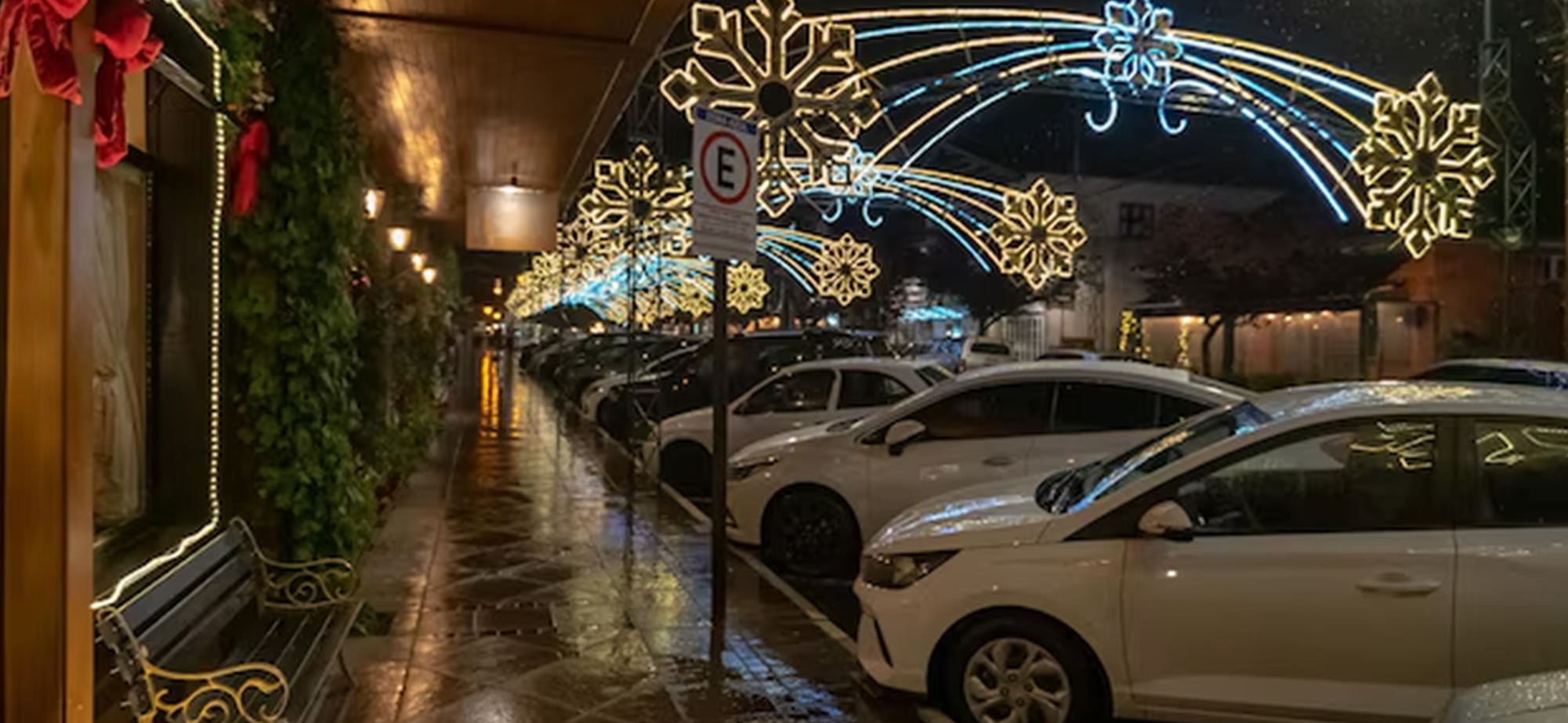
Complete guide to premium wedding car rentals in India with pricing, tips, and booking strategies
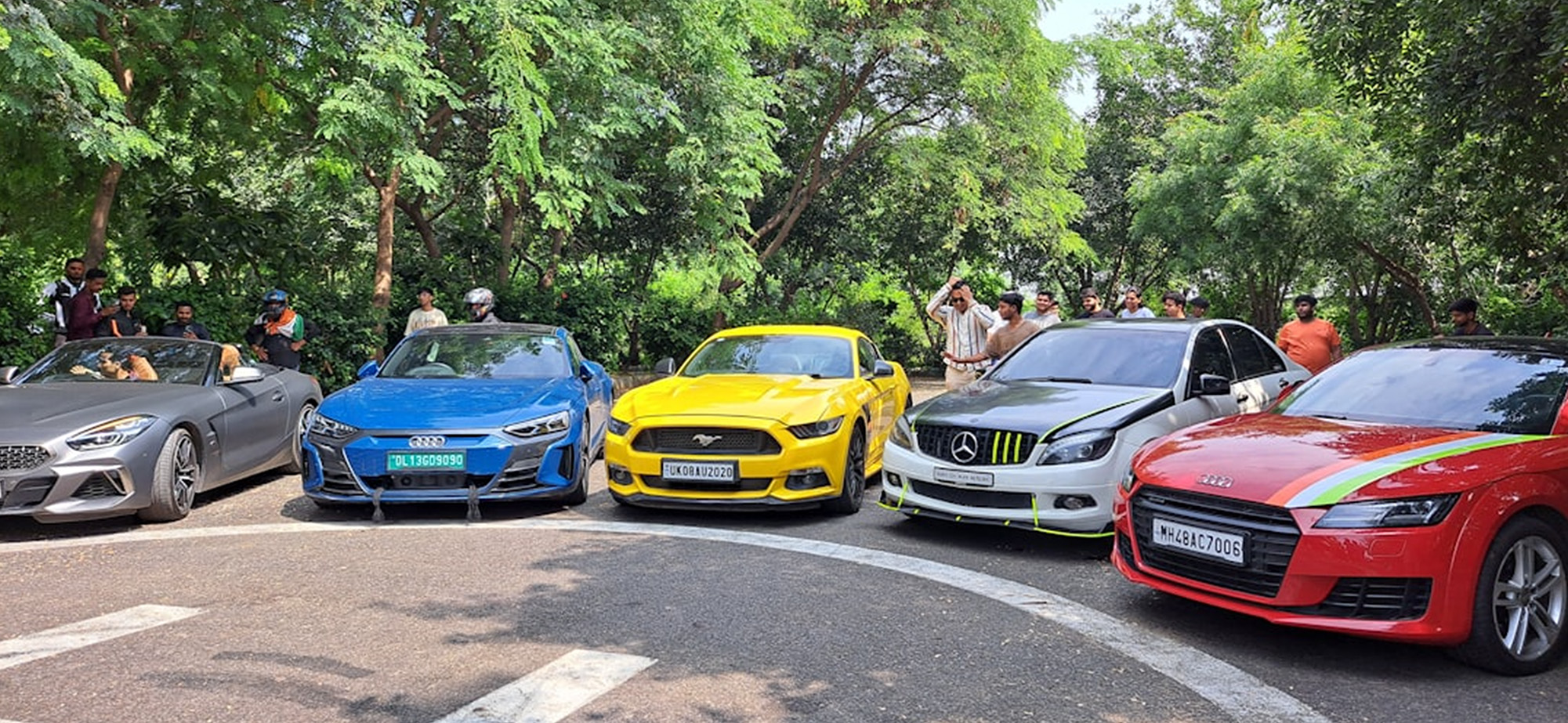
Complete guide to choosing the perfect wedding car rental - from vintage classics to luxury… more

Complete guide to avoiding unexpected transportation expenses and planning your wedding travel budget effectively
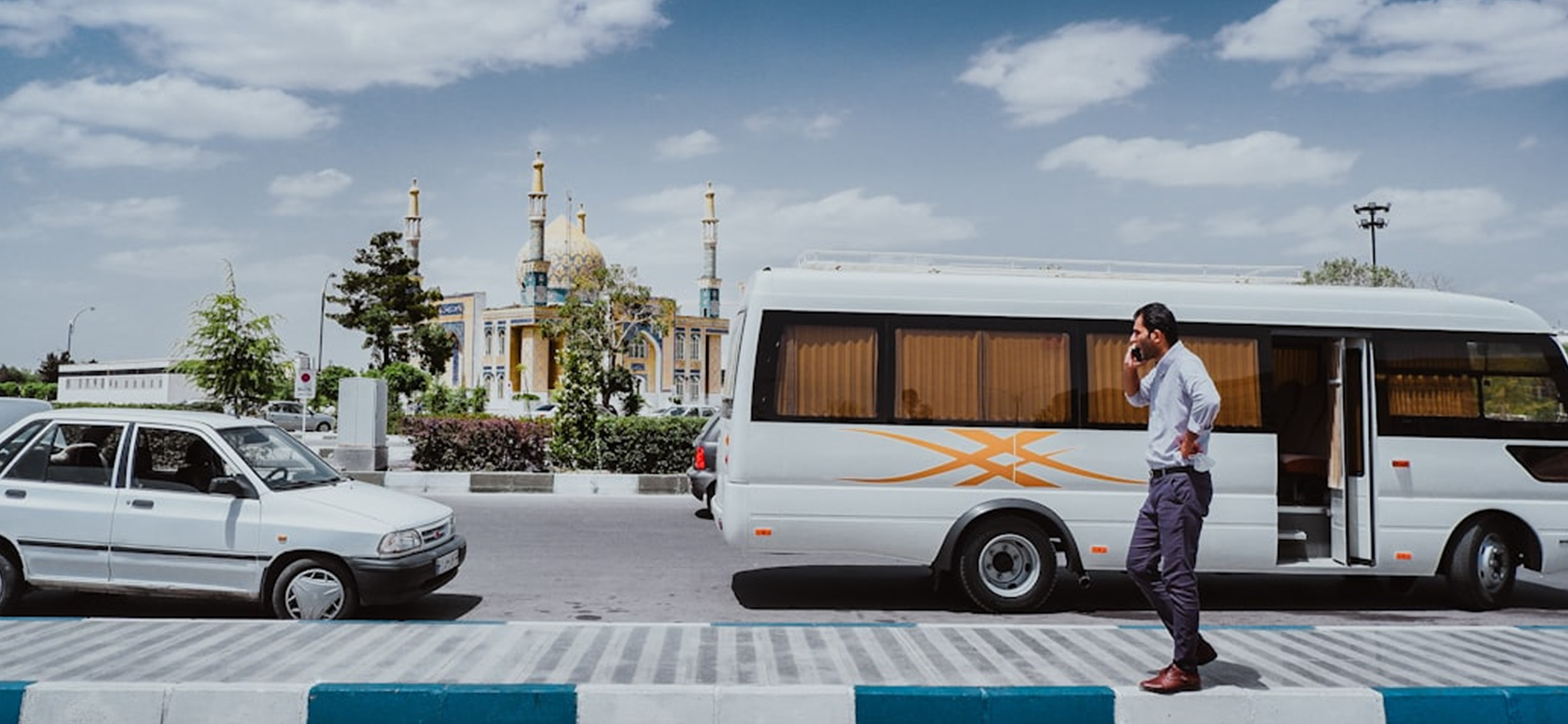
Create seamless guest arrivals with expert transport coordination and parking management strategies for your Indian… more
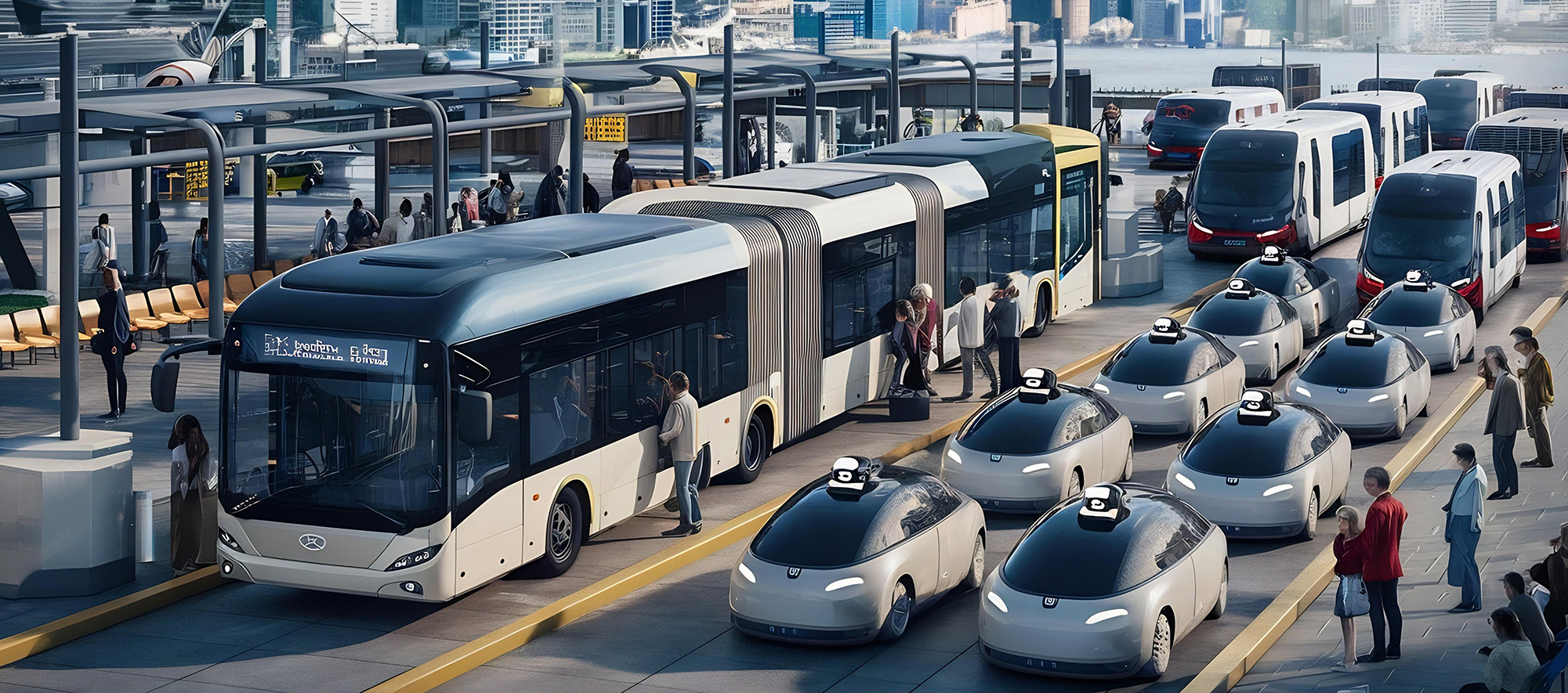
Discover how AI-powered logistics, luxury mobility solutions, and smart transport are revolutionizing wedding and event… more
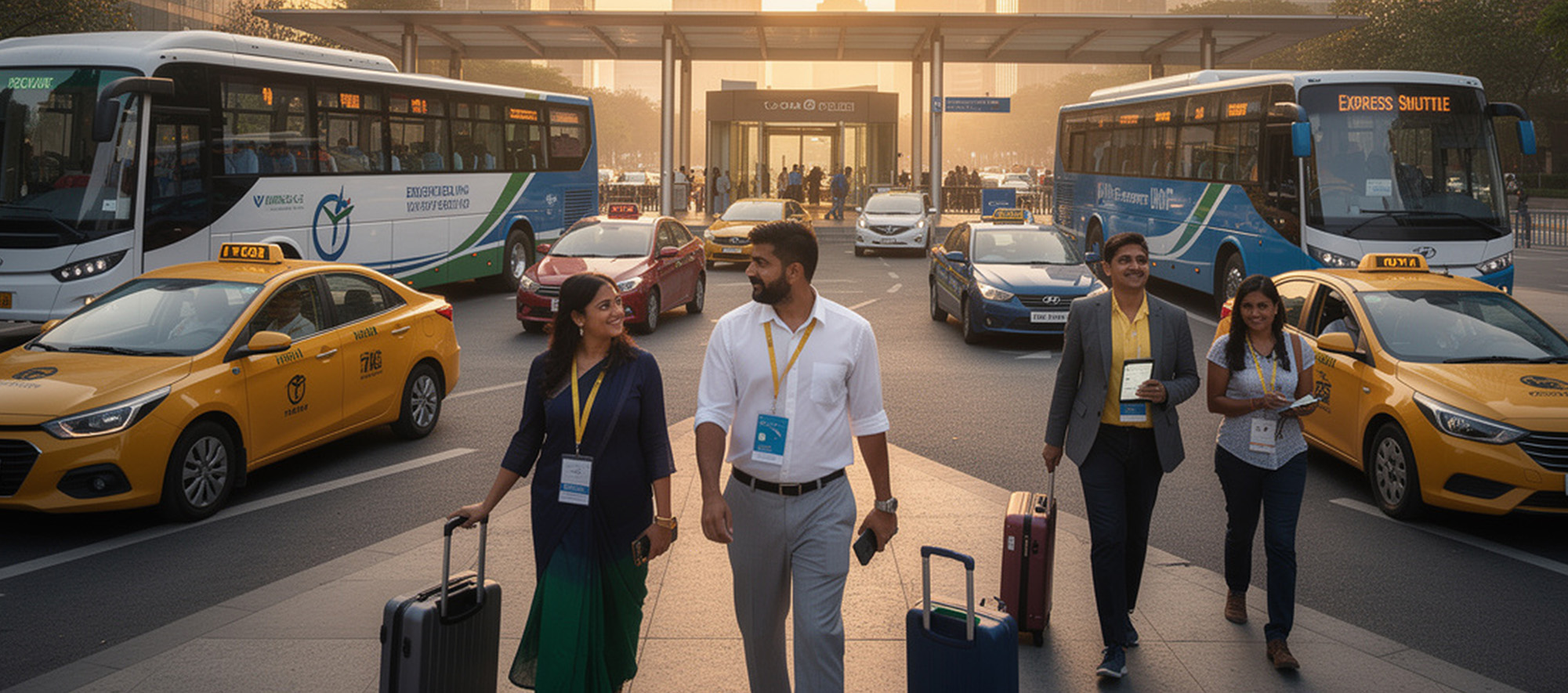
Complete guide to wedding and event transportation planning in India

Complete guide to wedding transportation planning with expert tips to avoid common pitfalls and ensure… more
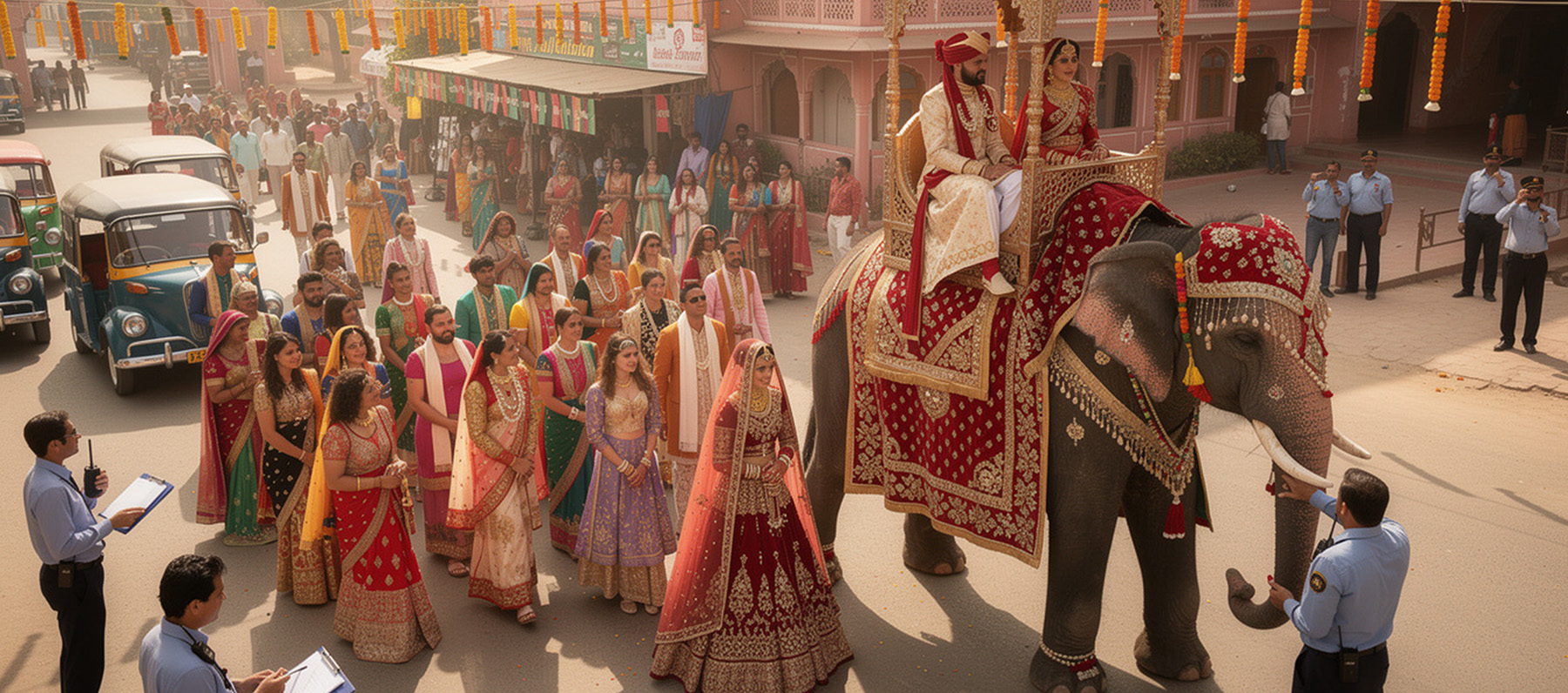
A comprehensive analysis of successful travel and transport coordination for Indian weddings with practical implementation… more
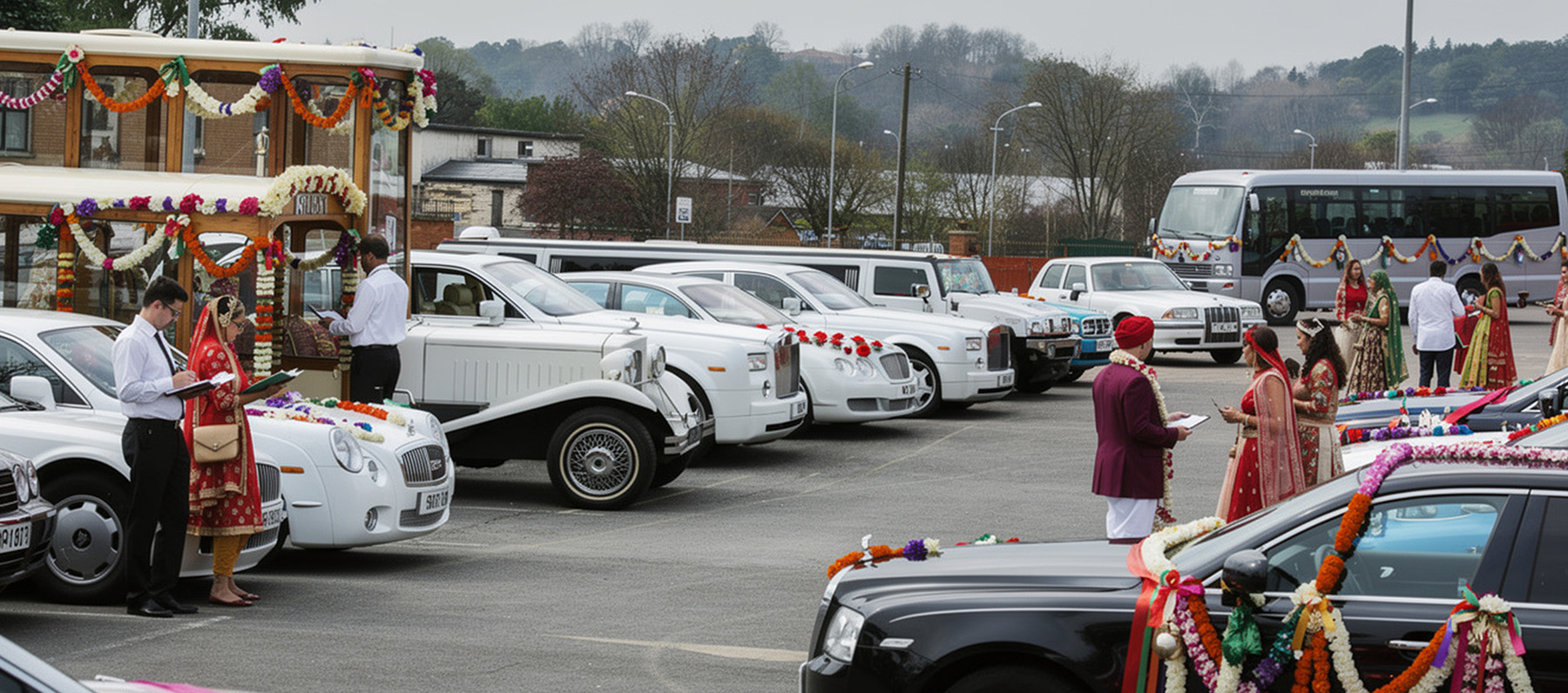
A comprehensive guide to organizing seamless transportation logistics for large Indian weddings
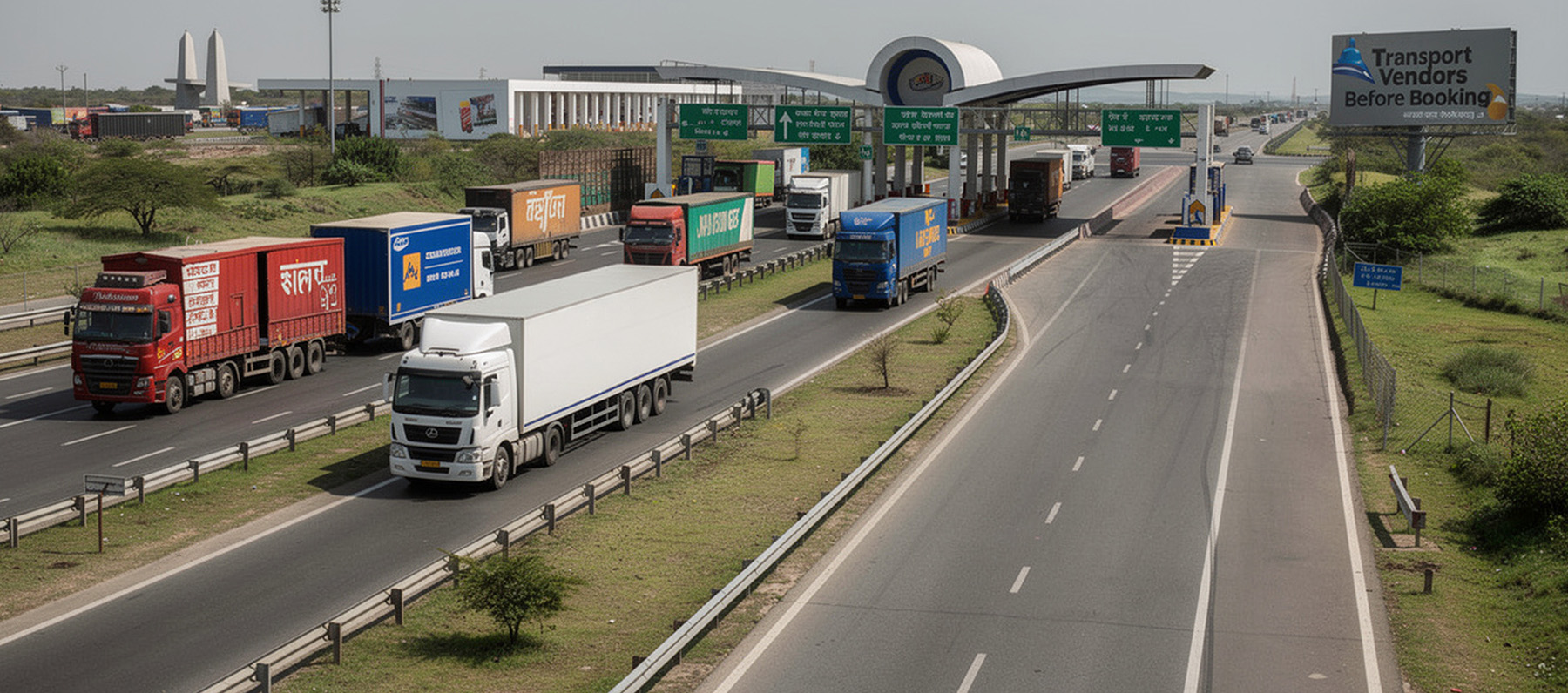
Expert strategies to evaluate and choose the perfect transport vendors for your wedding or event,… more
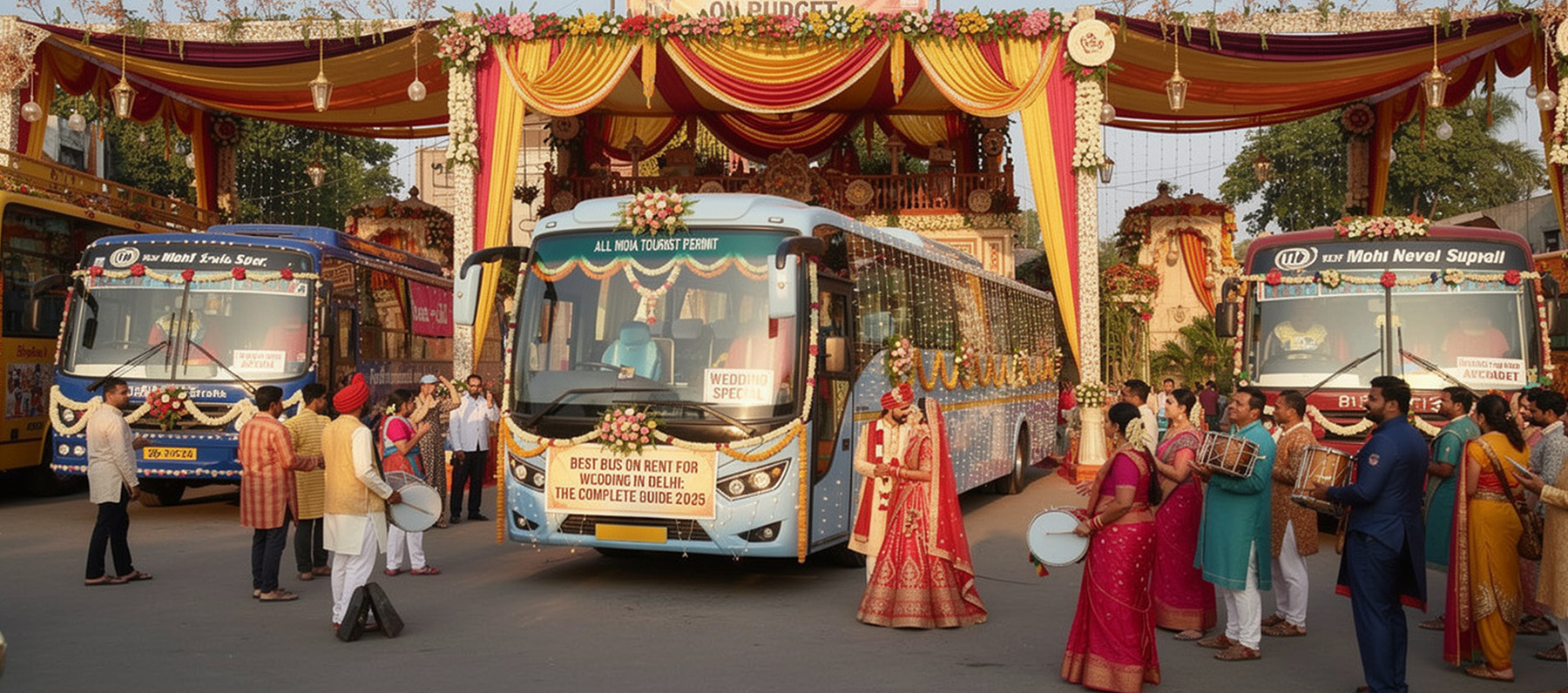
Expert guide to finding affordable wedding transport without compromising on style or comfort
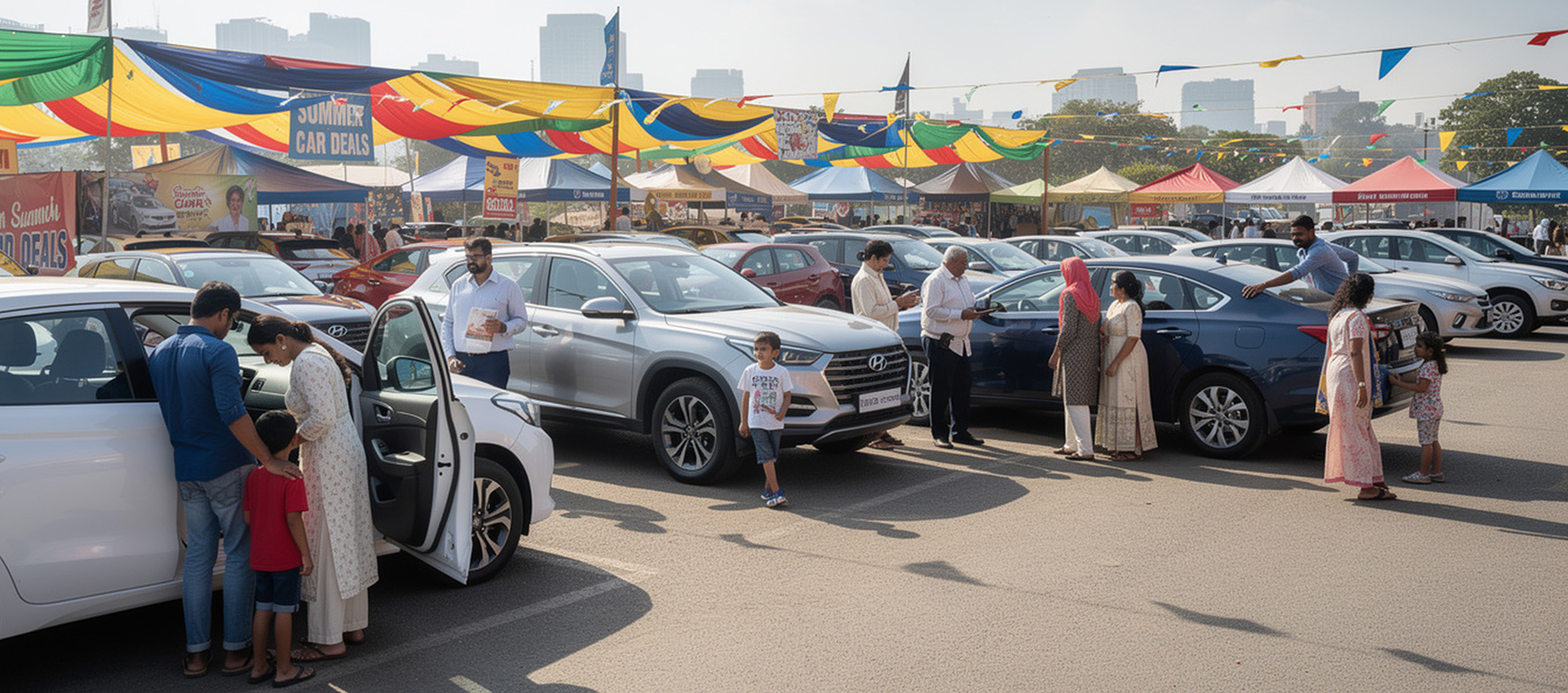
Comprehensive guide to car rental costs for weddings and events across major Indian cities with… more
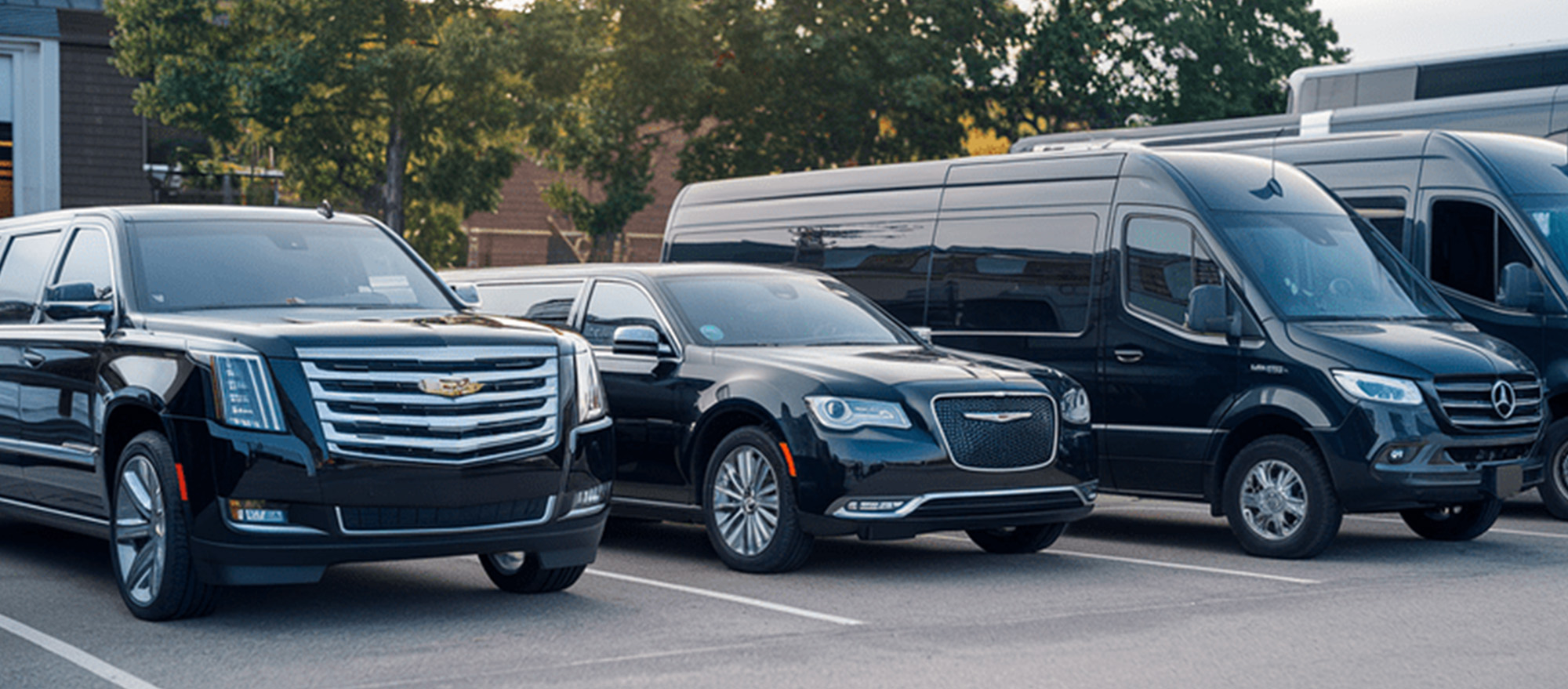
Master event transportation logistics with strategic planning, budget optimization, and seamless guest coordination for weddings… more

Master the art of seamless wedding coordination with expert transport and travel planning strategies for… more
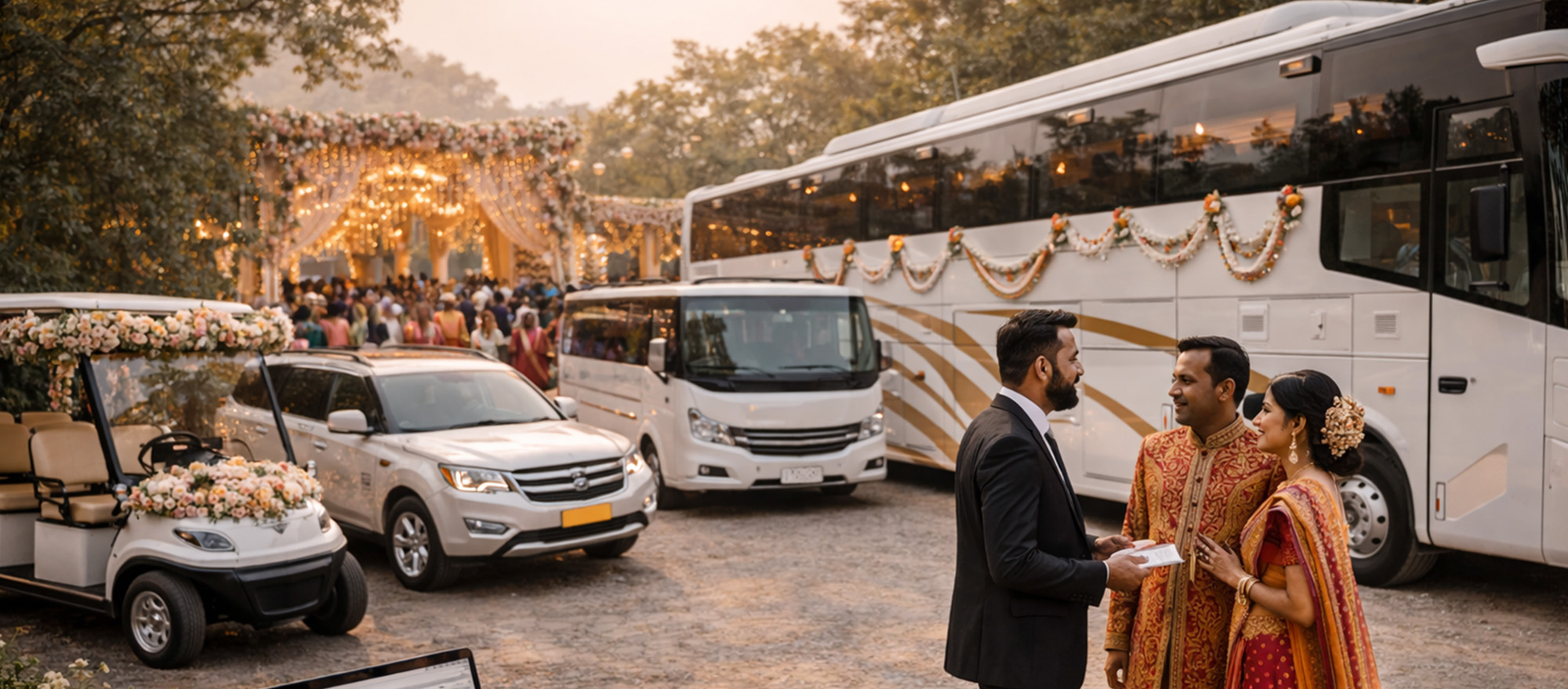
Complete guide to organizing seamless guest transportation for medium to large Indian weddings
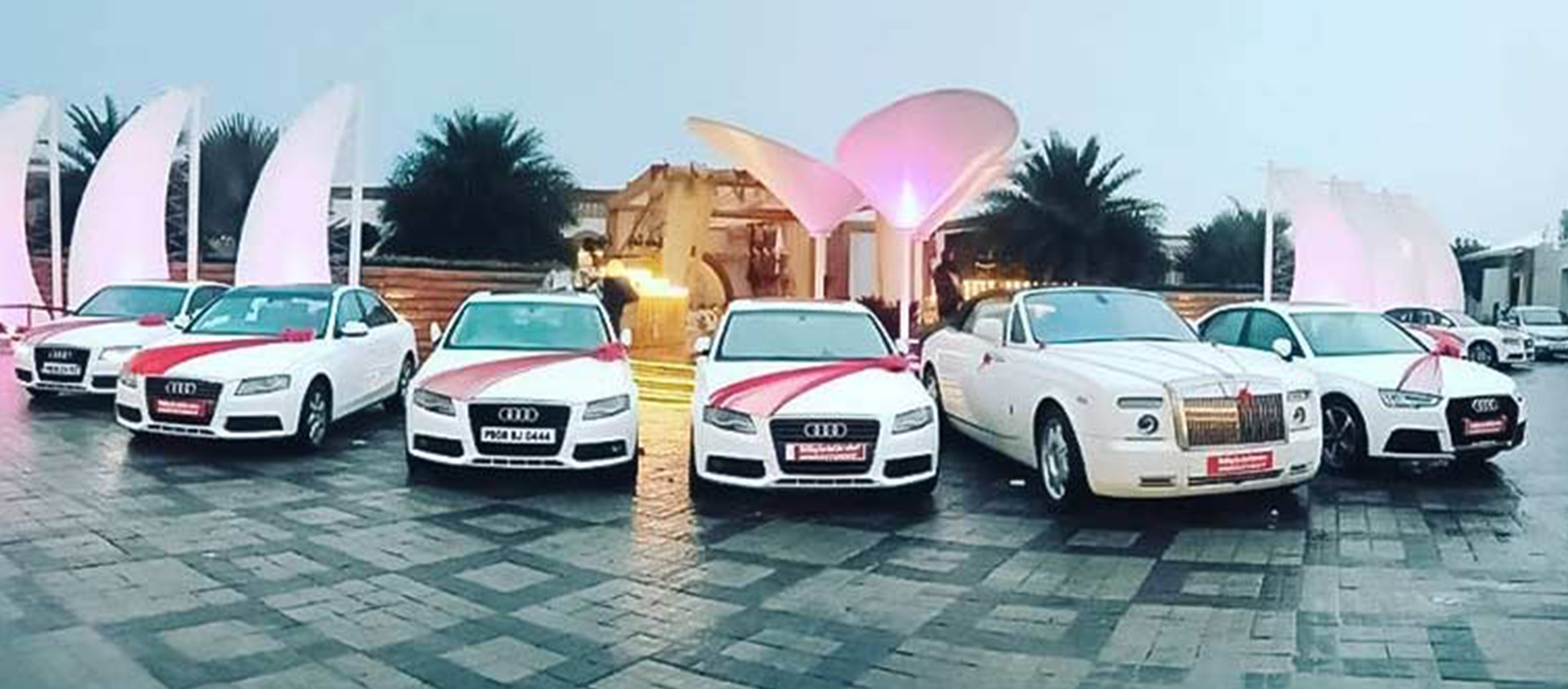
Your ultimate guide to seamless wedding transportation planning in India
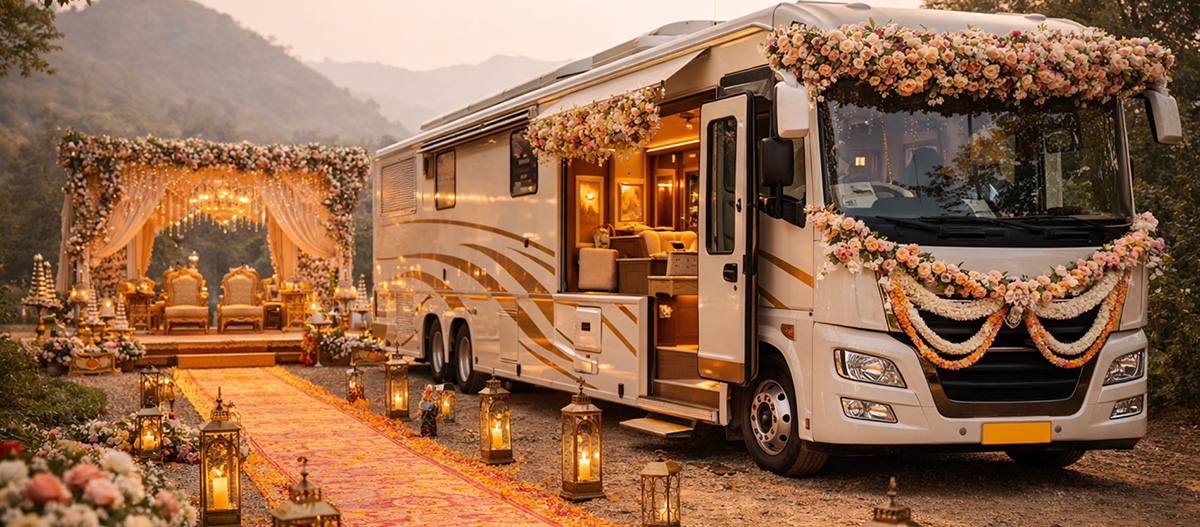
Transform your dream wedding into an extraordinary glamping adventure with premium caravan accommodations across India's… more

Complete guide to renting caravans for destination weddings, pre-wedding shoots, and memorable road trip celebrations… more
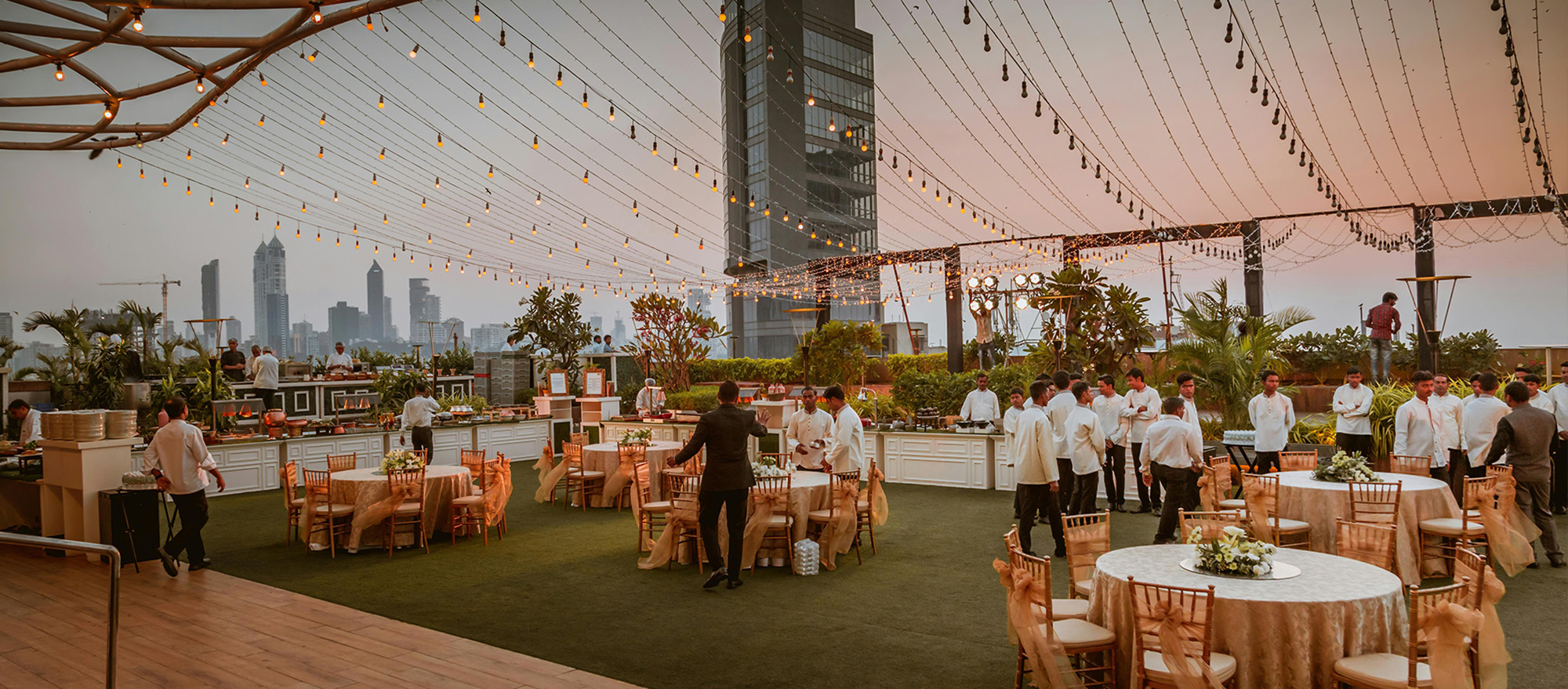
Expert guide to planning cross-city wedding logistics with vendor coordination, transportation, and budget management

Complete guide to managing money abroad for honeymoons and destination weddings
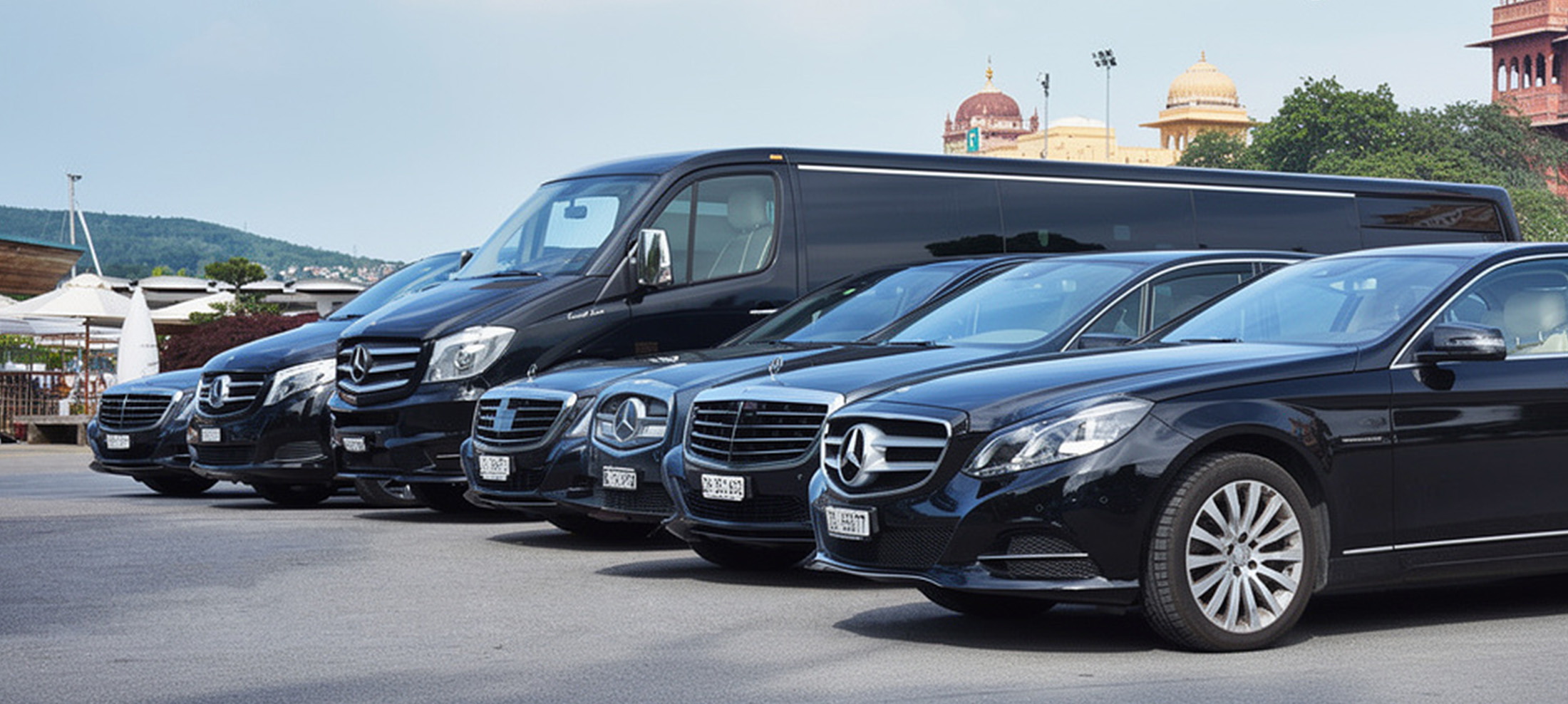
Complete 2026 Guide to Luxury Wedding Transportation & Premium Limousine Rentals
Get the latest event travel ideas, transport tips, destination insights, guest logistics and expert planning guidance straight to your inbox.

Travel and transport can have a major influence on how smoothly an event begins, progresses and ends. Guests may need to travel across a city, arrive from another region, move between multiple venues or coordinate airport, railway and hotel transfers. When these journeys are planned properly, transportation becomes a seamless part of the event experience rather than a source of confusion or delay.
Event transportation can include guest transfers, private vehicles, buses, coaches, cars, airport pickups, railway transfers, shuttle services, chauffeur-driven vehicles and destination travel coordination. The right solution depends on the number of guests, event location, schedule, travel distances, accessibility requirements and overall budget.
The Happiffie Travel & Transport Intelligence Hub brings together practical ideas and planning insights to help you understand transportation choices, destination logistics and guest travel requirements before making arrangements.
Every event has different travel requirements. A local celebration may only need short-distance transfers, while a destination event can require coordinated airport pickups, hotel transportation and multiple venue movements.
Start by understanding where guests are travelling from and where they need to go. Mapping major arrival points, accommodation areas and event venues can reveal the most efficient transportation requirements.
For larger gatherings, grouping guests according to arrival time, location or destination can make transfers easier to coordinate. Instead of arranging individual vehicles for every person, shared transportation can often simplify logistics and reduce unnecessary movement.
Guest comfort should also be considered alongside efficiency. Travel duration, waiting time, vehicle quality, luggage capacity and accessibility can all affect the overall experience.
There is no single transport solution that works for every event. Cars and sedans can be suitable for individual guests or smaller groups, while SUVs and premium vehicles may be preferred when comfort and privacy are priorities.
Buses, coaches and shuttle vehicles can be more practical for larger groups travelling between hotels and event venues. Multiple vehicles can be scheduled when guests arrive at different times or when the event involves several locations.
Airport and railway transfers require additional coordination because arrival times can change. Building reasonable buffer time into the transport schedule helps accommodate delays without affecting the main event programme.
For destination celebrations and large gatherings, a combination of transportation formats may provide the most practical solution. The objective should be to match the vehicle and service level to the actual travel requirement rather than choosing transport based only on appearance.
Guest transportation becomes more complex when people arrive from different locations. A clear transfer plan can help organisers manage pickup points, vehicle assignments, departure times and destinations.
Guests should receive essential travel information well in advance. Pickup locations, reporting times, vehicle details and contact information should be easy to understand. For large events, a dedicated coordination point or transport representative can help guests navigate arrival and departure arrangements.
It is also useful to account for luggage. Airport and railway transfers may require additional storage capacity, particularly when guests are carrying larger bags. Vehicle selection should therefore reflect both passenger numbers and luggage requirements.
For events with multiple venues, transportation should be planned as part of the event itinerary rather than as a separate task. Guest movement between accommodation, activities, venues and return destinations should follow a logical sequence.
Destination events require more detailed travel planning because guests may be unfamiliar with the location. Transportation can become an important part of the overall guest experience from the moment people arrive.
Popular destination locations across India include Goa, Jaipur, Udaipur, Kochi, Hyderabad and other cities that combine hospitality infrastructure with distinctive event settings. Depending on the destination, guests may arrive by air, rail or road and require transfers to hotels and event venues.
A destination transport plan should consider airport or railway connectivity, hotel locations, venue distance, local traffic conditions and event timings. If guests are staying at multiple properties, shuttle routes may need to be designed around different pickup points.
Clear communication is particularly important in destination settings. Guests should know where to meet their vehicle, how long transfers are expected to take and whom to contact if their travel plans change.
Transportation is not only about getting people from one location to another. Vehicles can also contribute to the overall event experience.
For premium occasions, luxury cars or chauffeur-driven vehicles may provide an elevated arrival experience. For large celebrations, comfortable coaches can make group travel more social and convenient. For informal gatherings, practical transportation may be more important than luxury features.
The vehicle should also suit the journey. A visually impressive vehicle may not be practical for long-distance travel if passenger comfort or luggage space is limited.
When comparing event vehicles, consider seating capacity, air conditioning, luggage space, accessibility, vehicle condition, driver experience and expected travel duration. These practical details often have a greater impact on guest satisfaction than appearance alone.
Timing is one of the most important elements of event transportation planning. A vehicle arriving late can affect the entire event schedule, particularly when guests are moving between locations.
Build transportation schedules around realistic journey times rather than ideal travel conditions. Traffic, road closures, weather, parking restrictions and unexpected delays can all affect arrival times.
For major Indian cities such as Mumbai, Bengaluru, Delhi, Chennai and Hyderabad, traffic conditions can vary considerably depending on the time and location. Travel schedules should therefore include appropriate buffers when guests need to reach an event at a specific time.
Route planning is equally important when multiple vehicles are involved. Clearly defined pickup and drop-off points can prevent confusion and make coordination easier for drivers and guests.
Event transportation costs can vary based on vehicle type, passenger capacity, distance, duration, location, service level and timing. A short local transfer and a full-day destination transportation requirement will naturally have very different pricing structures.
When comparing transport services, look beyond the base vehicle rate. Additional costs may include driver charges, fuel, tolls, parking, interstate travel, waiting time, night charges and extended usage.
For larger events, obtaining a complete transportation estimate can make budgeting easier. The quotation should clearly define the vehicle category, number of vehicles, operating hours, route, inclusions and additional charges.
Shared transportation can sometimes reduce costs when guests are travelling along similar routes. However, the lowest-cost option is not always the most efficient if it creates excessive waiting, long detours or uncomfortable travel conditions.
Travel and transport requirements differ across India's major event destinations. Mumbai and Bengaluru may require careful traffic planning for city-based events, while Delhi and Hyderabad offer extensive options for airport, hotel and venue transfers.
Chennai provides strong connectivity for regional and destination gatherings, while Pune is well suited to events that bring together guests from nearby cities. Goa remains a major destination for celebrations where airport transfers, hotel shuttles and venue transportation need to work together.
Jaipur and Udaipur are particularly relevant for destination events where guests may need coordinated movement between hotels, heritage venues and activity locations. Kochi and other Kerala destinations may involve a combination of airport, road and local transfers.
When searching for event transportation in a particular city, consider not only the vehicle provider but also local traffic patterns, venue accessibility, parking arrangements and distance between major guest locations.
Sustainability is becoming an increasingly relevant consideration in event planning. Group transportation can reduce the number of individual vehicles required, while efficient route planning can help minimise unnecessary journeys.
Shuttle services and shared coaches can be useful for events with guests staying in the same hotel or travelling from common arrival points. Consolidating transfers can improve both operational efficiency and the guest experience.
For local events, organisers may also consider transportation options that reduce unnecessary vehicle movement. The most suitable approach depends on destination infrastructure, guest requirements and available service providers.
Sustainable transportation does not have to mean compromising comfort. With thoughtful planning, efficient routing and appropriate vehicle selection, organisers can balance convenience with responsible travel choices.
Even carefully planned transportation can be affected by circumstances outside the organiser's control. Flight delays, railway changes, traffic congestion, weather conditions and last-minute guest changes can all influence the transport schedule.
A practical contingency plan should identify alternative vehicles, backup contact numbers and flexible pickup arrangements where possible. For important arrivals, allowing sufficient buffer time can reduce the impact of unexpected delays.
Communication is especially important when plans change. Guests should have a reliable way to receive updated pickup information, while drivers and coordinators should have access to the latest guest and route details.
Good contingency planning does not mean expecting problems. It means ensuring that small disruptions do not become major event challenges.
Planning event travel can involve comparing vehicles, transport providers, routes, schedules, destinations and guest requirements. Happiffie brings travel and transport considerations into an event-focused discovery experience so that organisers can approach these decisions with greater clarity.
The Travel & Transport Intelligence Hub helps you explore transportation ideas, destination planning, guest logistics, vehicle options and practical travel considerations before confirming arrangements.
Whether you are organising a local celebration in Chennai, a corporate event in Bengaluru, a large gathering in Mumbai, a destination experience in Goa or a cultural celebration in Jaipur or Udaipur, transportation can be planned around the same core priorities: reliability, comfort, timing, accessibility and value.
A successful event does not begin when guests enter the venue. For many attendees, the experience starts with the journey itself. A clear pickup plan, comfortable vehicle, reliable schedule and well-coordinated transfer can create a positive first impression before the event even begins.
Start by mapping where guests are coming from, where they are staying and where they need to go. Then determine the right vehicle types, transfer schedules, routes and contingency arrangements. Build transportation into the wider event timeline so that guest movement works naturally with the programme.
From airport transfers and hotel shuttles to premium vehicles, group coaches and destination logistics, event transportation offers many possibilities. The right choice depends on the event rather than a one-size-fits-all formula.