
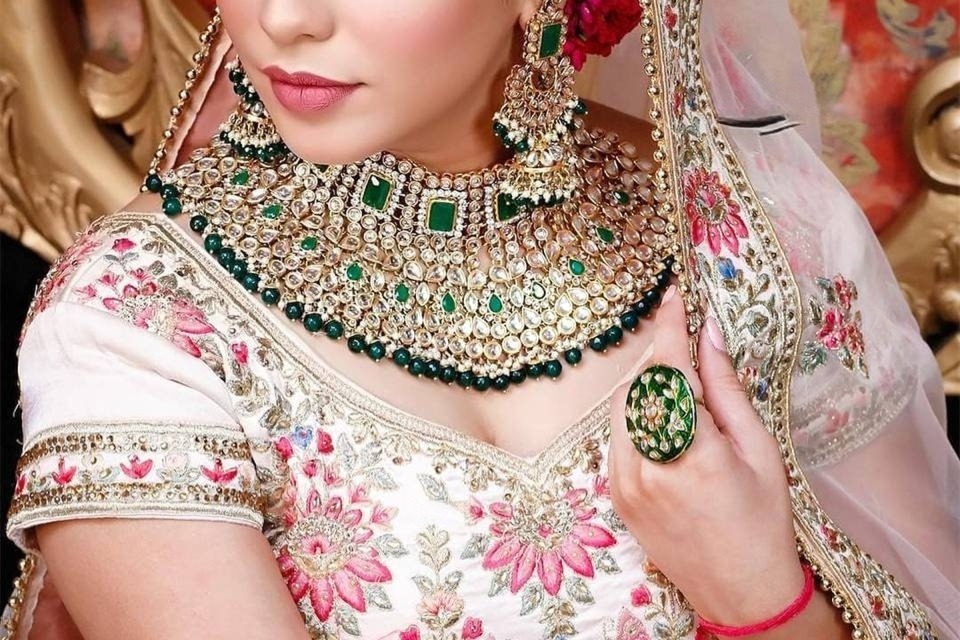
Minimal vs Heavy Bridal Jewellery: Complete Guide to Choose Perfect Style
Navigate the perfect balance between tradition and comfort for your wedding look
A Mumbai bride recently spent ₹12 lakhs on a traditional Kundan set, wore it for four hours, and immediately switched to minimal diamond studs for her reception. Her neck pain lasted three days, but her photographer captured stunning portraits that her family will treasure forever.
The minimal versus heavy bridal jewellery debate isn't just about aesthetics—it's about surviving 12-hour wedding days in 35°C heat while looking radiant in every photo. Chennai brides booking summer weddings face unique challenges, as heavy gold sets can cause discomfort during lengthy outdoor ceremonies. Finding the right bridal makeup artists who understand jewellery coordination becomes crucial.
This comprehensive guide reveals the real factors driving your jewellery choice: photography impact, comfort during long ceremonies, cultural expectations, and budget allocation. We'll break down when to choose each style and how Happiffie's vetted jewellery partners can help you find the perfect balance between tradition and practicality.
📋 Table of Contents
Understanding the Jewellery Spectrum
The minimal versus heavy jewellery decision isn't binary—it's a spectrum that smart brides navigate based on their specific ceremony requirements. Heavy jewellery typically includes full Kundan or gold sets weighing 200-400 grams, featuring elaborate necklaces, chokers, and matching earrings. Minimal jewellery focuses on 2-3 statement pieces totaling 50-150 grams, emphasizing elegant simplicity over ornate detailing.
A Bangalore bride hosting her wedding during Diwali season discovered that heavy jewellery photographs dramatically better in traditional lighting setups, but switching to minimal pieces for her cocktail party created a more contemporary, Instagram-worthy aesthetic. The weight difference becomes critical during 6-hour ceremonies—many brides develop neck strain from heavy chokers, affecting their posture in later photos.
Most experienced bridal stylists recommend a hybrid approach: heavy pieces for the main ceremony photography, then transitioning to comfortable minimal alternatives for the reception dancing. This strategy requires coordination with your wedding photographers to ensure they capture the elaborate pieces during golden hour shoots before you change into lighter alternatives.
The cultural context matters significantly—South Indian weddings often expect heavy temple jewellery, while North Indian celebrations may allow more flexibility. However, younger families increasingly prioritize bride comfort over traditional expectations, especially for destination weddings where travel and climate considerations override cultural norms.
 Hiya
HiyaPro Tip: Schedule a jewellery trial 2 weeks before your wedding. Wear the full set for 4 hours to test comfort levels—many brides discover weight tolerance issues too late!
Key Factors to Consider
Your jewellery choice impacts every aspect of your wedding day, from morning preparation timing to late-night reception dancing. Smart brides evaluate five critical factors before committing to their jewellery investment. Each factor carries different weight depending on your specific wedding circumstances, venue type, and personal priorities.
A Chennai bride discovered that her heavy Bharatanatyam-inspired set looked stunning in photos but caused severe headaches by hour three of her outdoor ceremony. The 38°C temperature amplified the metal's heat absorption, creating discomfort that affected her energy levels throughout the day. This real-world scenario highlights why climate and ceremony duration must drive your decision, not just aesthetic preferences.
Photography considerations often override comfort concerns for many couples. Heavy jewellery creates dramatic shadows and catches light beautifully in professional shots, while minimal pieces can appear lost in wide-angle ceremony photos. However, the opposite occurs in close-up portraits and reception dancing shots. Expert wedding vendors recommend discussing this trade-off with your photographer during the pre-wedding consultation.
Budget allocation becomes complex because heavy jewellery often requires additional insurance, professional cleaning, and secure storage arrangements. The hidden costs include potential alteration fees, backup pieces for multi-day functions, and coordinated styling fees that minimal jewellery setups avoid entirely.
1. Ceremony Duration
Weddings lasting 6+ hours require comfort-first thinking. Heavy sets cause neck strain, headaches, and posture changes that affect photos. Consider your stamina and pain tolerance realistically.
2. Climate Impact
Metal absorbs heat rapidly in Indian summers. Gold and silver sets become uncomfortable in 30°C+ temperatures. Minimal pieces reduce heat retention and sweat accumulation during outdoor ceremonies.
3. Photography Style
Heavy jewellery creates dramatic traditional portraits but limits candid shot flexibility. Minimal pieces photograph beautifully in natural light and close-ups but may disappear in wide ceremonial shots.
4. Cultural Expectations
Family traditions vary significantly across regions and communities. Some families expect elaborate temple jewellery while others embrace contemporary minimal styles. Navigate these expectations diplomatically early in planning.
5. Venue Considerations
Beach and garden venues favor minimal jewellery that won't tarnish or catch on decorative elements. Palace and temple venues showcase heavy pieces beautifully but require secure changing facilities.
Popular Jewellery Styles
Contemporary Indian brides gravitate toward three distinct jewellery approaches, each serving different wedding visions and practical requirements. The traditional heavy route remains popular for main ceremonies, while minimal elegance dominates reception and cocktail functions. A hybrid approach—switching between styles throughout your celebration—offers the best of both worlds.
Heavy Kundan and temple jewellery creates the most dramatic bridal impact, featuring elaborate necklaces, chokers, maang tikkas, and coordinated earrings. These sets photograph magnificently against traditional lehengas and create the classic Indian bride aesthetic that families treasure. However, they require 45-60 minutes additional preparation time and professional assistance for proper wearing and removal.
Minimal contemporary sets focus on 2-3 statement pieces—typically elegant necklaces, subtle earrings, and delicate maang tikkas. These pieces offer maximum comfort during long celebrations while maintaining sophistication in photos. Diamond and pearl combinations work beautifully for evening receptions and coordinate seamlessly with both traditional and western outfits.
The hybrid approach involves wearing heavy pieces for ceremony photography, then switching to minimal alternatives for dancing and socializing. This strategy requires coordination with your wedding decorators to ensure secure changing areas and proper storage for expensive pieces during transitions.
 Most Popular
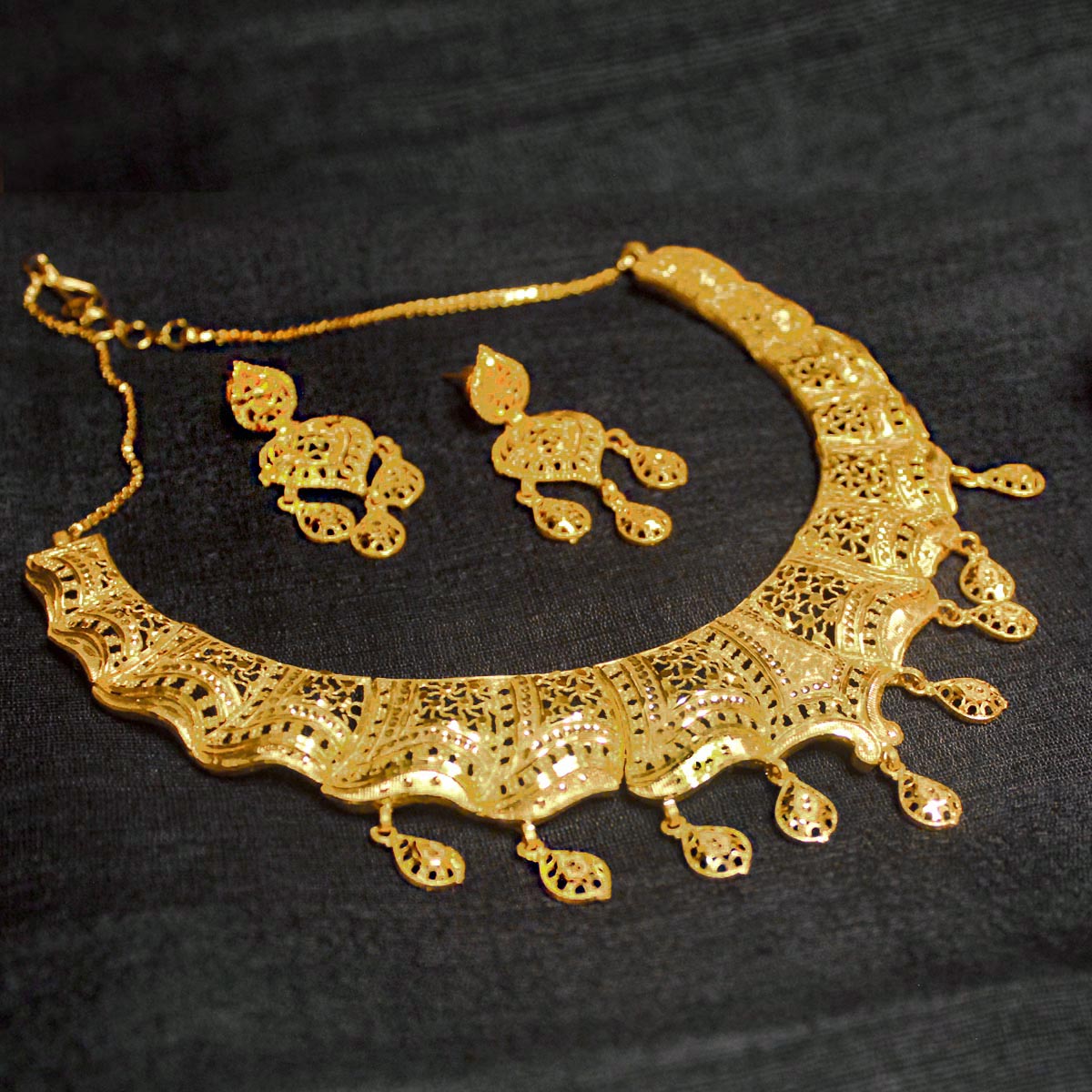
Heavy Traditional Sets
Complete Kundan, temple, or gold sets weighing 200-400 grams. Perfect for main ceremonies and traditional photography. Expect ₹3-15 lakhs investment with stunning visual impact but limited comfort during long functions.
 Trending
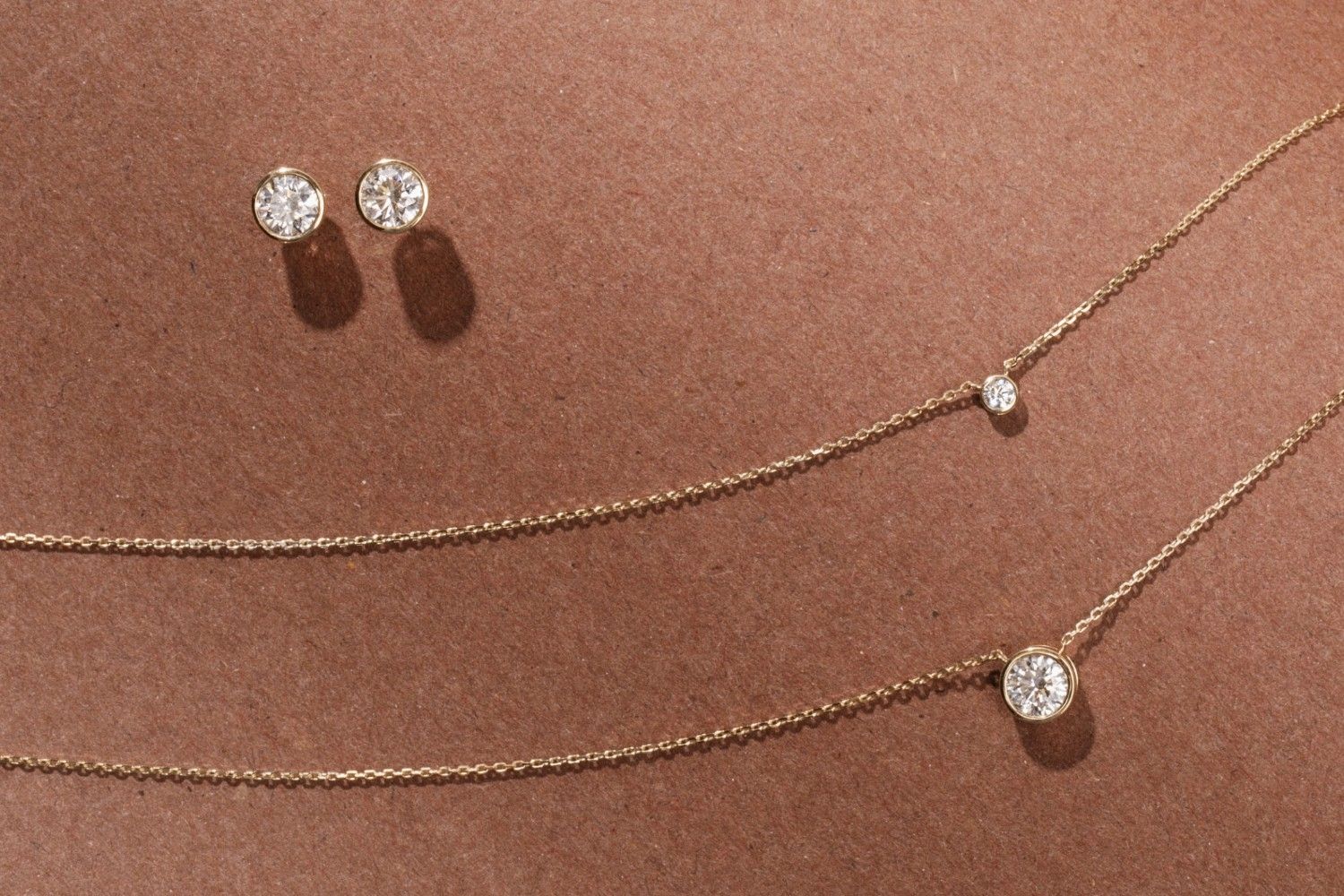
Minimal Contemporary
2-3 statement pieces focusing on diamonds, pearls, or delicate gold work. Ideal for receptions and modern celebrations. Budget ₹1-5 lakhs with maximum comfort and versatility across multiple events.
Budget Planning
Bridal jewellery budgets vary dramatically based on style choice, metal preferences, and rental versus purchase decisions. Heavy traditional sets represent significant investments, often comprising 15-25% of total wedding budgets, while minimal approaches can achieve stunning results with 8-12% allocation. Smart couples evaluate the long-term value proposition—will you wear these pieces again, or is rental more practical?
The hidden costs catch many couples off-guard. Heavy jewellery requires professional insurance (₹15,000-40,000 annually), secure transportation (₹5,000-15,000 per event), professional cleaning (₹3,000-8,000), and potential alteration fees (₹10,000-25,000). A Hyderabad bride discovered her ₹8 lakh Kundan set needed ₹35,000 in additional services—insurance, cleaning, and custom storage solutions—that her initial budget didn't anticipate.
Rental markets have transformed bridal jewellery accessibility, offering ₹10-15 lakh sets for ₹50,000-80,000 rental fees. However, rental security deposits (typically 50% of jewellery value) tie up significant cash, and damage policies can be restrictive. Many couples find purchasing mid-range pieces more economical than renting premium sets when factoring in security deposits and insurance requirements.
Timing your purchase strategically can reduce costs significantly. Akshaya Tritiya and Diwali sales offer 15-25% discounts, while off-season purchases (June-August) provide better negotiation leverage. Happiffie's Reverse Auction connects you with verified jewellers who compete for your business, often resulting in 10-20% savings compared to retail purchases.
Budget-Friendly
Minimal sets with silver, gold-plated, or semi-precious stones. Perfect for intimate ceremonies and couples prioritizing other wedding elements.
Best for destination weddingsMid-Range
Quality gold sets with precious stones or designer minimal pieces. Balanced approach offering good photography impact with reasonable comfort.
Most popular choicePremium
Heavy traditional Kundan, temple jewellery, or high-end diamond sets. Maximum visual impact for grand celebrations and traditional ceremonies.
For grand traditional weddings💰 Money-Saving Tips
- Book during off-season (June-September) for 15-25% better negotiation rates and wider selection availability.
- Use Happiffie's Reverse Auction to get competitive quotes from verified jewellers across your city.
- Consider rental for premium pieces you'll wear once versus purchase for versatile minimal sets you'll reuse.
Frequently Asked Questions
These commonly asked questions address the practical concerns and decision factors most Indian brides face when choosing between minimal and heavy bridal jewellery options.
Final Thoughts
Your bridal jewellery choice ultimately comes down to balancing three priorities: photographic impact, personal comfort, and cultural expectations. Neither minimal nor heavy is universally "better"—the right choice depends on your specific wedding circumstances, physical tolerance, and long-term value considerations. Smart brides make this decision based on ceremony duration, climate, and realistic comfort assessment rather than aesthetic preferences alone.
The one decision you should commit to today is scheduling a 4-hour trial wearing of your preferred jewellery style. Too many brides discover comfort issues on their wedding morning when it's too late to adjust. The biggest mistake? Choosing jewellery based on photos alone without considering the physical reality of 8-12 hour wedding days in Indian climates.
Happiffie's platform simplifies this entire process by connecting you with experienced bridal stylists and verified jewellers who understand the practical considerations behind these choices. Our vendors work collaboratively with photographers and makeup artists to ensure your jewellery enhances rather than complicates your wedding day timeline. Make the choice that serves your comfort, budget, and vision—your wedding day deserves nothing less than complete confidence in every detail.
Ready to Find Your Perfect Bridal Jewellery?
Let Happiffie connect you with verified jewellers and experienced bridal stylists who understand your vision.
Are you a Vendor? Grow Your Business with Happiffie!
- High intent verified leads
- Reverse auction opportunities
- AI business tools & insights
- Dedicated vendor dashboard
- Grow your business, your way
It's free & takes less than 2 minutes!