
The foundation of selecting perfect kids wedding outfits starts with understanding the specific dress code requirements for each wedding ceremony. Different functions like mehendi, sangam, reception, and main ceremony require varying levels of formality and cultural adherence. Parents must consider whether the celebration follows traditional customs, modern themes, or fusion styles when planning children's attire. Regional variations across cities like Mumbai, Delhi, Chennai, and Bangalore also influence outfit choices, with South Indian weddings favoring silk and cotton combinations while North Indian ceremonies often emphasize heavy embroidered fabrics.
Kids Wedding Outfit Guide: Boys & Girls Styling Ideas Step-by-Step
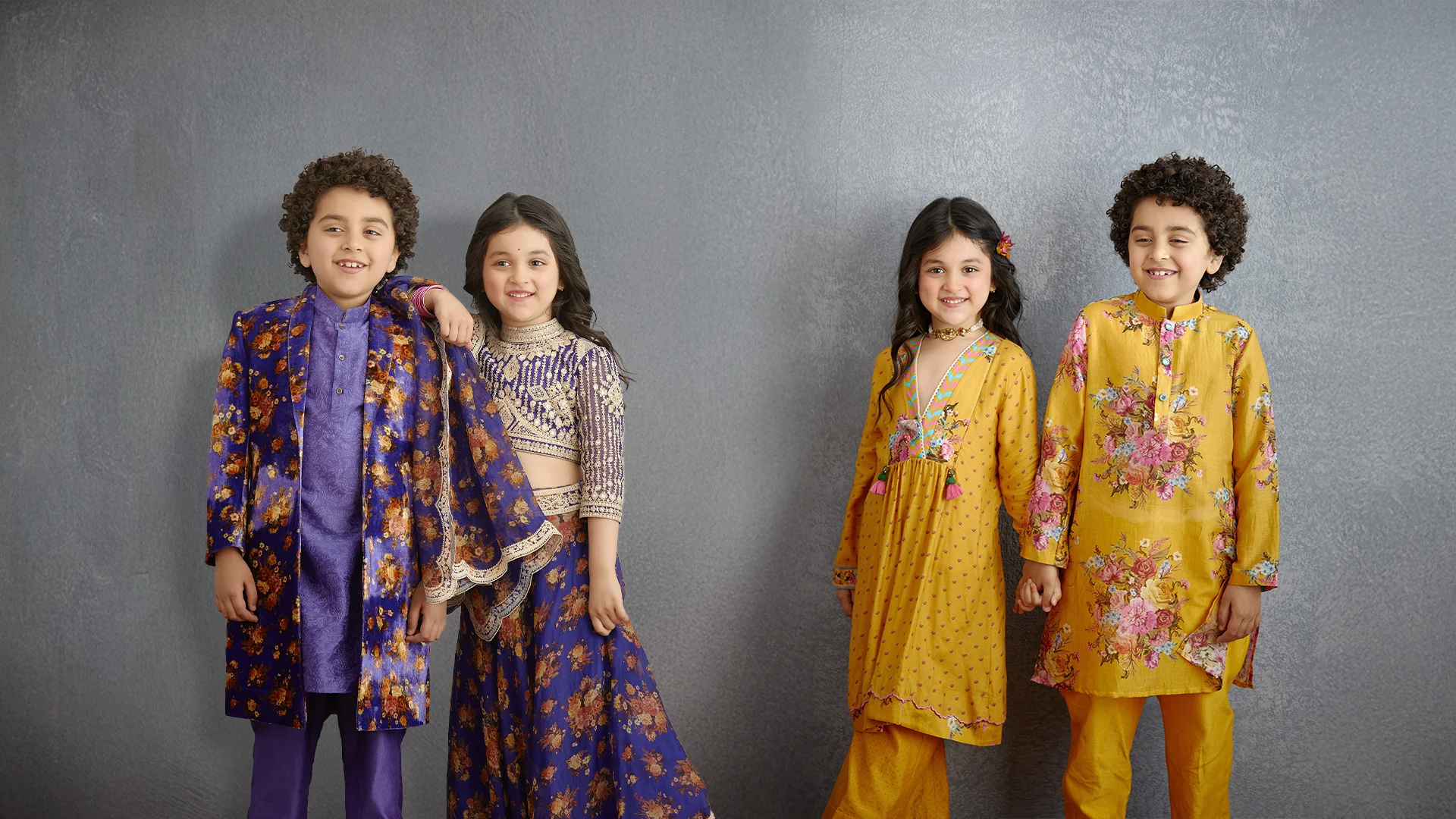
Table of Contents
Step 1: Understanding Wedding Dress Codes for Children

✨ Dress Code Guidelines:
- ✓Mehendi ceremonies typically call for bright colors like yellow, orange, and green with comfortable cotton or chiffon fabrics for active participation
- ✓Sangam and engagement functions allow for semi-formal attire with moderate embellishments and breathable fabrics suitable for longer durations
- ✓Main wedding ceremonies require traditional formal wear with cultural significance, often featuring silk, brocade, or heavily embroidered materials
- ✓Reception events offer flexibility for contemporary or fusion wear combining traditional elements with modern cuts and comfortable fits
Pro Tip:
Connect with experienced wedding planners through Reverse Auction services to understand specific cultural requirements for your wedding's regional traditions and get personalized dress code advice.
Step 2: Choosing Fabric and Comfort Priorities
Fabric selection forms the cornerstone of comfortable kids wedding outfits, directly impacting how well children can participate in lengthy ceremonies. Cotton blends, soft silks, and breathable synthetic materials work best for Indian climates, especially during peak wedding seasons from November to March. Heavy fabrics like pure silk or brocade should be reserved for main ceremonies only, while lighter options like georgette, crepe, and cotton silk serve perfectly for pre-wedding functions. Consider the venue's climate control, outdoor versus indoor settings, and the duration of ceremonies when making fabric choices for optimal comfort.
✨ Fabric Selection Checklist:
✓Choose cotton or cotton-blend fabrics for daytime outdoor ceremonies and mehendi functions to ensure breathability and comfort
✓Select soft silk varieties like Mysore silk or art silk for traditional appeal without the weight and stiffness of pure silk
✓Opt for wrinkle-resistant synthetic blends for destination weddings where ironing facilities might be limited or unavailable
✓Avoid heavy brocades, net fabrics, or scratchy materials that can cause skin irritation or restrict movement during celebrations
Pro Tip:
Browse fabric-specific options in our venue directory to see what works best for different wedding venue types and climates across India.
Step 3: Traditional Boys Wedding Outfit Options
Boys' traditional wedding attire offers numerous stylish options ranging from classic kurta-pajama combinations to more elaborate sherwanis and Indo-western ensembles. For younger boys aged 2-8 years, dhoti-kurta sets provide authentic traditional appeal while remaining comfortable for active children. Older boys can carry sherwanis with churidar or straight pants, accessorized with mojaris and traditional headwear like pagris or kalgi. Regional preferences vary significantly, with South Indian weddings favoring silk kurtas with traditional veshtis, while North Indian ceremonies often showcase heavily embroidered sherwanis with contrasting dupattas.
✨ Boys Outfit Essentials:
✓Kurta-pajama sets in silk or cotton silk for comfortable all-day wear with traditional appeal and easy movement
✓Sherwani with churidar for main ceremonies, featuring moderate embroidery work suitable for children's proportions and comfort
✓Nehru jacket or waistcoat additions for layered looks that can be removed if the child gets too warm during festivities
✓Traditional footwear like mojaris or juttis in coordinating colors, ensuring proper fit and comfortable soles for dancing
✓Accessories including matching dupattas, kalgi, or traditional jewelry pieces appropriate for the child's age and ceremony requirements
✓Backup comfortable outfit options like simple kurta sets for extended celebrations or unexpected outfit changes during the event
Step 4: Girls Wedding Dress Style Comparisons
Girls' wedding outfit options span from traditional lehengas and sarees to contemporary gowns and Indo-western fusion wear. Lehenga cholis remain the most popular choice, offering the perfect balance of traditional elegance and child-friendly comfort with adjustable waistbands and manageable dupatta styling. For very young girls, anarkali suits provide graceful silhouettes without the complexity of managing separate pieces. Regional variations include South Indian half-sarees for older girls, Punjabi salwar suits with heavy dupattas, and Bengali-style sarees with traditional red and white color schemes.
Lehenga Choli
Traditional three-piece outfit with crop top, flared skirt, and dupatta. Perfect for main ceremonies with adjustable fits and various embellishment levels.
Anarkali Suits
Floor-length kurta with fitted pants and dupatta. Ideal for younger girls offering comfort, elegance, and easy movement during celebrations.
Sharara Sets
Short kurta with wide-leg pants and dupatta. Contemporary option providing traditional look with modern comfort and trendy appeal.
Saree Styles
Half-saree or pre-stitched saree options for older girls. Regional traditional choice requiring careful draping and age-appropriate styling considerations.
Step 5: Accessory Selection and Styling Tips
Strategic accessory selection elevates kids wedding outfits while maintaining comfort and age-appropriateness throughout the celebration. Traditional jewelry like small gold sets, pearl strands, or artificial jewelry adds authenticity without overwhelming young features. Hair accessories such as fresh flower gajras, decorative clips, or traditional maang tikas complement the overall look while staying secure during active participation. Footwear choices must prioritize comfort over style, with well-fitted mojaris, ballet flats, or sandals that allow dancing and playing without causing discomfort or safety issues.
✨ Accessory Ideas:
- ✓Jewelry options: Lightweight gold-plated or artificial jewelry sets including necklaces, earrings, and bangles appropriate for children's sensitive skin
- ✓Hair styling: Fresh jasmine gajras, decorative bobby pins, or traditional hair clips that stay secure during ceremonies and photographs
- ✓Footwear: Comfortable mojaris with good grip, ballet flats in matching colors, or traditional juttis with cushioned soles for extended wear
Step 6: Size, Fit and Alteration Essentials
Proper sizing and fit ensure kids wedding outfits look polished while allowing comfortable movement throughout lengthy wedding celebrations. Children's rapid growth patterns require purchasing outfits 2-4 weeks before the event, allowing time for necessary alterations without last-minute rushing. Professional tailors familiar with children's proportions can adjust lengths, waistbands, and sleeve measurements while maintaining the garment's original silhouette and design integrity. Consider seasonal growth spurts and plan for slight size increases, especially for destination weddings or multiple ceremony functions spanning several days.
✨ Fitting Must-Haves:
✓Schedule initial fittings 3-4 weeks before the wedding to allow adequate time for alterations and any necessary adjustments
✓Ensure comfortable waistband fit with slight room for growth, avoiding tight fits that restrict breathing or movement during activities
✓Check sleeve and pant lengths for appropriate coverage while allowing natural movement for dancing, sitting, and playing during ceremonies
✓Test outfit comfort by having children wear it for 30-45 minutes to identify any pressure points or movement restrictions
✓Arrange final fitting 3-5 days before the event for any last-minute adjustments based on recent growth or fit preferences
✓Keep alteration receipts and tailor contact information for emergency adjustments on the wedding day if needed for comfort
Step 7: Wedding Day Timeline and Outfit Changes
Strategic outfit planning across multiple wedding functions requires careful timeline management and practical change strategies for children's comfort. Most Indian weddings span 2-3 days with multiple ceremonies requiring different levels of formality and cultural significance. Planning outfit changes between functions prevents overstimulation and maintains children's comfort throughout extended celebrations. Consider venue distances, ceremony durations, and children's energy levels when scheduling outfit transitions and backup options for unexpected spills or comfort issues during the festivities.
✨ Sample Timeline:
Morning Prep:Light, comfortable outfit for mehendi or morning ceremonies with easy-to-remove pieces
Afternoon Function:Semi-formal attire for sangam or engagement with moderate embellishments and breathable fabrics
Evening Ceremony:Traditional formal wear for main wedding ceremony with full accessories and cultural significance
Reception Ready:Contemporary or fusion wear allowing comfortable dancing and extended celebration participation
Comfort Breaks:Quick outfit adjustments, accessory removal, or complete changes for child comfort during long events
Photo Sessions:Final touch-ups, accessory additions, and styling adjustments for formal photography and family portraits
Step 8: Budget Planning and Smart Shopping Strategy
Effective budget management for kids wedding outfits balances quality, style, and practicality while considering the temporary nature of children's clothing needs. Online platforms, local boutiques, and rental services offer varying price points from ₹2,000-15,000 per complete outfit depending on fabric quality, embellishment levels, and brand preferences. Rental options provide access to designer pieces at 20-30% of purchase costs, particularly beneficial for expensive traditional wear used only once. Smart shopping strategies include off-season purchases, bulk buying for multiple ceremonies, and choosing versatile pieces that work across different functions with accessory changes.
✨ Budget Options:
- ✓Rental services offering designer kids wear for ₹1,500-4,000 per outfit including accessories, cleaning, and alterations for single-use occasions
- ✓Online marketplaces providing ethnic wear collections starting from ₹2,500 with home delivery and return options for convenience and selection variety
- ✓Local boutique partnerships through Happiffie's vendor network offering competitive pricing, customization services, and bulk discounts for wedding party coordination
Ready to Style Your Little Ones?
<p>Let Happiffie connect you with trusted vendors and stylists who specialize in children's wedding wear across India.</p>
Pro Tips for Success
Start Early
Begin shopping for kids wedding outfits 6-8 weeks before the event to allow for proper selection, alterations, and backup options.
Use Reverse Auction
Get competitive quotes from multiple children's wear vendors through Happiffie's platform for the best pricing and service options.
Plan for Comfort
Always prioritize children's comfort over style to ensure they enjoy the celebration and participate actively in all ceremonies.
Create Backup Plans
Keep simple, comfortable outfit alternatives ready for extended celebrations or unexpected comfort issues during the wedding day.

Are you a Vendor? Grow Your Business with Happiffie!
- High intent verified leads
- Reverse auction opportunities
- AI business tools & insights
- Dedicated vendor dashboard
- Grow your business, your way
1M+Active Users
300+Events Daily
High QualityLeads
FasterBookings
It's free & takes less than 2 minutes!