

Interfaith Wedding Ritual Planning in India: Complete 2024 Guide
Navigate religious traditions, family expectations, and ceremony planning for mixed-faith weddings across India
Over 2.3 million interfaith marriages happen annually in India, yet 73% of couples struggle with ceremony planning because traditional vendors aren't equipped for mixed-faith celebrations. These weddings require delicate balance between religious authenticity and family harmony.
The challenge extends beyond ritual logistics—finding priests comfortable with interfaith ceremonies, designing décor that respects both traditions, and managing family expectations during venue selection becomes exponentially complex in India's diverse religious landscape.
This comprehensive guide provides decision-making frameworks for interfaith ceremony planning, from legal requirements to vendor negotiations. Happiffie's interfaith-experienced vendor network simplifies what's traditionally been a months-long coordination nightmare into manageable, respectful celebration planning.
📋 Table of Contents
Understanding Interfaith Wedding Challenges
Interfaith weddings in India face unique complexities that same-faith celebrations sidestep entirely. While a traditional Hindu wedding follows established protocols, interfaith ceremonies require custom solutions for everything from invitation wording to priest coordination. Most wedding vendors specialize in single-faith traditions, leaving couples to bridge religious gaps themselves.
Consider Priya and David's Chennai wedding in December 2023—they spent four months finding a venue that would accommodate both a Christian ceremony and Hindu rituals. The original decorator backed out after learning about the cross-religious requirements, citing inexperience with dual altar setups. Their final vendor charged 35% more than standard rates, justified by additional consultation time with religious advisors.
The deeper challenge isn't logistics—it's navigating family dynamics while maintaining religious authenticity. Many couples compromise too heavily on one tradition to appease the other, creating ceremonies that feel hollow to both sides. Smart planning preserves the spiritual significance of both faiths without diluting either tradition's core elements.
This planning complexity explains why interfaith couples spend 40% more time on vendor research than traditional weddings. The solution isn't finding vendors who "do everything"—it's building a team that respects both traditions while coordinating seamlessly. Experienced interfaith vendors understand these nuances and plan accordingly from the initial consultation.
 Hiya
HiyaPro Tip: Start vendor conversations by asking about their most recent interfaith wedding experience. Specific examples reveal their comfort level better than generic assurances.
Key Planning Factors to Consider
Successful interfaith wedding planning hinges on five critical decisions that traditional weddings don't require. Each factor compounds the others—poor legal documentation affects venue booking, while inadequate family consultation creates vendor coordination nightmares. These decisions must happen early, ideally 8-12 months before the wedding date.
Legal requirements vary significantly by state and religious combination. A Hindu-Christian marriage in Kerala follows different documentation than Hindu-Muslim unions in Maharashtra. Many couples discover registration complexities just weeks before their ceremony, forcing expensive last-minute legal consultations. Early legal clarity prevents vendor booking complications and family stress.
The vendor selection process differs fundamentally from traditional weddings. Standard photographers may lack experience with multiple ceremony formats, while caterers must navigate dietary restrictions from both faiths simultaneously. Vendor coordination meetings become essential—your decorator must understand both mandap requirements and church altar needs, while your photographer plans for different ceremonial lighting requirements.
Timeline management becomes crucial when accommodating multiple religious ceremonies. A complete interfaith celebration often spans 2-3 days instead of traditional single-day events. This affects everything from guest accommodation to vendor scheduling through Happiffie's coordination platform, requiring vendors comfortable with extended, complex event management.
1. Legal Documentation
Research state-specific interfaith marriage registration requirements early. Some states require additional affidavits or waiting periods. Karnataka and Tamil Nadu have different processes—verify before venue booking to avoid last-minute complications.
2. Ceremony Sequencing
Decide whether to hold simultaneous, consecutive, or separate-day ceremonies. Consecutive ceremonies on the same day save costs but require tight vendor coordination. Separate days allow focused celebration but double venue and guest accommodation expenses.
3. Family Integration
Plan structured family meetings 6 months before wedding. Address role assignments, ritual participation levels, and cultural exchange opportunities. Clear communication prevents ceremony-day conflicts and ensures both families feel respected and included throughout celebrations.
4. Religious Oversight
Engage religious advisors from both faiths early in planning. They'll guide authentic ritual incorporation and help navigate theological compatibility questions. Some priests require multiple consultations—budget time and fees for this specialized guidance.
5. Guest Education
Create ceremony guides explaining both traditions for attending families. Include dress codes, participation expectations, and ritual significance. Well-informed guests participate more comfortably, creating more meaningful celebrations for everyone involved in the interfaith union.
Popular Ceremony Options
Three primary ceremony structures dominate interfaith weddings in India, each with distinct advantages and complexities. The choice affects everything from venue selection to guest management, with budget implications varying by 50-80% between options. Understanding these trade-offs helps couples choose formats that honor both traditions while staying financially realistic.
Consecutive ceremonies on the same day offer the most elegant solution but demand exceptional vendor coordination. The venue must accommodate rapid setup changes—from mandap to altar configurations within 2-3 hours. This works best for luxury hotels with dedicated event teams, but increases vendor fees by 25-35% due to coordination complexity and extended service hours.
Separate-day celebrations provide the deepest cultural immersion but require guests to attend multiple events. This format works exceptionally well for destination weddings, where extended family gatherings become mini-reunions. However, guest accommodation costs can double, and vendor travel fees for multi-day events add ₹15,000-25,000 to most service categories.
Fusion ceremonies blend elements from both traditions into single unified celebrations. While cost-effective, they require careful religious guidance to maintain authenticity. The most successful fusion ceremonies focus on shared values—commitment, family blessing, community celebration—rather than attempting to merge specific rituals that may conflict theologically. Experienced interfaith planners excel at creating meaningful fusion experiences.
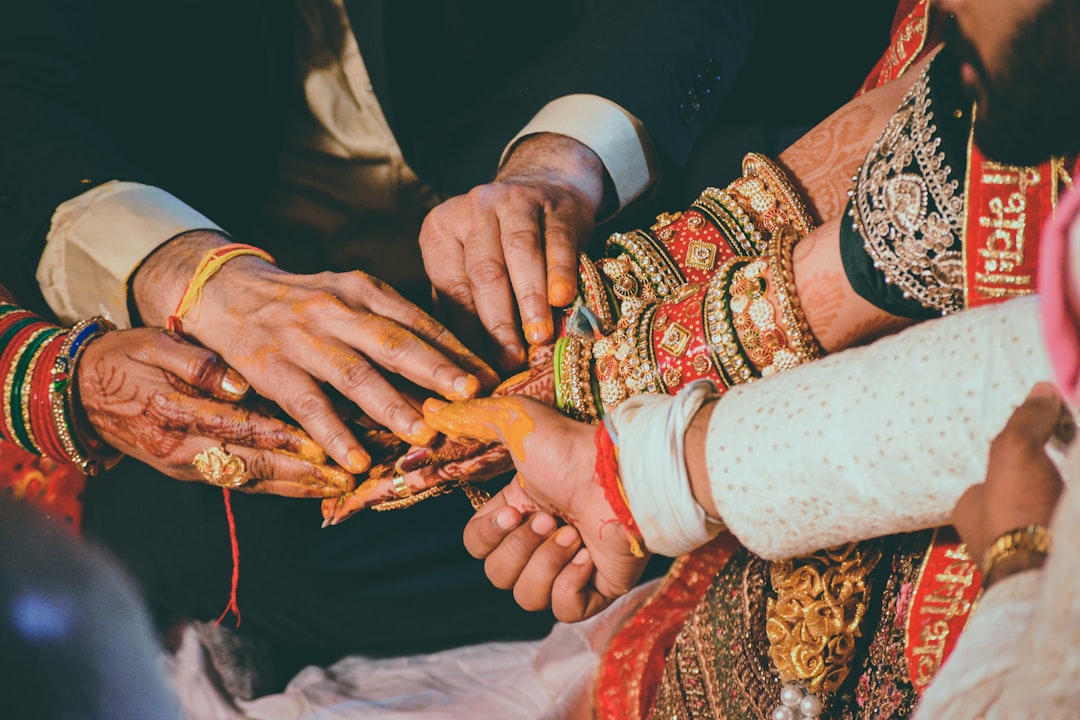 Most Popular
Consecutive Same-Day Ceremonies
Two complete religious ceremonies within 4-6 hours, usually with break for setup changes. Best for couples wanting full traditions without multi-day commitments. Requires expert coordination but creates memorable unified celebration experience.
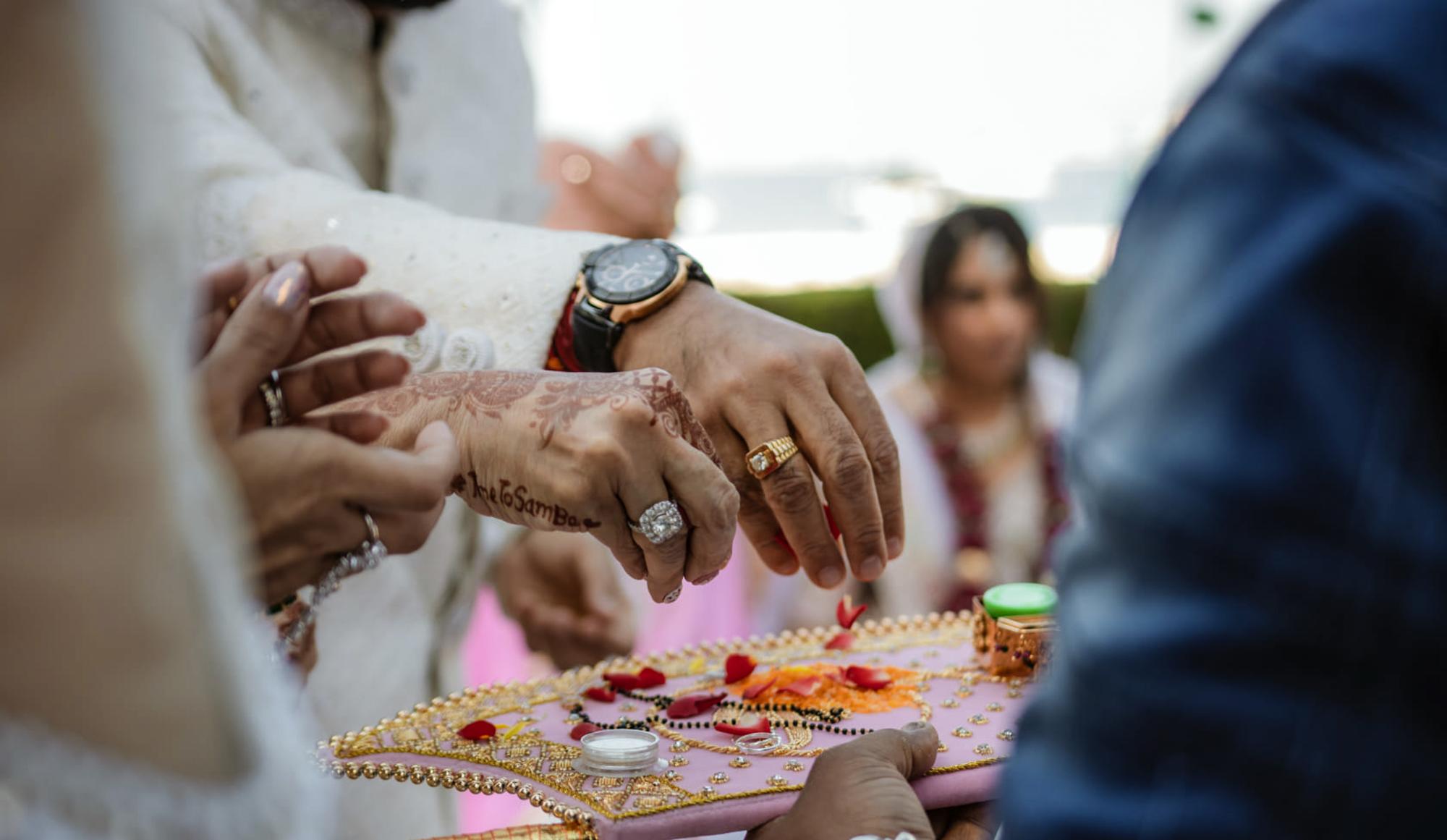 Budget Pick
Fusion Ceremony Format
Single ceremony incorporating elements from both faiths, typically 90 minutes duration. Cost-effective option focusing on shared values and community blessing. Requires careful religious consultation but simplifies guest experience significantly.
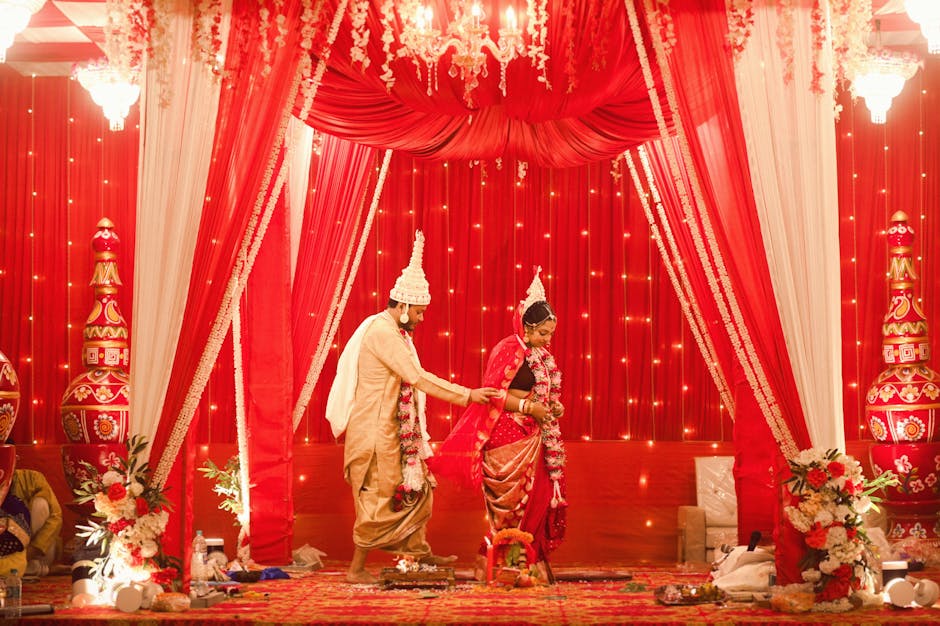 Trending
Multi-Day Celebrations
Separate ceremonies on different days, often 2-3 day celebration span. Provides deepest cultural immersion and reduces time pressure. Higher guest accommodation costs but allows focused attention on each tradition.
Budget Planning for Mixed-Faith Weddings
Interfaith weddings typically cost 30-50% more than traditional single-faith celebrations due to specialized coordination requirements and extended vendor services. The premium isn't arbitrary—vendors invest additional consultation time, require religious advisor coordination, and often manage complex multi-day logistics that standard weddings don't demand.
Hidden costs emerge in unexpected categories. Photography packages increase when covering multiple ceremony formats, as photographers must understand different ritual timing and significant moments. Catering becomes complex when accommodating dietary restrictions from both faiths—vegetarian Hindu requirements alongside halal or kosher needs for other traditions. Decoration costs surge when venues require complete setup changes between ceremonies.
The biggest budget trap involves underestimating coordination time. Standard wedding planners charge hourly rates for religious consultation meetings, family mediation sessions, and vendor education requirements. Smart couples budget 15-20% above their target for these "soft costs" that traditional weddings sidestep entirely.
Strategic savings exist despite higher base costs. Off-season booking provides better vendor availability and reduced rush charges. Happiffie's Reverse Auction system helps interfaith couples receive competitive quotes from vendors experienced with mixed-faith celebrations, often reducing costs by 10-15% compared to direct vendor negotiation.
Budget-Friendly
Fusion ceremony format with essential vendors. Single-day celebration with simplified decoration and 100-150 guests. Basic photography and standard catering menu.
Best for intimate celebrationsMid-Range
Consecutive ceremonies with full vendor team. Professional coordination, enhanced decoration, premium catering for 200-300 guests. Extended photography coverage.
Most popular choicePremium
Multi-day celebrations with luxury vendors. Destination venues, complete religious oversight, premium accommodation, and comprehensive guest management services.
For grand celebrations💰 Money-Saving Tips
- Book during monsoon season (June-September) for 20-25% vendor discounts despite weather challenges.
- Use Happiffie's Reverse Auction to compare interfaith-experienced vendors and negotiate competitive packages.
- Combine ceremony venues when possible—hotels with both indoor and outdoor spaces reduce transportation costs.
Frequently Asked Questions
These questions address the most common concerns couples face when planning interfaith weddings in India, from legal requirements to family dynamics.
Final Thoughts
Interfaith wedding success hinges on early planning and vendor expertise rather than religious compromise. Couples who start planning 10-12 months ahead secure better vendor availability and avoid rushed decisions that dilute ceremonial authenticity. The investment in specialized coordination pays dividends in stress reduction and celebration quality.
The most critical decision involves choosing between attempting DIY coordination versus professional interfaith planning support. Couples who self-coordinate spend 3x more time managing vendor education and family dynamics, often resulting in higher stress and unexpected costs. Professional planners with interfaith experience navigate these complexities efficiently while preserving both traditions' spiritual significance.
Modern interfaith couples have unprecedented resources for creating meaningful celebrations that honor both backgrounds. Happiffie's specialized vendor network eliminates the traditional challenges of finding interfaith-comfortable service providers, while our coordination tools streamline the complex logistics that make these weddings uniquely beautiful. Your love story deserves a celebration as unique as your journey together.
Ready to Plan Your Interfaith Wedding?
Let Happiffie connect you with interfaith-experienced vendors and coordination experts.
Are you a Vendor? Grow Your Business with Happiffie!
- High intent verified leads
- Reverse auction opportunities
- AI business tools & insights
- Dedicated vendor dashboard
- Grow your business, your way
It's free & takes less than 2 minutes!