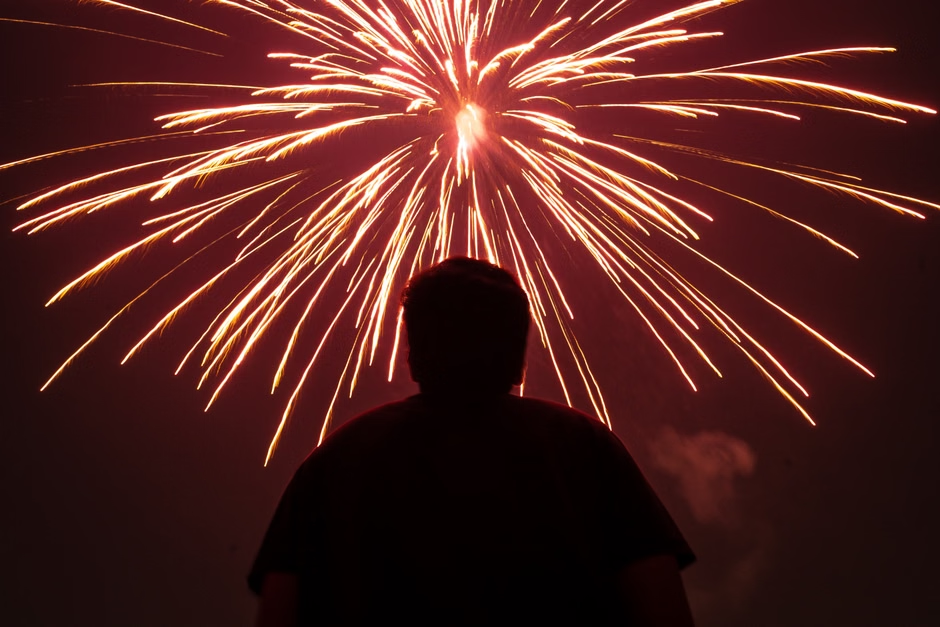
Indoor fireworks Chennai is the local name for a category of entertainment technology that uses cold-burning pyrotechnic compounds instead of traditional gunpowder. The devices — commonly called gerbs, sparkle fountains, or cold spark machines — ignite a proprietary titanium-based granulate at temperatures between 40°C and 60°C at the emission point, which is far below the ignition threshold of most fabrics and décor materials. Because the sparks cool almost instantly after leaving the device, they do not start fires when they land on guests, tablecloths, or floral arrangements.
The science matters to venue managers and couples alike. A standard cold pyrotechnic effects Chennai setup draws roughly 650 watts of power per machine — comparable to a small appliance — and can be triggered via DMX control boards already familiar to most Chennai AV teams. Operators typically deploy two to eight machines in a single show, with each unit producing a fountain of sparks that rises between 1.5 and 4 metres, depending on the model and granulate load.
CO2 cryo-jets are sometimes grouped under the indoor fireworks umbrella. These use liquid CO2 to blast a plume of white fog up to 6 metres high, creating a cloud-like stage entry effect. We've seen these used to spectacular effect at sangeet nights in venues like the banquet halls along OMR and ECR in Chennai. CO2 jets produce zero residue and are considered the safest indoor option for enclosed halls with low ceilings.
The key distinction from outdoor pyrotechnics is regulatory: most smoke-free indoor fireworks devices sold in India are classified as theatrical special-effects equipment, not as explosive material, so they fall under different — and less restrictive — handling requirements. Always verify the classification with your vendor before assuming no permit is needed.