

Importance of Coconut and Kalash in Rituals: Complete Wedding Guide
Sacred symbolism, placement rules, and vendor selection for traditional Indian ceremonies
A Chennai bride discovered her wedding pandit refused to perform the ceremony because her kalash placement violated traditional Vastu principles—a ₹3 lakh venue booking nearly went to waste over coconut positioning that her decorator dismissed as "minor details."
Modern Indian couples underestimate how coconut and kalash positioning can halt entire ceremonies, especially when dealing with orthodox families and traditional pandits who won't compromise on ritual accuracy regardless of your venue's constraints.
This guide breaks down the sacred importance, practical placement rules, vendor coordination, and realistic budgets for coconut and kalash arrangements that satisfy both tradition and modern wedding planning logistics.
📋 Table of Contents
Sacred Symbolism and Cultural Importance
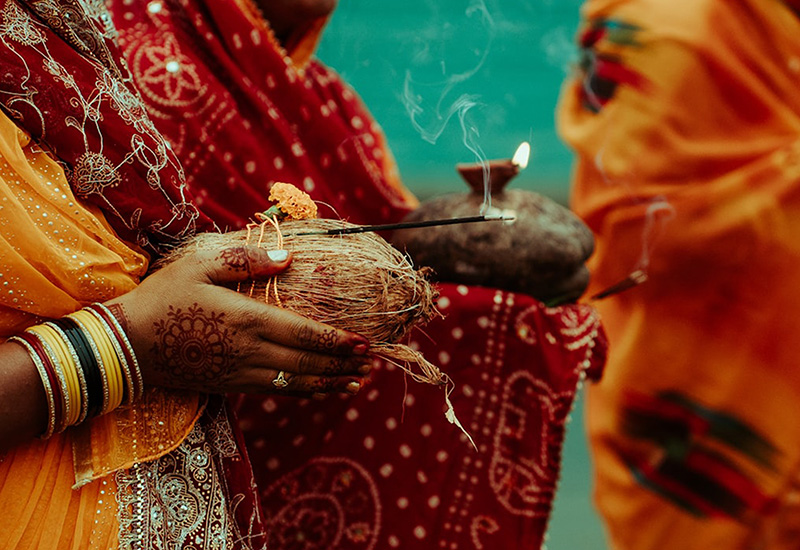
The coconut represents the human ego—its hard shell symbolizing stubbornness that must be cracked to reveal the pure soul within. When placed atop a kalash filled with sacred water, it becomes a complete offering to deities, signifying the devotee's surrender of material attachments for spiritual blessings. This combination appears in every major Hindu ritual because it embodies the fundamental principle of transformation through sacrifice.
A Mumbai wedding we documented required three separate kalash arrangements: one for Ganesh puja, another for the mandap ceremony, and a third for griha pravesh rituals. The bride's family from Kerala insisted on specific coconut varieties—fresh green ones for prosperity rituals, mature brown coconuts for ancestral blessings. Regional variations like this catch couples off-guard because North Indian pandits often accept different coconut types than South Indian priests.
Most couples focus on expensive décor while ignoring ritual items that actually determine ceremony validity. Orthodox families will halt wedding proceedings if coconut placement doesn't align with scriptural requirements—something your venue coordinator probably doesn't understand. The psychological impact runs deeper: guests judge your family's cultural commitment based on how seriously you treat these traditional elements, not your floral arrangements.
Professional wedding planners now coordinate with both pandits and decorators during venue walkthroughs because kalash positioning affects everything from mandap design to photography angles. Smart couples address these requirements during vendor selection, not the day before their ceremony when changes cost exponentially more.
 Hiya
HiyaPro Tip: Always confirm coconut and kalash requirements with your pandit before finalizing venue décor—many traditional priests have non-negotiable positioning rules that can conflict with modern venue layouts.
Key Factors for Proper Ritual Setup
Successful coconut and kalash arrangements depend on five critical factors that most couples discover too late. The positioning must satisfy both Vastu principles and practical ceremony flow—your pandit needs easy access while photographers require clear sight lines. Timing coordination becomes crucial because kalash water must be freshly prepared within specific hours before ceremonies, yet decorators typically set up the previous evening.
A Bangalore tech executive learned this when her outdoor wedding faced unexpected rain—the backup indoor venue couldn't accommodate her pandit's kalash positioning requirements because of low ceiling beams. The family spent ₹45,000 on emergency venue modifications rather than compromise on ritual accuracy. Such scenarios highlight why venue selection must consider ritual space requirements, not just guest capacity and aesthetics.
The quality and sourcing of materials matter more than couples realize. Copper kalash develops natural patina that affects ritual purity according to traditional beliefs. Fresh coconuts from specific regions carry different symbolic meanings—Tamil families prefer coconuts from temple towns, while Bengali families insist on ones blessed at particular shrines. Your vendor selection process should include suppliers who understand these cultural nuances.
Modern venues create logistical challenges for traditional rituals because spaces designed for contemporary parties lack proper storage for ritual items, adequate water access for kalash preparation, and appropriate surfaces for coconut placement. Smart couples visit venues specifically to map out ritual logistics, not just dance floor dimensions and catering stations.
1. Vastu-Compliant Positioning
Kalash must face specific directions based on ceremony type—east for prosperity rituals, north for ancestral blessings. Indoor venues with fixed architecture often conflict with these requirements, forcing expensive layout modifications.
2. Water Source and Quality
Sacred kalash water requires specific sources—Ganges water for North Indian ceremonies, temple-blessed water for South Indian rituals. Urban venues rarely have proper storage facilities for maintaining water purity requirements.
3. Coconut Freshness Timeline
Coconuts must be cracked fresh during ceremonies—storing them overnight reduces symbolic potency. Vendors need clear timelines because pre-wedding prep conflicts with freshness requirements for actual ritual moments.
4. Pandit Accessibility Requirements
Orthodox pandits require specific approach angles and arm movements around kalash arrangements. Modern décor often blocks these ceremonial paths, creating last-minute conflicts between tradition and aesthetics.
5. Guest Visibility and Photography
Kalash positioning affects ceremony documentation—photographers need clear angles while guests require unobstructed views. Balancing ritual authenticity with modern documentation needs requires careful coordination between multiple vendors.
Essential Items and Placement Options
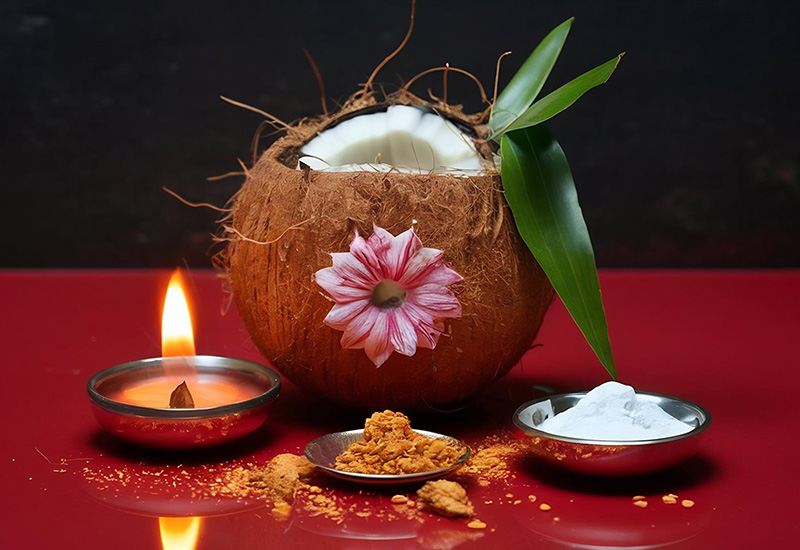
Traditional kalash setups require more than just copper vessels and coconuts—the complete arrangement includes specific leaves, flowers, rice, turmeric, and sacred threads that many modern couples overlook. Mango leaves must be fresh and arranged in odd numbers around the kalash rim. Marigold flowers should be locally sourced because wilted imported ones violate purity requirements according to orthodox interpretations.
Different ceremony phases demand distinct kalash configurations. Pre-wedding Ganesh puja requires smaller kalash with specific coconut positioning, while main ceremony mandap needs larger arrangements with multiple coconuts for different deities. A Hyderabad wedding we observed used seven separate kalash setups throughout their three-day celebration, each requiring different placement rules and fresh preparation timelines.
Indoor versus outdoor venues create completely different logistical challenges. Outdoor mandaps allow traditional ground-level kalash placement with proper Vastu alignment, but require weather protection and backup arrangements. Indoor venues often force elevated positioning on decorated platforms that may conflict with scriptural requirements. Professional decorators experienced in traditional weddings understand these trade-offs and plan accordingly.
The rise of destination weddings complicates coconut and kalash logistics because remote locations lack reliable suppliers for specific ritual items. Couples must coordinate transportation for fresh coconuts, pure water sources, and traditional kalash materials weeks in advance. Smart planning involves backup suppliers and alternative arrangements that still satisfy religious requirements.
 Most Traditional
Ground-Level Outdoor Setup
Ideal for traditional ceremonies allowing proper Vastu positioning and pandit accessibility. Requires weather contingency planning and secure storage for ritual items. Best for orthodox families prioritizing authenticity.
 Most Popular
Elevated Indoor Platform
Modern venue solution using decorated platforms for kalash positioning. Accommodates low ceilings and contemporary décor while maintaining ritual visibility. Popular for hotel and banquet hall ceremonies.
Budget Planning for Ritual Items
Coconut and kalash budgeting involves hidden costs that catch couples unprepared. Basic copper kalash start at ₹800 each, but ceremonial-grade versions with proper engravings cost ₹2,500-₹4,000. Fresh coconuts seem cheap at ₹40-60 each, but specific temple-blessed varieties reach ₹150-300 per coconut. Orthodox ceremonies requiring multiple kalash setups can push ritual item costs to ₹15,000-25,000 before including setup labor and transportation.
Labor costs for proper kalash arrangement are frequently underestimated because traditional setup requires specialized knowledge beyond regular decorators' skills. Experienced ritual specialists charge ₹2,000-5,000 per ceremony for authentic arrangements, while regular decorators who attempt these setups often create positioning errors that require expensive corrections. A Chennai wedding spent ₹8,000 rebuilding their entire kalash display because their budget decorator placed everything incorrectly according to their family pandit.
Timing affects pricing significantly—last-minute coconut sourcing during peak wedding season can triple costs, especially for specific varieties. Kalash water preparation on ceremony day requires additional vendor coordination fees. Smart couples book specialized ritual suppliers early in their planning process to lock favorable rates and ensure availability of required items.
Destination wedding logistics multiply all ritual item costs because transportation, storage, and local sourcing create additional expenses. Shipping traditional kalash to remote venues costs ₹1,500-3,000 per piece, while finding acceptable coconuts in hill stations or beach locations often requires premium sourcing fees that can reach ₹500-800 per coconut.
Basic Traditional Setup
Standard copper kalash, fresh local coconuts, basic ceremonial items
Best for simple ceremoniesPremium Orthodox Arrangement
Multiple engraved kalash, temple-blessed coconuts, comprehensive ritual items
Most popular for traditional familiesLuxury Multi-Day Setup
Custom kalash sets, premium coconuts, specialized arrangement services
For grand multi-ceremony celebrations💰 Money-Saving Tips
- Book ritual item suppliers 6 months ahead for off-season rates and guaranteed availability.
- Use Happiffie's Reverse Auction to compare specialized kalash suppliers and get competitive quotes.
- Source coconuts locally through temple connections rather than premium wedding vendors for authentic blessing at lower costs.
Frequently Asked Questions
These questions address the most common concerns couples have when planning traditional coconut and kalash arrangements for their wedding ceremonies.
Final Thoughts
Coconut and kalash arrangements represent the intersection where ancient wisdom meets modern wedding logistics—getting them right requires understanding both sacred symbolism and practical venue constraints. These aren't mere decorative elements but fundamental ceremony components that orthodox families and traditional pandits consider non-negotiable for wedding validity.
The smartest decision couples can make is treating ritual item planning with the same seriousness as venue booking and catering arrangements. Schedule that venue walkthrough with your pandit present, secure specialized suppliers early, and never assume your regular decorator understands traditional placement requirements. The biggest mistake is leaving these arrangements for the final week when corrections cost exponentially more and alternatives become limited.
Happiffie's platform connects you with ritual specialists who balance authentic traditions with contemporary wedding demands, ensuring your ceremonies proceed smoothly without compromising cultural integrity. Smart couples use our comprehensive vendor network to coordinate all elements—from temple-blessed coconuts to Vastu-compliant kalash positioning—creating weddings that honor both tradition and modern celebration expectations.
Ready to Plan Your Traditional Wedding?
Let Happiffie connect you with specialists who understand both sacred traditions and modern logistics.
Are you a Vendor? Grow Your Business with Happiffie!
- High intent verified leads
- Reverse auction opportunities
- AI business tools & insights
- Dedicated vendor dashboard
- Grow your business, your way
It's free & takes less than 2 minutes!