Hybrid Conferences vs Physical Conferences: Which Works Best?
Compare event delivery formats and choose the right conference strategy for your audience in India.
2026-06-25By Happiffie Editorial Team10 min read
⚡ Quick Answer
Hybrid conferences vs physical conferences presents a strategic choice: physical conferences offer in-person networking and immersive experiences, while hybrid conferences combine on-site and online attendance, reaching wider audiences. Hybrid conferences cost 30–50% more to execute but increase attendance by 2–3x. Physical conferences work best for 100–500 guests seeking deep connections; hybrid formats suit 500+ participant events with geographically dispersed teams.
Planning a corporate event, industry summit, or destination celebration? The choice between hybrid conferences vs physical conferences shapes your budget, guest experience, and ROI. In India, we've seen both formats thrive—physical conferences in Bangalore and Mumbai deliver unmatched networking energy, while hybrid conferences scale to pan-India and global audiences. This guide compares venue requirements, technology costs, attendance patterns, and vendor coordination for each format, helping you decide which blended event experiences or in-person event formats align with your goals. Whether you're booking a five-star banquet hall in Delhi or a conference center in Chennai, understanding the trade-offs ensures you maximize engagement and justifies every rupee spent.
What Are Hybrid Conferences and Physical Conferences?
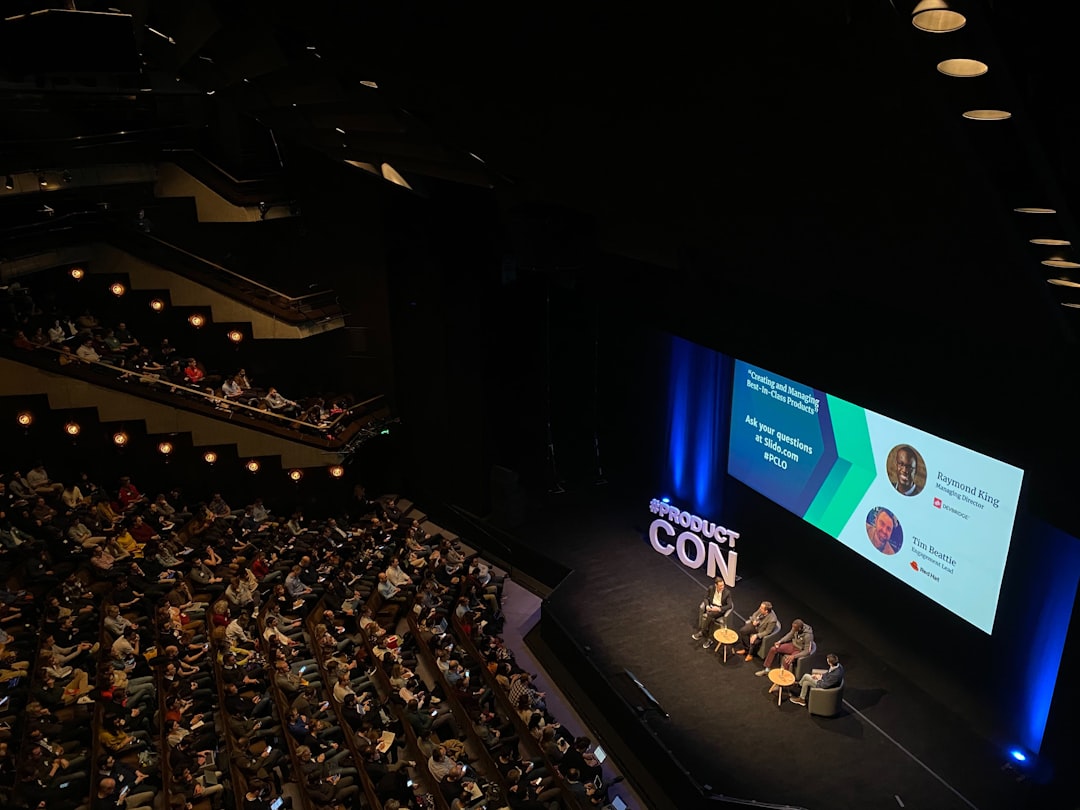
A physical conference brings all participants together in a single venue—a banquet hall, hotel ballroom, or conference center. Attendees sit in rows, engage in live Q&A, network during breaks, and experience presentations firsthand. Physical conferences thrive on in-person event formats because body language, eye contact, and spontaneous conversation create trust and memorable interactions.
A hybrid conference combines in-person and online attendance, streaming sessions to remote viewers via Zoom, YouTube, or proprietary platforms. Virtual conference integration allows international guests to participate without travel, while on-site attendees enjoy full immersion. Blended event experiences are increasingly popular across India—particularly for tech summits in Bangalore, business conferences in Mumbai, and destination celebrations where guests span multiple cities.
The key distinction: physical conferences maximize presence and energy; hybrid conferences maximize reach and ROI per rupee spent on digital infrastructure.
How Do Costs Compare Between These Conference Formats?
Physical Conferences typically cost ₹50–150 per attendee in tier-1 cities like Mumbai, Bangalore, and Delhi (excluding catering). A 300-person physical conference in a mid-range banquet hall runs ₹5–8 lakhs for 6 hours. Venue, AV (audio-visual), furniture, and staff dominate costs. Off-season (June–August) offers 20–30% discounts; peak season (October–December) commands premiums.
Hybrid Conferences add 30–50% to base costs due to professional streaming equipment, technical support staff, platform licensing (₹20,000–50,000 per event), and dual catering zones for in-person and virtual attendees. Expect ₹7–12 lakhs for 300 in-person + 500 remote attendees in tier-1 cities. However, virtual attendance increases reach without proportional venue expansion, improving cost-per-engaged-attendee metrics.
Event budget optimization: if 30% of your expected audience cannot travel, a hybrid format justifies the 40% cost premium through higher registration and engagement rates.
Which Conference Format Delivers Better Attendee Engagement?
Physical conferences excel at deep, unmediated engagement. Attendees stay for full duration (75–85% attendance through lunch), ask follow-up questions, and exchange contact details face-to-face. In-person event formats foster informal networking—the unscheduled hallway conversation that sparks business deals. Industry data shows 65–70% of physical attendees report making a new professional contact; for virtual-only audiences, that figure drops to 15–20%.
Hybrid conferences introduce engagement trade-offs. Remote viewers experience presenter fatigue by hour 3; chat participation dwindles. However, recording and on-demand access extend value beyond the live day, benefiting time-zone-constrained or late registrants. Virtual conference integration works best when on-site sessions are kept intimate (10–15 minute talks, not 45-minute lectures), and facilitators actively manage chat, polls, and Q&A to keep remote participants energized.
Practical insight: if your goal is immediate business outcomes (deals, partnerships, recruitment), physical conferences outperform; if you prioritize audience reach and content longevity, hybrid formats win.
Technology, Logistics, and Venue Requirements for Hybrid Events
Physical conference venues need reliable power, Wi-Fi (for speaker slides and attendee connectivity), and stage setup for microphones and screens. A 300-person physical conference requires 1 x 30x40ft main stage, 2–3 break-out rooms, and a registration desk. Most tier-1 banquet halls in Chennai, Bangalore, Delhi, and Mumbai meet these specs at no extra cost.
Hybrid conferences demand professional-grade streaming infrastructure: 1–3 camera operators, HD video encoding, redundant internet (hardline + mobile hotspot backup), lighting rigs, and mixing desks. Virtual conference integration typically requires hiring AV vendors (₹30,000–60,000 for full day); DIY setups with personal laptops fail during live broadcasts. Venue must support camera sightlines, closed-captions (WCAG 2.1 compliant), and moderation software to filter inappropriate chat.
Blended event experiences also require a dedicated virtual host (separate from the on-site MC) to manage remote Q&A and engagement in real-time, adding 1–2 staff roles.
How to Choose the Right Format for Your Event?
Start with your primary goal: awareness-building, networking, or knowledge transfer? If your audience is concentrated within 100 km of a single city and attendees expect uninterrupted in-person access, choose physical conferences. If 40%+ of your guest list faces travel barriers (cost, time, visa), hybrid is justified.
Next, audit your budget and timeline. Physical conferences can be organized in 4–6 weeks; hybrid conferences need 8–10 weeks for vendor vetting, tech rehearsals, and platform testing. Small events (50–150 people) rarely justify hybrid complexity; large events (500+) benefit from dual-format reach.
What is the main difference between hybrid conferences and physical conferences?
Physical conferences gather all attendees in one venue for in-person engagement; hybrid conferences blend in-person and online participation. Hybrid formats use streaming to reach remote attendees simultaneously. Physical conferences maximize networking energy; hybrid conferences maximize geographic reach and attendance numbers.
How much does it cost to host a hybrid conference vs. a physical conference in India?
A 300-person physical conference costs ₹5–8 lakhs (venue, catering, AV). A comparable hybrid event with 300 in-person + 500 online attendees runs ₹7–12 lakhs due to streaming equipment, platform licensing (₹20,000–50,000), and technical staff. Hybrid adds 30–50% to physical conference base costs.
Which format generates better ROI for corporate events?
Physical conferences deliver immediate ROI through face-to-face deals and partnerships; 65–70% of attendees report new professional contacts. Hybrid conferences extend ROI via on-demand content and wider registration, though real-time engagement drops by 30–40% for remote viewers. Choose hybrid for content longevity and reach; physical for immediate conversion.
Do I need a special venue for hybrid conferences?
Most modern venues in tier-1 Indian cities (Mumbai, Bangalore, Delhi, Chennai) can support hybrid setup, but confirm Wi-Fi reliability, camera sightlines, and in-house AV support. Some venues charge ₹20,000–30,000 extra for streaming infrastructure. Smaller conference centers may require external AV vendors, adding cost and coordination complexity.
What technology is essential for running a hybrid conference?
You need reliable internet (min. 10 Mbps upload/download), video conferencing platform (Zoom, YouTube Live, Teams), HD cameras, microphones, mixing desk, and moderation software for chat. Professional setups include closed-caption systems, redundant internet (backup mobile hotspot), and dedicated technical operators. Budget ₹30,000–60,000 for a full-day AV team.
Can I switch from physical to hybrid format at the last minute?
Not advisable. Hybrid requires 8–10 weeks planning: vendor contracts, platform testing, speaker rehearsals, and internet redundancy setup. Switching 2–3 weeks before your event risks technical failure, poor video quality, and attendee frustration. Decide your format early and communicate it to speakers and guests.
How do I keep remote attendees engaged in a hybrid conference?
Use polls, live Q&A, breakout rooms, and a dedicated virtual host. Keep presentations short (15–20 min, not 45 min). Encourage chat participation and read viewer comments aloud on stage. Record sessions for on-demand replay. Remote attendees engage 30–40% less than in-person; active facilitation is essential.
Which Indian cities are best for hosting large hybrid conferences?
Bangalore, Mumbai, Delhi, and Hyderabad offer venues with strong internet infrastructure and AV vendor networks. Bangalore leads for tech conferences; Mumbai for business summits; Delhi for government and policy forums. Tier-2 cities (Pune, Chandigarh) are growing but have fewer hybrid-ready venues. Always test internet quality 2–3 weeks pre-event.
Should I charge different ticket prices for in-person and online attendees?
Yes, typically. In-person tickets (₹2,000–5,000) include meals, networking materials, and full access; online tickets (₹500–1,500) offer streaming + recording. Tiered pricing reflects the experience gap and helps attendees self-select. Early-bird discounts (20–30% off) drive registration in weeks 1–3.
What happens if internet fails during a hybrid conference?
This is why redundancy matters. Always pair primary broadband with mobile hotspot as backup (different ISPs). Test failover 48 hours pre-event. If internet drops for <5 min, most attendees stay; beyond that, reputation suffers. Have a contingency plan to resume recording and notify remote attendees of delay. Vendor SLAs should include uptime guarantees (99%+).
Can hybrid conferences work for destination events or wedding celebrations?
Yes, increasingly so. Destination weddings in Goa, Jaipur, or Kerala benefit from hybrid streaming—remote family and friends can witness ceremonies live. Budget 30–40% extra for tech setup. Ensure venue has strong cellular signal and hire local AV vendors. Consider time zones if inviting international family; record all segments for asynchronous viewing.
How do I choose a platform for virtual conference integration?
Zoom suits 100–500 attendees (₹10,000–25,000 for licensed accounts). YouTube Live handles 10,000+ viewers (free but less interactive). Teams works for Microsoft-ecosystem orgs. Proprietary platforms (₹25,000–50,000) offer branding, networking lounges, and analytics. Test bandwidth requirements 2 weeks before your event with your vendor.
Expert Recommendation
Best for Intimate Celebrations (50–150 guests)
Choose physical conferences for weddings, milestone celebrations, and small team offsites. Guests expect full presence and personal attention; in-person event formats eliminate technical distractions. Venues like boutique hotels in Mumbai or heritage properties in Jaipur deliver premium experiences without hybrid complexity. No streaming equipment needed—focus on decor, catering, and on-site entertainment.
Best for Large Corporate Events (300–500 attendees)
Hybrid conferences shine here. With 40–50% remote participation, blended event experiences justify the extra 30–50% cost. Tier-1 banquet halls in Bangalore, Delhi, and Chennai have vendor networks for streaming. Professional setup includes 2–3 cameras, dedicated virtual host, and platform moderation. This format maximizes reach and allows follow-up engagement via on-demand recordings.
Best for Pan-India or Global Events (500+ attendees)
Mandatory hybrid format. Physical-only events exclude time-zone-constrained international stakeholders and cross-geography teams. Virtual conference integration via YouTube or Zoom ensures no one is left out. Budget for professional AV (₹40,000–70,000), closed-captions, and 24-hour recording availability. This blended event experience generates the highest ROI for large organizations.
Best for Budget-Conscious Organizers
Physical conferences in tier-2 cities (Pune, Hyderabad, Chandigarh) cost 40% less than hybrid setups in Mumbai or Bangalore. Venues charge ₹30–80 per attendee; basic AV is included. If your audience is geographically concentrated, physical format optimizes spend. Negotiate all-in packages that include catering, AV, and staff to avoid hidden costs.
Best for Knowledge-Focused Events (Seminars, Workshops)
Hybrid conferences excel here because on-demand recordings extend content value indefinitely. Attendees replay sessions, share clips internally, and reference materials post-event. Blended event experiences allow aspiring attendees to access content even if they miss the live day. Invest in professional captions and clear audio—knowledge transfer is the goal, not just live interaction.
Best for Networking-First Events (Summits, Matchmaking)
Physical conferences dominate. Industry summits live or die by hallway conversations and cocktail-hour deals. In-person event formats create serendipity that Zoom cannot replicate. For pure networking ROI, book a high-energy venue with multiple breakout zones. Remote viewers simply cannot participate in the informal deal-making that justifies attendance.
Hybrid Conferences vs Physical Conferences: Side-by-Side Comparison
Pan-India events, large corporate summits (300+), knowledge-focused workshops, global or international stakeholder events
Virtual-Only Conferences (100% online)
Lowest cost (₹20,000–50,000 total), no venue needed, zero travel barriers, easy to scale globally, full asynchronous replay capability, reduces carbon footprint
Minimal networking, low real-time engagement, Zoom fatigue after 2 hours, hard to differentiate brand experience, less memorable than in-person
Budget-constrained orgs, internal-only briefings, knowledge archives, international audiences across 8+ time zones
Destination Conferences (Physical in remote location)
Premium brand experience, high attendee motivation (multi-day stay), luxury venue options, team-building during off-hours, memorable storytelling, high ROI perception
Travel costs inflate per-attendee expense by 50–100%, requires on-site logistics support, smaller attendance due to friction, weather/external event risks
Venue Constraints: No suitable on-site venue? Go virtual or hybrid. Premium venue available? Physical is worth the investment.
Time Zone Spread: International attendees? Mandate hybrid or virtual-first. Single time zone? Physical scales more effectively.
Cost & Quality Factors
Venue Cost: Physical ₹5–10 per sq.ft.; Hybrid venues charge same but demand advanced catering (virtual zones excluded). Factor ₹20,000–50,000 platform/AV surcharge for hybrid.
AV & Technology: Physical minimal (basic projector + mic); Hybrid professional (₹30,000–60,000 vendor), redundant internet (₹5,000–10,000), platform licensing (₹20,000–50,000).
Staffing: Physical needs 1 MC + 2 ops staff. Hybrid needs MC + virtual host + 2–3 AV techs + chat moderator. Add ₹15,000–25,000 to payroll.
Timeline to Launch: Physical 4–6 weeks; Hybrid 8–10 weeks. Decide format early or face rushed execution and poor outcomes.
Attendee Retention: Physical 75–85% through full duration; Hybrid 40–50% (remote viewers drop after hour 3). Shorter, punchier agendas boost hybrid retention.
Post-Event Engagement: Physical relies on follow-up emails; Hybrid extends via on-demand replay, clips, and moderated community forums (₹5,000–15,000 platform cost).
Mistakes to Avoid
Deciding to go hybrid 2 weeks before the event. Tech failures and poor attendee experience will damage your brand. Commit 8+ weeks ahead.
Assuming home Wi-Fi or personal laptop suffices for streaming. Invest in professional broadband, redundant internet, and AV vendor setup. One failed stream = reputational damage.
Ignoring time zones for international audiences. Schedule hybrid events for 9 AM–1 PM IST to suit US evenings and EU mornings. Provide async replay for Asia-Pacific.
Overloading the agenda with 45-minute talks. Hybrid attendees fatigue by hour 2 of long lectures. Cap segments at 15–20 minutes with frequent polls, Q&A, and 5-min breaks.
Treating remote attendees as second-class. Read chat messages aloud, call on virtual participants by name, and offer same breakout room quality as in-person. Engagement drives retention.
Skipping speaker rehearsals on camera. Presenters unfamiliar with hybrid format stumble, waste time checking angles, and derail timing. One full dress rehearsal is mandatory.
Key Takeaways
Hybrid conferences vs physical conferences involves a strategic trade-off: physical maximizes networking and presence; hybrid maximizes reach and content longevity.
Physical conferences cost ₹50–150 per attendee (₹5–8 lakhs for 300 guests); hybrid conferences add 30–50%, reaching ₹7–12 lakhs for 300 in-person + 500 online attendees.
Physical events achieve 75–85% full-day attendance and 65–70% new professional contacts; hybrid events reach 2–3x more attendees but with 30–40% lower remote engagement.
In-person event formats work best for intimate celebrations (50–200 guests) and pure networking goals; hybrid conferences suit pan-India events (500+ attendees) and knowledge-focused summits.
Blended event experiences require 8–10 weeks planning, professional AV vendors (₹30,000–60,000), platform licensing (₹20,000–50,000), redundant internet, and speaker rehearsals.
Virtual conference integration via YouTube, Zoom, or proprietary platforms extends ROI indefinitely through on-demand replay; this justifies hybrid investment for content-heavy events.
Digital hybrid setup fails without backup internet, camera sightlines, a dedicated virtual host, and active chat moderation. Budget 1–2 extra staff roles for hybrid execution.
Choose physical conferences for budget-constrained events in tier-2 cities; hybrid for large organizations prioritizing reach and pan-India stakeholder inclusion.
Frequently Asked Questions
Deciding between hybrid conferences vs physical conferences raises practical questions: cost, logistics, engagement, and ROI. Below are answers to the most common queries from event organizers planning celebrations, corporate summits, and destination events across India.
What is the difference between a hybrid conference and a physical conference?
A physical conference brings all attendees to one venue for in-person participation, networking, and real-time interaction. A hybrid conference blends in-person and remote attendance—streaming live sessions to online viewers via Zoom, YouTube, or proprietary platforms. Hybrid conferences reach wider audiences but require professional streaming setup; physical conferences deliver energy and intimacy but exclude geographically distant guests.
How much does it cost to organize a hybrid conference in India?
A 300-person hybrid conference with 500 remote attendees costs ₹7–12 lakhs in tier-1 cities (Mumbai, Bangalore, Delhi). Breakdown: venue ₹3–4 lakhs, catering ₹2–3 lakhs, AV + streaming setup ₹1–1.5 lakhs, platform licensing ₹20,000–50,000, and staff ₹50,000–100,000. Physical-only conferences cost ₹5–8 lakhs (30–50% less). Budget inflation depends on venue tier and streaming complexity.
Which format generates better attendance and engagement?
Physical conferences achieve 75–85% full-day attendance because in-person commitment is higher. Hybrid conferences attract 2–3x registrations (500+ online viewers) but have lower real-time engagement—remote viewers drop off after hour 2–3, especially for long lectures. Physical events excel at immediate networking and deal-making; hybrid events excel at reach and post-event content access via recordings.
Do I need a special venue for hybrid conferences?
Most modern banquet halls and conference centers in tier-1 Indian cities support hybrid setup, but confirm in advance: Wi-Fi speed (10+ Mbps upload/download), power backup, camera sightlines, and technical staff availability. Some venues charge ₹20,000–30,000 extra for streaming infrastructure. Smaller venues in tier-2 cities may require external AV vendor (₹30,000–60,000), adding cost and coordination risk.
What technology do I need for hybrid conference streaming?
Essential tech includes reliable broadband (10+ Mbps), backup mobile hotspot (different ISP), HD video camera(s), quality microphones, mixing desk, and a platform (Zoom, YouTube Live, or proprietary software ₹20,000–50,000). Professional setups add closed-captions, moderation software, and a dedicated technical operator. DIY setups with personal laptops fail during live broadcasts. Hire an experienced AV vendor to manage all components.
How long does it take to plan a hybrid conference?
Physical conferences can be organized in 4–6 weeks. Hybrid conferences need 8–10 weeks for vendor vetting, platform testing, internet redundancy checks, speaker rehearsals, and contingency planning. Deciding late causes rushed execution, poor video quality, and technical failures that damage your brand. Commit to your format early and allocate time for dress rehearsals 1 week before the event.
Can I record and replay a hybrid conference later?
Yes, and this is a major advantage of hybrid conferences. Professional streaming setups include full-event recording. Post-event, you can edit clips, publish on-demand access (24–72 hours post-event), and build a content library for future reference and team onboarding. This extends ROI indefinitely—attendees who missed the live event can catch up asynchronously, especially valuable across multiple time zones.
How much should I charge for online vs. in-person tickets?
Typical pricing: in-person tickets ₹2,000–5,000 (includes meals, materials, networking events, full access), online tickets ₹500–1,500 (streaming + post-event replay). Pricing reflects the experience gap. Offer early-bird discounts (20–30% off) for week-1 registrations to drive conversion. Tiered pricing also helps attendees self-select based on their needs and budgets.
How do I keep remote attendees engaged during a hybrid conference?
Use polls, live Q&A sessions, breakout rooms for smaller discussions, and a dedicated virtual host who reads chat aloud. Keep presentations short (15–20 minutes, not 45 minutes) with frequent interactions. Encourage speakers to address online viewers directly by name. Watch engagement metrics (chat volume, poll participation) and adjust in real-time. Remote attendees disengage 30–40% more than in-person—active facilitation is critical.
What happens if internet fails during my hybrid conference?
Internet failure is the #1 hybrid conference risk. Mitigation: always pair primary broadband with mobile hotspot backup (different ISPs). Test failover 48 hours before the event. Have a SLA (Service Level Agreement) with your AV vendor guaranteeing 99%+ uptime. If failure occurs <5 minutes, most attendees stay; beyond that, reputation suffers. Have a contingency plan: resume recording, notify attendees, and provide replay within 24 hours.
How can Happiffie help me plan and execute a hybrid or physical conference?
Can I host a hybrid conference for a destination wedding or celebration?
Yes, increasingly so. Destination weddings in Goa, Jaipur, Udaipur, or Kerala benefit from hybrid streaming—remote family and friends can witness ceremonies, receptions, and celebrations live without travel. Budget 30–40% extra for tech setup. Ensure venue has strong cellular signal and hire local AV vendors experienced in wedding streaming. Consider time zones for international guests and provide asynchronous replay for key moments (ceremony, first dance, toasts).
Find the Perfect Venue for Your Hybrid or Physical Conference Today
Whether you're planning an intimate 50-person celebration or a 500+ pan-India summit, Happiffie connects you with verified venues, AV vendors, and catering partners that support both physical and hybrid formats. Compare quotes, negotiate all-in packages, and execute flawlessly.